Top 4 Caves in Viñales
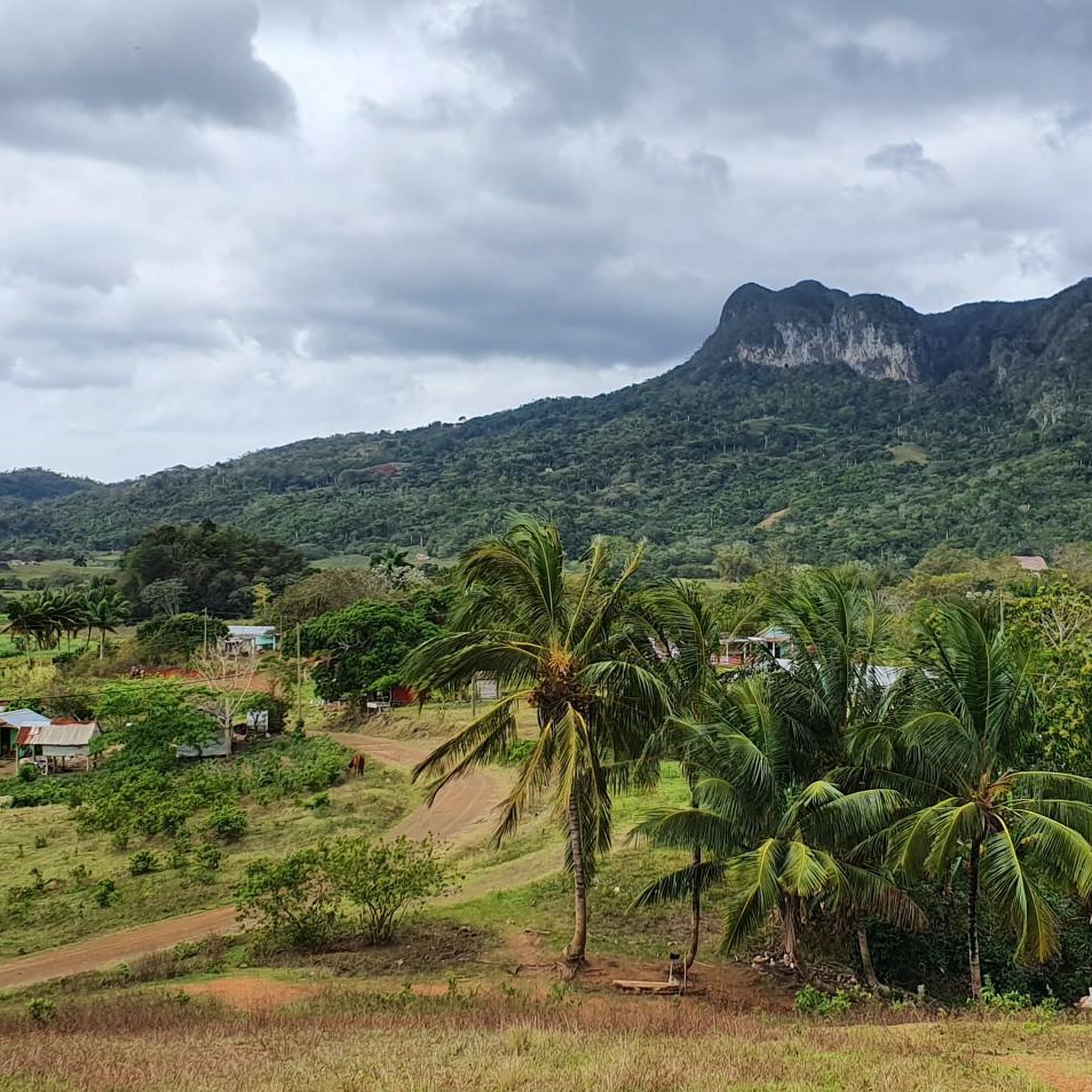
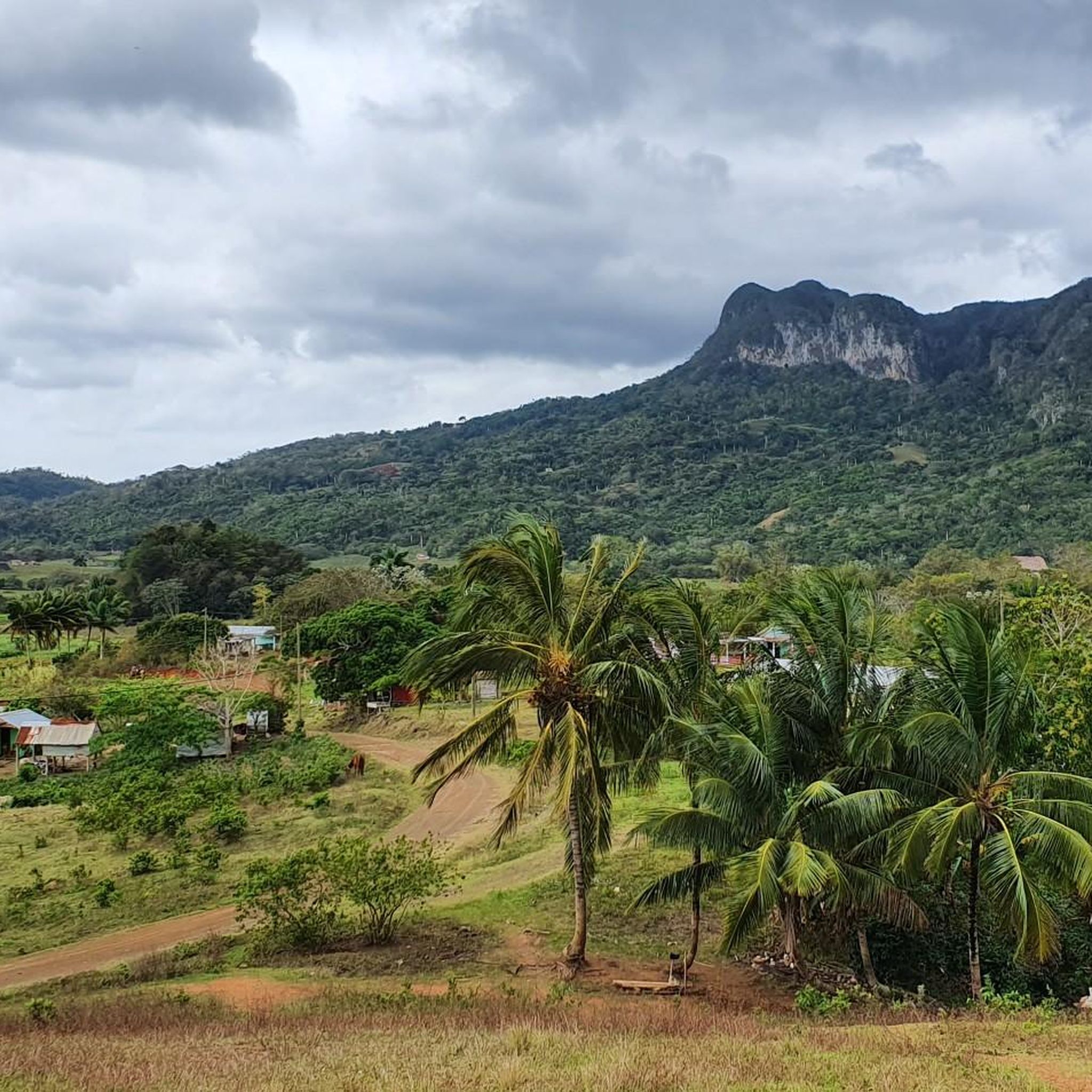
Best caves in Viñales are found within a karstic depression in the Sierra de los Órganos mountains, characterized by dramatic limestone hills known as "mogotes." This region features a network of caves offering natural beauty and historical significance. The caves provide diverse experiences, from accessible tours to more challenging explorations. Viñales is a notable area for its unique geological formations and cultural heritage.
Best caves in Viñales
- The most popular caves is Cueva de la Vaca, an intermediate cave…
Last updated: July 18, 2026
Cueva de la Vaca
Highlight • Cave
Tip by

Beautiful stalactites in Cueva del Indio
Highlight • Cave
Translated by Google •
Tip by

Sign up now to discover places like this
Get recommendations on the best single tracks, peaks, & plenty of other exciting outdoor places.
Sign up for free
Palenque de los Cimarrones Cave
Highlight • Cave
Translated by Google •
Tip by

Cueva de Santo Tomás
Highlight • Cave
Translated by Google •
Tip by

Cueva del Indio Cave Exit
Highlight • Cave
Translated by Google •
Tip by

View from the Cave in Viñales National Park
Highlight (Segment) • Cave
Translated by Google •
Tip by

Start today with a free account
Your next adventure awaits.
Login or Signup
Popular around Viñales
Tips from the Community

A short cave through the Mongotes, which is also home to bats.
2
0
The cave itself is very short and unspectacular, but it offers a brief moment of cooling off in the heat. Bats are sometimes present.
1
0
The Cueva del Indio has beautiful limestone formations on the ceiling
1
0
Most of the travel in the Cueva del Indio is done by small boat. Unfortunately, this boat has a gasoline engine, which makes it extremely loud and fills the entire cave with a stink.
1
0
A park-like area adorns the entrance area of the cave, which also houses a café.
1
0
When hiking in the Vinales Valley in Cuba, you pass through the Cueva de la Vaca (cave), which is reached via a steep climb.
2
0
At the end of the tour, you will take a boat through this cave exit of the Cueva del Indigo to the outside.
0
0
The Cueva del Indigo is the smaller of two caves that can be visited around Vinales. It is more tourist-friendly and easy for children to access. At the end there is a short boat ride that takes you back to the surface.
1
0
Frequently Asked Questions
Which caves in Viñales offer a unique historical or cultural experience?
For a blend of history and culture, visit Palenque de los Cimarrones Cave (also known as Cueva de San Miguel). This cave served as a refuge for indigenous people and later for runaway African slaves. The exit leads to El Palenque de los Cimarrones, an Afro-Cuban themed cultural venue with a museum, traditional food, and live performances. You can also find ancient indigenous dwelling evidence and cave paintings in La Cueva del Indio.
Are there any family-friendly caves in Viñales?
Yes, several caves are suitable for families. Beautiful stalactites in Cueva del Indio is a great option, offering an accessible, illuminated path and a unique boat ride on an underground river. Palenque de los Cimarrones Cave is also family-friendly, providing a cultural experience alongside the cave exploration.
What kind of geological formations can I expect to see in Viñales' caves?
Viñales' caves are rich in stunning geological formations. In La Cueva del Indio, you'll see spectacular stalactites and stalagmites. Cueva de Santo Tomás, Cuba's largest cave system, boasts phenomenal stalactites, stalagmites, columns, and unique formations like "Geda Roses" formed by water dripping on false floors.
Which cave offers the most adventurous caving experience?
For a more adventurous and immersive caving experience, Cueva de Santo Tomás is highly recommended. As Cuba's largest cave system, it offers extensive galleries. A guided tour is necessary due to its complexity, and the trek to the entrance can be steep and rocky, requiring good walking shoes and a certain level of fitness.
Can I explore any of the caves by boat?
Yes, La Cueva del Indio offers a distinctive experience with a boat ride along the San Vicente River that flows through the cave. This allows you to explore a significant portion of the cave's interior from a unique perspective.
What outdoor activities can I do near the caves in Viñales?
The Viñales region offers various outdoor activities. You can find numerous hiking trails, such as the moderate "Cueva de la Vaca – View of Viñales Valley loop from Viñales" (13.3 km), or cycling routes like the "Gran Caverna de Santo Tomás – Viñales Valley loop from Viñales" (38.9 km). For more options, explore the Hiking in Viñales or Cycling in Viñales guides.
Is there a cave that also offers great viewpoints of the Viñales Valley?
Yes, Cueva de la Vaca is known for being an intermediate cave and a viewpoint. You can walk through this cave and continue your tour on the other side of the mogote, often leading to scenic views of the surrounding valley.
What is the best time to visit the caves in Viñales?
While specific opening hours vary, visiting popular caves like La Cueva del Indio in the morning or late afternoon can help you avoid larger crowds and enjoy a more tranquil experience.
Are there any amenities like cafes or restaurants near the caves?
Yes, some caves offer nearby amenities. Cueva de Santo Tomás has a park-like entrance area that includes a café. Additionally, the Palenque de los Cimarrones Cave leads directly to El Palenque de los Cimarrones, a cultural venue that serves traditional charcoal-cooked Creole food.
What should I bring for a caving tour in Viñales?
For caves like Cueva de Santo Tomás, which involves a steep and rocky trek, it's essential to wear good walking shoes. For other caves, comfortable footwear is generally recommended. If you plan to visit popular sites, consider bringing water and snacks, especially if you anticipate waiting in line.
What makes the Viñales region's caves unique?
The caves in Viñales are unique due to their location within a karstic depression characterized by dramatic limestone hills called "mogotes." They offer a blend of natural beauty, with extensive geological formations and underground rivers, and significant historical context, having served as ancient indigenous dwellings and refuges for runaway slaves. The region is also home to Cuba's largest cave system, Cueva de Santo Tomás.
Most popular attractions in Viñales

Get inspired with the komoot mobile app


Explore more
Extend your search for the best caves by checking out these guides of the top ones in Viñales:
