Top 13 Lakes in Ancash
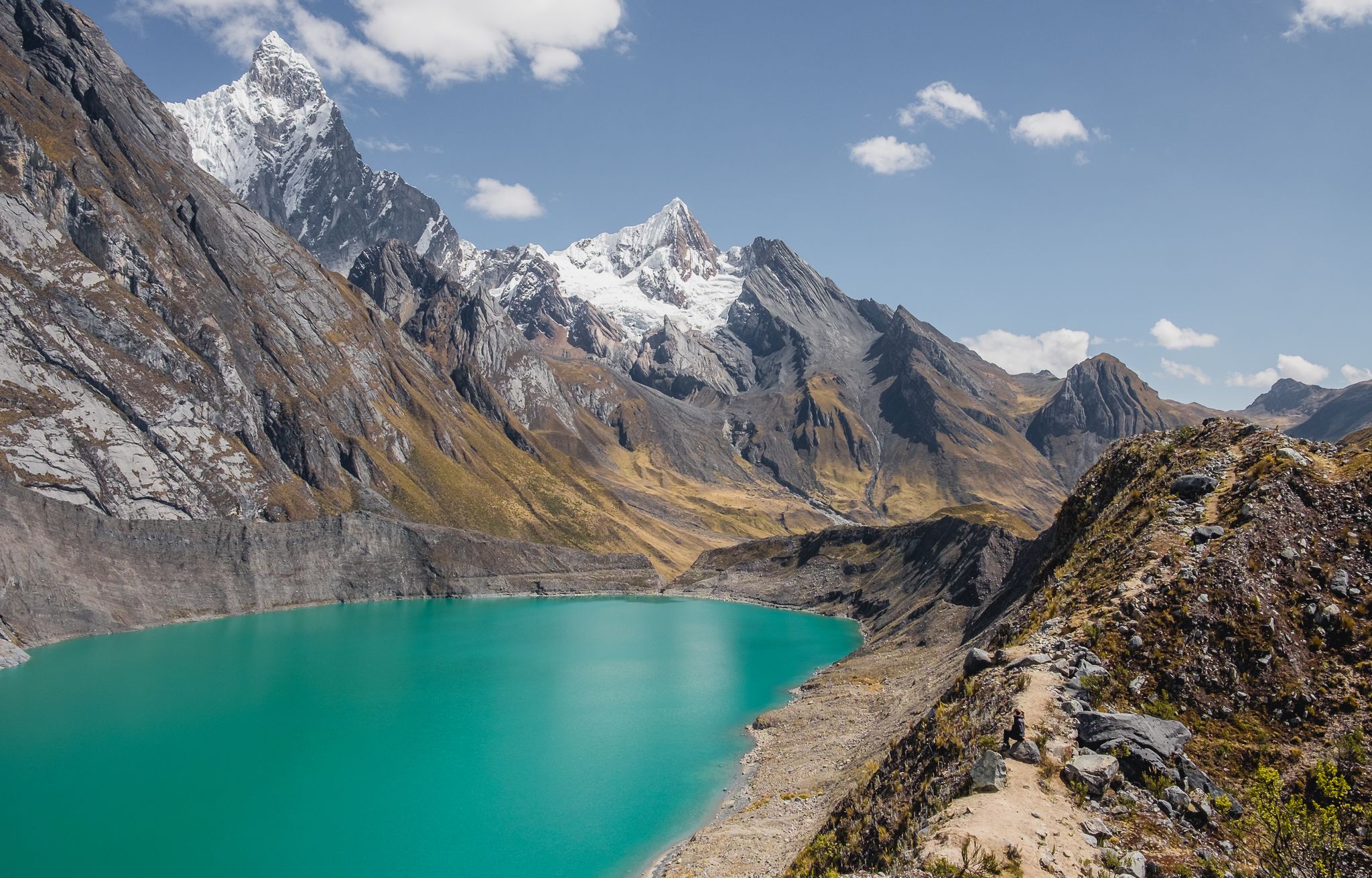
Best lakes in Ancash are found within a mountainous region, often referred to as the "Peruvian Switzerland," featuring glacial lakes. Many of these are located within Huascarán National Park. The lakes are characterized by their vibrant turquoise and blue waters, set against a backdrop of snow-capped peaks. This area offers a diverse natural landscape for exploration.
Best lakes in Ancash
- The most popular lakes is Lake Churup, a lake that offers wide views over the Cordillera Blanca. This hike…
Last updated: July 17, 2026
Lake Churup
Highlight • Lake
Translated by Google •
Tip by

Laguna Wilcacocha
Highlight • Lake
Translated by Google •
Tip by

Sign up now to discover places like this
Get recommendations on the best single tracks, peaks, & plenty of other exciting outdoor places.
Sign up for free
Arhuaycocha Lake
Highlight • Lake
Translated by Google •
Tip by

Laguna Parón Viewpoint
Highlight • Viewpoint
Translated by Google •
Tip by

Laguna Orconcocha
Highlight • Lake
en.wikipedia.org/wiki/Langanuco_Lakes
Translated by Google •
Tip by

Laguna Cullicocha
Highlight • Lake
Translated by Google •
Tip by
Huaripampa Valley
Highlight • Gorge
Translated by Google •
Tip by
Huachucocha Pass 4350 m a.s.l.
Highlight • Mountain Pass
Translated by Google •
Tip by

Beautiful colorful rocks with lagoons
Highlight • Natural Monument
It is a bit longer, but there are interesting rock formations and …
Showing Translation
Tip by

Laguna Parón
Highlight • Lake
Translated by Google •
Tip by

Sign up for free to discover even more lakes in Ancash.
Sign up for free
Already have an account?
Start today with a free account
Your next adventure awaits.
Login or Signup

Other adventures in Ancash

Tips from the Community

Anyone who has the desire and time should take this path on the way back from the glacier. It is a bit longer, but there are interesting rock formations and colorful lagoons to see. But the best thing is, there are almost no tourists on this path 😉
0
0

Serene silence during the acclimatization walk for the trek through the Cordillera Blanca that literally lies before you from this point
0
0

The pass between Huari and San Luis is a beautiful challenge. The slope isn't very steep coming from Huari, but there are many rocks. Coming from San Luis, the slope is steeper, but the surface is a little better. On both sides, there are beautiful views and a lagoon near the pass.
0
0

Great lagoon in deep blue with 6,000m peaks with snow peaks in the background 😍
0
0

The hike is technically easy, except for a small section with a via ferrata. Getting there from Huaraz is easy with the public buses (colectivos), which leave from an unofficial bus stop on the corner of Avenida Agustín Gamarra and Av. Las Américas. It is advisable to start as early as possible in order to catch the last bus back in the evening. The journey takes about an hour. The climb up to 4400m was quite exhausting, luckily we were acclimatized.
1
0
A wonderful place at the Laguna Churup at an altitude of 4450m. In the background is the Nevado Churup with its majestic glaciers. From midday onwards there are often numerous tourists, so it is worth coming early.
0
0

The hike is great for acclimatizing to the environment and testing out a more challenging hike. We found the hike to be very good for preparing for Laguna 69 and the altitude. Fully recommended for testing out the altitude.
1
0
This hike is a good start for acclimatization to the area in Huaraz and a tip for further, more challenging hikes in and around Huaraz
0
0
Frequently Asked Questions
What are some of the most popular lakes for trekking in Ancash?
For trekking enthusiasts, Lake Churup is a popular choice, known for its wide views over the Cordillera Blanca and its challenging ascent. Another iconic destination is Laguna 69, famous for its intensely blue waters and rewarding, albeit challenging, hike. For a more remote experience, Rocotuyoc Lake offers pristine nature and panoramic views after a rugged trek.
Which lakes are suitable for acclimatization before more challenging hikes?
Several lakes in Ancash are excellent for acclimatization. Lake Churup is often recommended for this purpose due to its altitude and moderate difficulty. Similarly, Laguna Wilcacocha provides panoramic views of the Cordillera Blanca and is a good starting point. Laguna Parón Viewpoint is also well-suited for acclimatization, allowing you to reach a high altitude without strenuous effort.
What is the best time of year to visit the lakes in Ancash?
The best time to visit the lakes in Ancash is generally during the dry season, which runs from April to November. During these months, you can expect sunny days and clear skies, which enhance the vibrant colors of the water and provide optimal conditions for hiking and photography.
Are there family-friendly lakes or activities available in Ancash?
Yes, the Llanganuco Lakes, which include Laguna Orconcocha and Chinancocha, are a prominent destination for those seeking natural beauty without requiring long, strenuous hikes. Visitors can enjoy boat rides, picnics with stunning views, and cultural tours. The area also offers opportunities for horseback riding and camping, making it suitable for families.
What unique natural features can I expect to see at the lakes?
Many lakes in Ancash are glacial in origin, resulting in vibrant turquoise and blue waters due to dissolved minerals. At Arhuaycocha Lake, you can witness a glacier flowing directly into the water. The Llanganuco Lakes are surrounded by unique queñual forests, and Laguna Llaca is an alpine glacial lake at the foot of a glacier, offering incredible mountain backdrops.
What outdoor activities can I do near the lakes in Ancash?
The Ancash region offers diverse outdoor activities. You can find numerous hiking trails, ranging from moderate to difficult, near many lakes. For example, there are routes like the 'View of Laguna Churup loop from Pitec' and the 'Laguna Wilcacocha loop from Laguna Wilcacocha trailhead'. You can explore more options for hiking by visiting the Hiking in Ancash guide. Additionally, running trails are available, such as the 'Laguna Wilcacocha loop from Huaraz', detailed in the Running Trails in Ancash guide. Kayaking and paddleboarding are also popular at lakes like Parón.
Are there any hidden gem lakes in Ancash that are less crowded?
While many lakes are popular, Rocotuyoc Lake is described as a pristine lake accessed via rugged trails, offering a serene experience away from the crowds. Its relative inaccessibility means fewer visitors, rewarding adventurers with untouched nature and panoramic views of snow-capped peaks.
What do visitors enjoy most about the lakes in Ancash?
Visitors consistently praise the stunning panoramic views, especially of the Cordillera Blanca, which can be seen from lakes like Laguna Wilcacocha. The vibrant turquoise waters, often reflecting snow-capped mountains, are a major draw for photographers and nature lovers. Many also appreciate the challenging yet rewarding treks that lead to these beautiful high-altitude lakes, making them ideal for testing endurance and acclimatization.
Are there camping opportunities near the lakes?
Yes, camping is an option near some of the lakes. For instance, there is a designated Laguna Jahuacocha Campsite, which is a popular spot for overnight stays. The Llanganuco Lakes area also offers opportunities for camping, allowing visitors to immerse themselves fully in the natural surroundings.
Which lakes are best for photography?
Laguna 69 is considered a dream for photographers due to its intensely blue waters against snow-capped peaks. Parón Lake, the largest in the Cordillera Blanca, offers bright turquoise colors reflecting majestic mountains like Artesonraju. Laguna Llaca also provides some of the best landscape photography opportunities with its unique alpine glacial setting.
What should I wear for a hike to the lakes in Ancash?
Given the high altitudes and varying conditions, it's advisable to wear layers. This includes moisture-wicking base layers, insulating mid-layers, and a waterproof/windproof outer shell. Sturdy hiking boots are essential for the often rugged and steep trails. Don't forget sun protection (hat, sunglasses, sunscreen) and plenty of water, as the sun can be intense at altitude.
Are permits required to visit lakes in Huascarán National Park?
Yes, many of the glacial lakes, including Laguna 69, Llanganuco Lakes, and Parón Lake, are located within Huascarán National Park. Entry to the park typically requires a permit or entrance fee. It's recommended to check current regulations and fees before your visit, as these can change.
Most popular routes in Ancash
Most popular attractions in Ancash

Get inspired with the komoot mobile app


Explore more
Still not found your perfect lake in Ancash? Check out the guides of these regions to see even more beautiful places.
