Top 10 Lakes in Antofagasta
Best lakes in Antofagasta are found within the arid Atacama Desert and high-altitude Altiplano of northern Chile. This region features numerous saline lakes, many of which are part of the Los Flamencos National Reserve. These bodies of water are notable for their unique geological formations and diverse wildlife, including various flamingo species. The landscape offers distinct natural beauty and significant ecological value.
Best lakes in Antofagasta
- The most popular lakes is Chaxa Lagoon, a lake known as a critical…
Last updated: July 3, 2026
Chaxa Lagoon
Highlight • Lake
Translated by Google •
Tip by

Laguna Miñiques
Highlight • Lake
Translated by Google •
Tip by

Sign up now to discover places like this
Get recommendations on the best single tracks, peaks, & plenty of other exciting outdoor places.
Sign up for free
Laguna de los Flamencos, Los Flamencos National Reserve
Highlight • Lake
Translated by Google •
Tip by
Laguna Miscanti
Highlight • Lake
Translated by Google •
Tip by

Piedras Rojas (Red Rocks)
Highlight • Natural Monument
Important, order tickets online in advance and register in Socaire.
Translated by Google •
Tip by

Laguna Piedra
Highlight • Lake
Translated by Google •
Tip by
Salar de Cejar
Highlight • Lake
Translated by Google •
Tip by

Machuca Wetlands
Highlight • Natural
Translated by Google •
Tip by
Ojos del Salar
Highlight • Lake
Translated by Google •
Tip by
Laguna Tebenquiche Viewpoint
Highlight (Segment) • Viewpoint
But be sure to apply cream, especially because of the reflections, the sun has great power.
Translated by Google •
Tip by

Start today with a free account
Your next adventure awaits.
Login or Signup
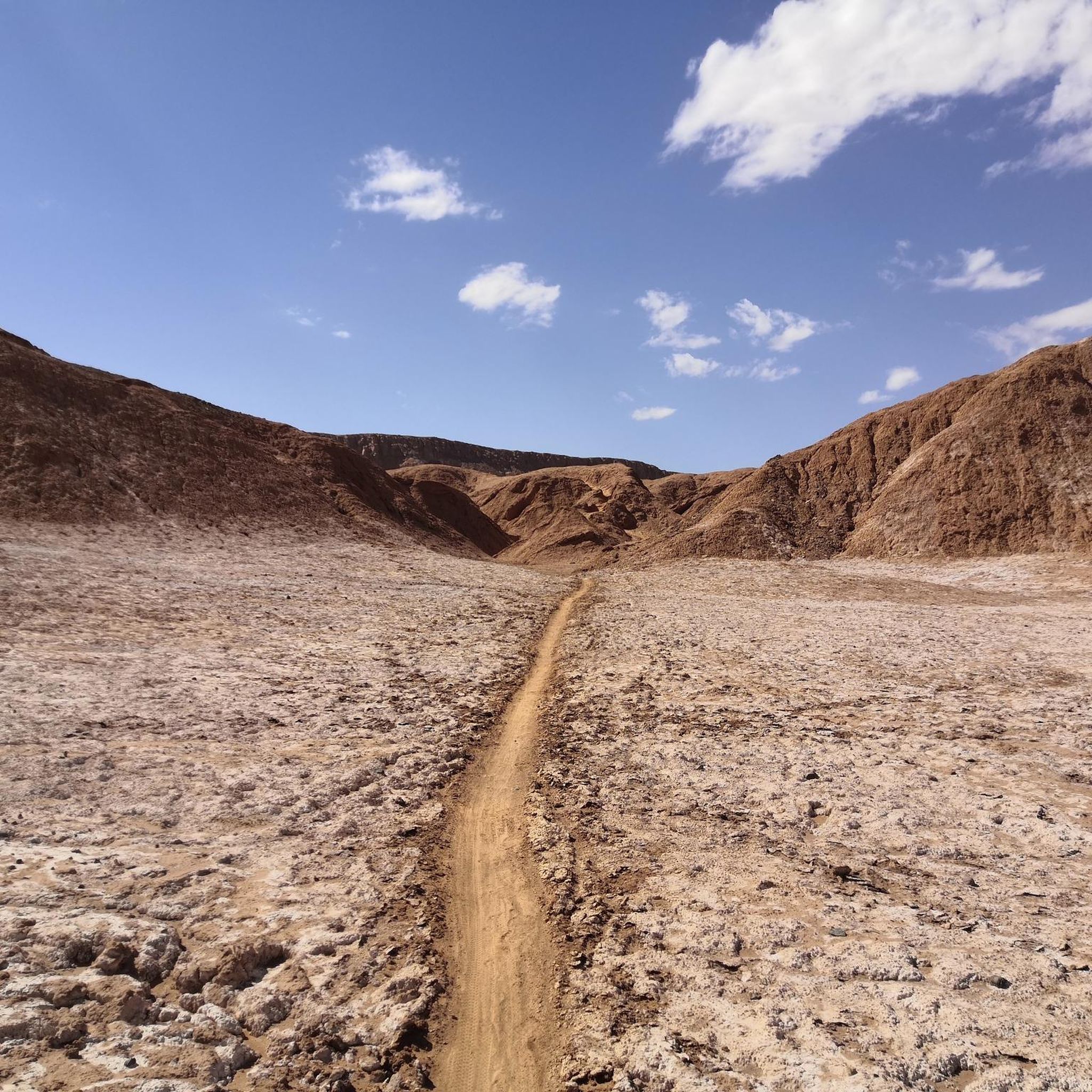
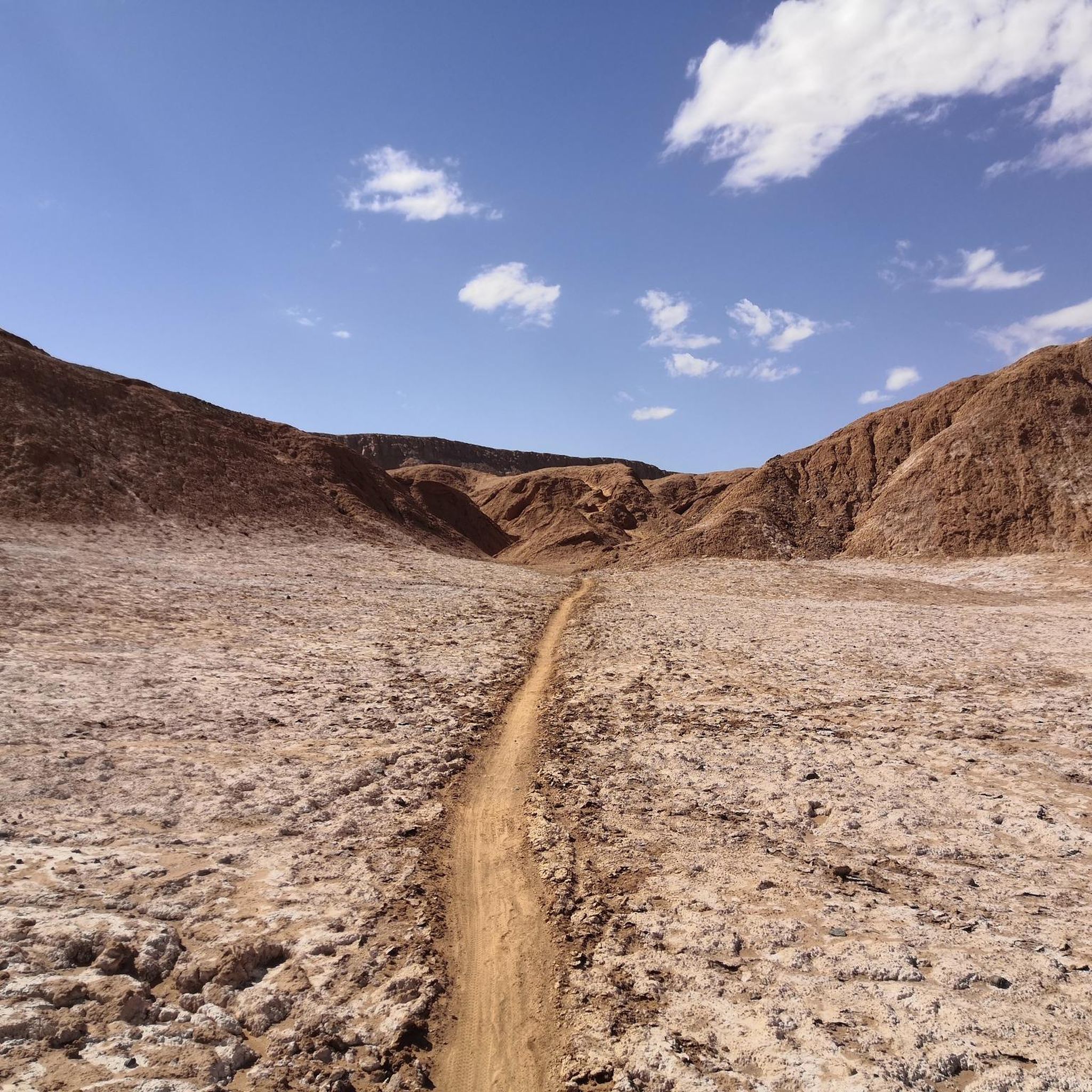
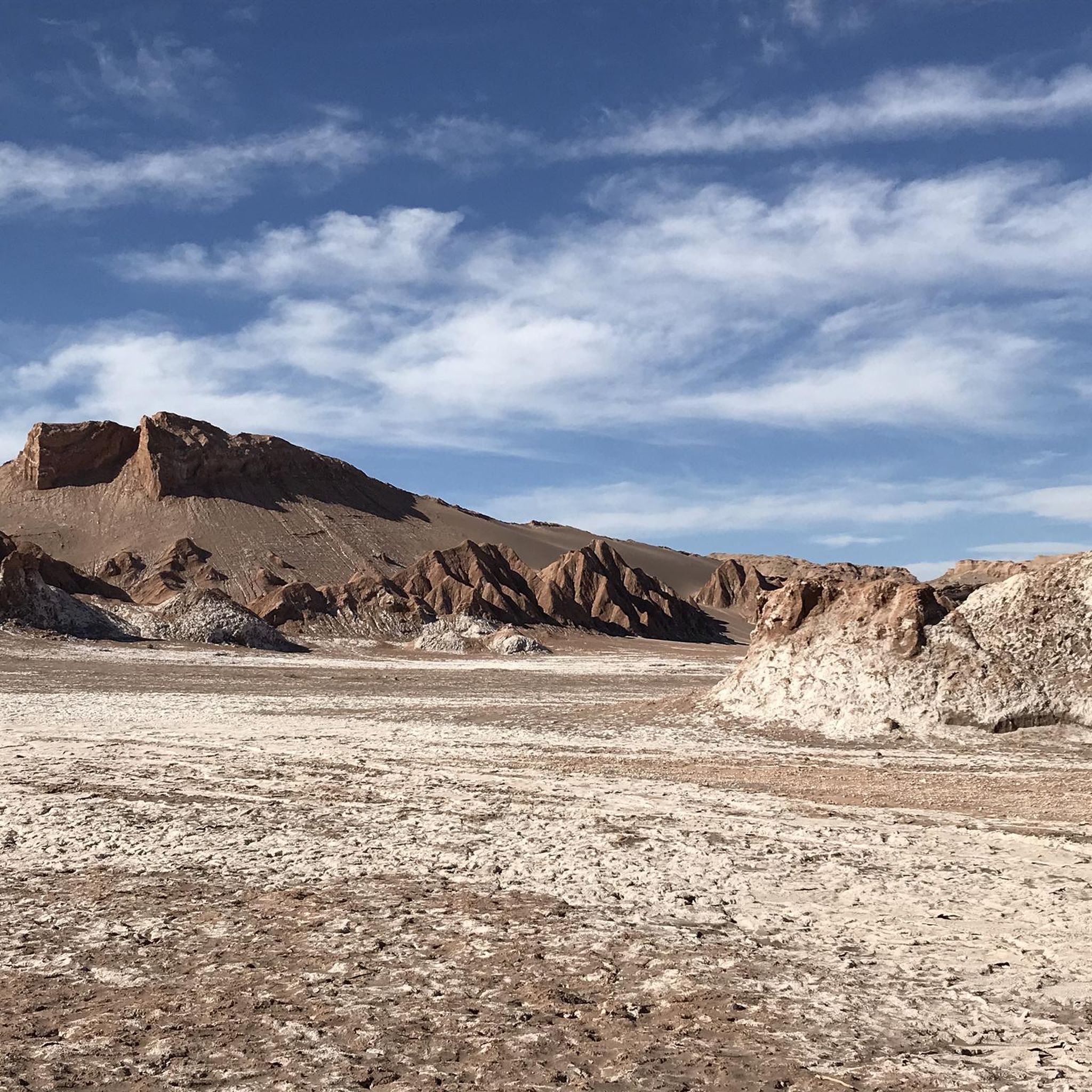
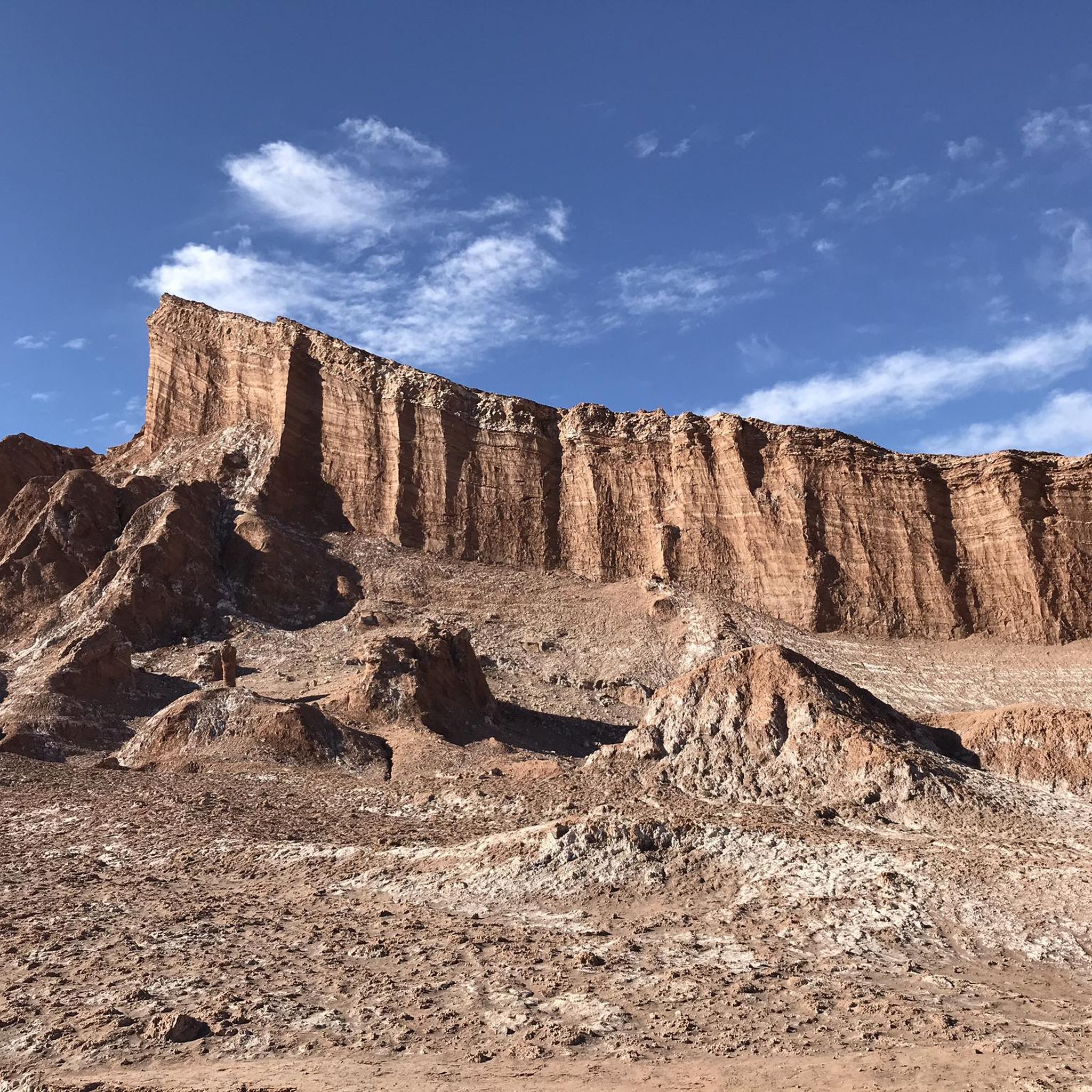
Tips from the Community

Laguna Chaxa is located in the middle of the Salar de Atacama in an impressive protected area that is home to numerous flamingos. The visit is particularly worthwhile for bird lovers, as the flamingos that live here (especially the "Flamenco Chileno") can often be observed up close. In addition to the flamingos, there are also other water birds and occasionally small lizards to discover. The salt lake seems almost surreal with its white, glowing surface and the reflective lagoon offers breathtaking photo opportunities. The scenery with the volcanoes towering behind it also reinforces the feeling of being immersed in another world. The entrance fee is 5,000 pesos, which is definitely worth it, especially if you are also interested in the endangered wildlife. A clear tip: don't forget sun protection!
0
0
The Laguna Miñiques, in the middle of the Atacama Desert, is a place of fascinating, almost surreal beauty. The deep blue salt lake nestles against the barren slopes of the Miñiques volcano and, together with the neighboring Laguna Miscanti, forms a harmonious natural picture. A short path connects the two lagoons, and although the route is not long, it is advisable to equip yourself well with water and sun protection - the intensity of the sun at this altitude should not be underestimated. What makes the visit special is the untouched atmosphere. The silence of the surroundings, interrupted only by the wind and the occasional chirping of birds, allows you to completely switch off. The region's wildlife is also unique. If you're lucky, you might spot an Andean fox or flamingos in the distance, who also appreciate this area. Here, nature shows its rough but at the same time sublime side, far away from the hustle and bustle, and reminds us how diverse and impressive our world is.
0
0

Interesting salt lake surrounded by plants on the way to the Piedra swimming lagoon. Good infrastructure regarding showers & toilets. Tickets could be purchased on site during our visit (03/24).
0
0

Two round small lakes in the desert fed by groundwater. Interesting and a nice photo opportunity as the sky is beautifully reflected in the water.
1
0
The Reserva nacional Los Flamencos is a group of nature reserves in the municipality of San Pedro de Atacama in northern Chile. It consists of seven independent and spatially separated zones with a total area of 709 km2, representing 3% of the municipal area of San Pedro de Atacama. These are important landscapes and biotopes in the Atacama Desert that are developed for sustainable tourism and are at the same time subject to nature conservation. 112 different species of birds, reptiles, amphibians and mammals have been counted in the reserve. Notable among these are the flamingos (Andean flamingo, James' flamingo, Chilean flamingo), after which it is named.
0
0
The Ojos de Salar are two small freshwater lakes fed by groundwater from the mountains. They are 30 or 40m deep and are also inhabited by sharp-tailed ducks, which like to hide in the bank reeds. Here you also pay the entrance fee for Laguna Tebinquinche.
0
0
It's beautiful here! Waterfowl, flamingos and Andean geese as well as vicuñas, llamas and donkeys can be seen. A fantastic wetland that always invites you to stop.
2
0
A lagoon where you can swim. But even without a bath, the visit is worth it! The colors of the water, the reflections of the sky and clouds and the white of the salt are beautiful!
2
0
Frequently Asked Questions
What unique natural features can I expect to see at the lakes in Antofagasta?
The lakes in Antofagasta are primarily saline, high-altitude bodies of water set against dramatic volcanic backdrops. You'll find bright, shimmering pools surrounded by white salt crusts, turquoise sinkhole lakes like Laguna Cejar, and perfectly circular lagoons such as Ojos del Salar. Many are part of the Los Flamencos National Reserve, showcasing unique geological formations.
What kind of wildlife can I see at the Antofagasta lakes?
The lakes are renowned for their diverse birdlife, especially flamingos. Chaxa Lagoon is a critical flamingo hotspot, hosting Chilean, Andean, and James's flamingos. You can also observe other water birds and small lizards. The Los Flamencos National Reserve protects 112 species, including various birds, reptiles, amphibians, and mammals.
Can I swim in any of the Antofagasta lakes?
Yes, you can experience a unique swim at Laguna Cejar. Its extreme salinity allows visitors to float effortlessly, similar to the Dead Sea. This makes it a popular and distinctive activity in the region.
Are there family-friendly lakes to visit in Antofagasta?
Several lakes are considered family-friendly. Chaxa Lagoon offers parking and toilets, making it convenient for families. Laguna Piedra and Salar de Cejar are also listed as family-friendly, providing accessible natural beauty.
What is the best time to visit the Antofagasta lakes?
The best time to visit the lakes, particularly for observing flamingos, is early morning. The region experiences an arid desert climate, so clear skies are common. During warmer months, large flocks of flamingos can be seen feeding in lakes like Laguna Lejía. Always be prepared for high-altitude conditions.
What is the terrain and elevation like around the lakes?
The lakes are situated in the arid Atacama Desert and the high-altitude Altiplano. Many, like Laguna Lejía, Laguna Miscanti, and Laguna Miñiques, are located at over 4,000 meters (13,000 feet) above sea level. The terrain is generally stark and open, with salt flats, volcanic landscapes, and sometimes saline crusts on the banks. The high elevation can be tiring for some visitors.
Are there hiking opportunities near the lakes in Antofagasta?
Yes, there are hiking opportunities in the Antofagasta region. For example, you can find routes like the Piedras Rojas (Red Rocks) loop from Salar Aguas Calientes, which is an easy 2.7 km hike. Other options include the Pukará de Quitor – Valley of Death loop. A footpath connects Laguna Miscanti and Laguna Miñiques, offering a short walk between them.
Do I need permits or tickets to visit the lakes?
Yes, some areas require tickets. For instance, to visit Piedras Rojas (Red Rocks), which often includes views of nearby lakes, it's important to order tickets online in advance and register in Socaire. Chaxa Lagoon also has an entrance fee.
What do visitors enjoy most about the lakes in Antofagasta?
Visitors are captivated by the surreal, otherworldly beauty and the vibrant colors. The contrast of bright blue or emerald waters against white salt and dramatic volcanic backdrops is a frequent highlight. The opportunity to observe flamingos up close, especially at Laguna de los Flamencos, is also a major draw. The sense of untouched wilderness in remote, high-altitude locations is highly appreciated.
How can I get to the lakes in the Antofagasta region?
Many of the significant lakes, such as those within the Los Flamencos National Reserve, are accessible by car, often requiring a drive from San Pedro de Atacama. Parking facilities are available at popular spots like Chaxa Lagoon and near Laguna Miscanti and Laguna Miñiques. Due to the remote nature of some lakes, organized tours are a common way to visit.
Are there any specific viewpoints recommended for photography?
Absolutely. The distinctive emerald green color of Laguna Lejía against its volcanic backdrop offers stunning photographic opportunities. Laguna Miscanti and Laguna Miñiques provide breathtaking panoramic views of their blue waters and Andean landscapes. Laguna Tebenquiche Viewpoint is renowned for its surreal landscapes, especially during sunset.
What should I bring when visiting the high-altitude lakes?
Given the high altitude and arid desert environment, it's crucial to bring sunscreen and plenty of water. The sun can be intense, and there is often little to no shade. Warm clothing layers are also advisable, as temperatures can drop, especially at higher elevations and during early mornings or evenings.
Most popular attractions in Antofagasta

Get inspired with the komoot mobile app


Didn’t find what you were looking for?
Find the best lakes in Antofagasta per region:
Explore more
Still not found your perfect lake in Antofagasta? Check out the guides of these regions to see even more beautiful places.
