Top 8 Caves in Geyrischer Wald
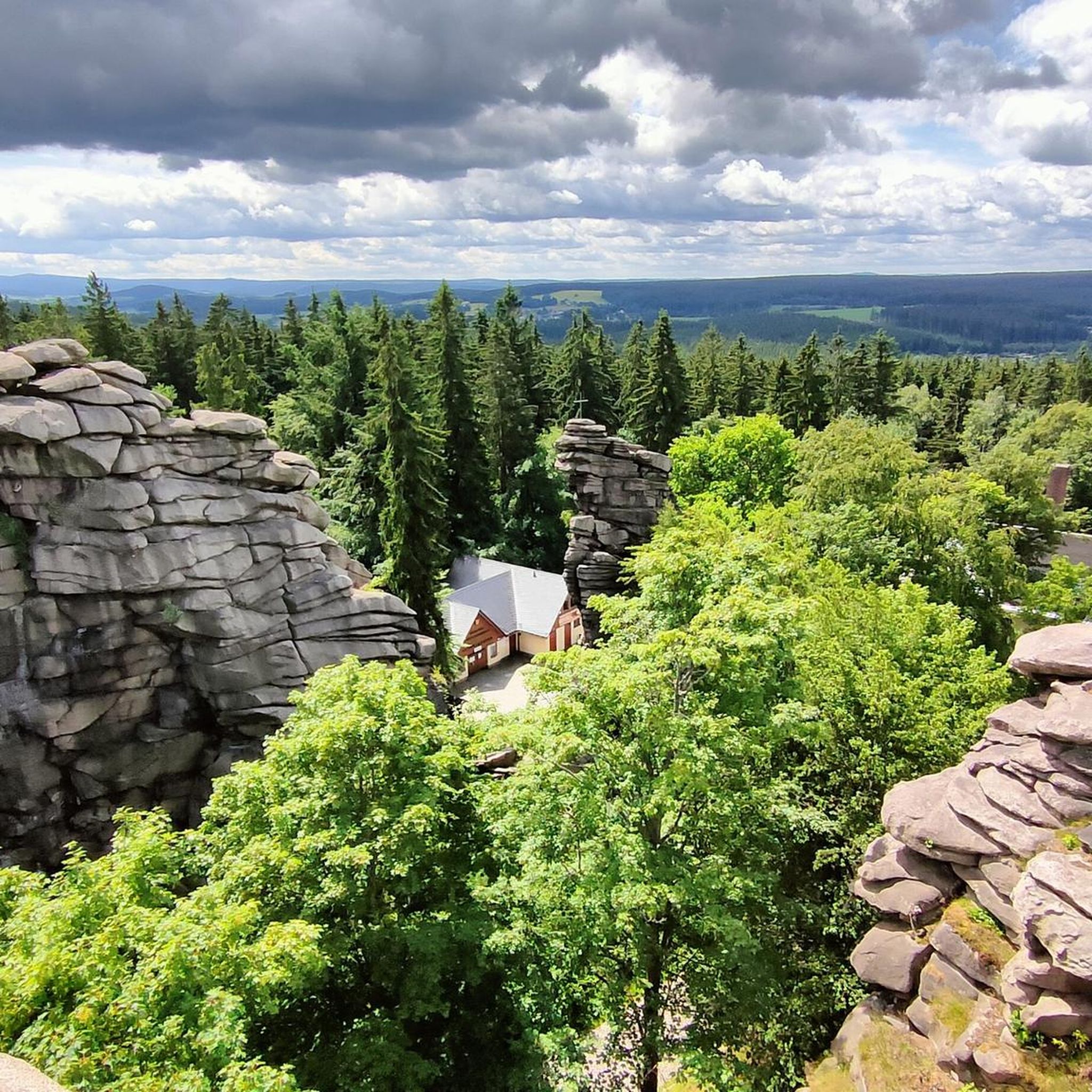
Caves in Geyrischer Wald are primarily historical mining tunnels and sites within Germany's Central Ore Mountains. This sprawling forest area is known for its rich mining heritage and intriguing underground formations. While true natural caves are less common due to the region's geology, the area offers a unique blend of cultural significance and natural beauty, particularly around the Greifensteine rock formations.
Best caves in Geyrischer Wald
- The most popular caves is Stülpner Cave, a cave that is deeply intertwined…
Last updated: July 1, 2026
Stülpner Cave
Highlight • Cave
Translated by Google •
Tip by

Garisch-Stolln Mine Entrance
Highlight • Historical Site
The mining trail is really great and definitely worth a visit.
Translated by Google •
Tip by

Sign up now to discover places like this
Get recommendations on the best single tracks, peaks, & plenty of other exciting outdoor places.
Sign up for free
Greifensteinstollen
Highlight • Historical Site
Translated by Google •
Tip by

Geldkeller (Money Cellar) at the Greifensteine
Highlight • Cave
Translated by Google •
Tip by

The Felsenbauend Glück Stolln
Highlight • Cave
Translated by Google •
Tip by

Sign up for free to discover even more caves in Geyrischer Wald.
Sign up for free
Already have an account?
Start today with a free account
Your next adventure awaits.
Login or Signup
Popular around Geyrischer Wald
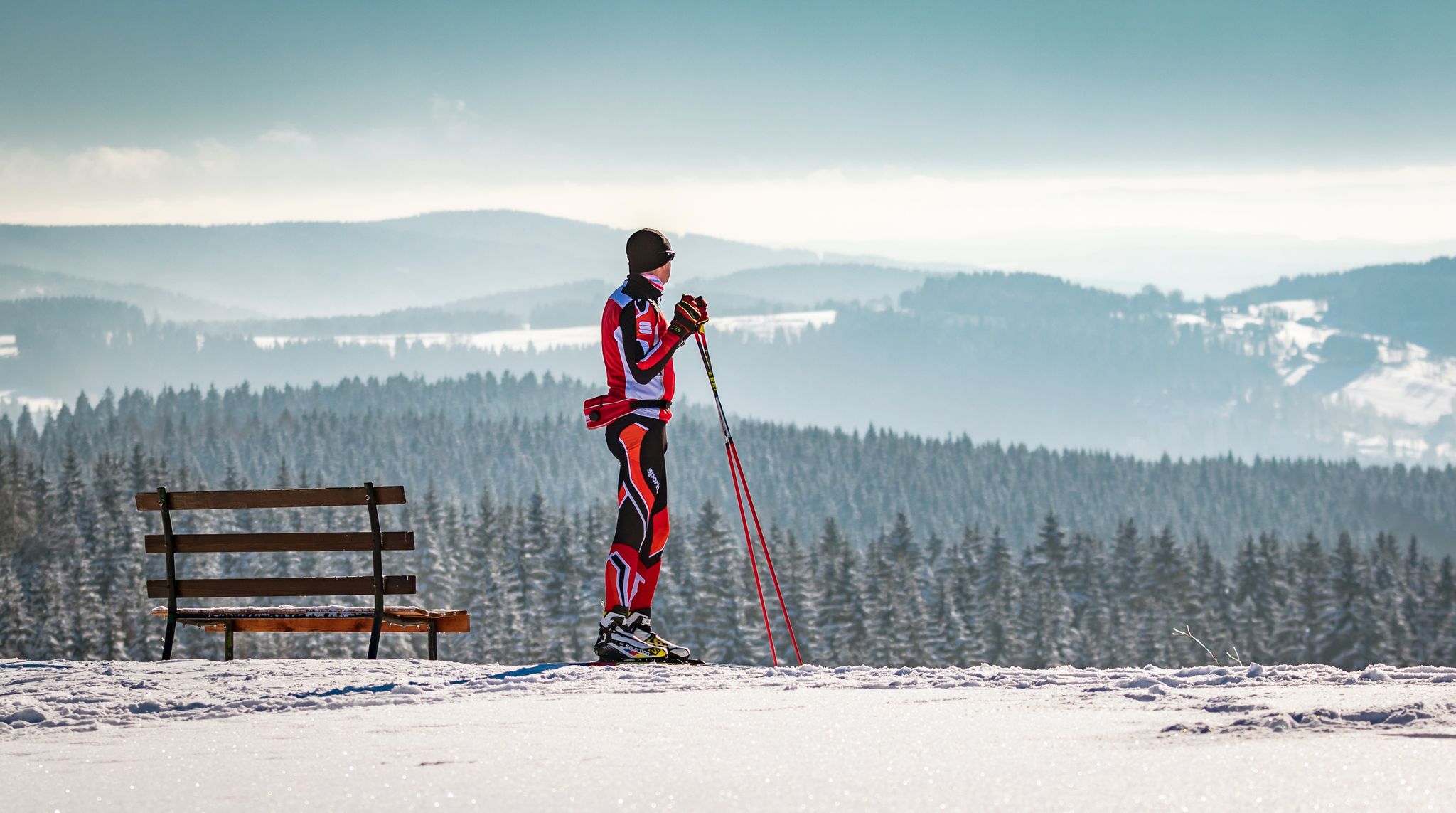
Let it flow! Cross-country skiing in the Ore Mountains
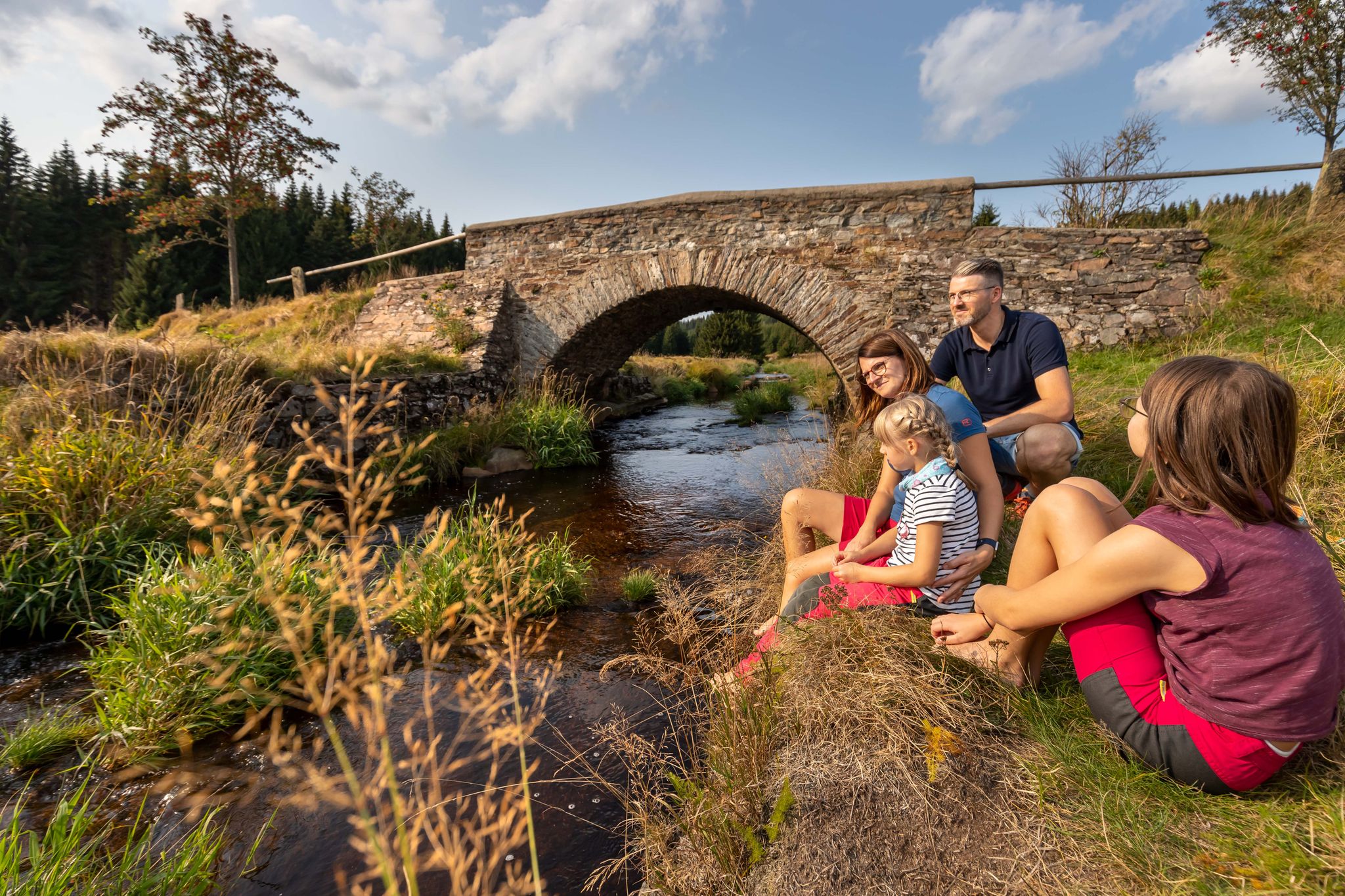
Wandertouren - Für kleine Wanderfreunde
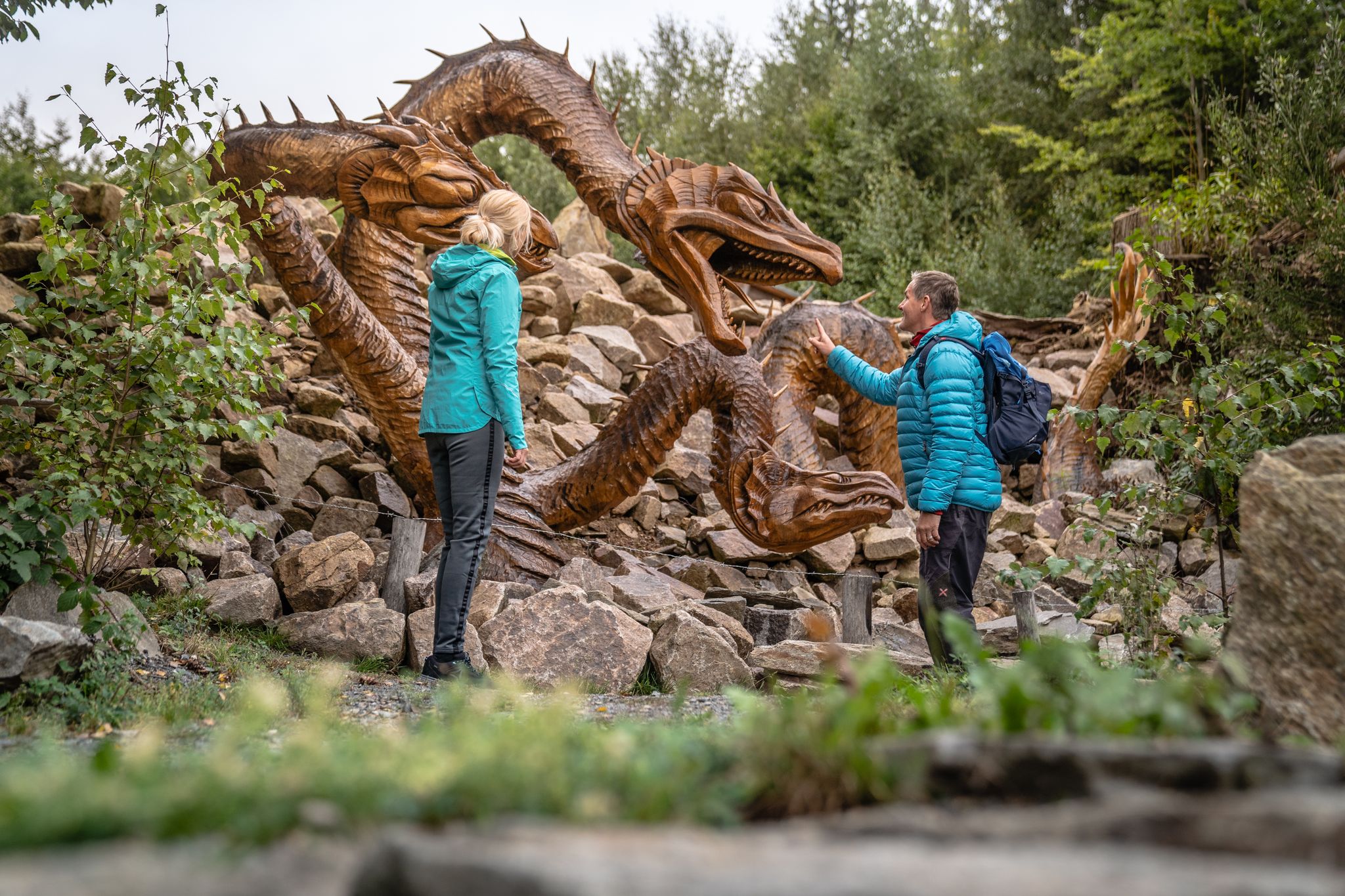
Wandertouren - Handwerk & Heimatgenuss
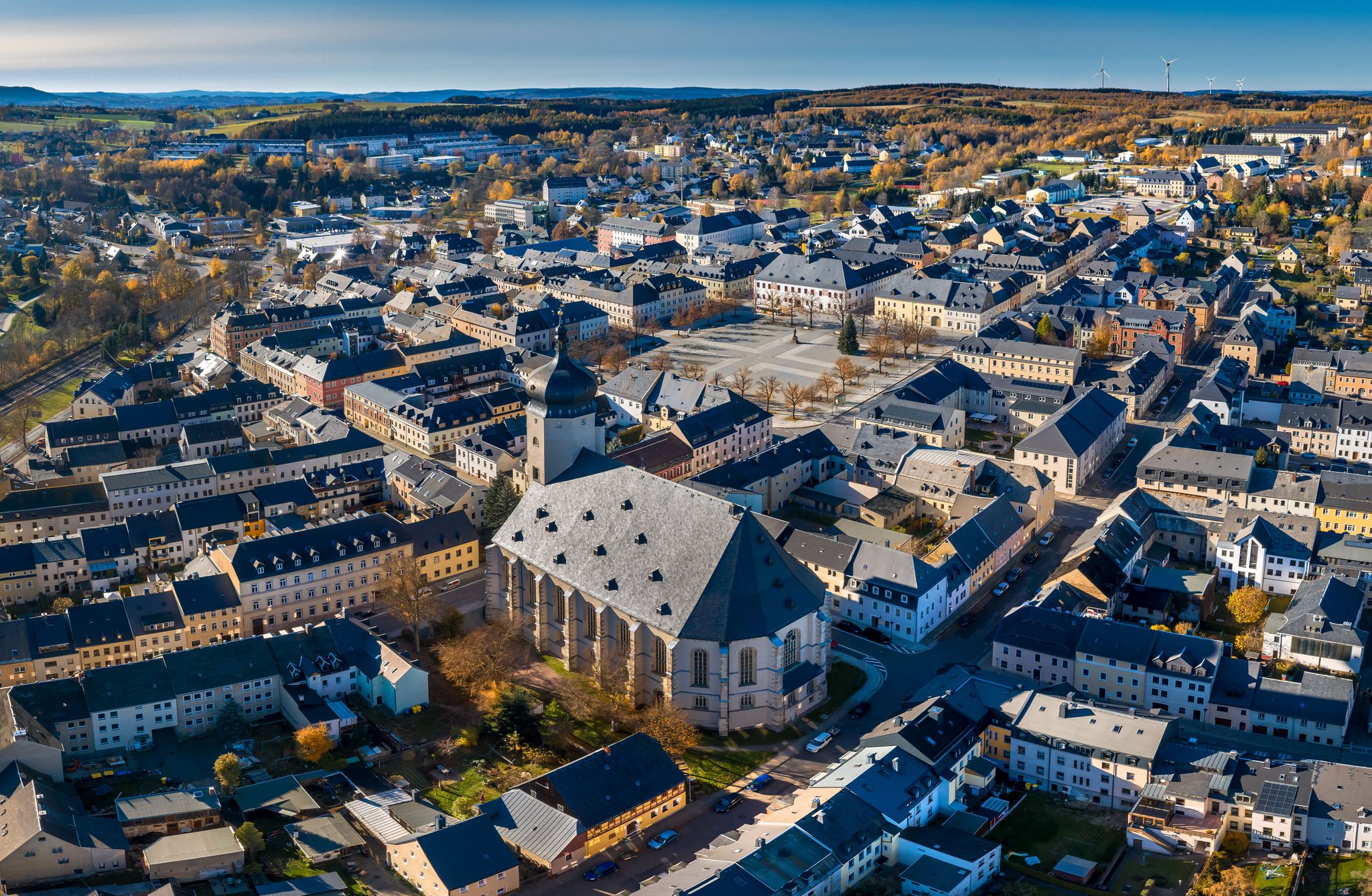
Wandertouren - "Glück Auf" im Welterbe
Hiking in Geyrischer Wald
Road Cycling Routes in Geyrischer Wald
Cycling in Geyrischer Wald
MTB Trails in Geyrischer Wald
Running Trails in Geyrischer Wald

Gravel biking in Geyrischer Wald
Other adventures in Geyrischer Wald

Tips from the Community

In the spring of 1783, work began on the tunnel. It served primarily for the investigation of the existing mountain range. For many years, the only miner working there, foreman Christian Gotthilf Martin, was occupied with this. Until operations ceased in 1805, the tunnel reached a length of 90 m. Only at a length of 14.8 m was a vein about 2 inches thick found, consisting of quartz, slate, calcite, and black blende, which, however, did not appear to be worth mining. https://zwoenitzer-anzeiger.de/2020/09/24/der-felsenbauend-glueck-stolln/
0
0

A little below the path, we see the entrance to the Garisch Mine. Almost hidden, nestled quaintly among the greenery, first mentioned in 1490, the mine ceased operations in 1911. We take a few steps inside and are surrounded by thousands of mosquitoes. https://youtu.be/jglyT269hvE
0
0


Hieronymus Lotter was named as the owner of the Garmisch mine around 1565. Station 12 of the mining trail is located here.
0
0

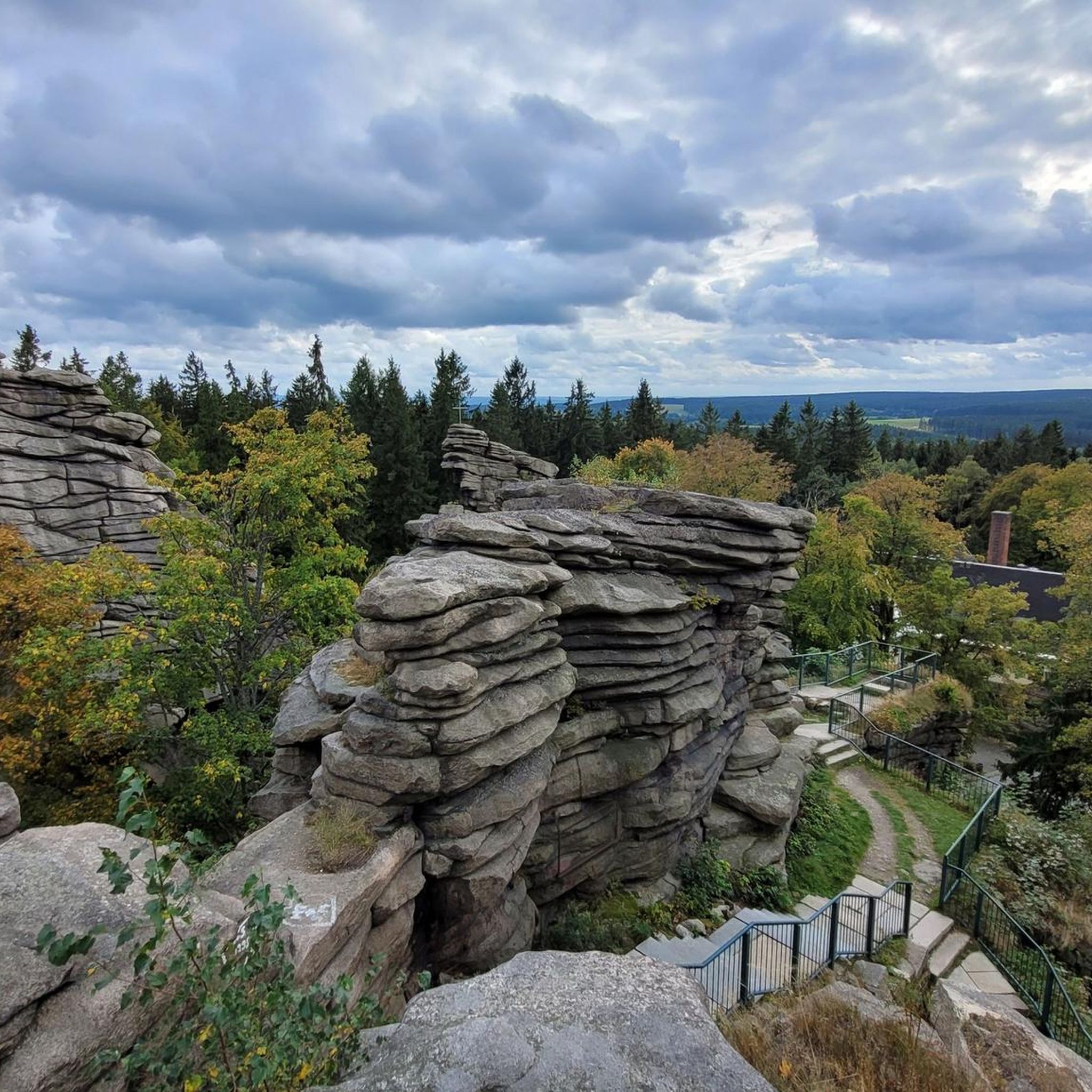
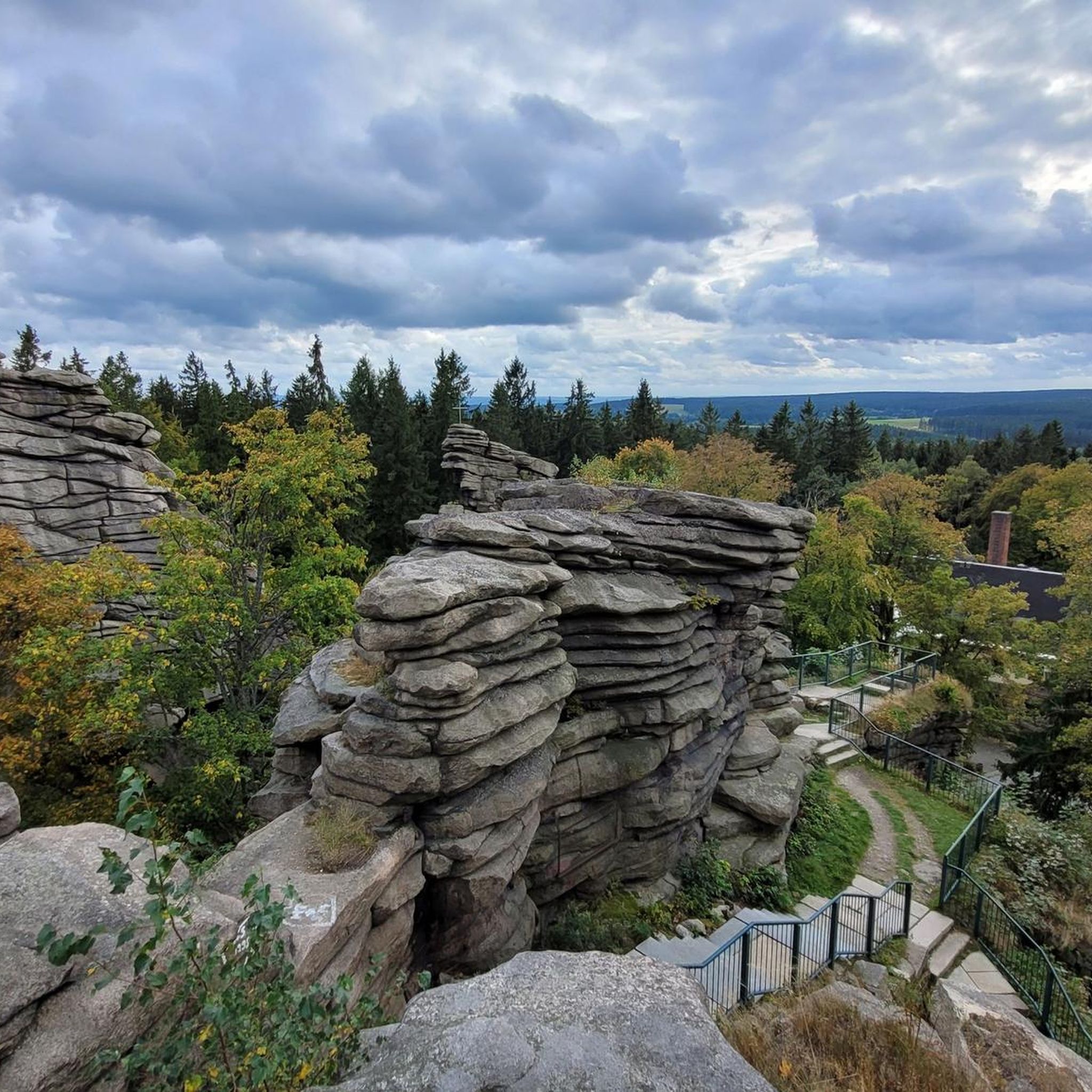
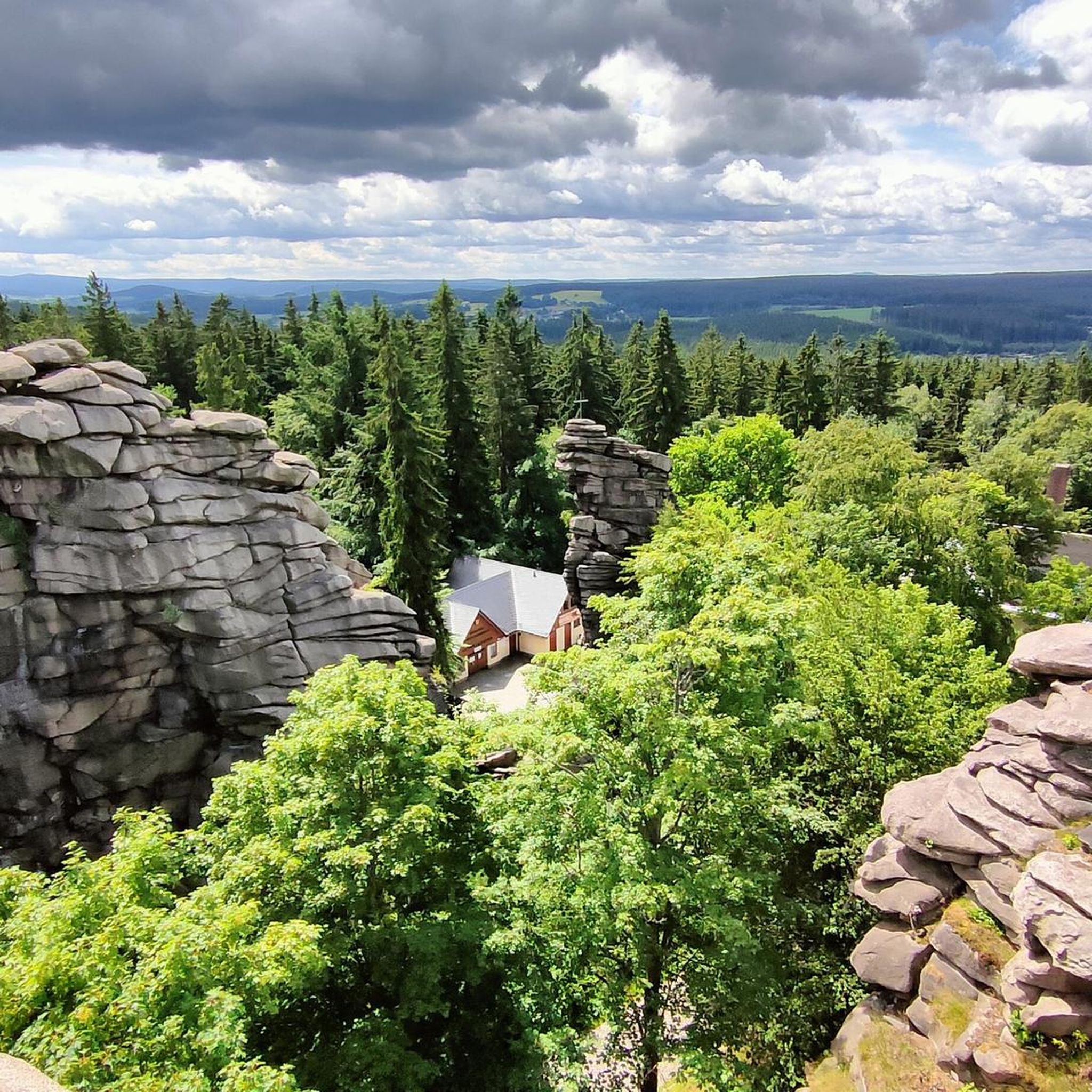
The money cellar, which is connected to an old legend....money does not make you happy after all 🤷
0
1

really very interesting and informative
0
1

With a flashlight you can go a little way in until you reach a barred door.
0
0

Under one of these rocks you can see an open hole into which a person can easily crawl. Old people say about this hole that once upon a time a maid, who was often called by name when she grazed in the place, went in in the presence of another maid when she was called again after the latter left her come to her aid when she screams. When she went in, she found a large box with money and gold and a dog lying next to it and, at the command of a voice, filled the grass cloth with it. But when the entrance became very narrow and she called out to the other maid for help, the dog jumped at her and scratched everything she had picked up out of the grass cloth, whereupon she was pulled out in terror by the other girl for the third day but later died of fear. A certain old man named Christoph Hackebeil was once seduced so that he had to stay in a cave there at night.
3
2
Frequently Asked Questions
What is the historical significance of the caves in Geyrischer Wald?
The caves in Geyrischer Wald are primarily historical mining tunnels and sites, reflecting the region's rich mining heritage, particularly for tin ore. Many are intertwined with local folklore, such as the Stülpner Cave, which is linked to the local folk hero Karl Stülpner.
Are there any historical mining sites I can visit in the Geyrischer Wald region?
Yes, beyond the Geyrischer Wald itself, the broader Erzgebirgskreis region offers significant historical mining sites. The Heilige Dreifaltigkeit Visitor Mine in Zschopau provides insights into medieval silver mining, with various guided tours. Additionally, the Greifensteinstollen and Garisch-Stolln Mine Entrance offer glimpses into local mining history, with visitors able to explore old mouth holes and tunnels.
What is the story behind the Stülpner Cave?
The Stülpner Cave is deeply connected to the legend of Karl Stülpner (1762-1841), a local poacher and folk hero. Folklore suggests he used this cave as a hiding place from authorities during his escapades. It originally formed from tin ore mining activities.
Are the caves in Geyrischer Wald suitable for families with children?
Yes, some sites are considered family-friendly. The Garisch-Stolln Mine Entrance is noted for being easy for children to understand what mining entails, and visitors can go a few meters inside. The Greifensteinstollen also offers a good 20 meters into a mining tunnel, operated by volunteers.
What kind of geological features can be found in the Geyrischer Wald caves?
Due to the region's geological composition, true natural caves with stalactites and stalagmites are less common. The Geyrischer Wald is primarily known for historical mining tunnels, former ore mines, and natural rock hollows. These sites showcase the impact of centuries of mining on the landscape, rather than typical karst cave formations.
What outdoor activities can I do near the caves in Geyrischer Wald?
The Geyrischer Wald offers a variety of outdoor activities. You can find numerous hiking trails, including easy routes like the 'Stülpner Cave – Omi's Stone Path loop' or the 'Forest Spirits Trail'. There are also mountain biking trails and more challenging mountain hikes. For more details, explore the Hiking in Geyrischer Wald, MTB Trails in Geyrischer Wald, and Mountain Hikes in Geyrischer Wald guides.
What should I wear when exploring caves in Geyrischer Wald?
When visiting underground sites, it's advisable to wear warm clothing and sturdy boots, as the interior of mines and caves can be cold, often around 6 °C, even in summer. Some explorations might involve uneven terrain or ladders, so appropriate footwear is essential for safety and comfort.
Are there any hidden or less-known mining shafts in the Geyrischer Wald?
Yes, the region is known for its extensive mining history, and many undiscovered or unexplored pits and tunnels exist. The Hidden Mine Shaft Entrance (Greifenbachtal) is an example, where the ground can suddenly give way due to old, unrecorded workings. It's a reminder that the Erzgebirge is undermined like a 'Swiss cheese'.
What do visitors enjoy most about the caves and mining sites in Geyrischer Wald?
Visitors appreciate the clear insights into historical mining practices and the opportunity to go a few meters inside the tunnels. The preserved entrances and the educational aspect, especially for children, are highly valued. The scenic location within the Geyrischer Wald and near the Greifensteine rock formations also adds to the experience, making these sites rewarding destinations for hikers.
Can I explore the Stülpner Cave from the inside?
While the Stülpner Cave is a significant historical site and a popular hiking destination, its entrances are generally not accessible for internal exploration. It often experiences water accumulation, making it unsuitable for entry. The site primarily serves as a picturesque resting place and a point of cultural interest along hiking trails.
Are there any natural rock hollows or formations to see?
Yes, in addition to mining tunnels, the Geyrischer Wald features natural rock hollows. For instance, the Geldkeller (Money Cellar) at the Greifensteine is a notable hollow within the massif of the Greifensteine rock formations, often described as a small cave under the lookout rock.
Most popular routes in Geyrischer Wald
Most popular attractions in Geyrischer Wald

Get inspired with the komoot mobile app


Explore more
Extend your search for the best caves by checking out these guides of the top ones in Geyrischer Wald:
