Top 6 Castles around São Mamede
Castles around São Mamede offer a glimpse into Portugal's rich history and strategic past. The region, encompassing the Serra de São Mamede mountain range, features a diverse landscape. Visitors can explore 6 castles, ranging from medieval fortresses to historical monuments. The area's historical significance is underscored by events like the Battle of São Mamede, which played a role in the nation's formation.
Best castles around São Mamede
- The most popular castles is Belém Tower, a man-made monument that has guarded the Tagus Estuary since the 16th century. This fortress was built in the Manueline style of architecture and played a crucial role during the Age of Discovery.
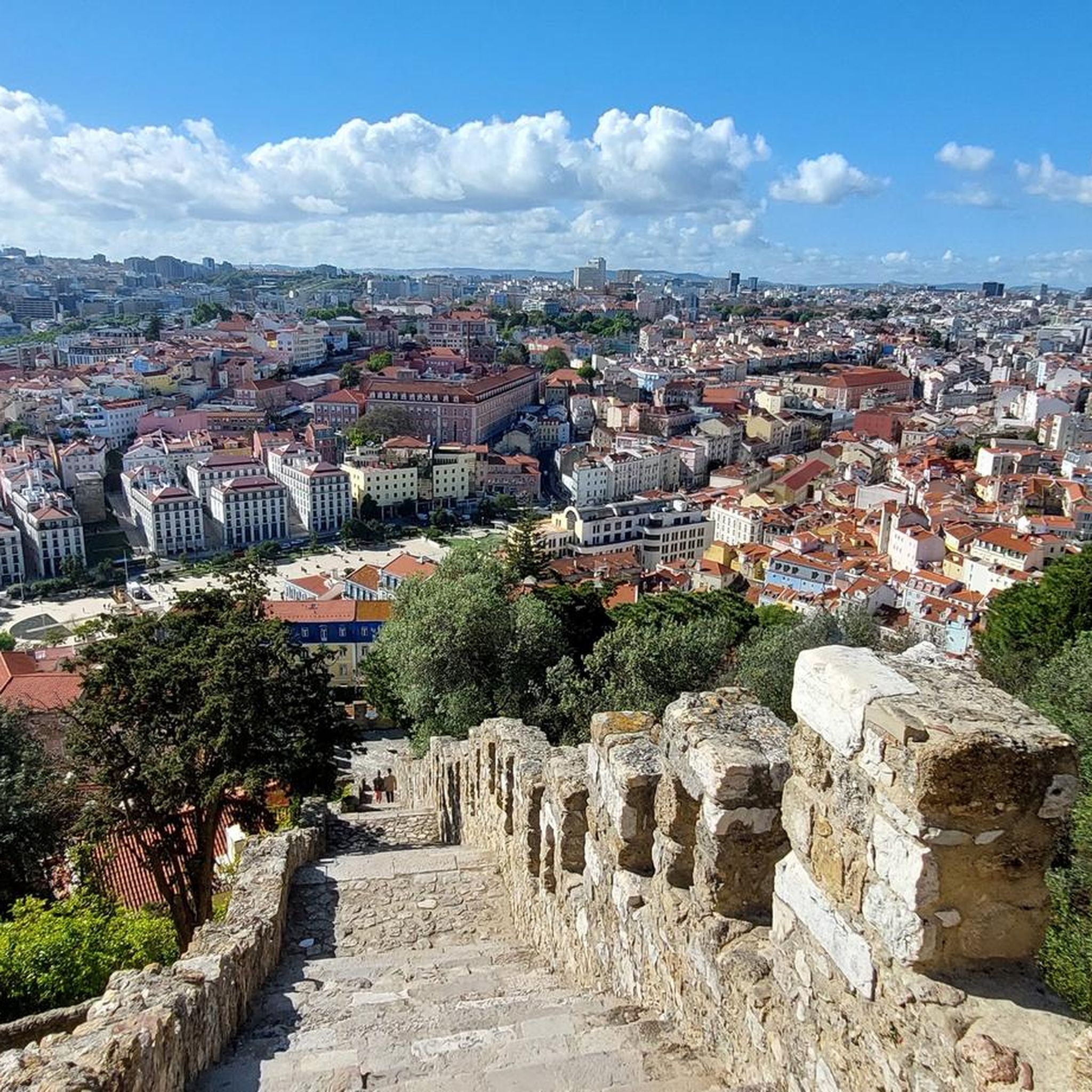
- Another must-see spot is St. George's Castle, a castle located on the highest hill in the Alfama neighborhood. It features eleven towers and architectural elements from the Arab period, allowing visitors to explore its entire perimeter.
- Visitors also love Bom Sucesso Fort (Combatant's Museum), a historical site located near the Tower of Belém. This fort, built in the 1780s, houses the Museu do Combatente with exhibitions from various military branches.
- São Mamede is known for medieval fortresses, historical sites, and defensive towers. The region offers a variety of castles to see and explore, each with its own historical narrative.
- The castles around São Mamede are appreciated by the komoot community, with more than 670 upvotes and over 1000 photos shared by visitors.
Last updated: July 1, 2026
St. George's Castle
Highlight • Castle
Translated by Google •
Tip by

Belém Tower
Highlight • Monument
Throughout its history, it has served as a prison, lighthouse, and tax collection center.
Along with the Jerónimos Monastery, it was declared a UNESCO World Heritage Site in 1983.
I hope this information is useful to you! 😊
Translated by Google •
Tip by

Sign up now to discover places like this
Get recommendations on the best single tracks, peaks, & plenty of other exciting outdoor places.
Sign up for free
Bom Sucesso Fort (Combatant's Museum)
Highlight • Historical Site
Translated by Google •
Tip by
Palácio Nacional de Queluz
Highlight • Historical Site
Translated by Google •
Tip by

Casa do Alentejo, Lisbon
Highlight • Restaurant
Glimpses of Morocco in the entrance hall, with its mosaic floor, and the horseshoe arches adorned with small details underpin the architecture of the building.
On the upper floor, there is a restaurant with a full menu based on typical Portuguese dishes, primarily from the Alentejo, a region in southern Portugal.
Translated by Google •
Tip by
Sign up for free to discover even more castles around São Mamede.
Sign up for free
Already have an account?
Start today with a free account
Your next adventure awaits.
Login or Signup
Tips from the Community

Behind the simple facade on Rua das Portas de Santo Antão lies one of the city's most magnificent palaces – a true architectural gem. What now serves as a cultural center and restaurant was originally built in the 17th century as the city palace of the Alverca family. The magnificent rooms, with their Moorish and neo-Baroque elements, speak of bygone splendors. Access to the courtyard in front of the restaurant is free, but in return, quiet and consideration for the "actual" guests are expected. ;-)
2
1

The National Palace of Queluz is enchanting for its grandeur and the exuberance of its architectural details. Closely linked to the experiences of three generations of the Portuguese Royal Family, and the scene of intense emotions, the palace reflects the evolution of tastes and styles of the time, including Baroque, Rococo and Neoclassicism. Surrounding it, scenic gardens invite you to “stroll” back to the time when the court organised sumptuous parties there and preserve memories of gondola rides on the canal, theatre, hunting, musical and literary evenings, masked balls, games and open-air performances. A dreamlike setting, enlivened by waterfalls and delicate water features.
1
1
The National Palace of Queluz charms whether for its imposing nature or the sheer exuberance of its architectural details closely bound up with the lives of three generations of the Portuguese Royal Family and the scene of intense emotions. The Palace furthermore reflects the evolution in the tastes and styles over different period, moving from the Baroque to the Rococo and onto Neoclassicism. Its surrounding scenic gardens invite you for a “stroll” through a period in which the court organised sumptuous parties and that hold the memories of trips by gondola along the canal, theatre, hunting, musical and literary performances, masked balls, games and open-air recitals. A dreamlike scenario, animated by the waterfalls and delicate water games.
1
1

The Forte do Bom Sucesso is a historic fortification located in Lisbon, Portugal. It was built in the 17th century to protect the city of Lisbon from sea attacks. It is located in the Belém area of Lisbon, next to the Tagus River. It was built between 1660 and 1670, during the reign of King Afonso VI. The fort is a stone and earth structure, with a pentagonal shape and a central tower and was equipped with cannons and other weapons to defend the city of Lisbon.
0
1

The Belém Tower is one of the most iconic monuments in Lisbon, Portugal. Built between 1515 and 1519 by architect Francisco de Arruda, this Manueline-style tower was originally a fortress intended to protect the entrance to the port of Lisbon across the Tagus River. Over time, the tower also served as a tax collection center, a lighthouse, and a prison. In 1983, it was declared a UNESCO World Heritage Site along with the nearby Jerónimos Monastery.
17
3
The Belém Tower is a 16th-century military construction designed by Francisco de Arruda and Diogo de Boitaca. It played a crucial role during the Age of Discovery as a fortress and port. Throughout its history, it has served as a prison, lighthouse, and tax collection center. Along with the Jerónimos Monastery, it was declared a UNESCO World Heritage Site in 1983. I hope this information is useful to you! 😊
19
2

Beautiful royal castle in an otherwise rather inconspicuous suburb.
0
0
The Belém Tower is a 16th-century military construction designed by Francisco de Arruda and Diogo de Boitaca. It played a crucial role during the Age of Discovery as a fortress and port. Throughout its history, it has served as a prison, lighthouse, and tax collection center. Along with the Jerónimos Monastery, it was declared a UNESCO World Heritage Site in 1983. I hope this information is useful to you! 😊
25
1
Frequently Asked Questions
What is the historical significance of castles in the São Mamede region?
The castles around São Mamede are deeply rooted in Portugal's history, particularly in regional defense and the nation's formation. For instance, Marvão Castle, located within the Serra de São Mamede, was crucial for defense against invasions. Guimarães Castle, while not directly in São Mamede, is historically linked to the pivotal Battle of São Mamede, which was instrumental in establishing Portugal's independence.
Are there any castles known for their unique architecture or views?
Yes, Belém Tower is a prime example, known for its Manueline style and its role in the Age of Discovery. Marvão Castle, perched at 860 meters, offers breathtaking panoramic views of the Alentejo region and Extremadura in Spain, often described as an 'eagle's nest'.
Which castles are particularly good for families?
The Belém Tower and Bom Sucesso Fort (Combatant's Museum) are both listed as family-friendly. Bom Sucesso Fort, in particular, houses the Museu do Combatente with exhibitions that can be engaging for various ages, including a trench replica and aviation history displays.
What outdoor activities can I do near these castles?
The region offers a variety of outdoor activities. You can find numerous easy hikes, road cycling routes, and running trails around São Mamede. Many of these routes pass by or offer views of historical sites and natural landscapes.
What do visitors enjoy most about the castles in this region?
Visitors frequently appreciate the historical depth and the stunning views. For example, St. George's Castle is praised for its photo opportunities and the ability to explore its entire perimeter, including battlements and towers. The region's castles have garnered over 670 upvotes and more than 1000 photos shared by the komoot community.
Are there any castles with unique features beyond their main structure?
Marvão Castle features a large, still-functional cistern capable of holding water for six months, showcasing its medieval self-sufficiency. The Palace of the Marquises of Fronteira is notable for its façade adorned with stone, shells, and broken glass, and its beautiful gardens with numerous sculptures.
Can I find historical sites near the castles that are not strictly castles themselves?
Yes, the Bom Sucesso Fort (Combatant's Museum) is a historical site near the Belém Tower, offering insights into military history. Additionally, the Casa do Alentejo, Lisbon, a 17th-century Moorish mansion, reflects Arab cultural influence and houses a restaurant with traditional Portuguese dishes.
What kind of terrain can I expect on hiking trails near the castles?
The Serra de São Mamede Natural Park, where Marvão Castle is located, features a diverse landscape. While specific trail terrain varies, the region is known for its mountainous character, offering routes with varying difficulty levels, from easy walks to more challenging ascents.
Are there any castles that played a role in Portugal's independence?
Guimarães Castle is intimately linked to the foundation of Portugal as an independent nation. It is often called Castelo da Fundação (Castle of the Foundation) due to its proximity to the Battle of São Mamede in 1128, which led to Afonso Henriques becoming Portugal's first King.
Where can I find good viewpoints near the castles?
Many castles themselves offer excellent viewpoints. St. George's Castle, situated on the highest hill in Alfama, provides great views. Marvão Castle, due to its high elevation, offers unparalleled vistas of the surrounding region. The Belém Tower also offers scenic views of the Tagus Estuary.
What is the best season to visit the castles around São Mamede?
While specific recommendations vary by castle, generally, spring and autumn offer pleasant weather for exploring the castles and the surrounding natural park, avoiding the peak heat of summer and the cooler, wetter days of winter. These seasons are ideal for enjoying both the historical sites and outdoor activities.
Most popular routes around São Mamede
Most popular attractions around São Mamede

Get inspired with the komoot mobile app


Explore more
Looking for the best castles somewhere else? Discover other guides around São Mamede:
