Top 12 Castles around Carcavelos e Parede e Parede e Parede
Best castles around Carcavelos e Parede e Parede e Parede are found in a civil parish within the municipality of Cascais, Portugal, situated along the Atlantic coast. While the immediate area features significant historical fortifications, it also serves as a strategic base for exploring numerous renowned castles and palaces in the nearby regions of Sintra and Lisbon. This coastal location offers a blend of historical sites and scenic landscapes, making it a point of interest for those exploring Portugal's rich…
Last updated: June 17, 2026
Caxias Beach
Highlight • Beach
Tip by

Bom Sucesso Fort (Combatant's Museum)
Highlight • Historical Site
Translated by Google •
Tip by

Sign up now to discover places like this
Get recommendations on the best single tracks, peaks, & plenty of other exciting outdoor places.
Sign up for free
Cascais Citadel
Highlight • Castle
Here …
Tip by

Palácio Nacional de Queluz
Highlight • Historical Site
Translated by Google •
Tip by

Seixas Palace
Highlight • Monument
Translated by Google •
Tip by

Sign up for free to discover even more castles around Carcavelos e Parede e Parede e Parede.
Sign up for free
Already have an account?
Start today with a free account
Your next adventure awaits.
Login or Signup
Popular around Carcavelos e Parede e Parede e Parede
Road Cycling Routes around Carcavelos e Parede e Parede e Parede
Hiking around Carcavelos e Parede e Parede e Parede
MTB Trails around Carcavelos e Parede e Parede e Parede
Cycling around Carcavelos e Parede e Parede e Parede
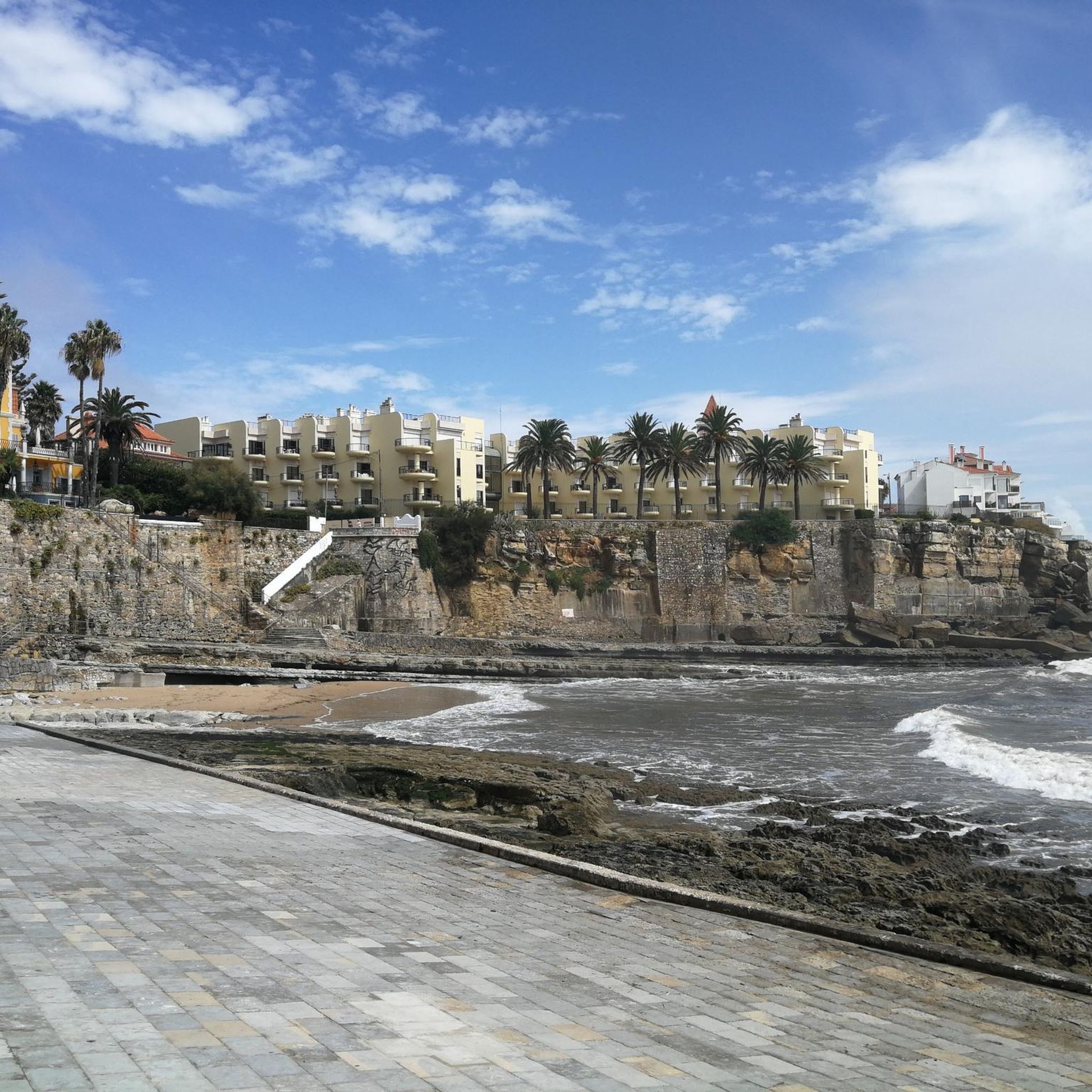
Running Trails around Carcavelos e Parede e Parede e Parede
Gravel biking around Carcavelos e Parede e Parede e Parede
Tips from the Community

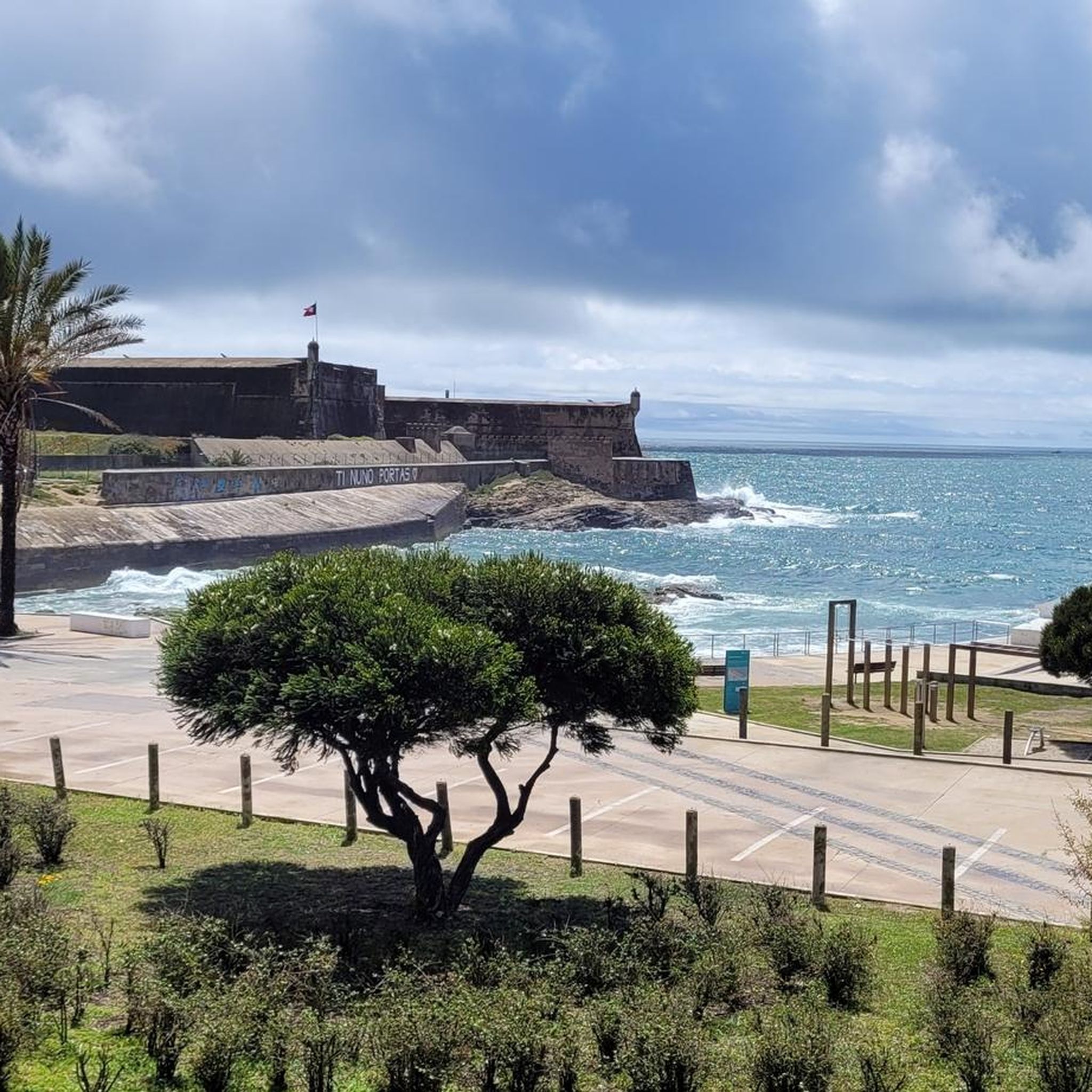
The Cidadela de Cascais (Cascais Citadel) is a fascinating fortress complex that guards the marina and the bay. It is a unique mix of military history and modern art. Here is a summary of what makes it special: 1. Living History The Citadel is not just a ruin; it is a restored fortification with three main parts: The Fortress of Nossa Senhora da Luz: Built between the 15th and 17th centuries to defend the coast from pirates and Spanish troops. The Royal Palace: It became the summer residence of the Portuguese Royal Family in the late 19th century (King D. Luís I). Because of this, Cascais transformed from a fishing village into a "Court town," attracting the aristocracy. Presidential Residence: Today, the Palace is still an official summer residence for the President of Portugal, but parts of it can be visited (guided tours are often available via the Museum of the Presidency). 2. The "Art District" (Modern Twist) A few years ago, the Citadel was revitalized. It now houses a luxury hotel (Pestana Cidadela) and the Cidadela Art District. Open Courtyards: You can walk freely into the fortress courtyards. It is no longer a closed military zone. Galleries & Studios: The old barracks have been converted into art galleries, studios, and bookshops. It is very common to see artists working there. "Déjà Lu" Bookshop: A charming charity bookshop located inside the complex, highly recommended for book lovers. 3. What to Do Walk Through: It serves as a perfect connection between the Marina and the Culture Centre/Marechal Carmona Park. See the Views: The walls offer great angles for photos of the marina and the sea. Cultural Stop: Visit the Palace museum or simply wander the Art District to see contemporary sculptures contrasting with ancient stone walls. Summary: It is a place where you can see 16th-century cannons and 21st-century modern art in the same 10-minute walk.
0
0

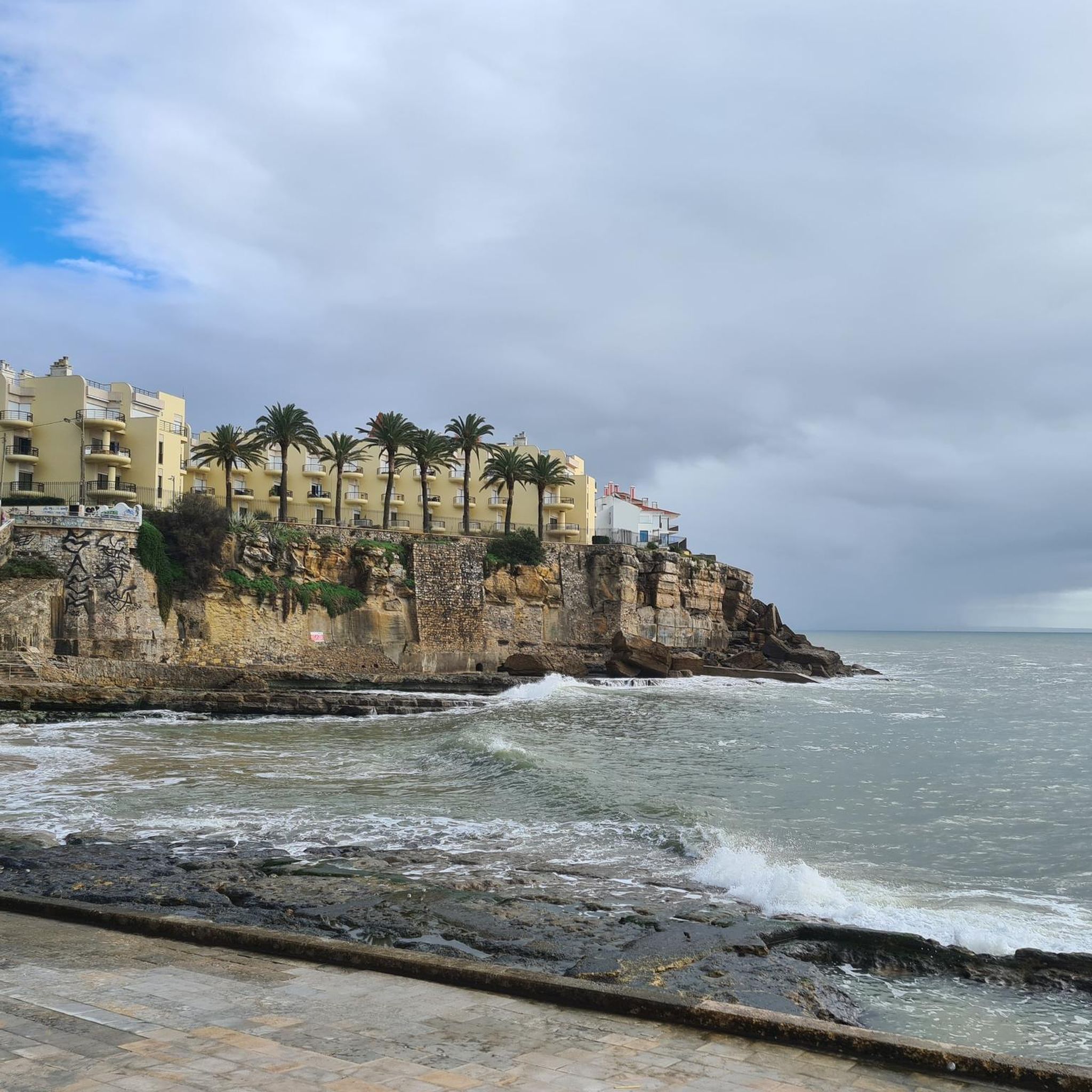
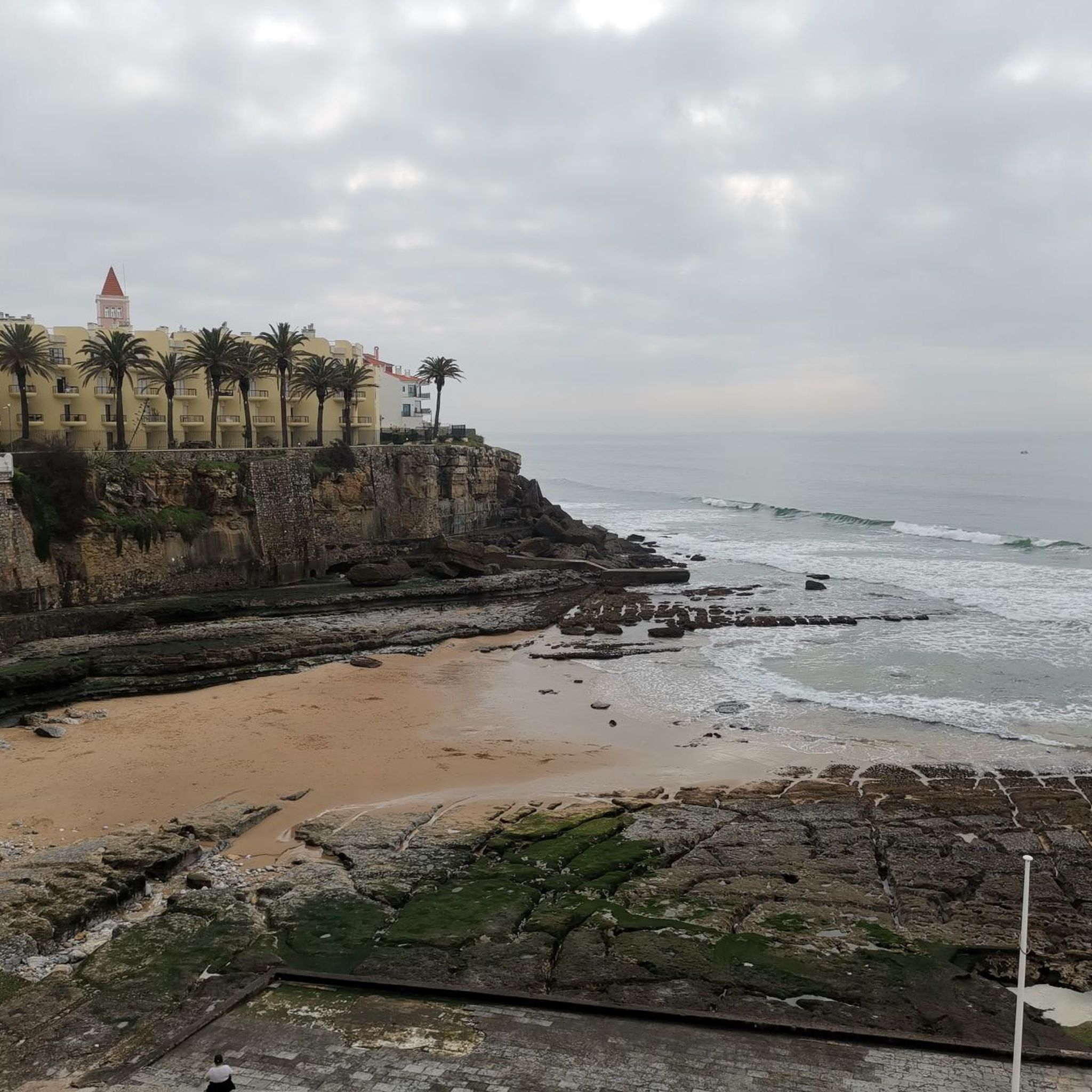
The Seixas Palace, also known as the Seixas Palace, is one of Cascais' most iconic buildings, both for its architecture and its privileged seafront location. It was built in the 20th century on the remains of the old Forte de Santa Catarina, a 17th-century fortification.
3
0

A 20th century chalet in an eclectic style, with a rectangular and irregular plan, consisting of several articulated volumes, with several terraces and a turreted body standing out from the main building, topped with a spire. It has mansard roofs and cornices supported by corbels. The main façade, which is very simple, has several straight openings, while the others are marked by terraces and balconies, onto which straight and round arched windows open, and several balconies appear on the upper floor. The turreted body has balconies supported by corbels, with corner windows and several mullioned openings. The interior has a vestibule and a staircase leading to the main floor. A very elaborate building, entirely covered in stonework, with some of the ashlars cushioned, and its location on the land next to the sea, on top of an old 17th century fort, is noteworthy. (Source: www.monumentos.gov.pt)
13
0

The National Palace of Queluz is enchanting for its grandeur and the exuberance of its architectural details. Closely linked to the experiences of three generations of the Portuguese Royal Family, and the scene of intense emotions, the palace reflects the evolution of tastes and styles of the time, including Baroque, Rococo and Neoclassicism. Surrounding it, scenic gardens invite you to “stroll” back to the time when the court organised sumptuous parties there and preserve memories of gondola rides on the canal, theatre, hunting, musical and literary evenings, masked balls, games and open-air performances. A dreamlike setting, enlivened by waterfalls and delicate water features.
1
1
The National Palace of Queluz charms whether for its imposing nature or the sheer exuberance of its architectural details closely bound up with the lives of three generations of the Portuguese Royal Family and the scene of intense emotions. The Palace furthermore reflects the evolution in the tastes and styles over different period, moving from the Baroque to the Rococo and onto Neoclassicism. Its surrounding scenic gardens invite you for a “stroll” through a period in which the court organised sumptuous parties and that hold the memories of trips by gondola along the canal, theatre, hunting, musical and literary performances, masked balls, games and open-air recitals. A dreamlike scenario, animated by the waterfalls and delicate water games.
1
1

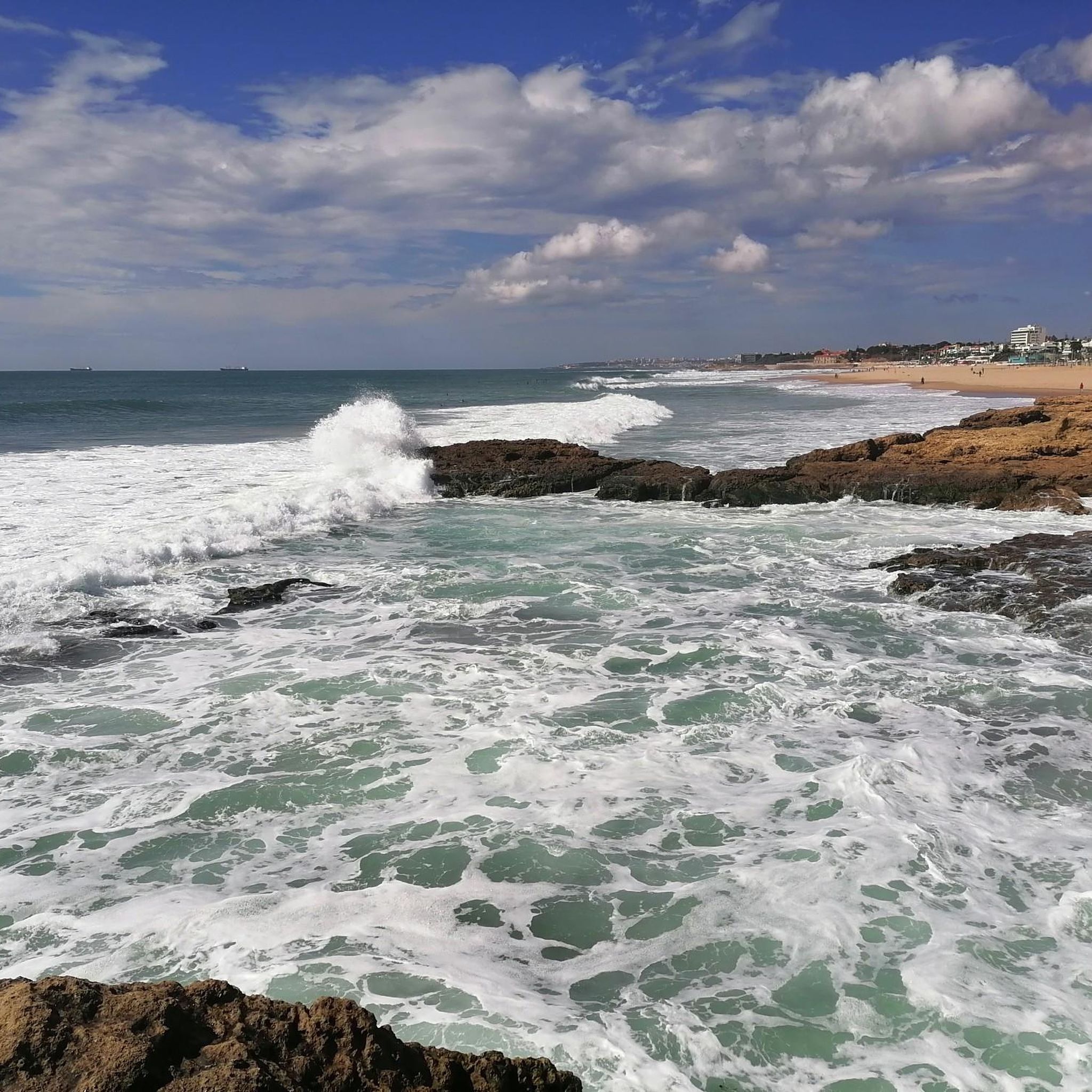
beautiful here along the Atlantic
2
0

Cascais Bay very beautiful
1
0

The Forte do Bom Sucesso is a historic fortification located in Lisbon, Portugal. It was built in the 17th century to protect the city of Lisbon from sea attacks. It is located in the Belém area of Lisbon, next to the Tagus River. It was built between 1660 and 1670, during the reign of King Afonso VI. The fort is a stone and earth structure, with a pentagonal shape and a central tower and was equipped with cannons and other weapons to defend the city of Lisbon.
0
1
Frequently Asked Questions
What historical fortifications can I visit directly in Carcavelos e Parede?
While Carcavelos e Parede is a base for exploring wider, it features the impressive Forte de São Julião da Barra. This is Portugal's largest and most complete military defense complex in the Vauban style, historically controlling access to the port of Lisbon. Additionally, Caxias Beach features the well-preserved Fort of São Bruno, a 17th-century military defense structure.
Which notable castles and palaces are easily accessible from Carcavelos e Parede in nearby regions?
From Carcavelos e Parede, you can easily reach several iconic sites. In Sintra, explore the ancient Castelo dos Mouros for panoramic views, the vibrant Palácio Nacional da Pena, the mystical Quinta da Regaleira with its Initiation Well, and the medieval Palácio Nacional de Sintra. In Lisbon, visit the historic Castelo de São Jorge for city views and the iconic Torre de Belém on the Tagus River.
Are there any family-friendly castles or historical sites in the Carcavelos e Parede area?
Yes, several sites are suitable for families. Caxias Beach, with its Fort of São Bruno, is listed as family-friendly. The Bom Sucesso Fort (Combatant's Museum) offers engaging exhibitions on military history, including a replica trench and model planes, which can be interesting for children. The Cascais Citadel also offers open courtyards and an art district that can be explored by families.
What kind of views can I expect from the castles and forts in this region?
The fortifications in and around Carcavelos e Parede offer stunning coastal and panoramic views. From the Forte de São Julião da Barra, you get a strategic perspective of the Tagus estuary. The Castelo dos Mouros in Sintra provides breathtaking panoramic views of the natural landscape and the Atlantic Ocean. Similarly, Castelo de São Jorge in Lisbon offers some of the most impressive views of the city and the Tagus Estuary.
Can I access the interior of Forte de São Julião da Barra?
Public access to the interior of the Forte de São Julião da Barra might be restricted as it currently serves as the official residence of the Minister of National Defense of Portugal. However, its exterior alone is a significant sight, showcasing centuries of military architecture and its strategic location.
How can I reach the castles in Sintra or Lisbon from Carcavelos e Parede using public transport?
From Carcavelos e Parede, you can typically take a train to Lisbon's Cais do Sodré station. From Lisbon, you can connect to other train lines or buses to reach specific castles. For Sintra, a direct train from Lisbon's Rossio station is the most common and convenient way to access the palaces and castles there.
Are there any castles or forts with unique architectural styles or features?
Yes, the region boasts diverse architectural styles. The Forte de São Julião da Barra is a prime example of Vauban-style military architecture. Pena Palace in Sintra is renowned for its Romanticist architecture, blending Neo-Gothic, Neo-Manueline, Neo-Islamic, and Neo-Renaissance elements. The Torre de Belém in Lisbon showcases distinctive Manueline architectural elements.
What outdoor activities or routes are available near the castles in Carcavelos e Parede?
The coastal location offers opportunities for outdoor activities. You can find various cycling routes, such as the 'Caxias Beach – Jerónimos Monastery loop' or the 'Boca do Inferno (Hell's Mouth) – Cascais Waterfront Promenade loop'. For hiking, there are easy trails like the 'Heart Sculpture of Torre – Oeiras Marina loop'. You can explore more options on the Cycling around Carcavelos e Parede or Easy hikes around Carcavelos e Parede guide pages.
What do visitors particularly enjoy about the historical sites around Carcavelos e Parede?
Visitors appreciate the blend of historical significance and scenic beauty. The Cascais Citadel is loved for its unique mix of military history and modern art, allowing visitors to walk through courtyards and explore galleries. The Fort of São Bruno at Caxias Beach is noted as an attractive example of maritime military architecture and a starting point for Atlantic bike rides.
Is there a good time of year to visit the castles in this region?
The region generally enjoys mild weather, making castle visits pleasant for much of the year. Spring (April-May) and early autumn (September-October) often provide comfortable temperatures and fewer crowds. Summer can be warm, especially in inland Sintra, but the coastal forts benefit from sea breezes. Winter visits are possible, though some attractions might have reduced hours.
Are there any castles that offer a blend of history and modern art?
Yes, the Cascais Citadel is a prime example. This fascinating fortress complex, with roots from the 15th century, has been revitalized to house a luxury hotel and the Cidadela Art District. You can explore its historic courtyards, see 16th-century cannons, and simultaneously discover contemporary art galleries and studios.
What is the Seixas Palace and is it open to the public?
The Seixas Palace, also known as the Seixas Palace, is an iconic 20th-century chalet in Cascais, built on the remains of the 17th-century Forte de Santa Catarina. It's noted for its eclectic style, turreted body, and privileged seafront location. While its exterior is a notable landmark, public access to the interior may be limited as it is a private property.
Most popular routes around Carcavelos e Parede e Parede e Parede
Most popular attractions around Carcavelos e Parede e Parede e Parede

Get inspired with the komoot mobile app


Explore more
Looking for the best castles somewhere else? Discover other guides around Carcavelos e Parede e Parede e Parede:
