Top 5 Castles around Castelo Bom
Best castles around Castelo Bom are situated in a civil parish within the municipality of Almeida in the Guarda district of Portugal. The region is primarily known for its significant medieval fortifications, strategically located atop hilltops overlooking the Rio Côa. These sites offer insights into medieval Portuguese border defense and feature archaeological vestiges from earlier periods. The area's historical importance is rooted in territorial disputes between Portugal and the Kingdom of León.
Best castles around Castelo Bom
- The most popular…
Last updated: May 3, 2026
Almeida Castle
Highlight • Castle
Translated by Google •
Tip by

Castelo Mendo Historic Village
Highlight • Historical Site
Translated by Google •
Tip by

Sign up now to discover places like this
Get recommendations on the best single tracks, peaks, & plenty of other exciting outdoor places.
Sign up for free
Historic Village of Almeida
Highlight • Historical Site
Translated by Google •
Tip by
Real Fuerte de la Concepción
Highlight • Historical Site
Translated by Google •
Tip by

Fort of the Concepción and Redoubt of San José
Highlight • Castle
Translated by Google •
Tip by

Start today with a free account
Your next adventure awaits.
Login or Signup
Popular around Castelo Bom
Tips from the Community

Almeida stands on the plateau like a table set for history: "Al-Mêda" was the name given to it by the Arabs. Previously, it had been a Lusitanian, Roman, and then Christian fort, conquered in 1190 and definitively Portuguese in 1297. Around the medieval castle grew the town, still marked by the Puerta do Sol. After the Restoration, the town transformed into a veritable war machine: the six-pointed star-shaped fortress, with bastions, ravelins, and underground galleries that served as both shelter and prison. It was the scene of decisive battles, devastated by the explosion of 1810 and contested in the liberal wars, always rising from the ruins.
2
0
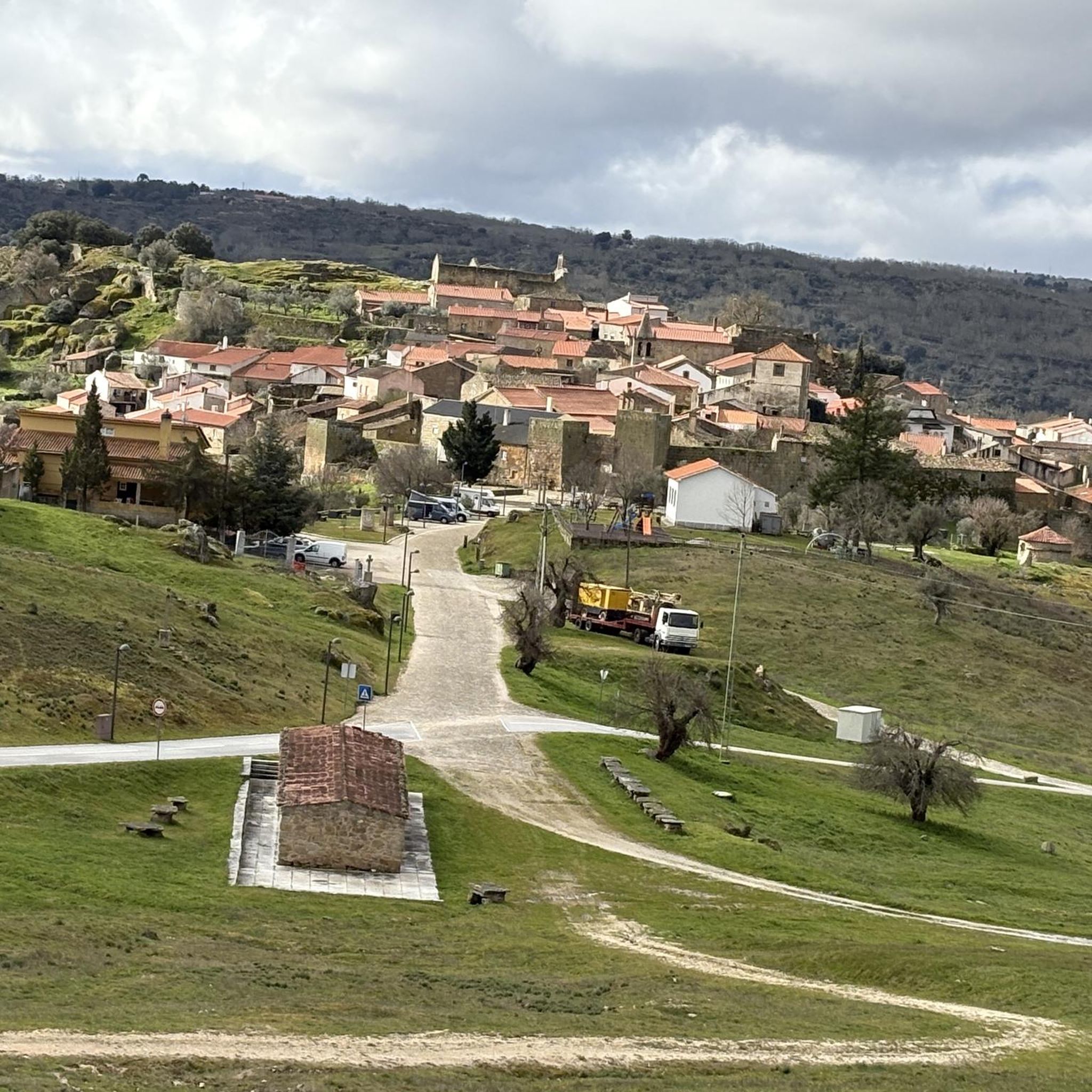
Castelo Mendo is a historic village with medieval roots, marked by two walls: the oldest, dating from the 12th century, surrounds the old town with its castle and the church of Santa Maria; the second, built by King Dinis in the 14th century, protected the Gothic suburb. The site was a living border between Portugal and León until the Treaty of Alcanices (1297), guarding strategic passages over the Côa River. At the entrance, two Vetón bellows, stone figures in the shape of wild boars, recall even more remote origins. Classified as a Property of Public Interest since 1984, Castelo Mendo today stands as a rare testament to the border region's history and Portuguese medieval splendor.
2
0

The Almeida Fort, originally founded as a castle in the 12th century, is one of the best-preserved fortifications in Portugal. It played an important role throughout its history, particularly during the Napoleonic Wars. It was heavily damaged during the Siege of Almeida in 1810 but was later rebuilt. The star fort is known for its bastions and deep moats, which were once intended to provide protection against invaders.
3
1
Castelo Mendo is surrounded by a fortified wall with six medieval gates. Two wild boar sculptures stand to the left and right of the main entrance. The simple stone houses originally consisted of two floors. The ground floor housed livestock, while the upper floor served as a residential building. The extremely narrow streets made it relatively easy to defend the town, which was repeatedly a battlefield during the wars in which Portugal participated, especially against Spain.
2
2

Armed conflicts between borders have been the daily bread in these areas between the two countries. It was built in the 17th century and currently has more than three centuries of history, where its walls are still standing. Currently, it is rehabilitated and is a hotel.
0
2

The refurbishment and reconversion project of this 17th-century fortress won, in 2014, the prize for the best restoration of a military building in Spain. What are now luxury rooms on the Spanish-Portuguese border could house 1,500 infantrymen and 200 horses at his creation. The fort had two phases. The first, in the 17th century, when after the uprising in Lisbon that deposed Philip of Habsburg, it was built to serve as a base for an army that would recover Portugal. The Second, in the 18th century, when it was rebuilt to oppose the Portuguese stronghold of Almeida. During the war of independence, it was partially blown up and, for much of the 19th century, the surrounding inhabitants took advantage of it as a quarry until its sale to the private sector gave rise to the current construction.
1
0

If you walk around the wall you have a nice view and you get an impression of the defenses.
1
0
Frequently Asked Questions
What historical significance do the castles around Castelo Bom hold?
The castles in the Castelo Bom region, including the Castle of Castelo Bom itself, played a crucial role in medieval border defense between Portugal and the Kingdom of León. They were strategic strongholds involved in territorial disputes, with sites like Almeida Castle and Castelo Mendo Historic Village guarding passages and serving as battlegrounds. Many also have archaeological vestiges dating back to the Bronze Age, offering deep historical context.
Are there any family-friendly castles or historical sites to visit in the area?
Yes, the Historic Village of Almeida is noted as family-friendly. Its impressive six-pointed star-shaped fortress, with bastions and underground galleries, can be an engaging experience for all ages. Exploring the village's history and unique architecture offers an educational and fun outing.
What kind of views can I expect from the castles in the Castelo Bom region?
Many castles in the region, such as the Castle of Castelo Bom, are strategically located atop hilltops. This provides breathtaking panoramic views of the surrounding landscape, including the picturesque Côa River valley. These elevated positions were chosen for defense but now offer stunning scenic overlooks.
What outdoor activities can I do near these castles?
The area around Castelo Bom is excellent for outdoor activities, especially road cycling. You can find various routes, such as the 'Fuerte de la Concepción, Reducto de San José y La Alameda de Gardón — circular through the fields of Argañán and Azaba' or the 'Fortress of Almeida – Almeida Castle loop'. For more details on these and other routes, visit the Road Cycling Routes around Castelo Bom guide.
Are there easy walking trails around the castles?
While specific easy walking trails around each castle aren't detailed, the historic villages like Castelo Mendo Historic Village offer charming narrow streets to explore on foot. The strategic locations of the castles often mean some uphill walking to reach them, but the villages themselves are generally walkable.
What is the best time of year to visit the castles in the Castelo Bom region?
The region experiences warm, dry summers and mild winters. Spring (April-June) and Autumn (September-October) generally offer the most pleasant weather for exploring the outdoor castle ruins and historic villages, avoiding the peak heat of summer and potential winter chill.
Are there any unique architectural features among the castles?
Absolutely. Almeida Castle is renowned for its star fort design with bastions and deep moats, showcasing advanced military architecture. The Castle of Castelo Bom features a granite masonry structure adapting to the terrain, with an irregular barbican, a cistern (King's Well), and remnants of a keep, reflecting medieval defensive strategies.
Where can I find cafes or restaurants near the castles?
Historic villages such as Castelo Bom, Almeida, and Castelo Mendo typically have local cafes and restaurants within or very close to their historic centers. These establishments offer opportunities to enjoy local cuisine and refreshments after exploring the fortifications.
What makes the Castle of Castelo Bom particularly noteworthy compared to other regional fortresses?
The Castle of Castelo Bom stands out due to its ancient origins, with archaeological evidence of a Bronze Age *castro* on its site, including a discovered pistiliforme sword. Its strategic location overlooking the Rio Côa and its role in 12th-13th century territorial disputes make it a significant site for understanding early Portuguese border defense and pre-historic settlement.
Can I find any hidden gems or less-known historical sites around Castelo Bom?
While the main castles are well-known, exploring the smaller, less-frequented parts of the historic villages themselves can reveal hidden gems. For instance, the walls of the Castle of Castelo Bom still display the coat of arms with the old village's crest, and the narrow streets of Castelo Mendo offer a glimpse into medieval life away from the main tourist paths.
What should I wear when visiting castles in the Castelo Bom region?
Given that many castles are partially ruined and involve walking on uneven terrain or climbing to viewpoints, comfortable walking shoes are highly recommended. Layers of clothing are also advisable, especially during spring and autumn, to adapt to changing weather conditions. A hat and sunscreen are useful during sunnier periods.
Are there any archaeological sites near Castelo Bom besides the castles themselves?
Yes, the region is rich in archaeological significance. The Castle of Castelo Bom itself has pre-historic vestiges, including evidence of a Bronze Age *castro*. The broader Côa Valley is also famous for its Paleolithic rock art, making the area a significant destination for those interested in ancient history and archaeology.
Most popular routes around Castelo Bom
Most popular attractions around Castelo Bom

Get inspired with the komoot mobile app


Explore more
Looking for the best castles somewhere else? Discover other guides around Castelo Bom:
