Top 6 Castles around Alvor
Best castles around Alvor are found in a region with a rich historical past, situated along the Algarve coast of Portugal. The area is characterized by its coastal landscape and historical significance, with fortifications dating back centuries. These sites offer insights into the region's strategic importance and its diverse cultural influences. Alvor's historical sites provide a tangible connection to its ancient roots and medieval conflicts.
Best castles around Alvor
- The most popular castles is São João do Arade Castle, a castle that is a picturesque fort rising above the beach of Ferragudo. This privately owned fort is a striking part of Ferragudo's coastal landscape, though not open to the public.
- Another must-see spot is Ponta da Bandeira Fort, a historical site with a chapel dedicated to St. Barbara. Visitors can observe the fort's architecture, which was restored in the 1960s and is a notable example among the sea fortresses of the Lagos fortifications.
- Visitors also love Fort of Nossa Senhora da Encarnação, a man-made monument originally built in the 1670s to protect the coastline. This fort, also known as Carvoeiro Fort, features remnants of its original wall and a chapel, offering a glimpse into its military past.
- Alvor is known for its coastal forts, medieval ruins, and historical sites. The region offers a variety of castles and fortifications to explore, reflecting different eras of its history.
- The castles around Alvor are appreciated by the komoot community, with more than 170 upvotes and over 160 photos shared by visitors.
Last updated: August 10, 2026
Ponta da Bandeira Fort
Highlight • Historical Site
Tuesday to Sunday
10:00 am - 12:30 pm
14:00 - 17:30
Closed on Mondays
Translated by Google •
Tip by

São João do Arade Castle
Highlight • Castle
Translated by Google •
Tip by

Sign up now to discover places like this
Get recommendations on the best single tracks, peaks, & plenty of other exciting outdoor places.
Sign up for free
Castle of S. João de Arade 🏰 Angrinha Beach
Highlight • Castle
In the early 17th century, under Philippine rule, the government began a programme to build several fortresses along the coast to defend it from attacks by pirates and corsairs. A fortress was planned to be built at the mouth of the Arade River, although initially no agreement was reached on which side of the mouth it should be built. The Italian military engineer Alexandre Massai argued in favour of the left bank, where Vila Nova de Portimão could be better defended, and so the fortress was built on this side.
It was only after the restoration of independence in 1640 that plans began to be made to build the castle on the right bank, as a way of protecting the coast from Spanish attacks. The works took place between 1643 and 1644, on the site of the old watchtower, known as Ferragudo Castle, which was no longer considered strategically effective. In fact, it served not only to protect but also to control the mouth of the Arade, and was a customs registration point for ships sailing along the river to the city of Silves. In 1654, the castle underwent a process of refurbishment.
The building was gradually abandoned and was already in ruins by 1669. However, the castle was still subject to extension works in the 18th century, and was only slightly damaged by the 1755 earthquake, due to the solid rock on which it was built.
In 1821, two batteries were still in operation on the highest part of the castle, both with gun ports. By 1861 it was once again in ruins, and in 1892 it was leased to the writer and diplomat Joaquim José Coelho de Carvalho, whose family had bought the building in 1896. Joaquim de Carvalho carried out renovations at the beginning of the 20th century, which gave it the appearance of a romantic castle. Some time later, it became the property of the politician Francisco Vieira Machado. The monument did not undergo any major renovations in the 20th century. The changes that were made to its interior were mainly used to transform it into a holiday home, although much of the building remained in a state of disrepair. In 1976, the Ferragudo Parish Council asked for the fort to be ceded to it, so that a cultural centre could be set up inside.
Translated by Google •
Tip by

Fort of Nossa Senhora da Encarnação
Highlight • Monument
Translated by Google •
Tip by
Fort Meia Praia
Highlight • Historical Site
Translated by Google •
Tip by

Sign up for free to discover even more castles around Alvor.
Sign up for free
Already have an account?
Start today with a free account
Your next adventure awaits.
Login or Signup
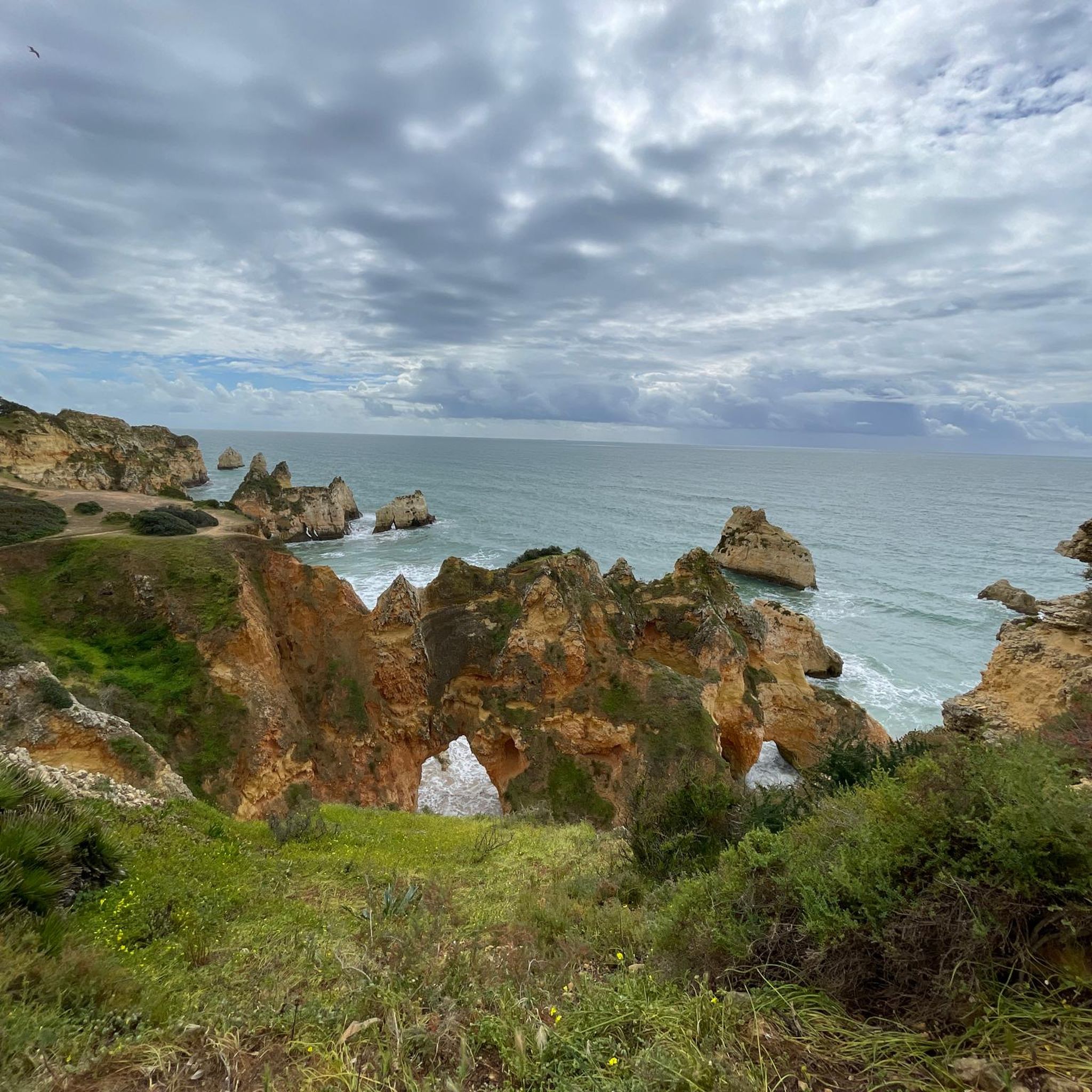
Tips from the Community

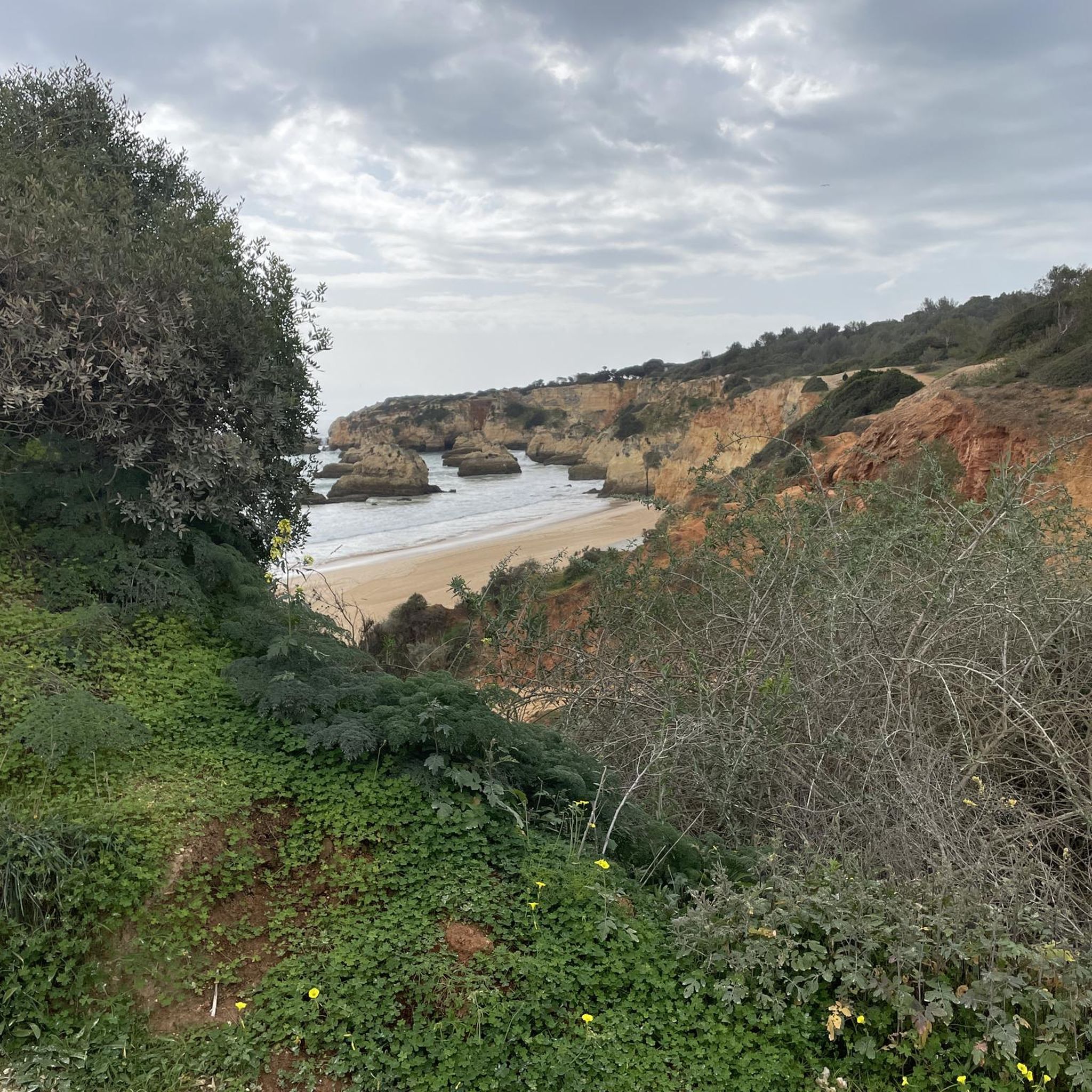
Castelo de São João do Arade is an old fort in Ferragudo, built to defend the mouth of the Rio Arade River from pirates and invasions. It is situated on a rocky outcrop between Praia da Angrinha and Praia Grande. The fort is now privately owned and not open to the public, but it is a striking and photogenic part of Ferragudo's coastal landscape.
3
0
The Forte da Ponta da Bandeira is a 17th-century coastal fort in Lagos, Portugal, originally built between 1680 and 1690 to defend the city from maritime threats. The fort is designed with a square plan, thick walls facing the sea, and a surrounding moat, accessible via a drawbridge. It contains a small chapel dedicated to Santa Bárbara, the patron saint of artillery, completely clad in 17th-century azulejos.
2
0

The area where the castle stands has been inhabited since at least Roman times, due to the presence of salting tanks nearby. In the 15th century, a watchtower was built. In the early 17th century, under Philippine rule, the government began a programme to build several fortresses along the coast to defend it from attacks by pirates and corsairs. A fortress was planned to be built at the mouth of the Arade River, although initially no agreement was reached on which side of the mouth it should be built. The Italian military engineer Alexandre Massai argued in favour of the left bank, where Vila Nova de Portimão could be better defended, and so the fortress was built on this side. It was only after the restoration of independence in 1640 that plans began to be made to build the castle on the right bank, as a way of protecting the coast from Spanish attacks. The works took place between 1643 and 1644, on the site of the old watchtower, known as Ferragudo Castle, which was no longer considered strategically effective. In fact, it served not only to protect but also to control the mouth of the Arade, and was a customs registration point for ships sailing along the river to the city of Silves. In 1654, the castle underwent a process of refurbishment. The building was gradually abandoned and was already in ruins by 1669. However, the castle was still subject to extension works in the 18th century, and was only slightly damaged by the 1755 earthquake, due to the solid rock on which it was built. In 1821, two batteries were still in operation on the highest part of the castle, both with gun ports. By 1861 it was once again in ruins, and in 1892 it was leased to the writer and diplomat Joaquim José Coelho de Carvalho, whose family had bought the building in 1896. Joaquim de Carvalho carried out renovations at the beginning of the 20th century, which gave it the appearance of a romantic castle. Some time later, it became the property of the politician Francisco Vieira Machado. The monument did not undergo any major renovations in the 20th century. The changes that were made to its interior were mainly used to transform it into a holiday home, although much of the building remained in a state of disrepair. In 1976, the Ferragudo Parish Council asked for the fort to be ceded to it, so that a cultural centre could be set up inside.
3
0
The Carvoeiro Fort, originally called the Forte de Nossa Senhora da Encarnação, is a military monument located next to the Carvoeiro cliff. Built in the 1670s to protect the coastline, it was severely damaged by the 1755 earthquake. It was rebuilt in 1796, but fell into decline in the 19th century and was closed by 1861. In 1871, it acquired new functions as a tax guard. Of the old fortress, only part of the wall, the chapel of Nossa Senhora da Encarnação and some buildings, which were part of the tax post, remain.
3
0

The fort has a chapel dedicated to St. Barbara and an azulejo group from the end of the 18th century. The building, which was restored in the 1960s, is the bookplate among the sea fortresses of the Lagos fortifications. See: https://www.visitportugal.com/de/NR/exeres/C411AAEA-06C3-48DE-AF94-F497E49D39D5
5
0
Outside the old walled city stands the Fortaleza de Nossa Senhora da Penha de França, commonly known as Forte da Ponta da Bandeira. The fortress was built at the end of the 17th century to defend Lagos. Access is via a drawbridge that spans a moat. As it was one of the last defensive points built in Lagos, it is now one of the most beautiful and best preserved. See: https://www.visitportugal.com/de/NR/exeres/C411AAEA-06C3-48DE-AF94-F497E49D39D5
3
0
The Fort of São João do Arade, sometimes referred to as the Castle of Arade, is a medieval fortress in the parish of Ferragudo in the Portuguese Algarve municipality of Lagoa. It is privately owned.
1
0

Originally it served to defend the Arade River. Although it is classified as a monument of public interest, it is privately owned and is not allowed to be entered.
0
0
Frequently Asked Questions
What is the historical significance of the castles in the Alvor region?
The castles around Alvor, particularly Alvor Castle itself, hold immense historical significance, with origins dating back to the 7th century BCE. They reflect centuries of diverse cultural influences, including Phoenician, Carthaginian, Moorish, and Christian periods. These fortifications played crucial roles during the Christian Reconquista and were strategically important for coastal defense. They offer a tangible connection to Alvor's ancient roots and medieval conflicts.
What can I expect to see when visiting Alvor Castle?
Alvor Castle, though largely in ruins due to the 1755 Lisbon earthquake, still offers a fascinating glimpse into the past. You can explore preserved wall sections and one turret. The site features a children's garden or playground within its partially ruined walls, and a strategic viewing platform has been erected on a preserved tower, offering insights into medieval military architecture.
Are there any family-friendly castles or historical sites near Alvor?
Yes, several sites are suitable for families. The grounds of Alvor Castle, for instance, now host a children's playground, making it a pleasant spot for families. Additionally, Ponta da Bandeira Fort and Fort of Nossa Senhora da Encarnação are listed as family-friendly historical sites, offering architectural exploration and historical context.
What kind of outdoor activities can I do near the castles around Alvor?
The Alvor area offers various outdoor activities. You can find numerous running trails, such as the 'Rhythm of the Tide Trail' or the 'Ria de Alvor – Alvor Boardwalks loop'. For hikers, there are easy routes like 'Ao Sabor da Maré — circular route (P2)' and 'Alvor Boardwalks – Alvor Beach loop'. Cyclists can explore road cycling routes like the 'SunBikeTours Bike Rental Alvor – Odiáxere Stork Colony loop'. You can find more details on these activities in the respective guides: Running Trails around Alvor, Easy hikes around Alvor, and Road Cycling Routes around Alvor.
Which castles offer good viewpoints or scenic surroundings?
Many of the castles and forts in the region are situated in scenic locations. São João do Arade Castle is a picturesque fort rising above the beach of Ferragudo, offering striking coastal views. Ponta da Bandeira Fort and Fort of Nossa Senhora da Encarnação are also noted for their viewpoints and historical settings.
Are there any castles near Alvor that are not open to the public?
Yes, São João do Arade Castle is a notable example. While it is a striking and photogenic part of Ferragudo's coastal landscape, it is privately owned and not open for public entry. You can admire its exterior from the surrounding beaches like Angrinha Beach.
What is the best time of year to visit castles in the Alvor region?
The Algarve region, including Alvor, generally enjoys mild winters and hot summers. Spring (April-May) and autumn (September-October) are often considered ideal for visiting historical sites. During these seasons, the weather is pleasant for exploring, and the crowds are typically smaller than in the peak summer months.
What is the 'Fort of Nossa Senhora da Encarnação' and what can I see there?
The Fort of Nossa Senhora da Encarnação, also known as Carvoeiro Fort, was originally built in the 1670s to protect the coastline. Today, visitors can see remnants of its original wall and a chapel dedicated to Nossa Senhora da Encarnação. It offers a glimpse into the military past of the region and its strategic importance.
What is the 'Ponta da Bandeira Fort' known for?
The Ponta da Bandeira Fort is a historical site in Lagos, known for its well-preserved architecture and its chapel dedicated to St. Barbara. Restored in the 1960s, it stands as a significant example among the sea fortresses that once protected the Lagos fortifications. It provides insights into Portugal's maritime defense history.
Are there any specific tips for visiting the castles around Alvor?
When visiting, it's advisable to check the current opening hours for sites like Ponta da Bandeira Fort, as they can vary. Many sites are outdoors, so comfortable walking shoes, sun protection, and water are recommended, especially during warmer months. For sites like Alvor Castle, which has a playground, it can be a good idea to combine historical exploration with family leisure time.
What is the community's general sentiment about the castles around Alvor?
The castles and historical sites around Alvor are highly appreciated by the komoot community. They have received over 170 upvotes and more than 160 photos shared by visitors, indicating a strong interest in their historical value, scenic beauty, and the unique experiences they offer.
Most popular routes around Alvor
Most popular attractions around Alvor

Get inspired with the komoot mobile app


Explore more
Looking for the best castles somewhere else? Discover other guides around Alvor:
