Top 6 Lakes around São Cristóvão
Best lakes around São Cristóvão are often found in the broader region, complementing the city's historical significance and riverine landscapes. São Cristóvão, located in Sergipe, Brazil, is known for its UNESCO World Heritage site, São Francisco Square, and is bordered by rivers such as the Vaza Barris. While the city itself is rich in cultural heritage, natural lakes within its direct municipal boundaries are not primary tourist attractions. The surrounding areas offer various water bodies, including man-made dams and reservoirs,…
Last updated: July 1, 2026
Pego do Altar Dam
Highlight • Lake
Translated by Google •
Tip by

Reservoir of the Pego do Altar Dam
Highlight • Lake
Translated by Google •
Tip by
Sign up now to discover places like this
Get recommendations on the best single tracks, peaks, & plenty of other exciting outdoor places.
Sign up for free
Figueira Valley
Highlight • Lake
Translated by Google •
Tip by
Pego do Altar Dam Reservoir
Highlight • Lake
Translated by Google •
Tip by
Monte do Pinheiro Dam
Highlight • Lake
Translated by Google •
Tip by
Sign up for free to discover even more lakes around São Cristóvão.
Sign up for free
Already have an account?
Start today with a free account
Your next adventure awaits.
Login or Signup
Popular around São Cristóvão

Tips from the Community

The Pego do Altar Dam, originally named Salazar Dam, is a dam built on the bed of the Ribeira das Alcáçovas, in the Sado River basin, in the parish of Santa Susana, in the municipality of Alcácer do Sal, Portugal. The Salazar Dam was built in 1949, during the Estado Novo period, to harness the waters for agriculture in the Sado Valley (rice fields of Alcácer do Sal) and for hydroelectric generation. Its reservoir is now a point of great tourist interest, particularly for sport fishing.
1
0
The Pego do Altar Dam, originally named Salazar Dam, is a dam built on the bed of the Ribeira das Alcáçovas, in the Sado River basin, in the parish of Santa Susana, in the municipality of Alcácer do Sal, Portugal.[1] The then Salazar Dam was built in 1949, during the Estado Novo period, to harness the waters for agriculture in the Sado Valley (rice fields of Alcácer do Sal) and for hydroelectric generation. Its reservoir is now a point of great tourist interest, particularly for sport fishing.
7
0
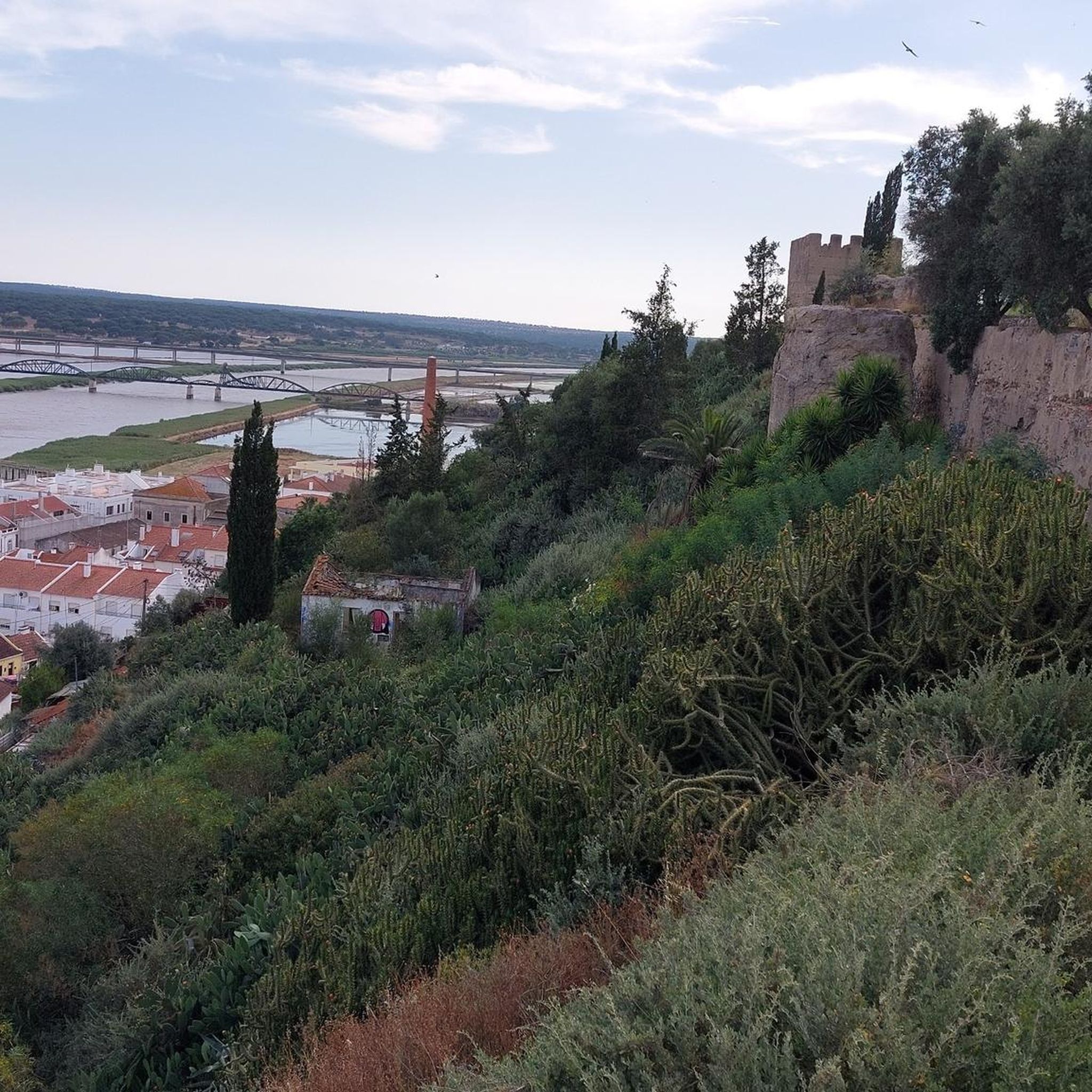
The Pego do Altar Dam is located a few kilometres from Alcácer do Sal and was built in 1949 to supply the agricultural area of the Sado River valley and to produce electricity. Today it is very popular with foreigners in their motorhomes and with sports fishing enthusiasts. It is a magical place due to its landscapes, its capacity for leisure activities and its importance in irrigating the fields, where the main irrigated crop is rice. Not far from the Pego do Altar Dam, the village of Santa Susana has a curious feature: some buildings with modernist architecture from the 1940s, which are due to a benefactor of the region, Henrique Louro Fernandes, whose monogram (HF) can be found on some of them. A small church, with two 16th-century panels inside, somewhat deteriorated but magnificent, completes the interesting visit to this place. Recently, the drought that hit this area “uncovered” an old 200-year-old bridge that was submerged by the waters of the dam.
11
0
The Pego do Altar Dam is located a few kilometres from Alcácer do Sal and was built in 1949 to supply the agricultural area of the Sado River valley and to produce electricity. Today it is very popular with foreigners in their motorhomes and with sports fishing enthusiasts. It is a magical place due to its landscapes, its capacity for leisure activities and its importance in irrigating the fields, where the main irrigated crop is rice. Not far from the Pego do Altar Dam, the village of Santa Susana has a curious feature: some buildings with modernist architecture from the 1940s, which are due to a benefactor of the region, Henrique Louro Fernandes, whose monogram (HF) can be found on some of them. A small church, with two 16th-century panels inside, somewhat deteriorated but magnificent, completes the interesting visit to this place. Recently, the drought that hit this area “uncovered” an old 200-year-old bridge that was submerged by the waters of the dam.
8
0

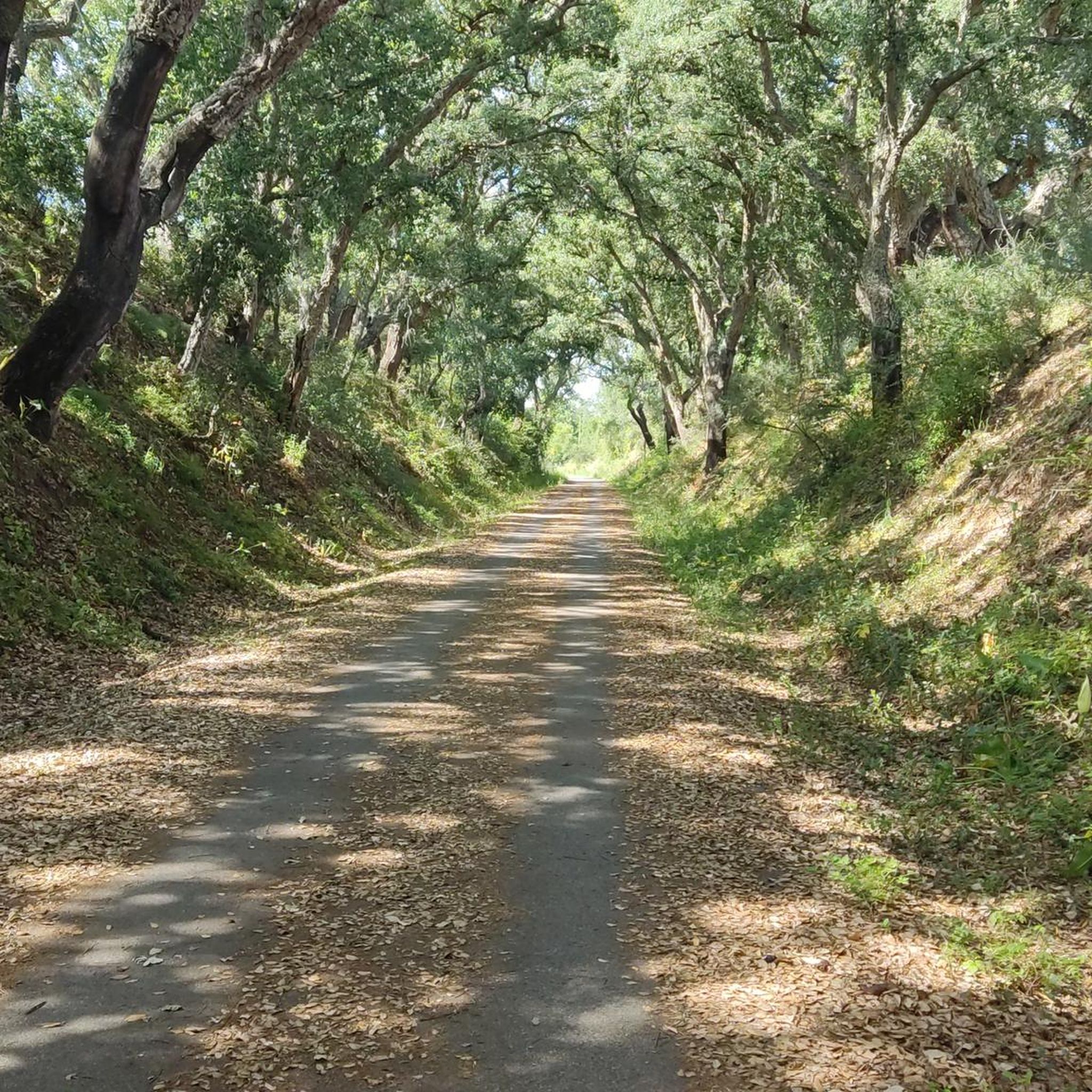
excellent route, easy level of difficulty
4
1
Private property, but access is permitted as long as civility rules are respected. Area where there are cattle, so be careful when approaching these animals. Excellent area for observing water birds.
5
1
This is an arm of the Pego do Altar Dam, which serves to irrigate the rice fields in the Alcácer do Sal area.
12
0
Frequently Asked Questions
What types of lakes can I find around São Cristóvão?
The region around São Cristóvão is primarily known for its man-made dams and reservoirs, which serve both agricultural and recreational purposes. These include significant structures like the Pego do Altar Dam and the Monte do Pinheiro Dam, offering diverse settings for visitors to explore.
Are there any natural lakes near São Cristóvão?
While São Cristóvão itself is more known for its historical sites and riverine landscapes, the most notable lake in the broader region that attracts visitors is Lagoa dos Tambaquis. This lagoon, located in Estância, offers remarkably clear waters and a unique opportunity to interact with large Tambaqui fish.
What activities can I do at Lagoa dos Tambaquis?
Lagoa dos Tambaquis is an ideal destination for families and those seeking relaxation. You can swim alongside and feed the friendly Tambaqui fish, enjoy various water sports like kayaking and stand-up paddleboarding, and utilize the well-developed leisure complex with swimming pools, water slides, and restaurants.
Are there family-friendly lakes around São Cristóvão?
Yes, several lakes in the area are considered family-friendly. The Pego do Altar Dam and its associated Reservoir are popular for leisure activities. Additionally, Lagoa dos Tambaquis, though further afield, is highly recommended for families due to its interactive fish feeding, water slides, and recreational facilities.
What kind of wildlife can I spot near the lakes?
The Monte do Pinheiro Dam is an excellent area for observing water birds. Other dam areas, being reservoirs, may also attract various bird species, especially those adapted to aquatic environments.
Are there opportunities for fishing at these lakes?
Yes, the Pego do Altar Dam and its Reservoir are very popular with sports fishing enthusiasts. It's a significant draw for visitors interested in this activity.
What outdoor activities can I do near the lakes around São Cristóvão?
Beyond visiting the lakes themselves, the broader region offers various outdoor activities. You can find numerous cycling routes, including challenging mountain biking trails and touring bicycle options, as well as running trails. For more details on routes, you can explore the MTB Trails around São Cristóvão, Cycling around São Cristóvão, and Running Trails around São Cristóvão guides.
Are there easy walks or trails around the lakes?
The Monte do Pinheiro Dam offers an excellent route with an easy level of difficulty, suitable for exploration and bird watching. While specific short trails directly around all dams aren't detailed, the general landscape allows for leisurely walks.
What is the historical significance of the dams in the region?
Dams like the Pego do Altar Dam, originally built in 1949, played a crucial role in supplying water to the agricultural area of the Sado River valley and producing electricity. These structures are not just recreational spots but also historical monuments of regional development.
Is it possible to visit the lakes with a motorhome?
Yes, the Pego do Altar Dam is particularly popular with motorhome travelers, indicating good accessibility and suitable conditions for parking and staying in the area.
What unique natural features can be found at the dams?
The dams themselves are significant man-made features that have created new landscapes. For instance, the Pego do Altar Dam area is noted for its magical landscapes, and during droughts, an old 200-year-old bridge previously submerged by the dam's waters has been known to reappear.
What is the best time to visit the lakes around São Cristóvão?
While specific seasonal recommendations for the lakes are not provided, the region's generally warm climate makes it suitable for outdoor activities for much of the year. For water-based activities, warmer months would be ideal. For hiking and exploration, spring and autumn might offer more comfortable temperatures.
Most popular routes around São Cristóvão
Most popular attractions around São Cristóvão

Get inspired with the komoot mobile app


Explore more
Still not found your perfect lake around São Cristóvão? Check out the guides of these regions to see even more beautiful places.
