Top 20 Lakes around Kowary
Best lakes around Kowary are found in the Polish Karkonosze Mountains, offering access to unique and picturesque lake destinations. The region features both natural glacial lakes and distinctive post-mining lakes. These bodies of water are set amidst mountain landscapes and geological formations, providing varied outdoor experiences. The area is characterized by its natural beauty and historical mining heritage.
Best lakes around Kowary
- The most popular lakes is Mały Staw (Little Pond) and Samotnia Mountain Hut, a glacial lake with…
Last updated: July 13, 2026
Mały Staw (Little Pond) and Samotnia Mountain Hut
Highlight • Lake
A nice photo motif.
Translated by Google •
Tip by

Samotnia Mountain Hut (Little Pond Hut)
Highlight • Mountain Hut
Translated by Google •
Tip by
Sign up now to discover places like this
Get recommendations on the best single tracks, peaks, & plenty of other exciting outdoor places.
Sign up for free
View of Wielki Staw
Highlight • Viewpoint
Translated by Google •
Tip by

Purple Pond
Highlight • Lake
Translated by Google •
Tip by
Blue Pond (Błękitne Jeziorko)
Highlight • Lake
Translated by Google •
Tip by

Sign up for free to discover even more lakes around Kowary.
Sign up for free
Already have an account?
Start today with a free account
Your next adventure awaits.
Login or Signup
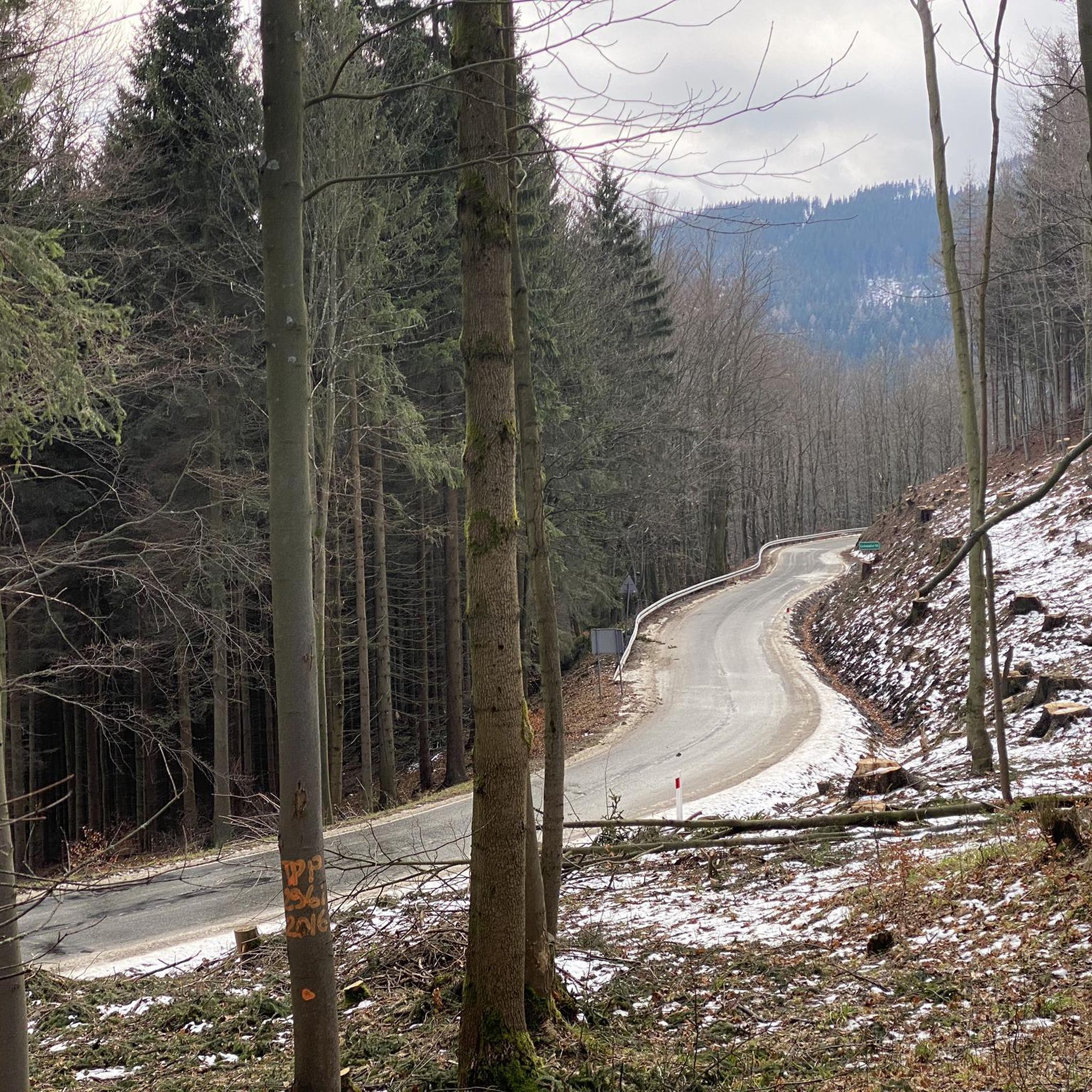
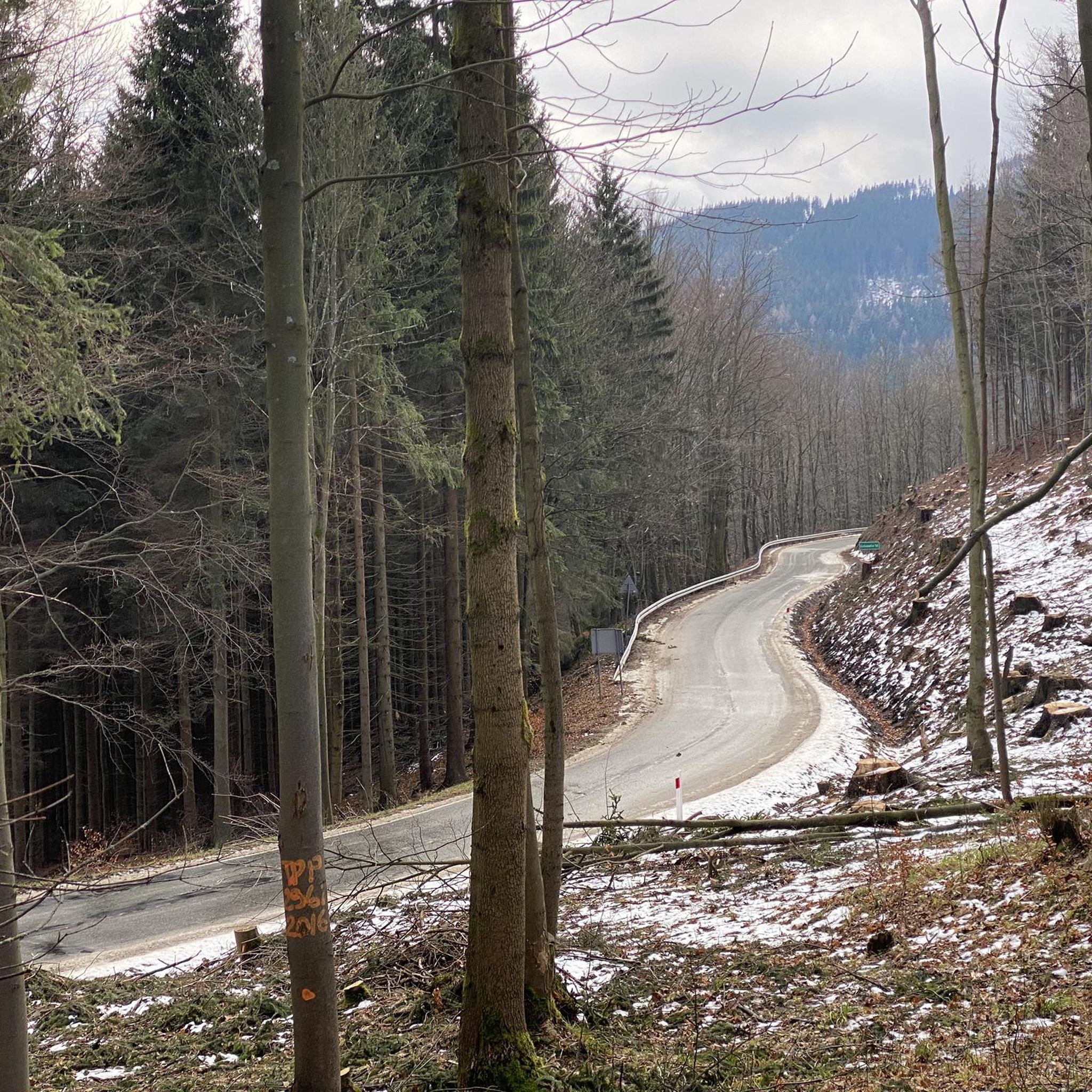
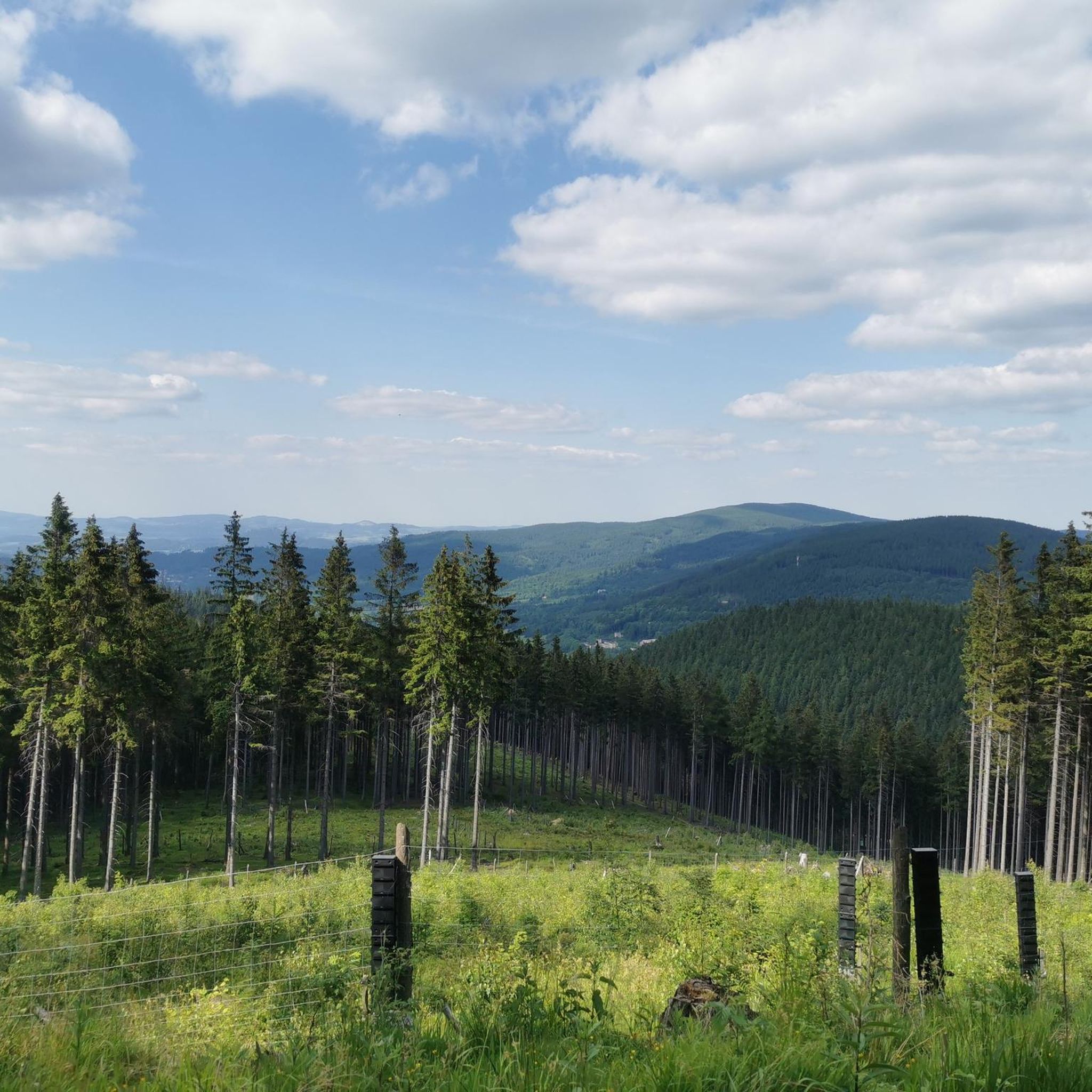

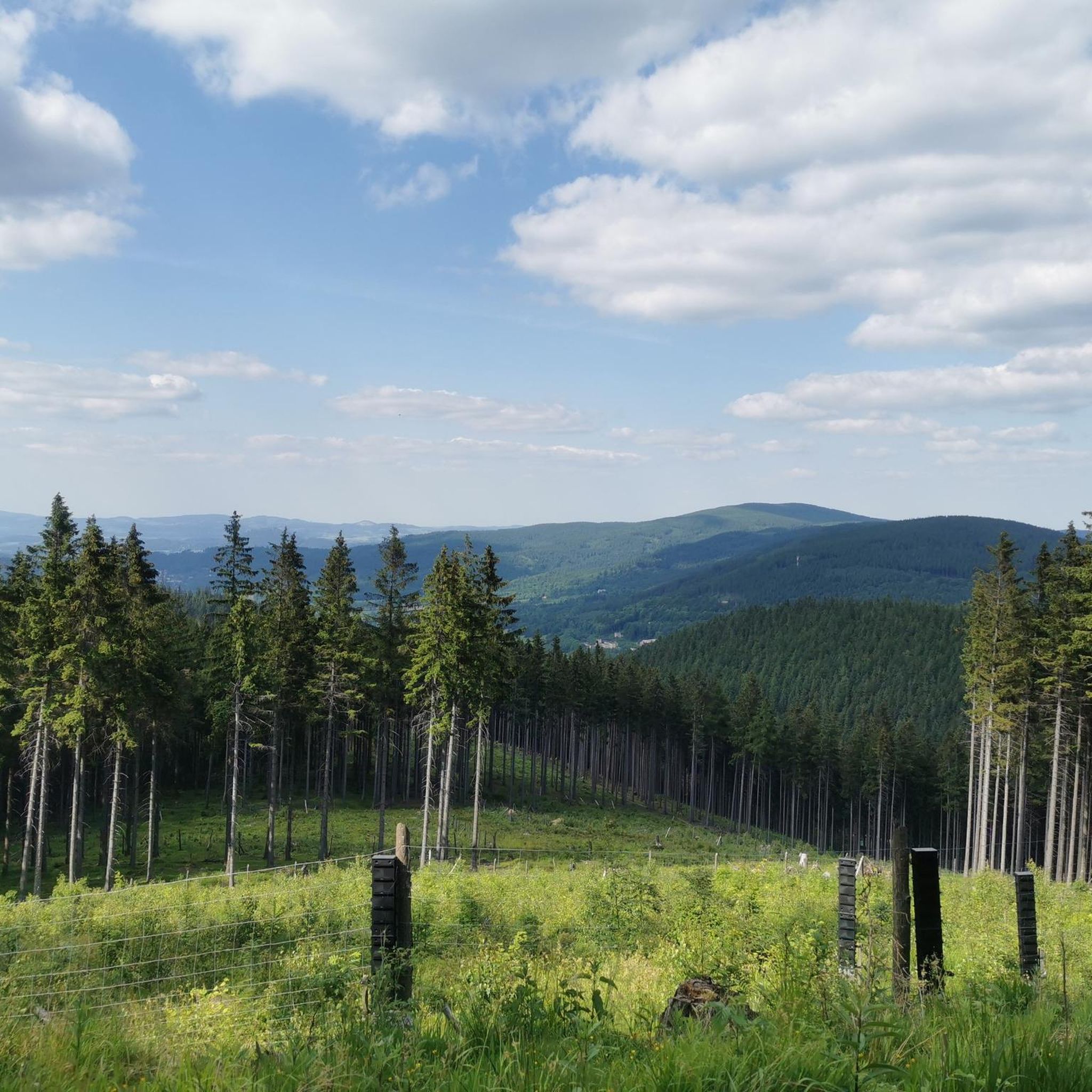
Tips from the Community

you have to walk uphill to the blue lake
1
0
the purple lake owes its color to iron compounds dissolved in the water, as the walls and bottom of the pit in which it is located are rich in copper and iron compounds
0
0

The lake is not really purple or violet, but rather orange-brown, but still worth seeing.
1
0
Worth seeing. The lake has a great intense color.
2
0

In summer the water level in the lakes is quite low.
1
0

One of the beautiful lakes that were created after the now inactive German mines. The purple color of this lake (!) is due to iron ore and sulfur. The lake is also surrounded by beautiful rock formations, and the air smells of sulfur...
2
0
An incredible view of Wielki Staw on the way to Śnieżka. This blue surface attracts attention!
1
0

There is a booth where you can buy something and probably eat something. Lots of wooden shelters and tables.
0
0
Frequently Asked Questions
What makes the lakes around Kowary unique?
The lakes around Kowary are unique due to their diverse origins. You'll find natural glacial lakes, such as Mały Staw (Little Pond), nestled in mountain cirques, as well as distinctive post-mining lakes like the Colorful Lakes. These post-mining lakes, including Purple Pond and Blue Pond (Błękitne Jeziorko), are known for their vibrant and unusual colors caused by various mineral compounds.
What are the Colorful Lakes and what gives them their distinct colors?
The Colorful Lakes (Kolorowe Jeziorka) are a geological marvel located in the Rudawy Landscape Park, formed in the flooded pits of former pyrite mines. Each of the four distinct ponds boasts a different hue: the Purple Lake gets its color from iron compounds, the Blue Lake (also known as Emerald or Azure Lake) from copper compounds, and the Yellow Lake from sulfur compounds. The Green Lake, the highest of them, has a graphite color influenced by its origin in the Gustav Grube mine.
Is Mały Staw a natural lake, and what are its key features?
Yes, Mały Staw (Little Pond) is a natural glacial lake, formed by the powerful forces that shaped the Karkonosze mountains. It is the second-biggest glacial lake in the Polish Karkonosze range, known for its clear waters reflecting the stunning mountain landscapes. The historic Samotnia Mountain Hut is picturesquely located on its north shore, offering a resting spot for hikers.
Are there family-friendly lakes around Kowary?
Yes, several lakes around Kowary are considered family-friendly. Both the Purple Pond and Blue Pond (Błękitne Jeziorko), part of the Colorful Lakes complex, are categorized as family-friendly destinations, offering unique visual experiences and pleasant walks suitable for all ages.
What kind of outdoor activities can I do near these lakes?
The region around Kowary offers a variety of outdoor activities. You can explore numerous hiking trails, ranging from easy walks to more challenging mountain hikes. For example, you can find easy hikes in the area by checking out the Easy hikes around Kowary guide, or embark on more demanding routes with the Mountain Hikes around Kowary guide. Road cycling routes are also available, as detailed in the Road Cycling Routes around Kowary guide.
Are there hiking trails near the lakes around Kowary?
Absolutely. The lakes are often integrated into extensive trail networks. For instance, Mały Staw is accessible via the Polish-Czech Friendship Trail (red-marked) and a blue-marked short-distance trail. The Colorful Lakes also offer pleasant walks around their unique formations. You can find various hiking options, including circular walks and challenging routes, in the Mountain Hikes around Kowary guide.
What is the best time to visit the Colorful Lakes to see their vibrant colors?
The best time to visit the Colorful Lakes to witness their most vibrant hues is generally in May. During this period, the water levels and mineral concentrations often combine to create the most striking visual spectacle. However, it's worth noting that the Yellow Lake can sometimes be a small, brown puddle, and the Green Lake can periodically dry up.
Are there places to eat or stay near the lakes?
Yes, particularly near Mały Staw, you'll find the historic Samotnia Mountain Hut. This hut, located directly on the lake's north shore, offers a place for hikers to rest and strengthen themselves, and is known for its good food. For other lakes, amenities might be found in nearby towns like Karpacz or Kowary.
Do the lakes have any historical significance?
Yes, many of the lakes carry historical significance. The Colorful Lakes are a direct result of historical mining activities, formed in the flooded pits of former pyrite mines that operated from the 18th to the 19th century. This adds an interesting layer of industrial heritage to their natural beauty. Mały Staw, being a glacial lake, showcases the ancient geological history of the Karkonosze mountains, and its adjacent Samotnia Mountain Hut has a history dating back over 400 years.
How accessible are the lakes around Kowary?
Accessibility varies by lake. The Colorful Lakes area offers free entry and is generally accessible for pleasant walks. Mały Staw is well-connected by trails, including the Polish-Czech Friendship Trail, and has easy access from the nearby tourist hub of Karpacz. Public transport options to the general region are available, and parking facilities can be found near popular trailheads.
Can I go wild swimming in the lakes near Kowary?
While the lakes are beautiful, wild swimming is generally not recommended or permitted in all locations. The water in the Purple Lake, for example, is a solution of sulfuric acid. Mały Staw is a glacial lake within a National Park, meaning its waters are very cold and swimming might be restricted to protect the natural environment. Always check local regulations and safety warnings before considering swimming in any natural body of water.
What kind of wildlife can be found around the lakes near Kowary?
The natural settings of these lakes, especially those within the Karkonosze National Park like Mały Staw, support diverse wildlife. While specific species are not detailed for all lakes, the clear waters of Mały Staw are known to host fish, and the surrounding mountain and forest environments are home to various birds, mammals, and amphibians typical of the Karkonosze region. Visitors are encouraged to observe wildlife respectfully from a distance.
Most popular routes around Kowary
Most popular attractions around Kowary

Get inspired with the komoot mobile app


Explore more
Still not found your perfect lake around Kowary? Check out the guides of these regions to see even more beautiful places.
