Top 6 Lakes in Trinity Alps Wilderness
Best lakes in Trinity Alps Wilderness are found within a vast area of over half a million acres in Northern California. This region is characterized by rugged granite peaks, dense conifer forests, and more than 55 alpine lakes. The diverse natural landscapes offer various recreational opportunities for hikers and backpackers.
Best lakes in Trinity Alps Wilderness
- The most popular lakes is Caribou Lakes, a lake that sits in a basin below Caribou Peak. This area features three good-sized lakes…
Last updated: October 3, 2026
Caribou Lakes
Highlight • Lake
Tip by

Trinity Alps Wilderness
Highlight • Natural
Tip by
Sign up now to discover places like this
Get recommendations on the best single tracks, peaks, & plenty of other exciting outdoor places.
Granite Lake
Highlight • Lake
Tip by

Diamond Lake
Highlight • Lake
Tip by
Summit Lake
Highlight • Lake
Tip by
Sign up for free to discover even more lakes in Trinity Alps Wilderness.
Already have an account?
Start today with a free account
Your next adventure awaits.
Popular around Trinity Alps Wilderness
Other adventures in Trinity Alps Wilderness

Tips from the Community

This is the smallest of the alpine lakes on the Four Lakes Loop. From here you get views of the upper Stuart Fork Valley toward Morris Meadow.
0
0
This is the largest of the four beautiful alpine lakes beneath Siligo Peak. The route to the summit picks up near where the trail from Summit Lake rejoins the Four Lakes Loop.
0
0
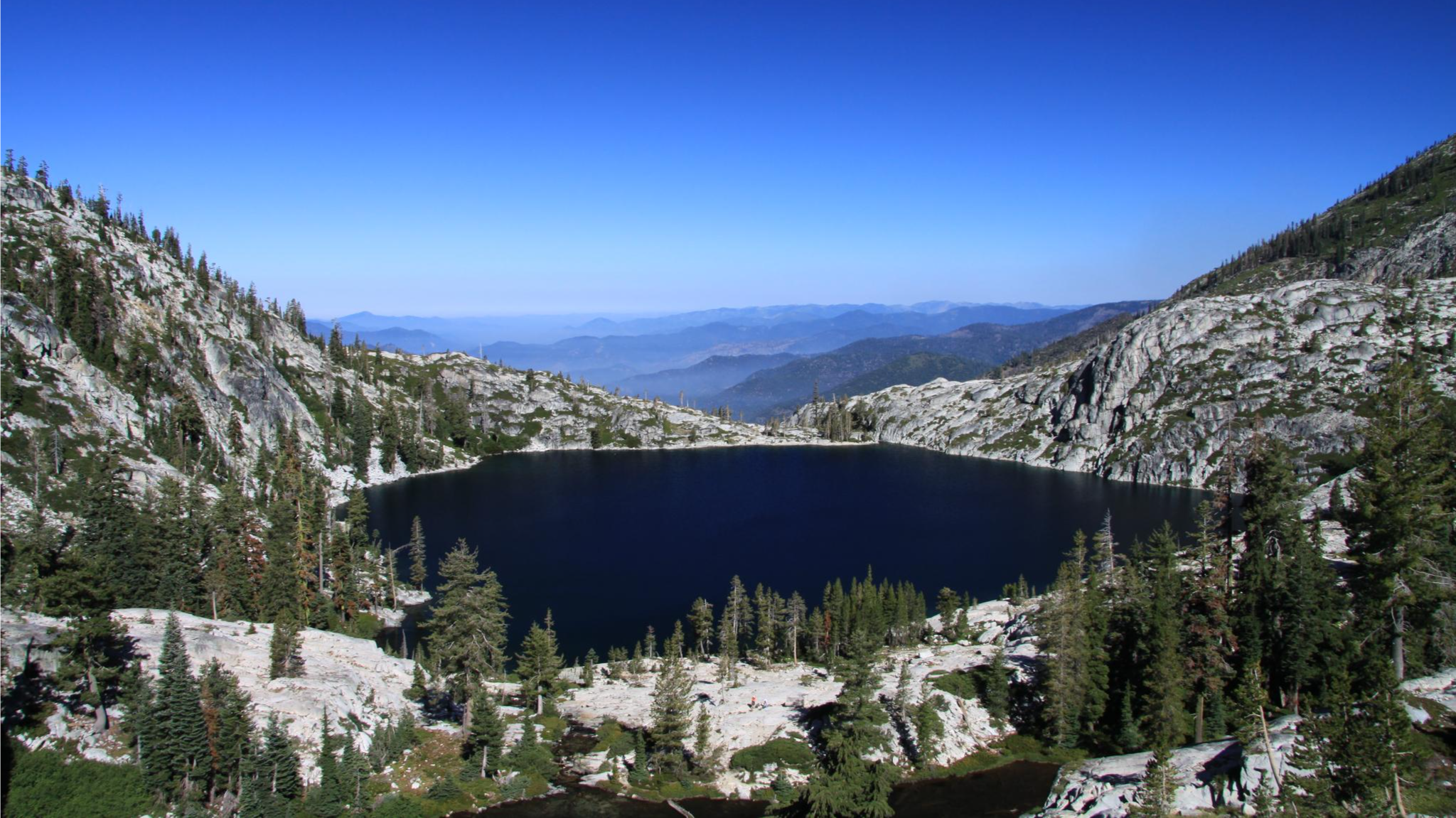
Granite Lake sits in a basin formed by the tall shoulders of Gibson Peak, which rises up to 8400 feet. There is a wide, flat chunk of bedrock near the trail which makes for the perfect picnic spot on the water's edge.
0
0

Getting to the Caribou Lakes means climbing thousands of feet to a basin below Caribou Peak. Once you arrive you'll be treated to three good sized lakes and a number of small ponds, all surrounded by granite peaks. There is a campsite along the shore of Upper Caribou Lake as well, so you can make this an overnight journey if you wish.
0
0
Trinity Alps Wilderness covers over half a million acres and has 550 miles of trails, 55 lakes, towering granite peaks, and wildflower filled meadows, making it a true outdoor paradise.
0
0
Frequently Asked Questions
What are some popular hiking trails to the lakes in Trinity Alps Wilderness?
Many lakes in the Trinity Alps Wilderness are accessible via popular hiking trails. The Four Lakes Loop, which includes Diamond Lake and Summit Lake, is a well-known backpacking trail offering stunning mountain views. Another premier destination is the trail to Canyon Creek Lakes, an 18.6-mile round trip. For a moderately challenging but rewarding hike, consider the 10.5-mile round trip to Granite Lake via the Swift Creek Trail.
What kind of terrain and difficulty can I expect on trails to the lakes?
The Trinity Alps Wilderness features rugged granite peaks, dense conifer forests, and elevations ranging from 2,000 to 9,000 feet. Trails to the lakes can vary from moderate to difficult, often involving significant elevation gain. For example, reaching Caribou Lakes requires climbing thousands of feet to a basin below Caribou Peak.
What natural features can I expect to see around the lakes?
Around the lakes, you'll encounter diverse natural beauty, including towering granite peaks, alpine meadows, and old-growth forests. Many trails feature waterfalls and wildflowers, especially during certain seasons. Unique sights include a beaver dam at Canyon Creek Lakes, marking the return of beavers to the area.
When is the best time to visit the lakes in Trinity Alps Wilderness?
The best time to visit the lakes in Trinity Alps Wilderness is typically from late spring to early fall, after the snow has melted and before new snowfall. Summer offers the warmest weather for hiking and camping, while late spring and early fall provide cooler temperatures and vibrant wildflowers or fall foliage. Always check trail conditions for snow, especially at higher elevations.
Are there family-friendly lakes or easy hiking options in the Trinity Alps Wilderness?
While many trails are challenging, some lakes offer easier access or shorter hikes suitable for families. Granite Lake is considered one of the easier alpine lakes to reach, offering a rewarding experience without extreme difficulty. Lewiston Lake, though not strictly in the wilderness, is a quieter option ideal for canoeing or fishing, which can be more family-friendly.
What outdoor activities can I do near these lakes?
The Trinity Alps Wilderness is an outdoor paradise. Besides hiking to the lakes, you can enjoy backpacking, camping, and fishing. Some lakes, like Middle Deadfall Lake and Lewiston Lake, are particularly noted for trout fishing. For more hiking options, you can explore routes like the China Gulch Trail to Grizzly Lake or the Canyon Creek Trail, detailed in the Hiking in Trinity Alps Wilderness guide.
What do visitors enjoy most about the lakes in Trinity Alps Wilderness?
Visitors frequently praise the stunning natural beauty, the rugged granite peaks, and the sense of wilderness. The opportunity for multi-day backpacking trips to areas like the Caribou Lakes, with their surrounding granite peaks and camping spots, is a major draw. The less crowded, 'Yosemite-like adventure' feel due to its remote nature is also highly valued.
Are there good spots for camping near the lakes?
Yes, many lakes offer excellent camping opportunities. Caribou Lakes has a campsite along the shore of Upper Caribou Lake. Along the Four Lakes Loop, Summit Lake offers the most camping options, and Deer Lake also provides several campsites. Middle Deadfall Lake and Granite Lake are also popular for camping.
Which lakes are known for good fishing?
Several lakes in the region are excellent for fishing. Middle Deadfall Lake is particularly noted for trout fishing, including brook, rainbow, and brown species, with fly fishing being excellent. Lewiston Lake is another quiet option known for abundant rainbow, brown, and brook trout.
What is the Four Lakes Loop and which lakes does it include?
The Four Lakes Loop is a popular backpacking trail in the Trinity Alps Wilderness. It includes Luella, Diamond, Summit, and Deer Lakes. This loop offers stunning mountain views and diverse alpine scenery.
Are there any large lakes for water sports in the area?
While many wilderness lakes are alpine and best for hiking and fishing, Trinity Lake, a large artificial lake in Trinity County, offers opportunities for water sports. It boasts 145 miles of shoreline when full.
What is the significance of Canyon Creek Lakes?
Canyon Creek Lakes are considered one of the premier destinations in the Trinity Alps Wilderness. The area is renowned for its soaring, jagged granite peaks, icy cold lakes, lush meadows, old-growth forests, and fantastic waterfalls. It also features a unique beaver dam, indicating the return of beavers to the area after over a century.
Most popular routes in Trinity Alps Wilderness
Most popular attractions in Trinity Alps Wilderness

Get inspired with the komoot mobile app


