Top 9 Mountain Passes in Glacier County
Mountain passes in Glacier County, Montana, are notable for their varied terrain and significant elevations, often marking the Continental Divide. This region features a landscape shaped by ancient glaciers, characterized by rugged mountains, alpine meadows, and dense forests. The passes provide access to diverse ecosystems and serve as important routes for both transportation and recreation. Glacier County's passes offer viewpoints into Glacier National Park and surrounding wilderness areas.
Best mountain passes in Glacier County
- The most popular mountain pass is Logan Pass, a mountain pass that is the highest point accessible by car on the Going-to-the-Sun Road. This area is known for its dramatic alpine setting and serves as a starting point for various hiking routes.
- Another must-see spot is Siyeh Pass Switchbacks, a mountain pass with challenging trails. Visitors can expect views of Goat Mountain, Boulder Creek, lakes, and small glaciers.
- Visitors also love Stoney Indian Pass, a mountain pass offering remote backcountry experiences. The pass features views of Stoney Indian Lake and numerous waterfalls on its east side.
- Glacier County is known for passes accessible by car and those requiring advanced hiking. The region offers a variety of mountain passes to explore, from easily accessible viewpoints to challenging backcountry routes.
- The mountain passes in Glacier County are appreciated by the komoot community, with 14 upvotes and 11 photos shared across the highlights.
Last updated: August 20, 2026
Logan Pass
Highlight • Mountain Pass
Translated by Google •
Tip by

Glacier National Park
Highlight • Natural Monument
The iconic Continental Divide Trail start at the Canadian border of Glacier National Park and runs through it. Backcountry camping is only allowed in established campground and you will need to apply for a permit as early as possible.
Tip by

Sign up now to discover places like this
Get recommendations on the best single tracks, peaks, & plenty of other exciting outdoor places.
Sign up for free
Marias Pass Memorial Square: Roosevelt Obelisk, Stevens
Highlight • Monument
The pass traverses the Continental Divide in the Lewis Range, along the boundary between the Lewis and Clark National Forest and the Flathead National Forest. The pass forms the southern limit of the Continental Ranges, a major grouping of the Rocky Mountains which extends as far north as McGregor Pass in the Northern Rockies of the Canadian province of British Columbia. During the winter, the pass is the only way to cross the Continental Divide by road in the United States north of Montana's Rogers Pass.
The pass was charted by John Frank Stevens, principal engineer of the Great Northern Railway (GN), in December 1889. The location of the pass had been rumored for several years, but it took Stevens and a Flathead Indian guide named Coonsah to discover it. The pass proved ideal for a railroad, because its approach was broad and open, within a valley ranging from one to six miles wide, and at a gentle grade. Construction of the railroad through the pass began 1890, followING the Middle Fork of the Flathead River west of the Continental Divide.
A memorial to President Theodore Roosevelt was constructed along the Continental Divide at the top of the pass. Construction from 1930-31, The obelisk is 60 feet high and extends 19 feet into the ground. It has a tapering cement core covered on all sides with 7-inch slabs of Montana granite quarried near Helena. It was later decided to build an obelisk instead of an archway.
Today, U.S. Route 2 uses the pass, along with the BNSF Railway linking Chicago and the Pacific Northwest. A statue of John Frank Stevens stands at the summit of Marias Pass. en.wikipedia.org/wiki/Marias_Pass
Tip by

Triple Divide Pass
Highlight • Mountain Pass
Tip by

Glacier National Park
Highlight • Natural Monument
Tip by

Stoney Indian Pass
Highlight • Mountain Pass
Tip by
Siyeh Pass Switchbacks
Highlight (Segment) • Mountain Pass
Translated by Google •
Tip by

Trail to Siyeh Pass
Highlight (Segment) • Trail
Translated by Google •
Tip by
Summit Campground ⛺️ Continental Divide Trail
Highlight • Rest Area
Tip by
Start today with a free account
Your next adventure awaits.
Login or Signup
Popular around Glacier County
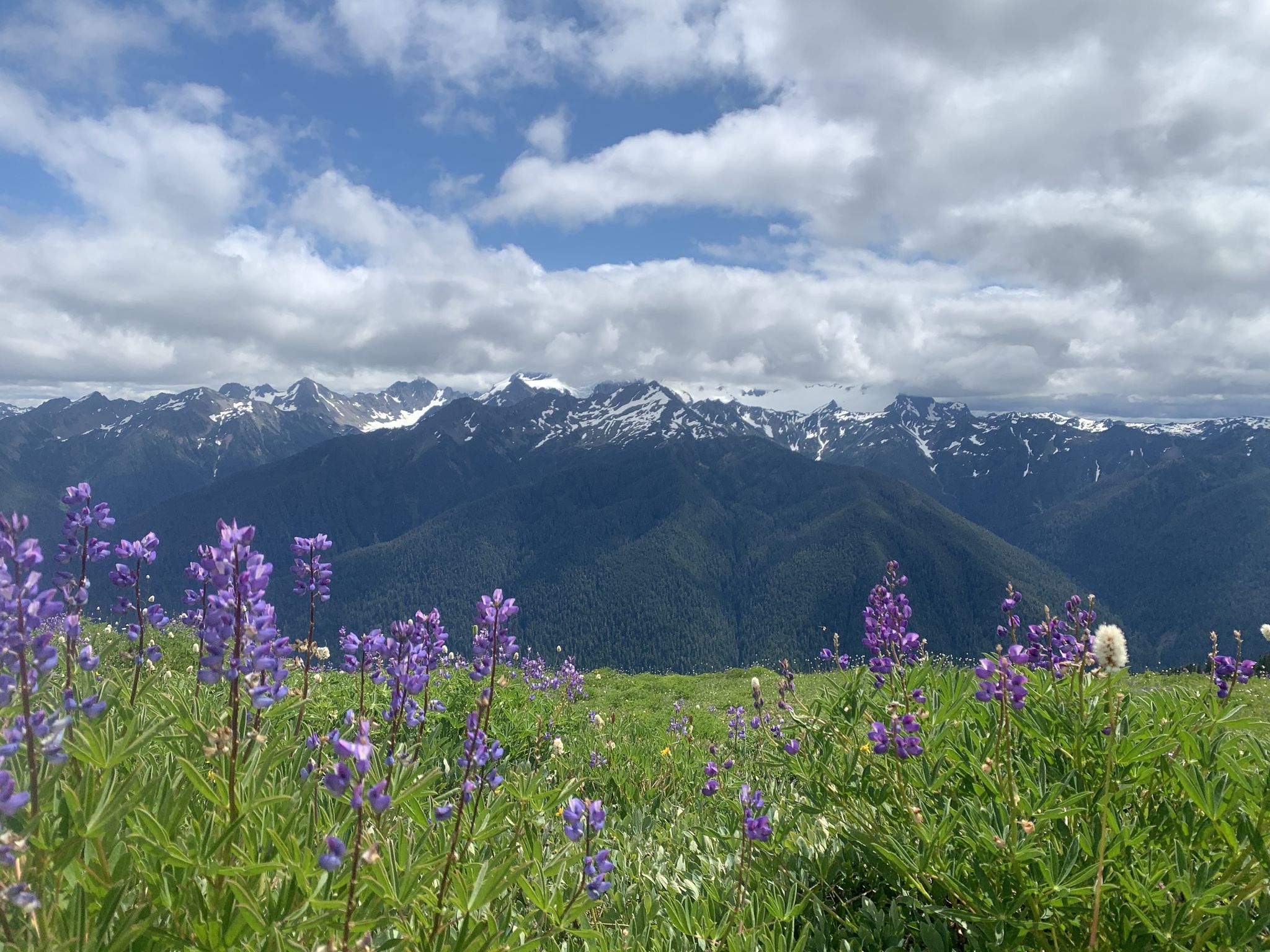
Pacific Northwest National Scenic Trail — From Alpine to Alava through the untamed Northwest
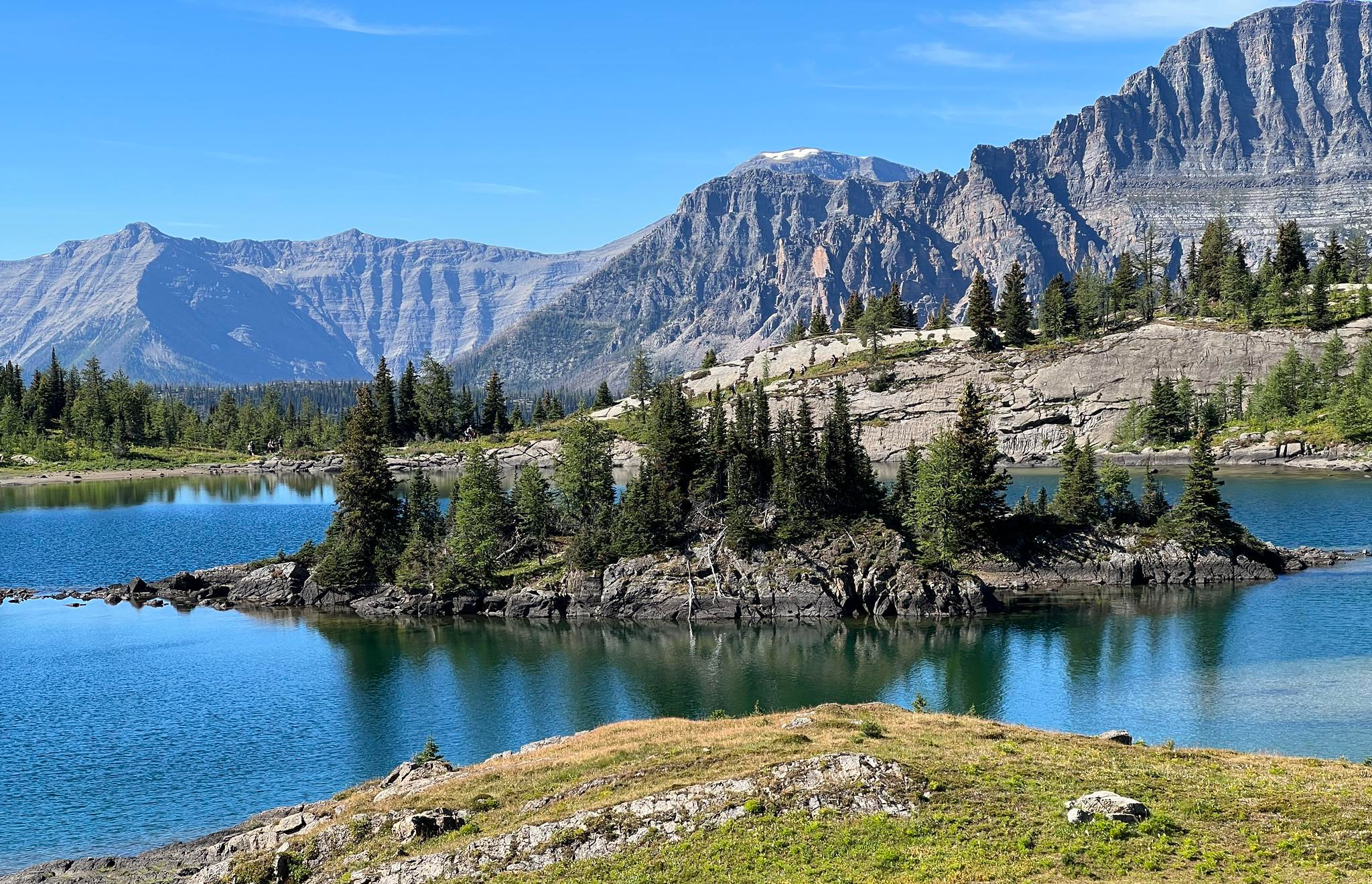
Great Divide Trail – Section A to E: Waterton to Maligne Lake
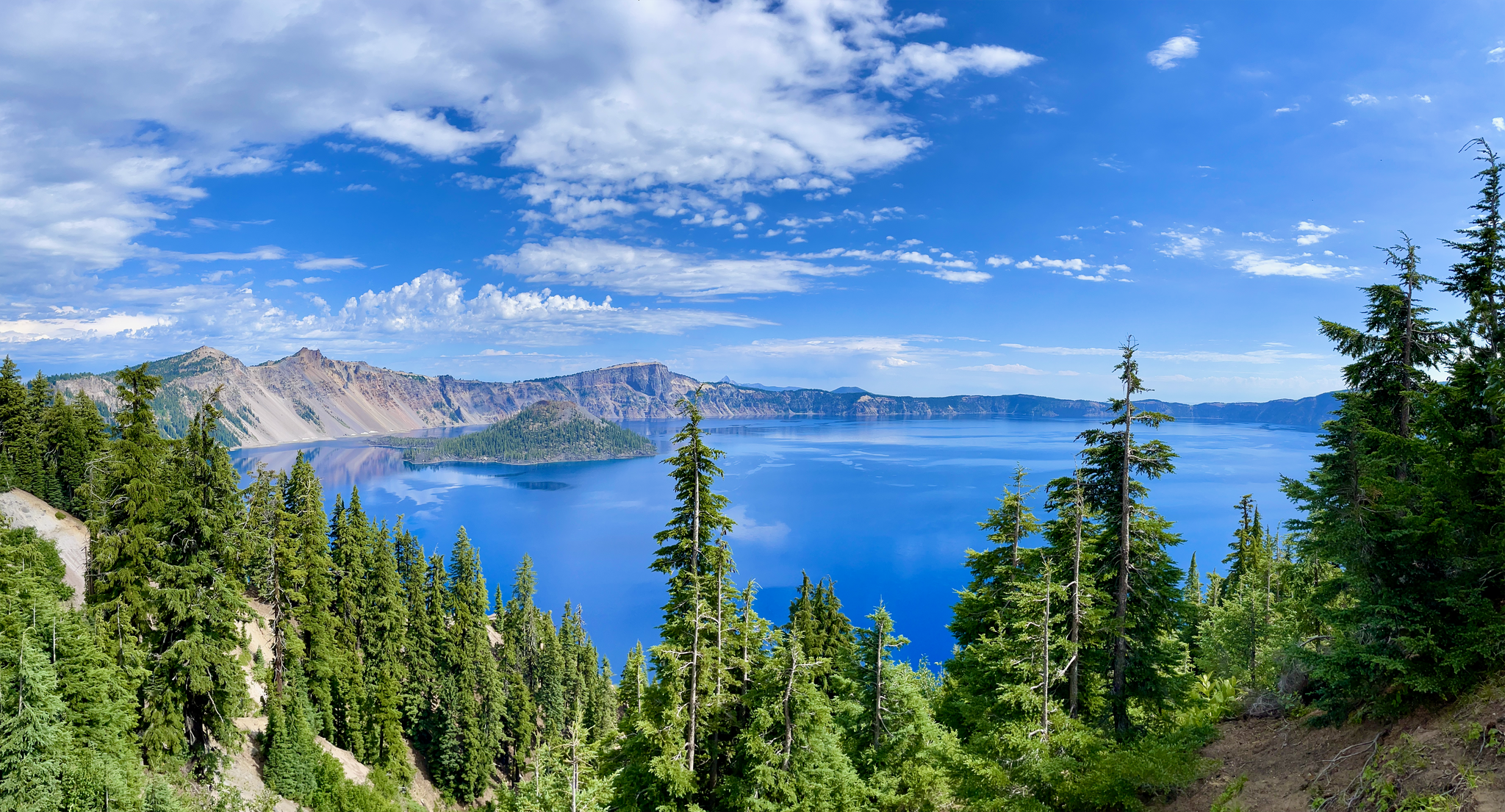
The pristine beauty of the US National Parks
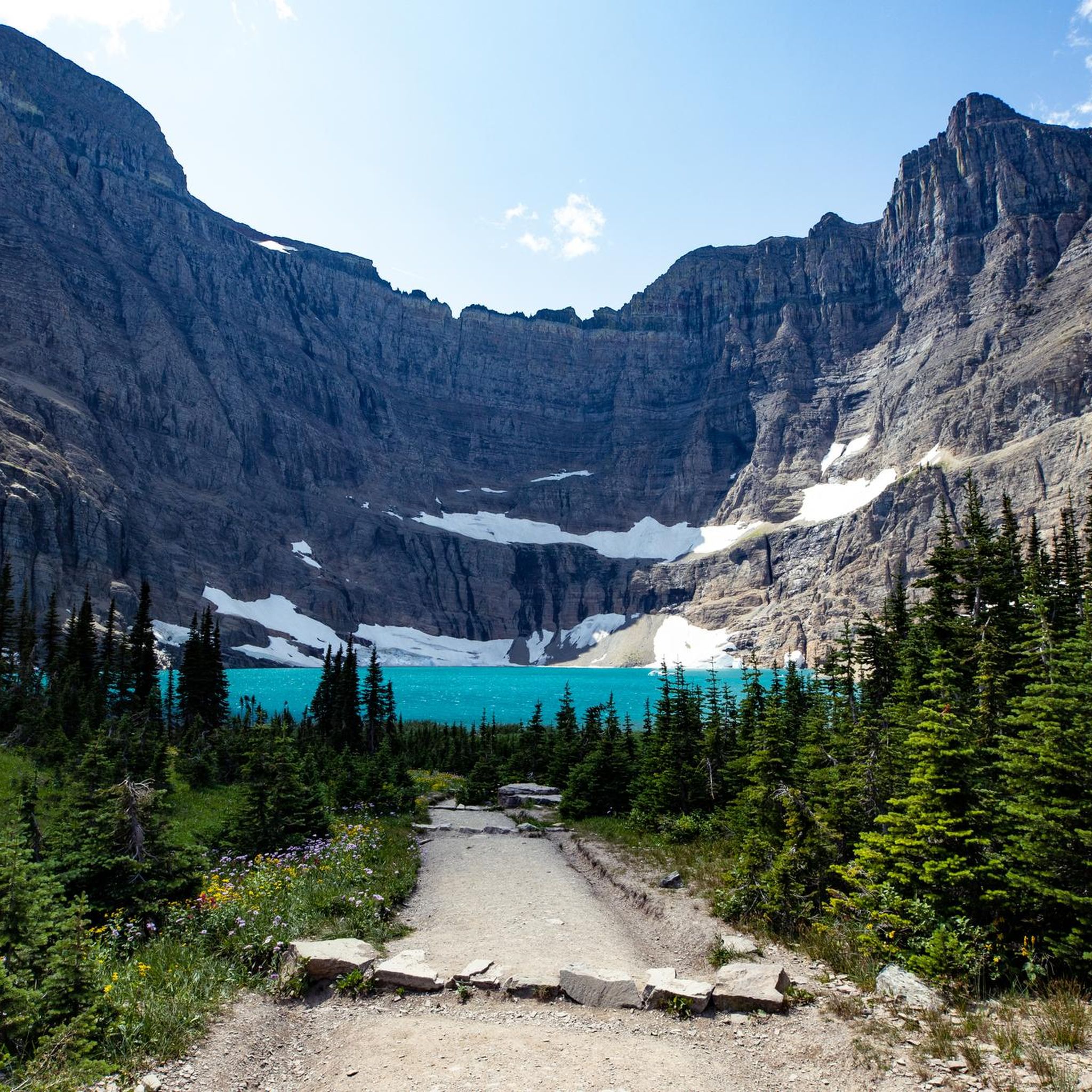
Hiking in Glacier County
Cycling in Glacier County
Road Cycling Routes in Glacier County
Running Trails in Glacier County
Other adventures in Glacier County


Tips from the Community

At about 2100 m you have a wonderful view of both sides of the pass. It is often still snow-covered and you feel like you are in a ski lodge
2
0

This area is really so incredibly beautiful.
3
0

Reaching the summit of Logan Pass by bike is a true high point—literally and figuratively—of any ride in Glacier National Park. At 6,646 feet, the pass straddles the Continental Divide and offers sweeping views of alpine meadows, rugged peaks, and likely some mountain goats. The visitor center at the top has restrooms, water, interpretive displays, and rangers on hand to answer questions. It’s also a jumping-off point for iconic hikes like the Hidden Lake Overlook and Highline Trail.
0
0

Glacier National Park spreads out over 1 million acres and is home to over 130 named lakes, rugged mountains, and dense forests. Established as the 10th national park in the United States, it was carved by ancient glaciers, creating U-shaped valleys. It once had 150 glaciers; only about 25 remain today, with projections indicating they may vanish by 2030 due to climate change. The area was home to multiple tribes, such as the Blackfeet, Salish, Kootenai, and Pend d’Oreille, who have inhabited the region for over 10,000 years.
0
0

Triple Divide Peak is an extremely unique geological feature! Two of the continents principal divides (the Northern Divide and the Continental Divide) converge at this exact point and form the “hydrological apex” of North America. That is to say, if a drop of rain landed on the very top of this peak, it could flow into any one of three oceans: The Hudson Bay, the Atlantic, or the Pacific! Rainfall on the southwestern side of the peak will eventually drain into the Pacific Ocean near Astoria, Oregon. Rainfall on the northern side will drain into the Hudson Bay. And rainfall on the southeastern side will make its way down to New Orleans, emptying into the Gulf of Mexico- part of the Atlantic Ocean. Incredible!
1
0
Stoney Indian Pass is the route less traveled by as CDT hikers begin (or end) their journey, though as you can see, it is absolutely worth taking as an alternate if you choose not to enter Canada! Along the west side of the pass, you are treated to the gorgeous Stoney Indian Lake, while the east side of the pass is laden with waterfall after breathtaking waterfall, all set against the backdrop of stunning glacially carved peaks!
0
0

Glacier National Park is one of the most popular National Parks in the United States. Most of the Montana visitors just travel to the state to see the park and its natural beauty. The landscape was shaped during the last ice age by huge glaciers that gave the park its name. You will find stunning ice blue lakes, towering mountains and wildlife is abundant. Glacier National Park is also home of black bears and Grizzlies. The iconic Continental Divide Trail start at the Canadian border of Glacier National Park and runs through it. Backcountry camping is only allowed in established campground and you will need to apply for a permit as early as possible.
3
0

A small trail that offers good insights into the magnificent nature that you can experience on a hike. Is not far from the visitor center.
1
0
Frequently Asked Questions
Which mountain passes in Glacier County are accessible by car?
You can drive to both Logan Pass and Marias Pass. Logan Pass is the highest point accessible by car on the iconic Going-to-the-Sun Road, typically open from mid-June through mid-September. Marias Pass, traversed by US Highway 2, is notable for being the northernmost pass in the US open to automobile traffic year-round.
What are some of the most scenic mountain passes in Glacier County?
Logan Pass offers unbeatable panoramas of lush meadows, rising peaks like Mount Reynolds, and pristine lakes. Marias Pass provides stunning mountain scenery with views of Glacier National Park to the north and the vast Bob Marshall Wilderness to the south. For hikers, Siyeh Pass and Pitamakan Pass offer dramatic high-alpine vistas.
When is the best time to visit the mountain passes in Glacier County?
The best time to visit depends on the pass. Logan Pass is typically open from mid-June through mid-September, when wildflowers are vibrant and wildlife is active. Marias Pass is accessible year-round by car. For hiking-only passes like Siyeh Pass or Pitamakan Pass, late summer to early fall usually offers the most favorable conditions before snow returns.
Are there family-friendly mountain passes or activities in Glacier County?
Yes, both Logan Pass and Marias Pass offer family-friendly experiences. At Logan Pass, you'll find a visitor center, nature exhibits, and easy walks like the Hidden Lake Overlook Trail. Marias Pass features historical landmarks and is a great spot for wildlife viewing from the car. Many areas around these passes are suitable for families to enjoy the scenery and short walks.
Which mountain passes offer the best opportunities for wildlife viewing?
Logan Pass is exceptional for wildlife viewing, with mountain goats and bighorn sheep commonly spotted. Marias Pass is an excellent area for spotting moose and other wildlife. For hikers, trails leading to Pitamakan Pass are known for opportunities to see mountain goats and bighorn sheep.
What historical landmarks can be found at the mountain passes in Glacier County?
Marias Pass is a significant historical landmark. It features a 60-foot granite obelisk dedicated to Theodore Roosevelt for his leadership in forest conservation, and a statue honoring John F. Stevens, who mapped the pass for the Great Northern Railroad. You can visit the Marias Pass Memorial Square to see these monuments.
What challenging mountain passes are available for experienced hikers in Glacier County?
For experienced hikers seeking a challenge, Siyeh Pass, Stoney Indian Pass, and Pitamakan Pass offer rigorous backcountry experiences. These passes are part of longer, demanding trails within Glacier National Park, providing remote beauty and significant elevation gains. Triple Divide Pass is another challenging option for those seeking high-alpine adventure.
Are there hiking trails near these mountain passes?
Yes, many mountain passes serve as trailheads or are part of extensive trail systems. Near Logan Pass, popular trails include the Hidden Lake Overlook Trail and the Highline Trail to Granite Park Chalet. For more hiking options in the region, explore the Hiking in Glacier County guide, which includes routes like the Pitamakan - Dawson Loop.
What cycling opportunities are available around the mountain passes?
The Going-to-the-Sun Road, which traverses Logan Pass, offers incredible road cycling experiences, especially during shoulder seasons when vehicle traffic is restricted. Marias Pass also provides scenic routes for cycling. For detailed routes and more options, check out the Road Cycling Routes in Glacier County and Cycling in Glacier County guides.
What unique natural features can I expect to see at these passes?
Glacier County's mountain passes are characterized by dramatic alpine settings, often marking the Continental Divide. You can expect to see rugged mountains, alpine meadows, and dense forests. Many passes offer views of pristine lakes, such as Stoney Indian Lake near Stoney Indian Pass, and vibrant wildflowers in summer, especially at Logan Pass. Waterfalls are also a common sight, particularly on the east side of Stoney Indian Pass.
Are there any specific regulations or permits needed for visiting mountain passes in Glacier County?
While general access to the passes themselves doesn't always require specific permits, areas within Glacier National Park, such as those accessed via Logan Pass, may have specific regulations. For example, backcountry camping requires a permit. It's always advisable to check the official Glacier National Park website for the latest information on vehicle reservations, shuttle systems, and any required permits for specific activities or areas, especially for the Going-to-the-Sun Road.
What do visitors enjoy most about the mountain passes in Glacier County?
Visitors consistently praise the breathtaking panoramic views, the abundance of wildlife, and the diverse hiking opportunities. The dramatic alpine scenery, especially at Logan Pass, and the remote beauty of backcountry passes like Stoney Indian Pass, are frequently highlighted. The chance to experience the Continental Divide and witness the region's unique geology also leaves a lasting impression.
Most popular attractions in Glacier County

Get inspired with the komoot mobile app


Explore more
See even more epic mountain passes by checking out these guides in Glacier County:
