Attractions and Places To See around Avricourt - Top 10
Best attractions and places to see around Avricourt include a mix of historical sites and natural monuments. The region features a landscape shaped by both natural forces and significant historical events, particularly from the World Wars. Visitors can explore various points of interest that offer insights into the area's past and natural heritage, making it suitable for those interested in history and easy walks near Avricourt.
Best attractions and places to see around Avricourt
- The most popular attraction is La…
Last updated: July 5, 2026
La Pierre Linotte
Highlight • Natural Monument
Translated by Google •
Tip by

Souterrain de la Panneterie
Highlight • Other
Translated by Google •
Tip by

Sign up now to discover places like this
Get recommendations on the best single tracks, peaks, & plenty of other exciting outdoor places.
Sign up for free
Nécropole militaire allemande de Lassigny
Highlight • Other
The cemetery was created in 1919 by the …
Translated by Google •
Tip by

Church of the Assumption of Our Lady & war memorial
Highlight • Religious Site
Translated by Google •
Tip by
Thiescourt National Necropolis and Military Cemetery
Highlight • Monument
Translated by Google •
Tip by
Sign up for free to discover even more attractions around Avricourt.
Sign up for free
Already have an account?
Start today with a free account
Your next adventure awaits.
Login or Signup



Tips from the Community


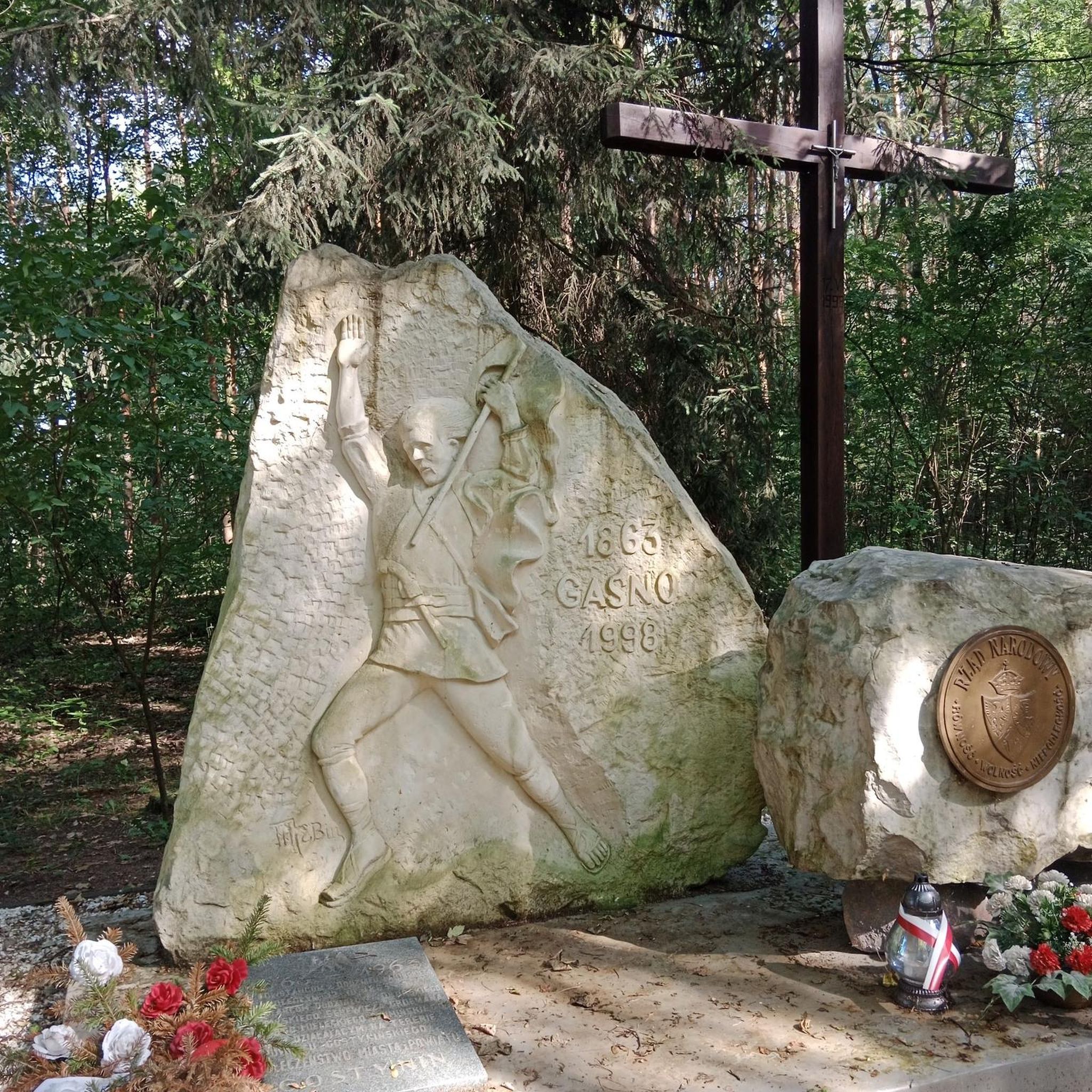
Here, you'll find the Linnet Stone, which dates back to the Celtic era. It's part of the Sacred Stones Trail, an educational trail.
0
0

This impressive cemetery was built in 1920-1921 on a site that was heavily contested during the First World War. It contains the remains of 1,258 French soldiers, 547 of whom are buried in two ossuaries. One French soldier from the Second World War is also buried here. Adjacent is a German military cemetery with the remains of 1,095 soldiers, 388 of whom are buried in collective graves, together with four British and two French soldiers. The necropolis is located in a region where the German advance towards Paris passed through in 1914, and where fierce fighting took place in 1918 during the Battle of Matz. Today it is a serene place of remembrance and reconciliation, in the middle of a landscape that was once the scene of devastating battles.
4
0
Each cross indicates the function of the warrior.
4
0
The Lassigny military cemetery is an impressive and sober memorial site where 1,777 German soldiers from the First World War are buried. The cemetery was created in 1919 by the French military authorities, initially as a Franco-German communal cemetery. Its origins lie in a mass grave from the summer of 1918, in which 55 unknown French soldiers were buried. In 1922, the French bodies were transferred to another cemetery, after which the site was converted into a German military cemetery. The fallen came from more than 27 municipalities in the region, up to 18 km away. In 1977, the cemetery took on its current form, with metal crosses bearing the names and dates of the fallen. A monolithic memorial marks the entrance to the site.
4
0
After the devastation of the First World War, a new church dedicated to Our Lady of the Assumption was built in Fresnières in 1929-1930. Its architecture reflects the spirit of the time: a combination of neo-Romanesque forms and Art Deco elements. The round arched windows and the barrel vault in the nave refer to the classical Romanesque style, while the mosaic portal and the straight lines of the bell tower clearly reveal the influence of Art Deco. Above the portal, a fresco with a historical inscription dating back to the time of Louis XIV is a subtle reminder of the long history of this place.
5
0

It is a historic site. This underground passage was used during the First World War as a shelter and command post by French and German troops.
0
0

Frequently Asked Questions
What kind of historical sites can I visit around Avricourt?
The region is rich in historical sites, particularly those related to the First World War. You can visit the Thiescourt National Necropolis and Military Cemetery, which is a significant place of remembrance for French and German soldiers. Another notable site is the Nécropole militaire allemande de Lassigny, an impressive memorial for German soldiers. The Souterrain de la Panneterie also offers insight into WWI, having served as a shelter and command post.
Are there any natural monuments or features to explore near Avricourt?
Yes, a prominent natural monument is La Pierre Linotte, featuring the Linnet Stone which dates back to the Celtic era. It is part of the Sacred Stones Trail, offering an educational route through the natural landscape.
What are some family-friendly activities available around Avricourt?
Several attractions are suitable for families. Both the Church of the Assumption of Our Lady & war memorial and the Thiescourt National Necropolis and Military Cemetery are considered family-friendly historical sites, offering educational experiences about the region's past.
Are there opportunities for walking or hiking near Avricourt's attractions?
Yes, the area around Avricourt offers various walking opportunities. For instance, La Pierre Linotte is part of the Sacred Stones Trail, which is an educational walking route. For more structured routes, you can explore the running trails around Avricourt, which include several moderate loops.
What kind of cycling routes are available in the Avricourt area?
The region provides diverse cycling options. You can find cycling routes around Avricourt ranging from easy to difficult, including scenic loops like the 'Notre-Dame de Noyon Cathedral – Noyon War Memorial loop' and the 'La Pierre Linotte – Château Mennechet loop'.
Are there any mountain biking trails near Avricourt?
Yes, mountain biking enthusiasts can find several trails. The MTB trails around Avricourt include challenging routes such as 'The Wash House – Caves loop' and 'Caves – The Wash House loop', offering varied terrain for different skill levels.
What is the architectural style of the Church of the Assumption of Our Lady?
The Church of the Assumption of Our Lady & war memorial, built in 1929-1930, showcases a unique blend of neo-Romanesque forms with Art Deco elements. Its design features round arched windows and a barrel vault, characteristic of Romanesque style, alongside the straight lines of the bell tower and a mosaic portal reflecting Art Deco influences.
What is the significance of the Thiescourt National Necropolis and Military Cemetery?
The Thiescourt National Necropolis and Military Cemetery is a profound site of remembrance from the First World War. It holds the remains of over 1,200 French soldiers and more than 1,000 German soldiers, serving as a testament to the fierce fighting that occurred in the region, particularly during the Battle of Matz in 1918.
Are there any hidden gems or less-known historical sites to discover?
Beyond the more prominent sites, the Souterrain de la Panneterie is a lesser-known historic site. This underground passage played a role during the First World War as a shelter and command post for both French and German troops, offering a unique glimpse into military history.
What do visitors generally appreciate about the attractions around Avricourt?
Visitors appreciate the diverse heritage of the region, particularly the blend of natural monuments and significant historical sites. The komoot community has shared 6 photos and given 18 upvotes, highlighting the appeal of places like La Pierre Linotte and the various war memorials for their historical depth and serene atmosphere.
Is the area around Avricourt suitable for easy walks?
Yes, the region offers options for easy walks. The Sacred Stones Trail, which includes La Pierre Linotte, is an educational route that can be enjoyed as an easy walk. Additionally, some of the running trails and cycling routes have easy difficulty ratings, providing gentle options for exploring the landscape.

Get inspired with the komoot mobile app


Explore more
Still not found the Highlight you’re looking for? See guides of the top attractions in other regions:
