The best MTB trails around Kösching
4.8
(106)
472
riders
83
rides
Mountain biking around Kösching offers access to varied terrain within and near the Altmühltal Nature Park, one of Germany's largest nature parks. The region features a diverse landscape with narrow trails and wider paths that traverse uphill and downhill through forests and across meadows. Riders can expect picturesque views along the meandering Altmühl River and impressive limestone rock formations. The area provides mountain bike routes with varying difficulty levels.
Best mountain bike trails around Kösching
- The most popular mountain bike…
Last updated: May 8, 2026
4.8
(17)
35
riders
49.4km
03:30
530m
530m
Moderate mountain bike ride. Good fitness required. Suitable for all skill levels.
4.6
(5)
42
riders
Moderate mountain bike ride. Good fitness required. Suitable for all skill levels.

Sign up for free
10
riders
Moderate mountain bike ride. Great for any fitness level. Advanced riding skills necessary.
4.0
(2)
15
riders
Moderate mountain bike ride. Good fitness required. Advanced riding skills necessary.
5.0
(2)
9
riders
50.1km
03:50
720m
720m
Hard mountain bike ride. Good fitness required. Advanced riding skills necessary. Some portions of the route may require you to push your bike.
Get access to more routes and recommendations from other explorers.
Sign up for free
Already have an account?
Our route recommendations are based on thousands of hikes, rides, and runs completed by other people on komoot.
Start today with a free account
Your next adventure awaits.
Login or Signup
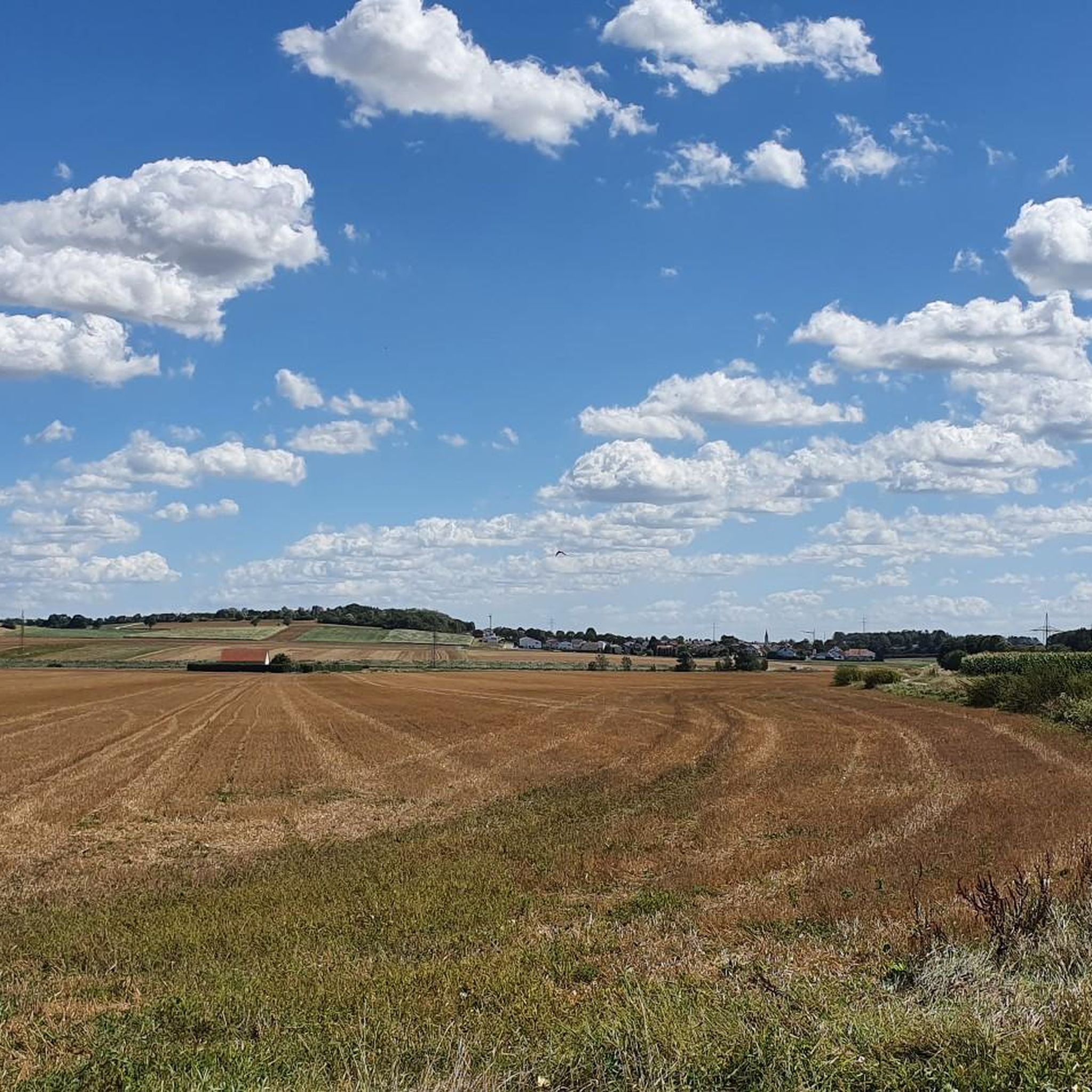
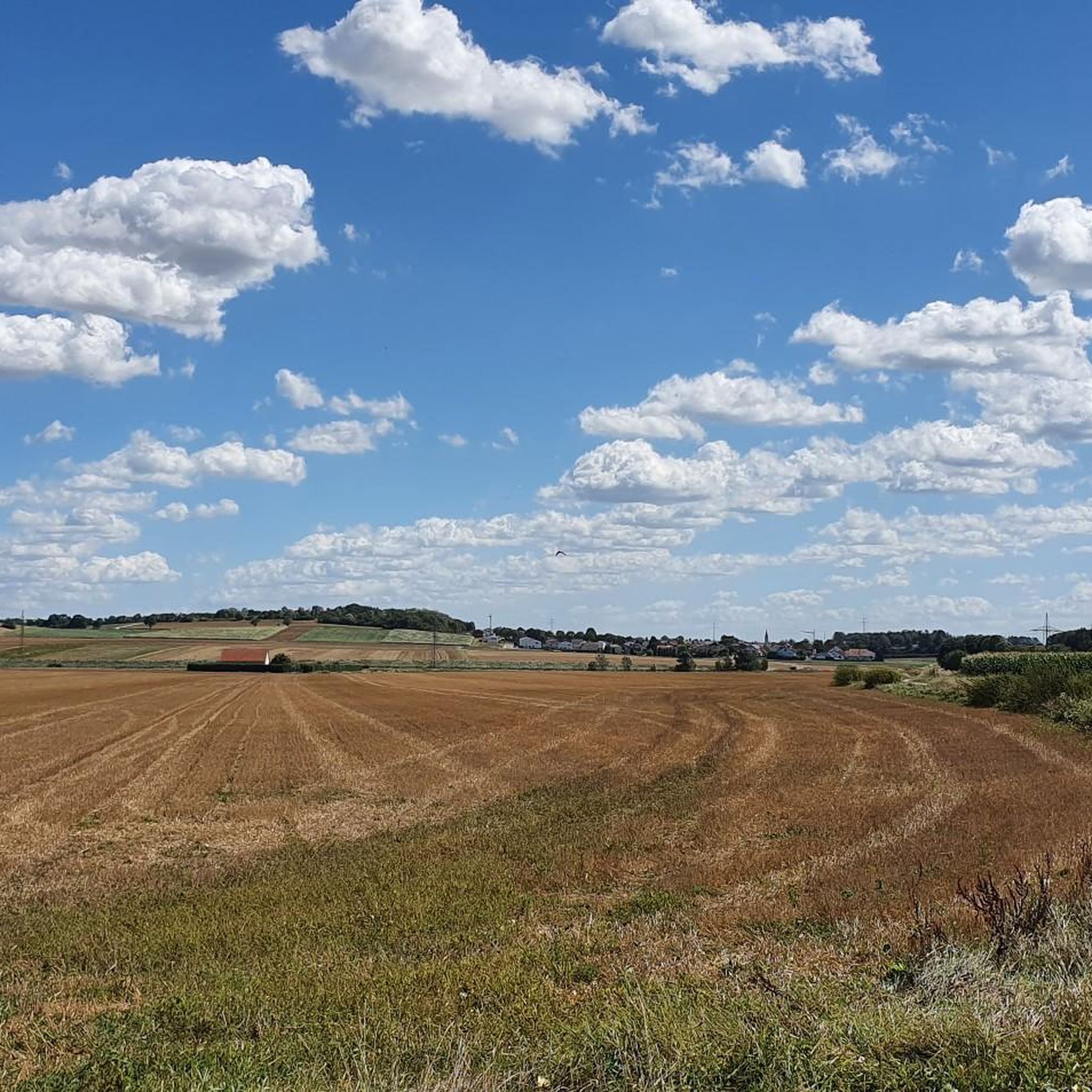
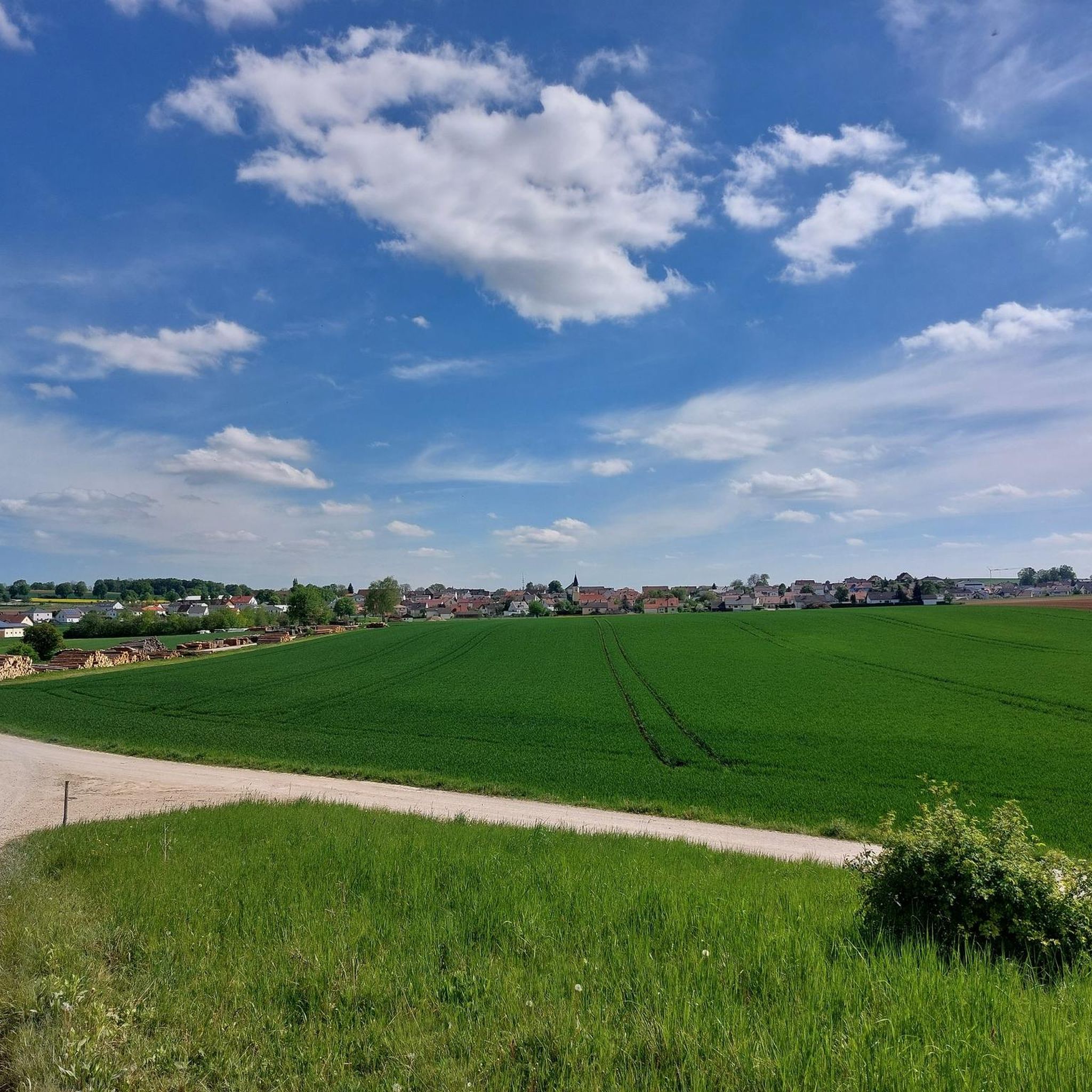
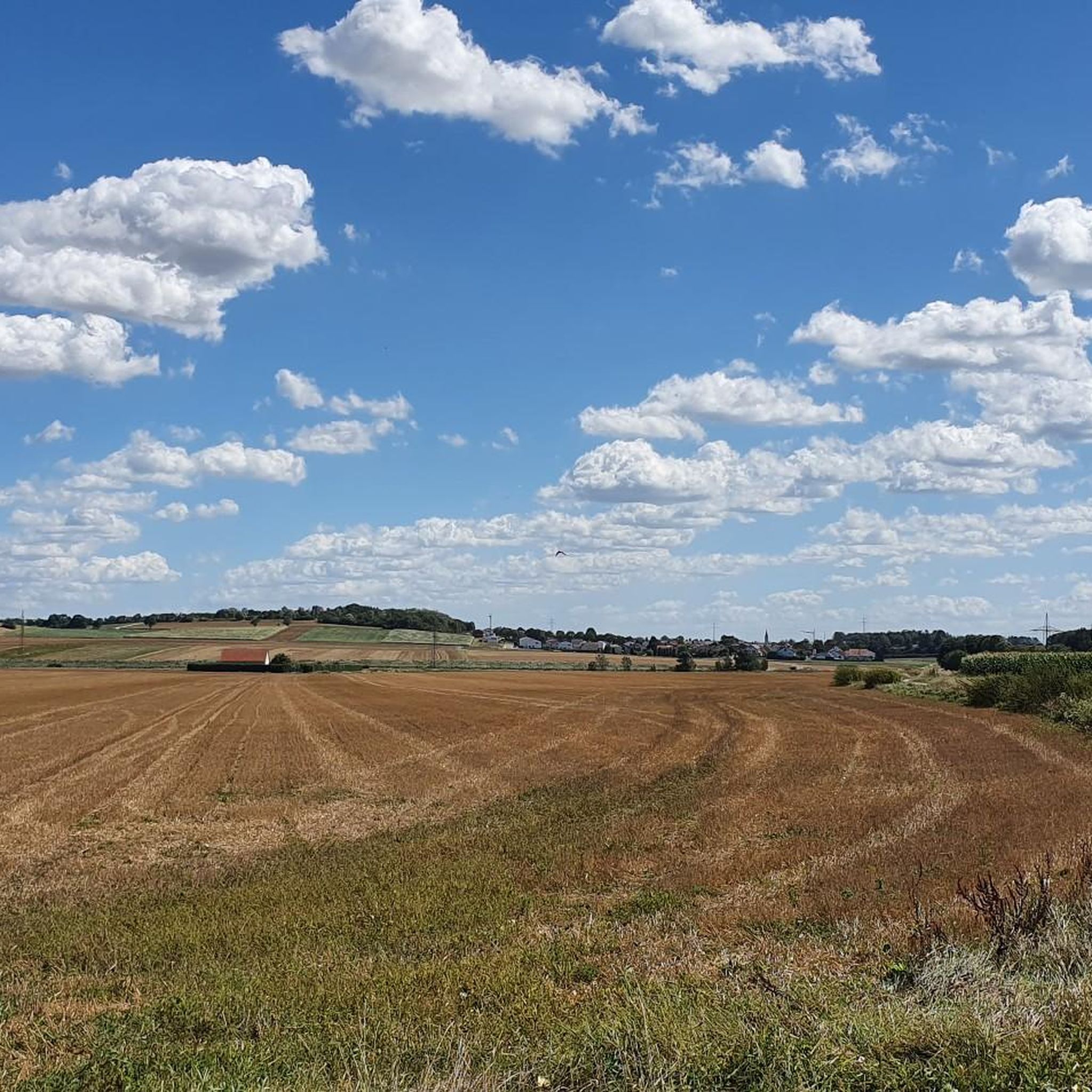
Tips from the Community

An impressive spectacle. Especially when there's more water.
0
0

It's really beautiful there, definitely worth a visit.
0
0

Sandersdorf Castle The present castle dates back to a medieval castle built by the Lords of Sandersdorf as Wittelsbach ministerials. The family has been documented since the 12th century. In 1420, the castle was plundered by Duke Henry of Bavaria-Landshut while he was at war with Duke Ludwig the Bearded of Bavaria-Ingolstadt. In 1425, the castle was granted to the Muggenthal family; the first owner of this family, Erhart von Muggendal, rebuilt it. Hans Heinrich von Muggenthal succeeded in keeping peasant revolts and the Reformation away from his domain. The Sandersdorf Castle Brewery was founded in 1550. The castle was destroyed during the Thirty Years' War; Albrecht Ulrich von Muggenthal had it rebuilt as a four-winged castle by 1646. It retains this form to this day. In 1675, Dominikus de Bassus inherited Sandersdorf Castle, but he witnessed its destruction in 1703 during the War of the Spanish Succession. In May 1787, the castle was searched by Bavarian officials because it was considered an "Illuminati nest." Thomas de Bassus was a member of the Illuminati Order, founded in Ingolstadt by Adam Weishaupt in 1776; his castle was a meeting place for many of the secret society's meetings. Numerous secret documents were confiscated during the search. Around 1900, the castle was partially renovated and refurbished under the direction of the Munich architect Gabriel von Seidl. In 2008, the castle was sold by Margarethe Baroness de Bassus, along with the forest lands, to the Wittelsbach Equalization Fund. In March 2022, the castle was sold to Dr. Horst-Florian Jaeck. Parts of it are to be opened to the public. The richly structured four-winged building complex was built on medieval foundations in the 16th century, rebuilt after destruction in the 17th and 18th centuries, and remodeled in the 19th century. The high main wing faces east; it has high stepped gables on its narrow sides and three oriels with gabled tops on the wide sides facing the valley, in front of which is a kind of moat with two octagonal corner turrets. The lower castle wings to the north and south face west. The castle chapel of St. Joseph, with its octagonal domed tower, is located in the inner courtyard. Source: www.wikipedia.de
2
0
Sandersdorf Castle The present castle dates back to a medieval castle built by the Lords of Sandersdorf as Wittelsbach ministerials. The family has been documented since the 12th century. In 1420, the castle was plundered by Duke Henry of Bavaria-Landshut while he was at war with Duke Ludwig the Bearded of Bavaria-Ingolstadt. In 1425, the castle was granted to the Muggenthal family; the first owner of this family, Erhart von Muggendal, rebuilt it. Hans Heinrich von Muggenthal succeeded in keeping peasant revolts and the Reformation away from his domain. The Sandersdorf Castle Brewery was founded in 1550. The castle was destroyed during the Thirty Years' War; Albrecht Ulrich von Muggenthal had it rebuilt as a four-winged castle by 1646. It retains this form to this day. In 1675, Dominikus de Bassus inherited Sandersdorf Castle, but he witnessed its destruction in 1703 during the War of the Spanish Succession. In May 1787, the castle was searched by Bavarian officials because it was considered an "Illuminati nest." Thomas de Bassus was a member of the Illuminati Order, founded in Ingolstadt by Adam Weishaupt in 1776; his castle was a meeting place for many of the secret society's meetings. Numerous secret documents were confiscated during the search. Around 1900, the castle was partially renovated and refurbished under the direction of the Munich architect Gabriel von Seidl. In 2008, the castle was sold by Margarethe Baroness de Bassus, along with the forest lands, to the Wittelsbach Equalization Fund. In March 2022, the castle was sold to Dr. Horst-Florian Jaeck. Parts of it are to be opened to the public. The richly structured four-winged building complex was built on medieval foundations in the 16th century, rebuilt after destruction in the 17th and 18th centuries, and remodeled in the 19th century. The high main wing faces east; it has high stepped gables on its narrow sides and three oriels with gabled tops on the wide sides facing the valley, in front of which is a kind of moat with two octagonal corner turrets. The lower castle wings to the north and south face west. The castle chapel of St. Joseph, with its octagonal domed tower, is located in the inner courtyard. Source: www.wikipedia.de
1
0

Beautiful section of the Way of St. James near Bettbrunn with some small sights;
0
0
Good view of Bettbrunn from the edge of the forest;
0
0

Beautiful place next to the cycle path along the Danube
0
0
Frequently Asked Questions
How many mountain bike trails are there in Kösching?
Kösching offers a wide selection of mountain bike routes, with over 80 trails available. These routes cater to various skill levels, including easy, moderate, and challenging options.
What is the best time of year for mountain biking in Kösching?
The best seasons for mountain biking in Kösching and the Altmühltal region are spring and summer. During these months, the weather is generally ideal for outdoor activities, offering pleasant conditions for riding through forests and meadows.
What kind of terrain can I expect on the mountain bike trails around Kösching?
You can expect a diverse landscape with varied terrain. Trails feature narrow paths and wider routes that traverse uphill and downhill through extensive forests and across wide meadows. The region is also known for its picturesque views along the meandering Altmühl River and impressive limestone rock formations.
Are there circular mountain bike routes around Kösching?
Yes, many of the mountain bike routes around Kösching are circular. For example, the Sandersdorf Castle loop from Kösching and the Horse pasture near Kösching loop from Kösching are popular circular options that allow you to start and finish in the same location.
What are the difficulty levels of mountain bike trails in Kösching?
The trails around Kösching offer varying difficulty levels. You'll find easier routes (S0-S1) suitable for most fitness levels, as well as more advanced trails (S2-S3) that require good fitness and advanced riding skills. Out of over 80 routes, 30 are easy, 54 are moderate, and 1 is difficult.
What can I see along the mountain bike trails around Kösching?
Beyond the natural beauty of the Altmühltal Nature Park, you can encounter various attractions. The region is dotted with historic towns, cultural highlights, and Celtic and Roman remains. You might also pass by castle ruins, castles, and monasteries. Specific highlights include the Ingolstadt Dam and Reservoir, Baggersee Ingolstadt, and the Old Danube Oxbow, Pförring.
What do other mountain bikers enjoy most about mountain biking in Kösching?
The mountain biking experience in Kösching is highly rated by the komoot community, with an average score of 4.9 stars. Riders frequently praise the diverse terrain, the scenic views along the Altmühl River, and the well-maintained trails that cater to different skill levels.
Are there family-friendly mountain bike trails in Kösching?
Yes, Kösching offers family-friendly mountain bike trails, particularly among the easier routes (S0-S1). These paths typically have less technical terrain and gentler gradients, making them suitable for families looking to enjoy a ride together. The Altmühltal Nature Park generally provides routes with varying difficulty levels to accommodate all riders.
Are dogs allowed on mountain bike trails in Kösching?
While many trails in the Altmühltal Nature Park are generally dog-friendly, it's always recommended to keep dogs on a leash, especially in forested areas, near wildlife, or on shared paths. Always respect local signage and regulations regarding pets on trails.
Where can I find places to eat or rest along the mountain bike trails?
You'll find several options for refreshments and rest stops. The region has various cafes, restaurants, and traditional guesthouses. Specific highlights include the Högnerhäusl Beer Garden and the Köschinger Waldhaus beer garden, which are popular spots for a break.
Is parking available near the mountain bike trailheads in Kösching?
Yes, parking is generally available near many of the mountain bike trailheads in and around Kösching. Look for designated parking areas in the town or at popular starting points for routes within the Altmühltal Nature Park.
Can I reach the mountain bike trails by public transport?
While Kösching itself has public transport connections, direct access to all trailheads by public transport might be limited. It's advisable to check local bus schedules or consider a short ride from a public transport stop to your desired starting point. The region promotes sustainable tourism, and efforts are made to integrate public transport where possible.
Are there any mountain bike routes that follow old railway lines?
Yes, the region features routes that utilize old railway lines, offering a unique riding experience. A notable example is the Schambachtalbahn Cycle Path – Old Offendorf Train Station loop from Kösching, which follows an old railway line and provides scenic views with a mix of surfaces.
Most popular attractions around Kösching

Get inspired with the komoot mobile app


Explore more
Browse the best MTB trails in other regions.
