Top 9 Lakes around Drakelow
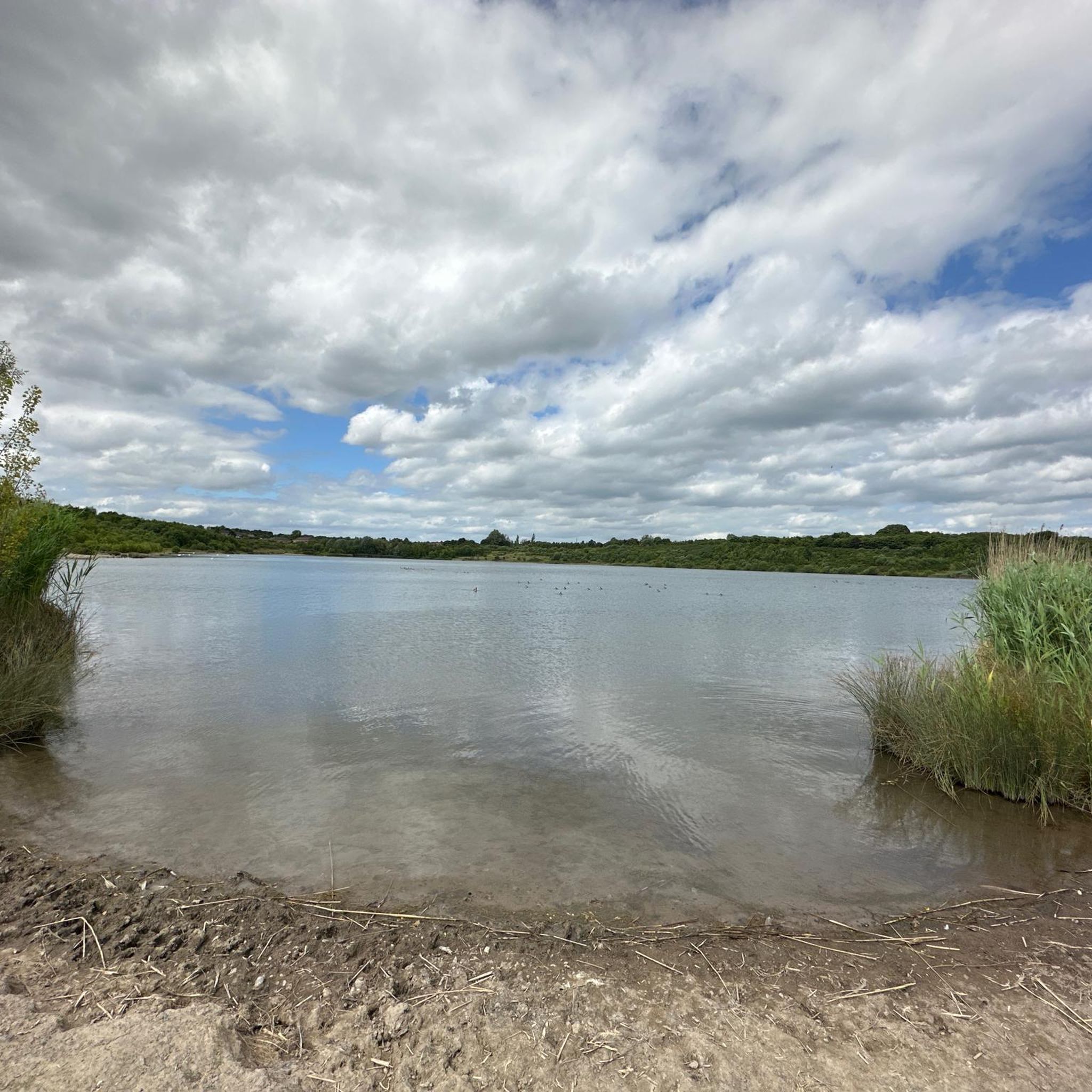
Best lakes around Drakelow are primarily found within the Drakelow Nature Reserve, which features significant water bodies formed from disused gravel workings. These aquatic environments are notable for their ecological value, particularly for birdwatching, and serve as a vital wetland habitat in the Trent Valley floodplain. The area offers a combination of open water, reedbeds, and scrub, supporting diverse wildlife. Nearby, other lakes provide additional opportunities for nature enthusiasts and outdoor activities.
Best lakes around Drakelow
- The most popular lakes…
Last updated: August 24, 2026
Carvers Rocks Nature Reserve
Highlight • Natural
Tip by

Conkers Waterside
Highlight • Lake
Conkers is in the National …
Tip by

Sign up now to discover places like this
Get recommendations on the best single tracks, peaks, & plenty of other exciting outdoor places.
Sign up for free
Hicks Lodge Blue Trail
Highlight (Segment) • MTB Park
Tip by

Willesley Wood
Highlight • Forest
Tip by
Limehouse Dams
Highlight • Lake
Tip by

Sign up for free to discover even more lakes around Drakelow.
Sign up for free
Already have an account?
Start today with a free account
Your next adventure awaits.
Login or Signup

Tips from the Community

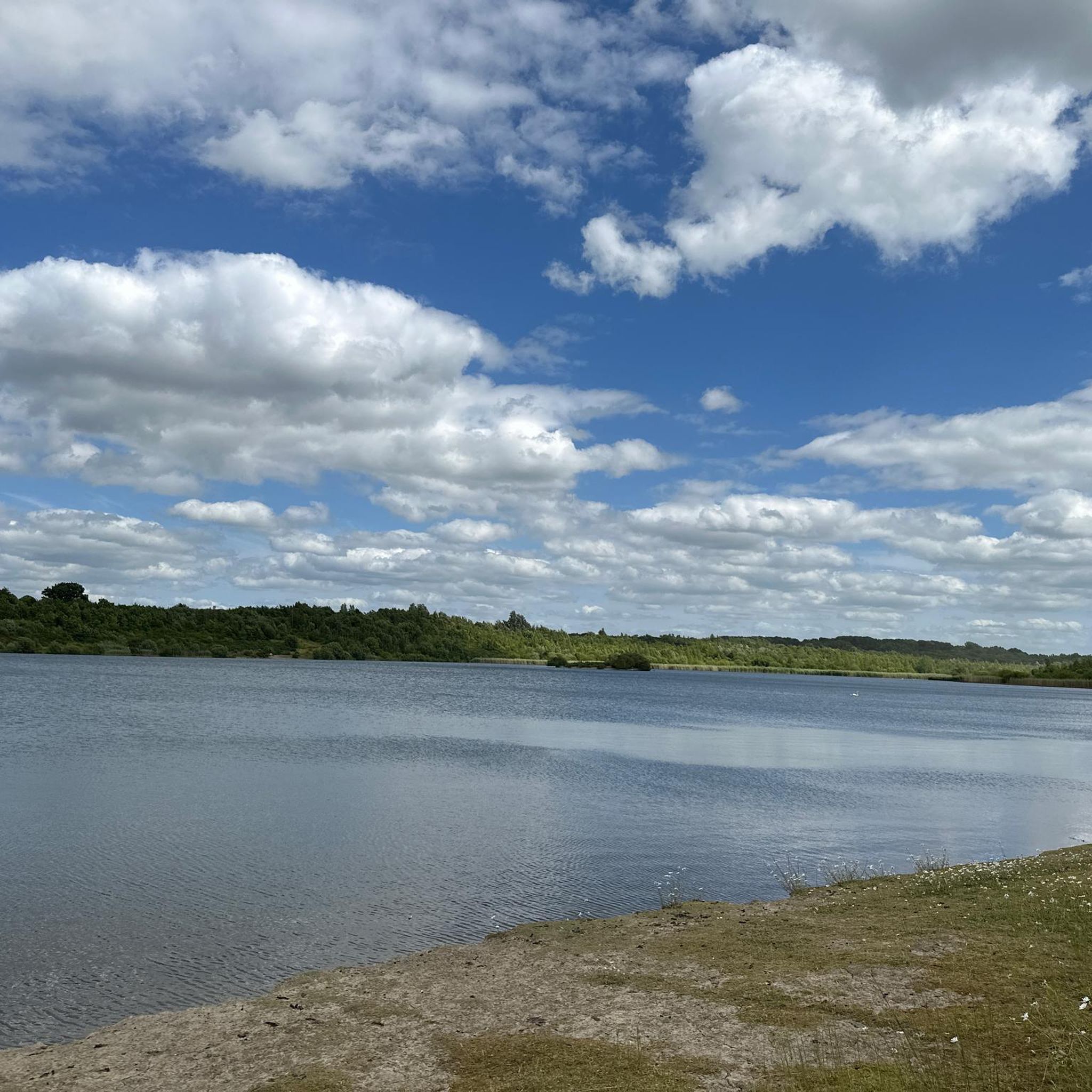
A great place to walk and a visit to waterside is a must in the Sun
0
0

hicks Lodge trail blue route biking walks around the woods and lake
0
0

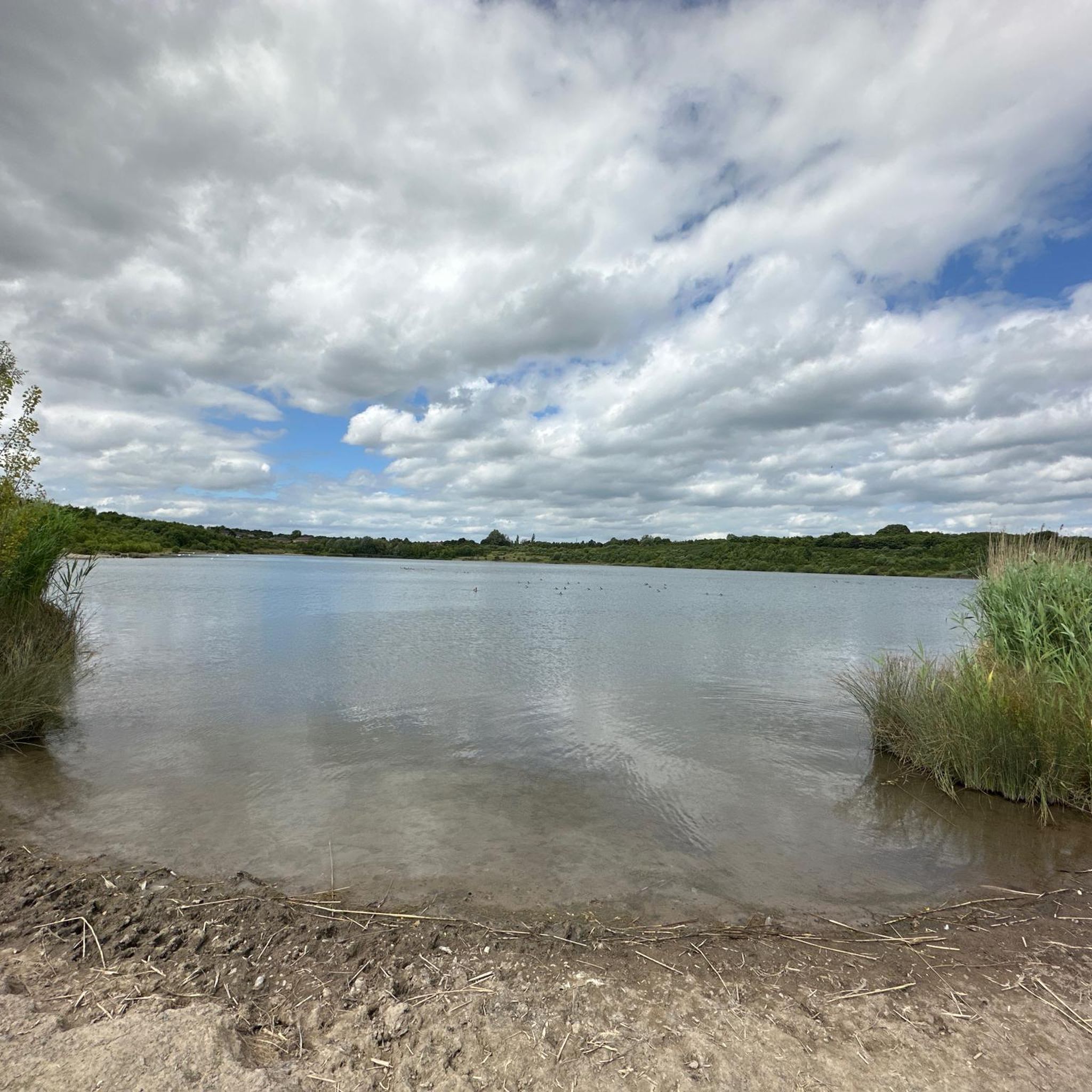
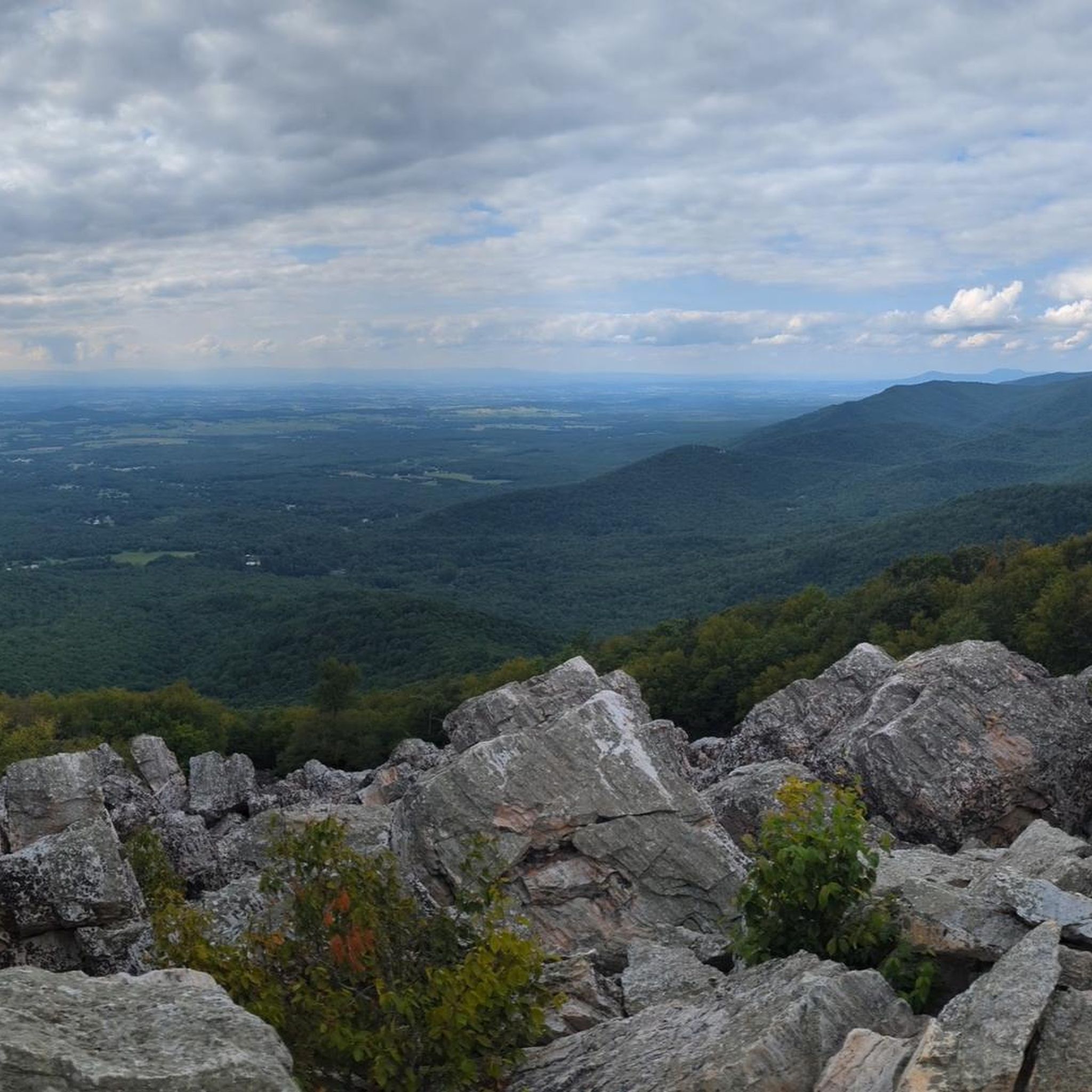
Carvers Rocks is situated at the southern tip of Foremark Reservoir and is a designated 280-acre (113-hectare) nature reserve and Site of Special Scientific Interest (SSSI) managed by the National Trust and Seven Trent. The area includes woodland, lowland heath, beautiful open countryside, and the open water of Foremark Reservoir. It is a haven for all types of wildlife , especially birds. There are a variety of recreation activities here, including woodland walks along with car parking and toilets.
1
0


Great place for an hour or so out in the woods, the trail is a good workout and you can often spot animals in the evening. Deer occasionally, foxes and always crows. Try the green trail as well as it's quite twisty and turns and exciting, with lots of little up and downhills. There are some nice, welcome, benches and picnic tables 3/4 of the way round.
0
0

Very flowy trail, nice bumps and berms!
1
0

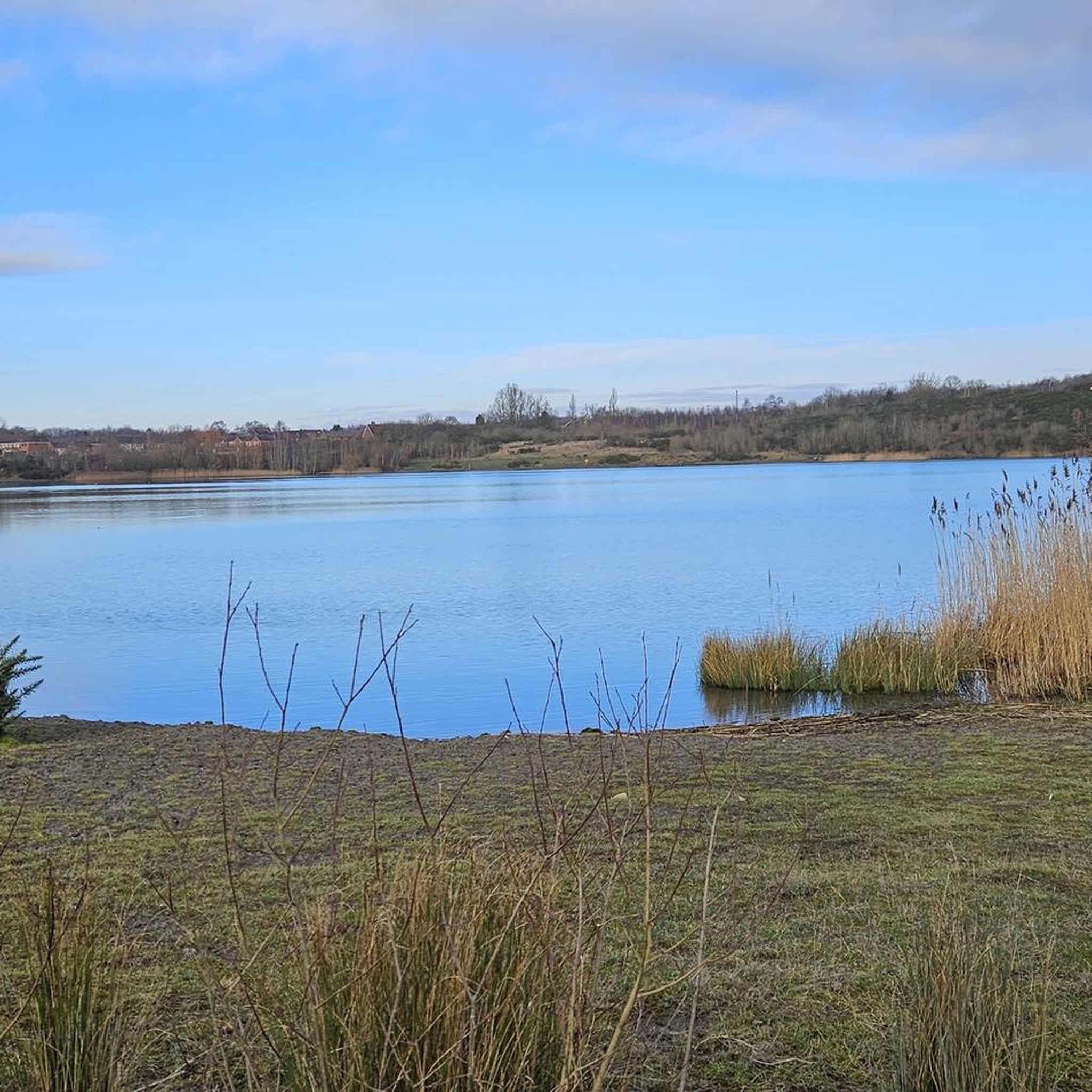
The Limehouse Dams are the old source of water to the village, established in the early 1800s. Water was treated with lime and piped to a waterworks on Manchester Lane, where it was supplied to the village via cast iron pipes. "HWW" cast iron markers still stand today showing where those pipes lay.
0
0
Frequently Asked Questions
What are the main types of lakes or water bodies found around Drakelow?
The primary water bodies around Drakelow are within the Drakelow Nature Reserve, which features significant open water areas and reedbeds formed from disused gravel workings. These are vital wetland habitats. Nearby, other lakes like Conkers Waterside and Albert Village Lake also originated from former industrial sites, now transformed into scenic natural features.
What kind of wildlife can I expect to see at Drakelow's lakes?
The Drakelow Nature Reserve is a renowned haven for birdwatchers. You can spot a wide array of birds, including bitterns in winter, and large numbers of cormorants, ducks, and waders. It's an important flyway, attracting wildfowl, breeding and roosting cormorants, and smaller species like reed warblers in summer and water rails in winter. The diverse habitats also support other wildlife.
Are there family-friendly activities or lakes suitable for children near Drakelow?
Yes, several spots are great for families. Conkers Waterside offers outdoor walks, an adventure playground, and cafes, making it a popular day out for young families. Albert Village Lake also has paths suitable for family walks, and Willesley Wood, with its wetland features, is another family-friendly option within the National Forest.
What are the best walking trails around the lakes near Drakelow?
Many lakes offer enjoyable walking paths. Albert Village Lake is part of the Conkers circuit, providing scenic routes. The Drakelow Nature Reserve itself has a nature trail. For more options, you can explore easy hikes around the area, such as the Branston Water Park loop or the Andresey Bridge loop. Find more details on these routes in the easy hikes guide around Drakelow.
Is there any historical significance to the lakes in the Drakelow area?
Yes, some water bodies have historical roots. For instance, the Limehouse Dams were established in the early 1800s as the old source of water for the village, with water treated with lime and supplied via cast iron pipes. Many of the larger lakes, like those in Drakelow Nature Reserve and Croxall Lakes, are former gravel or sand quarries, now reclaimed by nature.
What facilities are available for visitors at Drakelow Nature Reserve?
The Drakelow Nature Reserve provides five bird hides, an education hide, and pond dipping platforms to enhance the visitor experience. There is also a nature trail. While some paths can be muddy, parts of the reserve offer relatively flat, firm tracks and wheelchair-accessible hides.
Do I need a permit to access Drakelow Nature Reserve?
Yes, access to Drakelow Wildlife Reserve is by permit only. These permits are available from the Derbyshire Wildlife Trust.
What cycling opportunities are there near the lakes in Drakelow?
The area offers various cycling routes. For mountain biking, the Hicks Lodge Blue Trail is a bikes-only trail with jumps and berms. You can also find numerous road cycling and gravel biking routes. Explore options like the Trent Valley loop for road cycling or the Hicks Lodge Trail for gravel biking in the respective guides: Road Cycling Routes around Drakelow and Gravel biking around Drakelow.
Are there any other notable lakes or water bodies nearby that are good for birdwatching?
Beyond Drakelow Nature Reserve, Croxall Lakes, situated at the confluence of the River Trent, Tame, and Mease, are excellent for birdwatching. These two large lakes, also formed from former quarries, attract a substantial number of wildfowl and waders, especially in autumn, and offer sightings of short-eared owls in winter. Otter signs are also common along the riverbanks, and there are two bird hides.
What do komoot users enjoy most about the lakes around Drakelow?
Komoot users appreciate the diverse outdoor opportunities. For example, Conkers Waterside is highlighted as a great day out with young families, offering lots of outdoor walks and an adventure playground. The scenic paths around Albert Village Lake, part of the Conkers circuit, are also popular for enjoyable walking.
Are there accessible walking routes around the lakes in Drakelow?
Within the Drakelow Nature Reserve, while some paths can be muddy, there are relatively flat, firm tracks in certain areas and wheelchair-accessible hides. For broader accessible options, it's advisable to check specific route details, but many former industrial sites turned nature reserves often feature well-maintained paths.
What is the best time of year to visit the lakes for birdwatching?
The Drakelow Nature Reserve is particularly notable for birdwatching in winter, when visitors might spot bitterns and large numbers of cormorants, ducks, and waders. It's also an important flyway for wildfowl during winter months. In summer, smaller species like reed warblers can be observed.
Most popular attractions around Drakelow

Get inspired with the komoot mobile app


Explore more
Still not found your perfect lake around Drakelow? Check out the guides of these regions to see even more beautiful places.
