Top 2 Castles around St. Veep
Best castles around St. Veep offers access to a variety of historical sites in the wider Cornwall region. While St. Veep itself is a civil parish known for the site of St. Cadix's Priory, the surrounding area features numerous historical fortresses. These sites provide insights into centuries of history, from medieval ruins to Tudor artillery forts. The landscape around St. Veep is characterized by coastal views and lush valleys, providing scenic backdrops for exploring these historical locations.
Best castles around…
Last updated: October 16, 2026
Lanhydrock Gatehouse
Highlight • Historical Site
Showing Translation
Tip by

Lostwithiel Medieval Bridge
Highlight • Historical Site
On the bike, you …
Tip by

Sign up now to discover places like this
Get recommendations on the best single tracks, peaks, & plenty of other exciting outdoor places.
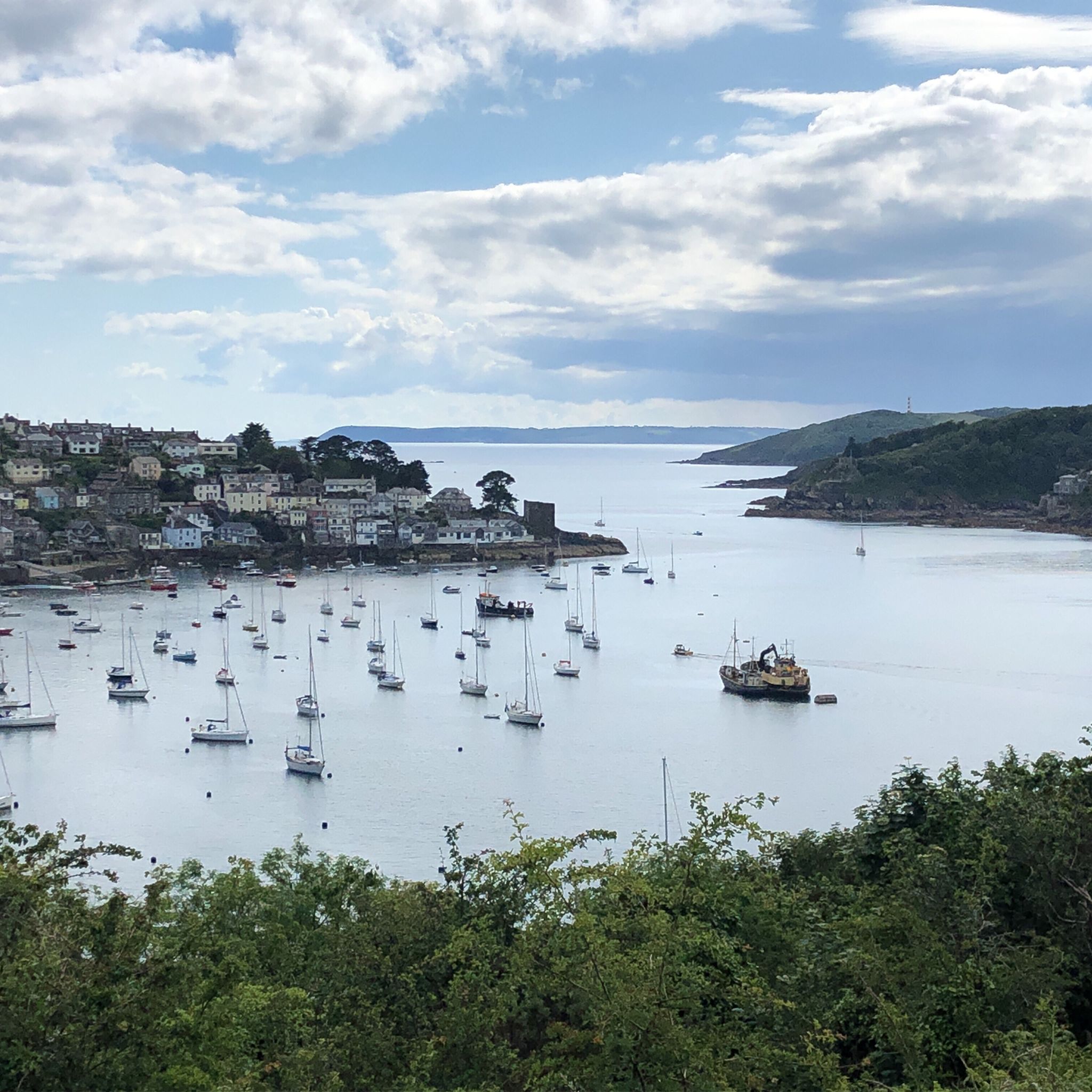
St Catherine's Point and Castle
Highlight • Viewpoint
source: nationaltrust.org.uk/fowey-estuary/features/discovering-fowey
Tip by

Readymoney Cove and St Catherine's Castle View
Highlight • Beach
Tip by
View of Lanhydrock House from Higher Gardens
Highlight • Castle
Showing Translation
Tip by
Start today with a free account
Your next adventure awaits.
Tips from the Community

It lies almost 13 kilometers from the south coast of Cornwall
5
0
Beautiful manor house with magnificent gardens
5
0

you can vary the routes you take depending on the time you have and what you want to see
0
0

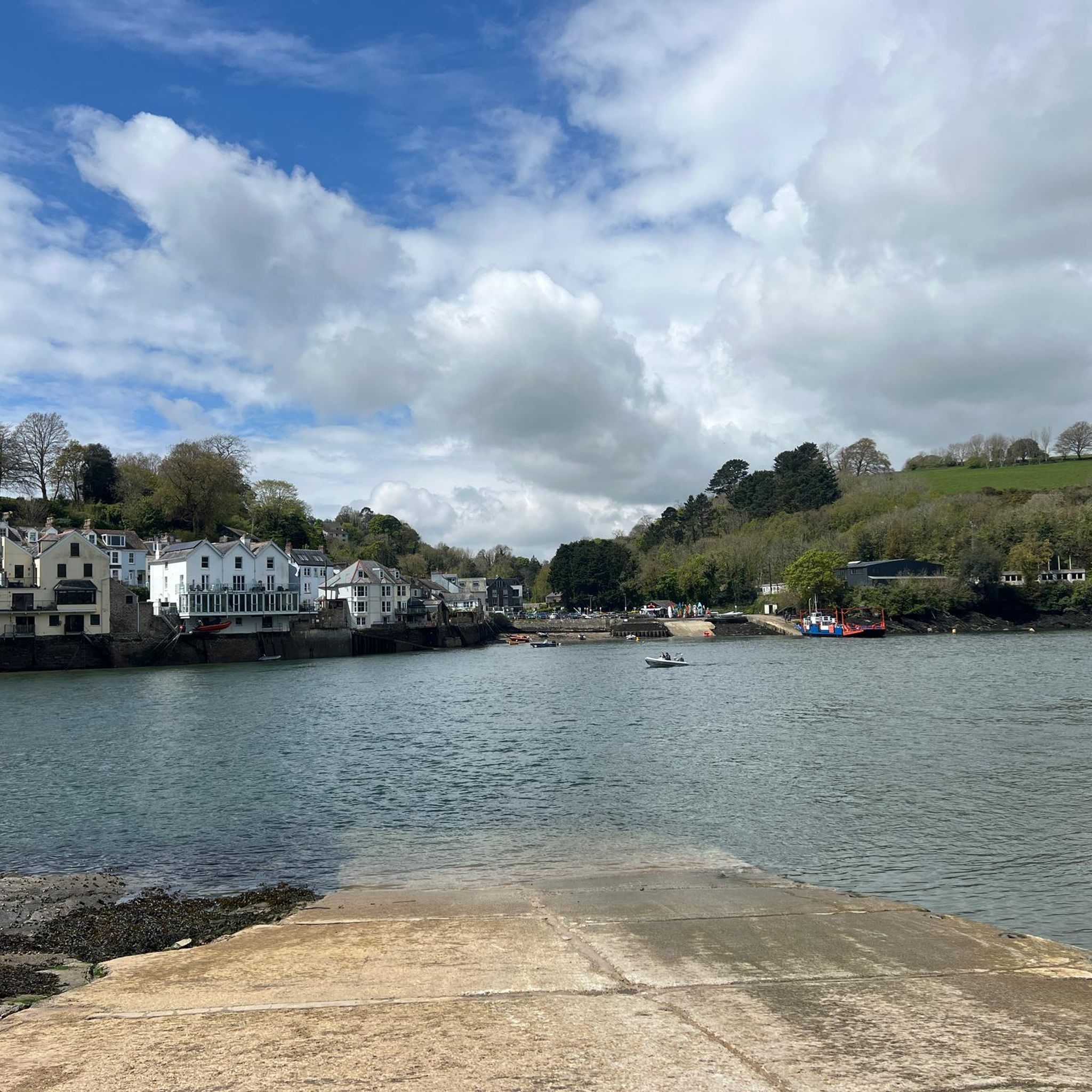
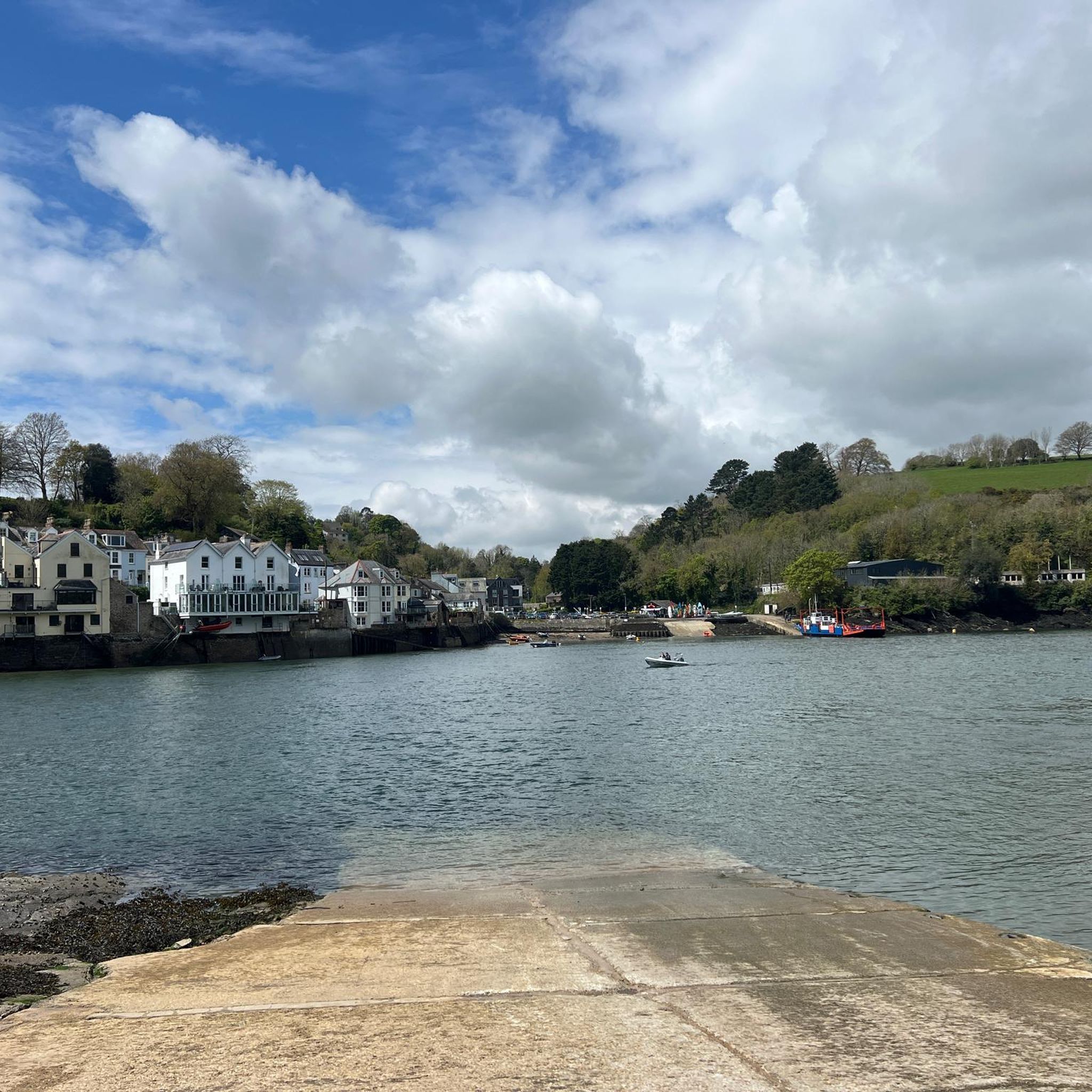
Ready money cove. Beautiful beach. Dogs are allowed most of the year. Check signage.
0
0

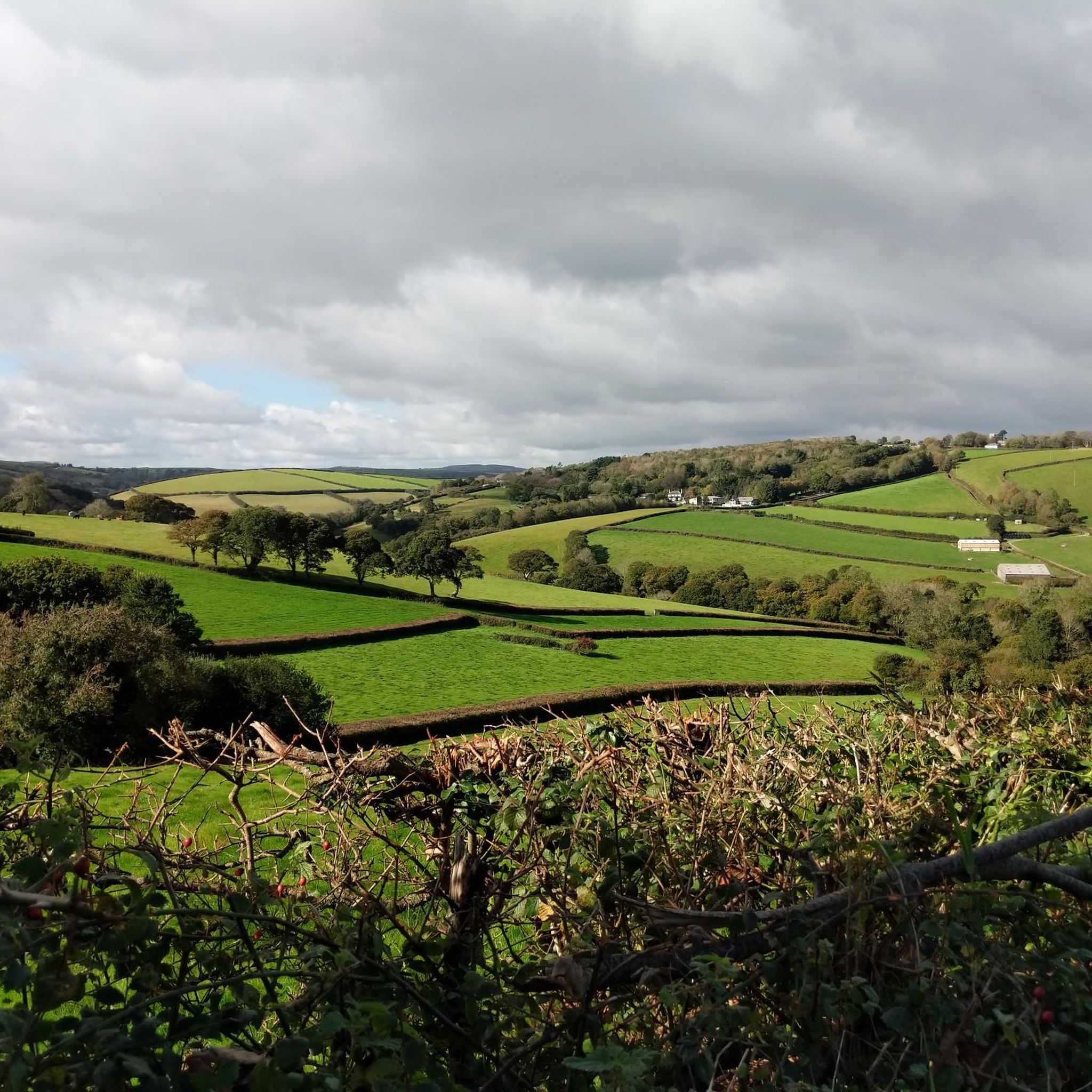
Very nice view over the forests and hills.
0
0
Very nice manor house. Very well restored and equipped with details. A visit to the kitchen and family rooms is recommended.
1
0

A nice little view of the rooftops of Lanhydrock House
0
0

impressive, I don't really like gardening. but the living spaces to be entered. class. especially the kitchen.
1
0
Frequently Asked Questions
What historical castles can I visit near St. Veep?
While St. Veep itself doesn't have grand castles, the wider Cornwall region offers several notable historical sites. You can explore the dramatic ruins of Tintagel Castle, steeped in Arthurian legend, or the unique tidal island castle of St Michael's Mount. Closer to St. Veep, you'll find the well-preserved 13th-century circular fortress of Restormel Castle and the Norman motte-and-bailey Lanhydrock Gatehouse, part of the historic Lanhydrock estate. Don't miss St Catherine's Castle, a Tudor artillery fort guarding Fowey harbour.
Are there family-friendly castles around St. Veep with activities?
Yes, several castles offer family-friendly experiences. Lanhydrock House (which includes the Gatehouse) is managed by the National Trust and offers extensive gardens, woodland, and cycling trails in its grounds, making it ideal for families. St Michael's Mount also provides an adventurous day out, with its causeway walk (at low tide) and exploration of the castle and gardens. Tintagel Castle, with its Arthurian legends and Merlin's Cave, captivates children and adults alike, though it involves some steep climbs.
What outdoor activities can I do near these castles?
The area around St. Veep and its castles is excellent for outdoor activities. You can find numerous cycling and hiking routes. For cycling, consider routes like the 'Fowey and Polperro loop' or the 'River Fowey loop from Lostwithiel'. Hikers can enjoy trails such as the 'Lerryn Stepping Stones loop from St. Veep' or the 'Lantic Bay – Bodinnick Ferry loop'. Many of these routes offer scenic views and pass near historical sites. For more details, check out the cycling guide or the hiking guide for St. Veep.
Are there specific walking trails around the castles near St. Veep?
Yes, many castles are integrated into or close to walking trails. For instance, the grounds of Lanhydrock House offer various walking paths through its gardens and woodlands. Near Fowey, you can walk to St Catherine's Castle from Readymoney Cove, enjoying coastal views. Restormel Castle is surrounded by picturesque countryside, perfect for a stroll. For more extensive options, explore the hiking guide for St. Veep, which includes routes like the 'Lerryn Stepping Stones loop'.
What is the best time of year to visit castles in Cornwall?
The best time to visit castles in Cornwall, including those near St. Veep, is generally from spring to early autumn (April to October). Spring (April-May) offers pleasant weather and blooming wildflowers, particularly beautiful around Restormel Castle. Summer (June-August) provides the warmest temperatures and longest daylight hours, ideal for exploring, but can be busier. Early autumn (September-October) brings cooler, crisp weather and fewer crowds, with stunning coastal scenery. Always check individual castle opening times, as some may have reduced hours or closures in winter.
Are there any castles near St. Veep that are dog-friendly?
Many outdoor areas around castles in Cornwall are dog-friendly, though specific castle interiors or formal gardens may have restrictions. For example, the extensive parkland and woodlands at Lanhydrock are great for walks with dogs on leads. The coastal paths leading to sites like Tintagel Castle or St Catherine's Castle are also suitable for dogs. Always check the specific site's policy before visiting, as rules can vary.
How long does it typically take to visit a castle near St. Veep?
The time required to visit a castle varies greatly depending on its size and your interest. For a smaller ruin like St Catherine's Castle, you might spend 1-2 hours. Larger sites like Restormel Castle could take 2-3 hours to explore thoroughly. For extensive estates such as Lanhydrock House or St Michael's Mount, you could easily spend half a day or even a full day, especially if you include walks, gardens, and any exhibitions.
Are there any castles near St. Veep that are wheelchair accessible?
Accessibility varies significantly between castles due to their historic nature and often rugged locations. St Michael's Mount, for example, involves a causeway walk or boat trip and steep, cobbled paths, making it challenging for wheelchairs. Tintagel Castle also has steep climbs. Lanhydrock House, managed by the National Trust, generally offers better accessibility for its gardens and some ground floor areas, but it's always best to check their official website for specific accessibility information before your visit.
What is the significance of the <a href="https://www.komoot.com/highlight/4635654" target="_blank" rel="noopener">Lostwithiel Medieval Bridge</a>?
The Lostwithiel Medieval Bridge is a significant historical landmark, believed to be the lowest crossing point of the River Fowey. Lostwithiel itself, often called Cornwall's antiques capital, has a rich history, with its name thought to derive from 'the place at the tail of the forest'. The bridge is a testament to the town's medieval importance as a port and administrative center for the Duchy of Cornwall.
What kind of views can I expect from castles in the St. Veep area?
The castles in and around St. Veep offer a variety of stunning views. From Tintagel Castle, you'll get dramatic cliff-top vistas of the North Cornwall coast. St Michael's Mount provides panoramic sea views and glimpses of the Cornish coastline. Restormel Castle, nestled in a valley, offers picturesque views of rolling countryside. From St Catherine's Point and Castle, you can enjoy impressive sea views overlooking Fowey harbour. Views of Lanhydrock House from Higher Gardens offer charming perspectives of the estate's architecture and surrounding woodlands.
Are there cafes or pubs near the castles for refreshments?
Yes, most major castle attractions have on-site cafes or are located near towns with dining options. For example, Lanhydrock House has its own cafe. Lostwithiel, near Restormel Castle and the Medieval Bridge, has plenty of places to eat and quirky shops. Towns like Marazion (for St Michael's Mount), Tintagel, and Fowey (near St Catherine's Castle) offer a good selection of cafes, pubs, and restaurants.
Most popular attractions around St. Veep

Get inspired with the komoot mobile app


Explore more
Looking for the best castles somewhere else? Discover other guides around St. Veep:
