Top 6 Lakes around Portreath
Best lakes around Portreath offers a diverse landscape where the rugged Cornish coast meets inland natural and man-made water bodies. This area, known for its mining history and scenic beauty, features unique aquatic attractions beyond traditional lakes, including tidal pools and historic harbors. Visitors can explore a variety of water environments, from tranquil quarry pools to expansive reservoirs and coastal formations.
Best lakes around Portreath
- The most popular lakes is Carn Marth and Hick's Quarry Pool, a viewpoint that…
Last updated: October 16, 2026
Carn Marth and Hick's Quarry Pool
Highlight • Viewpoint
Tip by

Basset's Cove
Highlight • Natural Monument
Translated by Google •
Tip by

Sign up now to discover places like this
Get recommendations on the best single tracks, peaks, & plenty of other exciting outdoor places.
St Ives Bay
Highlight • Beach
Tip by

Stithians Reservoir Dam
Highlight • Monument
Tip by
Ralph's Cupboard
Highlight (Segment) • Gorge
Translated by Google •
Tip by
Sign up for free to discover even more lakes around Portreath.
Already have an account?
Start today with a free account
Your next adventure awaits.
Popular around Portreath


Tips from the Community


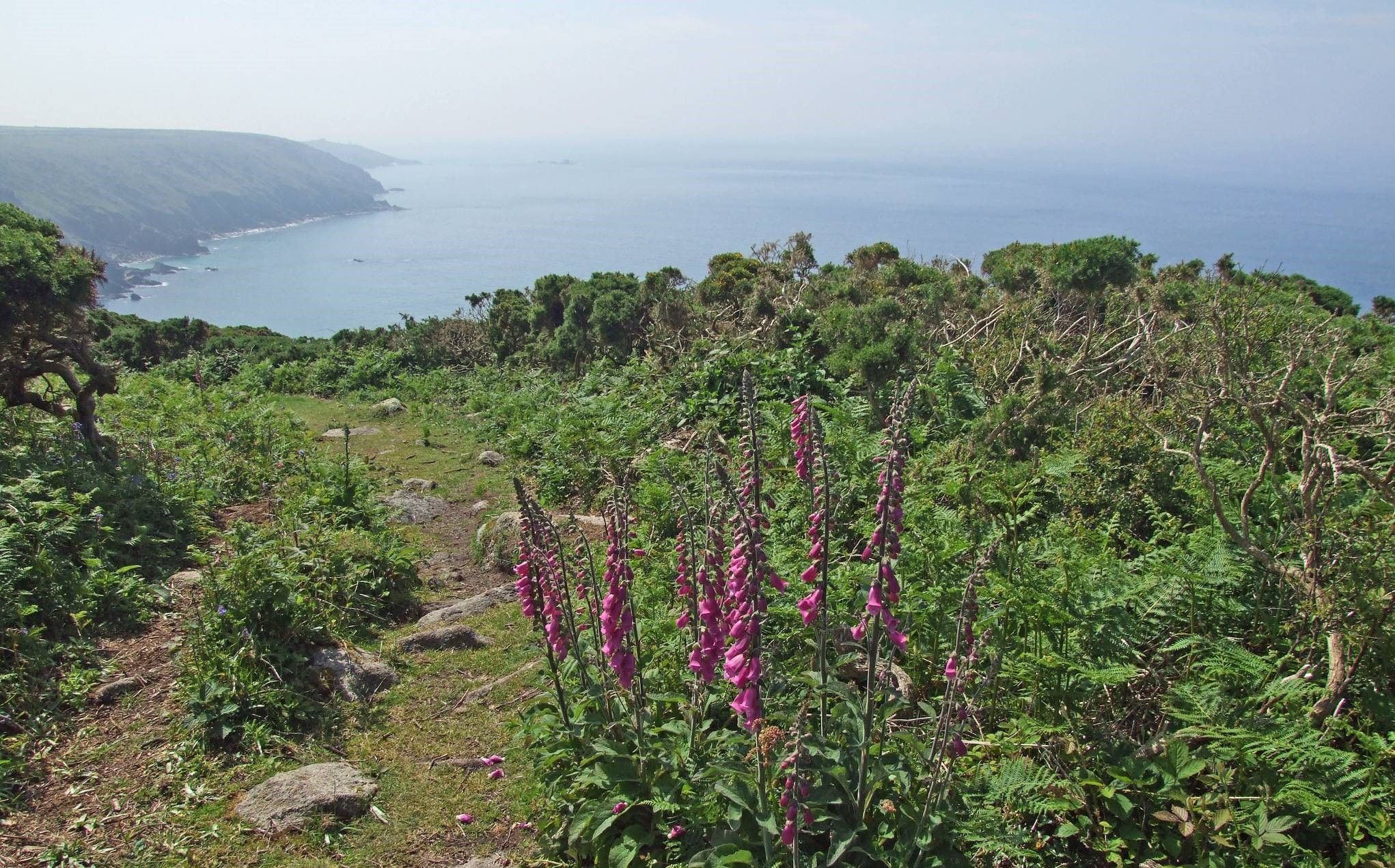
Breathtaking views. Especially when combined with the blooming heather!
0
0


Worth climb to the cairn for the downhill section on the main access road. Then drop into single track round the back lanes of Carharrack. Sweet! :)
0
0


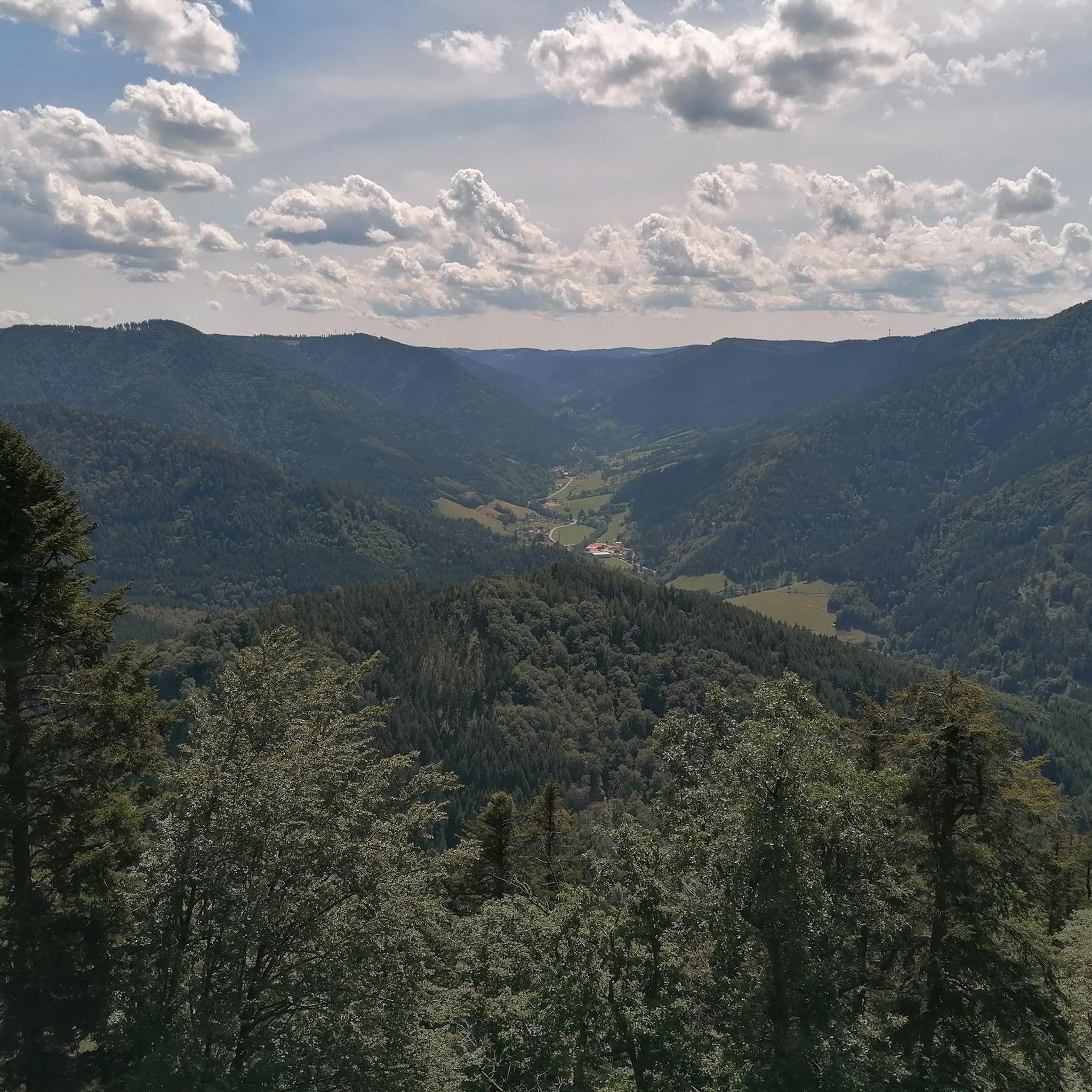
Great view from the dam across the reservoir towards Carn Menellis
0
0

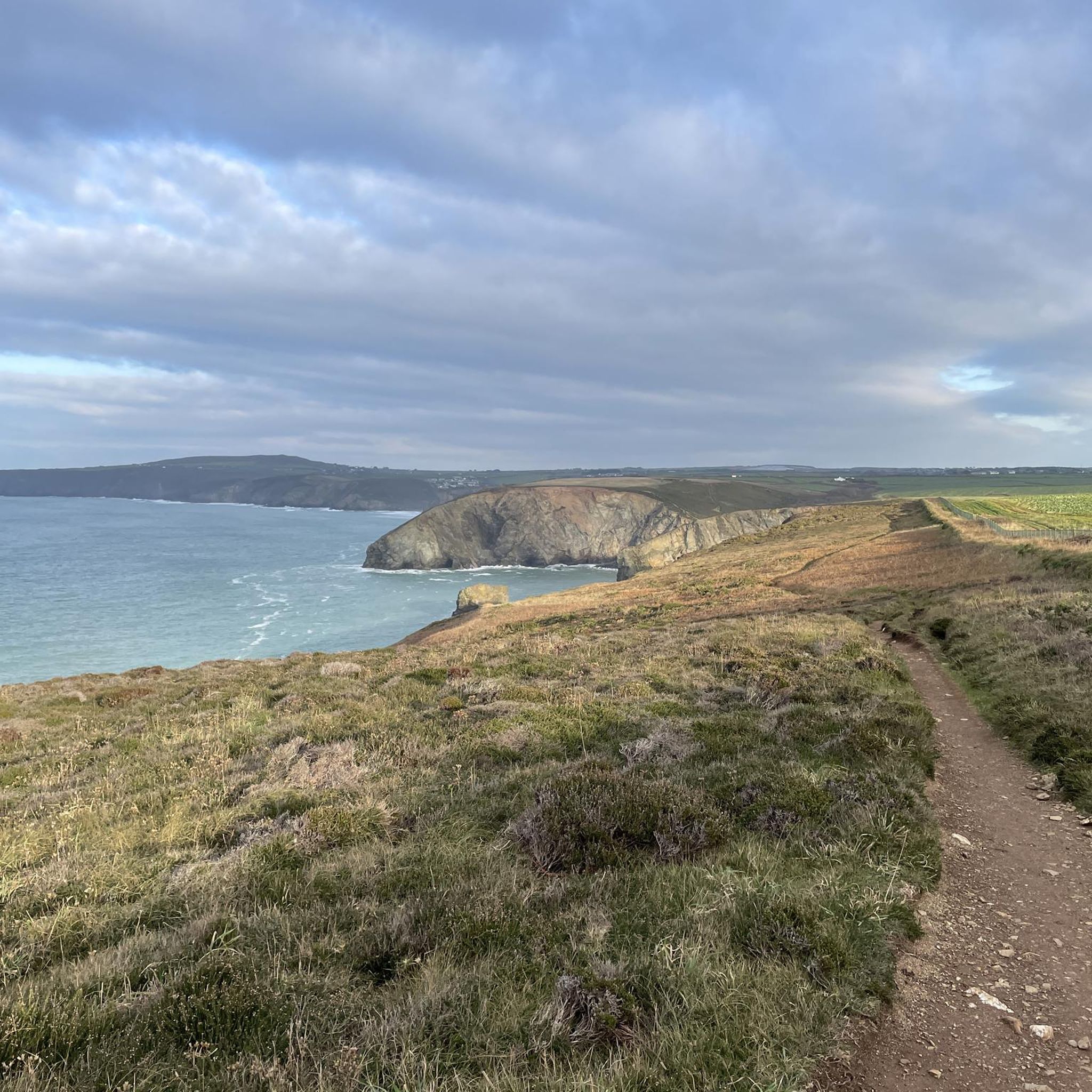
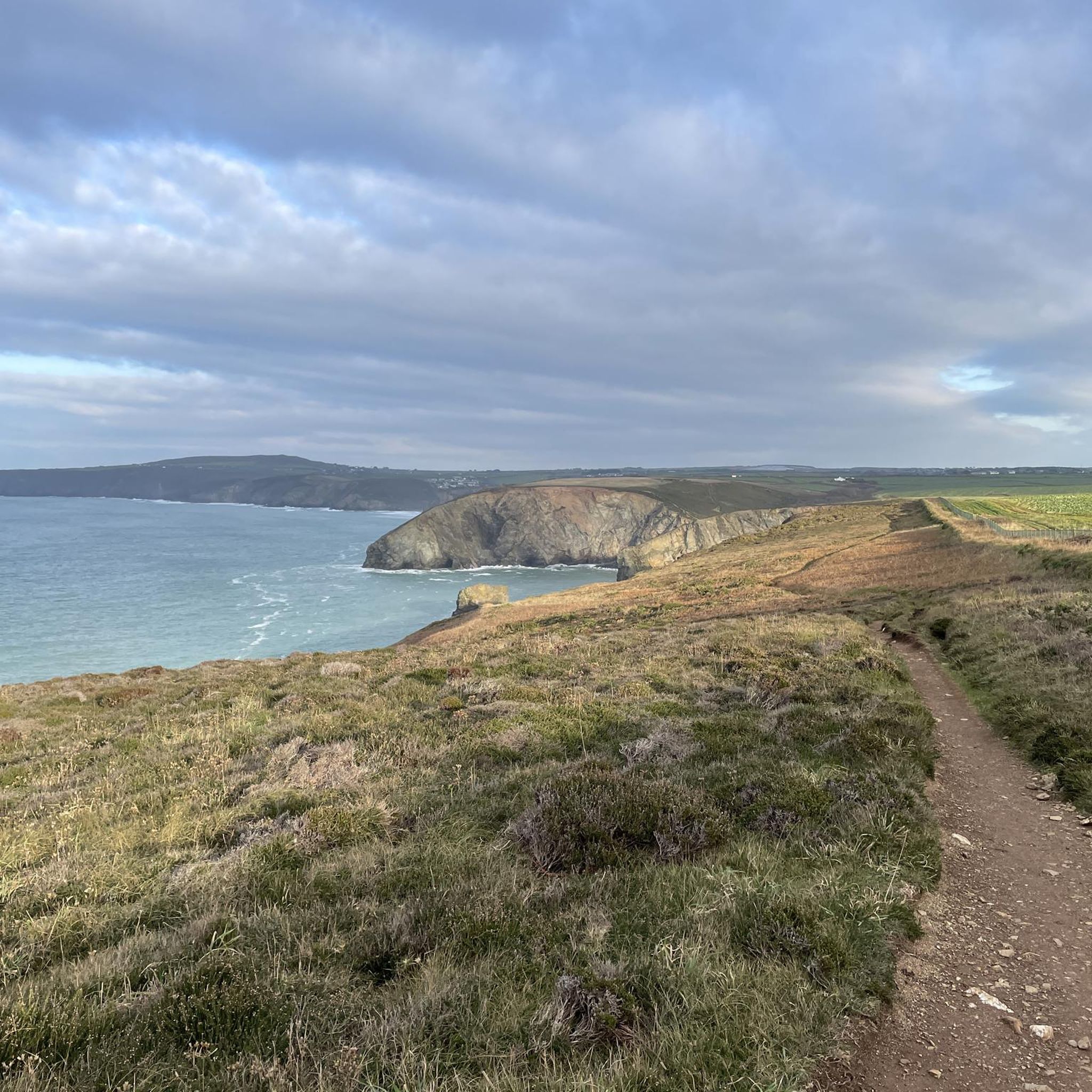
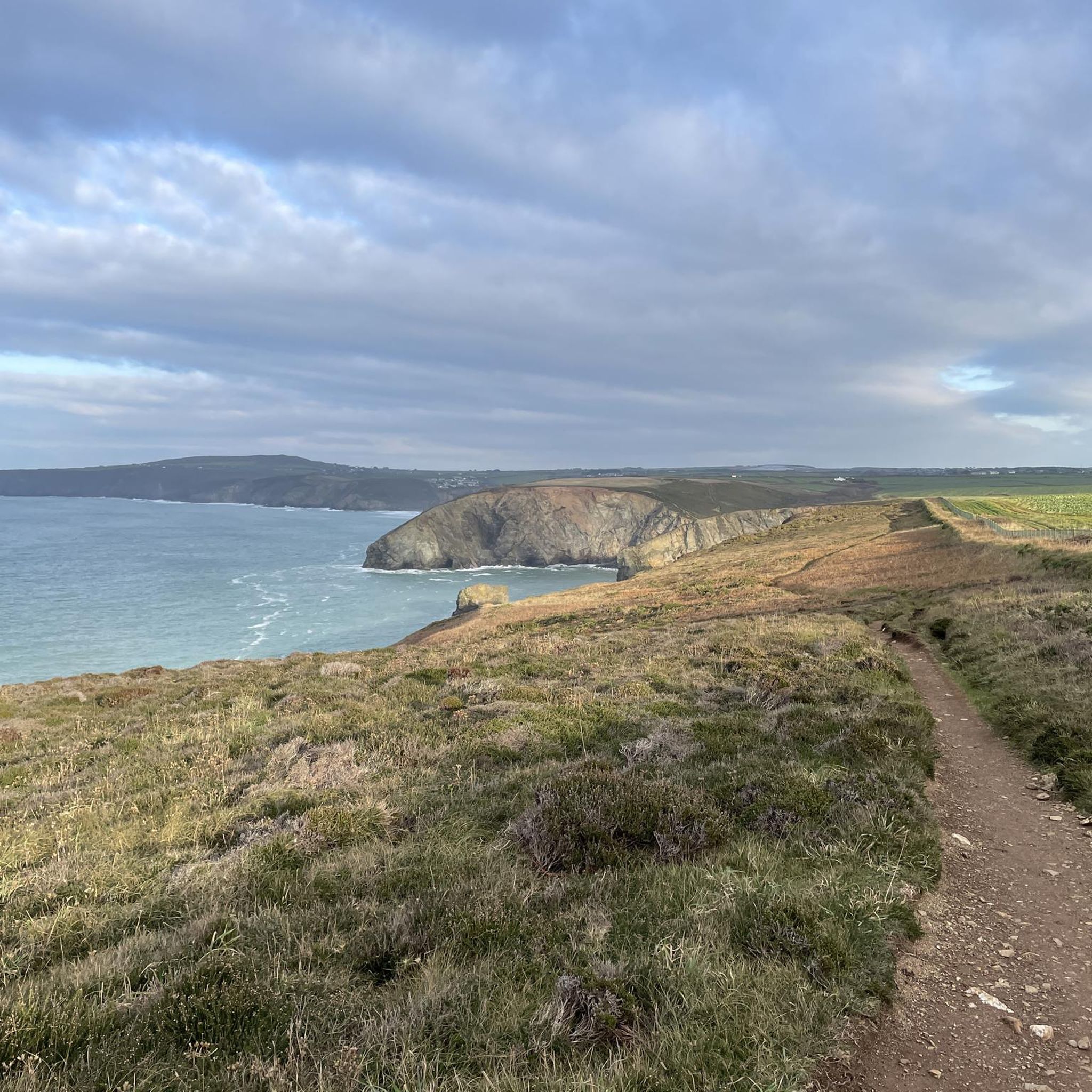
The 7.3 km long circular route takes you back to a time when Cornwall was covered by sea and then became a Europe-wide mountain range. The sedimentary rocks of this area around Portreath were deposited in a deep marine environment during the Devonian age (ca. 393 - 373 million years): Greywacken: Gray rock with fine to coarse grains (0.3 - 2 mm; 0.01 - 0.08 inch), consisting of quartz, feldspars and fragments of foreign rocks. In some cases, shiny/shimmering components can be seen (mica), the rocks form layers and banks. Siltstones: Light gray rock with fine grains (<0.063 mm; <0.002 inch) that are not visible to the naked eye. Layers can be recognized based on the color difference. Slate: Gray to black, sometimes slightly red to greenish colored rocks with very fine grains (<0.02 mm, <0.001 inch), the rocks appear foliated with very thin layers, often alternating with greywackes. The originally horizontal sedimentary layers of Cornwall were tectonically overprinted around 323 - 299 million years ago during the Variscan orogeny (mountain formation). During this time, the southern major continent Gondwana collided with the northern major continents Laurentia and Baltica as well as smaller continent fragments (terranes) such as Avalonia and Amorica. The orogeny ended approximately 270 million years ago with the formation of the supercontinent Pangea. Due to the pressure from the south, the sedimentary rocks were compressed, folded and internally transformed under increasing temperatures. This is how slates emerged from the original claystones. There are no deposits in the area for the period between the formation of the Devonian rocks until 3 million years ago. During the Ice Age 3 million years ago, the region of modern-day Cornwall lay in a tundra area south of the glaciers that covered the Northern Hemisphere. Periglacial deposits from this period can be observed on the cliffs.
0
0
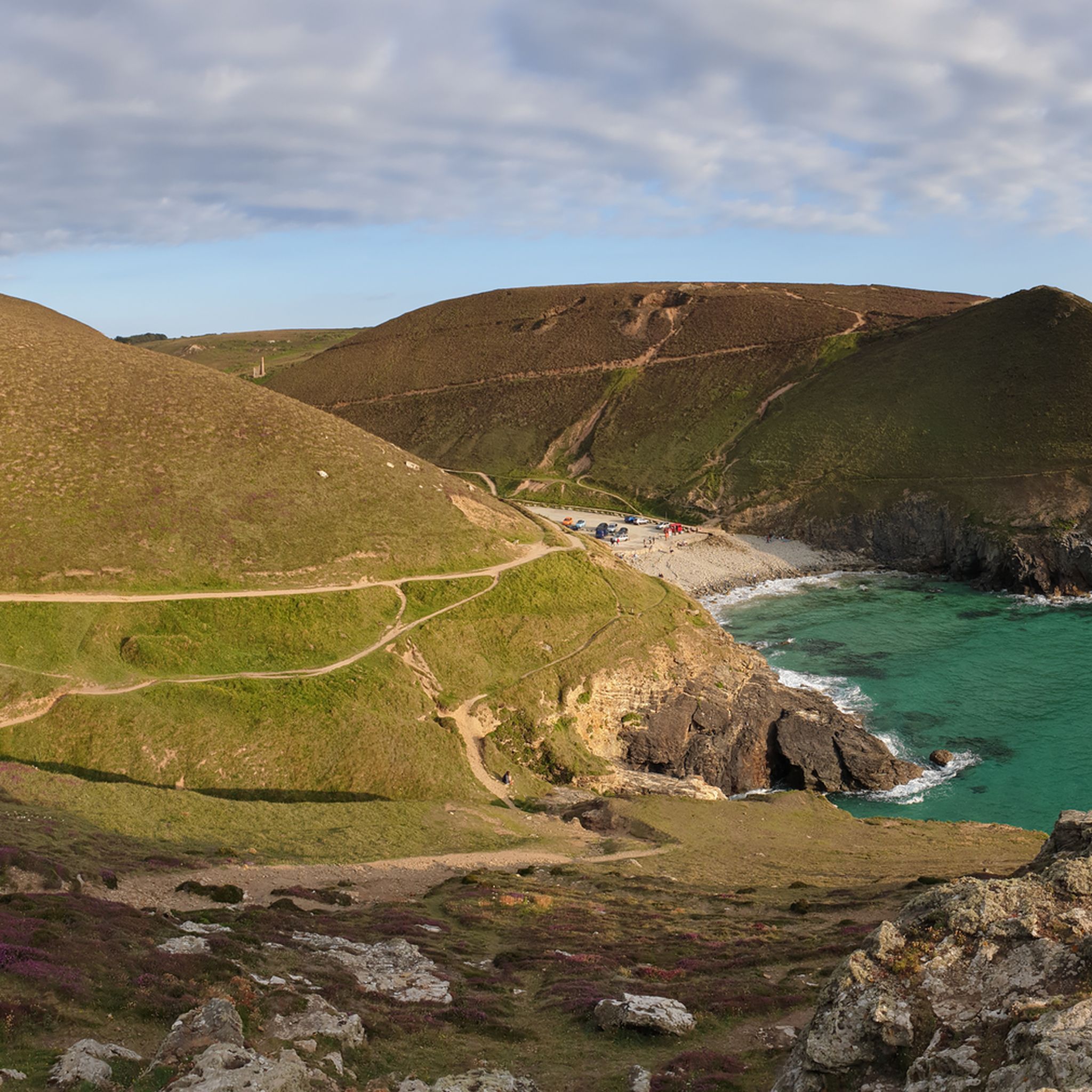
To the west of this bay, a rock wall protrudes into the bay and divides it. This wall is the result of long-term erosion, which led to the collapse of a former cave. The name Ralph’s Cupboard comes from a legend that the giant Ralph lived in this bay. This giant attacked the incoming ships and stored the recovered treasures in the cave, his closet. The eastern side of the bay shows a typical cliff with dark gray shales and greywackes at the lower end and periglacial deposits at the upper part of the cliff.
2
0
Frequently Asked Questions
What types of water bodies can I explore around Portreath?
Around Portreath, you'll find a diverse range of water bodies beyond traditional inland lakes. These include the man-made lake at Tehidy Country Park, historic quarry pools like Carn Marth and Hick's Quarry Pool, the expansive Stithians Reservoir, and unique coastal features such as natural tidal pools and the historic Portreath Harbour.
Where can I find tranquil natural areas for walking around a lake near Portreath?
For tranquil walks, Tehidy Country Park, just a short drive from Portreath, features Tehidy Lake with peaceful circular trails suitable for walking. Stithians Reservoir also offers paths around its perimeter, providing opportunities for leisurely strolls and bird watching.
Are there family-friendly activities at the lakes and water bodies near Portreath?
Yes, several spots are great for families. Tehidy Country Park is ideal for picnics, walking, cycling, and scooting around Tehidy Lake. The tidal pools in Portreath, including 'Rocky Pool' and Lady Bassett's Baths, offer safe spots for paddling and exploring marine life. Stithians Reservoir is also family-friendly, offering watersports and bird watching.
Where can I go wild swimming near Portreath?
You can enjoy wild swimming at Hick's Quarry Pool, a flooded former granite quarry. Additionally, the natural tidal pools along Portreath's coast, such as 'Rocky Pool' and Lady Bassett's Baths, provide sheltered spots for swimming when the tide is right.
What kind of wildlife can I spot around the water bodies near Portreath?
Tehidy Lake in Tehidy Country Park is a haven for wildlife, attracting ducks, swans, geese, moorhens, fish, and even otters. Stithians Reservoir is also known for excellent bird watching opportunities. The coastal tidal pools reveal crabs, small fish, and other sea creatures.
Are there any historical sites or features related to water around Portreath?
Yes, Portreath has a rich history tied to its water bodies. The historic Portreath Harbour was once a bustling industrial port for exporting copper ore. Lady Bassett's Baths, carved into the rocks on Portreath beach, date back to 1782 and were created for saltwater bathing. Carn Marth and Hick's Quarry Pool is a former granite quarry, reflecting the area's mining past.
Are there cycling routes near the lakes and water bodies around Portreath?
Yes, there are several cycling options. Tehidy Country Park, home to Tehidy Lake, has trails suitable for cycling. The area around Portreath also offers dedicated cycling routes like the Portreath Branchline Trail and the Tehidy Trail. You can find more details on these routes in the Cycling around Portreath guide.
What is the best time to visit the lakes and coastal water features near Portreath?
The best time to visit is generally during spring, summer, and early autumn (April to October) when the weather is milder and more conducive to outdoor activities like walking, cycling, and swimming. Tidal pools are best explored at low tide. For bird watching at Stithians Reservoir, early morning or late afternoon can be particularly rewarding.
Is Tehidy Country Park accessible for wheelchairs or strollers?
Tehidy Country Park offers some accessible paths, particularly around Tehidy Lake, making it suitable for strollers and some wheelchairs. It's advisable to check the official Cornwall Council website for the most up-to-date information on accessibility: cornwall.gov.uk.
Are there places to eat or get refreshments near the water bodies?
Yes, you'll find cafes and shops in Portreath village, particularly near Portreath Harbour and Beach. Tehidy Country Park also has a cafe, and there are often facilities available at Stithians Reservoir, especially near the watersports center.
What are the geological features of the coastal areas around Portreath?
The coastal areas, such as Basset's Cove and Ralph's Cupboard, showcase fascinating geological formations. These include greywackes, siltstones, and slates, which are sedimentary rocks formed millions of years ago and later folded and transformed during the Variscan orogeny. You can observe these layers and periglacial deposits along the cliffs.
Most popular routes around Portreath
Most popular attractions around Portreath

Get inspired with the komoot mobile app


Explore more
Still not found your perfect lake around Portreath? Check out the guides of these regions to see even more beautiful places.
