Top 5 Lakes around St. Austell Bay
Best lakes around St. Austell Bay are often a result of the region's historical china clay industry, creating unique landscapes. This area features striking white peaks of waste material and numerous turquoise lagoons formed in abandoned clay pits. Beyond these distinctive formations, the region also offers dedicated fishing lakes and coastal harbours that are significant bodies of water. The diverse aquatic environments provide varied opportunities for exploration and recreation.
Best lakes around St. Austell Bay
- The most popular lakes is…
Last updated: June 30, 2026
Mevagissey Harbour
Highlight • Historical Site
Tip by

Fowey Harbour
Highlight • River
Translated by Google •
Tip by

Sign up now to discover places like this
Get recommendations on the best single tracks, peaks, & plenty of other exciting outdoor places.
Sign up for free
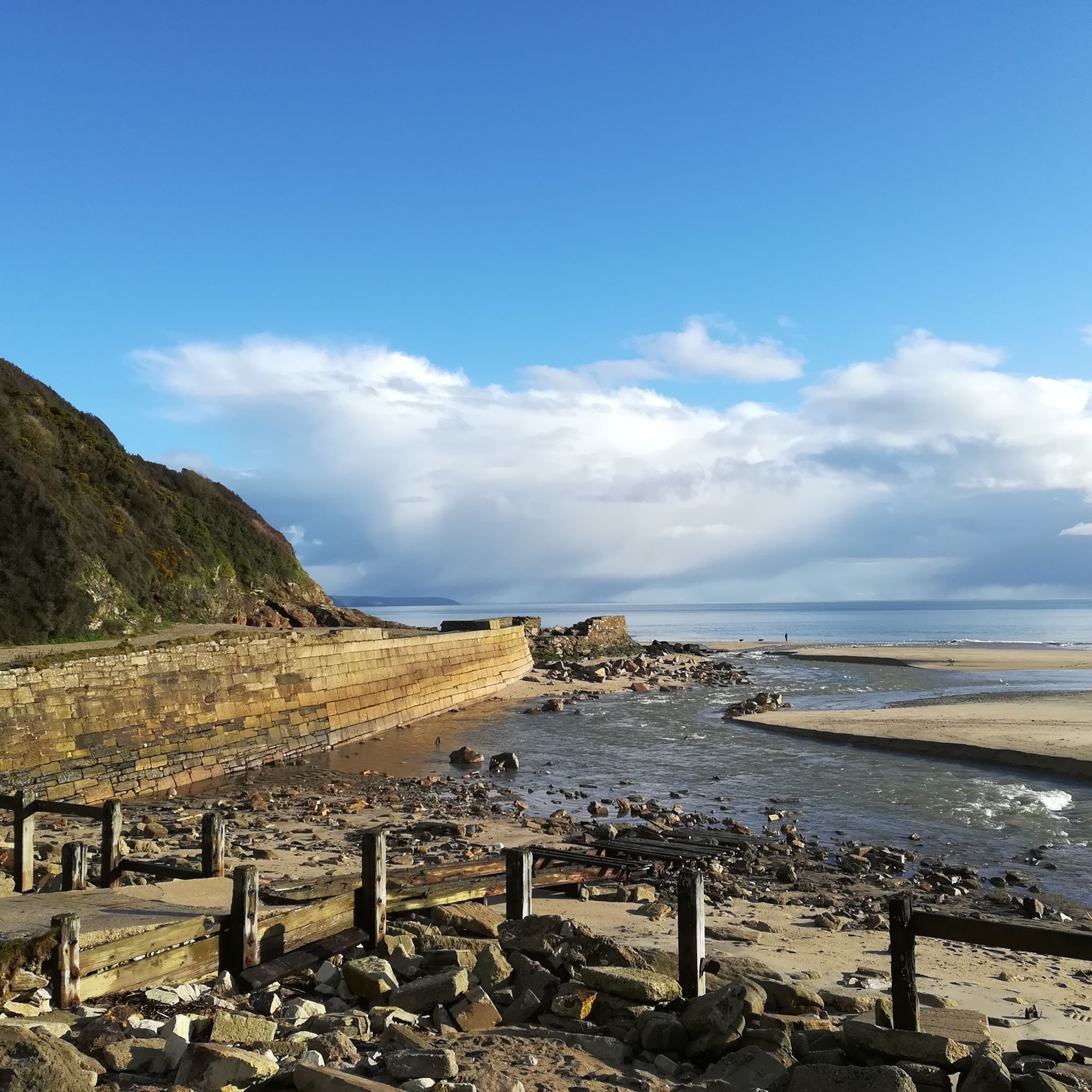
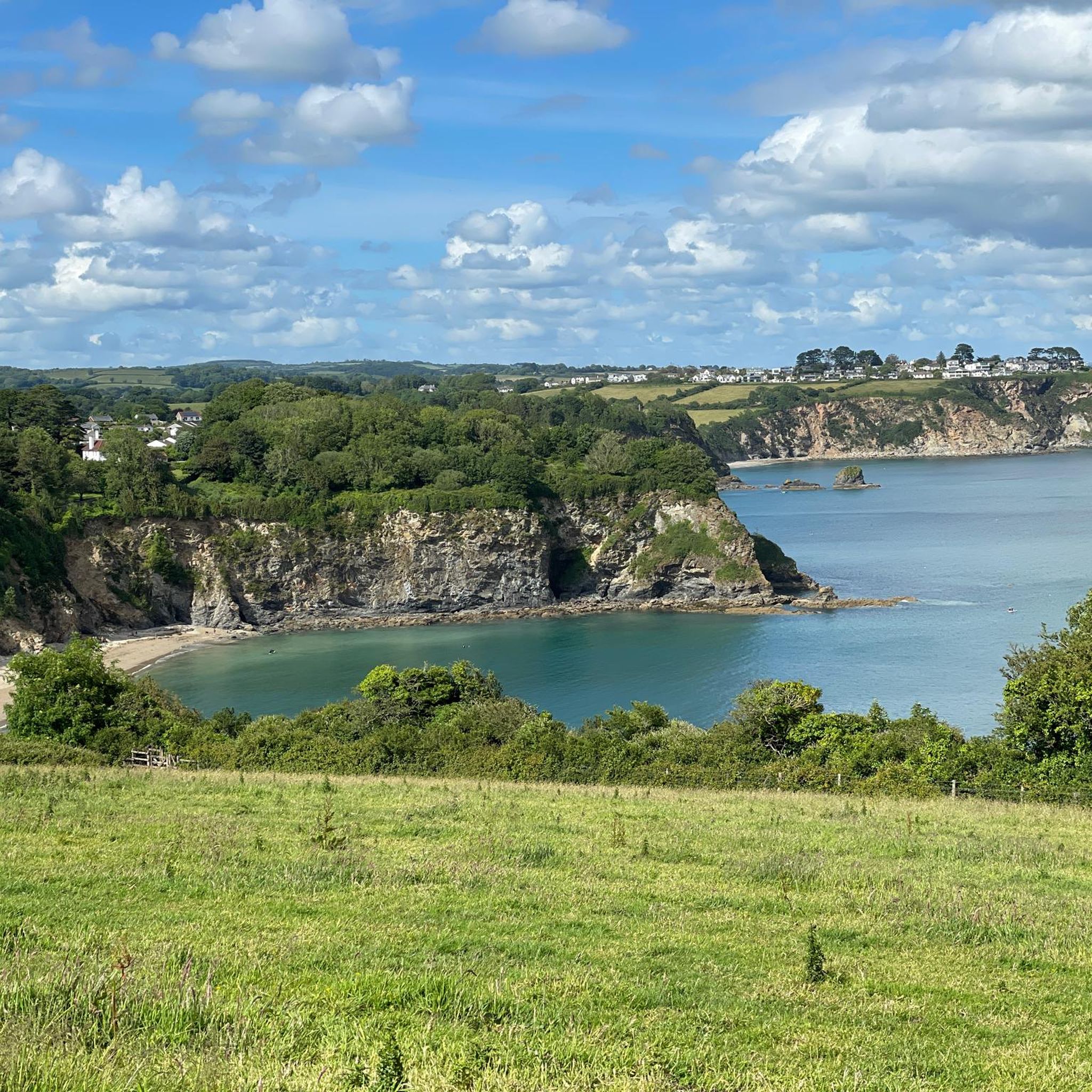
Polridmouth Bay and Menabilly Grotto
Highlight • Beach
Tip by

Par Beach Nature Reserve Lake
Highlight • Natural Monument
Tip by
Breney Common Nature Reserve
Highlight • Lake
Tip by

Sign up for free to discover even more lakes around St. Austell Bay.
Sign up for free
Already have an account?
Start today with a free account
Your next adventure awaits.
Login or Signup
Tips from the Community

Beehive always important
0
0

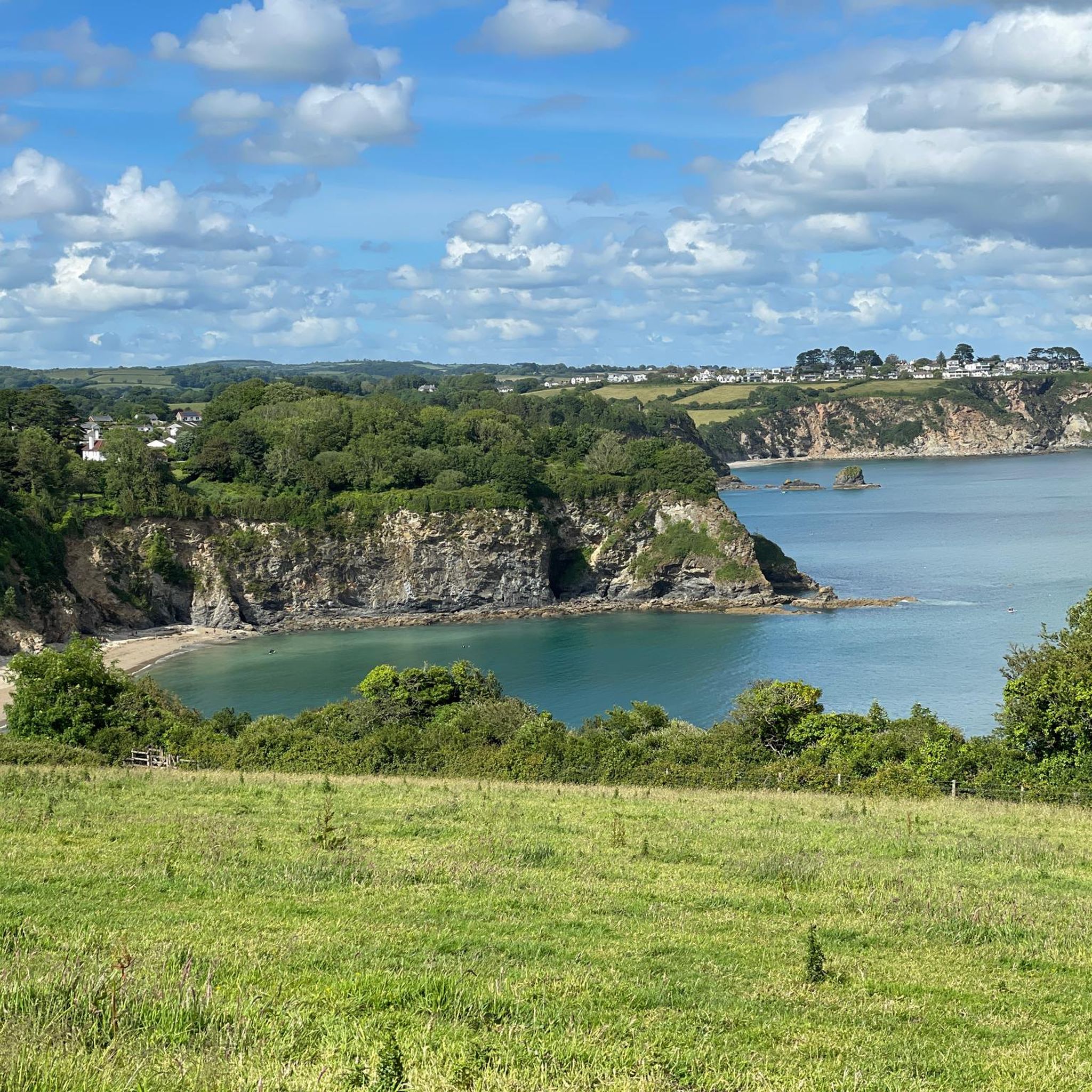
The grotto here was built in the late 18th century. Although you can't access it, you can see the octagonal folly from the beach. The area is called Polridmouth Bay which is pronounced Pridmouth.
0
0

Breney Common is an important wetland, open water and dry heathland site designated as a SSSI and nature reserve. Historically it was a tin mining area which left the depressions and landforms which then became ponds and ditches. There are a wide variety of plants and animals here, the area supports several dragonfly and damselfly species.
0
0
Just behind Par beach is a small wetland. A few chalets from Par Sands Holiday Park look out across the lake which must make for a beautiful view at sunrise & sunset. In years gone past it was a model boating lake but now a tranquil nature reserve.
0
0

On the south coast of Cornwall lies Fowey, a small British town that is a popular day trip and holiday destination. It stretches a mile along the steep hills along the west bank of the River Fowey to its mouth in the English Channel. As a result of the numerous wars waged by King Edward I of England towards the end of the 13th century, the traditional Cinque Ports in south-east England were increasingly the target of enemy raids. That is why the ports in south-west England gained in importance, especially as they were also more favorable for trade with Gascony, which at that time belonged to England. Among the ports that thrived around this time was Fowey, which not only became a major trading port but also served as a base for numerous military expeditions. Today Fowey is an important seaport. The mouths of the River Fowey and the Pont Pill form a protected natural deep water harbor accessible in all weather and tidal conditions. The port is home to around 1500 boats and is a popular sailing destination. Annually in August, the week-long Fowey Royal Regatta takes place, one of the most famous sailing events in Great Britain. Queen Victoria, Prince Albert and Queen have already taken part in the regatta Elizabeth II.
1
0

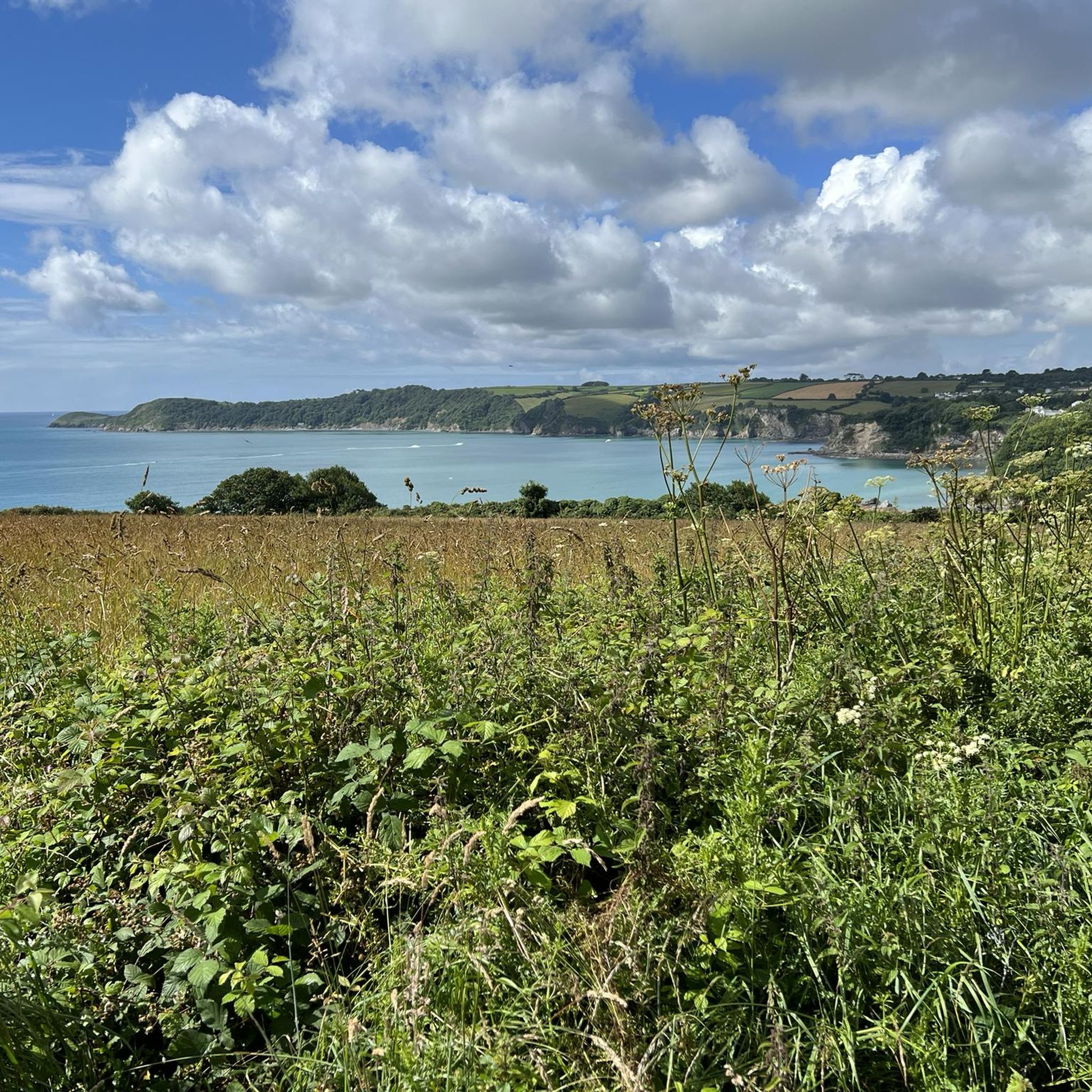
The coastal path from here has very nice views but requires some fitness level.
3
1

In the narrow streets of Mevagissey you find myriad shops, workshops, galleries, cafes and pubs, as well as many old buildings made of cob and slate. There are plenty of traditional fish and chip shops to try here, too. The picturesque town was once the centre of Cornwall’s pilchard fishery and, even today, still has a small working harbour with a few dozen fishing boats.
6
2

There is no Mevagissey Bay. Mevagissey is in St. Austell Bay. Obviously the comment was written by another incomer. There is a harbour in this little fishing village, but there is no harbor. Where on earth do these people come from?
1
0
Frequently Asked Questions
What types of lakes can I explore around St. Austell Bay?
The St. Austell Bay area offers a unique variety of 'lakes.' You'll find striking turquoise lagoons formed in abandoned china clay pits, dedicated fishing lakes like those at Meadow Lakes Holiday Park and Wheal Rashleigh Lake, and significant coastal harbours such as Mevagissey Harbour and Fowey Harbour, which are essentially large bodies of water.
Are there any unique natural features to see around the lakes?
Yes, the most distinctive natural features are the turquoise clay pit lakes, sometimes called the 'Cornish Alps.' These lagoons have an iridescent blue or milky turquoise colour due to clay minerals, set against a lunar-like landscape of white hillsides. This offers a stark contrast to typical Cornish coastal scenery and provides excellent photographic opportunities.
What historical sites are associated with the lakes in the region?
The region's lakes are deeply tied to its industrial history. Many, like Wheal Rashleigh Lake, are former china clay pits that have filled with water. Coastal harbours such as Mevagissey Harbour and Fowey Harbour have rich histories as fishing villages, trading ports, and military bases, with many old buildings and traditional working harbours still present.
Are there family-friendly activities around the lakes?
Yes, several spots are family-friendly. Mevagissey Harbour offers shops, galleries, cafes, and a free accessible aquarium. Meadow Lakes Holiday Park features fishing lakes, a heated outdoor pool, and children's play areas. Exploring the Clay Trails near the turquoise clay pit lakes also offers an engaging outdoor experience for families.
Can I go fishing in the lakes near St. Austell Bay?
Absolutely. The area is well-known for its fishing lakes. Meadow Lakes Holiday Park has four well-stocked fishing lakes free for guests. Wheal Rashleigh Lake, a former clay pit, is a popular fishery managed by the Roach Angling Club, known for its diverse fish species including carp, roach, and perch.
Are there walking or cycling trails around the clay pit lakes?
Yes, the 'Clay Trails' are a network of cycle and walking paths that connect many of the unique clay pit sites. These trails offer an excellent way to explore the area, witness the dramatic landscapes, and learn about the region's industrial heritage through information plaques.
What outdoor activities can I do near these lakes?
Beyond exploring the lakes themselves, the St. Austell Bay area offers various outdoor activities. You can find numerous running trails, such as those detailed in the Running Trails around St. Austell Bay guide. There are also options for gravel biking and road cycling, with routes like the 'Pentewan Railway Trail – Charlestown Harbour loop' for gravel biking and 'St Fimbarrus Church, Fowey – Fowey Harbour loop' for road cycling, as highlighted in the respective Gravel biking around St. Austell Bay and Road Cycling Routes around St. Austell Bay guides.
What do visitors enjoy most about the St. Austell Bay area's water bodies?
Visitors particularly appreciate the unique blend of natural beauty and industrial heritage. The dramatic, almost lunar landscapes around the turquoise clay pit lakes are a major draw for their photographic opportunities. The charm of working harbours like Mevagissey Harbour, with its shops and traditional atmosphere, is also highly valued. The scenic vistas from trails like the South West Coast Path, overlooking beaches and the sea, are also very popular.
Are there any hidden gem lakes or lesser-known spots?
While the clay pit lakes are becoming more known for their unique appearance, many are informally enjoyed by locals. Wheal Rashleigh Lake, though popular with anglers, offers a tranquil setting amidst old trees that might be considered a hidden gem for those seeking a peaceful fishing spot away from the main tourist hubs.
Is it possible to swim in the clay pit lakes?
While the unique beauty of the turquoise clay pit lakes makes them tempting for wild swimming, formal access to some might be restricted or fenced off. It's important to exercise caution and be aware that wild swimming is not always encouraged or safe in these industrial-formed bodies of water.
What is the best time of year to visit the lakes around St. Austell Bay?
The St. Austell Bay area is enjoyable year-round. Spring and autumn offer pleasant temperatures for walking and cycling the Clay Trails, with fewer crowds. Summer is ideal for enjoying the coastal harbours and their amenities, though it can be busier. Winter provides a dramatic backdrop for exploring the unique clay pit landscapes, often with a serene atmosphere.
Are there any coastal 'lakes' or harbours worth visiting?
Yes, the region features significant coastal harbours that function as large bodies of water. Mevagissey Harbour is a historical fishing village with a working harbour, shops, and cafes. Fowey Harbour is a natural deep-water harbour known for its sailing and historical importance as a trading and military base.
Most popular routes around St. Austell Bay
Most popular attractions around St. Austell Bay

Get inspired with the komoot mobile app


Explore more
Still not found your perfect lake around St. Austell Bay? Check out the guides of these regions to see even more beautiful places.
