Top 5 Lakes around Ellingham
Best lakes around Ellingham, located in Norfolk, are characterized by a landscape featuring Broadland nature reserves, flooded gravel pits, and diverse wildlife habitats. The area offers opportunities to observe natural ecosystems and industrial logistics alongside natural settings. It is known for its varied water bodies, ranging from private lakes used for watersports to extensive marshlands that attract diverse birdlife. This region provides a blend of natural beauty and points of interest for exploration.
Best lakes around Ellingham
- The most popular…
Last updated: June 15, 2026
Castle Marshes Nature Reserve
Highlight • Viewpoint
Tip by

Quarry Conveyor Belt and Lake View
Highlight • Structure
Tip by
Sign up now to discover places like this
Get recommendations on the best single tracks, peaks, & plenty of other exciting outdoor places.
Sign up for free
Flixton Pits Nature Reserve
Highlight • Natural
Tip by
View of Church Road Reservoir
Highlight • Natural
Tip by

View of Hardley Flood
Highlight • Lake
Tip by

Start today with a free account
Your next adventure awaits.
Login or Signup



Tips from the Community

The reservoir is on private land and there are notices warning there is no right of way or public access allowed.
1
0

Under no circumstances should you go swimming
0
0
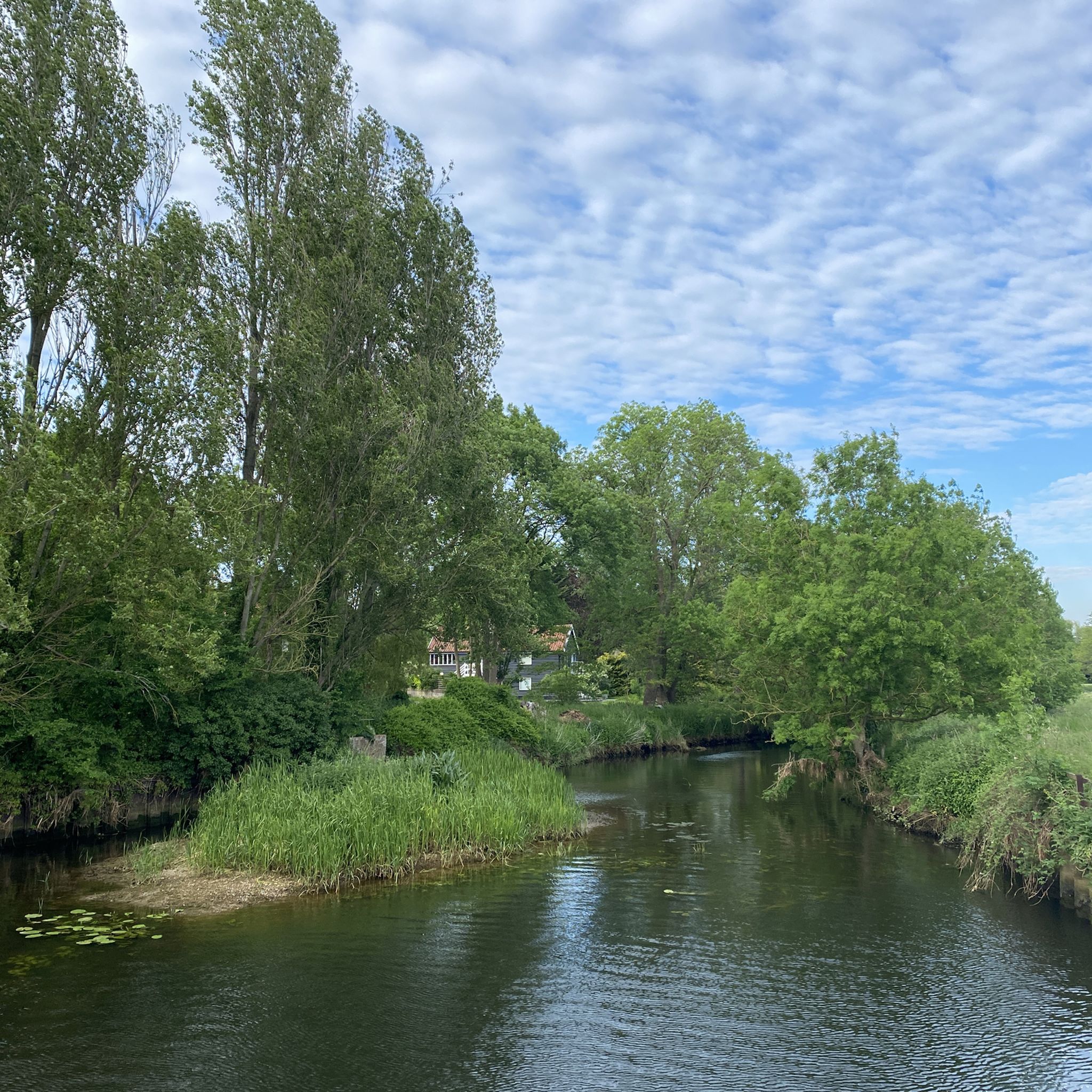
The reservoir is just on the right as you enter Church Road from Sotterly. A great spring and summer spot for a rest and take in the plethora of wildlife that frequent the reservoir.
0
0
Great spot for watching the wildfowl when the water skiers aren't using the lakes
0
0

The lake here is private and used by the local waterski club. However, from the roadside, you can admire the flooded gravel pits and get a close-up view of the quarry conveyor belt. This conveyor runs under Bath Hills Road and Hall Road to the sand and gravel workings to the south. Thanks to its proximity to the road, you'll get an unusual opportunity to see this bit of logistical genius. Not to be mistaken for the bottom of a toboggan run.
0
0
Before Flixton quarry was put into use, an archeological survey discovered numerous evidence of Neolithic activity in the immediate area, including pits, ditches and ceramic artefacts. A mammoth tusk was also found here during excavations. Today, a large area of the pits is a thriving habitat for birds and wildlife. You’ll find an information board just above the quarry and keep an eye out for the birds that call this open water area home.
0
0
Castle Marshes is a large Broadland nature reserve and home to a huge variety of plant, bird and insect life. Summer brings butterflies and dragonflies, including rare types such as the Norfolk hawker dragonfly. Summer’s birds include several types of warbler as well as lapwings and redshanks. Overhead, birds of prey hover in search of snacks in the tall grasses. Winter transforms these marshes, cared for by the Suffolk Wildlife Trust. While the Angles Way footpath stays high enough to walk along, the marshes themselves are flooded to create an enormous expanse of water for the overwintering wildfowl. Teal, widgeon and gadwall are some of the winter faces you can see here.
1
0
When walking from Chedgrave along the River Chet to Hardley Flood, the walkway at this point has collapsed and is impassable. Unfortunately, there are no signs further along the path on either side to warn you of the obstruction. Clearly the upkeep of this section of footpath has been left for some time, which is a shame as the loop back around to Chedgrave around the reserve is beautiful.
1
0
Frequently Asked Questions
What unique natural features can I explore around Ellingham, Norfolk?
Ellingham, Norfolk, offers a blend of natural and industrial landscapes. You can observe the flooded gravel pits and a quarry conveyor belt at Quarry Conveyor Belt and Lake View, providing an unusual sight of industrial logistics alongside a natural setting. Additionally, Flixton Pits Nature Reserve, a former quarry, is now a thriving habitat for birds and wildlife, with an information board detailing its ecological significance.
Are there nature reserves near Ellingham, Norfolk, and what wildlife can I see?
Yes, Castle Marshes Nature Reserve is a large Broadland reserve rich in plant, bird, and insect life. In summer, you might spot butterflies, dragonflies (including the rare Norfolk hawker), and various warblers. During winter, the marshes are intentionally flooded, attracting overwintering wildfowl like teal, widgeon, and gadwall. Flixton Pits Nature Reserve also provides a habitat for diverse birds and wildlife.
What are the best times of year to visit the lakes and nature reserves in Ellingham, Norfolk?
The best time depends on your interest. For vibrant insect life like butterflies and dragonflies, and various warblers, summer is ideal at Castle Marshes Nature Reserve. If you're interested in overwintering wildfowl, visiting Castle Marshes in winter when the marshes are flooded is recommended. Spring and summer are also great for observing the wildlife that frequents the Church Road Reservoir from a distance.
Are there family-friendly activities or locations around the lakes in Ellingham, Norfolk?
Several spots are considered family-friendly. Castle Marshes Nature Reserve offers opportunities for wildlife observation. Quarry Conveyor Belt and Lake View provides an interesting sight of industrial machinery and flooded pits. Flixton Pits Nature Reserve is also suitable for families interested in nature and local history, with an information board detailing its past.
Can I go wild swimming in the lakes around Ellingham, Norfolk?
Public wild swimming is generally not recommended or permitted in the lakes directly around Ellingham, Norfolk. For instance, the Church Road Reservoir is on private land with explicit warnings against public access or swimming. The lake at Quarry Conveyor Belt and Lake View is also private and used by a waterski club.
What kind of walking trails are available near the lakes in Ellingham, Norfolk?
You can find various walking opportunities. The Angles Way footpath runs along Castle Marshes Nature Reserve, offering views of the dynamic ecosystem. For more structured routes, you can explore easy hikes around Ellingham, including riverside walks and loops from nearby towns like Bungay and Geldeston.
Are there any historical or archaeological points of interest near the lakes?
Yes, Flixton Pits Nature Reserve has a rich history. Before it became a quarry, archaeological surveys discovered numerous signs of Neolithic activity, including pits, ditches, and ceramic artifacts. A mammoth tusk was also found during excavations, making it an interesting site for those curious about ancient history.
What outdoor activities, besides walking, can I do near the lakes in Ellingham, Norfolk?
Beyond walking, the area offers opportunities for running and road cycling. You can find various running trails around Ellingham, including moderate loops along the River Waveney. For cyclists, there are several road cycling routes around Ellingham, such as the Two Rivers Cycle Route and loops extending to Beccles and Southwold.
Are there any viewpoints offering scenic vistas of the lakes or surrounding areas?
Yes, View of Hardley Flood offers extensive views of a large water expanse, though some footpaths in the area may be impassable. From the roadside, you can also get a unique perspective of the flooded gravel pits at Quarry Conveyor Belt and Lake View.
What do visitors enjoy most about the lakes around Ellingham, Norfolk?
Visitors appreciate the diverse natural habitats and the opportunities for wildlife observation, particularly at Castle Marshes Nature Reserve and Flixton Pits Nature Reserve. The unique blend of natural settings with industrial elements, like the quarry conveyor belt, also offers an unusual and interesting experience.
Are there any fishing lakes in the Ellingham, Norfolk area?
Yes, the Ellingham area in Norfolk is known for its fishing lakes. Mill Farm Lakes in Great Ellingham are well-regarded for coarse and carp fishing, offering three well-stocked lakes. Rectory Farm also features two fishing lakes with various species like carp, tench, roach, rudd, and bream, providing a peaceful experience for anglers.
Most popular attractions around Ellingham

Get inspired with the komoot mobile app


Explore more
Still not found your perfect lake around Ellingham? Check out the guides of these regions to see even more beautiful places.
