Top 7 Lakes around Wytham
Best lakes around Wytham are found in the Oxfordshire countryside, an area known for its natural landscapes and historical significance. The region is characterized by its proximity to the River Thames and features a variety of water bodies, including former gravel workings transformed into wildlife habitats and grand man-made lakes. These lakes offer opportunities for walking, wildlife observation, and enjoying tranquil natural settings. The area provides a mix of natural and historically significant lake environments.
Best lakes around Wytham
- The…
Last updated: June 15, 2026
Thrupp Lake (Radley Lakes)
Highlight • Natural
Tip by

Blenheim Palace: Lake and Grand Bridge
Highlight • Bridge
Tip by

Sign up now to discover places like this
Get recommendations on the best single tracks, peaks, & plenty of other exciting outdoor places.
Sign up for free
Farmoor Reservoir
Highlight • Viewpoint
Tip by

Blenheim Park Lake and The Pump House Waterfall
Highlight • Waterfall
Tip by
RSPB Otmoor Reserve
Highlight • Natural
Tip by
Sign up for free to discover even more lakes around Wytham.
Sign up for free
Already have an account?
Start today with a free account
Your next adventure awaits.
Login or Signup

Other adventures around Wytham

Tips from the Community

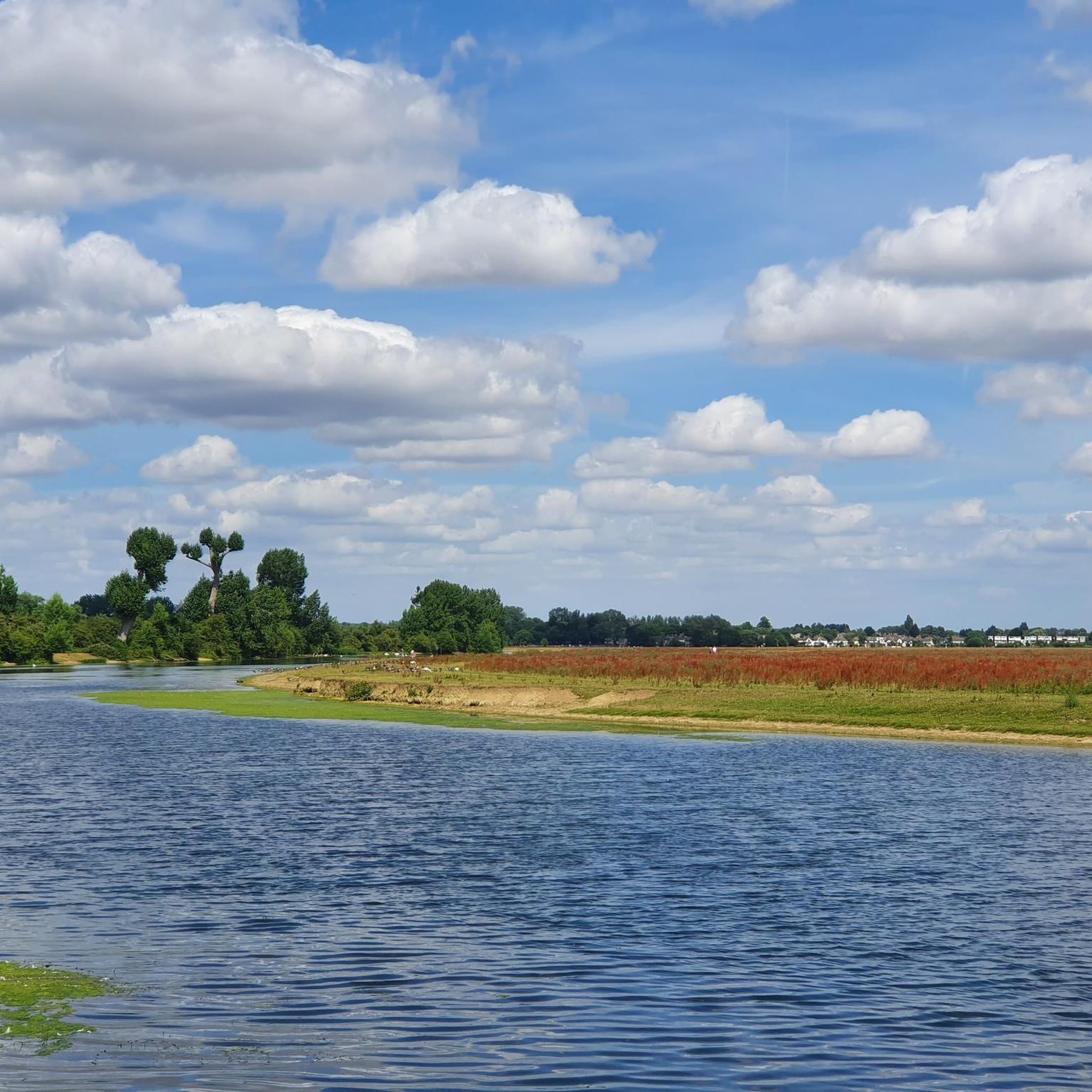
Discover this beautiful complex of lakes just outside Abingdon. The lakes were saved from destruction some years ago by a community-led group, Friends of Radley Lakes, and are now a thriving hotspot for local bird and wildlife.
2
0

Well worth the detour for the full English at Oxford boat club
0
0

Add a bit here if you like, with a lap of Thrupp Lake!
0
0

Bikes are Banned from going around Radley lakes :(
0
0

Winston Churchill's father called the view of Blenheim Palace, its lake and the Grand Bridge the finest in England. It certainly all looks grand from the edge of this beautiful, man-made lake. When Blenheim Palace was first built, the lake was not much more than a marshy stream. It was 'Capability' Brown who imagined a grand lake as part of his great vision for Blenheim Park. In 1764, he dammed the River Glyme, creating the lake and its series of beautiful cascades. Today, Blenheim Park is a Site of Special Scientific Interest due, in part, to the lake's importance for breeding and wintering birds.
1
0
Wading birds and wildfowl inhabit RSPB Otmoor Reserve all year round. A number of visitor trails take you around this extensive area of floodplain grazing marsh. Songbirds and warblers add to the peaceful atmosphere, a gorgeous place to ramble in any season.
1
0
554 acres (224 ha) of glorious parkland await at Blenheim Park, which occupies most of Blenheim Palaces' grounds. The park is a designated Site of Special Scientific Interest due to the habitats it supports. Whilst you have to pay to enter the palace and formal gardens, the park's many footpaths are free to enter. You can take a stroll by the lake, explore the woodland areas, or find a tranquil spot for a picnic.
0
0

The Radley Lakes complex is an area of former gravel workings which was transformed and saved from destruction in 2008 after a long community-led campaign by the Save Radley Lakes group. The largest lake, Thrupp Lake, is now an important wildlife habitat; in summer try to spot the emergent damselflies and darting dragonflies...
2
0
Frequently Asked Questions
What kind of lakes can I expect to find around Wytham?
The lakes around Wytham in Oxfordshire are diverse, ranging from natural lakes formed from former gravel workings that are now important wildlife habitats, to large man-made reservoirs, and grand historical estate lakes. The area is also influenced by its proximity to the River Thames.
Are there family-friendly lakes around Wytham?
Yes, several lakes are suitable for families. For instance, Thrupp Lake (Radley Lakes) offers easy walking paths and opportunities for wildlife observation. Blenheim Palace: Lake and Grand Bridge and Farmoor Reservoir are also noted as family-friendly, providing scenic views and space for exploration.
What natural features and wildlife can I observe at the lakes near Wytham?
The lakes are rich in natural features and wildlife. Thrupp Lake (Radley Lakes) is a significant wildlife habitat, known for damselflies, dragonflies, and various bird species. Farmoor Reservoir is home to diverse birdlife including gulls, coots, cormorants, geese, and ducks. The RSPB Otmoor Reserve is particularly noted for wading birds, wildfowl, and songbirds.
Are there historical sites associated with the lakes?
Yes, the most prominent historical site is Blenheim Palace: Lake and Grand Bridge. This grand man-made lake was envisioned by 'Capability' Brown in the 18th century as part of the Blenheim Palace parkland, which is a Site of Special Scientific Interest. The park also features Blenheim Park Lake and The Pump House Waterfall, offering historical views and walking paths.
What outdoor activities can I do near these lakes?
You can enjoy various outdoor activities. Walking and wildlife observation are popular at many lakes, such as Thrupp Lake (Radley Lakes) and RSPB Otmoor Reserve. For more structured activities, you can find numerous routes for hiking, running, and gravel biking. Explore options like easy hikes, running trails, or gravel biking routes around Wytham.
Are there accessible paths for walking around the lakes?
While specific accessibility details for all lakes are not provided, many natural areas like Thrupp Lake (Radley Lakes) offer relatively flat paths suitable for walking. Blenheim Park also has many footpaths around its lake that are free to enter and explore.
What do visitors enjoy most about the lakes around Wytham?
Visitors particularly appreciate the tranquil natural settings, the rich bird and wildlife observation opportunities, and the scenic views. The transformation of former gravel workings into thriving habitats, as seen at Thrupp Lake, is a highlight. The grandeur of Blenheim Palace's lake and its historical significance also draw many admirers.
Can I find places to eat or stay near the lakes?
While specific cafes or accommodations directly at each lake are not detailed, the region around Wytham, being close to Oxford, offers various options. For example, the area near Farmoor Reservoir is known to have local establishments like the Oxford boat club mentioned for its full English breakfast.
Are there any specific tips for visiting Thrupp Lake (Radley Lakes)?
When visiting Thrupp Lake, be aware that bikes are banned from going around the lakes to preserve the peaceful environment. It's an excellent spot for bird and wildlife watching, especially in summer for damselflies and dragonflies. The complex was saved by a community-led campaign and is now a thriving hotspot for local nature.
What makes Blenheim Palace's lake unique?
The lake at Blenheim Palace is unique because it was a marshy stream transformed into a grand man-made lake by 'Capability' Brown in 1764. He dammed the River Glyme to create it, along with a series of cascades. Winston Churchill's father considered the view of the palace, lake, and Grand Bridge to be the finest in England. The park is also a Site of Special Scientific Interest, partly due to the lake's importance for breeding and wintering birds.
Is the RSPB Otmoor Reserve suitable for birdwatching?
Absolutely. The RSPB Otmoor Reserve is an extensive area of floodplain grazing marsh specifically known for its wading birds and wildfowl year-round. It also hosts songbirds and warblers, making it a peaceful and rewarding location for birdwatching in any season, with several visitor trails available.
What is the best time to visit the lakes around Wytham?
The best time to visit depends on your interests. Spring and summer offer vibrant wildlife, especially for observing insects like damselflies and dragonflies at places like Thrupp Lake. Autumn brings beautiful foliage, and winter can be excellent for spotting wintering birds at reserves like RSPB Otmoor Reserve. The natural beauty can be appreciated year-round.
Most popular attractions around Wytham

Get inspired with the komoot mobile app


Explore more
Still not found your perfect lake around Wytham? Check out the guides of these regions to see even more beautiful places.
