Great And Little Kimble Cum Marsh
Great And Little Kimble Cum Marsh
Top 7 Lakes around Great And Little Kimble Cum Marsh
Best lakes around Great And Little Kimble Cum Marsh are found within a rural setting in central Buckinghamshire, characterized by the Chiltern Hills and the Vale of Aylesbury. This area, known for its historical farming community and hills like Pulpit Hill, offers a variety of water features. These include historical moated sites, fishponds, and more contemporary wetland habitats and reservoirs, providing diverse natural features for exploration. The landscape combines natural beauty with historical significance, making it suitable for walks and…
Last updated: July 12, 2026
Old Kiln Lakes Wetland Habitat
Highlight • Natural
Tip by

Pond in Park Wood
Highlight • Lake
Tip by

Sign up now to discover places like this
Get recommendations on the best single tracks, peaks, & plenty of other exciting outdoor places.
Sign up for free
The Lyde Garden
Highlight • Lake
Tip by
Old Kiln Lakes (Former Chinnor Chalk Pit)
Highlight (Segment) • Structure
Tip by

Chinnor Works Lake
Highlight • Lake
Tip by
Sign up for free to discover even more lakes around Great And Little Kimble Cum Marsh.
Sign up for free
Already have an account?
Start today with a free account
Your next adventure awaits.
Login or Signup
Popular around Great And Little Kimble Cum Marsh
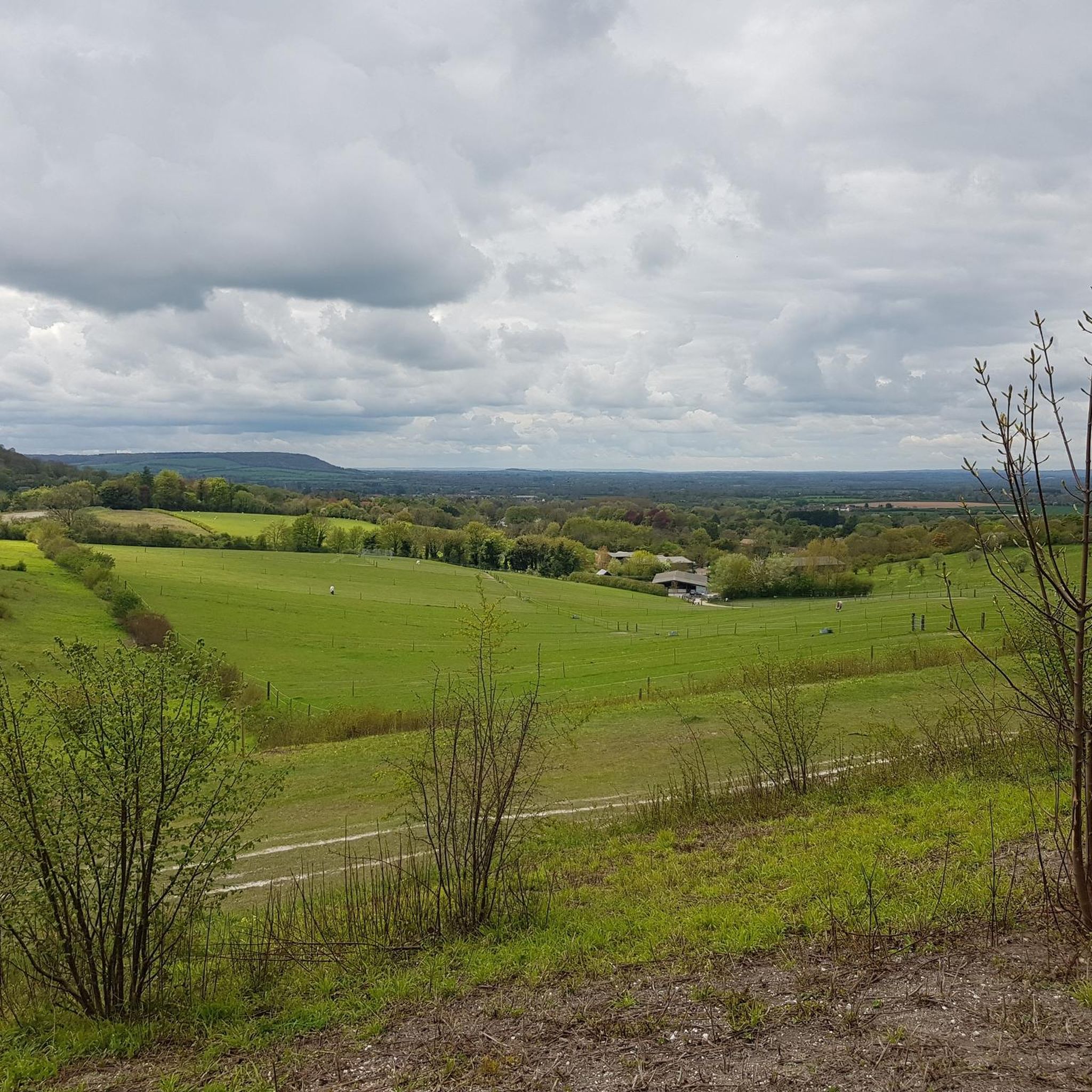
Running Trails around Great And Little Kimble Cum Marsh
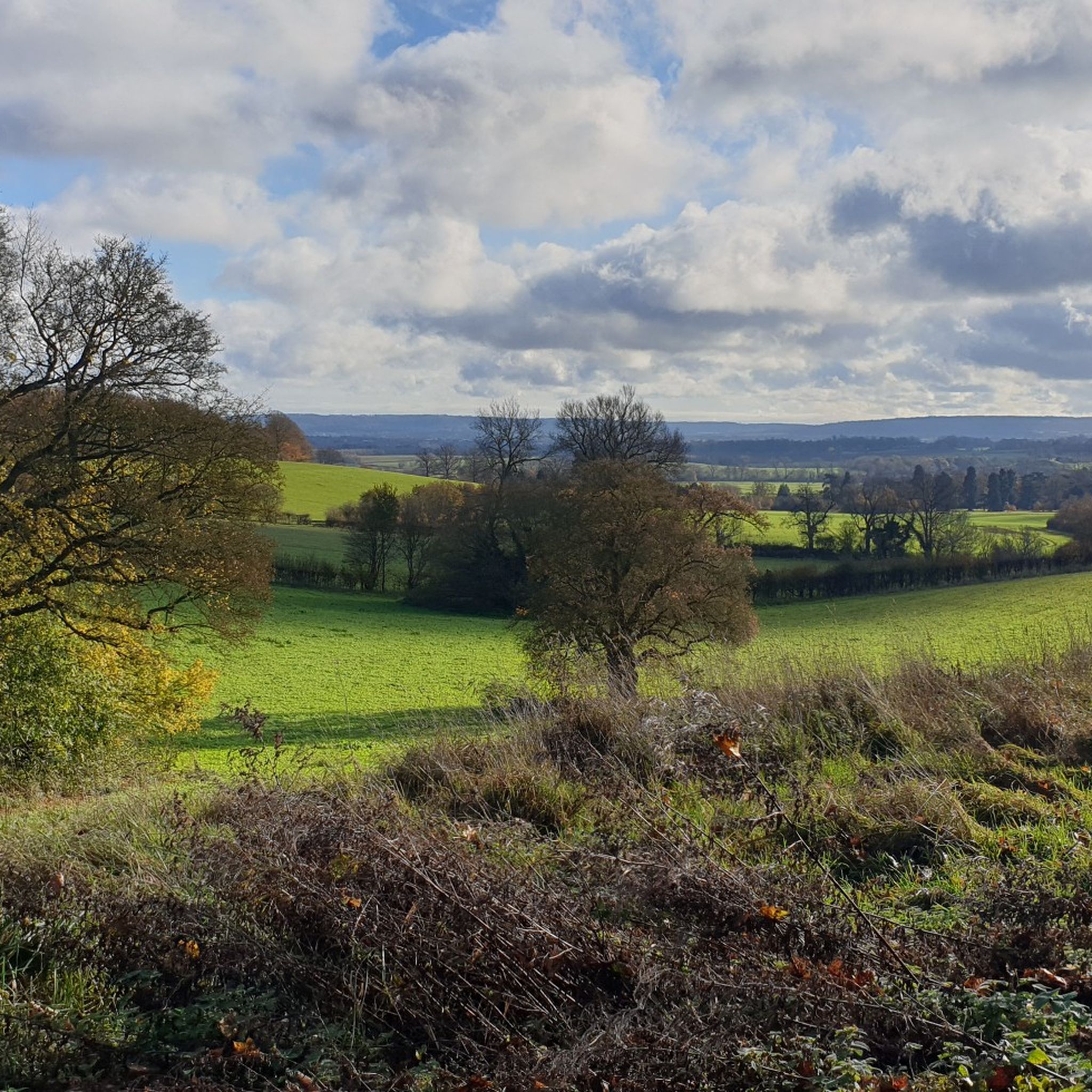
Hiking around Great And Little Kimble Cum Marsh
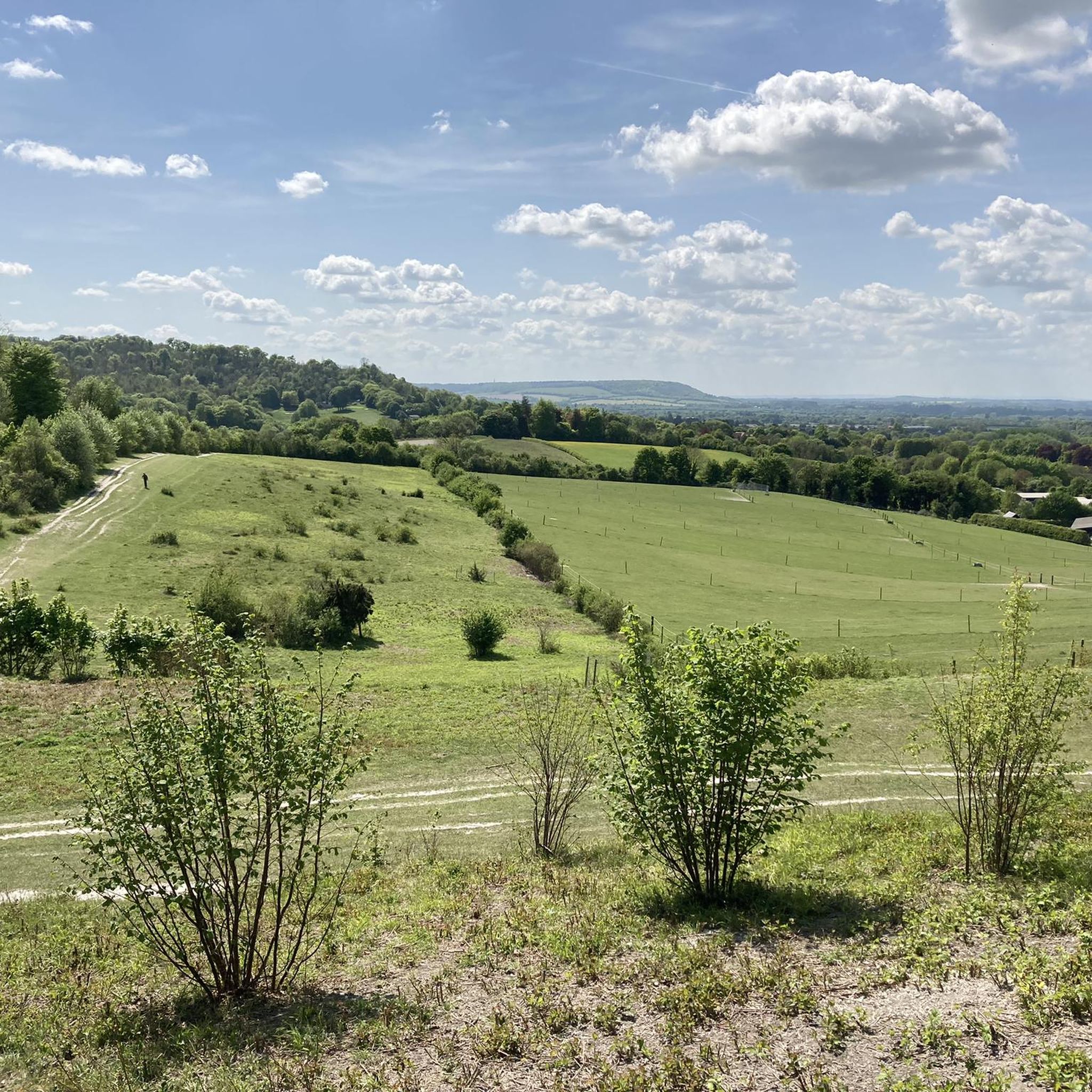
Road Cycling Routes around Great And Little Kimble Cum Marsh
Cycling around Great And Little Kimble Cum Marsh
MTB Trails around Great And Little Kimble Cum Marsh
Gravel biking around Great And Little Kimble Cum Marsh
Tips from the Community

This is one of the quarries here, a part of the former Chinnor Chalk Pit, now flooded and known as Old Kiln Lakes. The lakes are freshwater, but very alkaline, and there was a warning to the public issued in 2012 to not swim in there. It's a striking and moon-like place, looking very dramatic and slightly out-of-this-world. A definite must!
2
0

This quarry is a Site of Special Scientific Interest and well known by geologists for its phenomenal history. Packed with fossils, some of the finds here date back 100 million years. There's no public access, but you can catch glimpses of its bright high-alkaline water from the surrounding footpaths.
0
0


Chinnor Works Angling Society has been running for over 25 years, we use to have the fishing at the Cement Works.
0
0
Chinnor, Chalk and Cement Mr. W. Benton's Cement and Lime Works opened in Chinnor in 1908, but cement making on a truly industrial scale did not begin until 1919. Output of cement from Chinnor peaked at about 5600 tonnes per week in the 1990s. Up to 120 people were employed at any one time. The cement works closed in 1999 and there are plans for the re-development of the site, using the flat areas for housing but also with opportunities for recreation and conservation in the water filled quarries The scale of chalk extraction for cement making can be seen from a short walk along the Ridgeway National Trail. The Ridgeway runs on a high causeway between the large quarries, giving views of the pits through the boundary fences. (Do not cross over or through the fences). Geology One of the chalk quarries has been protected as a geological Site of Special Scientific Interest as it has particularly good exposures of both the Lower Chalk and Middle Chalk geological layers. Both layers have given upimportant fossil ammonites.
2
0
The Lyde, a tributary of the River Thames, rises here and the garden is planted with primulas, astilbes, gunnera and hostas. Originally three watercress beds, surrounded by large and beautiful wych elms, it has — as a result of elm disease — become a wilderness. The garden is open at the owners’ discretion from 9am – 4pm daily. Dogs are not permitted. See: carington.co.uk/gardens/lyde-garden
0
0
Archaeological Surveys undertaken in Park Wood have revealed a fascinating past for this quiet area of deciduous woodland. Lynchets and banks within the woods give evidence of ancient field systems which may date back to the late Iron Age/early Roman period (or they may be medieval). In the beech woodland opposite the pond is evidence of a late thirteenth/early fourteenth homestead in the woodlands and in Tudor times (1485 – 1603) the woodland was a deer park. Much of Park Wood was converted to beech woodland from the late 18th until the early 20th century to cater for the High Wycombe furniture industry. Associated features include sawpits, tracks and charcoal burning platforms. https://www.nationaltrust.org.uk/chilterns-countryside/trails/bradenham-beech-woods-and-bunkers-trail
0
0
Frequently Asked Questions
What kind of 'lakes' can I expect to find around Great And Little Kimble Cum Marsh?
The region is not known for large natural lakes in the recreational sense. Instead, you'll find a variety of water features including historical moated sites, small fishponds, and more contemporary wetland habitats and reservoirs. These offer diverse natural settings and historical interest within the rural landscape of the Chiltern Hills.
Are there any historically significant water features in the area?
Yes, the area has historical moated sites and small fishponds, such as those near Manor Farm. These medieval remains, often water-filled ditches, served as prestigious residences rather than for military defense. Additionally, Pond in Park Wood is within woodlands where archaeological surveys indicate ancient field systems and a late thirteenth/early fourteenth-century homestead.
What are the most unique natural water features to visit?
You can explore the Old Kiln Lakes Wetland Habitat, a former quarry and Site of Special Scientific Interest known for its 100-million-year-old fossil-rich history. While there's no public access, you can glimpse its bright, high-alkaline water from surrounding footpaths. Another unique spot is Old Kiln Lakes (Former Chinnor Chalk Pit), a flooded quarry with a dramatic, moon-like appearance.
Are there any family-friendly spots with water features?
Yes, Pond in Park Wood is considered family-friendly, offering a chance to explore woodlands with historical significance. Also, The Lyde Garden provides a peaceful garden setting where the Lyde tributary rises, suitable for a family visit, though dogs are not permitted.
Can I go wild swimming in any of the lakes?
Wild swimming is generally not recommended. Specifically, the Old Kiln Lakes (Former Chinnor Chalk Pit) are freshwater but very alkaline, and a public warning was issued in 2012 advising against swimming there.
What outdoor activities can I do near these water features?
The area offers various outdoor activities, particularly hiking and cycling. You can find easy hikes like the 'View of Chequers Court – Pulpit Wood singletrack loop' or more challenging routes. For cycling, options include 'The Phoenix Trail' loops. You can find more details on these activities in the Hiking around Great And Little Kimble Cum Marsh and Cycling around Great And Little Kimble Cum Marsh guides.
Are there any significant reservoirs in the vicinity?
Yes, Wilstone Reservoir is a notable site. It's part of the Tring Reservoirs Nature Reserve, a Site of Special Scientific Interest, known for its rare mudwort plant and as a habitat for breeding common terns and various wintering wildfowl. Free parking is available there.
What kind of wildlife can I expect to see around the water bodies?
Around water bodies like Wilstone Reservoir, you can spot diverse wildlife. This includes rare mudwort plants, breeding common terns, and a variety of wintering wildfowl such as tufted duck, pochard, teal, gadwall, wigeon, and shoveler. During colder months, you might even see goldeneye, goosander, and smew. The site also supports sedge and reed warblers and occasionally hobbies.
Are there any dog-friendly trails around the water features?
While specific dog-friendly trails directly around all water features aren't detailed, many of the surrounding footpaths and hiking routes in the general area are suitable for dogs. However, please note that dogs are not permitted in The Lyde Garden.
What is the best time of year to visit the water features in Great And Little Kimble Cum Marsh?
The best time to visit depends on your interest. Autumn is ideal for spotting the rare mudwort plant at Wilstone Reservoir as waters recede. Winter offers excellent birdwatching opportunities for wildfowl. Spring and summer are pleasant for exploring the gardens and woodlands, such as The Lyde Garden and Pond in Park Wood.
What do visitors enjoy most about the water features in this region?
Visitors appreciate the diverse natural settings, from the geological significance of the Old Kiln Lakes to the tranquil beauty of The Lyde Garden. The historical context of sites like Pond in Park Wood also adds to the appeal, offering a blend of natural beauty and historical intrigue for walks and exploration.
Is there parking available near these water features?
Yes, for Wilstone Reservoir, free parking is available. For other locations, parking may be found in nearby villages or designated car parks for walking routes that pass by these features.
Most popular routes around Great And Little Kimble Cum Marsh
Most popular attractions around Great And Little Kimble Cum Marsh

Get inspired with the komoot mobile app


Explore more
Still not found your perfect lake around Great And Little Kimble Cum Marsh? Check out the guides of these regions to see even more beautiful places.
