Top 5 Castles around Easebourne
Best castles around Easebourne are situated in West Sussex, a parish known for its historical significance within the South Downs National Park. The area features a blend of natural landscapes and centuries of English history. Easebourne offers a captivating glimpse into medieval and Tudor eras through its architectural remains and historical sites. The region is characterized by its charming market towns and the remnants of grand estates.
Best castles around Easebourne
- The most popular castles is Cowdray Heritage Ruins,…
Last updated: June 28, 2026
Midhurst Town Centre
Highlight • Monument
Tip by

Cowdray Heritage Ruins
Highlight • Historical Site
Tip by

Sign up now to discover places like this
Get recommendations on the best single tracks, peaks, & plenty of other exciting outdoor places.
Sign up for free
Folly Tower, South Downs National Park
Highlight • Historical Site
Tip by

Remains of Verdley Castle
Highlight • Castle
Tip by

Start today with a free account
Your next adventure awaits.
Login or Signup
Tips from the Community

The Cowdray Heritage Ruins are one of England’s most important early Tudor houses and Cowdray is known to have been visited by both King Henry VIII and Queen Elizabeth I. In September 1793, whilst undergoing repairs and refurbishments for the impending marriage of the 8th Viscount Montague, a devastating fire took hold and most of the property was destroyed. The Kitchen Tower is the only part of the mansion to remain intact. https://www.cowdray.co.uk/historic-cowdray/
0
0

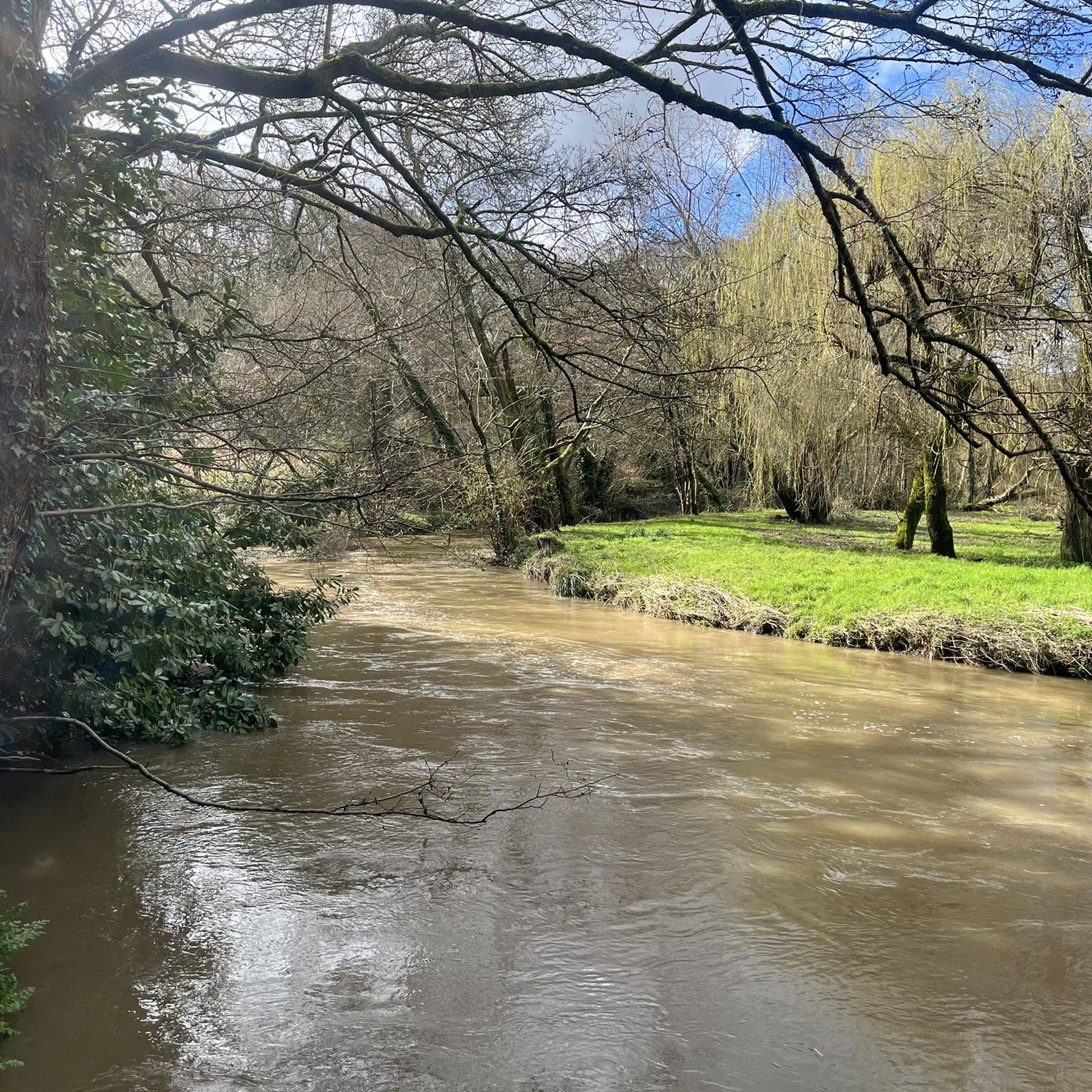
Midhurst is a historic market town, parish and civil parish in West Sussex. It lies on the River Rother 20 miles (32 km) inland from the English Channel, and 12 miles (19 km) north of the county town of Chichester. The town has a history that dates back to the Saxon times, and has been the site of a castle, a monastery, a royal residence, and a parliamentary borough. The town is also known for its association with the Cowdray Estate, which includes the ruins of the Tudor Cowdray House and the famous polo club. Midhurst is a charming and picturesque town that offers a wealth of attractions, activities, and amenities for visitors. You can explore the town’s heritage by visiting the parish church of St Mary Magdalene and St Denis, the Norman St Ann’s Castle, the Old Library, and the South Pond. You can also enjoy some retail therapy by browsing the independent shops, galleries, and markets along the town’s streets. You can sample some delicious food and drink at the various pubs, cafes, and restaurants in and around the town.
3
0

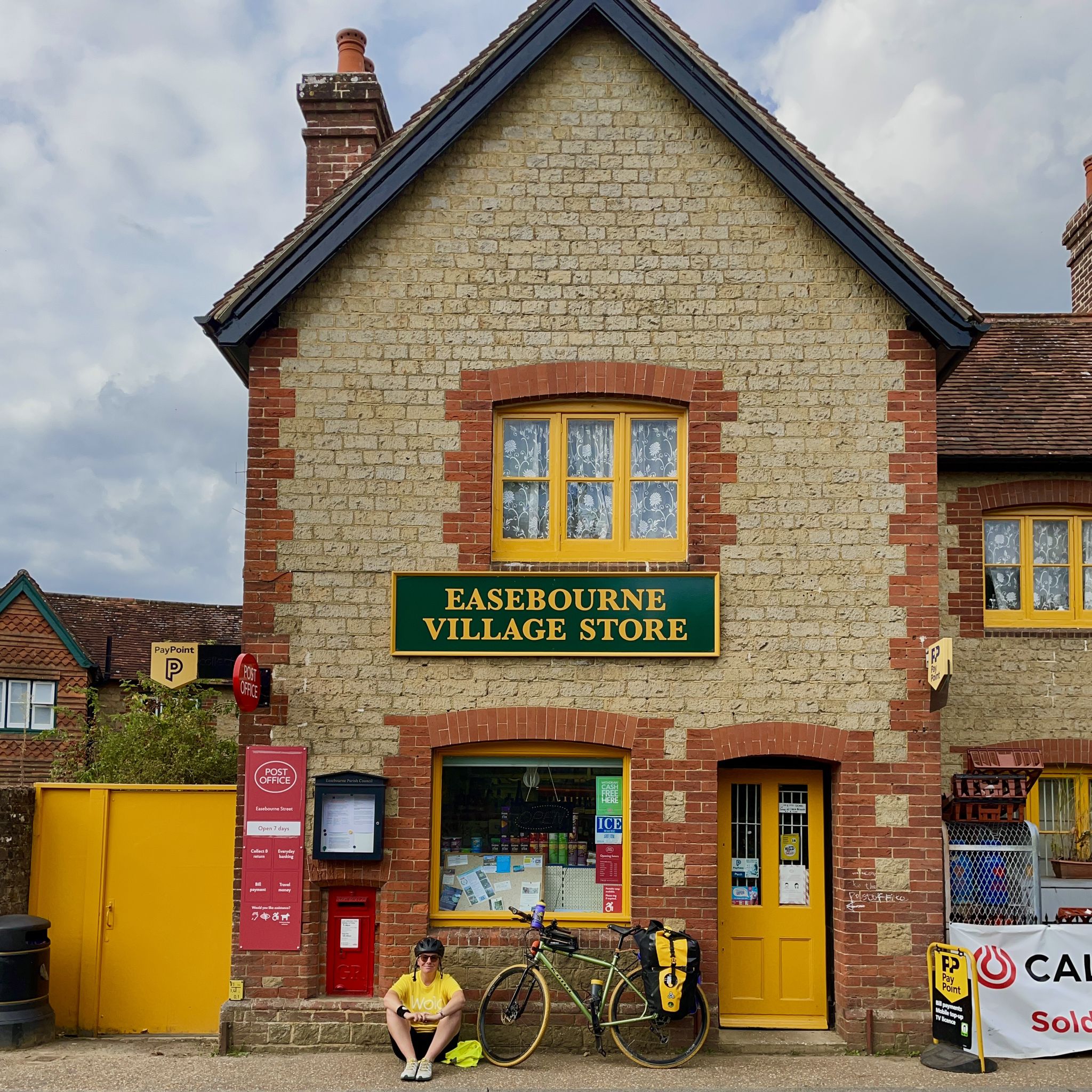
In view of the South Downs sits Midhurst, a town rich in architectural history with Tudor, Georgian and Victorian buildings all through the streets. You might also notice the yellow painted wnidow frames on houses in the town and the surrounding area. These properties below to the Cowdray Estate and a visit to the Cowdray Farm Shop and Cafe to the north of the town is well worth it. The town also boasts two ruined castles, Cowdray Castle and a motte and bailey castle on St Ann's Hill. HG Wells attended Midhurst Grammar School and returned to teach there as an adult. 'The Invisible Man' is set in the town. Look out for the blue plaque showing where he worked in a chemists.
2
0

You will find this quaint little castle off the beaten track at the top of the park. It is occupied, so don't stray too close.
1
0

I couldn't find it I tried all around on triangulation
0
0

The remains of Verdley Castle. It was a 13th-century hunting lodge, which has been lost for hundreds of years. The building is now evidenced only by some dressed stones in the undergrowth.
0
0
Frequently Asked Questions
What kind of historical sites can I expect to see around Easebourne?
Easebourne offers a rich tapestry of history, primarily featuring Tudor mansions and medieval priories. You can explore the grand ruins of Cowdray Heritage Ruins, a significant Tudor house, and discover the remnants of medieval monastic life at Easebourne Priory. The nearby Midhurst Town Centre also boasts architectural history with Tudor, Georgian, and Victorian buildings, including two ruined castles.
What is the history behind Cowdray Heritage Ruins?
Cowdray Heritage Ruins are the remains of a magnificent Tudor mansion, once comparable to great palaces of its time. It was visited by King Henry VIII and Queen Elizabeth I. A devastating fire in 1793 destroyed most of the property, but the Kitchen Tower remains intact. Conservation efforts in the early 20th century saved the ruins from total collapse, preserving its unique architectural features and offering a glimpse into Tudor life.
Can I learn about medieval monastic life near Easebourne?
Yes, Easebourne Priory, a medieval convent founded before 1238, offers a window into monastic life in England. While much of the original structure is now incorporated into a Grade I listed house, significant claustral remains and medieval architectural elements can still be found. The restored refectory, once the nuns' dining hall, is now used by the local church. Visiting typically requires advance permission due to its protected status and current usage.
Are there family-friendly castles to visit near Easebourne?
Absolutely. Cowdray Heritage Ruins is considered family-friendly and offers a unique insight into Tudor history. The Midhurst Town Centre, with its historic buildings and two ruined castles, also provides an engaging experience for families.
What outdoor activities can I do near the castles around Easebourne?
The area around Easebourne, situated within the South Downs National Park, offers various outdoor activities. You can find numerous routes for road cycling, running, and gravel biking. For example, there are moderate road cycling loops like 'Sheet Village Green – Elsted Road loop from Midhurst' and running trails such as 'Steward's Pond – Snapeland Copse loop from Midhurst'. You can explore more options on the dedicated guides for Road Cycling Routes around Easebourne, Running Trails around Easebourne, and Gravel biking around Easebourne.
When is the best time to visit the castles around Easebourne?
The castles and historical sites around Easebourne can be enjoyed throughout the year. Spring and summer offer pleasant weather for exploring the ruins and surrounding landscapes, with Cowdray Heritage Ruins often hosting heritage events and guided tours. Autumn provides beautiful scenery with changing foliage, while winter visits can offer a quieter experience, though it's advisable to check specific opening times for individual sites.
Are there cafes or pubs near the castles in Easebourne?
Yes, the nearby Midhurst Town Centre is well-equipped with various pubs, cafes, and restaurants where you can enjoy food and drink. The Cowdray Estate, associated with the ruins, also has a farm shop and cafe to the north of the town that is well worth a visit.
Are there any other notable historical ruins besides Cowdray?
Beyond Cowdray Heritage Ruins, the area offers other intriguing historical sites. Midhurst Town Centre itself contains the ruins of a motte and bailey castle on St Ann's Hill. Additionally, the Remains of Verdley Castle, a 13th-century hunting lodge, can be found, though it is now evidenced only by some dressed stones in the undergrowth.
Can I find viewpoints or natural features near the castles?
Yes, the region is part of the South Downs National Park, offering beautiful natural landscapes. The Folly Tower, described as a quaint little castle, is also a viewpoint located off the beaten track at the top of the park, providing scenic vistas.
Are the castles around Easebourne accessible by public transport?
Easebourne and its surrounding areas are generally accessible, though specific public transport options to each castle may vary. Midhurst, the nearest market town, serves as a hub for local bus services. It's recommended to check local bus schedules for routes connecting to Easebourne and the vicinity of the historical sites.
Are there less crowded historical sites to visit near Easebourne?
While Cowdray Heritage Ruins is popular, Easebourne Priory, due to its protected status and current usage, often requires advance permission for visits, which can make it a less crowded and more intimate historical experience. The Remains of Verdley Castle are also quite secluded, offering a quiet exploration for those interested in discovering hidden historical remnants.
What do visitors enjoy most about the castles around Easebourne?
Visitors appreciate the blend of rich history and natural beauty. The architectural grandeur of Cowdray Heritage Ruins and its royal connections are a major draw. The charm of Midhurst Town Centre with its historic buildings and local character is also highly valued. The area's setting within the South Downs National Park means that historical exploration can be combined with scenic walks and outdoor activities.
Most popular routes around Easebourne
Most popular attractions around Easebourne

Get inspired with the komoot mobile app


Explore more
Looking for the best castles somewhere else? Discover other guides around Easebourne:
