The 5 Most Amazing Peaks around Shapwick
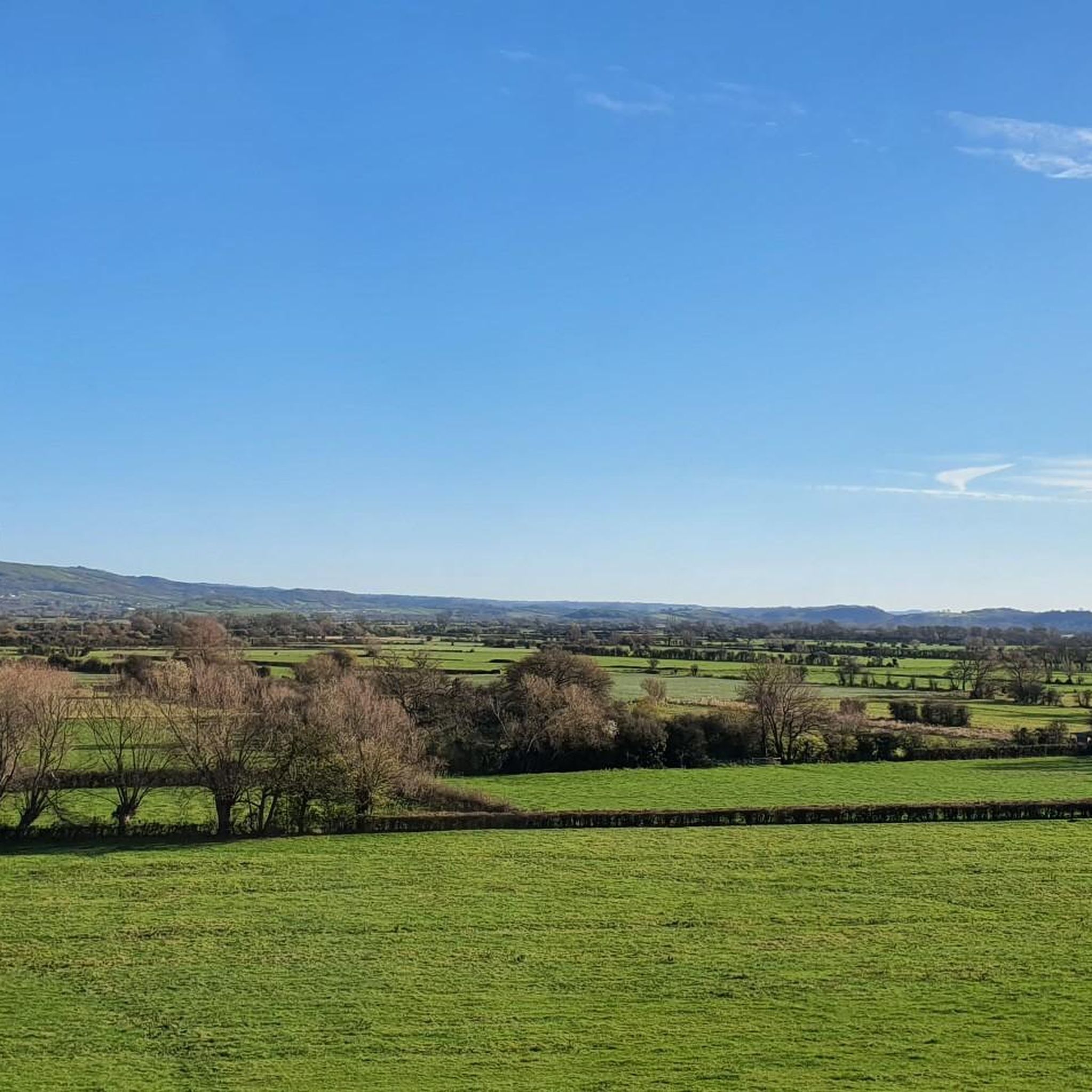
Best mountain peaks around Shapwick are found within a region characterized by the low-lying wetlands of the Somerset Levels and Moors. This landscape, shaped by historical peat extraction, features lakes, reed beds, fens, and woodlands. While not known for prominent mountains, the area offers elevated points that provide views over its unique wetland habitats and diverse wildlife. Visitors are drawn to the natural features and tranquil environment of this area.
Best mountain peaks around Shapwick
- The most popular mountain peaks…
Last updated: June 28, 2026
Glastonbury Tor
Highlight • Summit
Tip by

Burrow Mump
Highlight • Religious Site
Tip by

Sign up now to discover places like this
Get recommendations on the best single tracks, peaks, & plenty of other exciting outdoor places.
Sign up for free
Lollover Hill Trig Point
Highlight • Trail
Tip by

Nyland Hill
Highlight • Summit
Tip by

Walton Hill
Highlight • Viewpoint
Tip by
Start today with a free account
Your next adventure awaits.
Login or Signup
Tips from the Community

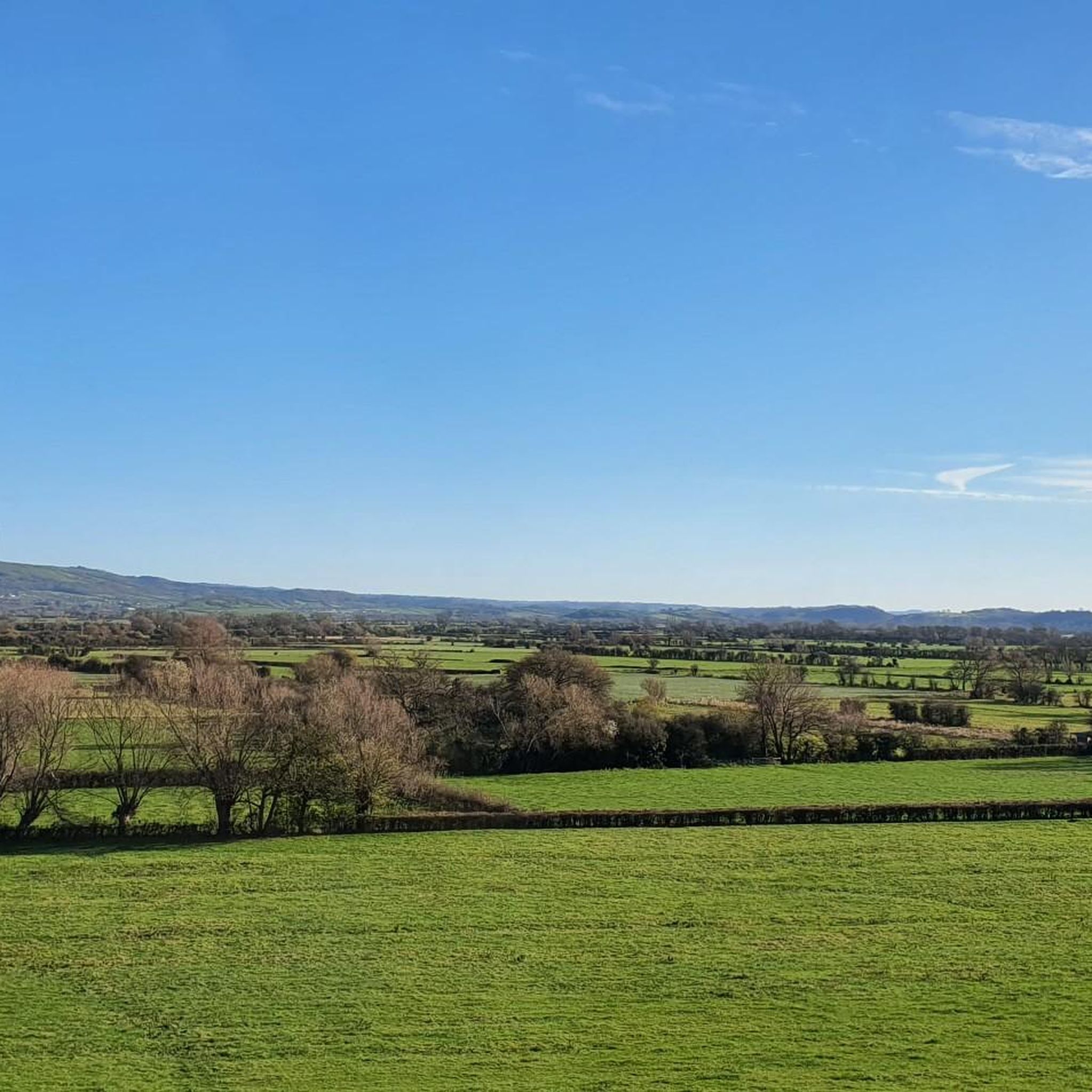
Lollover Hill with its trigpoint at 90m isn't massively high but it's position on the edge of the Somerset levels means it offers 360 views. There is a nice trail up to and around the hill which is nice for a short walk, or you can combine it with nearby Wildlife Trust managed Dundon Hill.
1
0

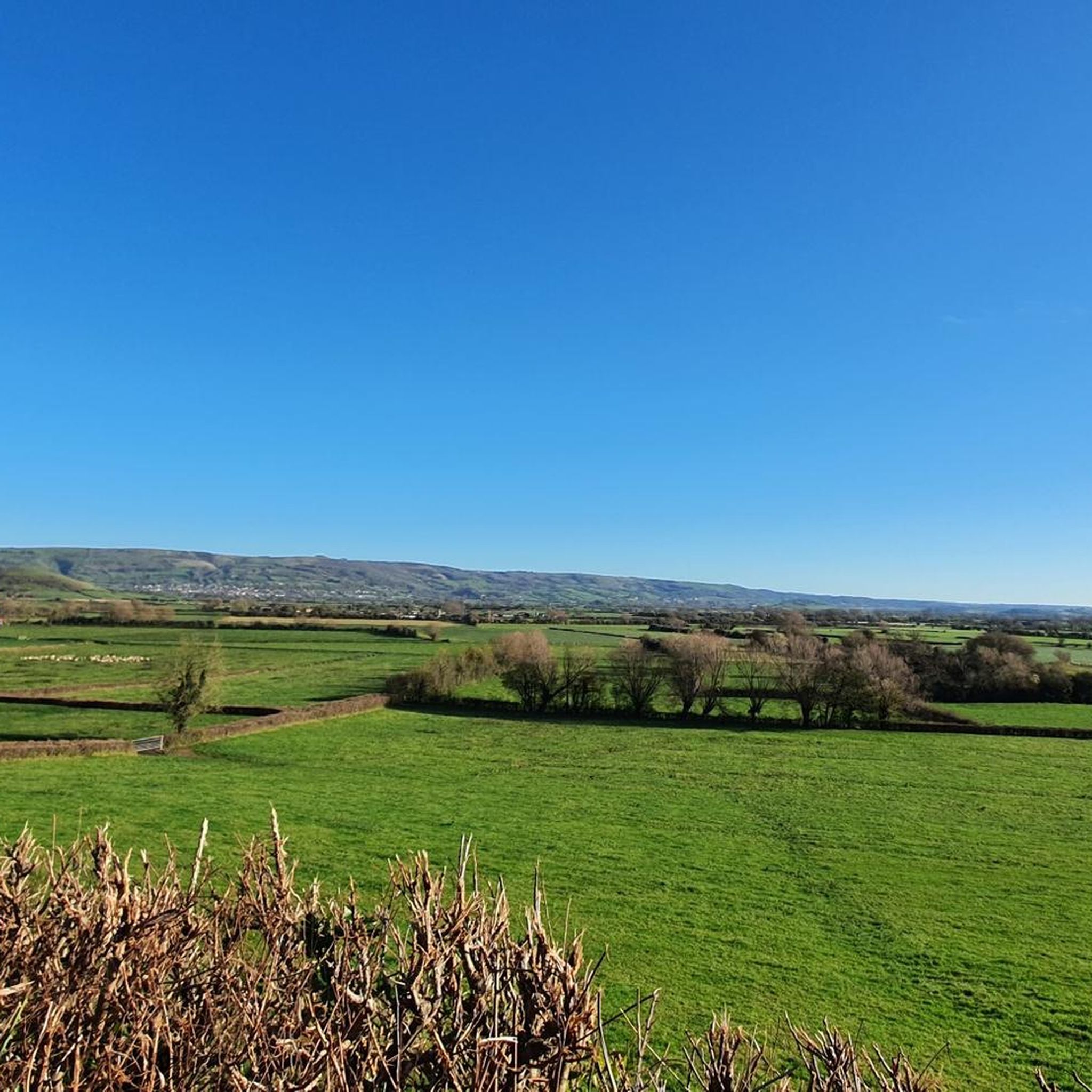
Nyland Hill has amazing views towards the Mendip Hills and a fantastic display of wildflowers and limestone grassland. Steep climbs to the top though!
0
0

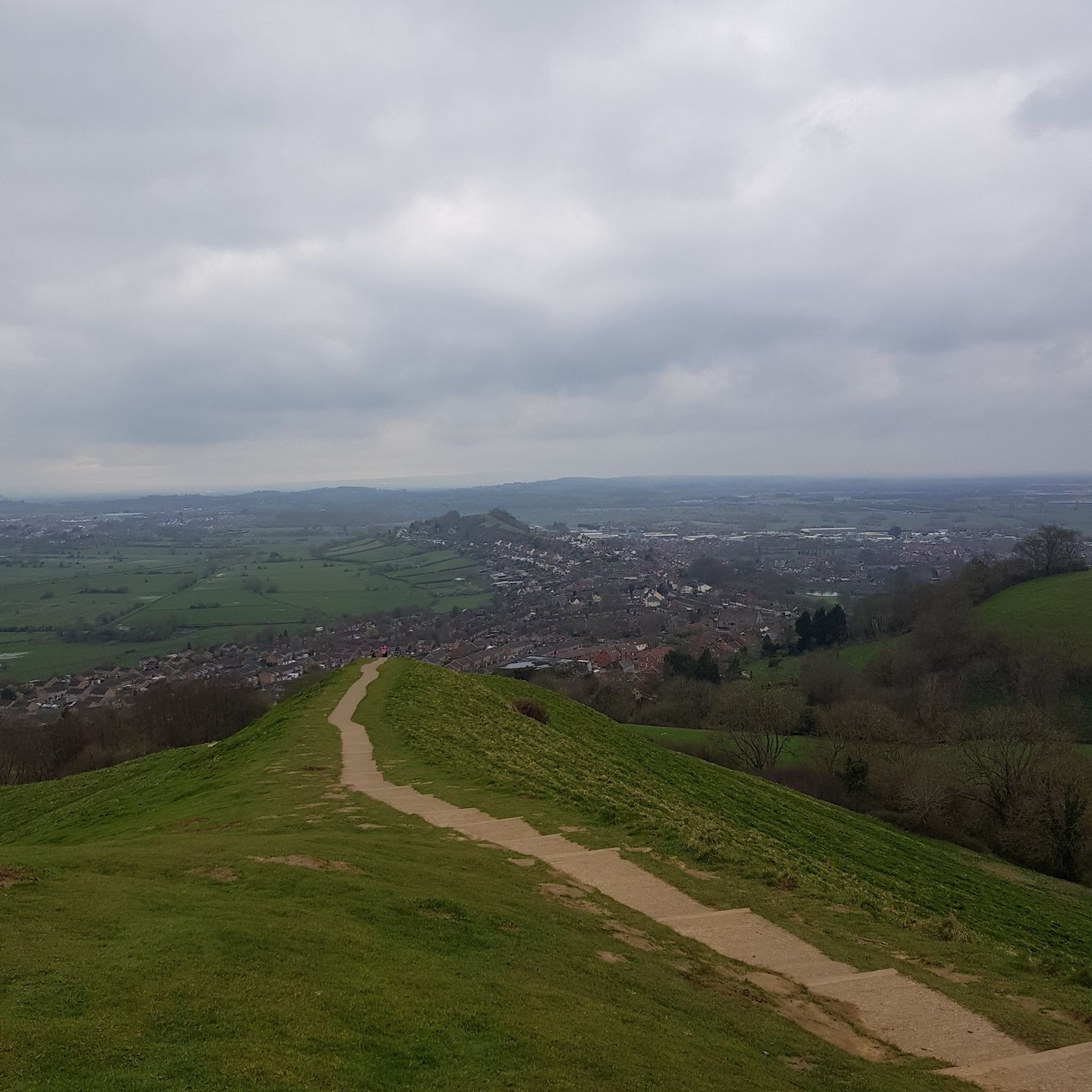
https://youtu.be/pZAoONJz04g The climb up the 301 steps to the famous summit is well worth it for the views.
3
0


Situated just a small walk from Glastonbury Centre, Glastonbury Tor Hill stands at a height of 158 m… The walk to the top is steep, and may require stops, but in general terms is only a small climb. The views are breath taking, on a clear day you can see across to the Bristol Channel. The views are amplified by the low land area which can be seen in every direction.
2
0

A steep climb from either side of the hill, but free access and stunning views from the top.
3
0
The remains of the church that was destroyed during the Dissolution of the Monasteries by Henry VIII
2
0
Frequently Asked Questions
What are the most notable elevated points to visit around Shapwick?
While Shapwick is known for its wetlands rather than prominent mountains, several elevated points offer unique perspectives. Glastonbury Tor is a popular summit with ruins of St Michael's Church and extensive views. Another significant spot is Burrow Mump, featuring a ruined church on its summit, standing out from the flat landscape.
Are there any viewpoints offering panoramic scenery near Shapwick?
Yes, several spots provide excellent views. Lollover Hill Trig Point, at 90 meters high, offers 360-degree views over the Somerset Levels. Nyland Hill provides amazing views towards the Mendip Hills, while Walton Hill, a Site of Special Scientific Interest, also offers excellent views from its 82-meter summit.
What kind of historical or cultural sites can I find on these elevated points?
The region's elevated points often combine natural beauty with rich history. Glastonbury Tor features the ruins of 15th-century St Michael's Church and is steeped in local legend. Similarly, Burrow Mump hosts a Grade I listed ruined church on its summit, with a history dating back to a Norman motte and bailey castle.
What are the best times to visit these elevated points for views or wildlife?
For views, sunrise or sunset can be particularly beautiful, especially at Glastonbury Tor, though it can be windy. For wildlife, the surrounding Somerset Levels, particularly Shapwick Heath National Nature Reserve, are excellent year-round. Winter is famous for spectacular starling murmurations at dusk, while spring and summer offer diverse birdwatching and wildflowers on hills like Nyland Hill.
Are there family-friendly walks or activities around the elevated points near Shapwick?
While some elevated points involve steep climbs, the wider Shapwick area offers accessible paths suitable for families. The nature reserves, such as Shapwick Heath, have networks of boardwalks and trails like the Bittern Trail, which are generally easy for walking and cycling. These allow families to explore the unique wetland habitats and observe wildlife.
What outdoor activities can I do near these elevated points?
Beyond visiting the elevated points themselves, the region offers various outdoor activities. You can explore numerous hiking trails, including easy routes like the Bittern Trail and loops around Ham Wall Nature Reserve. For cycling enthusiasts, there are gravel biking routes ranging from easy to difficult. Running trails are also available, with moderate options around Ham Wall and Henhills Copse. Find more details in the Hiking around Shapwick, Gravel biking around Shapwick, and Running Trails around Shapwick guides.
What natural features characterize the landscape around Shapwick's elevated points?
The area is primarily defined by the low-lying wetlands of the Somerset Levels and Moors. This unique landscape, shaped by historical peat extraction, features a mosaic of lakes, reed beds, fens, and woodlands. The elevated points often rise dramatically from this flat, watery environment, offering contrasting views of the wetland habitats and diverse wildlife.
What do visitors enjoy most about the elevated points and surrounding area?
Visitors frequently appreciate the stunning panoramic views from summits like Glastonbury Tor and Lollover Hill Trig Point. The historical significance of sites like the ruined churches on Glastonbury Tor and Burrow Mump is also a major draw. Many also value the tranquility and opportunities for wildlife observation in the surrounding nature reserves.
Are there any challenging climbs or trails to reach these elevated points?
Some of the elevated points, such as Nyland Hill, involve steep climbs to reach their summits. While not alpine mountains, these ascents can provide a good workout and are generally considered intermediate in difficulty. Comfortable footwear is recommended for all climbs.
Can I combine a visit to an elevated point with a longer walk or cycle?
Absolutely. Many of the elevated points, like Lollover Hill Trig Point, have short trails that can be combined with longer routes, such as those around the Wildlife Trust managed Dundon Hill. The extensive network of paths in the Somerset Levels also allows for combining visits with longer walks or gravel biking tours, as detailed in the Hiking around Shapwick and Gravel biking around Shapwick guides.
What unique wildlife can be observed from or near these elevated points?
The surrounding Shapwick Heath National Nature Reserve is a haven for wildlife. Birdwatchers can spot species like great white egrets, bitterns, and various warblers. Mammals such as water voles and otters also thrive in the wetland habitats. The limestone grasslands on hills like Nyland Hill and Walton Hill are home to diverse wildflowers and butterflies.
Most popular attractions around Shapwick

Get inspired with the komoot mobile app


Explore more
See even more amazing summits around Shapwick with these guides:
