Top 6 Lakes around Lynford
Lakes around Lynford, nestled within Thetford Forest in Norfolk, present a blend of natural beauty and historical significance. The area features Lynford Water, known for its archaeological discoveries including evidence of Neanderthal occupation, and the landscaped lakes within Lynford Arboretum. These locations offer diverse habitats, walking trails, and opportunities for wildlife observation. Visitors can explore varied landscapes and engage in recreational activities.
Best lakes around Lynford
- The most popular lakes is Thompson Water, a lake that is part of…
Last updated: June 14, 2026
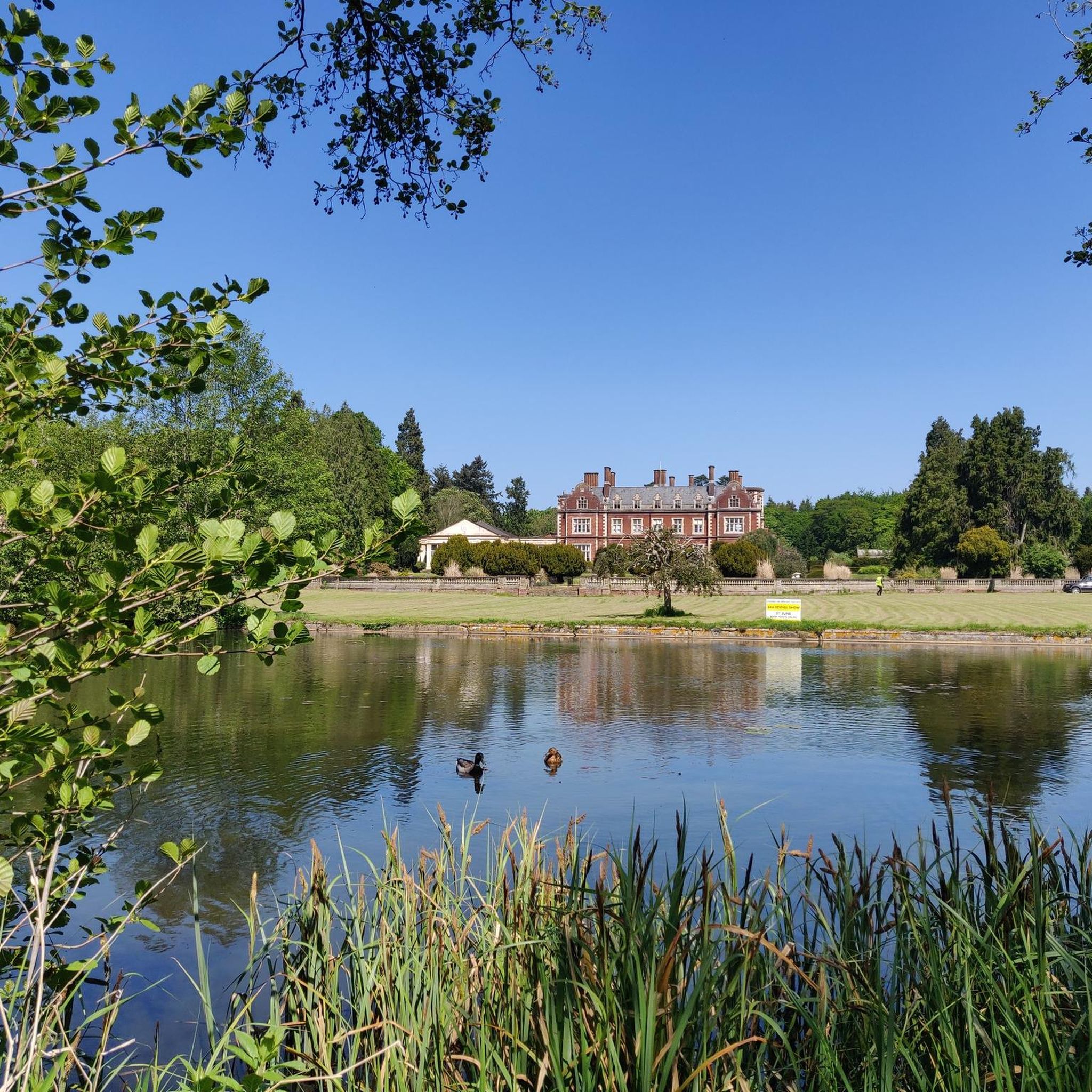
Thompson Water
Highlight • Lake
Tip by

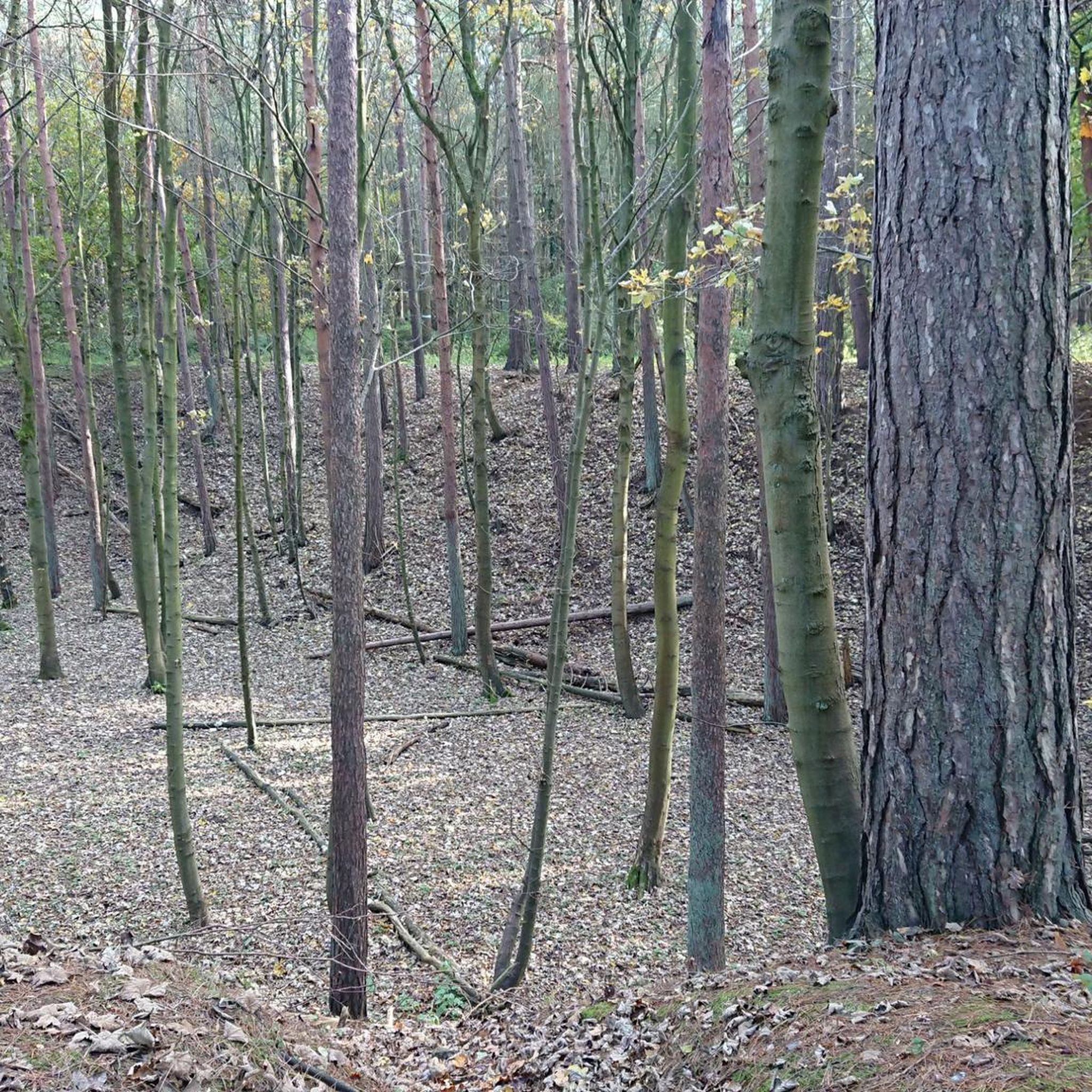
Pingo Pond on the Pingo Trail
Highlight • Natural
Tip by

Sign up now to discover places like this
Get recommendations on the best single tracks, peaks, & plenty of other exciting outdoor places.
Sign up for free
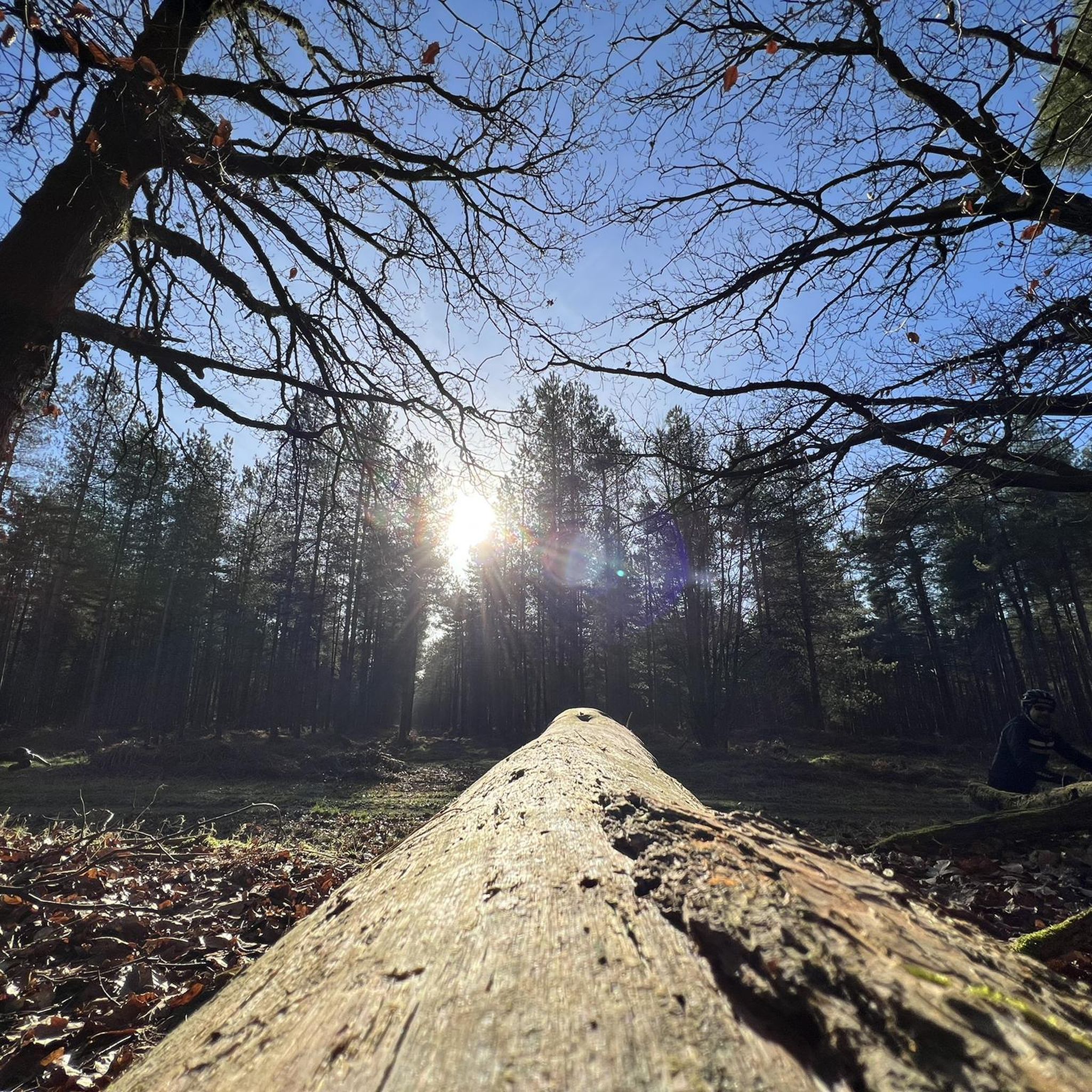
Wellingtonia (Giant Redwood) by the Pond, Brandon Country Park
Highlight • Natural Monument
Tip by

Thompson Common Pingos and Ponds
Highlight • Lake
Tip by
Langmere Lake
Highlight • Natural
Tip by
Sign up for free to discover even more lakes around Lynford.
Sign up for free
Already have an account?
Start today with a free account
Your next adventure awaits.
Login or Signup

Tips from the Community

Take time to go off the trail to the bird hides and vantage points around the water. The route is best in spring before the nettles take over the path in summer!
0
0

The pub in Thomson (The Chequers) on Griston Road is worth a visit...old with lots of character.
0
0
The Sequoia or Giant Redwood would have been planted as one of the specimen trees of the Brandon Hall estate. Edward Bliss made his money selling gun flints during the Napoleonic wars and used it to buy and create Brandon Hall and the surrounding land. Many of the unusual trees planted in what is now Brandon Country Park and the wider Thetford Forest are a legacy of this.
1
1

Not so good spot for lunch, move on and find a better place
0
2
Really nice easy walk good on a warm day with shelter from the forests
1
0

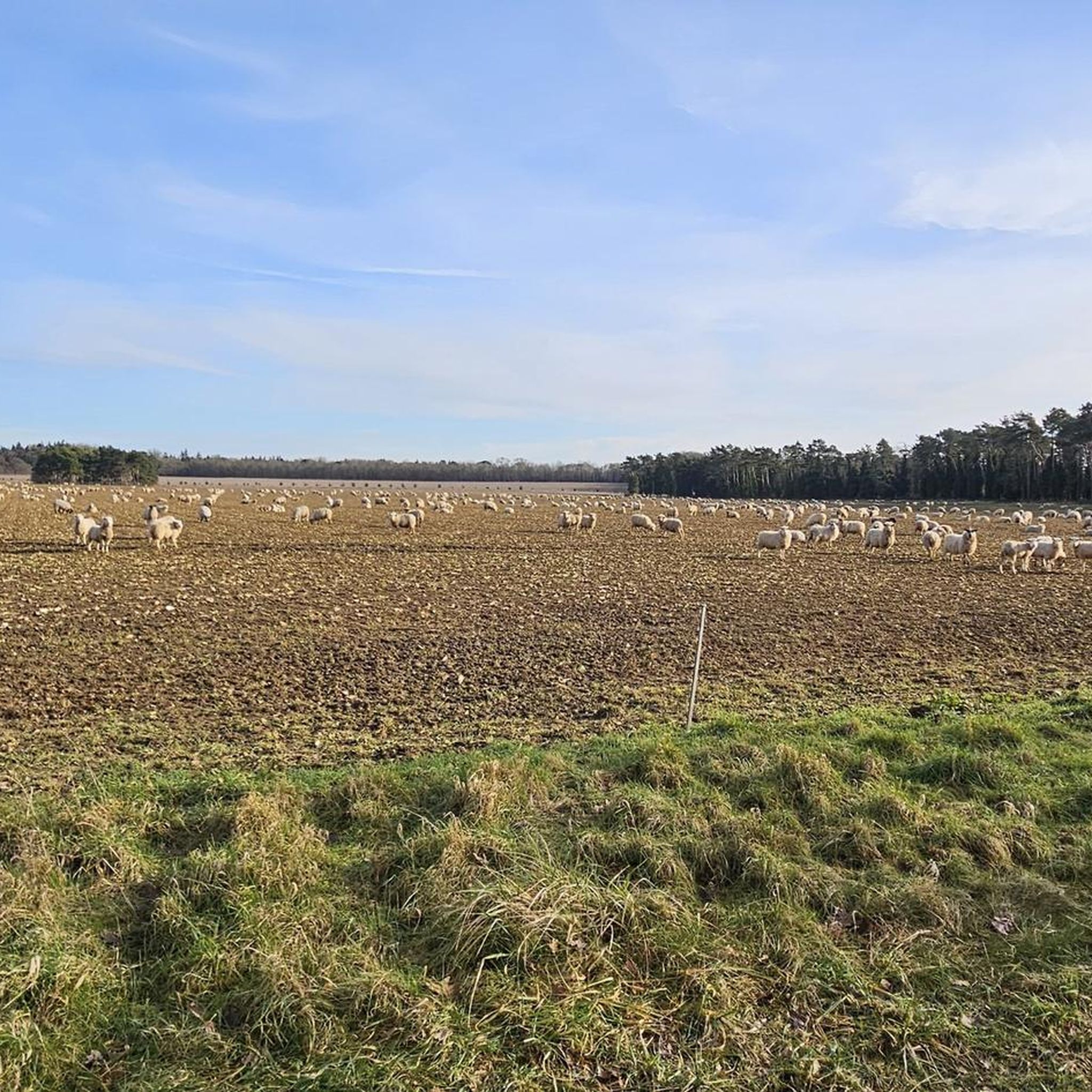
Thompson Water and the common form an SSSI managed by the Norfolk Wildlife Trust. It's a particularly important area for dragonflies and damselflies.
0
0

The Pingo Trail is an 8 mile hike around Thompson Common which takes in the delights of the ice age pools known as pingos. As the ground froze, water underneath froze to create little hills. When the ice melted the earth dropped back down and created the pingos. They are usually found in places such as Greenland and Alaska so it is an interesting and unique place to visit.
1
0
Frequently Asked Questions
What unique natural features can I find around Lynford's lakes?
The area is renowned for its unique 'pingos,' which are post-glacial depressions that form small ponds, particularly visible at Pingo Pond on the Pingo Trail and Thompson Common Pingos and Ponds. These sites, including Thompson Water, are rich in diverse plant and insect species, including numerous dragonflies, damselflies, and even otters.
Are there opportunities for swimming or water activities in Lynford's lakes?
Yes, Lynford Water, located within Thetford Forest, permits swimming. It features two swimmable lakes with multiple sandy entry points. While kayaking and paddleboarding may have restrictions, stand-up paddleboarding opportunities are available through partners.
What historical significance do the lakes around Lynford hold?
Lynford Water is a site of significant historical importance. Archaeological excavations in 2002 uncovered evidence of Neanderthal occupation and the remains of woolly mammoths and rhinos dating back 60,000 years, making it one of Britain's most important Neanderthal sites.
Are there family-friendly walking trails around the lakes?
Yes, both Lynford Water and Lynford Arboretum offer family-friendly walking trails. The Arboretum has various routes, including an Easy Access Trail, and is known for its picnic areas. The wider area also features easy hikes like the 'Lynford Water & Lynford Arboretum loop' and 'Lynford Lakes – Lynford Water loop from Mundford.' You can find more options in the Easy hikes around Lynford guide.
Can I bring my dog to the lakes around Lynford?
Yes, the Lynford Arboretum area, which includes its lakes, is noted as dog-friendly. Visitors are asked to manage their waste responsibly to maintain the natural environment.
What kind of wildlife can I spot near Lynford's lakes?
The lakes and surrounding habitats are home to diverse wildlife. You can spot various bird species, including crossbills, coots, curlews, snipe, and teal. The pingos at Thompson Common are particularly important for dragonflies, damselflies, and otters.
What are the best times of year to visit the lakes for scenic beauty?
The lakes within Lynford Arboretum are particularly picturesque during spring, with an abundance of flowers like daffodils, and in autumn, when the foliage displays vibrant colors. The 'Sequoia Avenue' in the Arboretum is magnificent year-round.
Are there any unique trees or plant life to see?
Yes, Lynford Arboretum is home to the magnificent 'Sequoia Avenue,' a double-rowed avenue of Sequoias planted in the 1800s. You can also find a Wellingtonia (Giant Redwood) by the Pond, Brandon Country Park, which is a legacy of the area's historical landscaping.
What other outdoor activities are available near the lakes?
Beyond walking, the area offers various outdoor activities. You can explore gravel biking routes, with options like the 'Howe's Run Pit MTB Trail' detailed in the Gravel biking around Lynford guide. There are also running trails, such as the 'Forest Picnic Spot loop from Lynford,' which you can find in the Running Trails around Lynford guide.
Is there parking available at Lynford Arboretum and Lynford Water?
Yes, parking is available at both Lynford Arboretum and Lynford Water, though charges may apply. These areas are generally open from dawn to dusk.
What is special about Langmere Lake?
Langmere Lake is known for its fluctuating water levels, which can change by several meters annually in harmony with underground water levels. This unique characteristic makes it an interesting spot for observing various bird species, including coot, curlew, and snipe.
Where can I find more information about Lynford Arboretum?
For more details on Lynford Arboretum, including its trails and features, you can visit the Visit Breckland website.
Most popular attractions around Lynford

Get inspired with the komoot mobile app


Explore more
Still not found your perfect lake around Lynford? Check out the guides of these regions to see even more beautiful places.
