Top 6 Castles around Warwick
Best castles around Warwick offer a journey through over 1,100 years of history, with structures dating back to William the Conqueror. The region is home to 6 castles, ranging from well-preserved medieval fortresses to significant historical ruins. These sites provide insight into Anglo-French architecture, strategic defenses, and the lives of past residents. The area's historical landscape along the River Avon features diverse castle types, each with distinct architectural and historical significance.
Best castles around Warwick
- The most popular castles is…
Last updated: August 7, 2026
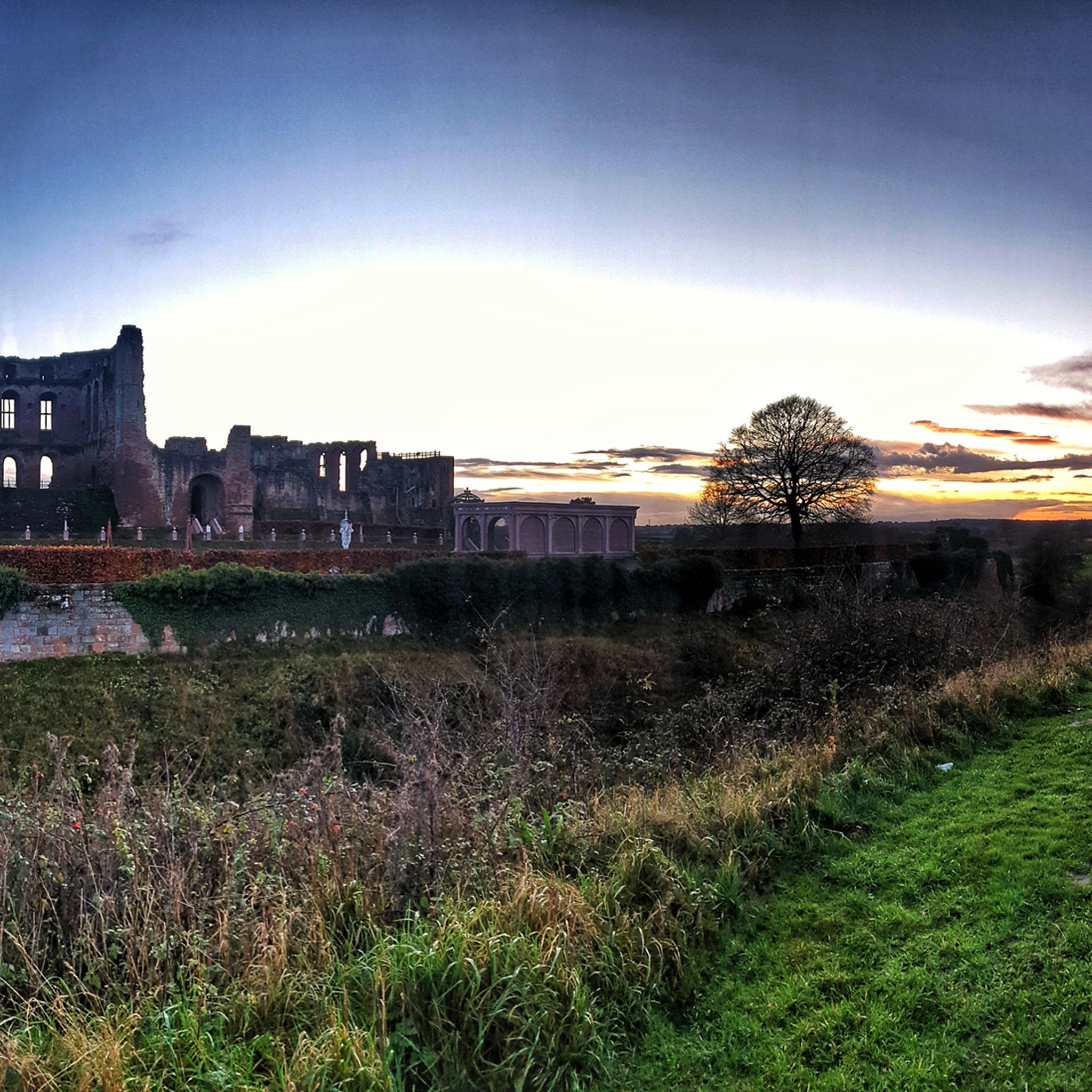
Kenilworth Castle Ruins
Highlight • Castle
Tip by

Baddesley Clinton Manor House and Gardens
Highlight • Settlement
Tip by

Sign up now to discover places like this
Get recommendations on the best single tracks, peaks, & plenty of other exciting outdoor places.
Sign up for free
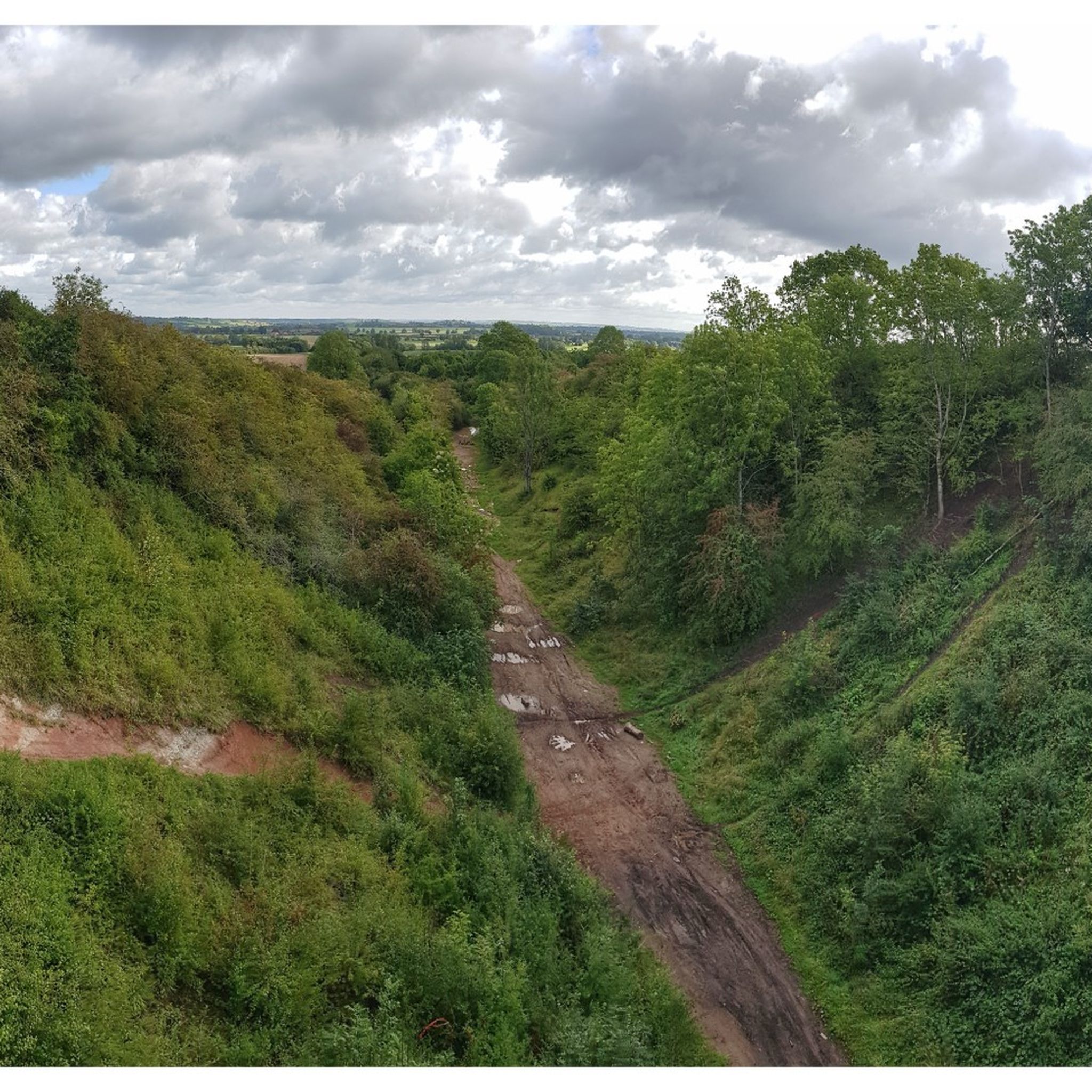
Tiltyard Dam at Kenilworth Castle
Highlight (Segment) • Monument
Tip by

Bagot's Castle
Highlight • Castle
Tip by
View of Warwick Castle
Highlight • Viewpoint
Tip by

Guy's Tower, Warwick Castle
Highlight • Castle
Tip by
Leicester's Gatehouse
Highlight • Historical Site
Tip by
Start today with a free account
Your next adventure awaits.
Login or Signup

Other adventures around Warwick

Tips from the Community

You can run or walk within the castle boundary without actually going into the inner pay-for area, and it's a lovely tree covered path.
0
0


The area surrounding Castle Green offers picturesque views of the castle ruins and a greenery for visitors interested in England's rich history and architecture
0
0

Robert Langham (C16) - "The Castle has the name of Killingwoorth, but if truth grounded upon faithful story, Kenelwoorth [Kenilworth]. It stands in Warwickshire, a 74 mile North-West from London, and as it were in the navel of England, four mile somewhat South from Coventry a proper city, and a like distance from Warwick, a fair Shire town on the North. In air sweet and wholesome, raised on an easy-mounted hill, is set evenly coasted with the front straight into the East, has the tenants and town about it, that pleasantly shifts from dale to hill, sundry wherewith sweet springs burst forth; and is so plentiful and well sorted on every side into arable, meadow, pasture, wood, water, and good air, as it appears to have need of nothing that may pertain to living or pleasure."
1
0
Leicester’s Gatehouse, built by Robert Dudley on the north side of the base court, provided a grand new entrance to the castle, and gave access via a long bridge to the hunting ground created by Dudley north of the mere. After the Civil War, the building was converted into a residence, using stonework and interiors from elsewhere in the castle. Currently, the building houses an exhibition, which focuses mainly on Dudley and Queen Elizabeth.
0
0
The dam was probably constructed in three phases; initially circa 1125, then subsequently raised by King John and lastly the western lane and bridge possibly 17th century. It is not known when the castle’s great defensive lake, created by the dam, was first called a Mere nor when the breach, shown here being repaired in 1964, was first called Hawkesworth’s Gap. At the end of the Civil War in 1649, Cromwell’s Parliamentarians were determined to ensure that the former Royalist strongholds would never again provide a safe haven for those who opposed the new republican parliament’s powers. So, Colonel Joseph Hawkesworth, MP was appointed to ‘slight’ or damage the castle beyond repair and it is said he breached the Tiltyard to drain the mere as part of the slighting.
0
0

Visited to see Dragonslayer show fantastic castle and grounds
0
0

Frequently Asked Questions
Which castles around Warwick are best for families?
Many castles in the Warwick area offer family-friendly experiences. Kenilworth Castle and Baddesley Clinton Manor House and Gardens are both listed as family-friendly. Warwick Castle itself is renowned for its interactive historical experiences, including dazzling shows, birds of prey displays, and live jousting, making it highly suitable for families.
Are there hiking trails near the castles around Warwick?
Yes, there are several hiking opportunities near the castles. For instance, you can find a moderate 11 km loop around Kenilworth Castle via the Millennium Way. There's also an easy 4.8 km loop on Shakespeare's Avon Way near Warwick. You can explore more options on the Hiking around Warwick guide.
What kind of outdoor activities can I do near the castles in Warwick?
Beyond exploring the castles, the region offers various outdoor activities. You can find numerous road cycling routes, such as the moderate 58 km 'Welford-on-Avon Maypole' loop from Warwick. Gravel biking is also popular, with routes like the easy 26 km 'View of the River Avon' loop from Leamington Spa. For more details, check the Road Cycling Routes around Warwick and Gravel biking around Warwick guides.
What is the best time of year to visit the castles in the Warwick area?
The spring and summer months (roughly April to September) are generally ideal for visiting the castles around Warwick. During this time, the weather is more favorable for exploring the extensive grounds and gardens, and many castles, like Warwick Castle, host outdoor events and shows. The Elizabethan Garden at Kenilworth Castle is particularly beautiful in warmer months.
What are the historical differences between Warwick Castle and Kenilworth Castle?
Warwick Castle, originally commissioned by William the Conqueror in 1068, is known as one of England's best-preserved medieval castles, offering a largely intact experience of its 1,100-year history. Kenilworth Castle, founded by Geoffrey de Clinton, was once a formidable medieval fortress that rivalled Warwick in importance. While Warwick Castle showcases grandeur and preservation, Kenilworth is largely in ruins due to Parliamentarian actions in 1649, offering a more evocative glimpse into its past glory and the impact of historical conflicts.
Are there any lesser-known or 'hidden gem' castles near Warwick?
While Warwick Castle and Kenilworth Castle are prominent, Bagot's Castle in Baginton offers a different experience. This 14th-century castle now stands in ruins, but its remains have been conserved, and the site includes an education visitor center and woodland walks. It provides a quieter, more reflective historical visit compared to the larger, more commercial sites.
Can I bring my dog on walks near Warwick's castles?
Many public footpaths and trails in the Warwickshire countryside are dog-friendly, provided dogs are kept on a lead, especially near livestock. While specific castle grounds may have restrictions, you can often find dog-friendly walks in the surrounding areas. For example, the Hiking around Warwick guide lists various routes, some of which may be suitable for dogs.
What unique architectural features can I see at the castles around Warwick?
The castles boast diverse architectural styles. Warwick Castle features impressive structures like Guy's Tower, a 12-sided tower with machicolations, and Caesar's Tower, a rare example of 14th-century Anglo-French quatrefoil architecture. Kenilworth Castle is notable for its 12th-century Norman keep and Leicester's Gatehouse, a grand entrance built by Robert Dudley.
Are there any natural features or gardens to explore at these castles?
Yes, several castles integrate natural beauty into their grounds. Warwick Castle is set within 64 acres of beautiful grounds along the River Avon. Kenilworth Castle features a recreated Elizabethan Garden, originally designed for Queen Elizabeth I. Additionally, Baddesley Clinton Manor House is surrounded by extensive gardens within the Forest of Arden.
How long should I plan for a visit to the castles around Warwick?
For a comprehensive visit to a major site like Warwick Castle, you should plan for a full day (5-7 hours) to experience the shows, towers, state rooms, and grounds. Kenilworth Castle, while in ruins, can also take several hours to explore thoroughly, especially if you include the Elizabethan Garden. Smaller sites like Bagot's Castle might require 1-2 hours.
What do visitors enjoy most about the castles around Warwick?
Visitors frequently praise the immersive historical experiences, particularly at Warwick Castle, with its live shows, jousting, and the impressive trebuchet. The historical significance and architectural grandeur of sites like Kenilworth Castle are also highly appreciated. The beautiful grounds and gardens, such as those at Baddesley Clinton, also receive positive feedback.
Are there any unique historical structures related to water defense near the castles?
Yes, Tiltyard Dam at Kenilworth Castle is a significant example. This man-made monument was part of the castle's great defensive lake, known as a Mere, and was constructed in multiple phases starting around 1125. It played a crucial role in the castle's defenses and was famously breached by Parliamentarians in 1649.
Most popular routes around Warwick
Most popular attractions around Warwick

Get inspired with the komoot mobile app


Didn’t find what you were looking for?
Explore Warwick’s best castles region by region:
