Top 4 Castles around Horsham
Best castles around Horsham are situated within a region known for its historical significance and diverse natural landscapes. The area surrounding Horsham features several historically important castles, ranging from grand restored medieval structures to evocative Norman ruins. These sites offer insights into centuries of English history and are often set within picturesque grounds or alongside significant natural areas. The region provides a blend of historical exploration and outdoor activity.
Best castles around Horsham
- The most popular castles is Bramber Castle…
Last updated: June 28, 2026
Bramber Castle Ruins
Highlight • Historical Site
Tip by

Knepp Castle Ruins
Highlight • Castle
Tip by

Sign up now to discover places like this
Get recommendations on the best single tracks, peaks, & plenty of other exciting outdoor places.
Sign up for free
Bax Castle Pub
Highlight • Pub
Tip by

Amberley Castle
Highlight • Castle
The castle was erected as a 12th-century manor house and fortified in 1377, giving it a rhomboid …
Tip by

Start today with a free account
Your next adventure awaits.
Login or Signup
Popular around Horsham
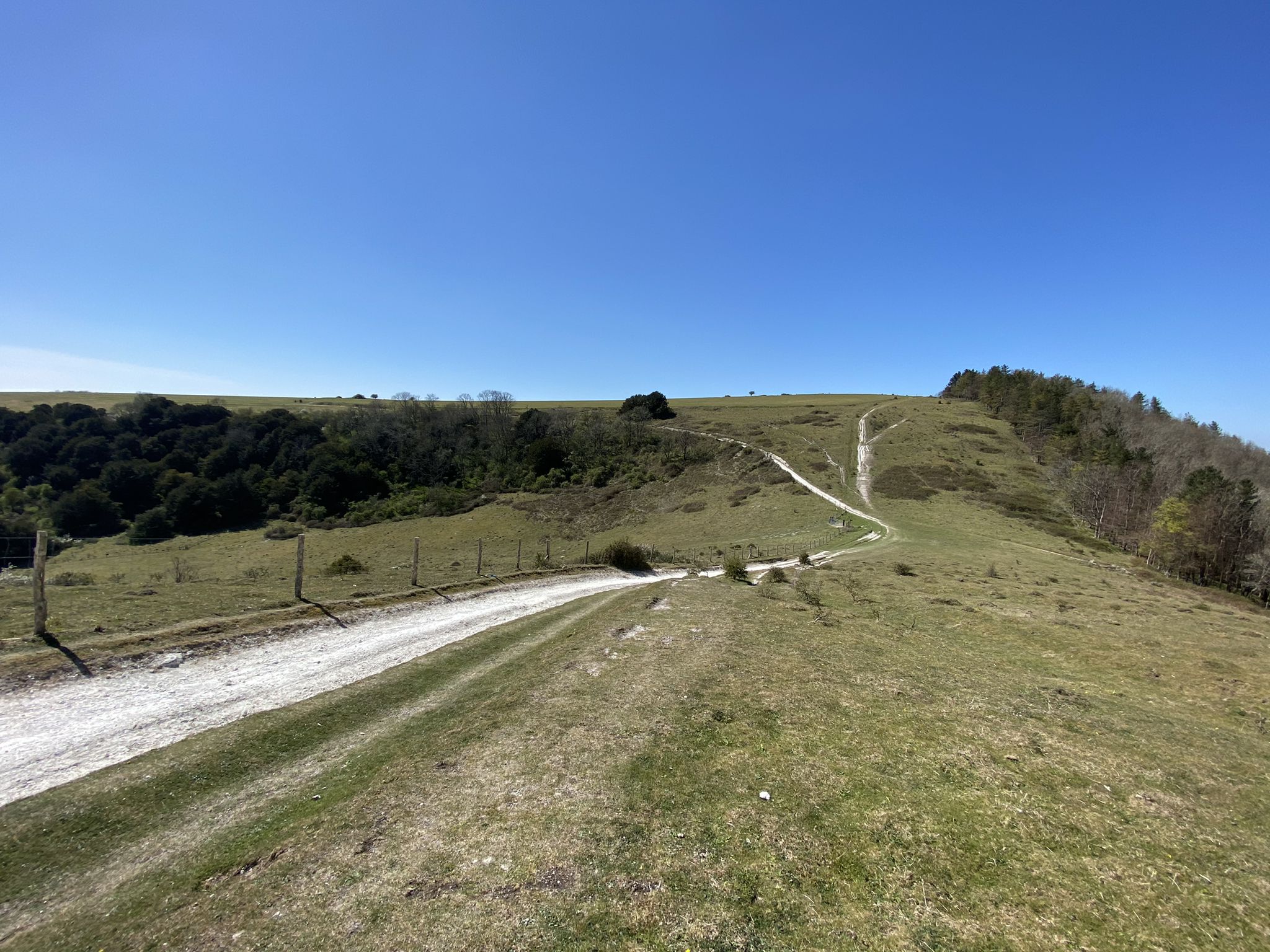
South Downs Way – a 100-mile run across the national park
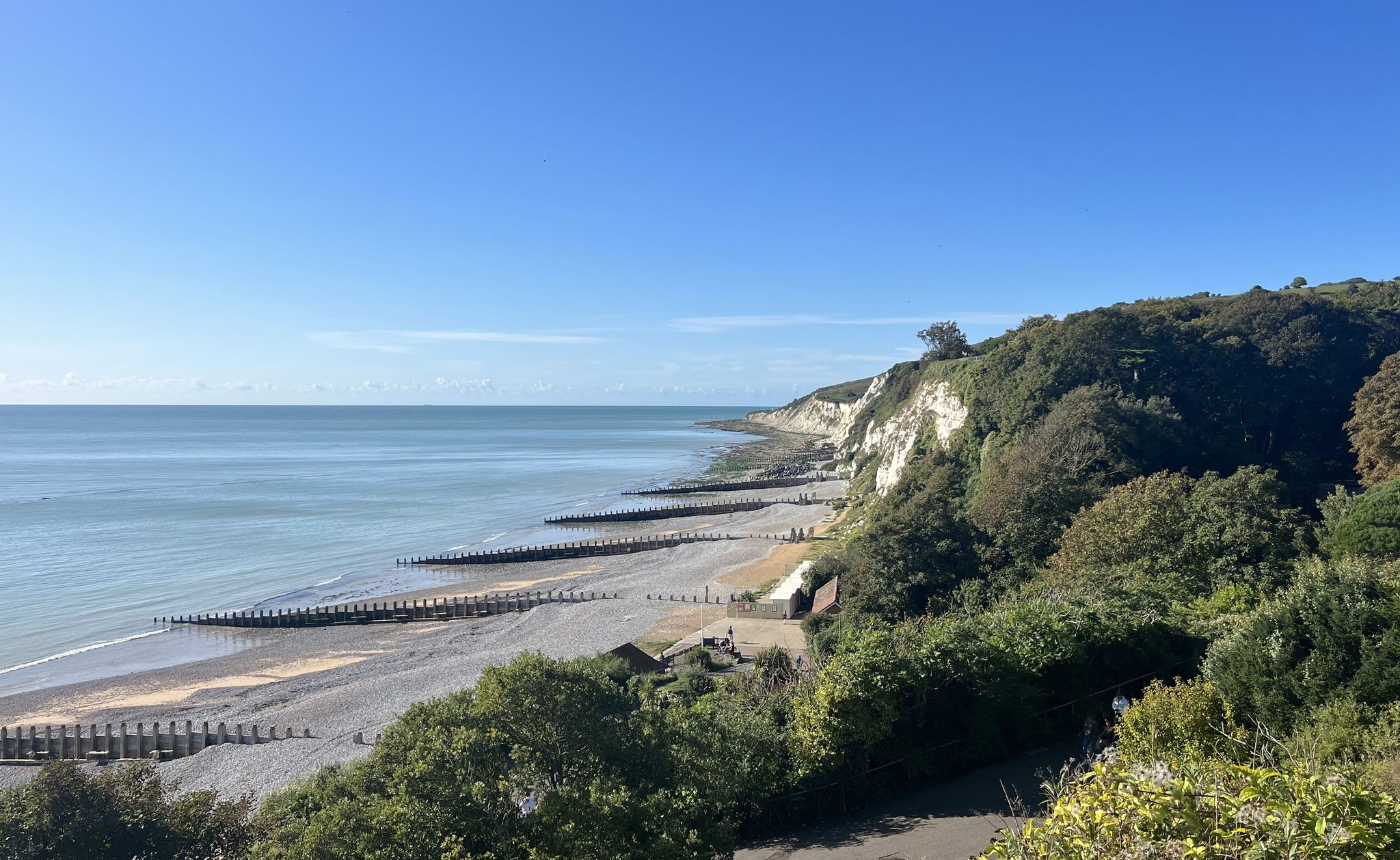
South Downs National Park – A Walk in the Parks
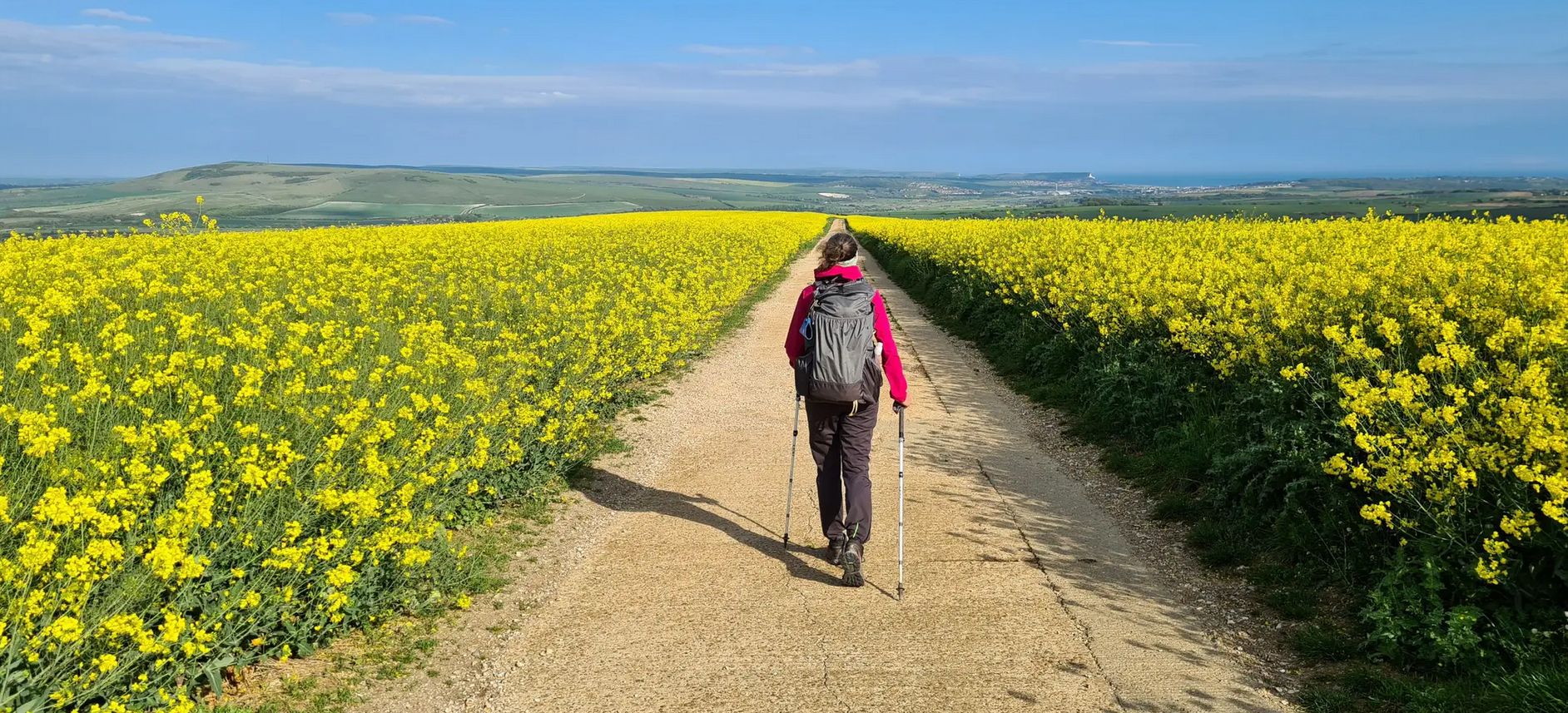
South Downs Way – A captivating hike across Southern England
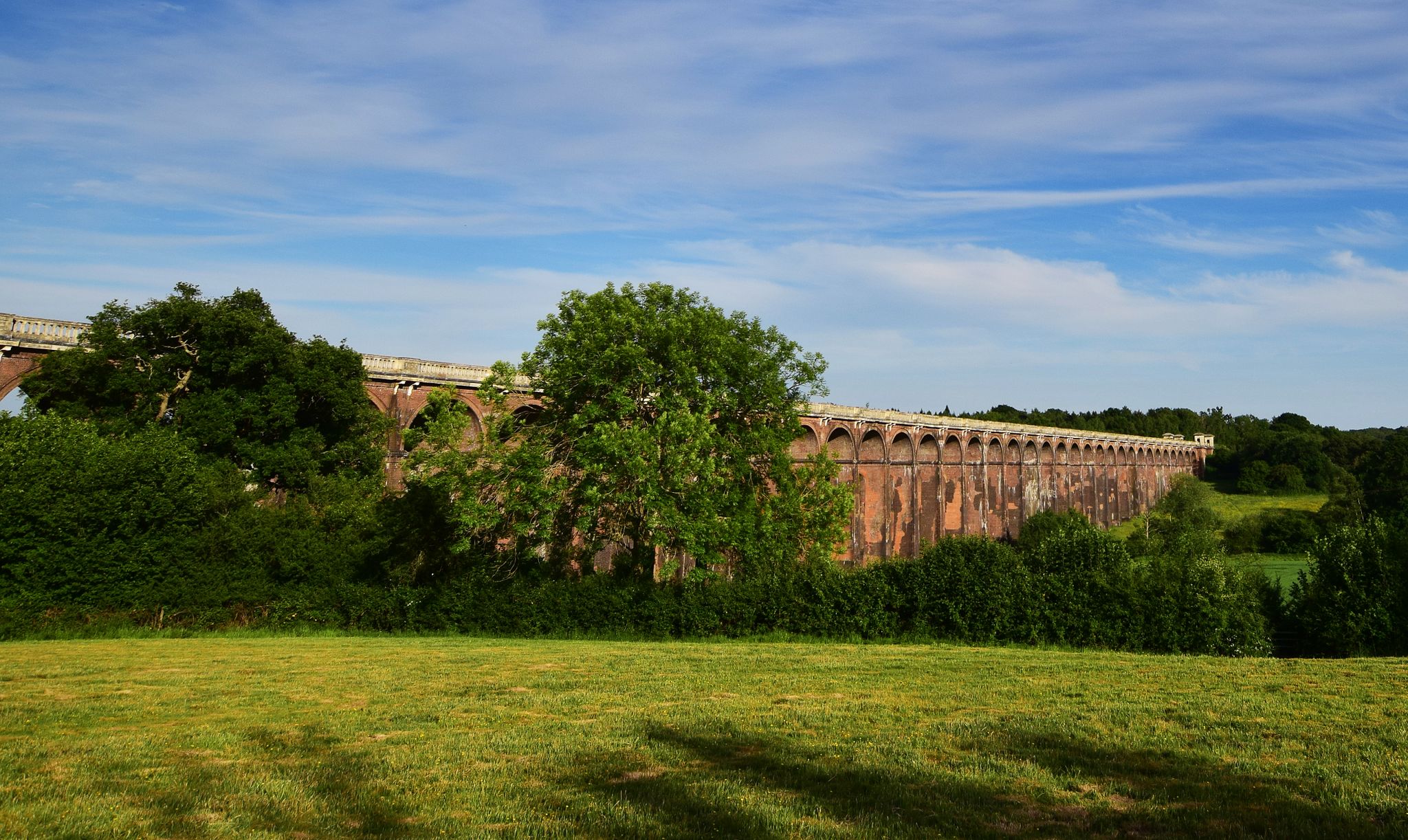
Sussex Ouse Valley Way — From the High Weald to the South Downs
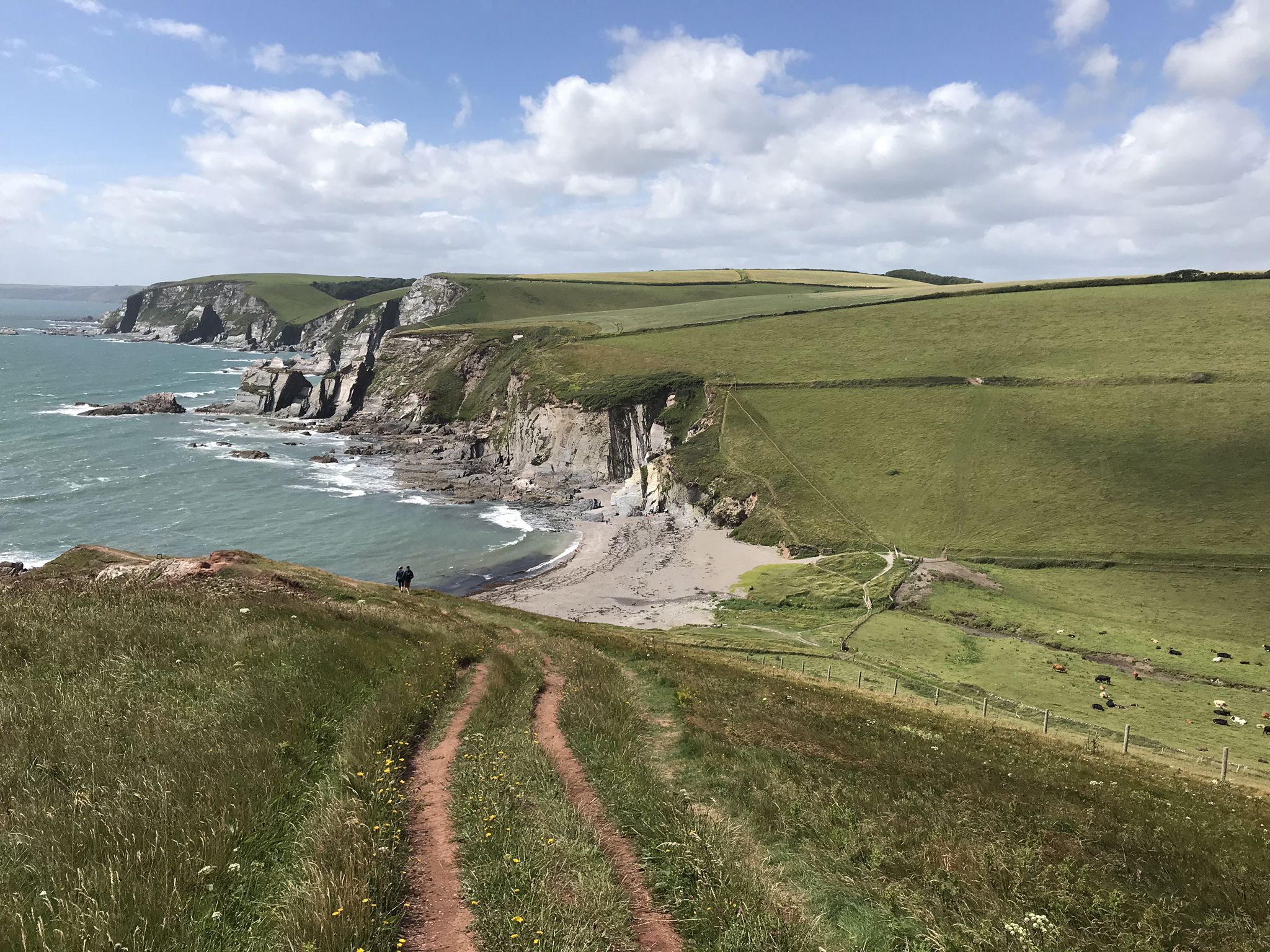
E9 Plymouth to Dover — An epic exploration of England's south coast
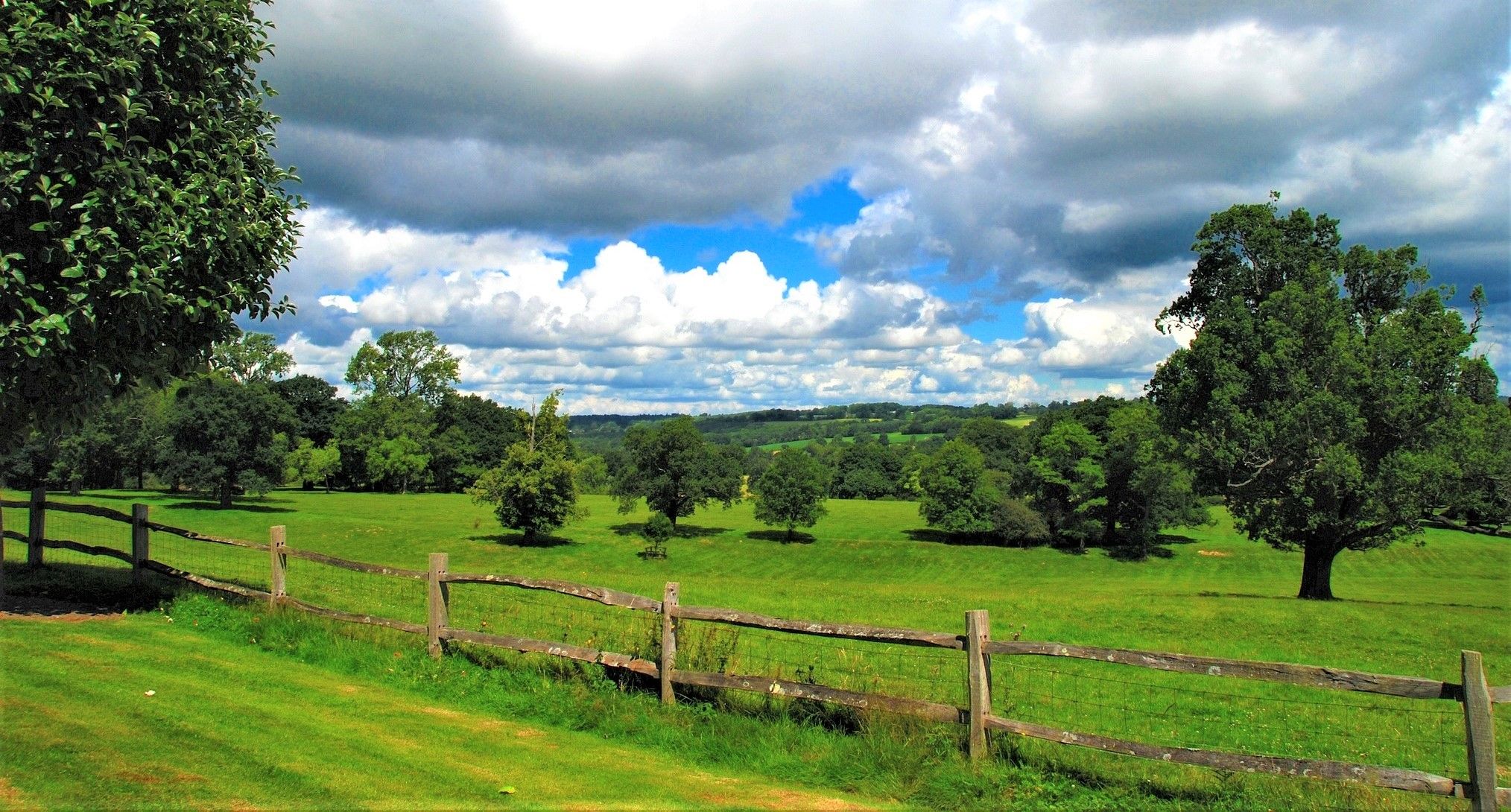
High Weald Landscape Trail — Hike the medieval heart of the South East
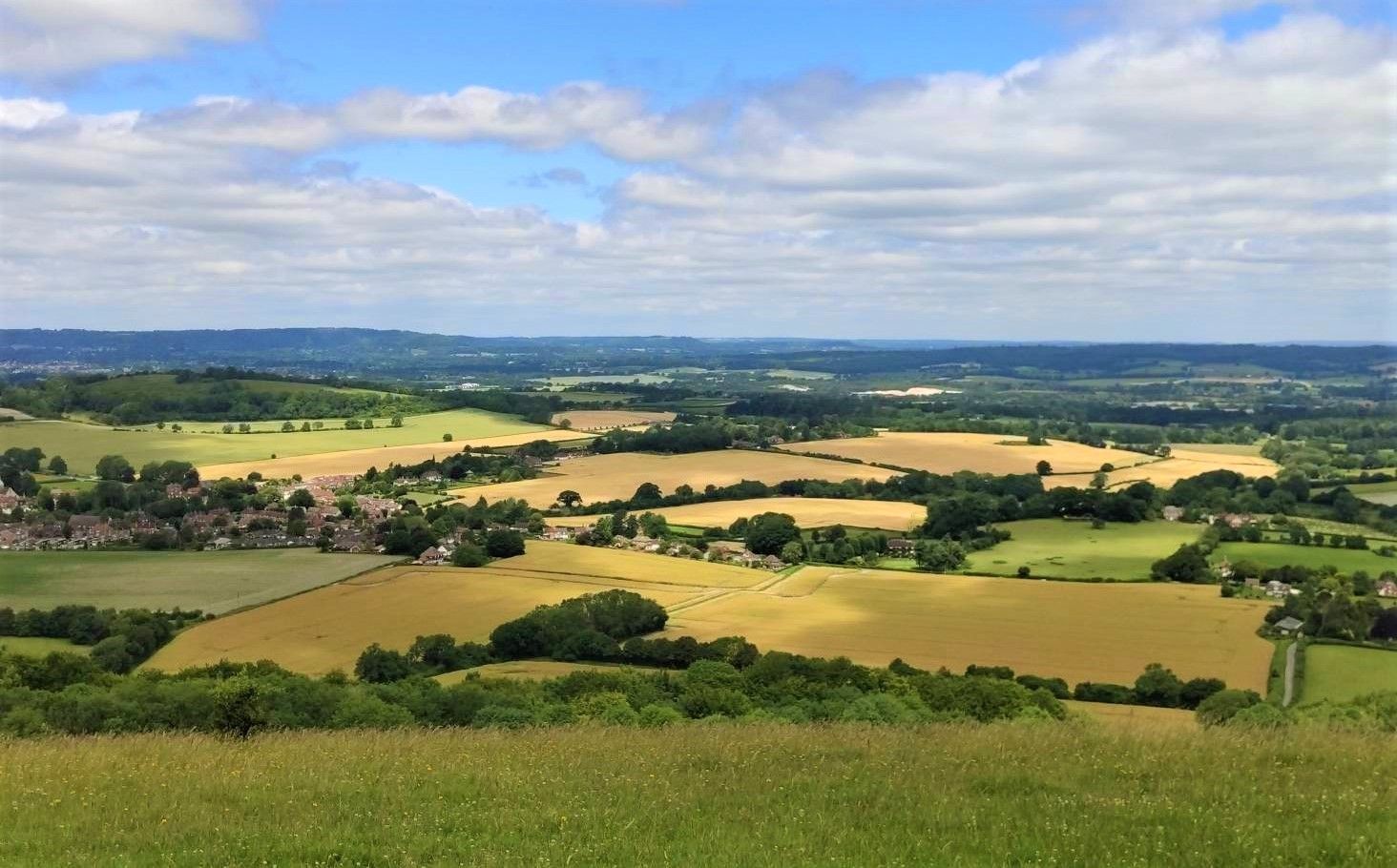
Sussex Border Path — A historic hike through medieval landscapes
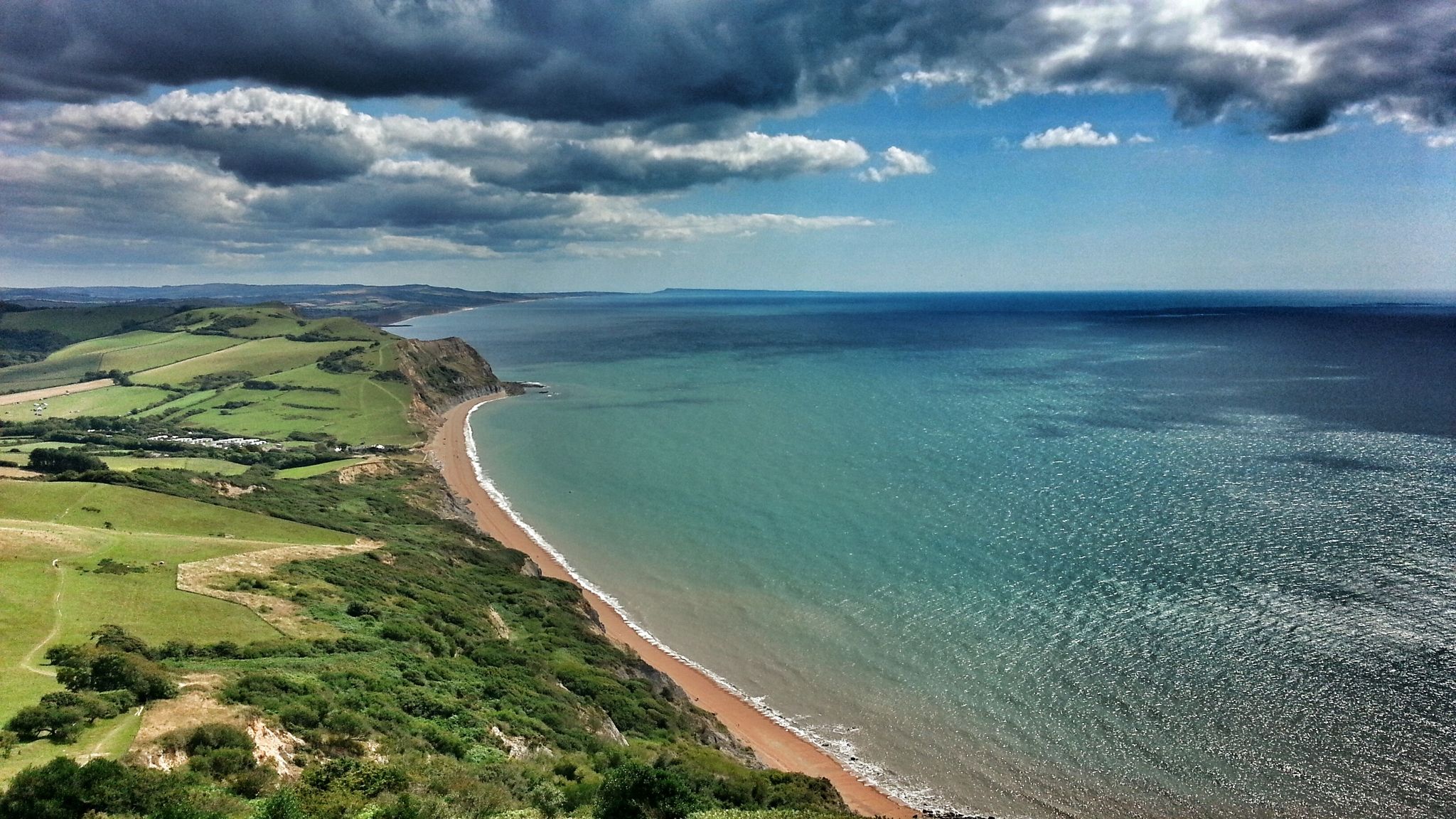
Monarch's Way: Part 3 — Conquer the longest inland trail in England
Downs Link — Step back in time on ancient and beautiful hike
South Downs Way — Hike ancient paths and unique landscapes
Other adventures around Horsham


Tips from the Community

Amberley Castle stands in the village of Amberley, West Sussex (grid reference TQ027132). The castle was erected as a 12th-century manor house and fortified in 1377, giving it a rhomboid shaped stonework enclosure with high curtain walls, internal towers in each corner, a hall and a gateway. It was used as a fortress by the bishops of Chichester. The walls, gateway and two of the towers remain as a Grade I listed building and are now in use as a privately owned hotel and restaurant.
0
0

The remains of this Norman castle are perched on a high natural knoll overlooking the River Adur, defending a gap in the South Downs. Built soon after the Norman Conquest to help protect William I’s newly won territories, the castle was the Sussex seat of the de Braose family.
0
0


This pub can be accessed from the main road or from the Downs Link bridleway. There’s a good pizza menu for anyone looking to refuel.
0
0

Bramber Castle is a Norman motte-and-bailey castle that was founded by William de Braose as a defensive and administrative centre for Bramber, one of the six regions into which Sussex was divided after the Norman Conquest. It is located in the village of Bramber, West Sussex, near the town of Steyning, overlooking the River Adur. It was held by the de Braose family until the 14th century, and then by the Mowbray family until 1450. It was confiscated by King John in the early 13th century, who also imprisoned and starved Lady de Braose and her two sons for defying him. The castle suffered from subsidence and decay in the 16th century, and its stones were used for building roads. It may have been occupied briefly by Parliamentarian forces during the Civil War. The most visible feature of the castle today is the gatehouse tower, which still stands to almost its full height. Beyond it are the foundations of the living quarters, a kitchen and a guardhouse. The original castle was centred on a high knoll, on which was built a motte (a mound) that probably held a wooden structure. The motte was later abandoned in favour of a three-storey stone keep, of which only one wall still stands. The castle was surrounded by an outer ditch and an outer bank, and a stone wall around the top of the knoll.
3
0

Free to enter the ruins. You have to pay to park (£2 in 2022). Car park is small and surface is a bit uneven. There are steps to climb to reach the plateau with the remains of the castle in it.
0
0

Nice ruined castle, with some remaining standing sections including the keep tower. Has a long history dating back to the time of the Conquest. Bramber Castle was founded by William de Braose as a defensive and administrative centre for Bramber, one of the six administrative regions – each of which was controlled by a castle – into which Sussex was divided following the Norman Conquest. It was held almost continually by de Braose and his descendants from its foundation by 1073 until 1450. One of these descendants, another William de Braose, was among those barons suspected of disloyalty to King John in the early 13th century. The king demanded William’s two sons as hostages. Lady de Braose refused, saying she would not trust her sons to a man who had already murdered his own nephew. The castle was confiscated by the king and the family captured. Lady de Braose and her two sons died of starvation while imprisoned at Windsor Castle. King John held Bramber Castle only briefly but is known to have carried out repairs to the buildings. Later the castle passed back to the de Braose family, who held it until the 14th century, and then to the Mowbray family. Subsidence on a large scale led to the ruin of the castle during the 16th century. Its masonry was later used for building roads in the area, and it may have been occupied briefly by Parliamentarian forces during the Civil War. https://www.english-heritage.org.uk/visit/places/bramber-castle/history/
1
0
Frequently Asked Questions
Which castles near Horsham offer a glimpse into ancient history and ruins?
For a deep dive into Norman history and evocative ruins, visit Bramber Castle Ruins. Built in 1070, it was a significant defensive and administrative center. While much of the stone was repurposed, the gatehouse tower still stands impressively. You can also explore the foundations of its living quarters and guardhouse. Another historically significant site is Knepp Castle Ruins, a 12th-century motte castle with royal connections, now part of a pioneering rewilding project.
Are there family-friendly castles to visit near Horsham?
Yes, Bramber Castle Ruins is categorized as family-friendly and offers a great spot for a picnic and exploring the historic grounds. The nearby village of Bramber Castle and High Street is also picturesque. Additionally, Arundel Castle, though not directly in the guide, is known for its seasonal events and re-enactments, which are very popular with families.
Are there walking or running trails near the castles around Horsham?
Absolutely. The area around Horsham offers numerous routes. For instance, you can find a moderate hike around Knepp Castle Ruins with the 'Knepp Castle, Knepp Wildland & Shipley Windmill loop from Dial Post' route. If you're looking for running, the 'Arundel Castle and Hiorns Tower loop from Amberley' offers a challenging run near Amberley. You can explore more options in the Hiking around Horsham and Running Trails around Horsham guides.
What is the best time of year to visit the castles near Horsham?
Spring and summer are generally ideal for visiting castles near Horsham, as the weather is pleasant for exploring ruins and gardens. Arundel Castle, for example, hosts many events and opens its extensive gardens during these seasons. However, some sites like Bramber Castle Ruins are open during daylight hours year-round, offering a quieter, atmospheric experience in the cooler months.
Can I find castles near Horsham with good viewpoints?
Yes, Bramber Castle Ruins offers commanding views across the River Adur and the surrounding countryside from its prominent gatehouse tower. The adjacent village of Bramber Castle and High Street also provides picturesque views, particularly from the bridge.
Are there unique castle experiences or accommodations near Horsham?
Yes, Amberley Castle stands out as a unique experience. Originally a 12th-century manor house, it was fortified in 1377 and now operates as an award-winning country house hotel. Staying there offers a chance to live within a historic castle, complete with original features and surrounded by 60-foot curtain walls and landscaped gardens. You can find more details about its history on Wikipedia.
How can I reach the castles near Horsham by public transport or car?
While Horsham itself is well-connected, reaching some of the surrounding castles often requires a combination of public transport and local travel, or a car. For example, Arundel Castle is accessible by train to Arundel station, followed by a walk. Bramber Castle is near Steyning, which has bus connections. Bax Castle Pub, near Knepp, is accessible from the Downs Link bridleway, suggesting cycling or walking routes. For specific public transport details, it's best to check local bus and train schedules for each castle's nearest town.
Are any of the castles near Horsham dog-friendly?
Many outdoor castle ruins and grounds, like Bramber Castle Ruins and Knepp Castle Ruins, are generally dog-friendly, especially if dogs are kept on a lead. However, access to interior spaces or specific gardens may be restricted. Always check the individual castle's website for their most current dog policy before visiting.
How much time should I allocate for visiting the castles near Horsham?
The time needed varies significantly by castle. For ruins like Bramber Castle Ruins or Knepp Castle Ruins, you might spend 1-2 hours exploring the site and enjoying the views, especially if combined with a picnic or a short walk. Larger, fully restored castles like Arundel Castle can easily take half a day or more to explore thoroughly, including the interiors and gardens. If you're visiting Amberley Castle as a hotel guest, your experience will naturally extend over a longer period.
What do visitors enjoy most about the castles near Horsham?
Visitors particularly appreciate the historical significance and the picturesque settings of these castles. For Bramber Castle Ruins, the well-preserved gatehouse tower and its commanding views are highlights, often described as a great picnic spot. The village of Bramber Castle and High Street is noted for its scenic beauty. The unique experience of staying in a historic setting at Amberley Castle is also highly valued.
Most popular routes around Horsham
Most popular attractions around Horsham

Get inspired with the komoot mobile app


Didn’t find what you were looking for?
Explore Horsham’s best castles region by region:
Explore more
Looking for the best castles somewhere else? Discover other guides around Horsham:
