Top 4 Castles around South Somerset
Best castles around South Somerset offer a journey through diverse historical periods, from ancient hillforts to medieval strongholds and grand Elizabethan estates. The region features varied landscapes, including the Somerset Levels and rolling hills, providing scenic backdrops for these historical sites. South Somerset's rich history is reflected in its impressive fortifications and historic buildings, showcasing centuries of architectural evolution and cultural significance. These sites provide insight into the area's past, from Iron Age settlements to Norman conquests and later periods.
…Last updated: October 14, 2026
Castle Neroche Iron Age Hill Fort
Highlight • Castle
Tip by

Forde Abbey and Gardens
Highlight • Monument
Tip by

Sign up now to discover places like this
Get recommendations on the best single tracks, peaks, & plenty of other exciting outdoor places.
Barrington Court
Highlight • Monument
Tip by

Compton Castle and St. Mary's Church, Compton Pauncefoot
Highlight • Castle
Tip by

Start today with a free account
Your next adventure awaits.
Popular around South Somerset
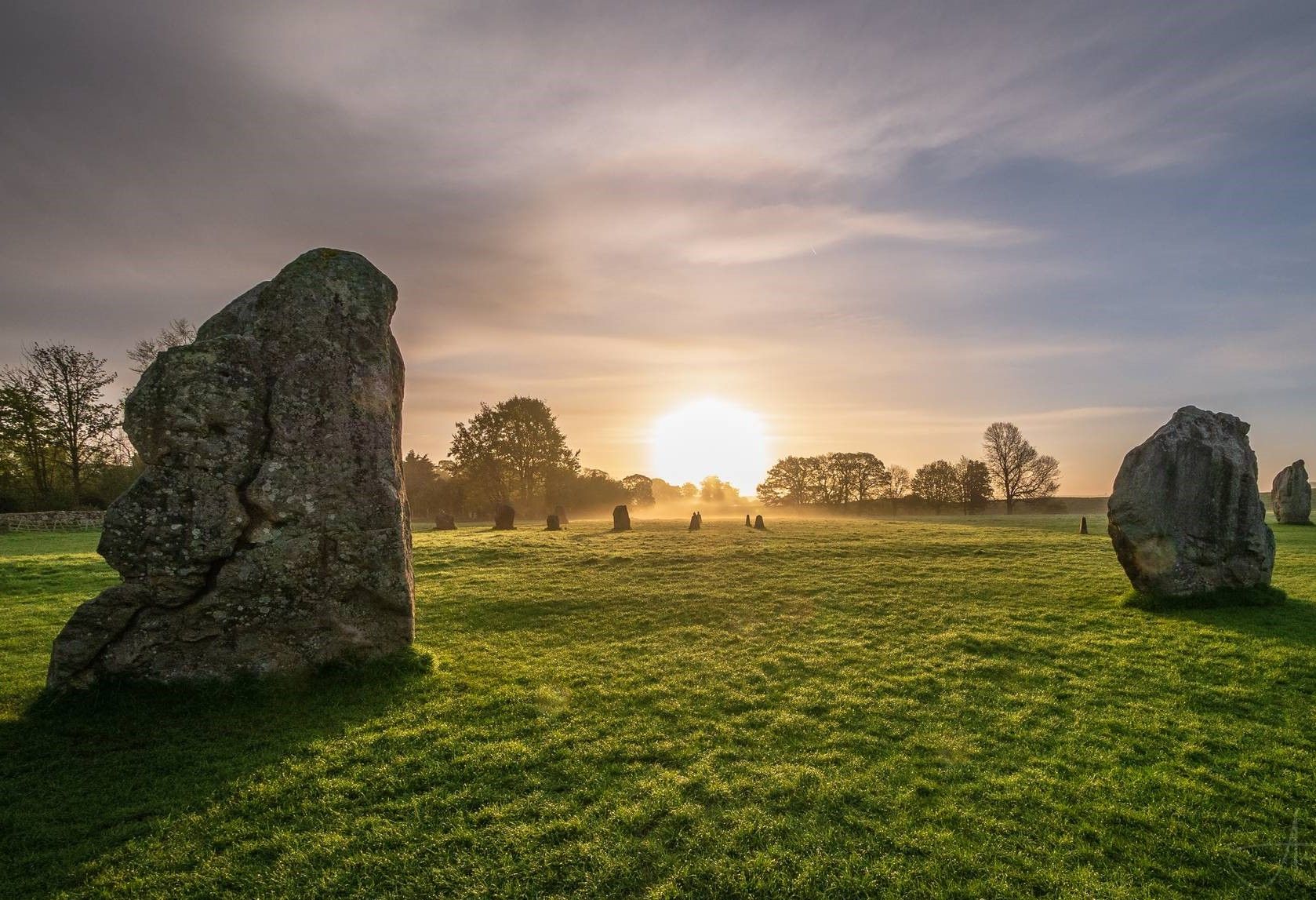
Celtic Way — An epic pilgrimage through prehistory and wild beauty
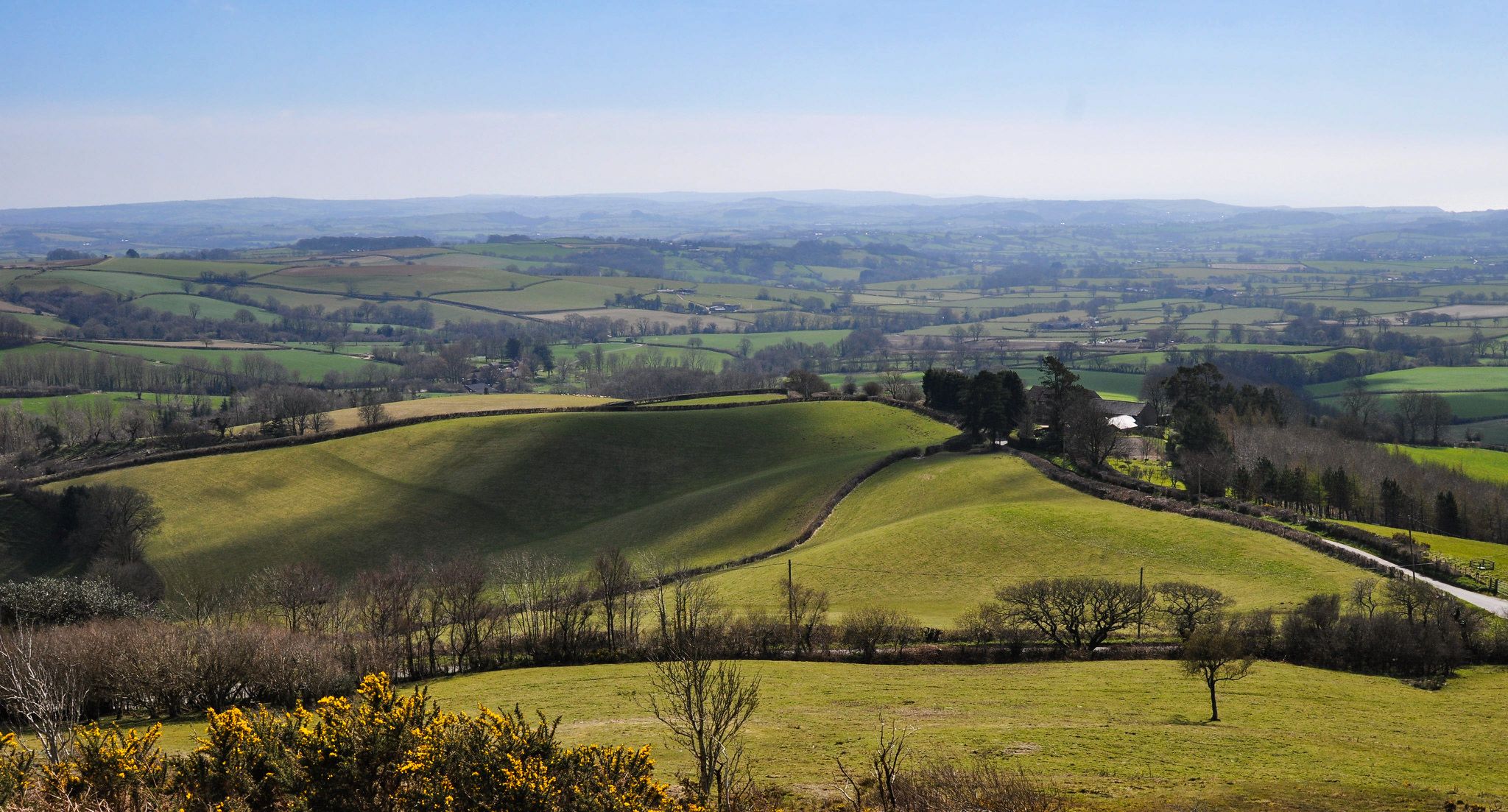
Hiking the Orange Way — Southern England in the footsteps of a king
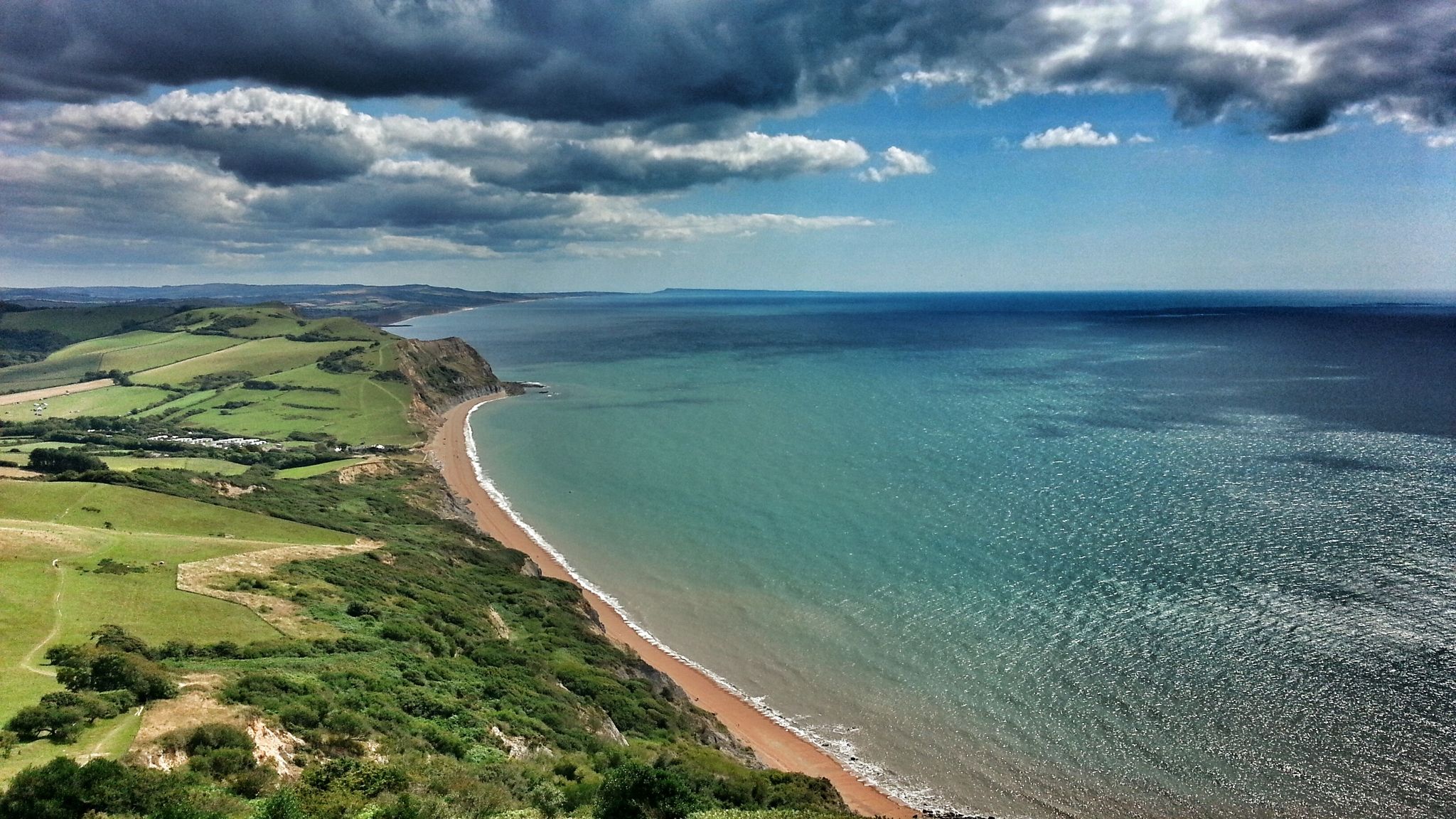
Monarch's Way: Part 3 — Conquer the longest inland trail in England
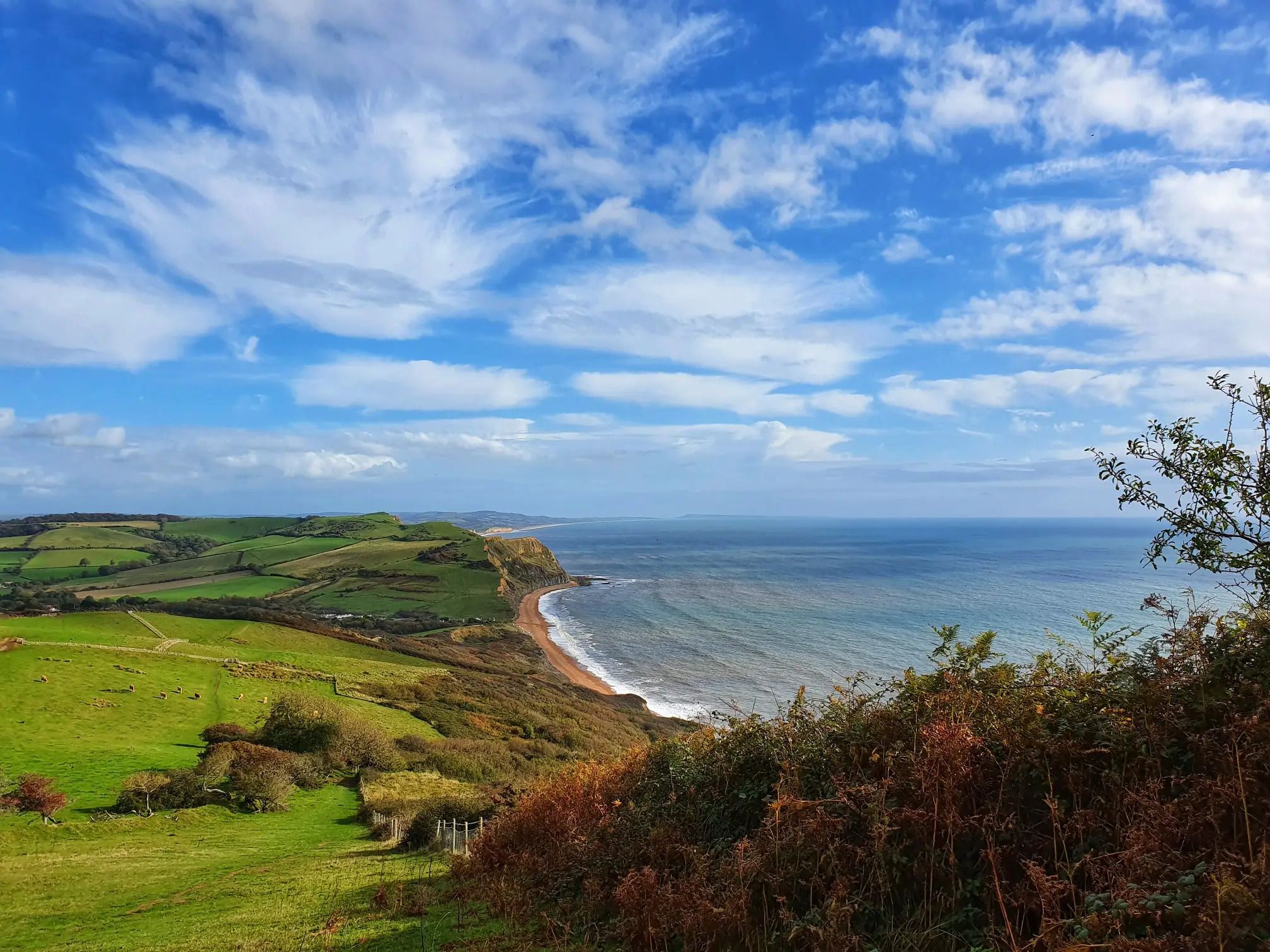
Monarch's Way: Part 2 — Conquer the longest inland trail in England
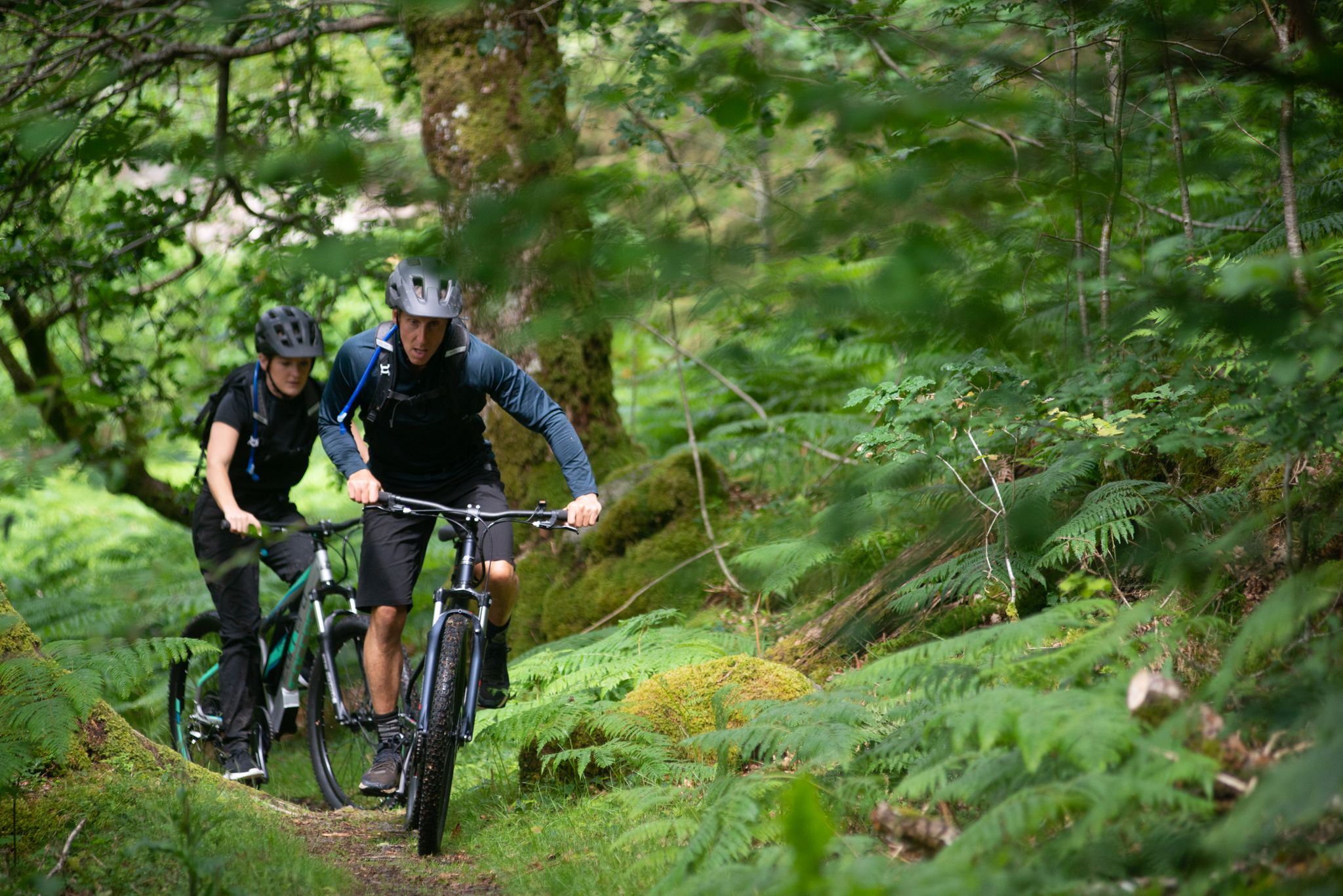
Spectacular rides in Wales and south-west England – e-bike trials by Halfords
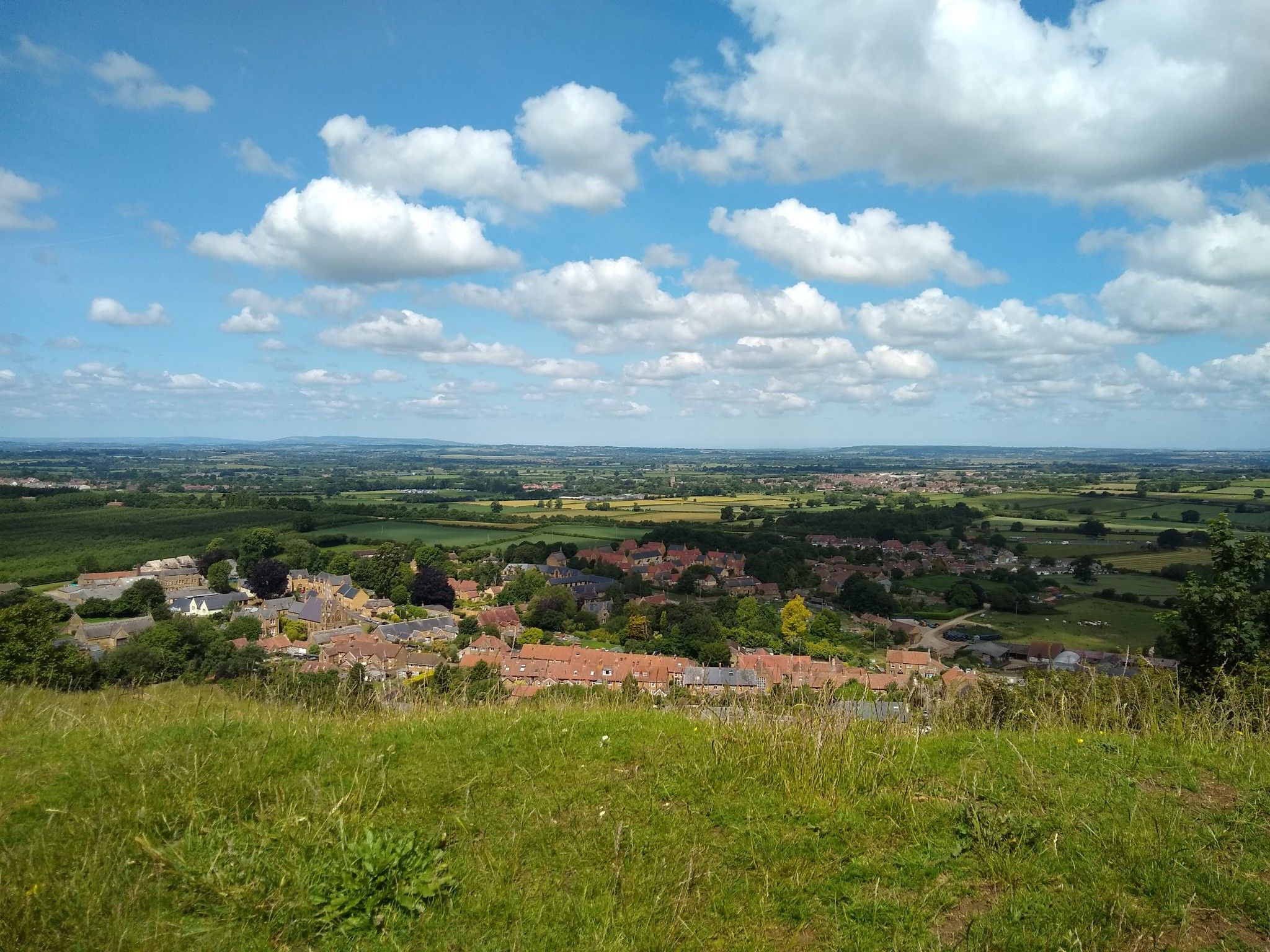
Ancient villages and historic hills — the Liberty Trail
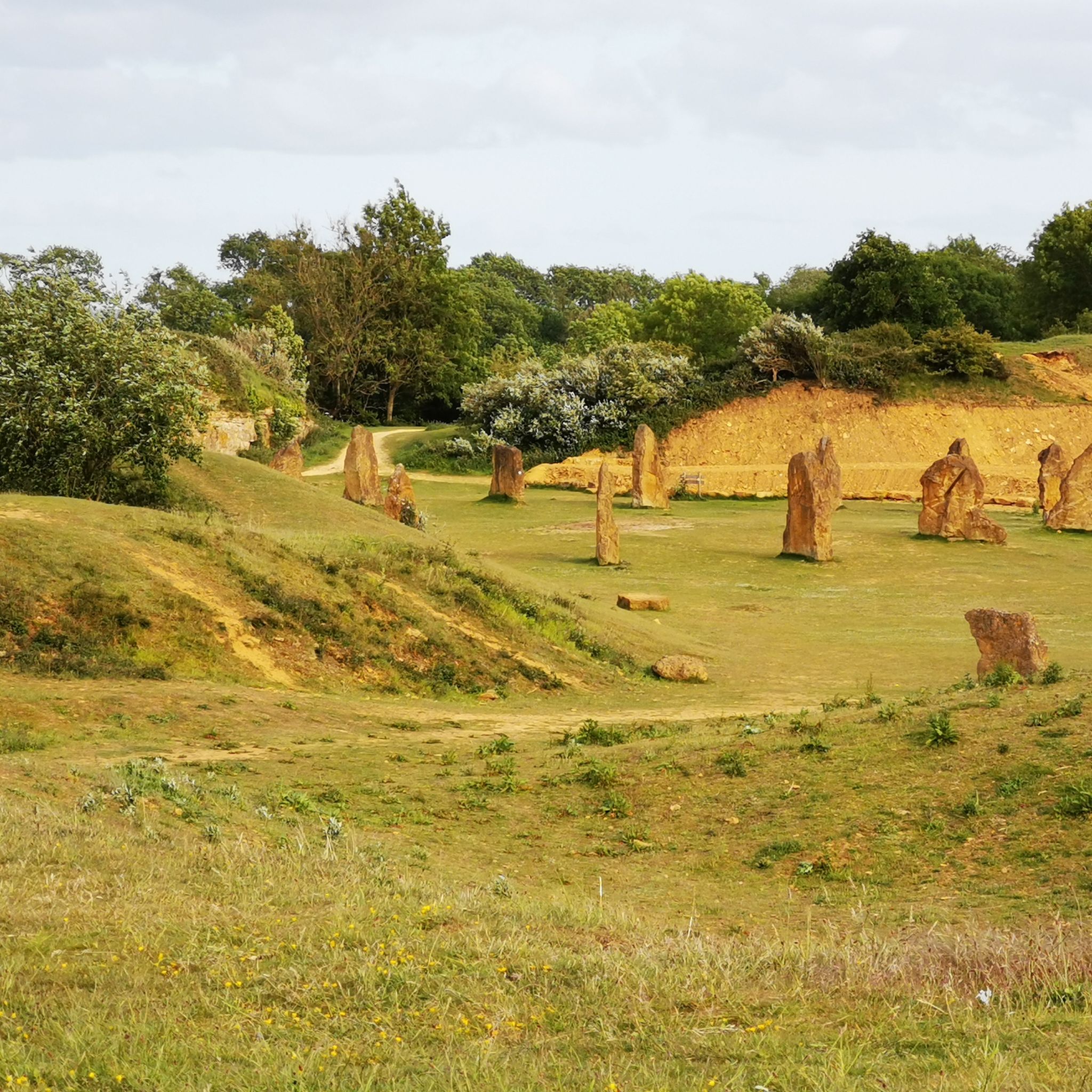
Hiking around South Somerset
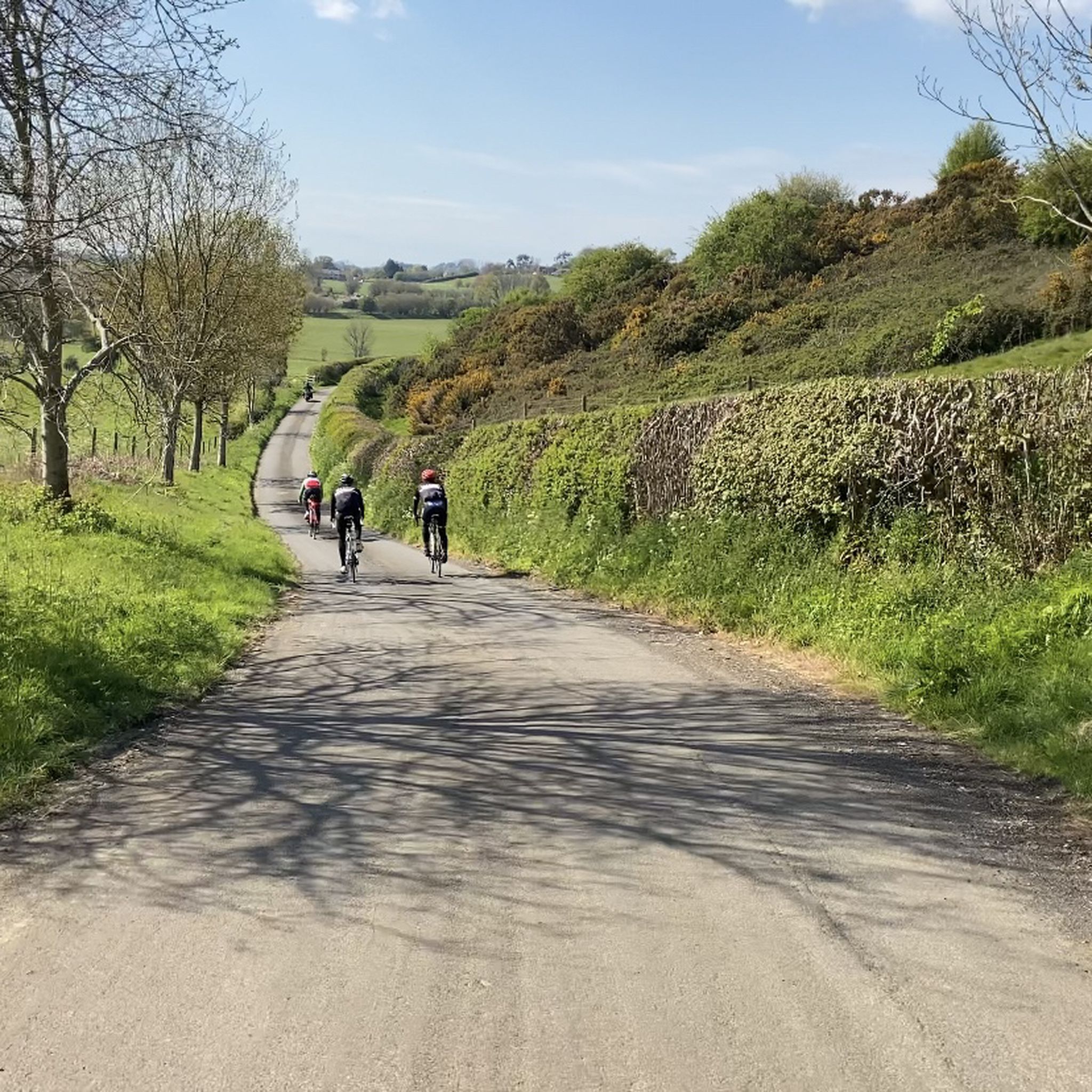
Road Cycling Routes around South Somerset
Cycling around South Somerset
Running Trails around South Somerset
Other adventures around South Somerset


Tips from the Community

Norman castle The earthworks at the site are larger than would normally be found in a castle from the Norman period, raising speculation that it reused previously developed features. The castle was probably built by Robert, Count of Mortain in the 11th century. Archaeological evidence suggests it was built in several stages. During the first a rampart enclosing 7.5 acres (3.0 ha) was built. Soon after the Norman Conquest a smaller inner ringwork was constructed. The site was later converted into a motte and bailey, with a corner of the 20 feet (6.1 m) high motte serving as a barbican. By the early 12th century the castle was no longer in regular use. However, its use was resumed during The Anarchy, a period of civil war and unsettled government during a succession dispute between the supporters of King Stephen (1135–1154) and those of his cousin, the Empress Matilda. Continued use in the later 12th century may have been by administrators of the surrounding royal forest as a base for operations against poachers.
2
1
Castle Neroche is a Norman motte-and-bailey castle on the site of an earlier hill fort in the parish of Curland, near Staple Fitzpaine, Somerset, England. It is a Scheduled Ancient Monument. The origin of the term Neroche is believed to be a contraction of the Old English words nierra and rechich or rachich for Rache, a type of hunting-dog used in Britain in the Middle Ages, giving a meaning of the camp where hunting dogs were kept. This also gives the site its alternative name of Castle Rache. Iron Age The reason for the construction of Iron Age hill forts has been a subject of debate. It has been argued that they could have been military sites constructed in response to invasion from continental Europe, sites built by invaders, or a military reaction to social tensions caused by an increasing population and consequent pressure on agriculture. The dominant view since the 1960s has been that the increasing use of iron led to social changes in Britain. Deposits of iron ore were separated from the sources of tin and copper necessary to make bronze, and as a result trading patterns shifted and the old elites lost their economic and social status. Archaeologist Barry Cunliffe believes that population increase played a role and has stated "[the forts] provided defensive possibilities for the community at those times when the stress [of an increasing population] burst out into open warfare. But I wouldn't see them as having been built because there was a state of war. They would be functional as defensive strongholds when there were tensions and undoubtedly some of them were attacked and destroyed, but this was not the only, or even the most significant, factor in their construction.
2
0

Barrington Court has an intriguing history. While the court has stood for more than 450 years, there’s evidence that people have called the area home since the Roman period. The Tudor mansion fell into disrepair until it was eventually used as a farmhouse. However, it was given a new lease of life when the Lyles restored it in the 1920s, before it was open to the public eight decades later. Public footpaths run through the gardens
1
0

Compton Pauncefoot, is an idyllic village and within its borders there are some very interesting places to explore. Compton Castle, was built for John Hubert Hunt about 1825, in a Gothic style with large grounds, gatehouse, and lawns stretching down to a lake. The village church was said to be built in the 15th century.
1
0

An atmospheric fragment of old Somerset: the estate is the vision of Colonel Lyle and his architect James Edwin Forbes. It has farm buildings, abundant flowers and orchards. National Trust property with cafe and accessible toilets.
0
0

Castle Neroche was a motte-and-bailey castle on the site of an earlier hill fort. Evidence suggests that it was an Iron Age hill fort before the Norman castle was built as the earth works are larger than most Norman castles. Now it's a really fascinating place; the old earth works are covered in trees with amazing views between the trunks. Managed by Forestry England.
3
0

This Grade I-listed building is an exceptionally grand residence complete with sprawling gardens and a giant fountain. The priory was built in the 1100s and takes its name from the nearby river crossing. The abbey was surrendered during the Dissolution and had many tenants. Through the centuries it’s been renovated and undergone significant change. Today, you can still see evidence of some of the earliest sections, particularly the cloisters and the Great Hall. The gardens at Forde Abbey are spectacular and include lawns, water features and an arboretum. It also has the highest powered fountain in the country, which comes on intermittently and might surprise you if you’re walking by. There’s a cafe, shop and plant nursery here making it easy to while away your time. There is a charge to enter which is not insignificant.
0
0

Frequently Asked Questions
Which castles in South Somerset are particularly family-friendly?
Several sites offer great experiences for families. Castle Neroche Iron Age Hill Fort is managed by Forestry England, providing a natural setting for exploration. Forde Abbey and Gardens features sprawling gardens with water features and a high-powered fountain, plus a cafe and plant nursery. Barrington Court, a National Trust property, has abundant flowers, orchards, and a cafe. Nunney Castle, with its romantic moated ruins, is also free to visit and provides a wonderful setting for children to imagine knights and princesses.
Are there any castles in South Somerset that are wheelchair accessible?
Barrington Court is noted as being wheelchair accessible and includes accessible toilets, making it a good option for visitors with mobility needs.
What kind of historical periods do the castles in South Somerset cover?
The castles and historic sites in South Somerset span a wide range of historical periods. You can explore ancient Iron Age hillforts like Cadbury Castle and Castle Neroche, medieval strongholds such as Nunney Castle and Sherborne Old Castle, and grand Elizabethan mansions like Montacute House and Barrington Court. This diversity offers a comprehensive journey through centuries of history.
What outdoor activities can I do near these castles?
Many castles are situated in scenic areas perfect for outdoor activities. Near Castle Neroche Iron Age Hill Fort, you can find easy hiking trails like the Herepath Trail. For more options, explore the easy hikes around South Somerset or more challenging hiking routes. There are also MTB trails around South Somerset for cycling enthusiasts.
Are there any free castles to visit in South Somerset?
Yes, Nunney Castle is free to visit. Its picturesque moated ruins offer a tangible connection to medieval architecture without an entrance fee.
Which castles offer the best views in South Somerset?
Cadbury Castle, an Iron Age hillfort, offers panoramic views across the Somerset Levels, including Glastonbury Tor, from its impressive earthen ramparts. Castle Neroche Iron Age Hill Fort also provides amazing views between the trees from its elevated position.
What are some less crowded castle ruins to explore in South Somerset?
While popular, Castle Neroche Iron Age Hill Fort is primarily earthworks covered in trees, offering a more natural and potentially less crowded experience for those interested in early British fortifications and walks. Nunney Castle, though picturesque, is also a ruin and can offer a quieter visit compared to larger, fully preserved estates.
Are there castles with significant gardens to explore?
Yes, Forde Abbey and Gardens boasts spectacular gardens with lawns, water features, and an arboretum, including the highest-powered fountain in the country. Montacute House is also renowned for its spectacular landscaped gardens, formal lawns, and arboretum.
What is the best time of year to explore South Somerset castles?
Spring and summer generally offer the most pleasant weather for exploring both indoor and outdoor castle sites and gardens. The gardens at places like Forde Abbey and Montacute House are particularly vibrant during these seasons. However, the atmospheric ruins of Nunney Castle or the historical earthworks of Cadbury Castle can be enjoyed year-round, with autumn offering beautiful foliage and winter providing a quieter, more contemplative experience.
Can I find cafes or refreshments near these historical sites?
Yes, several locations offer refreshments. Forde Abbey and Gardens has a cafe, shop, and plant nursery. Barrington Court, a National Trust property, also features a cafe.
Are there any castles associated with legends or famous historical figures?
Cadbury Castle is strongly associated with the legend of King Arthur's Camelot, making it a captivating site for those interested in ancient history and myths. Sherborne Old Castle tells a story of bishops, kings, sieges, and civil war, entwined with figures like King John and Sir Walter Raleigh.
What makes Montacute House unique among South Somerset's historical buildings?
Montacute House, while not a defensive castle, is a magnificent late Elizabethan mansion known for its distinctive French-influenced style. It features towering walls of glass, ornate stonework, and houses the longest Long Gallery in England, displaying portraits on loan from the National Portrait Gallery. Its architectural beauty and extensive gardens make it a significant attraction.
Most popular routes around South Somerset
Most popular attractions around South Somerset

Get inspired with the komoot mobile app


Didn’t find what you were looking for?
Explore South Somerset’s best castles region by region:
Explore more
Looking for the best castles somewhere else? Discover other guides around South Somerset:
