Top 20 Lakes in the Outer Hebrides
Best lakes in the Outer Hebrides are integral to the islands' landscape, economy, and ecology, comprising over 7,500 freshwater bodies. These lochs represent about 24% of Scotland's total, offering diverse habitats from alkaline machair grassland to acidic moorland. The region is characterized by its rugged scenery, rich wildlife, and numerous opportunities for outdoor activities. Visitors can explore a variety of lochs, including large freshwater bodies and unique brackish systems connected to the sea.
Best lakes in the Outer Hebrides
- The…
Last updated: June 24, 2026
RSPB Balranald Nature Reserve
Highlight • Natural
There is a small caravan bistro with delicious cake and a family campsite. …
Translated by Google •
Tip by

Scalpay Island
Highlight • Settlement
Tip by

Sign up now to discover places like this
Get recommendations on the best single tracks, peaks, & plenty of other exciting outdoor places.
Sign up for free
Machair Uibhist a Deas National Scenic Area
Highlight (Segment) • Natural
Tip by

Aline Community Woodland Boardwalk and Lake
Highlight • Forest
Tip by
Loch a'Mhorghain
Highlight • Natural
Tip by
Sign up for free to discover even more lakes in the Outer Hebrides.
Sign up for free
Already have an account?
Start today with a free account
Your next adventure awaits.
Login or Signup
Popular around Outer Hebrides
Hebridean hopscotch — cycling along Scotland's magical west coast
Hebridean Way – white sand, rugged hills and lochan-speckled moors
Cycling the Hebridean Way – Island hopping in the Scottish wilderness
Hiking in the Outer Hebrides
Cycling in the Outer Hebrides
Road Cycling Routes in the Outer Hebrides
MTB Trails in the Outer Hebrides
Running Trails in the Outer Hebrides
Other adventures in the Outer Hebrides


Tips from the Community

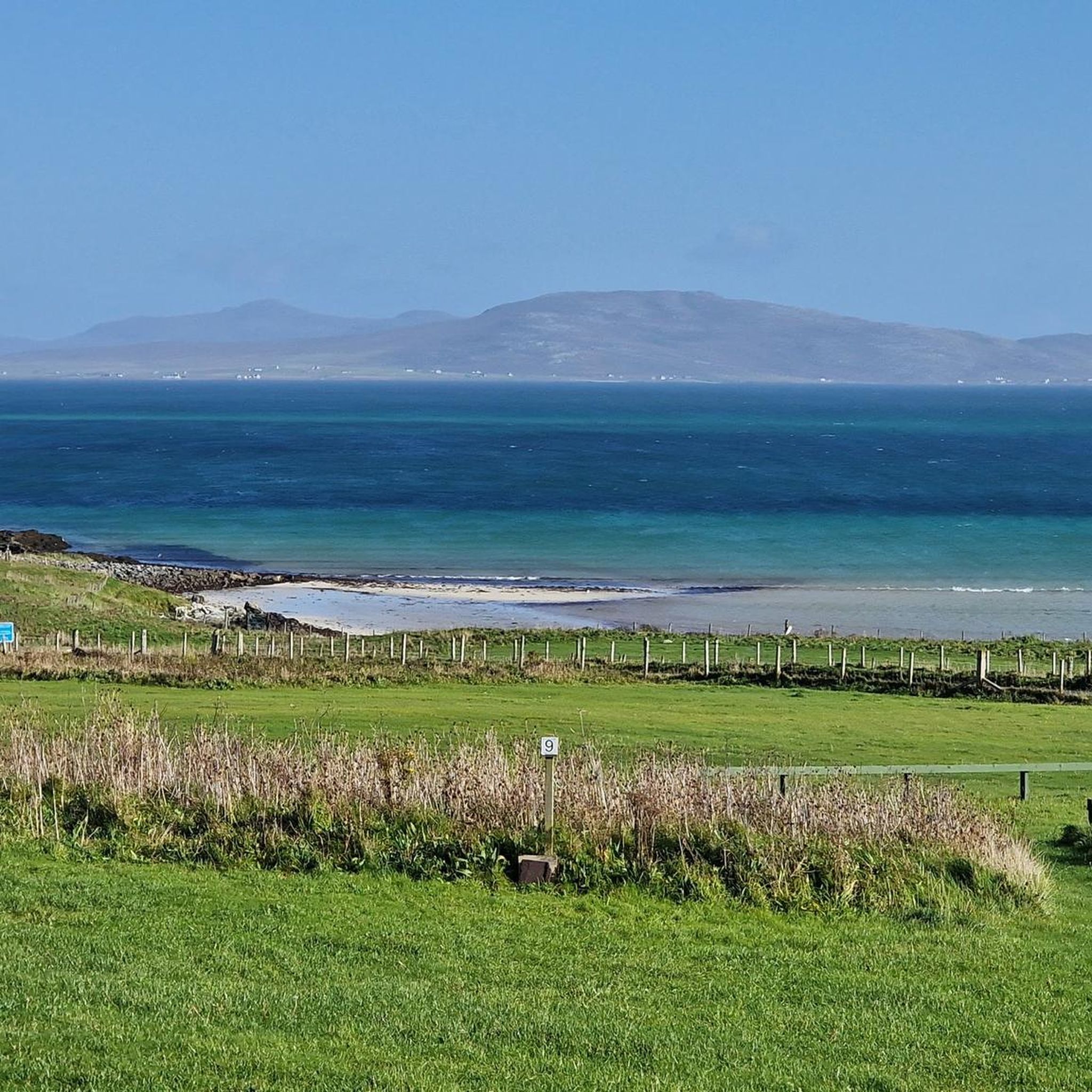
Coffee cabin located at Balranald campsite that also has food. Opening days/times vary though.
0
0

A very nice welcome on a heavy rainy day. It made our day perfect.
0
1

One of the smaller islands in the Outer Hebrides Scalpay has been an important fishing and seafaring island for hundreds of years. There are two good harbours and the Eilean Glas lighthouse which was first built in 1788. The island is a popular wildlife spotting and photography site, look out for seals, otter and sea eagles as well as many other sea birds. The bridge was built in 1998 making the crossing to the mainland much faster and easier and helping the islands community which was in decline. The island has been community owned since 2011 and is part of the North Harris Community Trust. There is a community shop/cafe in Buth Scalpaigh which is well worth a visit.
1
0

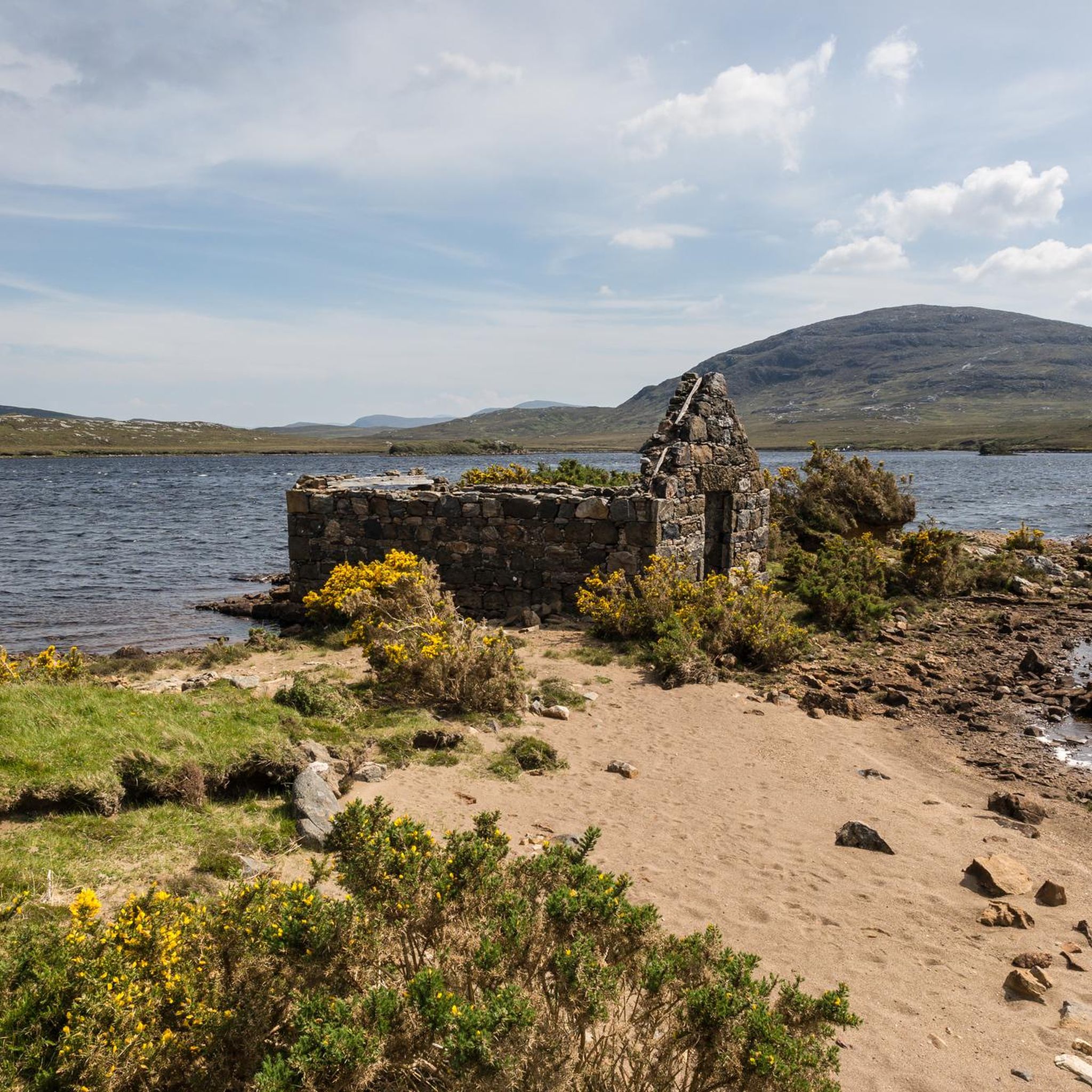
The saying goes that a loch is as deep as the mountains around it. If that is true, then Loch a'Mhorghain must be very deep. On the southern edge of the loch Sgaoth Iosal towers above the waters. With craggy sides and dark blue waters, the loch is a stunning place to have lunch or camp for the night.
0
0
A beautiful stretch of woodland covering 155 acres (63 ha), Aline Community Woodland has a lake, play area and picnic tables. You will ride along a pretty boardwalk through the forest, spotting white-tailed eagles along the way. The birds bred here successfully after their reintroduction. You may also spot red deer darting through the woodland and otters swimming in the waters.
1
0
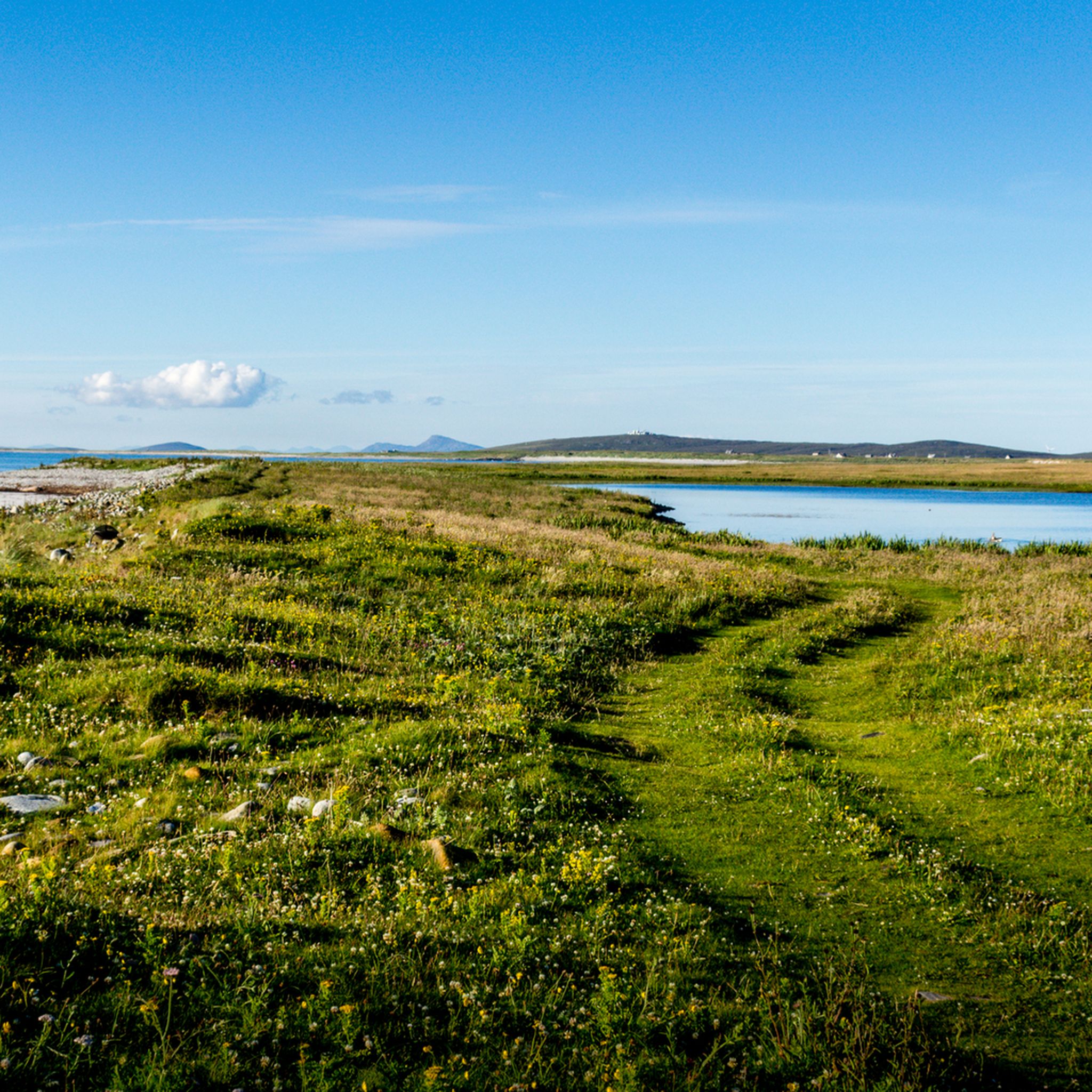
The sandy beaches, marshes, and rocky foreshore of Balranald Nature Reserve are home to many wonderful wildlife species. Look out for oystercatchers and Greenland barnacle geese as well as peregrines. The reserve is open at all times and there is a camp site as well as a visitor center and toilets (open from 9am to 6pm).
2
1
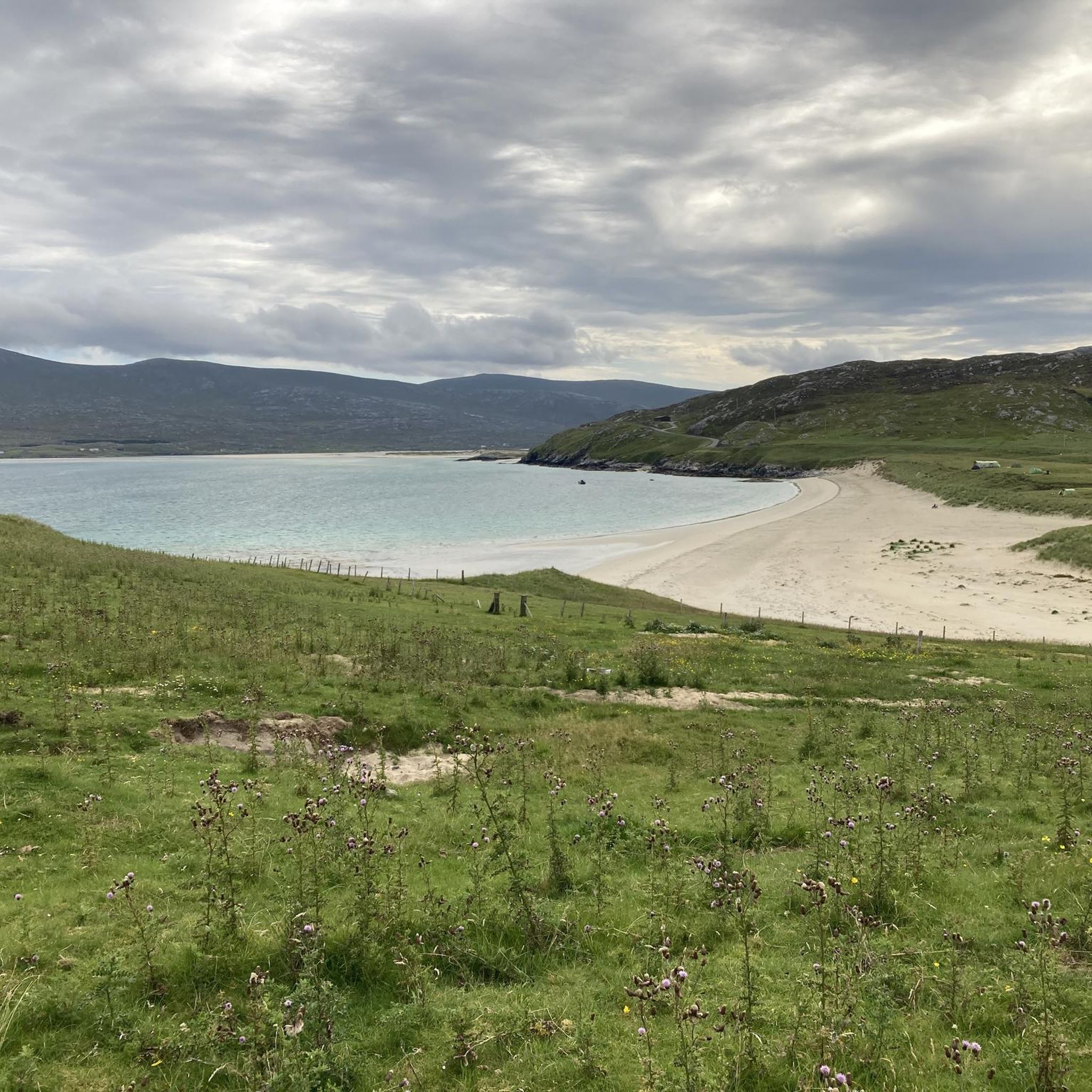
Pristine beaches, hidden coves and untouched nature sum up South Uist, the second-largest island of the Outer Hebrides. With a population of less than 2,000, you will find plenty of secluded spots where you can enjoy the spectacular scenery. Interestingly, the island is the only place in the UK where prehistoric mummies were found. It is also one of the last remaining strongholds of the Gaelic language.
2
0

Perfect to stretch your legs! Beautiful boardwalks, a lake, picnic tables and a playground - it's all there!
0
0
Frequently Asked Questions
What kind of wildlife can I expect to see around the lochs in the Outer Hebrides?
The lochs and their surrounding machair ecosystems are crucial habitats for a myriad of wildlife. You can spot various bird species like short-eared owls, merlins, hen harriers, golden eagles, white-tailed eagles, mute swans, greylag geese, lapwings, oystercatchers, red-breasted mergansers, corncrakes, whooper swans, and sea eagles. Otters are also frequently seen, particularly around Loch Bee, and red deer can be found near lochs like Langavat. For exceptional birdwatching, consider visiting RSPB Balranald Nature Reserve.
Are there family-friendly lochs or activities suitable for children?
Yes, several areas around the lochs are great for families. RSPB Balranald Nature Reserve offers diverse wildlife viewing and has a visitor center and toilets. Aline Community Woodland Boardwalk and Lake features a beautiful boardwalk, a play area, and picnic tables, perfect for stretching legs and spotting wildlife. The Machair Uibhist a Deas National Scenic Area also offers secluded spots and pristine beaches for family enjoyment.
What are the best lochs for fishing in the Outer Hebrides?
Many lochs in the Outer Hebrides are excellent for fishing, particularly for salmon and brown trout. The white shell alkaline machair lochs of Uist are especially renowned. Loch Langavat on Lewis, part of the Grimersta river system, is a popular destination for salmon and brown trout fishing.
Are there opportunities for hiking or walking near the lochs?
Absolutely. The Outer Hebrides offer numerous walking and hiking opportunities around its lochs. You can find easy hikes like the RSPB Balranald Nature Trail loop or the Scalpay Heritage Trail. For more options, explore the Easy hikes in the Outer Hebrides guide. The diverse landscapes, from machair to moorland, make for picturesque walks.
What makes Loch Druidibeg unique?
Loch Druidibeg on South Uist is a significant ecological site, recognized as a Site of Special Scientific Interest (SSSI) and a Ramsar site. It's unique for its cross-section of habitats, ranging from alkaline machair grassland and oligotrophic loch waters to acidic moorland. It also features important relict native woodland scrub on its islands, providing a rare habitat for woodland birds in the Hebrides. It's a prime location for nature lovers and birdwatchers.
Can I go wild swimming in the lochs?
While the guide does not specifically recommend wild swimming spots, the sheer number and variety of lochs, set amidst rugged landscapes, provide opportunities for enjoying serene natural beauty. Always exercise caution, be aware of water temperatures, currents, and local regulations when considering wild swimming.
What is the best time to visit the Outer Hebrides lochs?
The Outer Hebrides lochs offer beauty year-round. However, for milder weather and longer daylight hours, late spring to early autumn (May to September) is generally preferred. This period also offers the best chances for wildlife spotting and outdoor activities. The lack of light pollution makes areas like Loch Hosta ideal for stargazing and potentially viewing the Northern Lights during darker months.
Are there any lochs with historical or cultural significance?
Some lochs in the Outer Hebrides hold cultural and historical importance, with ancient crannogs (artificial islands) or other archaeological sites found within them. For example, the Machair Uibhist a Deas National Scenic Area, which includes many small lakes, is notable as the only place in the UK where prehistoric mummies were found, and it's a stronghold of the Gaelic language.
What are the main differences between the types of lochs found here?
The Outer Hebrides are known for freshwater lochs, brackish lochs, and machair lochs. Freshwater lochs are inland bodies of fresh water. Brackish lochs, like Loch Bee, are unique as they are inland but have connections to the sea, resulting in a mix of fresh and saltwater. Machair lochs are typically found in the fertile, shell-sand coastal grasslands, often alkaline, and are particularly rich in biodiversity.
Where can I find cafes or places to eat near the lochs?
While specific cafes directly on every lochside are rare, you can find options in nearby communities. For instance, RSPB Balranald Nature Reserve has a coffee cabin at its campsite. On Scalpay Island, there is a community shop/cafe in Buth Scalpaigh. Many villages across the islands will offer local eateries.
What kind of cycling or running routes are available near the lochs?
The Outer Hebrides offer various routes for cycling and running that often pass by or near lochs. For mountain biking, you can explore trails like the Rhenigidale Postman's Path Loop or The Golden Road loop. Check out the MTB Trails in the Outer Hebrides guide. For runners, routes such as A loop of Vatersay Beaches or View of Stornoway – Lews Castle loop are available; more details can be found in the Running Trails in the Outer Hebrides guide.
What makes Loch Bee a notable destination?
Loch Bee, the largest loch on South Uist, is notable for its unique brackish nature, connecting to both the Atlantic Ocean and the Little Minch via tidal valves. This environment supports a diverse ecosystem, including trout, flounder, mullet, otters, and various bird species. Its dramatic scenery, especially with the Cuillin Hills of Skye in the distance, offers stunning photographic opportunities. You can learn more about it on Visit Outer Hebrides.
Most popular routes in the Outer Hebrides
Most popular attractions in the Outer Hebrides

Get inspired with the komoot mobile app


Explore more
Still not found your perfect lake in the Outer Hebrides? Check out the guides of these regions to see even more beautiful places.
