Top 5 Lakes around Rhosybol
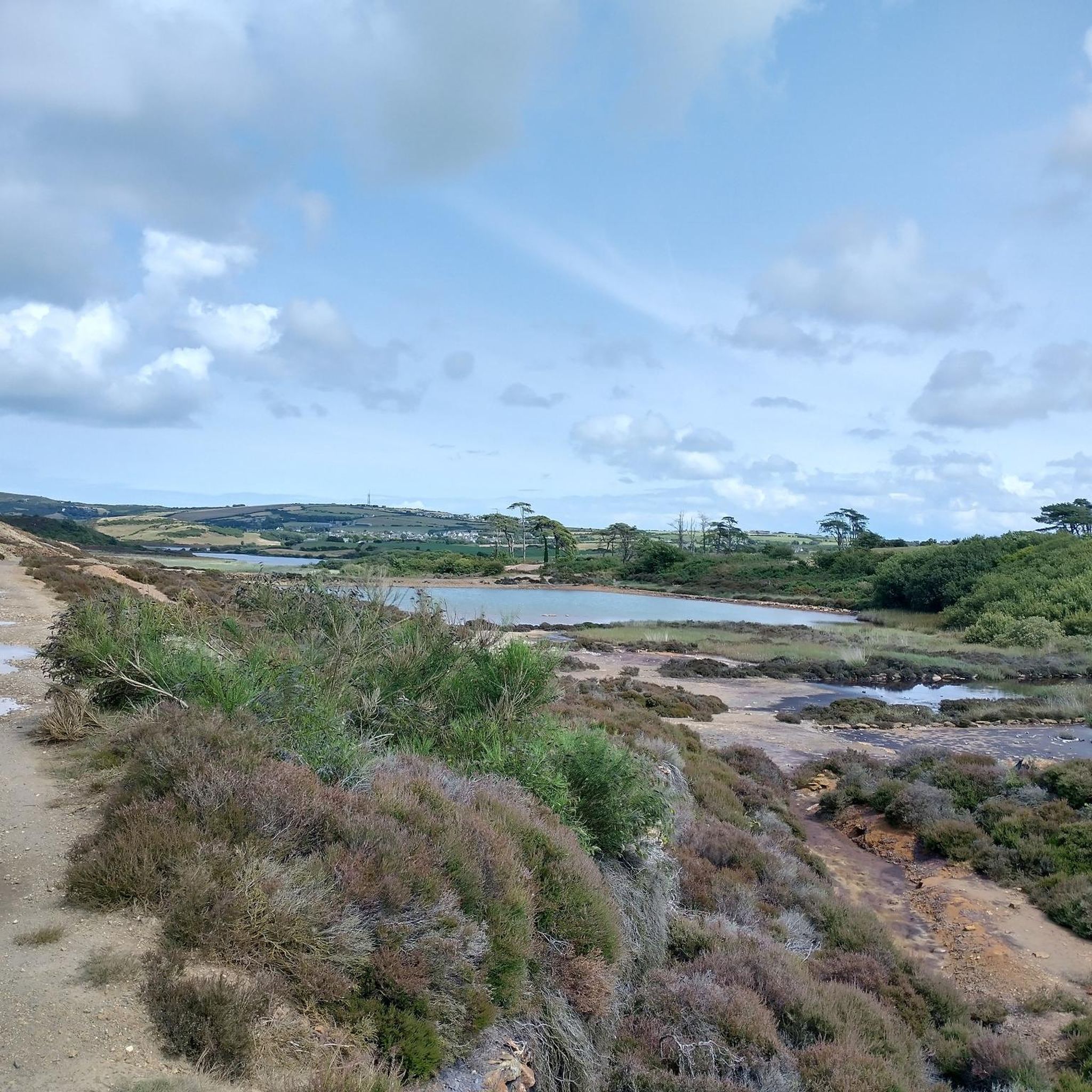
Best lakes around Rhosybol are situated in Anglesey, Wales, a region known for its natural features. The area features man-made reservoirs, coastal lagoons, and smaller natural water bodies. These offer diverse natural features and recreational opportunities for visitors. The region provides opportunities for walking, birdwatching, and enjoying nature around its various water bodies.
Best lakes around Rhosybol
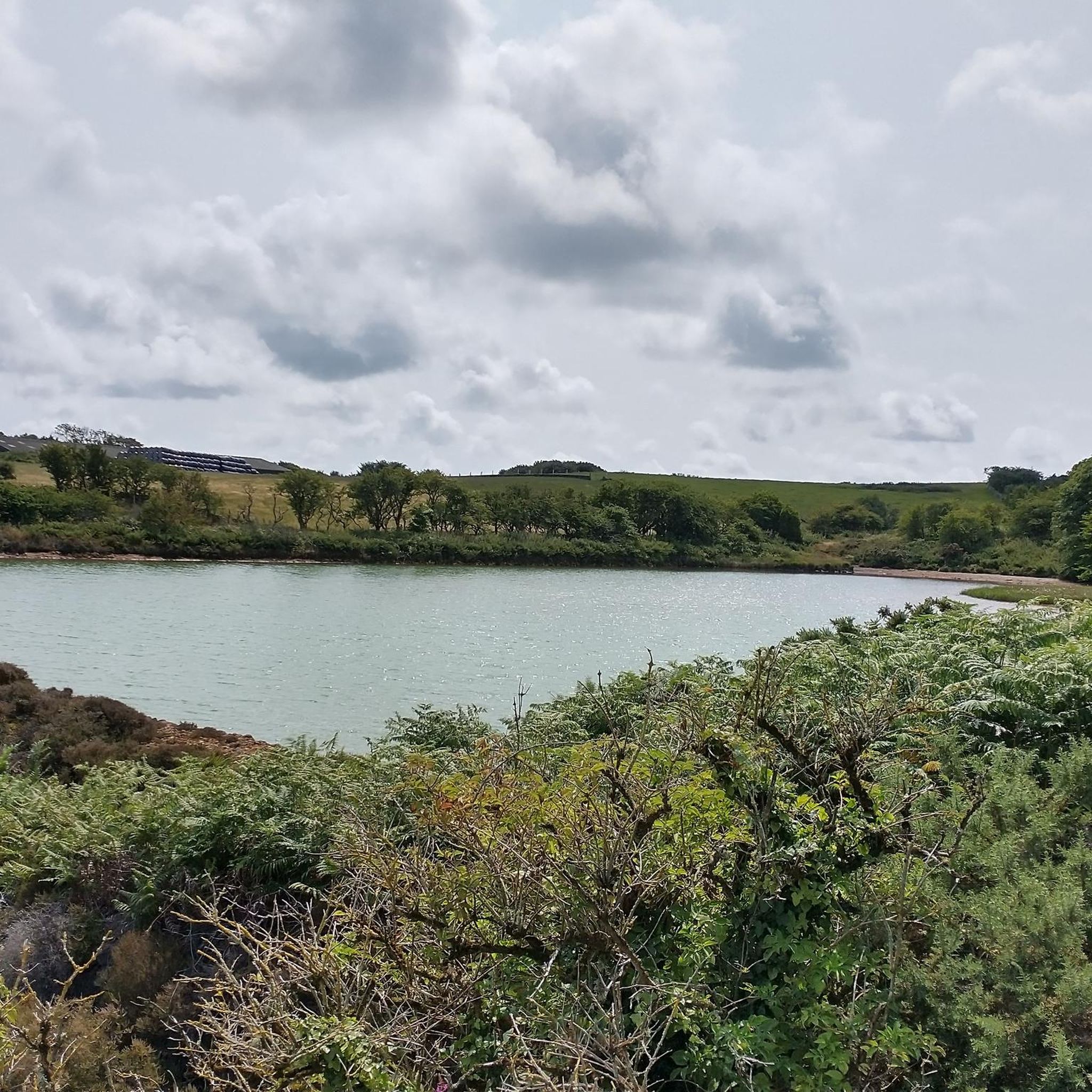
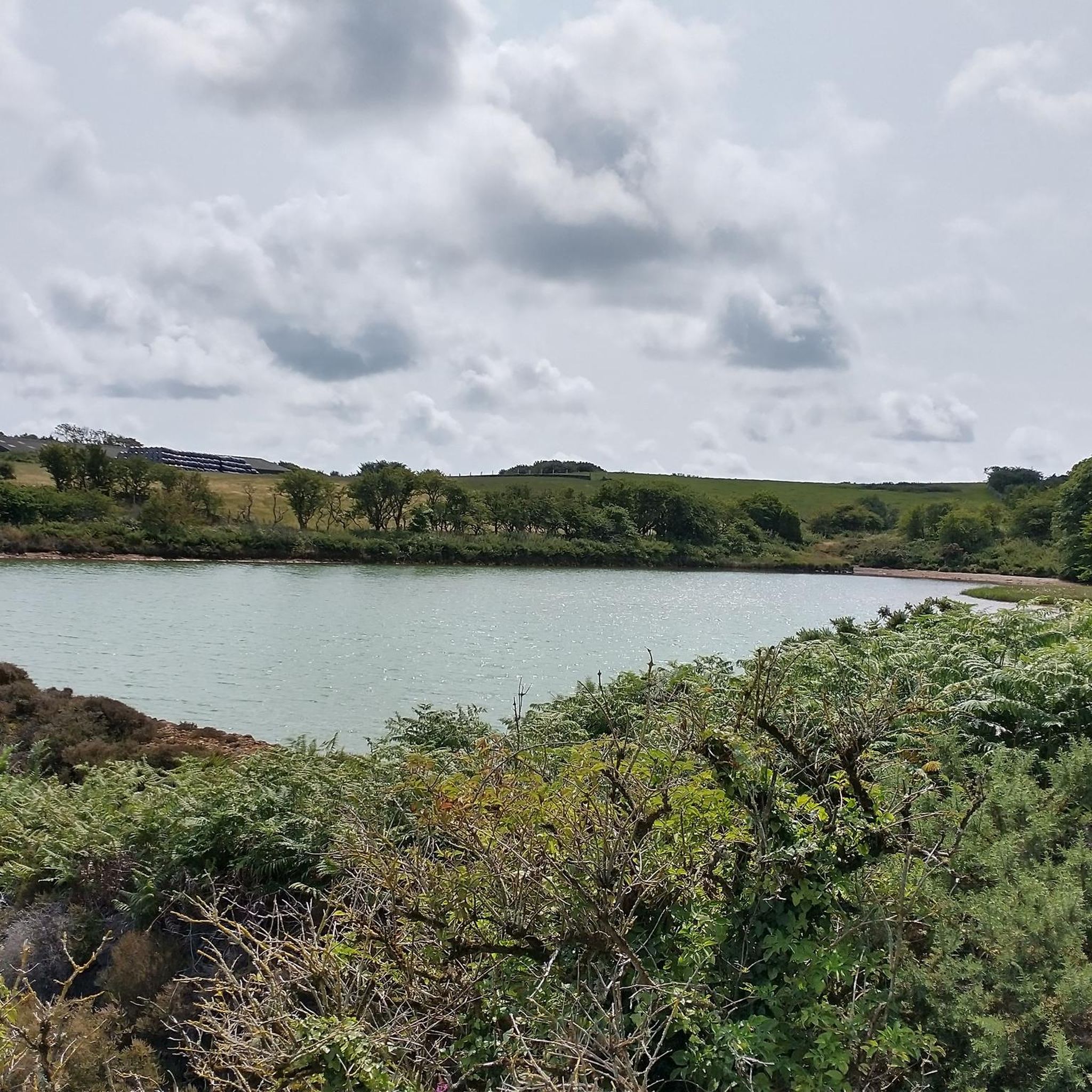
- The most popular lakes is Llyn Cefni Reservoir and Dam, an other man-made feature that is a reservoir in central Anglesey. It…
Last updated: June 30, 2026
Llyn Cefni Reservoir and Dam
Highlight • Structure
Tip by

Moelfre Harbour and Waterfall
Highlight • Settlement
Tip by
Sign up now to discover places like this
Get recommendations on the best single tracks, peaks, & plenty of other exciting outdoor places.
Sign up for free
Cemaes Harbour and Village
Highlight • Settlement
Tip by

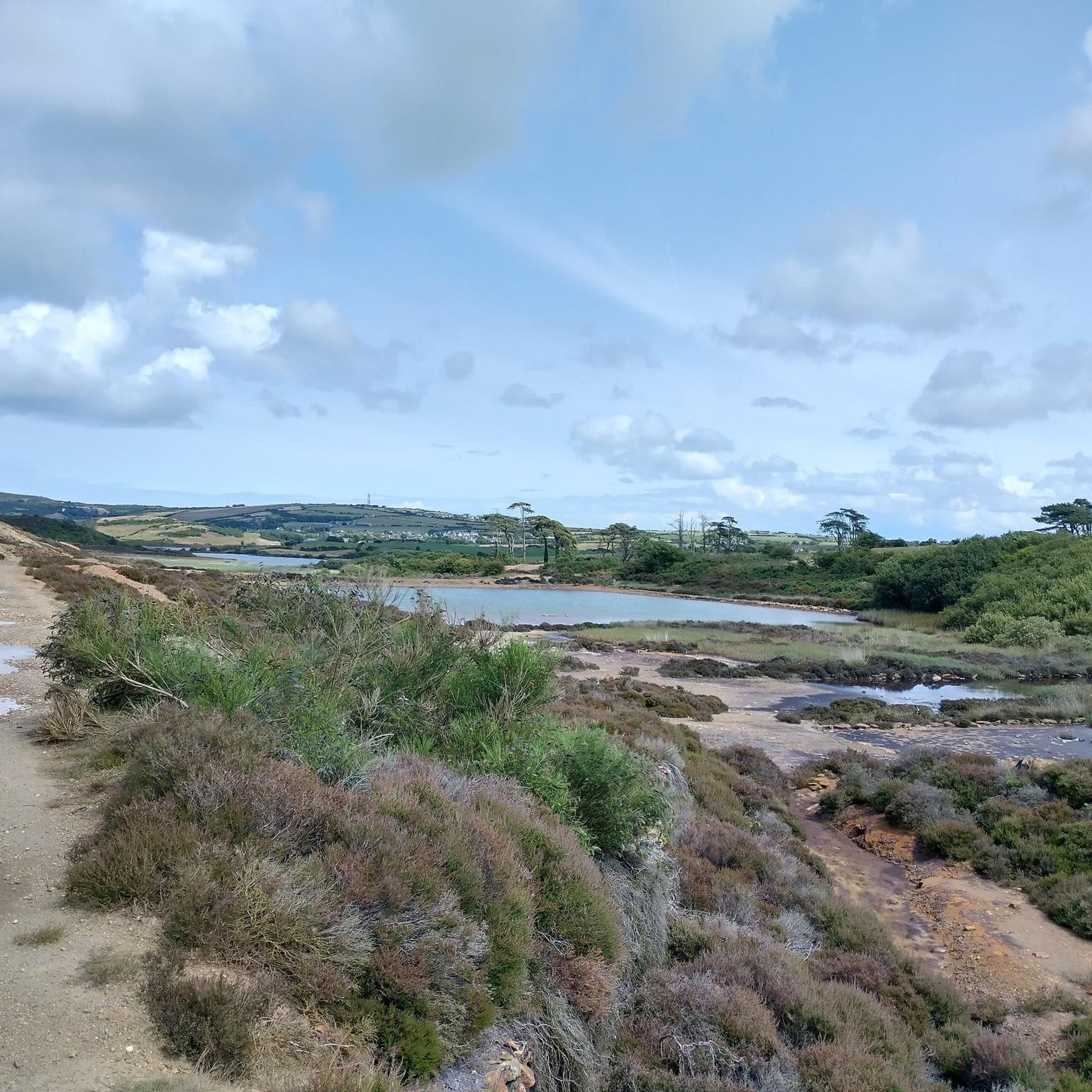
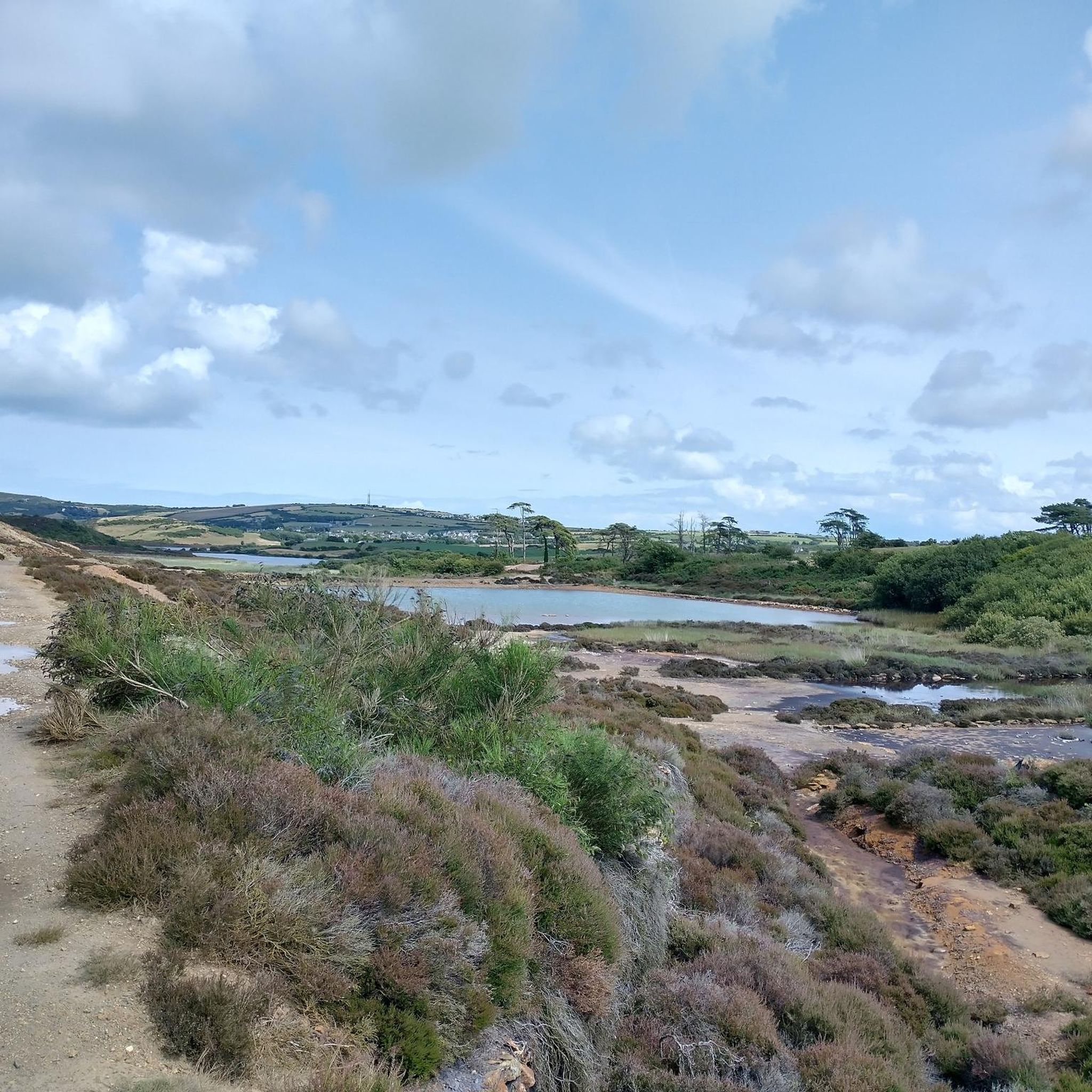
Cemlyn Bay Nature Reserve
Highlight • Natural
Tip by

Start today with a free account
Your next adventure awaits.
Login or Signup
Tips from the Community

We visited for the Parkrun, which was cancelled whilst a walkway is fixed (some more weeks, I would expect). You can still access the lake along the disused railway line for part of the way - but not a good surface for running. Then there is a path around the lake with views across the lake and stretches through the woods, lovely, if rather muddy in places following wet weather. In total about 9 km around. Hope to do this again in the Spring with the promise of wild daffodils and perhaps a red squirrel.
0
0

Quiet paths easy cycling crosses deserted railway line still present, which there trying to reopen
0
0

Always worth a trip to the Lifeboat station and the RNLI museum followed by dinner in the Kinmel Arms
0
0

The most northerly village is Wales. Some good places to stop you will also see the wind farm from the road.
3
0

Small town with a nice harbour and promenade. There’s a stall serving coffee, ice-cream and pizza at the promenade car park, as well as a few cafes and ice-cream parlours on the main high street although there’s nowhere to really leave a bike there.
0
0
Ann’s Pantry, just above the harbour, is a good coffee or lunch stop, with outdoor seating at the front for easy access for cyclists.
0
0
Moelfre is a village, a community and, until 2012, an electoral ward on the north-east coast of the Isle of Anglesey in Wales. The community area covers the village and harbour, and several smaller, dispersed settlements. It includes six scheduled Iron Age hut groups and many other sites of archaeological interest.
5
0

During World War II, a water scheme was devised for the town of Llangefni in central Anglesey. It involved water from a local source being pumped to two settling tanks in the Dingle part of the town. From here the water was pumped across the river to a reservoir and water tower, on the site of the present Pennant Estate. These arrangements became redundant with the building of the Cefni Reservoir, which was completed in 1951, but the settling tanks and pumping station survive in Llangefni to this day. The new scheme was designed to supply most of the water needs for the people of Anglesey for the foreseeable future.
2
0
Frequently Asked Questions
What are the best lakes for birdwatching around Rhosybol?
For exceptional birdwatching, you should visit Llyn Alaw, the largest lake on Anglesey, known for its significant population of overwintering wildfowl like Eurasian Teal, northern shoveler, and whooper swan. The Valley Wetlands Nature Reserve is also excellent, featuring extensive reedbeds and marshes that attract diverse wetland birds, including various ducks, grebes, and warblers, with rarer sightings of bittern and marsh harrier. Additionally, Cemlyn Bay Nature Reserve is a haven for seabird colonies, particularly Sandwich, common, and Arctic terns nesting on its islands from May to June.
Are there family-friendly lakes and activities near Rhosybol?
Yes, several lakes offer family-friendly experiences. Llyn Cefni Reservoir and Dam is a lovely spot for a picnic. Llyn Alaw provides designated picnic sites and car parks, along with footpaths suitable for walks. Llyn Maelog is popular for walking and paddleboarding, and its public footpath is great for wildlife spotting. Cemlyn Bay Nature Reserve is also a fantastic place for families to observe seabirds and diverse plant life.
What kind of walking and hiking opportunities are available around the lakes?
You'll find various walking opportunities. Llyn Alaw offers a network of footpaths, though they don't fully circumnavigate the lake. Llyn Maelog has a public footpath that goes around most of the lake, providing excellent views and wildlife spotting. For more structured hiking, you can explore routes like the easy 'Parys Mountain loop from Penysarn' or 'Parys Mountain Windmill Ruin – Parys Mountain Copper Mines loop from Amlwch'. You can find more details and routes on the Hiking around Rhosybol guide.
Can I go cycling near the lakes in Rhosybol?
Yes, cycling is a popular activity in the area. Llyn Alaw serves as a starting point for one of Anglesey's main cycle trails. There are also several cycling routes nearby, such as the 'Mynydd Bodafon Summit loop from Brynrefail' or the longer 'Moelfre Village and Beach – Beaumaris Castle loop from Brynrefail'. For more cycling options, refer to the Cycling around Rhosybol guide.
What natural features make the lakes around Rhosybol unique?
The lakes around Rhosybol boast diverse natural features. Llyn Alaw, a man-made reservoir, is characterized by its shallow waters, marshland, and numerous low islets, making it an SSSI for its wildfowl. Llyn Maelog is also an SSSI, celebrated for its rich and diverse flora, including eight species of pondweed, and a wide array of birdlife. The Valley Wetlands Nature Reserve features extensive reedbeds and marshes, providing critical habitats for wetland species and is designated as an SSSI and Special Area of Conservation (SAC).
Are there any historical or archaeological sites near the lakes?
Yes, the area has historical significance. Llyn Alaw is a man-made reservoir completed in 1966, built to supply drinking water to Anglesey. Llyn Maelog holds a unique 'Village Green' status, believed to be the only lake in Wales with such a designation, and its surrounding geological features are of interest. Within the Valley Wetlands Nature Reserve, Llyn Cerrig Bach is particularly notable for its archaeological importance, as it was the site where a significant Iron Age treasure hoard was discovered. Additionally, Moelfre Harbour and Waterfall, a nearby settlement, has many sites of archaeological interest, including Iron Age hut groups.
What is the best time of year to visit the lakes for wildlife viewing?
The best time depends on what wildlife you wish to see. For overwintering birds, Llyn Alaw is excellent during the colder months. If you're interested in seabirds, particularly terns, visiting Cemlyn Bay Nature Reserve between May and June is ideal when thousands nest on the islands. Reed warblers are a notable presence at Llyn Maelog during the summer months.
Can I go fishing in the lakes around Rhosybol?
Historically, Llyn Alaw was considered one of the most productive lakes in Wales for fishing, containing wild brown trout and stocked rainbow trout, but fishing has been closed there for the last few years. Llyn Maelog, however, remains a popular destination for anglers, with various species such as pike, bream, roach, rudd, and perch present. Pike up to 25lb 2oz have been caught there.
Where can I find parking when visiting the lakes?
Llyn Alaw offers designated car parks for visitors. For other lakes, it's advisable to check local signage or specific access points, as parking facilities can vary. Many walking routes around the lakes, such as those detailed in the Hiking around Rhosybol guide, often have associated parking areas.
Are there any coastal lagoons or unique water bodies to explore?
Yes, Cemlyn Bay Nature Reserve is a significant coastal lagoon. It features a shingle ridge and a lagoon that attracts spectacular seabird colonies and a wide range of butterflies and aquatic plants, making it a unique natural area to explore on the Anglesey coast.
What are the main differences between Llyn Alaw and Llyn Maelog?
Llyn Alaw is the largest man-made reservoir on Anglesey, primarily built for water supply, and is renowned for its wildfowl and cycling trails. It has a flatter, marshier surrounding area. Llyn Maelog, on the other hand, is a natural lake with a unique 'Village Green' status, celebrated for its diverse flora and fauna, and is popular for walking, fishing, and paddleboarding, with a public footpath circumnavigating most of it.
What kind of fish can be found in the lakes?
Llyn Maelog supports various fish species, including pike, bream, roach, rudd, and perch. Historically, Llyn Alaw contained wild brown trout and was stocked with rainbow trout, though fishing is currently closed there.
Most popular attractions around Rhosybol

Get inspired with the komoot mobile app


Explore more
Still not found your perfect lake around Rhosybol? Check out the guides of these regions to see even more beautiful places.
