The 4 Most Amazing Peaks around Romaldkirk
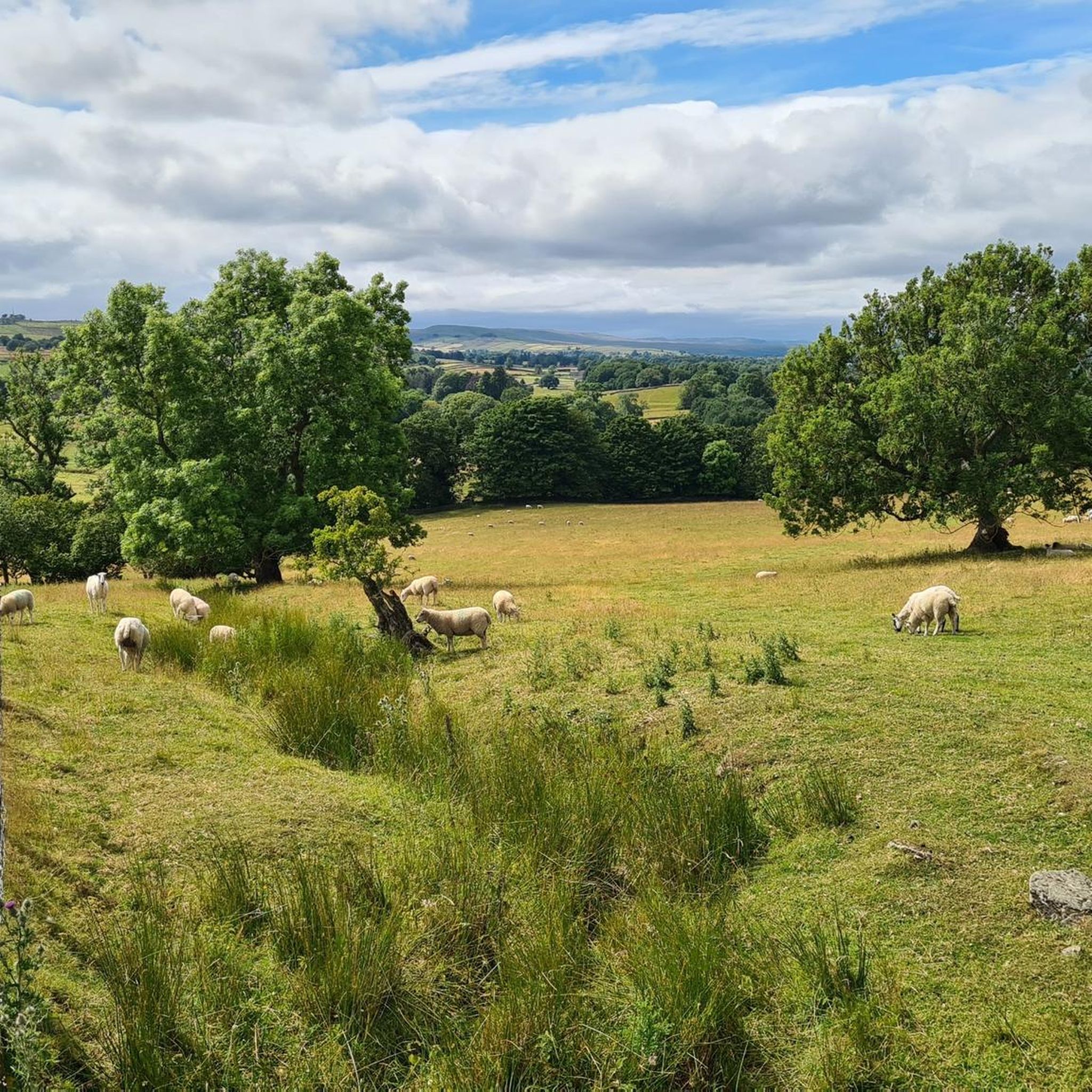
Best mountain peaks around Romaldkirk are found within the picturesque Teesdale region of the Pennines, an Area of Outstanding Natural Beauty. This landscape features rolling hills, expansive moorland, and fells, offering elevated points for exploration. The area provides numerous opportunities for hiking and appreciating the scenic beauty of the Durham Dales. These natural features define the hiking terrain difficulty and offer diverse viewpoints.
Best mountain peaks around Romaldkirk
- The most popular mountain peaks is Kirkcarrion Bronze Age Burial Mound,…
Last updated: August 23, 2026
Kirkcarrion Bronze Age Burial Mound
Highlight • Natural Monument
Tip by

Monks Moor Summit Trig Point
Highlight • Natural Monument
Tip by

Sign up now to discover places like this
Get recommendations on the best single tracks, peaks, & plenty of other exciting outdoor places.
Sign up for free
Raven Seat Summit
Highlight • Summit
TP5589 - Raven Seat S4235
North Pennines National Landscape Definitive List summit.
County Durham Definitive List summit
Tip by

Hagworm Hill
Highlight • Summit
County of Yorkshire Definitive List
Tip by
Start today with a free account
Your next adventure awaits.
Login or Signup
Tips from the Community

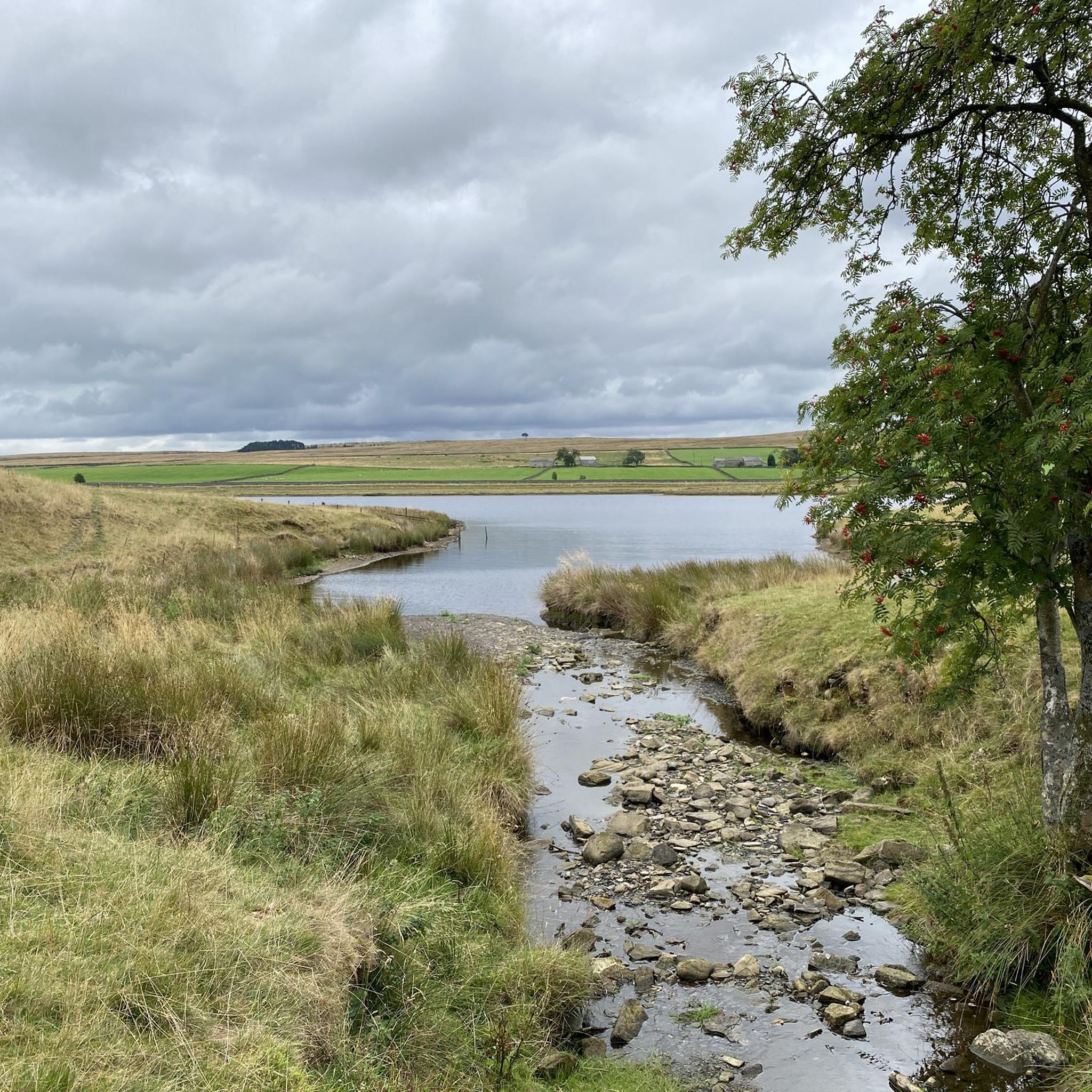
Raven Seat 589.02m P15.4 (1932ft) TP5589 - Raven Seat S4235 North Pennines National Landscape Definitive List summit. County Durham Definitive List summit
0
0
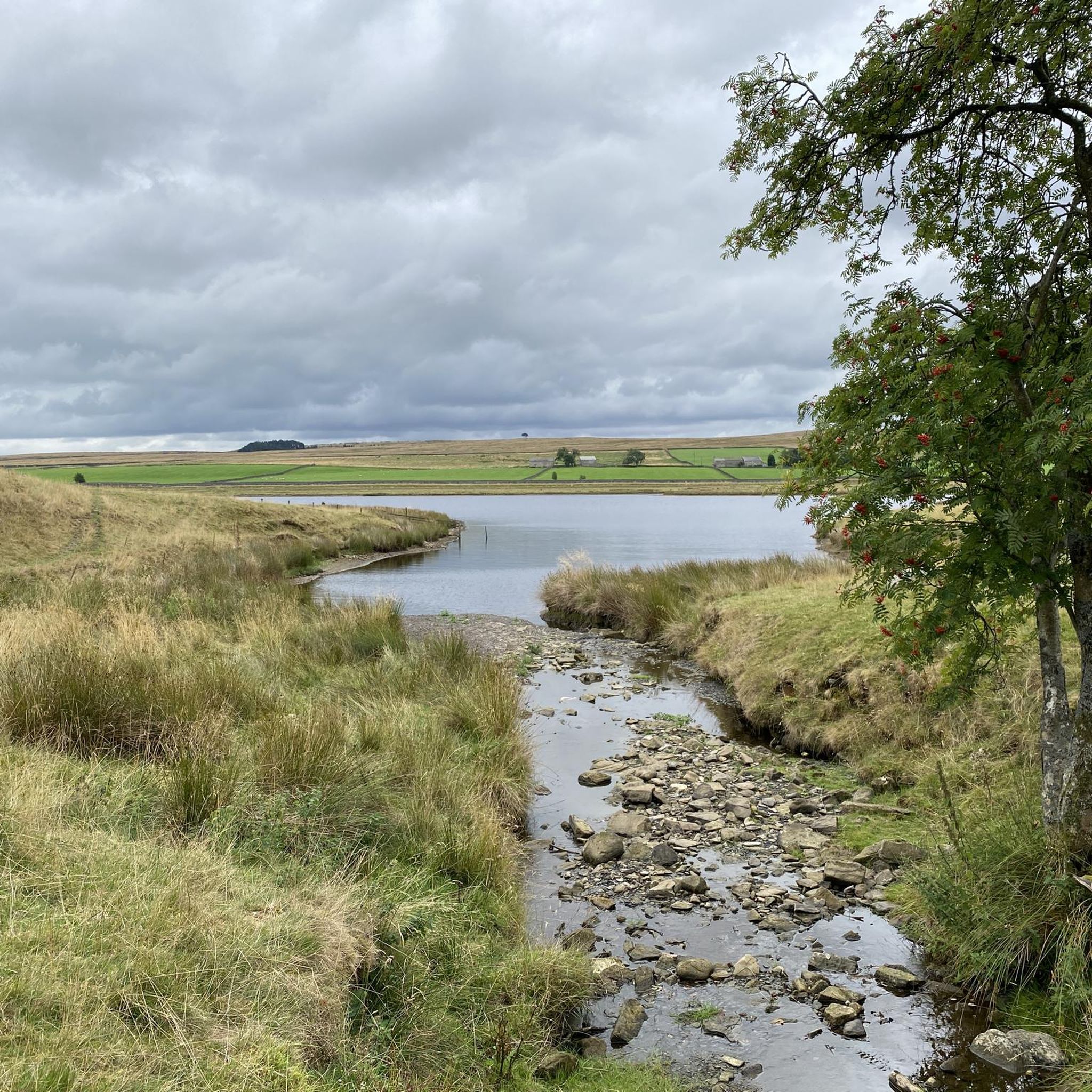
Hagworm Hill 597.2m P10.5 (1959ft) (Hill ID: 510553) [JNSA s1270] County of Yorkshire Definitive List
0
0

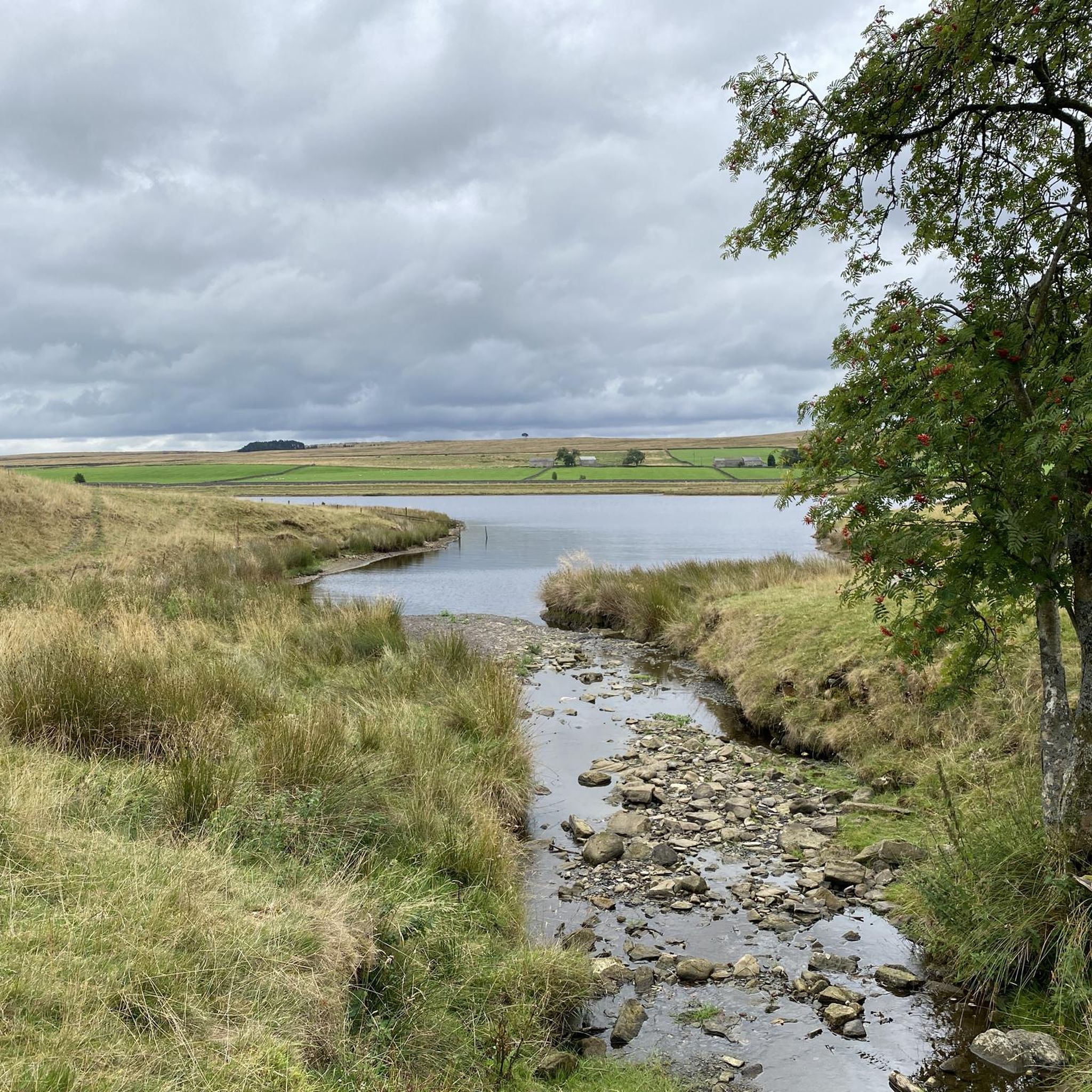
Kirkcarrion is a copse of pine trees planted on a walled hill above Middleton in Teesdale. The trees were planted in Victorian times on a Bronze Age burial mound. The trail is just off the Pennine Journey trail but worth the detour.
1
0

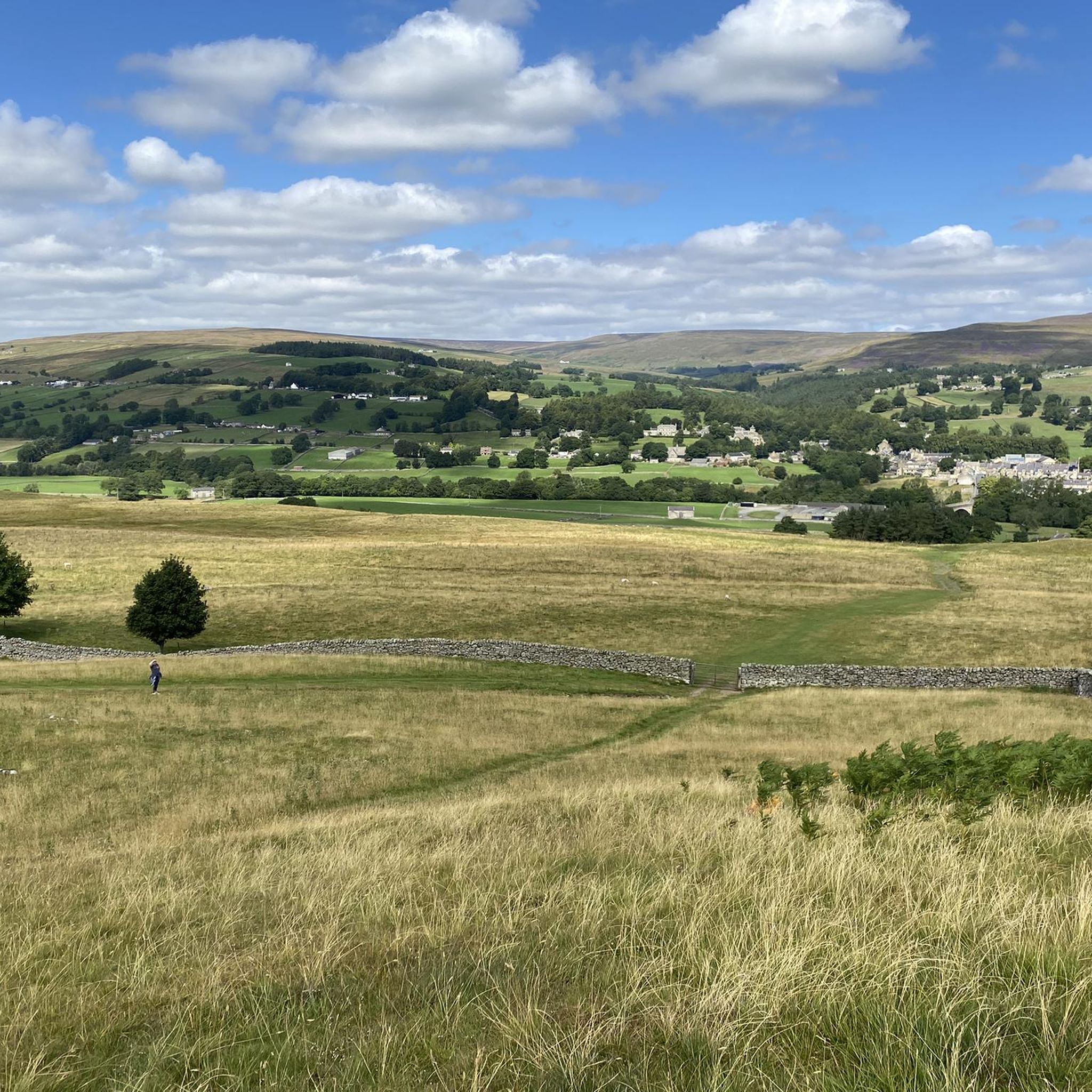
Monks Moor is a broad hill above Teeside in the North Pennines AONB. It reaches 1,854 feet (565 m) above sea level and its summit is crowned by a trig point. The hill is characterised by remnants from the mining industry, rocky outcrops and is clad in heather, a delightful sight in autumn.
0
0
Frequently Asked Questions
What are some popular elevated points for hiking near Romaldkirk?
The Romaldkirk area, part of the North Pennines AONB, offers several notable elevated points for hikers. Popular choices include Kirkcarrion Bronze Age Burial Mound, known for its historical significance and views. Other well-regarded spots are Monks Moor Summit Trig Point and Raven Seat Summit, both offering expansive vistas.
What kind of terrain can I expect on walks around Romaldkirk's elevated points?
The terrain around Romaldkirk's elevated points primarily consists of rolling hills, expansive moorland, and fells. You'll encounter a mix of paths that follow riverside sections, old railway lines, and traverse meadows, wooded areas, and open moorland, often crisscrossed by traditional drystone walls. Some areas, especially on higher fells like Mickle Fell (further afield), can be boggy.
Are there any historical landmarks on or near these elevated points?
Yes, the region has historical significance. A prominent example is Kirkcarrion Bronze Age Burial Mound, a natural monument where pine trees were planted in Victorian times on an ancient burial site. The wider area also has remnants from the mining industry, particularly around Monks Moor.
Where can I find the best views around Romaldkirk?
Excellent viewpoints are abundant in the Romaldkirk area. Monks Moor Summit Trig Point and Raven Seat Summit both offer broad, panoramic views across the North Pennines AONB. The Romaldkirk Moor trig point also provides local high-point views across the surrounding moorland. Scarney Hill offers views southwards towards the undulating ridges of Stainmore Forest.
What natural features define the landscape around Romaldkirk's fells?
The landscape around Romaldkirk is characterized by its vast and expansive beauty. Key natural features include rolling hills, extensive heather-clad moorland, and fells. The Upper Teesdale National Nature Reserve, near fells like Cronkley and Widdybank, is known for its rare arctic-alpine flora and diverse birdlife, including black grouse and golden plover.
Are there family-friendly elevated points or walks near Romaldkirk?
Yes, Kirkcarrion Bronze Age Burial Mound is categorized as family-friendly, offering an accessible historical and scenic spot. For general family walks, there are many easy hikes around Romaldkirk, such as the Hury Reservoir Circular Trail, which are suitable for various ages. You can find more options in the Easy hikes around Romaldkirk guide.
Can I bring my dog on walks to the elevated points around Romaldkirk?
Many of the trails and elevated points around Romaldkirk are dog-friendly. For instance, Kirkcarrion Bronze Age Burial Mound is listed as dog-friendly. However, as much of the area is moorland and farmland, it's essential to keep dogs on a lead, especially near livestock and ground-nesting birds, to protect wildlife and ensure safety.
When is the best time of year to visit the fells and elevated points near Romaldkirk?
The Romaldkirk area is beautiful year-round, but the best time for hiking is generally from late spring to early autumn (May to October). During these months, the weather is milder, and the moorland heather is in bloom, creating a stunning landscape. Autumn offers vibrant colors. Winter can be challenging due to cold, wind, and potential snow, especially on higher fells.
What should I wear for hiking in the Romaldkirk area during winter?
For winter hiking in the Romaldkirk area, layered clothing is crucial. This should include a waterproof and windproof outer shell, warm mid-layers (fleece or down), and moisture-wicking base layers. Sturdy, waterproof hiking boots with good grip are essential, along with warm socks, gloves, a hat, and gaiters to protect against boggy conditions and snow.
Are there less crowded elevated trails or fells near Romaldkirk?
The North Pennines AONB, where Romaldkirk is located, is generally less crowded than some other national parks. While popular spots like Kirkcarrion see visitors, exploring fells like Scarney Hill, or venturing further into the vast moorland towards Cronkley and Widdybank, can offer a sense of solitude and expansive beauty away from the main routes.
What other outdoor activities can I do near Romaldkirk's elevated points?
Beyond hiking, the Romaldkirk area offers a variety of outdoor activities. You can explore numerous road cycling routes through scenic landscapes or enjoy running trails that take you through diverse terrain, from riverside paths to moorland tracks.
Are there any cafes or pubs near the hiking routes around Romaldkirk?
Romaldkirk village itself has local pubs that can serve as a starting or ending point for walks. The wider Teesdale area, including nearby villages like Middleton-in-Teesdale and Cotherstone, offers additional cafes and pubs where you can refuel after your hike. These establishments often provide a warm welcome and local fare.
What is the highest point directly within the Romaldkirk area?
While there are no towering mountains, the Romaldkirk Moor trig point, at an elevation of 410 meters, offers a local high point within the immediate vicinity of Romaldkirk. It provides panoramic views across the surrounding moorland and is accessible via an ATV track over Harker Hill.
Most popular routes around Romaldkirk
Most popular attractions around Romaldkirk

Get inspired with the komoot mobile app


Explore more
See even more amazing summits around Romaldkirk with these guides:
