Top 5 Castles around Beningbrough
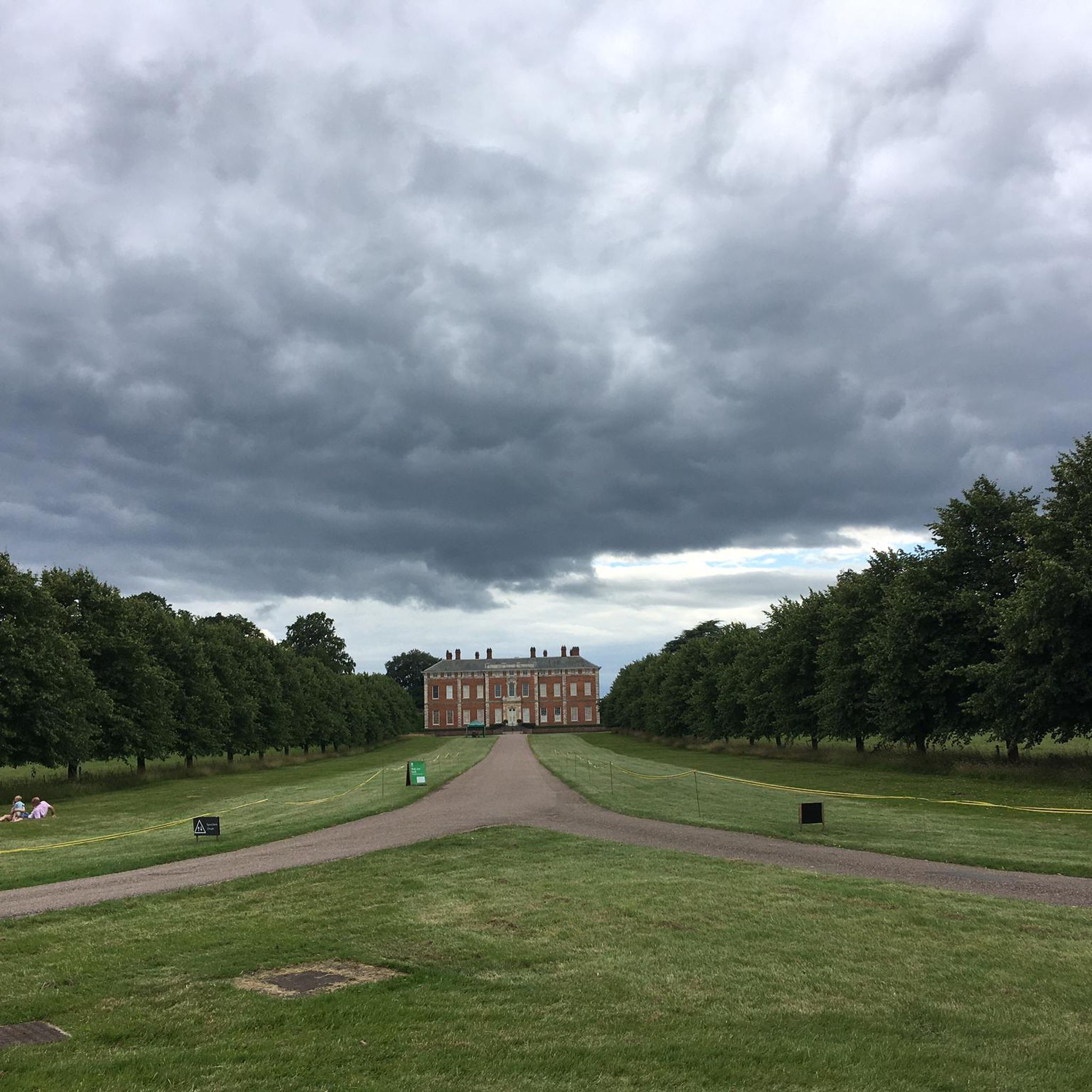
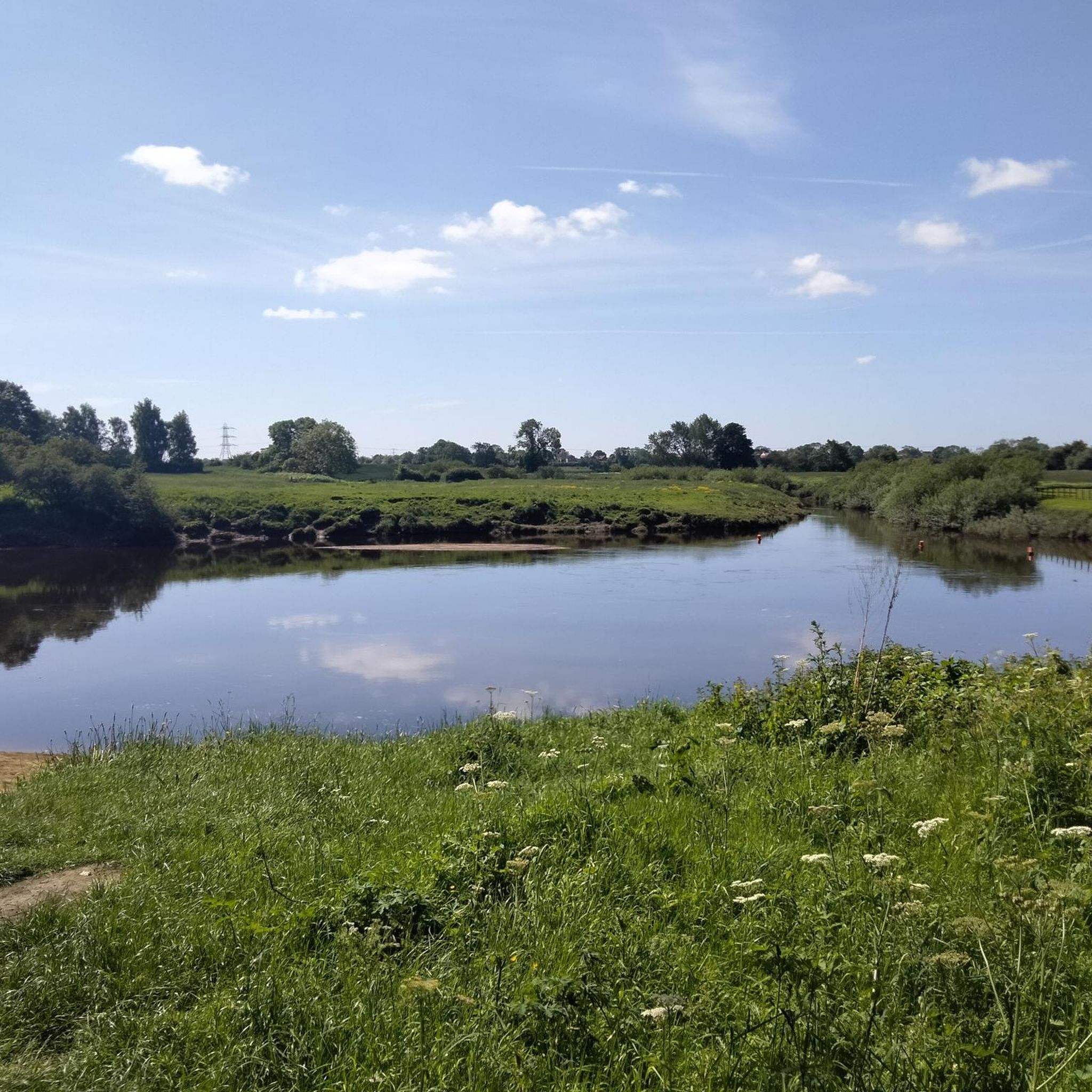
Best castles around Beningbrough can be found near this North Yorkshire location, known for its historical significance and proximity to the River Ouse. While Beningbrough itself features a notable Baroque mansion, the surrounding area offers various historical sites and remnants of fortifications. Visitors can explore a range of structures, from medieval towers to ancient city defenses, providing insight into the region's past.
Best castles around Beningbrough
- The most popular castles is Historic Centre of York, a man-made monument that…
Last updated: June 30, 2026
Clifford's Tower
Highlight • Historical Site
Translated by Google •
Tip by

Historic Centre of York
Highlight • Monument
Tip by

Sign up now to discover places like this
Get recommendations on the best single tracks, peaks, & plenty of other exciting outdoor places.
Sign up for free
St Mary's Abbey Ruins, Museum Gardens
Highlight • Historical Site
Translated by Google •
Tip by
The Red Tower
Highlight • Monument
Tip by

Baile Hill – Remains of York's Norman Castle
Highlight • Castle
Tip by
Start today with a free account
Your next adventure awaits.
Login or Signup
Tips from the Community


The tower at the base of the hill is classified as the first of the 39 towers (not all survive) around the city walls. It was built in 1878 to a design by G. Styan as a terminal feature to the wall which finished abruptly at the foot of the flight of steps up the side of Baile Hill. It is a semi-octagon with a crenellated parapet, built of brown sandstone.
1
0
Welcome to the most popular city in the UK in 2025 (if you believe YouGov polls... https://yougov.co.uk/ratings/travel/popularity/cities/all). Staggering amount of fascinating history and Wikipedia does a decent job of making it accessible, or you can go really deep into something like the five-volume "An Inventory of the Historical Monuments in City of York": https://en.wikipedia.org/wiki/History_of_York https://en.wikipedia.org/wiki/Eboracum https://en.wikipedia.org/wiki/Scandinavian_York https://www.british-history.ac.uk/rchme/york/vol1
1
0
The Red Tower is located next to what used to be a fairly sizeable lake known as the ‘Kings Fishpond’. The lake was formed in 1068, when William the Conqueror dammed the river Foss at Fishergate, raising the water level by 2m (6ft). A map of 1610 by John Speed shows how the water provided a very effective defence as it spread over low ground to the east of the city and also some distance up Tang Hall Beck. It shows the medieval city walls surrounding Walmgate from Fishergate Tower to Red Tower, each ending next to the waters of the flooded river Foss. Lots of info on this landmark if you are interested: https://www.yorkwalls.org.uk/wp-content/uploads/2015/01/Red-Tower-History-rev-2.pdf (7-page pdf) https://en.wikipedia.org/wiki/Red_Tower_(York) http://redtoweryork.org.uk/red-tower-history/ https://yorkcivictrust.co.uk/heritage/civic-trust-plaques/red-tower/
1
0

Baile Hill is the remnant of a Norman motte and bailey castle built in 1069. Following a rebellion, the castle was part of a defensive system for York's southwest side. William the Conqueror ordered its construction. The castle consisted of a man-made mound (motte) topped with a wooden tower. A deep ditch surrounded the motte for added defense. Built alongside another castle across the River Ouse (now Clifford's Tower), they controlled the city and traffic on the river.
0
0

The ancient walled city of York dates back an incredible 2,000 years. The city is characterised by its historic buildings, outstanding architecture and narrow medieval streets lined with independent shops, cafés, bars and restaurants, the most famous of these streets being the iconic Shambles.
4
0

In 1890, the prison commissioners agreed to declare Clifford's Tower a national monument and preserve it as a historic site. [112] In 1902, Clifford's Tower was given to York Corporation, along with a grant of £3,000 (equivalent to £320,000 in 2019) for conservation and repairs arranged by Lord Wenlock. The removal of rubble and damage to the castle's masonry in the 16th century placed excessive pressure on the retaining wall, leading to renewed subsidence in the 14th century. [117] Sir Basil Mott, a leading Victorian engineer, installed concrete underpinnings to stabilize the structure beneath the gatehouse. [117]In the early 20th century, Clifford's Tower was regularly open to visitors and in 1915 it was handed over to the Office of Works as a national monument (source: https://en.wikipedia.org/wiki/York_Castle).
5
0

Beautiful gardens, well maintained. With some ruins
0
1
Frequently Asked Questions
What types of historical sites can I explore around Beningbrough?
The area around Beningbrough offers a rich variety of historical sites. You can explore ancient city defenses, medieval towers, and significant ruins. Notable examples include the Historic Centre of York with its 2,000-year history, Clifford's Tower, a preserved moated castle keep, and the atmospheric St Mary's Abbey Ruins set within botanical gardens.
Are there family-friendly historical attractions near Beningbrough?
Yes, several historical attractions around Beningbrough are suitable for families. The Historic Centre of York, Clifford's Tower, St Mary's Abbey Ruins, Museum Gardens, and The Red Tower are all categorized as family-friendly. These sites offer engaging experiences for visitors of all ages, from exploring ancient structures to enjoying open spaces.
What outdoor activities can I do near these historical sites?
The Beningbrough area is excellent for outdoor activities. You can find numerous routes for hiking, gravel biking, and road cycling. For hiking, explore trails like the 'Blacksmiths Arms – Beningbrough Hall loop' or the 'Moss Hill Woods loop'. Cyclists can enjoy routes such as the 'Millennium Bridge York loop' for gravel biking or longer road cycling routes like 'The Grange Coffee Shop – Marston Moor Battle Monument loop'. More details on these activities can be found in the Hiking around Beningbrough, Gravel biking around Beningbrough, and Road Cycling Routes around Beningbrough guides.
Can I visit Beningbrough Hall, even though it's not a castle?
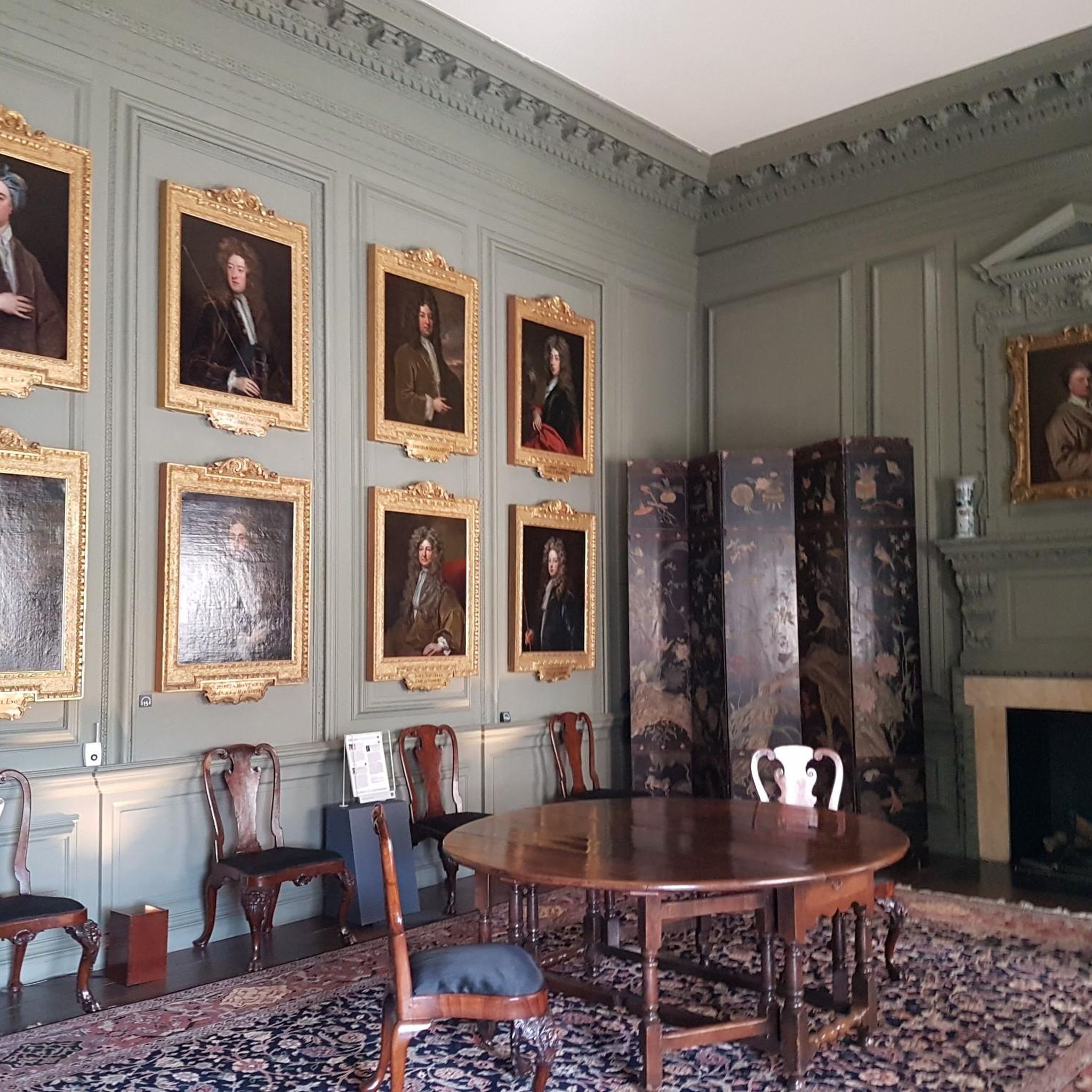
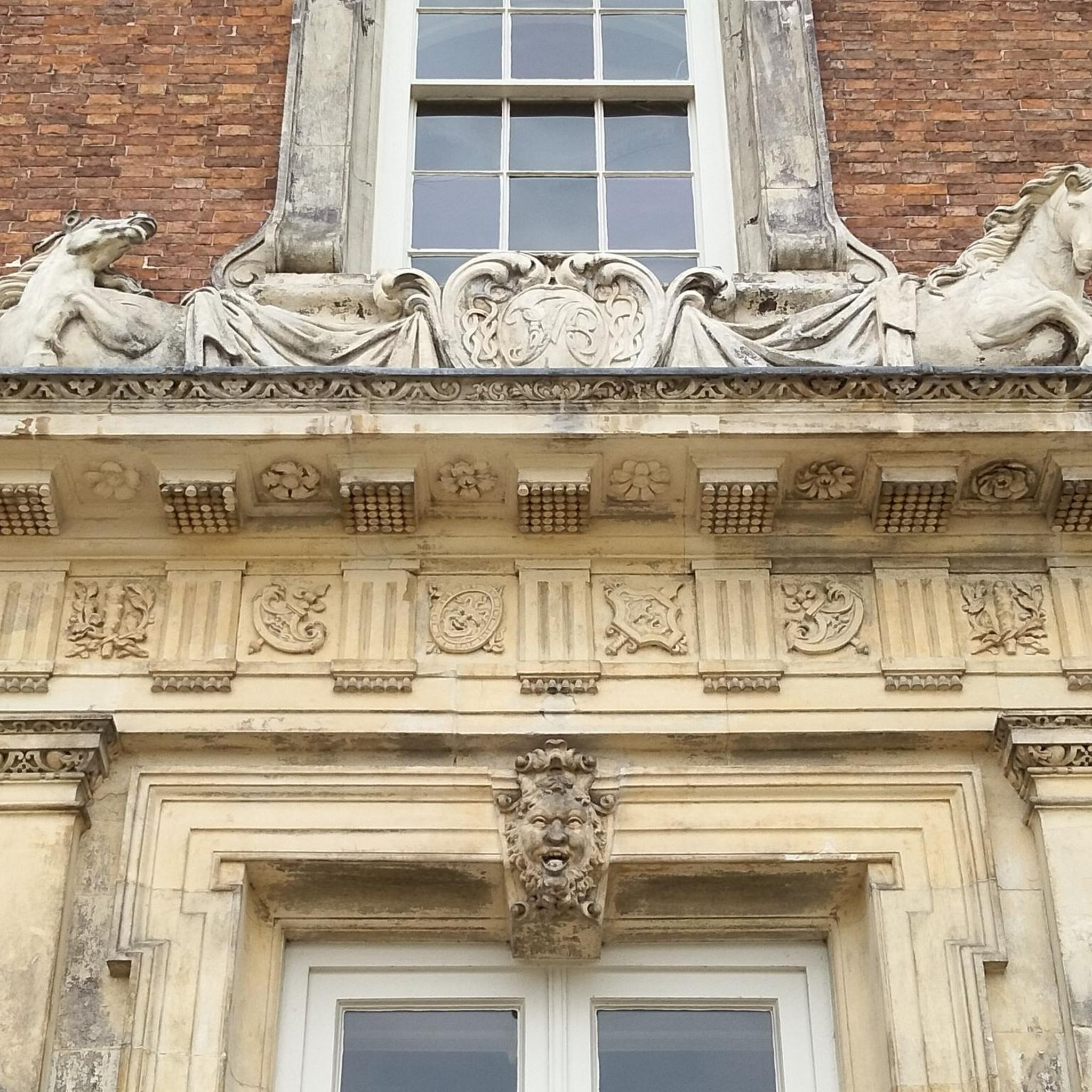
While this guide focuses on castles, Beningbrough Hall is a significant Baroque mansion nearby and is well worth a visit. It features remarkable architecture, art exhibitions in collaboration with the National Portrait Gallery, and extensive gardens. The National Trust owns the hall, and it offers various events and activities, including a wilderness play area for children.
Are there any sites with good views of the surrounding area?
Yes, Clifford's Tower offers excellent views. From its new roof deck, you can get unrivalled panoramic views over York's historic skyline, including its medieval buildings and the famous Minster.
What is the historical significance of Clifford's Tower?
Clifford's Tower has a turbulent history. It served as the moated castle keep of York Castle, a royal mint, a medieval stronghold, and a Civil War garrison. It was also the site of a tragic massacre in 1190 involving York's Jewish community. Today, new walkways and immersive soundscapes bring its complex past to life.
Are there any ancient city defenses to explore?
Yes, the area around Beningbrough, particularly York, is known for its ancient city defenses. You can explore parts of the medieval city walls, including structures like The Red Tower, which was historically protected by the 'Kings Fishpond' and formed part of the city's eastern defenses.
What can I expect to see at St Mary's Abbey Ruins?
At St Mary's Abbey Ruins, Museum Gardens, you'll find the impressive remnants of a medieval abbey set within beautiful botanical gardens. The gardens themselves are registered botanical gardens, containing Scheduled Monuments and Listed buildings. It's a peaceful spot to explore history and nature, and you might even encounter some tame gray squirrels.
What is Baile Hill?
Baile Hill is the remnant of a Norman motte and bailey castle built in 1069 by William the Conqueror. It was part of a defensive system for York's southwest side, consisting of a man-made mound (motte) topped with a wooden tower, surrounded by a deep ditch. It provides insight into early Norman fortifications.
What do visitors enjoy most about the historical sites around Beningbrough?
Visitors frequently praise the rich history and outstanding architecture of the sites. The Historic Centre of York is particularly popular for its medieval streets, independent shops, and vibrant atmosphere. The immersive experiences at places like Clifford's Tower and the tranquil beauty of St Mary's Abbey Ruins are also highly appreciated.
Are dogs allowed at Beningbrough Hall or other nearby historical sites?
Regarding Beningbrough Hall, dogs are permitted in most garden areas and select sections of the restaurant. For other historical sites like those in York, it's best to check individual site policies, as rules can vary for ruins, towers, and indoor attractions.
What is the best time of year to visit the castles and historical sites around Beningbrough?
The Historic Centre of York is described as a 'lovely place to visit all year round'. Generally, spring and summer offer pleasant weather for exploring outdoor ruins and gardens, while autumn provides beautiful scenery. Winter visits can be charming, though some sites might have reduced opening hours.
Most popular attractions around Beningbrough

Get inspired with the komoot mobile app


Explore more
Looking for the best castles somewhere else? Discover other guides around Beningbrough:
