The 20 Most Amazing Peaks in the Olympic Mountains
Best mountain peaks in the Olympic Mountains are characterized by a rugged and diverse landscape. This range features steep-sided peaks, dense forests, and abundant glaciers, making it a notable destination. Most of these mountains are protected within Olympic National Park and Olympic National Forest. The region's geological youth and continuous uplift contribute to its unique terrain.
Best mountain peaks in the Olympic Mountains
- The most popular mountain peaks is Hurricane Hill, a summit that offers views of the Olympic…
Last updated: August 25, 2026
Hurricane Ridge Visitor Center
Highlight • Rest Area
Tip by

Hurricane Hill
Highlight • Summit
Tip by

Sign up now to discover places like this
Get recommendations on the best single tracks, peaks, & plenty of other exciting outdoor places.
Sign up for free
Mount Walker North Viewpoint
Highlight • Viewpoint
Tip by

Mt. Muller Peak
Highlight • Summit
Tip by

Klahhane Ridge
Highlight • Summit
Tip by

Olympic National Park
Highlight • Natural Monument
Tip by

Mount Zion
Highlight • Summit
Tip by

Mt. Zion Trail #836
Highlight (Segment) • Trail
Tip by
Mount Townsend
Highlight • Summit
Tip by
Mount Washington, WA
Highlight • Summit
Tip by
Sign up for free to discover even more peaks in the Olympic Mountains.
Sign up for free
Already have an account?
Start today with a free account
Your next adventure awaits.
Login or Signup
Popular around Olympic Mountains
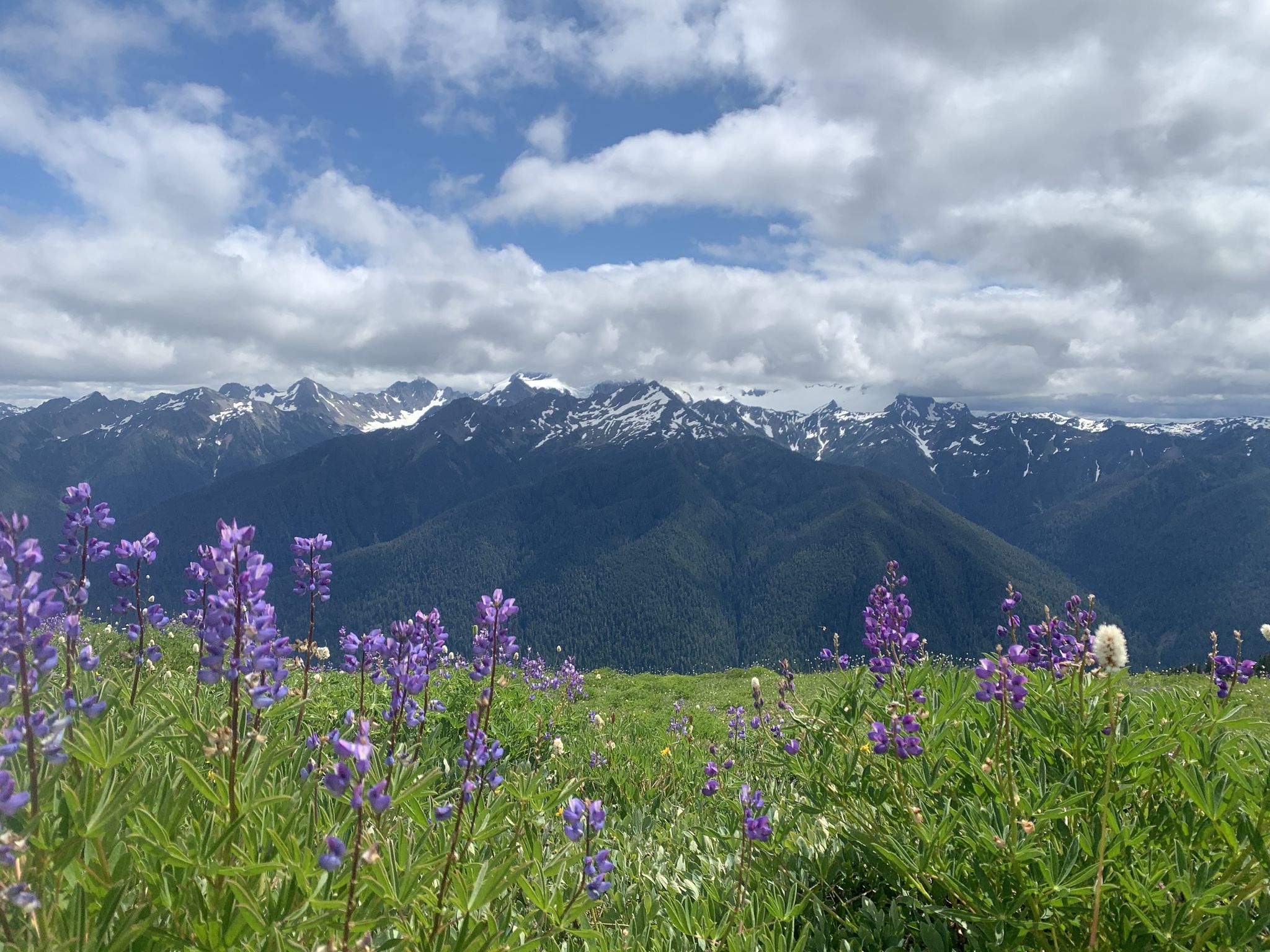
Pacific Northwest National Scenic Trail — From Alpine to Alava through the untamed Northwest
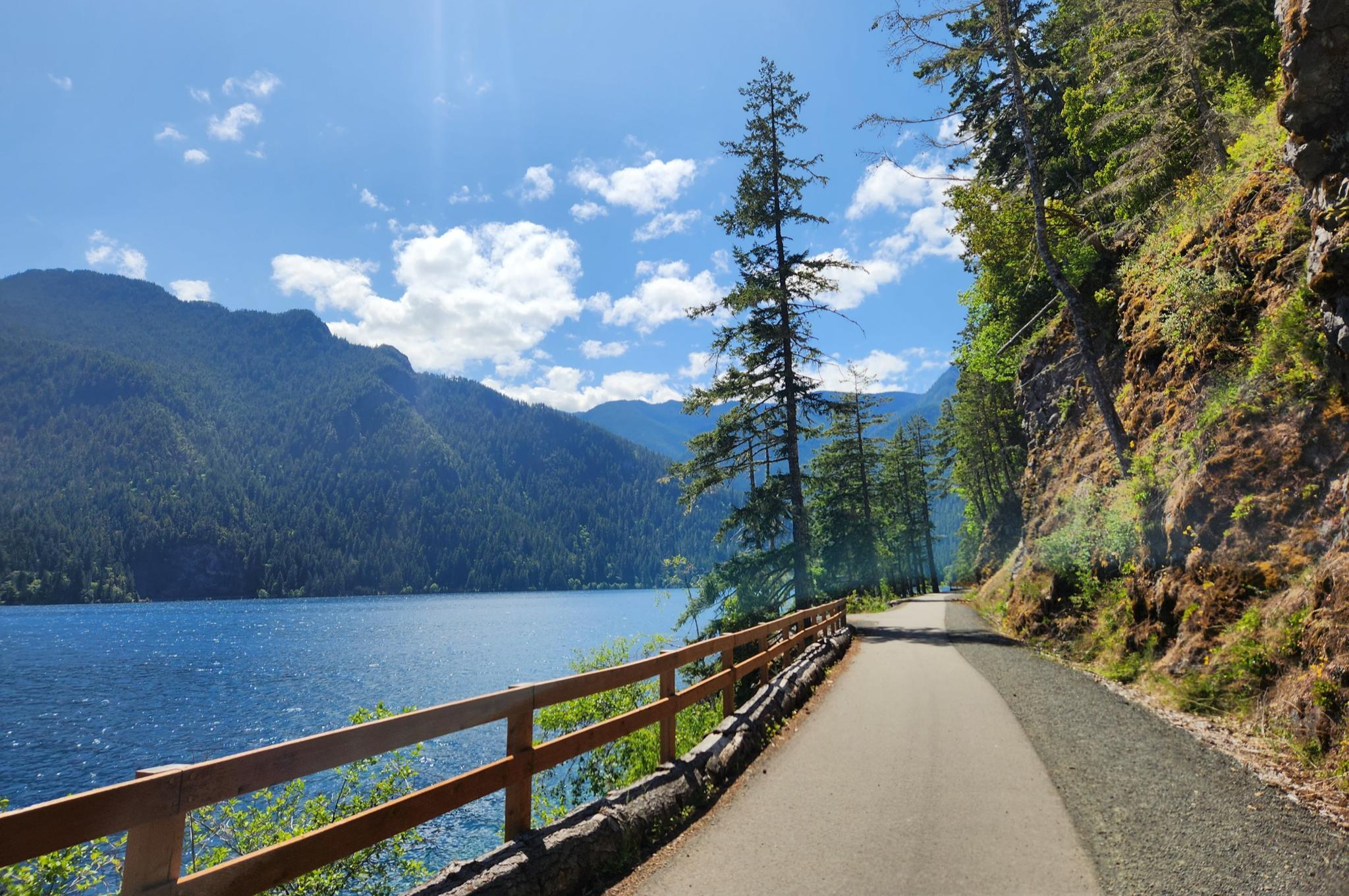
Olympic Discovery Trail — A True Northwest Adventure
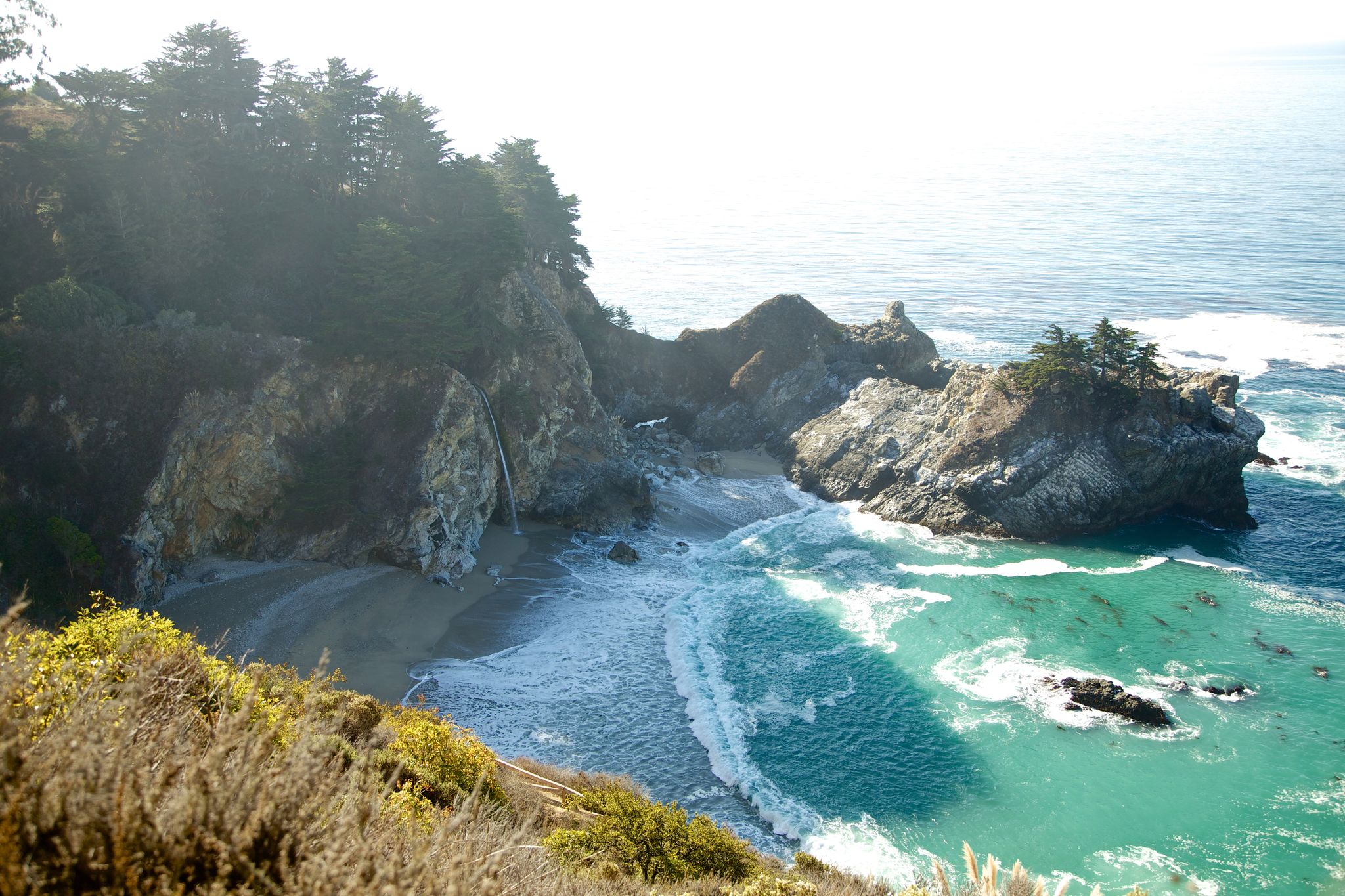
The tour of your life – music trails on the Pacific coast
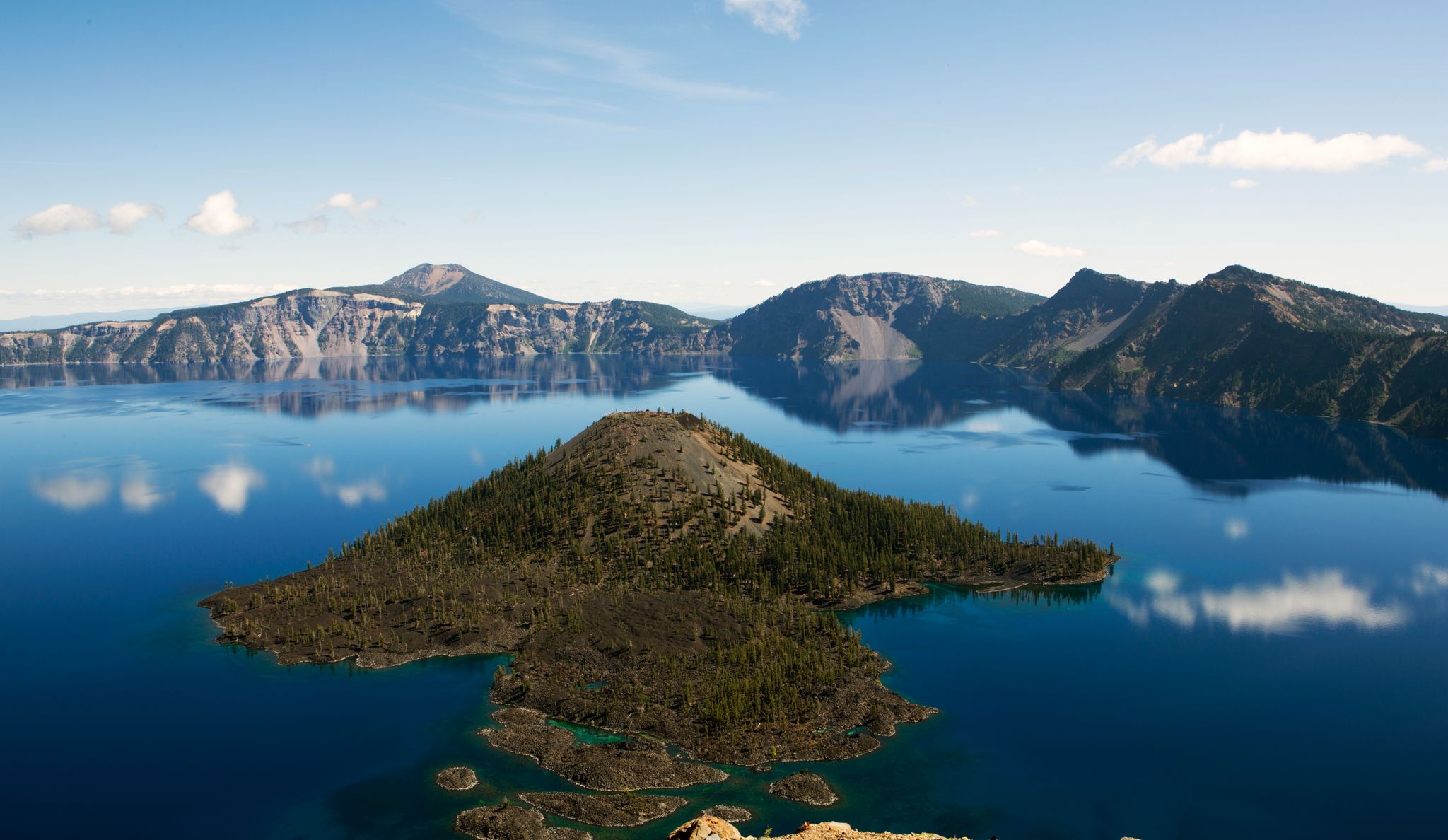
Volcanic peaks and glistening shores – discover Oregon and Washington
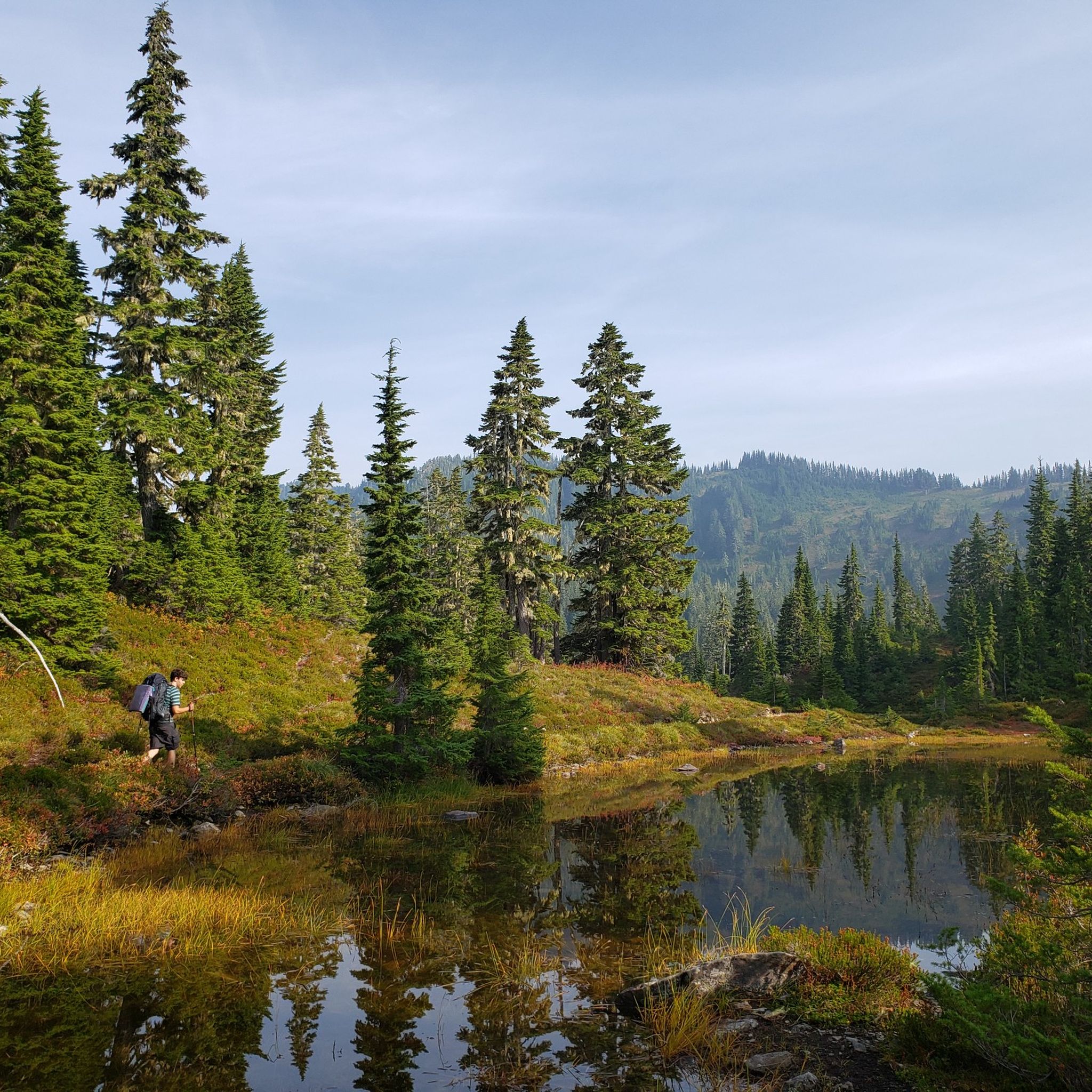
Hiking in the Olympic Mountains
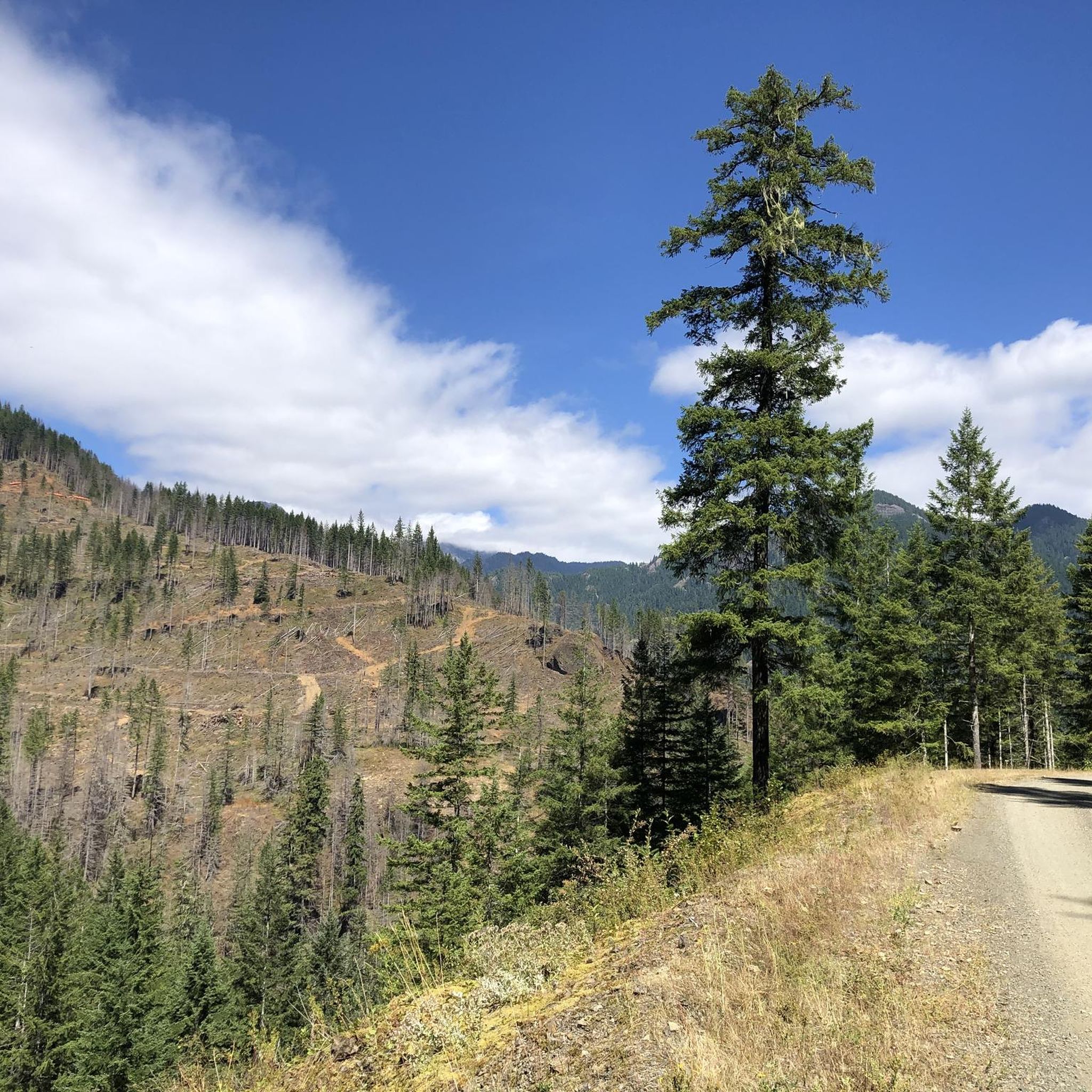
Road Cycling Routes in the Olympic Mountains
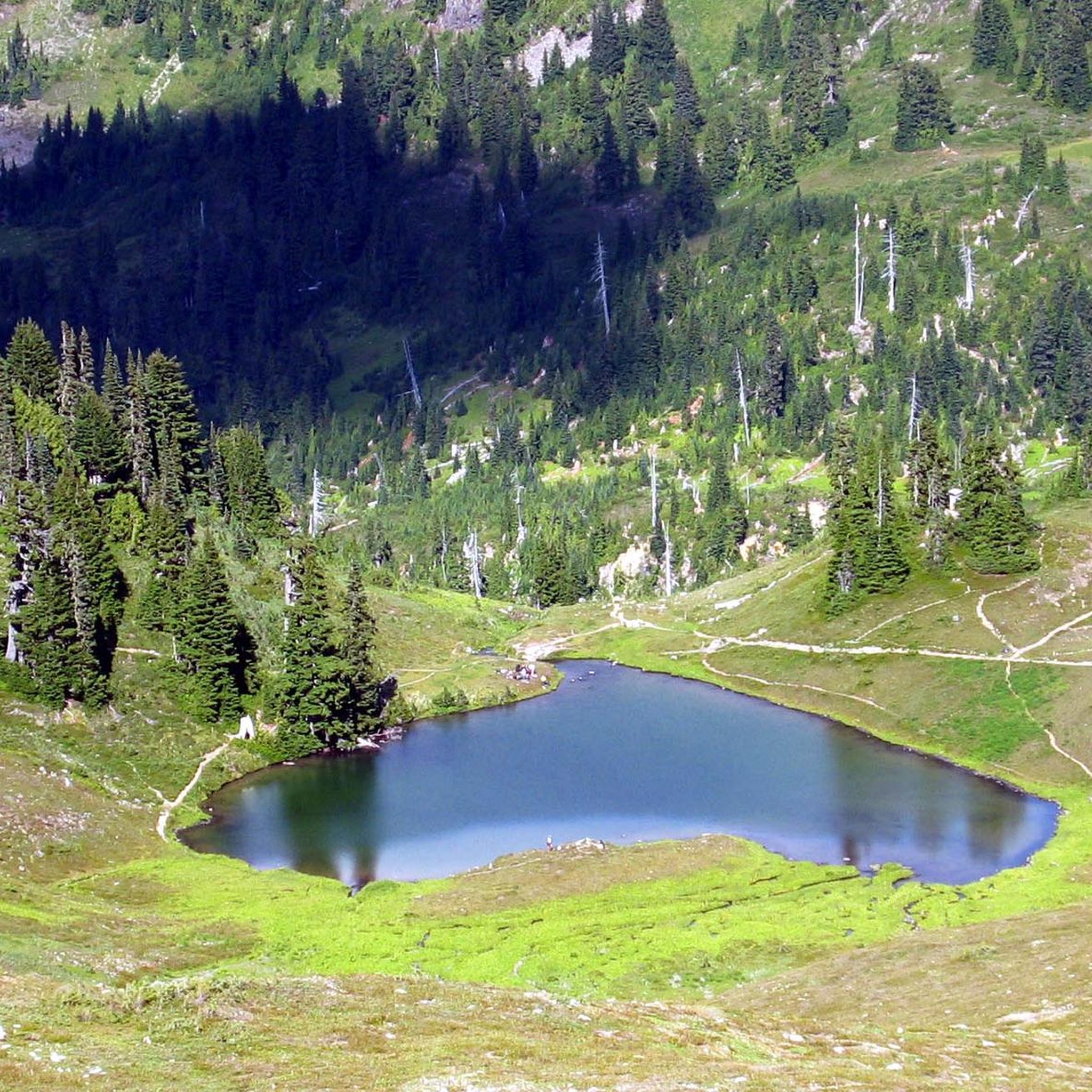
Running Trails in the Olympic Mountains
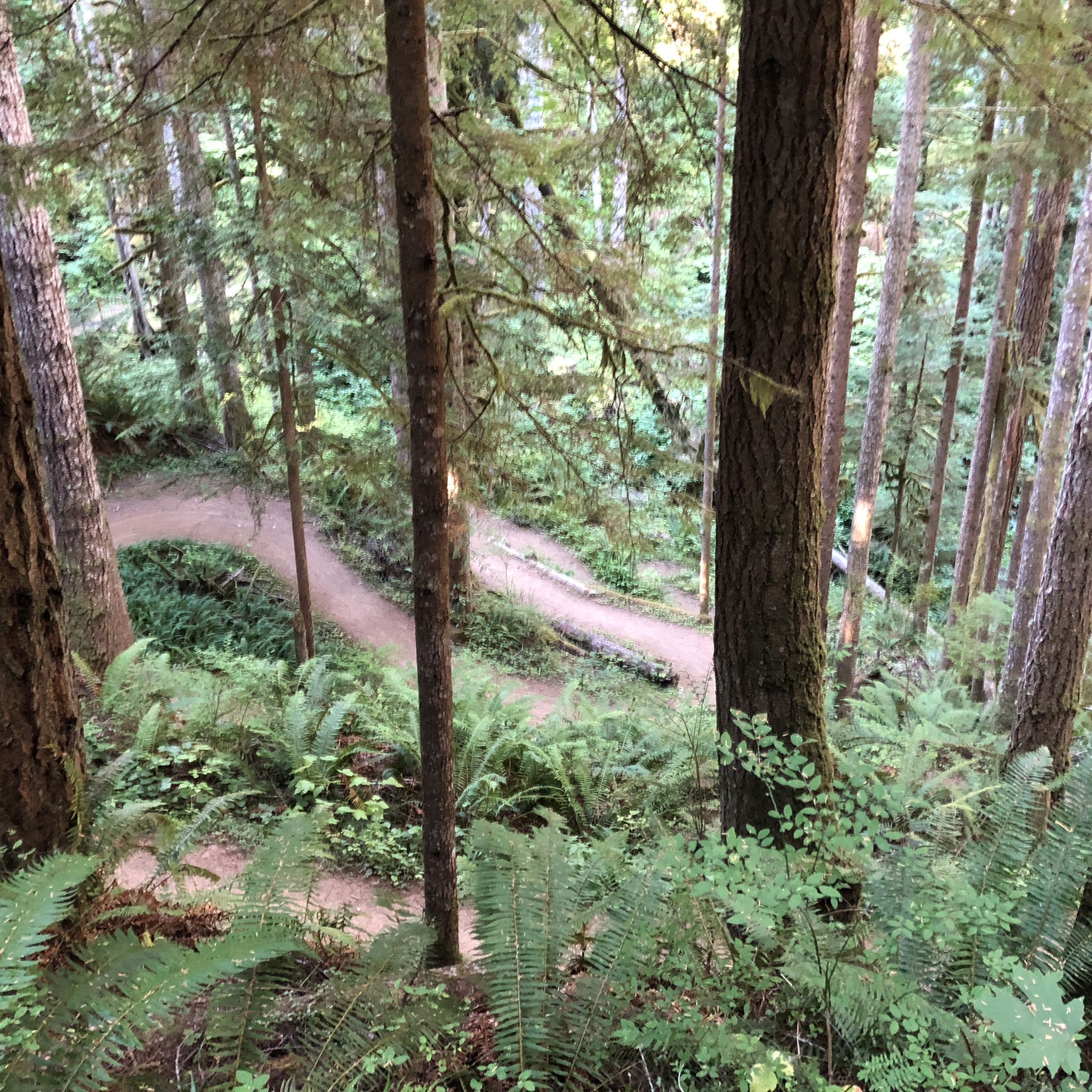
MTB Trails in the Olympic Mountains
Cycling in the Olympic Mountains

Gravel biking in the Olympic Mountains
Other adventures in the Olympic Mountains


Tips from the Community


Stunning views. Restrooms and souvenirs in the nearby (summers only) visitor center. Lots of people, too, probably — since you can just drive up here, it tends to get crowded. But for intrepid bikers who cranked all the way here, it's well worth hopping off your bike for a quick walk to the best viewpoints. Don't forget to enjoy the screaming ride back downhill, too.
0
0

Olympic National Park on Washington State's Olympic Peninsula spans about a million acres of glacier-capped mountains, old-growth rainforests, and over 70 miles of wild Pacific coastline. This National Park is also recognized as an International Biosphere Reserve and a UNESCO World Heritage Site. Hikers can explore the Hoh Rain Forest, Hurricane Ridge, Lake Crescent and Sol Duc Valley.
0
0

Hurricane Ridge is easy to access, so it can get crowded with cars and pedestrians. This spot provides views of the surrounding mountains and valleys. The road to this viewpoint is open all summer and open Friday to Sunday (and holiday Mondays) in the winter, weather permitting.
0
0

Bathrooms, Snacks & Souvenirs (summer only) & viewpoint. I don't think there is a water fountain up here but the snack shop sold water and Gatorade.
1
0

The climb up can be a challenge, but the rewards are well worth it. From this viewpoint, you're treated to stunning 360 views. To the west, you'll catch a glimpse of Mt. Jupiter, the nearest high peak to Hood Canal. Further on, Mt. Constance stands as the third-highest peak in the Olympics, with its awe-inspiring rock faces. On exceptionally clear days, you'll even spot Mt. Baker to the northeast, the state's fourth-highest peak with a remarkable glacial system.
0
0

You've reached the highest point along Klahhane Ridge, so it's time to enjoy the breathtaking views in a beautiful alpine terrain. The area is also home to a lot of wildlife so keep your eyes open for goats, marmots, black bear and deer.
0
0

Hurricane Hill offers spectacular views of the Olympic Mountains, forest, and glaciers. This is a great summit to run if you're looking for a moderate outing on a well-maintained trail. Only downside is that the views along the way will make it tempting to stop to admire the surroundings!
0
0
Frequently Asked Questions
What are some of the most prominent mountain peaks visible from afar in the Olympic Mountains?
Several peaks in the Olympic Mountains are highly visible from surrounding areas. Mount Constance is particularly prominent from the Seattle skyline. The Brothers, a distinctive double peak, is also easily recognizable from Seattle's western skyline. Additionally, Mount Townsend offers panoramic views that include the San Juan Islands and the Cascades, and is highly visible from Seattle.
Which mountain peaks in the Olympic Mountains are known for their extensive glaciers?
Mount Olympus is the most notable for its extensive glaciation, housing the third-largest glacial system in the continental United States, including the Blue, Hoh, Humes, Jeffers, and White Glaciers. Mount Anderson once featured the Anderson Glacier and still has the Eel Glacier northwest of its summit. While Mount Constance has less extensive glaciation, it does feature the steep Crystal Glacier on its north face.
Are there any accessible viewpoints or family-friendly mountain experiences in the Olympic Mountains?
Yes, Hurricane Ridge is a road-accessible mountain viewpoint offering spectacular panoramic views of the Olympic Range, making it a popular spot for day trips and family visits. From Hurricane Ridge, you can access Hurricane Hill, an easy and accessible trail built by the NPS that provides great views of the Olympic Mountains and glaciers.
What are some of the most challenging mountain peaks for experienced climbers in the Olympic Mountains?
For experienced climbers, Mount Olympus offers a challenging multi-day ascent, often considered a 'right of passage' for mountaineers. Mount Deception is another formidable objective, best suited for experienced climbers due to its rugged, steep, and rocky slopes. Mount Constance is also considered one of the most difficult peaks to climb in the Olympics, with routes ranging from Class 3 to mid-Class 5. Mount Washington presents a challenging scramble with exposed ledges and steep inclines.
What unique natural features define the Olympic Mountains region?
The Olympic Mountains are geologically young and continuously rising due to tectonic plate collisions. Their landscape is sculpted by ancient glaciers, and the western slopes are famously wet, supporting temperate rainforests. The presence of marine fossils near mountain summits indicates their oceanic origin, creating a highly diverse and unique wilderness experience.
What is the best time to visit the Olympic Mountains for peak climbing and hiking?
The best time often depends on the specific peak and your experience level. For peaks like The Brothers, summer months are ideal when snow is minimal for scrambling. For Mount Deception, early season might be preferred for snow travel, but conditions can be hazardous. Generally, late spring through early fall offers the most favorable conditions for hiking and climbing in the high country, though heavy precipitation is common in winter.
Where can I find panoramic views of the Olympic Mountains and surrounding areas?
Many peaks and viewpoints offer stunning panoramic views. Mount Anderson provides excellent panoramic views of the entire Olympic Range. Mount Ellinor offers sweeping views of the Pacific Northwest, including Mount Rainier, Mount Baker, Mount St. Helens, Mount Adams, and Mount Olympus on a clear day. Mount Walker North Viewpoint rewards with 360-degree views, including Mt. Jupiter, Mt. Constance, and on clear days, Mt. Baker. Mt. Muller Peak offers views of Mount Olympus, Lake Crescent, and the Sol Duc Valley.
What outdoor activities can I do near the mountain peaks in the Olympic Mountains?
The Olympic Mountains offer a wide range of outdoor activities. You can find numerous hiking opportunities, including waterfall hikes like Marymere Falls Nature Trail. For cyclists, there are cycling routes such as the Olympic Discovery Trail. Mountain biking enthusiasts can explore MTB trails like the Spruce Railroad Trail. Many peaks also offer opportunities for mountaineering and scrambling.
Are there opportunities for wildlife spotting near the mountain peaks?
Yes, the Olympic Mountains are home to diverse wildlife. For example, along Klahhane Ridge, visitors often spot goats, marmots, black bears, and deer. The dense forests and alpine terrain provide habitats for many species, so keeping an eye out during your hikes can lead to rewarding wildlife encounters.
What do visitors enjoy most about the mountain peaks in the Olympic Mountains?
Visitors frequently praise the stunning panoramic views from summits and viewpoints like Hurricane Hill and Mt. Muller Peak. The challenging yet rewarding climbs, the unique geological features, and the chance to experience extensive glaciation on peaks like Mount Olympus are also highly appreciated. The accessibility of some areas, such as Hurricane Ridge, makes the beauty of the Olympic Mountains enjoyable for a wide range of visitors.
Which mountain peak is considered the 'hydrographic apex' of the Olympic Mountains?
Mount Anderson, standing at 7,330 feet, is significant as the 'hydrographic apex' of the Olympic Mountains. From this peak, rivers flow outward to the Pacific Ocean, the Strait of Juan de Fuca, and Hood Canal, making it a crucial water source for three major watersheds.
Can I see Mount Olympus from other viewpoints in the Olympic Mountains?
While a direct ascent to Mount Olympus is challenging, you can glimpse it on clear days from various viewpoints. The Hurricane Ridge Visitor Center offers views of the surrounding mountains, including Mount Olympus. Additionally, from Mt. Muller Peak, you can see Mount Olympus on a clear day.
Most popular routes in the Olympic Mountains
Most popular attractions in the Olympic Mountains

Get inspired with the komoot mobile app


Explore more
See even more amazing summits in the Olympic Mountains with these guides:
