Top 5 Castles around Riccarton
Castles around Riccarton offer a journey through Scottish history, with sites ranging from medieval ruins to well-preserved structures. The region encompasses areas like Ayrshire and Midlothian in Scotland, each with its own historical significance related to castles. These locations provide insights into Scotland's past, including connections to figures like William Wallace and the evolution of defensive architecture. The landscape features varied terrain, from parklands to ridge-top ruins, suitable for exploration.
Best castles around Riccarton
- The most popular castles is Dean…
Last updated: June 29, 2026
Dean Castle
Highlight • Castle
Tip by

Dundonald Castle Ruins
Highlight • Castle
Tip by

Sign up now to discover places like this
Get recommendations on the best single tracks, peaks, & plenty of other exciting outdoor places.
Sign up for free
View of Craigie Castle
Highlight • Viewpoint
Tip by

Seagate Castle
Highlight • Historical Site
Tip by

Start today with a free account
Your next adventure awaits.
Login or Signup


Tips from the Community

Fascinating castle ruins with guided tours available bringing the history to life. Also the start/finish of The Smugglers Trail between Troon and Dundonald.
0
0

Dundonald Castle is a fortified tower house built for Robert II on his accession to the throne of Scotland in 1371 and it was used as a royal residence by Robert II and his son Robert III.
0
0
Standing on a ridge, Craigie Castle consists of the ruins of a 13th-century groin-vaulted hall house and later castle. The hall house was vaulted in the 15th century, and remodelled into a tower house with ranges of outbuildings. The castle had two courtyards, and was defended by ditches. The lands were held by a Walter Hose around 1150, but the original castle was probably built by the Lindsay family between 1230-40. The property was held by the Craigies when it passed by marriage to the Wallaces of Riccarton in 1371, who had Blind Harry collect together stories and compile a poem about William Wallace, the famous freedom fighter. William Wallace of Craigie is on record in 1464. The castle was abandoned about 1600 when the Wallaces moved to Newton upon Ayr (Newton Castle and Craigie House). Hugh Wallace of Craigie was made a baronet of Nova Scotia in 1669. The property passed by marriage to the Dunlops and was sold in 1783.
0
0

Wonderful 14th-century castle located on the beautiful grounds of Dean Castle Country Garden.
1
0
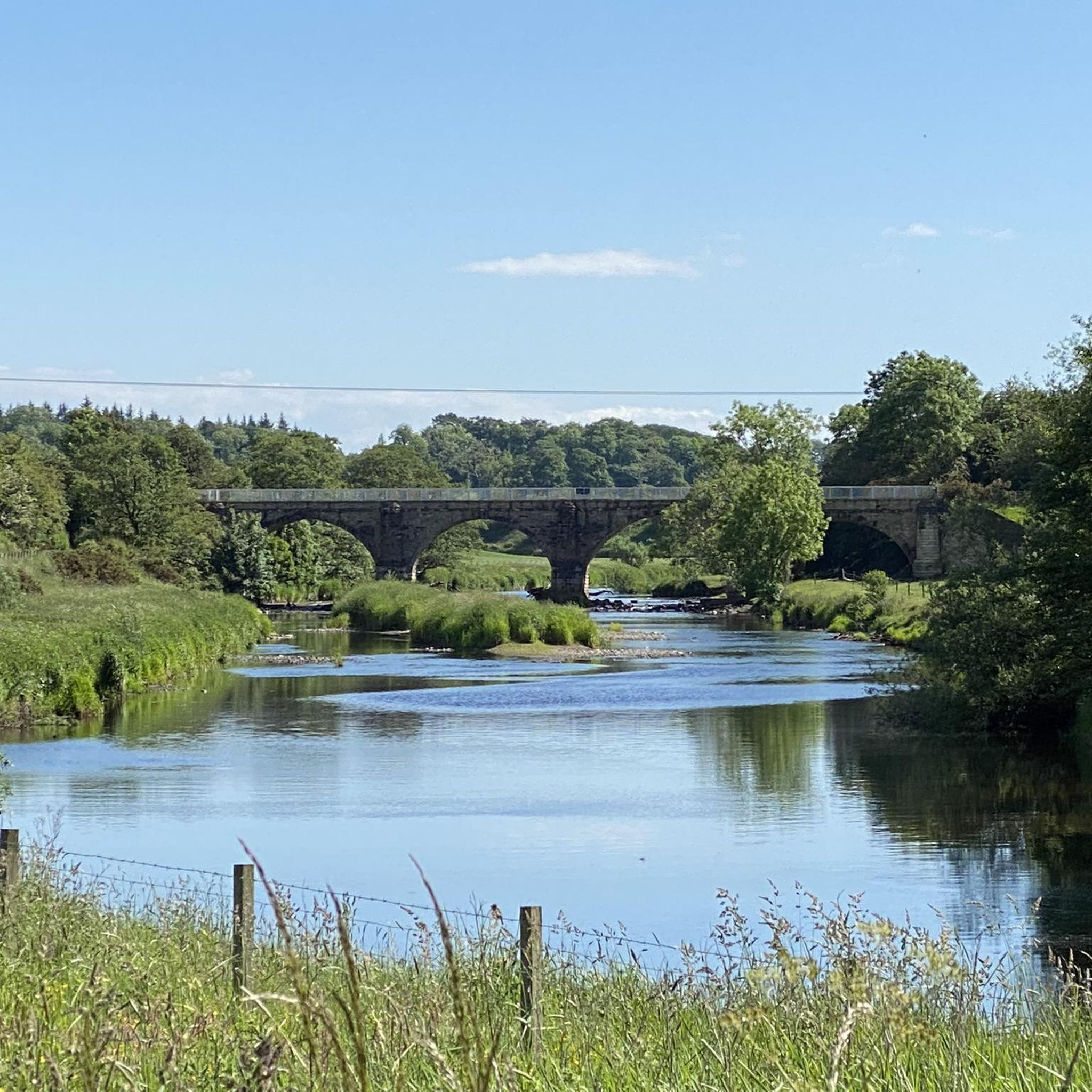
Magnificent 14th-century castle located in the heart of Kilmarnock.
1
0

14th century castle ruins nestled in the hill side. Good visitors centre to check out as well.
0
0
Situated just outside Kilmarnok, Dean Caslte and Park is a great day out. Completely free to visitors, there's a sustainable living centre, a gift shop and a cafe. There are also loads of walks and nature trails to explore around the park.
0
0

Seagate Castle is a ruined 16th-century tower and town house in the heart of Irvine. It is recorded on the plaque at the entrance that Mary, Queen of Scots, stayed at the castle in 1563. You can’t enter the castle these days but it is an impressive and historic structure if you are in the area.
1
0
Frequently Asked Questions
What kind of castles can I expect to find around Riccarton?
The Riccarton area, primarily in Ayrshire and Midlothian, Scotland, features a variety of historical castle sites. You'll find everything from well-preserved 14th-century structures like Dean Castle to significant 14th-century ruins such as Dundonald Castle Ruins. There are also sites of older castles, like the 13th-century View of Craigie Castle, which are now mostly ruins but hold deep historical connections.
Are there any castles around Riccarton with strong historical significance?
Yes, the region is rich in history. The site of Riccarton Castle in Ayrshire is particularly significant due to its strong connection to William Wallace, the Scottish national hero. While little of the original structure remains, its historical importance is immense. Craigie Castle was also held by the Wallaces of Riccarton, further linking the area to this historical figure. Dundonald Castle Ruins served as a royal residence for Robert II and Robert III.
Which castles are family-friendly or suitable for a day out with children?
Dean Castle, located in Dean Castle Country Park, is an excellent choice for families. It's a magnificent 14th-century castle with a sustainable living centre, gift shop, and cafe. The surrounding park offers numerous walks and nature trails. Dundonald Castle Ruins also has a good visitor centre and offers guided tours that bring history to life, which can be engaging for older children.
Are there walking or hiking trails near the castles?
Absolutely. Many castles are situated within or near scenic areas with trails. For example, Dean Castle is within Dean Castle Country Park, which has many walks and nature trails. You can find easy hikes in the area, such as the Dean Castle Country Park loop. Dundonald Castle Ruins is also the start/finish of The Smugglers Trail.
What outdoor activities can I do near the castles around Riccarton?
Beyond castle exploration, the region offers various outdoor activities. You can find numerous road cycling routes, including the Kilmarnock to Galston loop which passes Dean Country Park & Castle. Gravel biking is also popular, with routes like the Dundonald Castle Ruins loop. For hikers, there are easy trails such as the Caprington Castle loop from Kilmarnock.
Can I visit castles around Riccarton with my dog?
Many outdoor areas and country parks in Scotland are dog-friendly, provided dogs are kept on a lead and owners clean up after them. Dean Castle Country Park, where Dean Castle is located, generally welcomes dogs in its grounds and on trails. It's always best to check specific castle policies before visiting, especially for interior access.
What is the best time of year to visit castles in the Riccarton area?
The spring (April-May) and autumn (September-October) months often offer pleasant weather for exploring castles and their grounds, with fewer crowds than peak summer. Summer (June-August) provides the warmest weather and longest daylight hours, but can be busier. Winter visits are possible, but some sites may have reduced opening hours or limited access due to weather conditions.
Are there any castles that are less crowded or considered 'hidden gems'?
While Dean Castle and Dundonald Castle Ruins are popular, exploring the site of Riccarton Castle in Ayrshire or the ruins of Craigie Castle can offer a quieter, more reflective experience. These sites, though less intact, provide a deep connection to the region's history without the larger crowds.
What are the parking and public transport options for visiting castles near Riccarton?
For castles like Dean Castle, there is typically ample parking available within Dean Castle Country Park. Public transport options vary by location; Kilmarnock, for instance, is well-served by buses and trains, making it a good base for reaching nearby sites. For more remote ruins, driving and then walking may be the most practical option. Always check local transport schedules and parking availability for specific sites.
Are there cafes or pubs near the castles for refreshments?
Yes, you'll find amenities near the more popular castle sites. Dean Castle has a cafe on its grounds. In larger towns like Kilmarnock, which is close to several castle sites, you'll find a variety of cafes, pubs, and restaurants. For smaller, more rural sites, it's advisable to bring your own refreshments or plan to visit a nearby village or town for food and drink.
What is the significance of Riccarton in Midlothian regarding castles?
Riccarton in Midlothian, now part of the Heriot-Watt University campus, was once home to a 15th-century tower house. This castle evolved from a defensive structure into a more luxurious house and even served as the Headquarters of Scottish Command during World War II. Although the physical castle was demolished in 1956, the site's historical evolution and its 17th-century gatepiers make it historically interesting, especially for those keen on military history and estate changes.
Is Riccarton House in New Zealand a castle I should visit?
While the guide focuses on castles in Scotland, it's worth noting that there is a significant historic property called Riccarton House in Christchurch, New Zealand. It's not a traditional castle but a grand historic home with elaborate architecture, beautiful gardens, and the unique Riccarton Bush, a rare stand of ancient forest. It offers guided tours and a glimpse into early European settlement history. You can learn more about it at heritage.org.nz.
Most popular attractions around Riccarton

Get inspired with the komoot mobile app


Explore more
Looking for the best castles somewhere else? Discover other guides around Riccarton:
