Top 20 Mountain Passes in the Front Range
Mountain passes in the Front Range offer access to high-alpine environments, dense forests, and panoramic views. This region, extending from Wyoming to central Colorado, provides diverse recreational opportunities and historical significance. The passes traverse various ecosystems, from montane forests to alpine tundra. These routes are popular for outdoor activities and scenic drives.
Best mountain passes in the Front Range
- The most popular mountain passes is Royal Arch Trail, a mountain pass that passes through Sentinel Pass. This spot is notable for its unique shape and location, offering views before descending towards Boulder.
- Another must-see spot is Trail Ridge Road, a mountain pass. Visitors can expect to travel on the highest paved highway in the USA, leading through high mountain tundra and past the highest National Park Visitor Center.
- Visitors also love Boreas Pass Gravel, a mountain pass with historical significance. This pass reaches an elevation of 11,481 feet and was once the nation's highest narrow-gauge railroad, connecting Como to Breckenridge.
- Front Range is known for mountain passes, viewpoints, and historical sites. The region offers a variety of mountain passes to see and explore, including those with trails and facilities.
- The mountain passes in the Front Range are appreciated by the komoot community, with 19 upvotes and 11 photos contributed by users.
Last updated: October 13, 2026
Rocky Mountain National Park
Highlight • Natural Monument
Translated by Google •
Tip by

Royal Arch Trail
Highlight (Segment) • Mountain Pass
Tip by

Sign up now to discover places like this
Get recommendations on the best single tracks, peaks, & plenty of other exciting outdoor places.
Berthoud Pass
Highlight • Mountain Pass
Tip by

Trail Ridge Road
Highlight • Mountain Pass
It leads through high mountain tundra and past the highest NP Visitor Center.
Translated by Google •
Tip by

Kenosha Pass
Highlight • Mountain Pass
Tip by

Mestaa'Ėhehe Pass Summit
Highlight • Mountain Pass
Tip by

Trail Ridge Road (to Fall River Pass Summit and Alpine Visitor Center)
Highlight (Segment) • Mountain Pass
Tip by

Trail Ridge Road Climb (Estes Park)
Highlight (Segment) • Climb
Tip by

Timberline Pass
Highlight • Mountain Pass
Tip by

Boreas Pass Gravel
Highlight • Mountain Pass
Tip by

Sign up for free to discover even more mountain passes in the Front Range.
Already have an account?
Start today with a free account
Your next adventure awaits.
Popular around Front Range
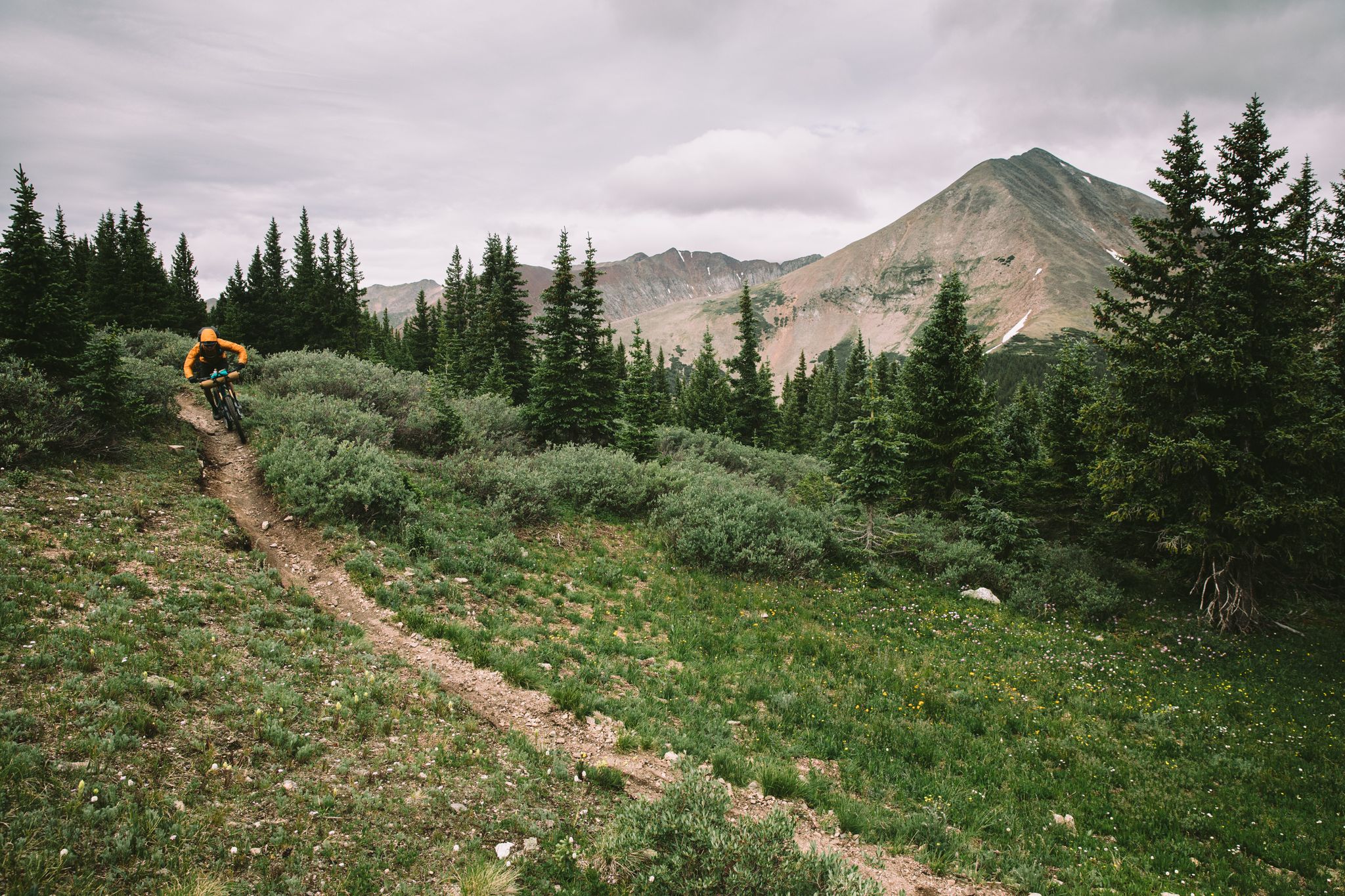
The Colorado Trail — Ten incredible days in the Rocky Mountains
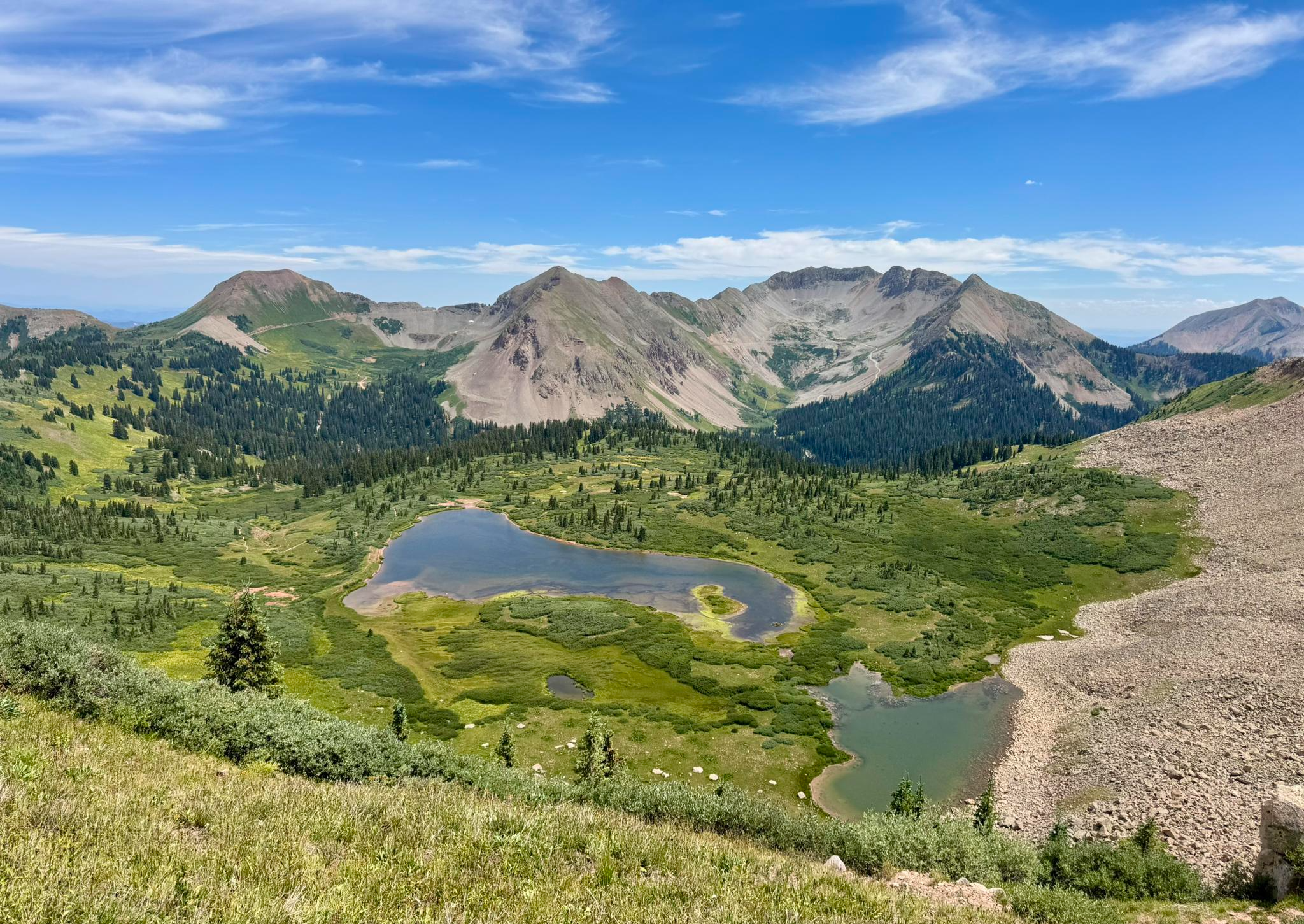
Colorado Trail — The pinnacle of wild Colorado
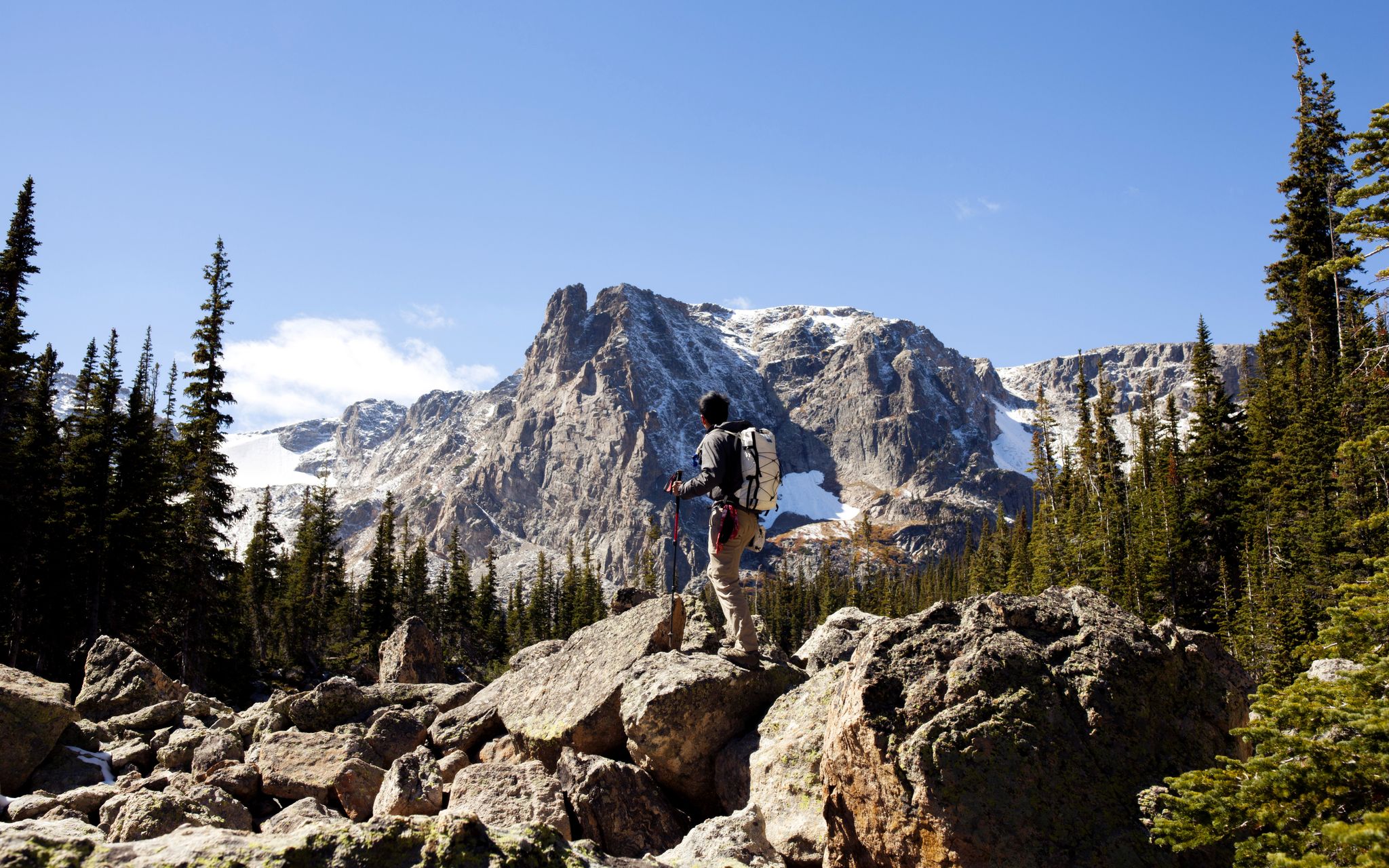
From the mountain peaks to the prairie – Rocky Mountains and Great Plains
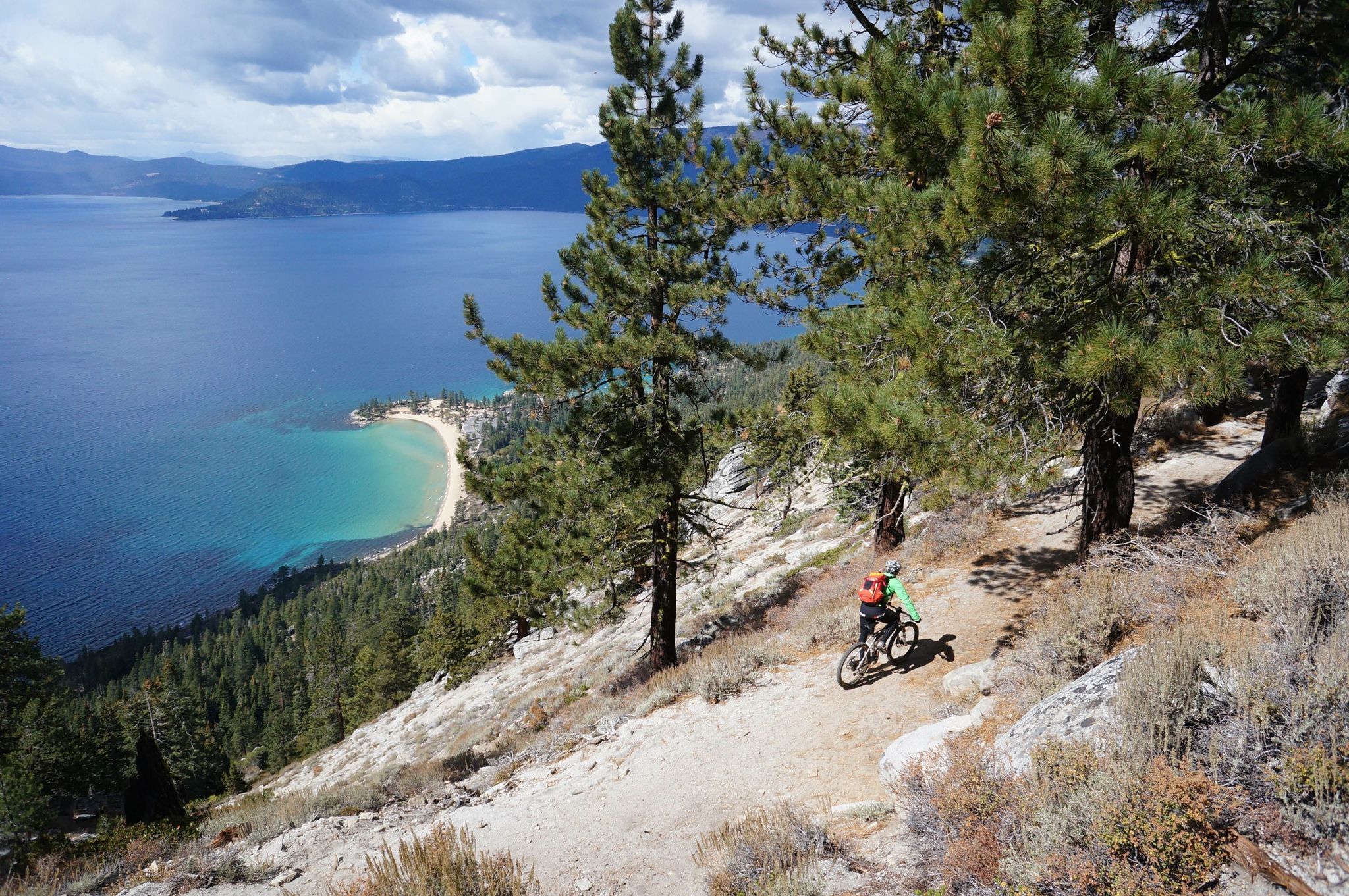
Unforgettable MTB Adventures – IMBA Epic Trails in USA and Canada
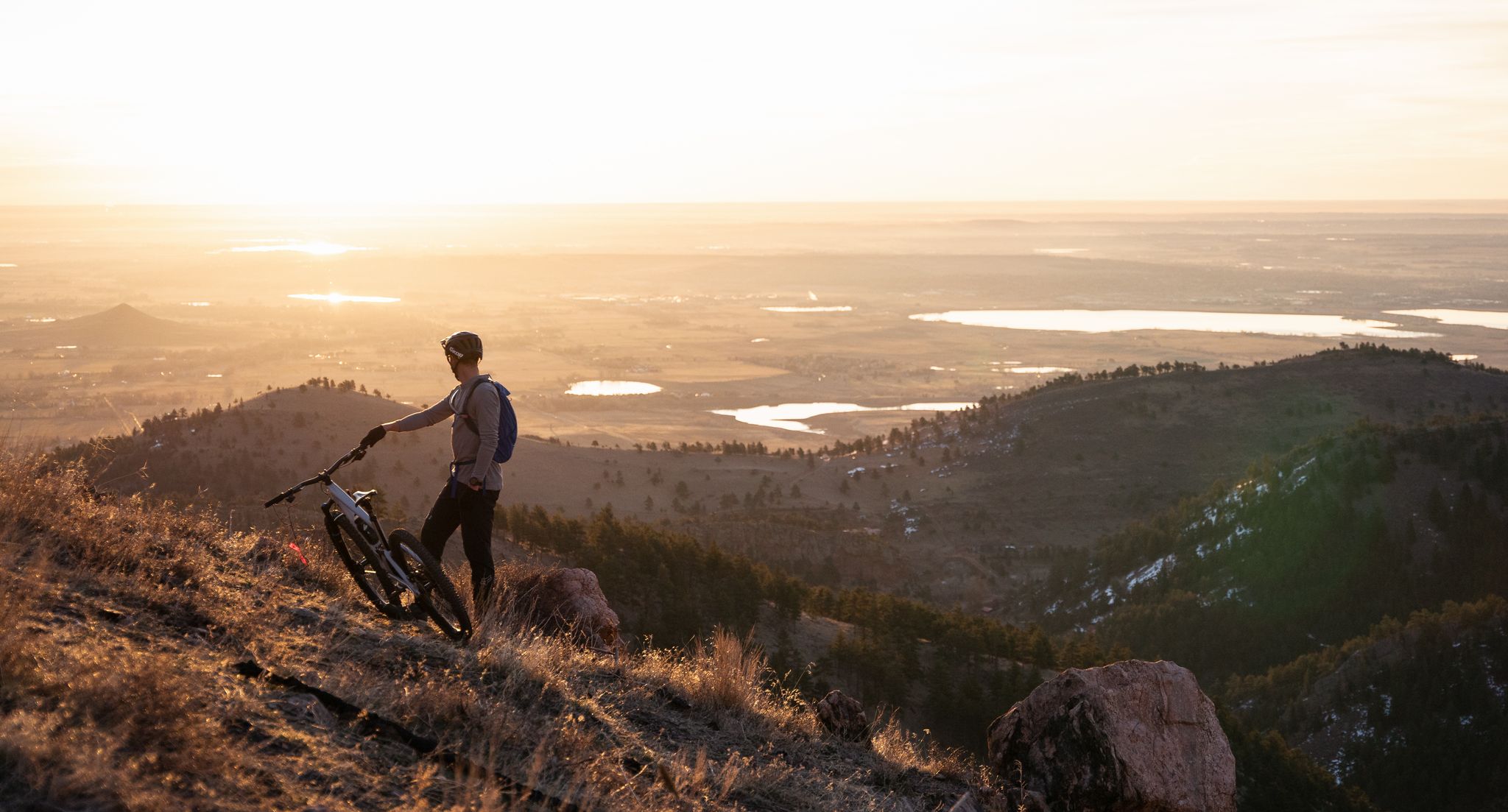
My Boulder variety pack — MTB and gravel gems in the Front Range
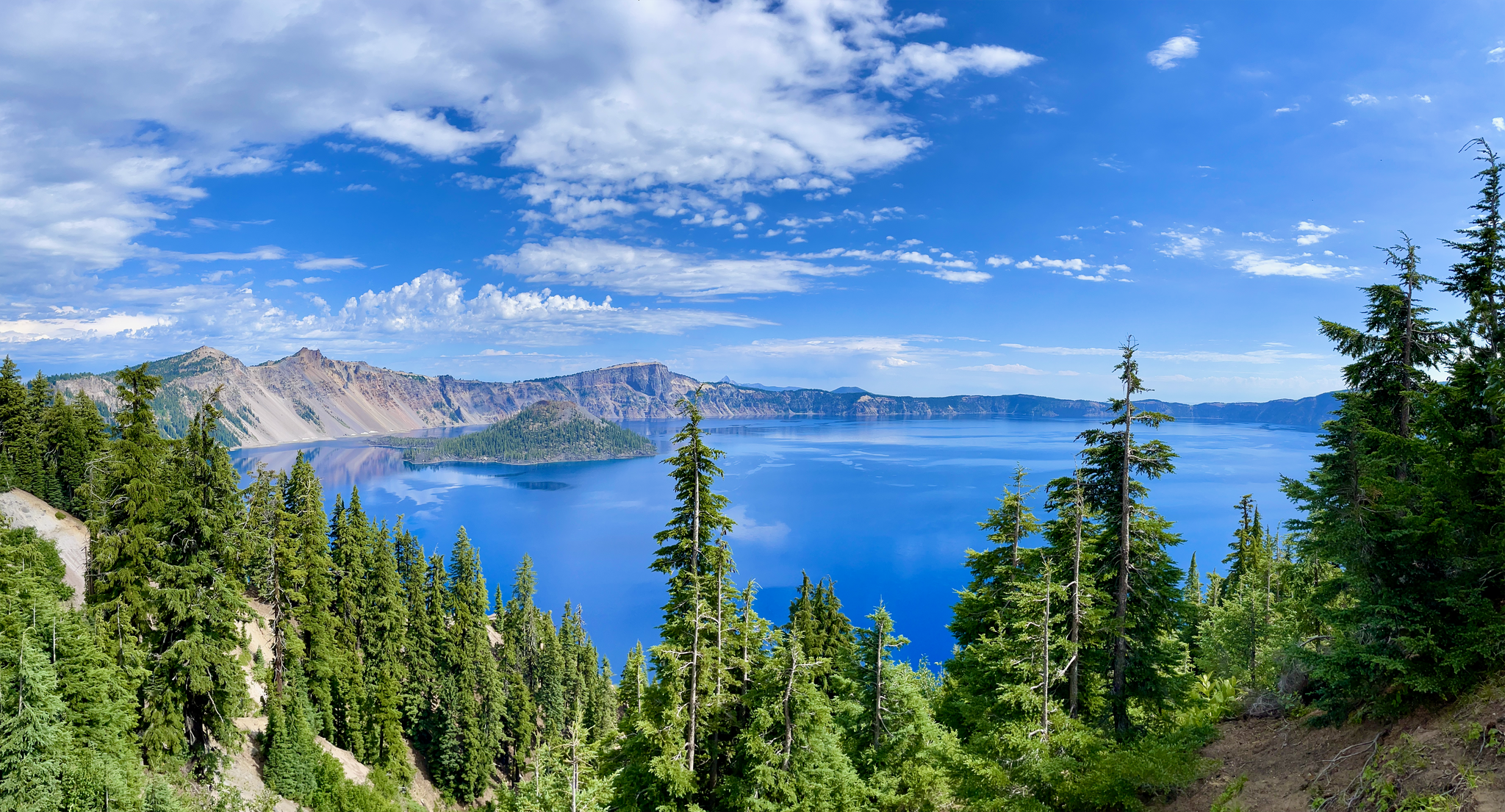
The pristine beauty of the US National Parks
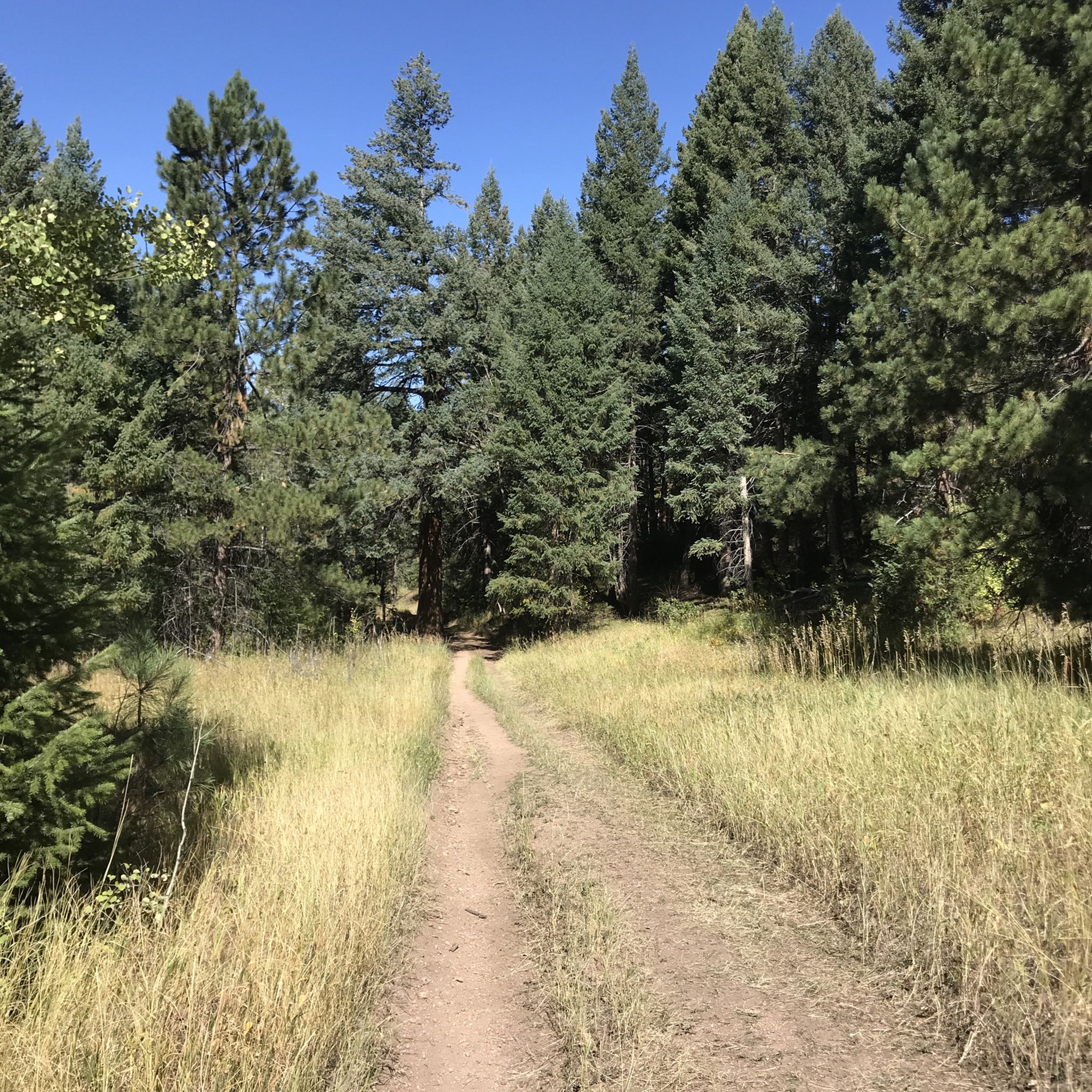
Hiking in the Front Range
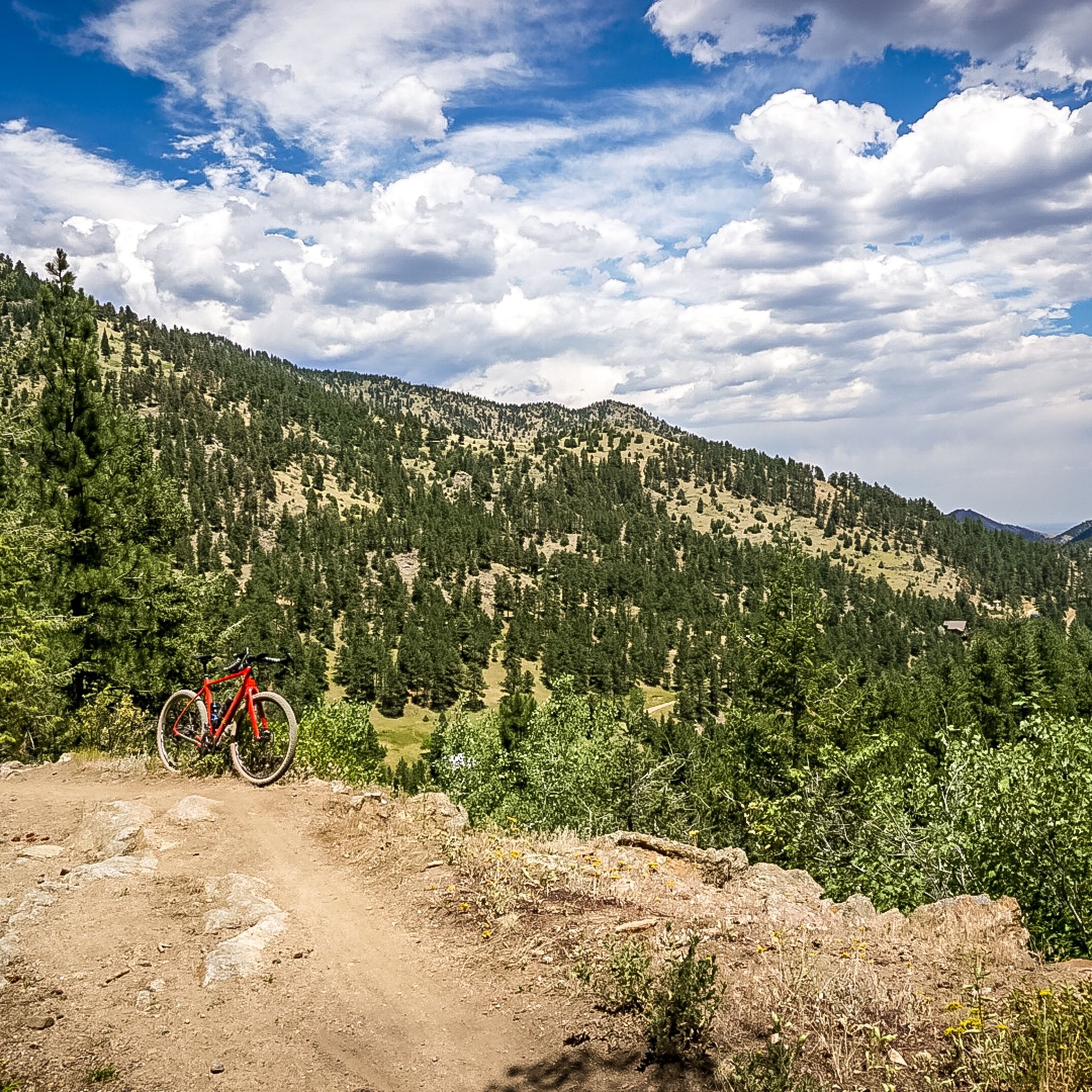
MTB Trails in the Front Range
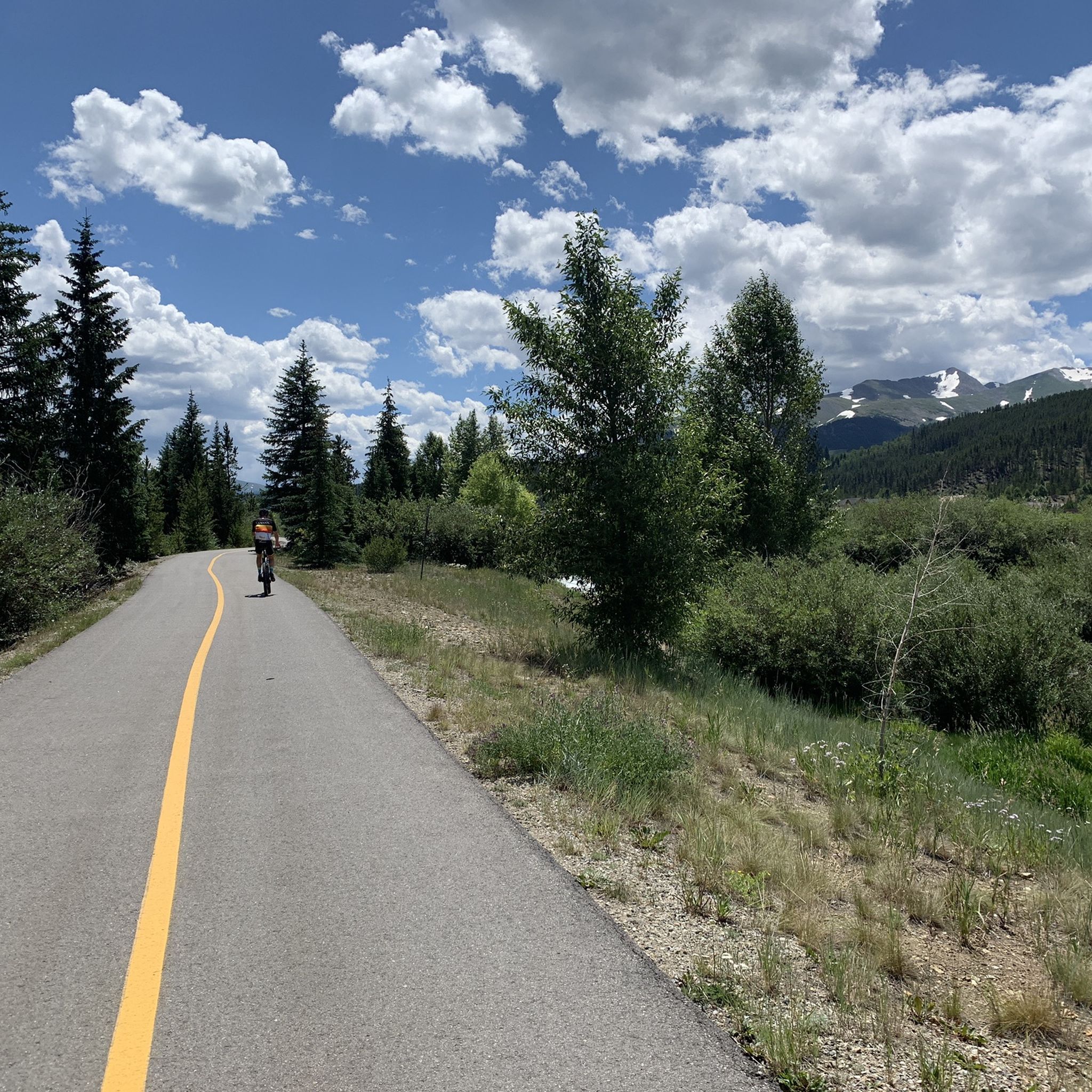
Cycling in the Front Range
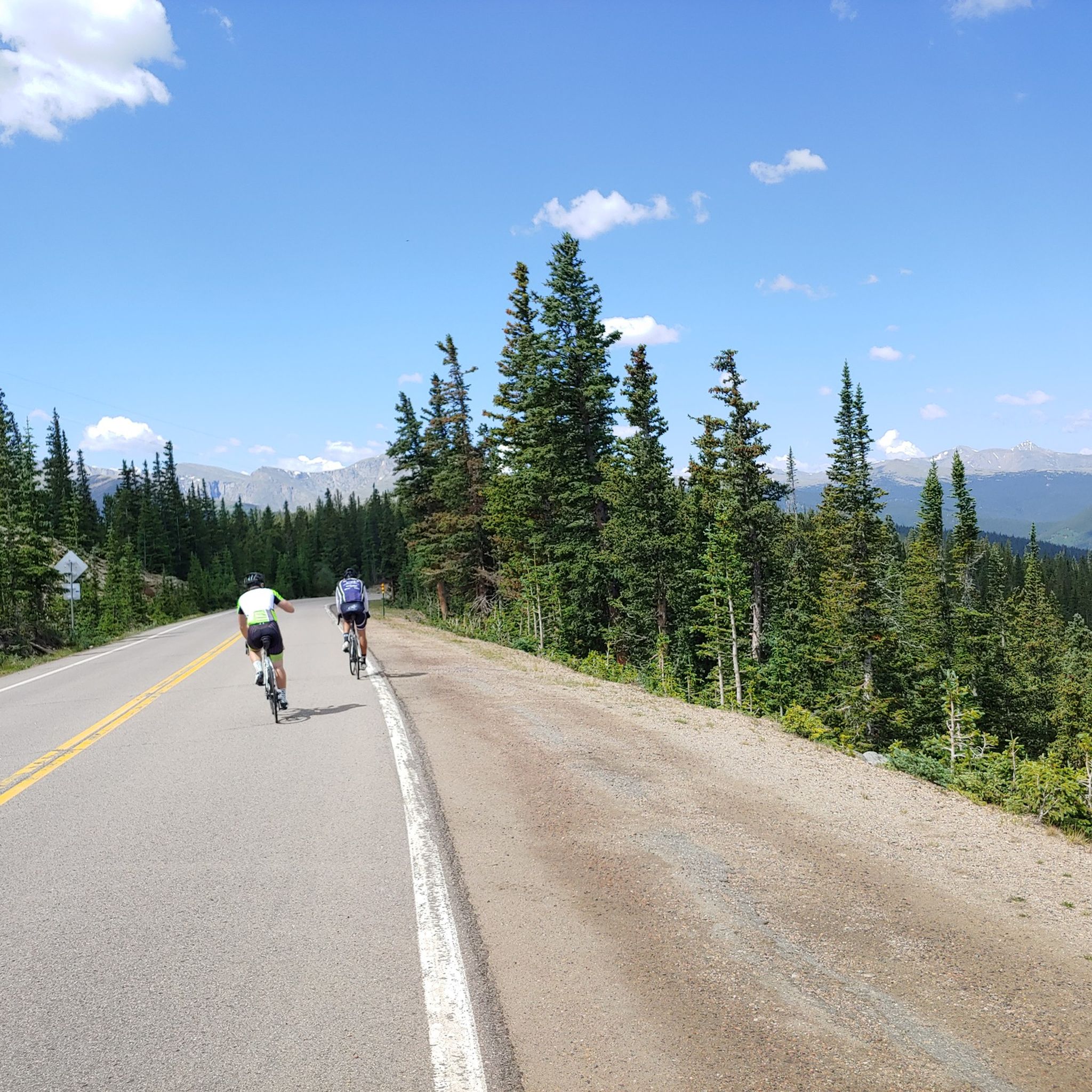
Road Cycling Routes in the Front Range
Other adventures in the Front Range


Tips from the Community

Has been a good ride through some of the winter weeks but cold in places.
0
0

Rocky Mountain National Park (RMNP) in Colorado is one of the most famous and highest national parks in the USA. Longs Peak is the highest point at 4,345 meters. The landscape is characterized by mountain forests with aspens, pines, and expansive meadows, where elk are common. Dense coniferous forests and mountain lakes, as well as rugged, treeless plateaus with only low-growing plants, bighorn sheep, and marmots can also be found. A highlight is the Trail Ridge Road, the highest continuously paved mountain pass in North America, leading through the alpine tundra. The most popular hiking area, with its numerous lakes, is the Bear Lake Corridor. The park is open year-round, although many roads and trails are closed during the winter months due to snow or are only accessible with appropriate equipment. Due to its immense popularity, time-slot reservations are often required for access during peak season.
1
0

Truly one of the most beautiful national parks. Note: Reservations are required in many seasons.
2
0

Nice trail with quite a bit of climbing (stairs steps)
0
0

Climbing Trail Ridge Road from the Estes Park side is an epic ascent to North America's highest continuous paved road, offering breathtaking Rocky Mountain scenery. Prepare for an exceptionally long 20+ mile climb gaining nearly 5000ft, reaching altitudes over 12,000ft (3700m). Experience steady, moderate gradients averaging around 4-5% as you wind through forests into the vast, open alpine tundra. The paramount challenges are the extreme altitude and highly volatile weather (severe cold, wind, and storms are possible anytime above treeline, even in summer – so be sure to pack layers). Be mindful that a Rocky Mountain National Park entrance fee is required, and that the Trail Ridge Road is closed off-season due to deep snow even in early May, typically opening around Memorial Day weekend or early June depending on snowpack. Always check the official RMNP website for exact opening dates, current road status, and any timed entry reservation requirements before planning this unforgettable high-altitude ride.
0
0

At an elevation of 10,000 feet, Kenosha Pass offers stunning views of the surrounding mountains. It is also a trailhead for the Colorado Trail, therefore, you will find a trail register here. If you want to grab a bite or charge your devices, this is a good spot to hitch into the town of Jefferson, which is just 4.3 miles south of here.
4
0

Riding on Trail Ridge Road in Rocky Mountain National Park is an unforgettable adventure, particularly when you catch the small window of opportunity before motor vehicles are allowed in the late spring/early summer, just after the snowplows have cleared the winter snow but before the gates on the Estes Park and Grand Lake sides open for the season. This is an amazing chance to ride the road free of cars, vans, and RVs. Trail Ridge Road, stretching over 48 miles and reaching elevations above 12,000 feet, is one of the highest continuous paved roads in the United States. The ride is a significant physical challenge, involving a minimum of 4,000 feet of climbing from either side of the park. The ascent rewards you with breathtaking vistas of the Rocky Mountains, vast alpine tundra, and the chance to cross the Continental Divide. You should be prepared for rapidly changing weather; strong crosswinds, potential black ice from melting snow, and sharp drop-offs add to the challenge, requiring vigilance and caution. At higher elevations, temperatures drop, winds pick up, and conditions can shift quickly from sunny to snowy or stormy. Packing layered clothing, windproof gear, ample water, energy snacks, and safety lights is essential to enjoy this truly stunning, iconic, and challenging section of high-altitude riding.
0
0

Mestaa'Ėhehe Pass (formerally Squ*w Pass) Summit is located at just over 9,800 feet. This is a popular area for cyclists in the summer time as the temperatures are significantly cooler than in Denver. This also marks the spot where most typically finish the bulk of their climbing. If you are heading back to Idaho Springs or Denver, it's mostly downhill with some great descending.
0
0
Frequently Asked Questions
What are some of the most scenic mountain passes in the Front Range?
The Front Range offers numerous scenic mountain passes. Trail Ridge Road, located within Rocky Mountain National Park, is often called 'America's highest continuous paved road' and provides unparalleled alpine views and wildlife opportunities. Trail Ridge Road leads through high mountain tundra and past the highest National Park Visitor Center. Other notable passes include Loveland Pass, known for panoramic views and challenging switchbacks, and Guanella Pass, famous for its vibrant fall foliage and views of Mount Bierstadt and Mount Evans.
When is the best time to visit the mountain passes in the Front Range?
The best time to visit most mountain passes in the Front Range is typically from late May through mid-October, when they are generally free of snow and fully accessible. Passes like Independence Pass and Trail Ridge Road are usually closed during winter due to heavy snowfall. However, passes such as Berthoud Pass and Loveland Pass often remain open year-round, weather permitting, offering winter sports opportunities.
What kind of outdoor activities can I do near the Front Range mountain passes?
The mountain passes in the Front Range are hubs for diverse outdoor activities. You can find excellent opportunities for hiking, with trails like the Continental Divide Trail near Berthoud Pass, and access to 14ers like Mount Bierstadt from Guanella Pass. Backcountry skiing and snowboarding are popular in winter, especially at Berthoud Pass and Loveland Pass. Many passes also offer scenic drives, wildlife viewing, and photography opportunities. For more hiking options, explore guides like Hiking in the Front Range.
Are there any family-friendly options or trails near the Front Range mountain passes?
Yes, several mountain passes offer family-friendly experiences. While some trails can be challenging, many areas provide easier, paved overlook trails or shorter hikes suitable for families. For example, Trail Ridge Road in Rocky Mountain National Park has numerous pullouts and short, accessible trails like the Tundra Communities Trail. Guanella Pass also provides access to trails of varying difficulty, and its scenic byway is enjoyable for all ages, especially during fall foliage season.
What historical sites or features can be found on these mountain passes?
The Front Range mountain passes are rich in history. Boreas Pass, for instance, has significant historical importance as it was once the nation's highest narrow-gauge railroad, connecting Como to Breckenridge from 1872 to 1938. Visitors can explore remnants of old mining towns like Silver Dale near Guanella Pass and the Independence Ghost Town near Independence Pass. Historical markers at Berthoud Pass also tell the story of its former ski area.
Which mountain passes are known for wildlife viewing?
Many Front Range mountain passes offer excellent opportunities for wildlife viewing. Trail Ridge Road in Rocky Mountain National Park is renowned for sightings of elk and bighorn sheep. At Berthoud Pass and Loveland Pass, you might spot marmots, pikas, elk, moose, bighorn sheep, and mountain goats. Guanella Pass is also a good location to see bighorn sheep, mountain goats, and moose.
What are the accessibility considerations for vehicles on these passes?
Most major mountain passes in the Front Range are accessible by vehicle during their open seasons. Trail Ridge Road is a continuous paved road, and Guanella Pass is fully paved. However, some passes like Independence Pass have winding roads with dramatic switchbacks. Always check current road conditions, especially during shoulder seasons, as closures can occur due to extreme weather or snowfall. Independence Pass is typically closed from early November through late May or mid-October.
Where can I find hiking trails that are part of the Colorado Trail?
Kenosha Pass is a well-known access point and trailhead for the Colorado Trail. Located at an elevation of 10,000 feet, it offers stunning views and marks the beginning or end of Section 6 of the Colorado Trail. You'll find a trail register here, and it's a popular spot for hikers looking to experience this long-distance trail.
Are there any mountain passes that offer unique geological features or viewpoints?
Yes, several passes boast unique geological features and stunning viewpoints. Royal Arch Trail, for example, passes through Sentinel Pass, which is notable for its unique shape and location, offering views before descending towards Boulder. Royal Arch Trail is a popular spot. Independence Pass offers panoramic views of several 14,000-foot peaks, and natural attractions like the Grottos and Devil's Punchbowl. Loveland Pass and Berthoud Pass also provide numerous pullouts with spectacular mountain vistas.
What are the parking and permit requirements for accessing trails from these passes?
Parking availability varies by pass and trailhead. Many passes, such as Berthoud Pass, have designated parking areas. For areas within Rocky Mountain National Park, like Trail Ridge Road, timed-entry reservations are often required during peak season in addition to park entrance fees. It's always advisable to check the specific requirements for permits and parking for your chosen trailhead or park before your visit, as regulations can change.
Can I find amenities like towns, cafes, or lodging near the mountain passes?
While the passes themselves are often remote, nearby towns offer amenities. For example, Kenosha Pass is a good spot to hitch into the town of Jefferson, which is just 4.3 miles south, for a bite or to charge devices. Guanella Pass connects Georgetown and Grant, both offering historical charm and services. Winter Park is near Berthoud Pass, and Aspen and Twin Lakes are accessible from Independence Pass, providing various lodging, dining, and supply options.
Are there any mountain passes particularly known for fall foliage?
Guanella Pass is especially renowned for its vibrant fall foliage, particularly its extensive aspen groves. The scenic byway winds through various ecosystems, making it a prime destination for experiencing the stunning autumn colors of the Front Range. The season typically peaks from mid-September to early October, depending on the year.
Most popular routes in the Front Range
Most popular attractions in the Front Range

Get inspired with the komoot mobile app


Explore more
See even more epic mountain passes by checking out these guides in the Front Range:
