The 5 Most Amazing Peaks around Cardross
Best mountain peaks around Cardross are found in an area characterized by hills and elevated points rather than towering mountains. Located on the north side of the Firth of Clyde in Scotland, Cardross offers scenic views and walking experiences. The region provides accessible ascents, historical significance, and panoramic vistas. These elevated areas are well worth visiting for their natural and historical features.
Best mountain peaks around Cardross
- The most popular mountain peaks is Corlick Hill, a summit that stands…
Last updated: August 9, 2026
Swan Isle (Inchgalbraith) Crannog and Inchtavannach Island
Highlight • Historical Site
Tip by

View of Loch Lomond from Knockour Hill
Highlight • Summit
Tip by

Sign up now to discover places like this
Get recommendations on the best single tracks, peaks, & plenty of other exciting outdoor places.
Sign up for free
Corlick Hill
Highlight • Summit
Tip by

Slacks Trig Point and View over Loch Humphrey
Highlight (Segment) • Climb
Tip by

Start today with a free account
Your next adventure awaits.
Login or Signup

Tips from the Community

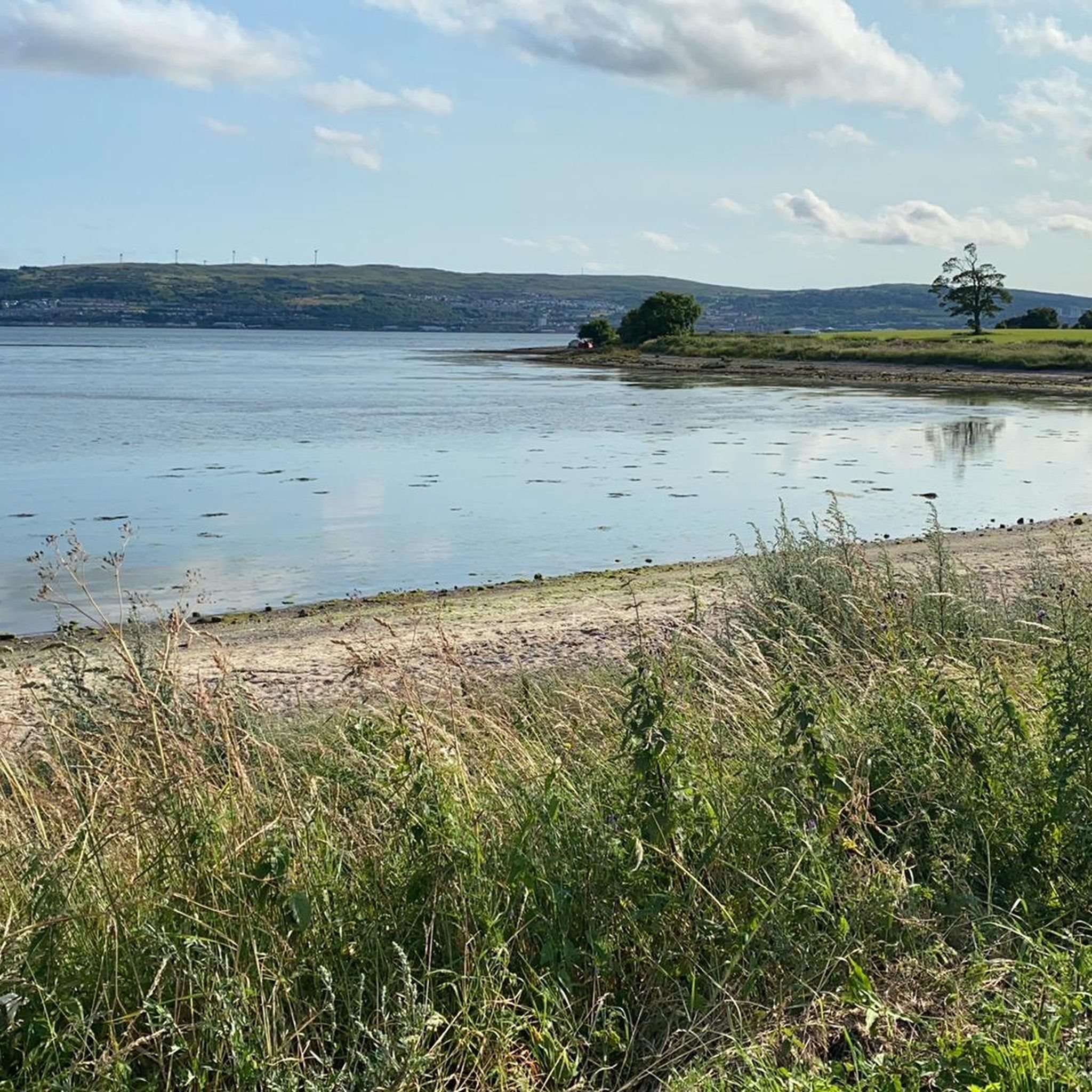
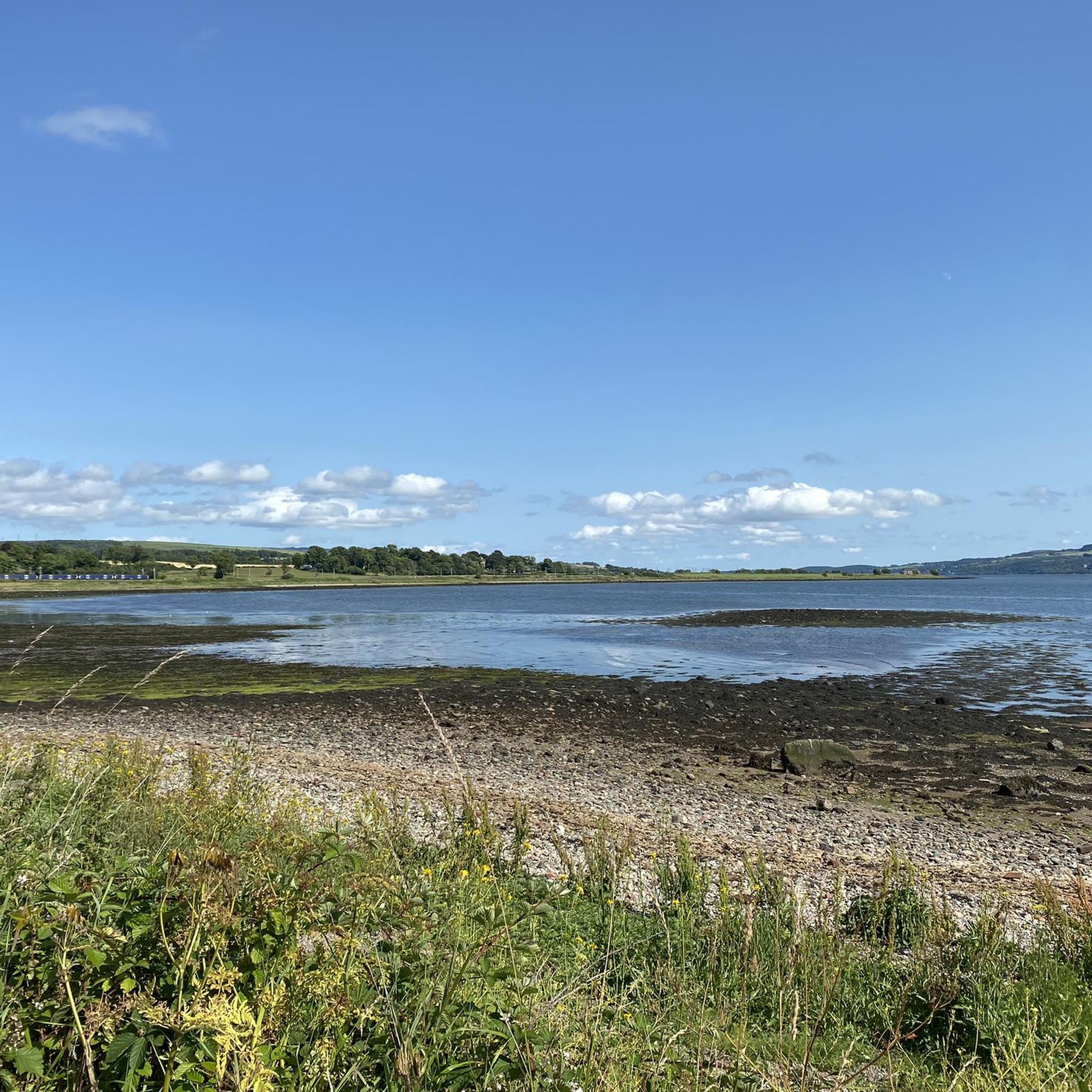
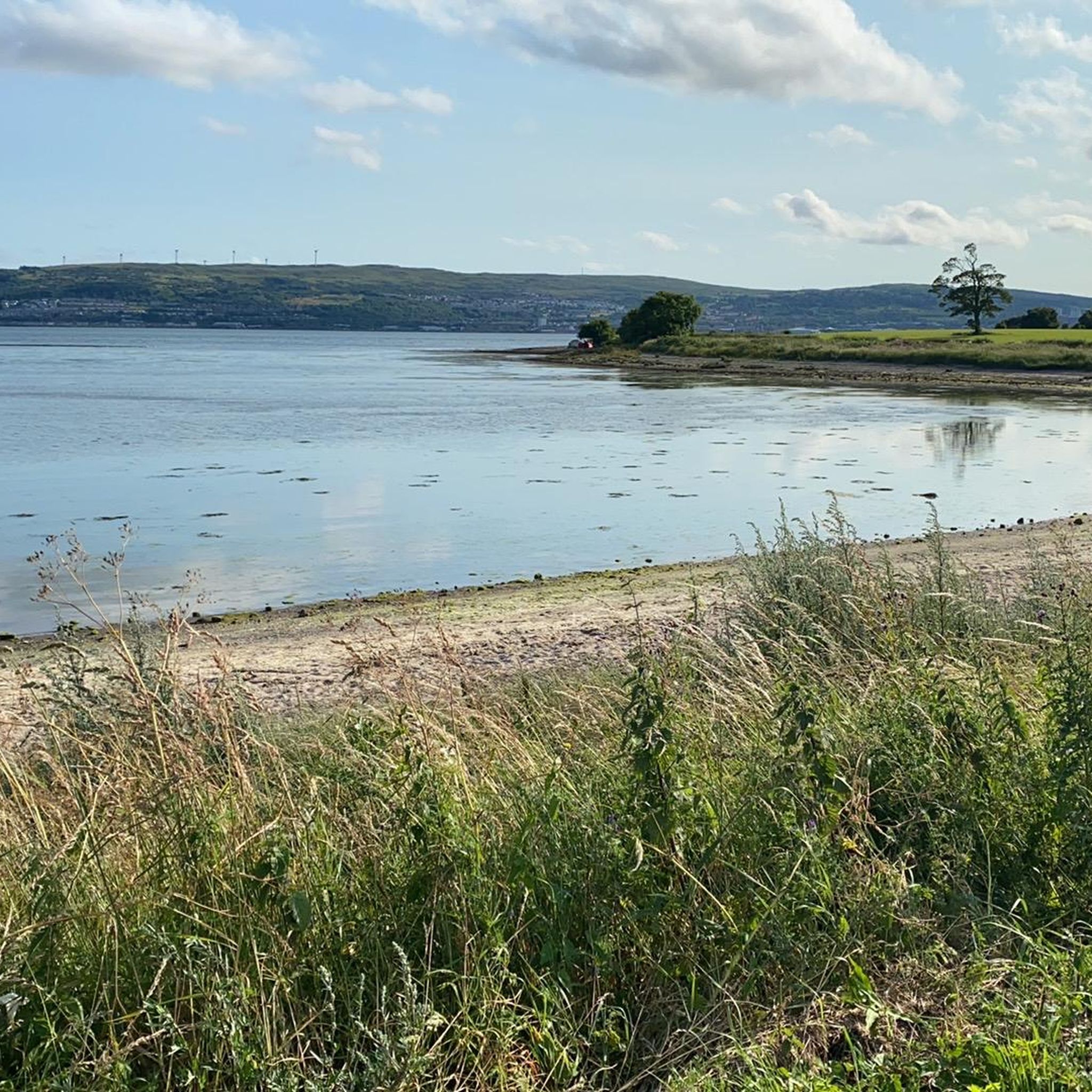
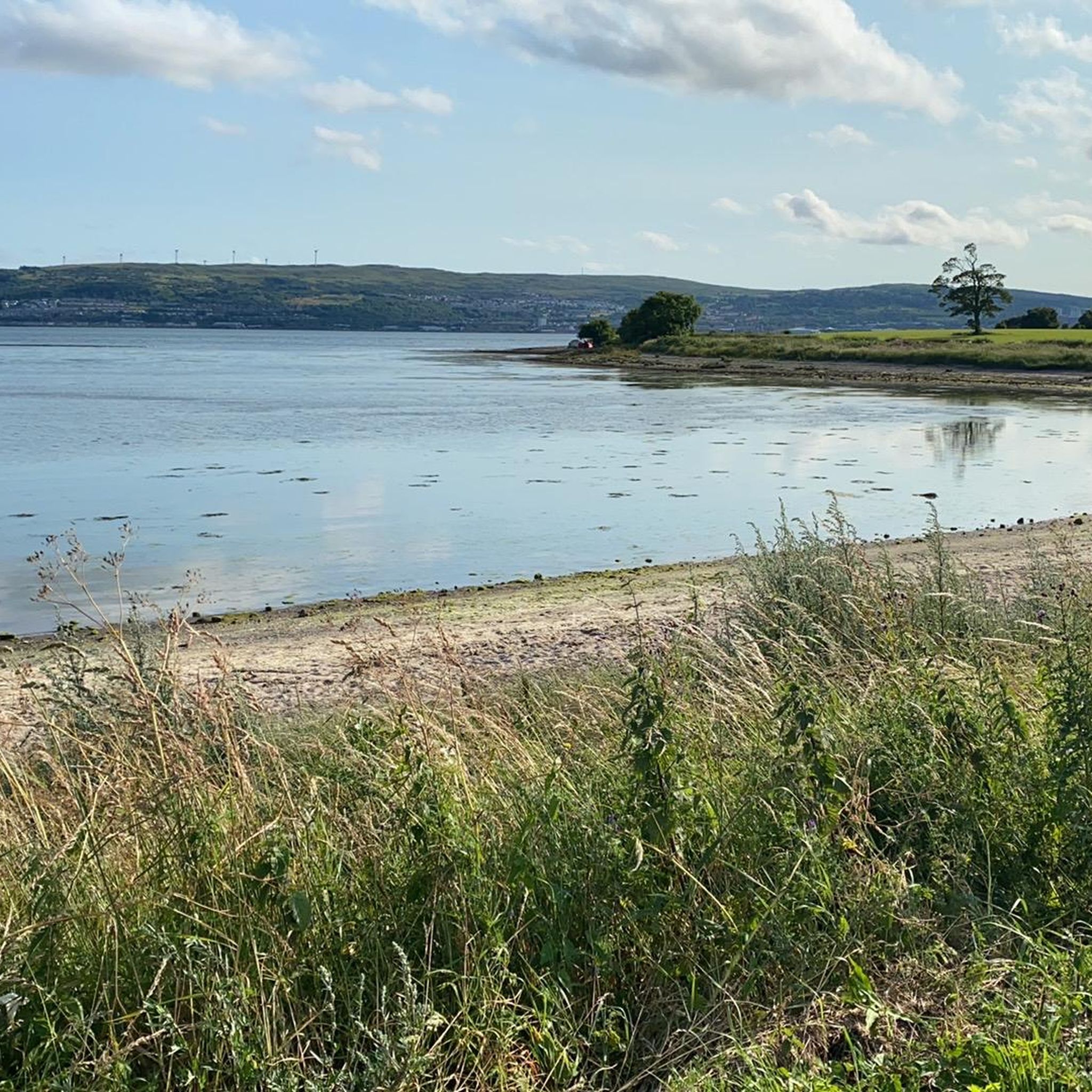
Corlick Hill stands at 303m, and offers uninterrupted 360-degree views over the Clyde Muirshiel Park. The surround area is littered with history, featuring damage from WW2 bombs, and remnants of Iron Age and Roman buildings.
1
0

Knockour Hill is mostly wooded with some clear areas where you can glimpse a wonderful view over Loch Lomond. The trig point is at 173m and this highest point is at about 175m.
1
0

If you're taking in in as part of a loop there's no bike track up from the west side, so be prepared to carry it in places. Great gravel track down through the windfarm on the east side.
2
0

Amazing climb up to the trig point. A bit of hike-a-bike, especially when on a gravel bike on wet terrain. Very worth it.
0
0

Swan Isle or Inchgalbraith Isle, which lies in the bay off Aldochlay just south of Luss on Loch Lomondside, is a crannog and one of the earliest examples of human settlement, dating from around 3000BC. The ruins of Inchgalbraith Castle are to be found here. The island and castle belonged to the Galbraiths of Bandry. Inchtavannach Island, also known as The Monk’s Island, is one of the larger islands that lie within Loch Lomond. Facing the settlement of Aldochlay and being separated from the mainland by a small Bandry Bay just south of Luss, this is one of the most accessible islands on the loch. The island was once the site of a monastery giving rise to its alternative name of Monk’s Isle. Its rocky northern summit, Tom nan Clag meaning Hill of the Bell, rises steeply to a height of 86m providing splendid views on Loch Lomond and it was here that the monks rang the bell to the call of prayer.
0
0

A lengthy climb through a wood leads to a fine view over Loch Lomond.
4
0
Frequently Asked Questions
What kind of mountain peaks can I expect to find around Cardross?
The area around Cardross features hills and elevated points rather than towering mountains, offering scenic views and enjoyable walking experiences. These ascents are valued for their accessibility, historical significance, and panoramic vistas over the Firth of Clyde and towards Loch Lomond.
Are there any historical sites or features on the peaks near Cardross?
Yes, several elevated areas near Cardross have significant historical context. For instance, Corlick Hill features remnants of Iron Age and Roman buildings, as well as damage from WW2 bombs. The Swan Isle (Inchgalbraith) Crannog and Inchtavannach Island is a historical site with a crannog dating from around 3000BC and the ruins of Inchgalbraith Castle.
What are some of the most popular elevated viewpoints in the Cardross area?
Visitors frequently enjoy the 360-degree views from Corlick Hill, which overlooks the Clyde Muirshiel Park. Another popular spot is Slacks Trig Point and View over Loch Humphrey, which offers rewarding vistas after a challenging climb. The historic Swan Isle (Inchgalbraith) Crannog and Inchtavannach Island also provides splendid views of Loch Lomond from its northern summit, Tom nan Clag.
Are there family-friendly walks or easy ascents near Cardross?
While specific 'family-friendly' categories aren't listed for all peaks, the Ardmore Point Peninsula, located northwest of Cardross, offers short, easy walks with excellent views across the Firth of Clyde. These are ideal for families and provide opportunities for seal and bird watching.
What outdoor activities can I do near the mountain peaks around Cardross?
The Cardross area offers a variety of outdoor activities. You can find numerous hiking trails, including easy routes like the Ardmore Point Peninsula loop, or more challenging options such as the climb to Slacks Trig Point. For more options, explore the hiking routes around Cardross. There are also many cycling routes and road cycling routes available.
What is the best time of year to visit the peaks around Cardross?
The region's hills and elevated points can be enjoyed throughout much of the year. Spring and summer offer pleasant weather for walking and clear views. Autumn provides beautiful foliage, while winter can offer crisp, clear days, though conditions may be more challenging on higher ground. Always check local weather forecasts before heading out.
What kind of natural features can I expect to see on these walks?
Beyond panoramic views, you can encounter diverse natural features. Loch Humphrey is visible from Slacks Trig Point, and Loch Lomond is a prominent feature from Swan Isle (Inchgalbraith) Crannog and Inchtavannach Island. The Ardmore Point Peninsula is recognized as a Regionally Important Geological Site due to its unique rock formations and exposed sea cliff.
Are there any longer, historic walking routes near Cardross?
Yes, the Stoneymollan Coffin Road is a notable historic route that starts in Cardross. This ancient path, once used to transport the dead for burial, includes a high point offering excellent views over the River Clyde and towards Loch Lomond. The route is approximately 6 miles long and consists of tarmac and firm forest track.
What makes Kilmahew Glen an interesting place to explore near Cardross?
Kilmahew Glen offers a unique blend of natural beauty and historical exploration. While not a peak, walks through this area involve undulating terrain and reach elevations of up to 190 meters. It features the lost estate of Kilmahew, with traces from medieval times, abandoned buildings, waterfalls, gardens, and ponds nestled among trees and rhododendrons.
Can I see larger mountains from the Cardross area, or access them easily?
While Cardross itself is surrounded by hills, the broader Dunbartonshire region is close to larger mountains. On a clear day, distant hills and even parts of the Arrochar Alps can be seen from elevated points like the Stoneymollan Coffin Road. For a more significant mountain experience, Ben Lomond, a prominent Munro overlooking Loch Lomond, is about an hour's drive away and offers dramatic views.
What do visitors appreciate most about the peaks and elevated walks around Cardross?
Visitors frequently highlight the uninterrupted 360-degree views, especially from spots like Corlick Hill. The blend of natural beauty with rich historical context, such as the Iron Age and Roman remnants, is also highly valued. The rewarding feeling after a challenging climb, like the one to Slacks Trig Point, is often mentioned.
Most popular attractions around Cardross

Get inspired with the komoot mobile app


Explore more
See even more amazing summits around Cardross with these guides:
