Top 6 Castles around Redondo
Best castles around Redondo are located in the Alentejo region of Portugal, an area characterized by its historical significance and varied landscape. This region features a blend of fortified towns, medieval structures, and historical sites. The terrain offers opportunities to explore ancient architecture set within a rural environment.
Best castles around Redondo
- The most popular castles is Evoramonte Castle, a castle that was begun in the Gothic style in 1160 and expanded in later centuries. This Alentejo town, whose…
Last updated: August 22, 2026
Evoramonte Castle
Highlight • Castle
Translated by Google •
Tip by

Alandroal town centre
Highlight • Settlement
Translated by Google •
Tip by

Sign up now to discover places like this
Get recommendations on the best single tracks, peaks, & plenty of other exciting outdoor places.
Sign up for free
Redondo Castle
Highlight • Castle
Tip by

Vila Viçosa Castle
Highlight (Segment) • Castle
Translated by Google •
Tip by

Castle of Alandroal
Highlight • Castle
Tip by

Sign up for free to discover even more castles around Redondo.
Sign up for free
Already have an account?
Start today with a free account
Your next adventure awaits.
Login or Signup
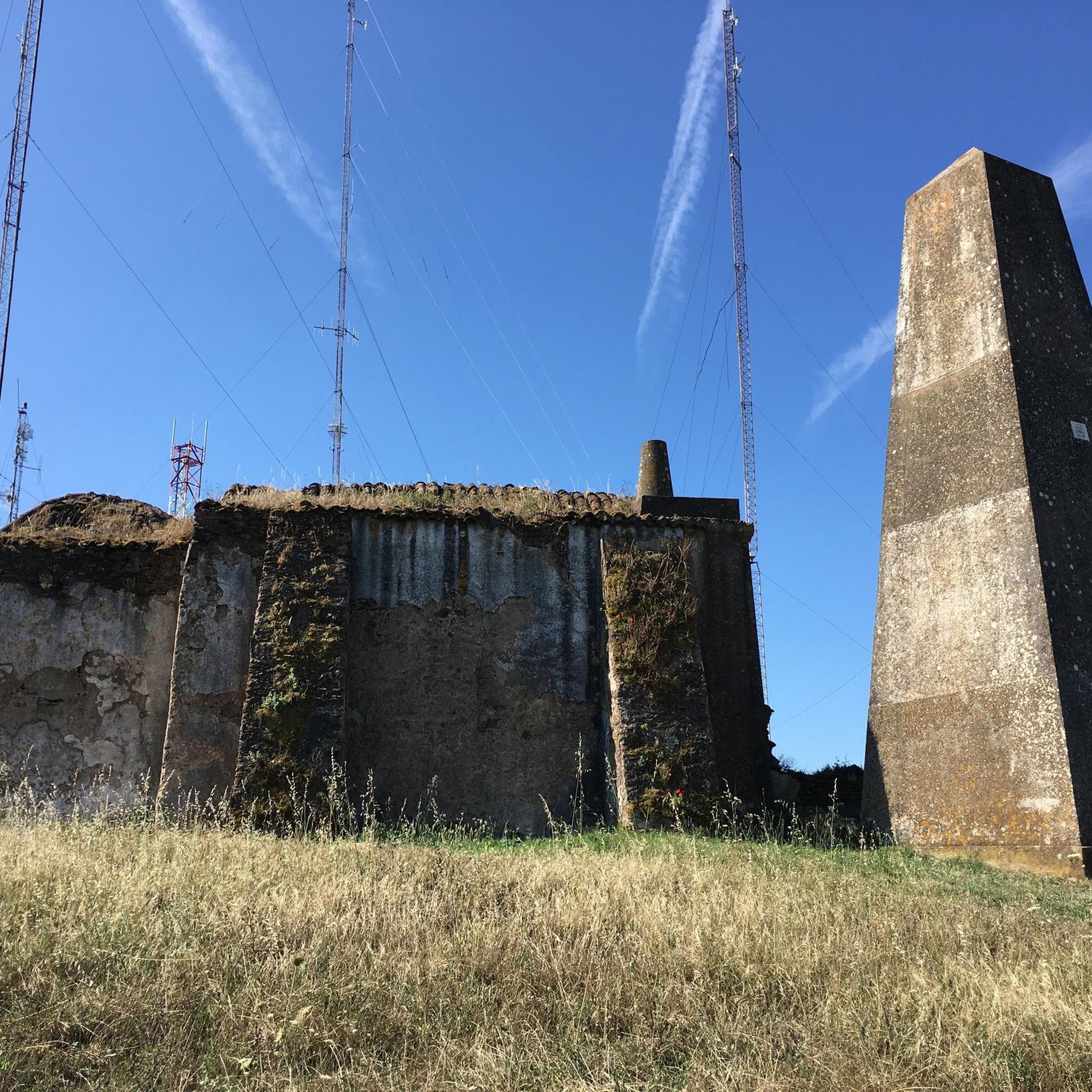
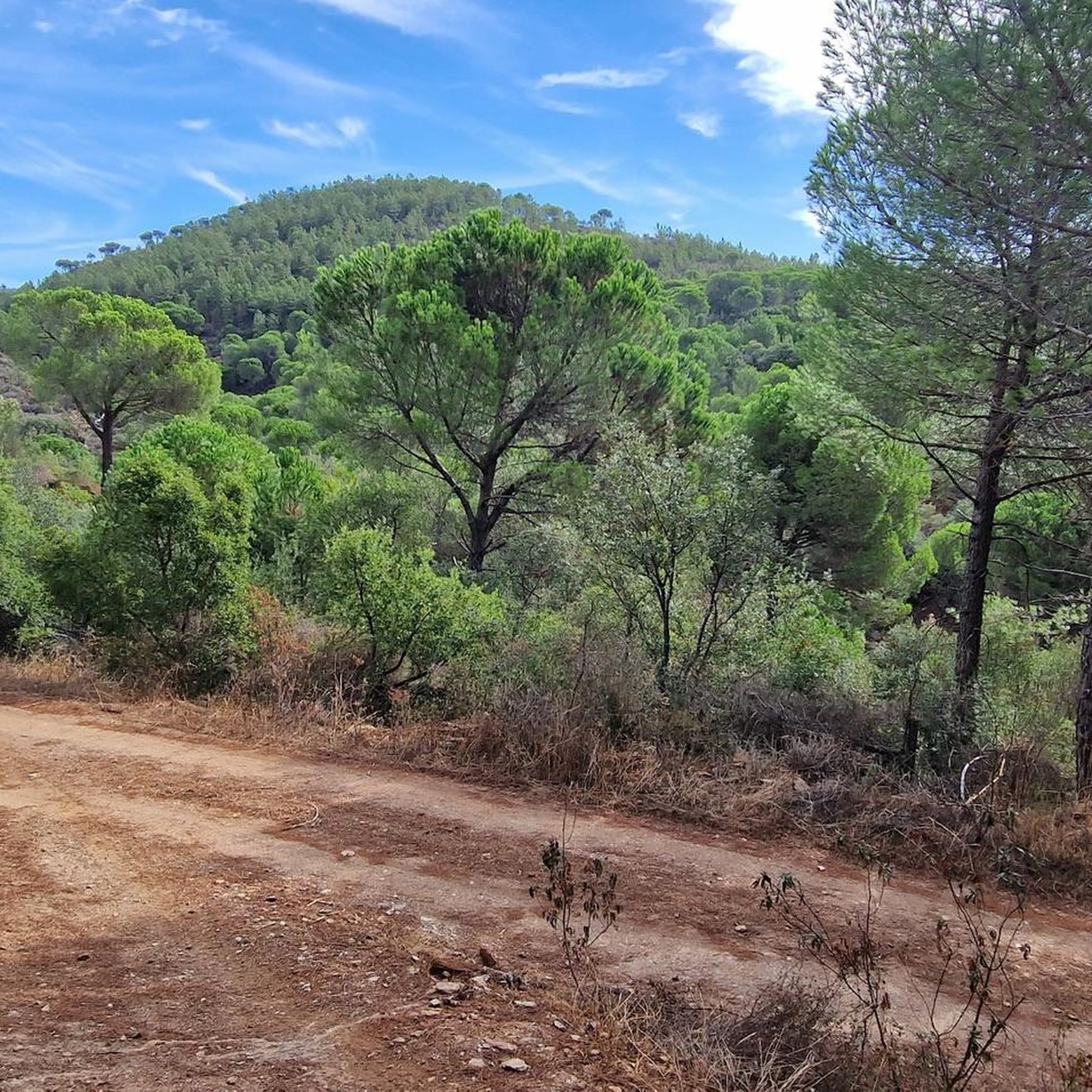
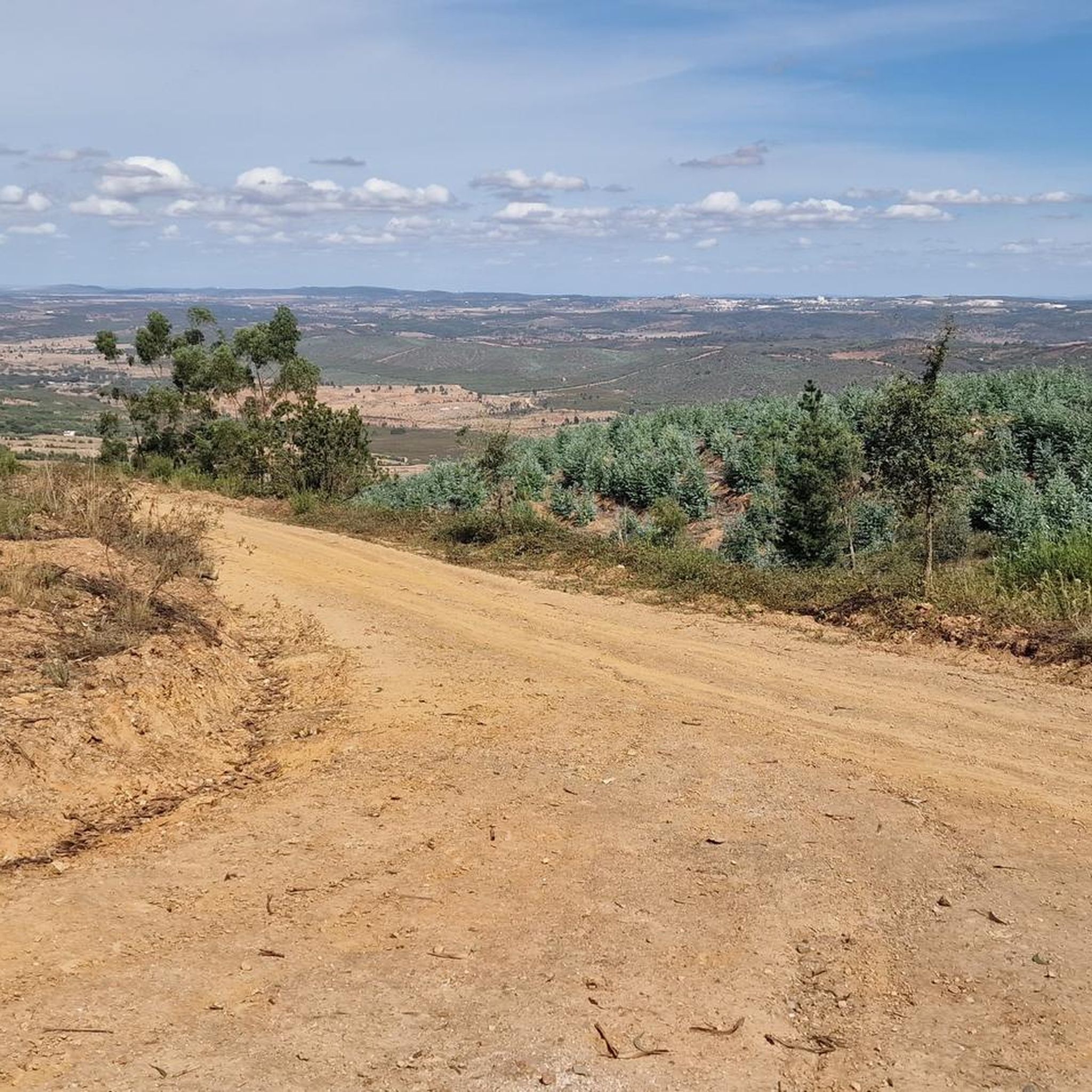

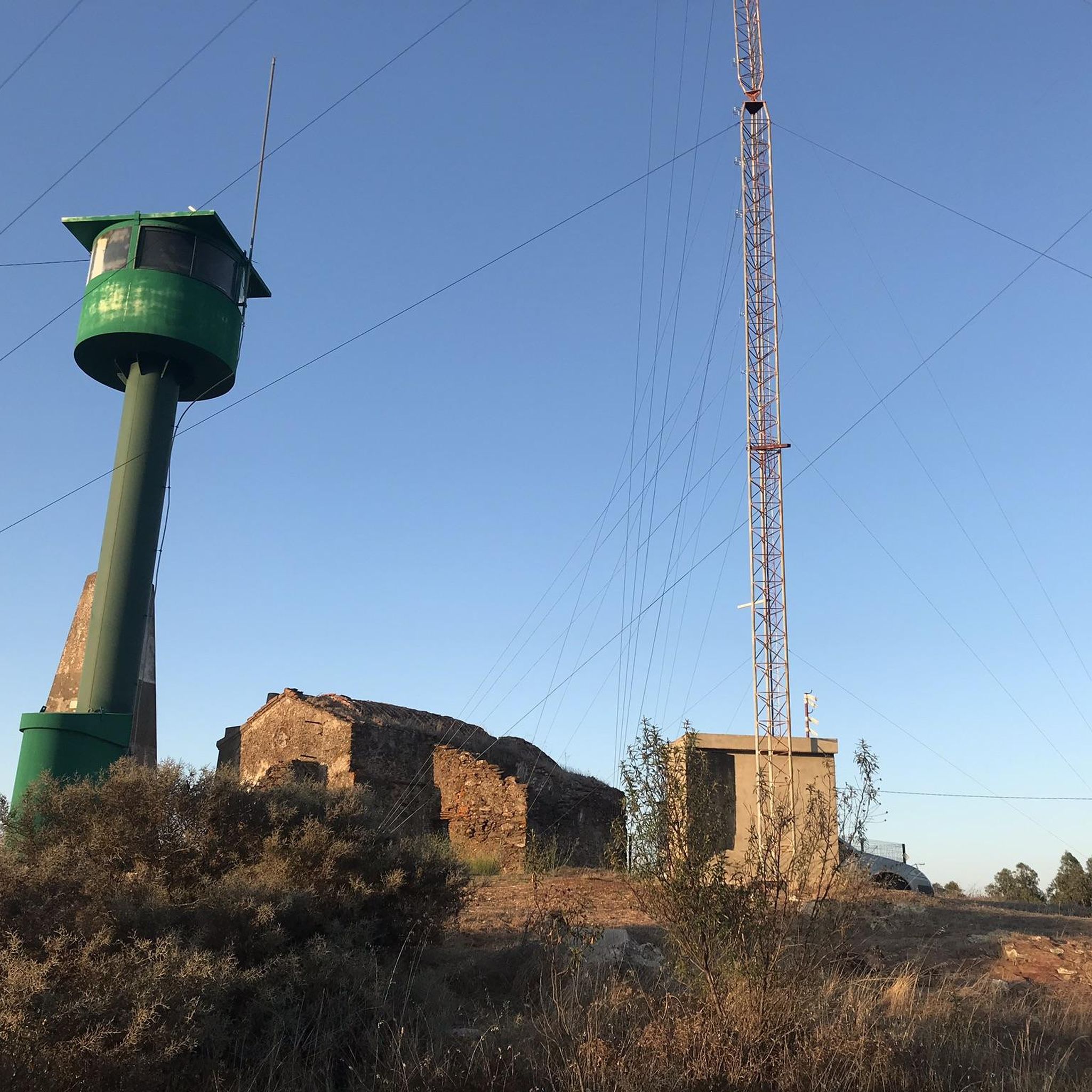
Tips from the Community

The Castelo de Alandroal is a medieval fortress located in the municipality of Alandroal, in the district of Évora, within the suggestive region of Alentejo in Portugal. Built at the end of the 13th century under the reign of King D. Dinis, this imposing structure is classified as a National Monument and is a fundamental stop on the famous "rota dos castelos" (the castles' route).
0
0

The Castle of Alandroal is a medieval fortress located in the municipality of Alandroal, in Portugal’s Évora district. It is classified as a National Monument.
1
0

Castelo de Redondo is a medieval fortress built in the 13th century by order of King D. Dinis. The castle played a crucial defensive role in the region. Although today, the only things that remain are the perimeter walls, with an irregular perimeter and several quadrangular towers, and part of the old Torre de Menagem (Keep).
0
0

Vila Viçosa is known as the "Marble City" and often referred to as the "Royal City." It is located in the heart of the Alentejo region. This charming town is known for its magnificent palaces, marble production, and rich history. Vila Viçosa is a place to relax and discover the region's cultural treasures. A real highlight of Vila Viçosa is the Paço Ducal, the Ducal Palace. This magnificent 16th-century palace was once the residence of the Dukes of Bragança and is a true highlight of Portuguese Renaissance architecture. The palace is surrounded by extensive gardens and houses an impressive collection of works of art, furniture, and historical artifacts. Visitors can explore the palace's magnificent interiors and opulent furnishings, giving them a glimpse into the lives of Portuguese noble families. The Igreja de Nossa Senhora da Conceição is one of the city's most important churches and a truly impressive building. Also known as the "Marble Sanctuary," the church was built from Vila Viçosa's famous marble. It is particularly noted for its elaborate altarpieces and richly decorated interiors. The church is an important place of pilgrimage and a place for reflection and prayer. Vila Viçosa also has a Carriage Museum, the Museu Nacional dos Coches. The museum houses one of the most important collections of historic carriages and coaches in Portugal. The exhibition features magnificent state carriages, hunting carriages, and ceremonial coaches. This provides a wonderful insight into the history and culture of royal journeys and processions. The old town of Vila Viçosa is characterized by narrow, cobblestone streets and white houses with flower-decorated balconies.
2
0
The municipality is known for its significant historical and cultural heritage, which includes the Alandroal Castle (its most emblematic monument), historic churches and Roman remains. Alandroal is also part of the Alentejo of wine, with quality wine production. You can stop for a break and enjoy its tranquility and the authenticity of its traditions.
1
0
Castelo de Redondo is a medieval fortress built in the 13th century by order of King D. Dinis. The castle played a crucial defensive role in the region. Although today, the only things that remain are the perimeter walls, with an irregular perimeter and several quadrangular towers, and part of the old Torre de Menagem (Keep).
1
0

In 1250, a foral (charter) attributed to King D. Afonso III was issued to Redondo. At the same time, the king ordered the construction of a castle over the ruins of the ancient Roman fortress. The castle was part of the northern Alentejo fortifications restructured by King D. Dinis that were donated to members of the nobility during the late medieval epoch, representing significant alterations during the Manueline era. By order of King D. Dinis, in 1312, the castle was reconstructed, during the same epoch as the erection of the keep tower and the fortification wall and towers. On 27 April 1318, the foral was reconfirmed by King D. Dinis. In 1418, King D. John conceded privileges to the castle and obligated that travellers between Alandroal and Vila Viçosa pass through the settlement, as a way of expanding commercial activities in the town.
5
0
The Concession of Evoramonte, also known as the Convention of Evoramonte, was a document signed on 26 May 1834, in Evoramonte, in Alentejo, between the Constitutionalists and the Miguelites, that ended the period of civil war (1828–1834) in the Kingdom of Portugal. On the Concession of Evoramonte, Dom Miguel I of Portugal, to end the bloodbath in the country after six years of civil war, surrendered and abandoned his claim to the Portuguese throne, being also subjected to exile and perpetual banishment from the Kingdom of Portugal. It was signed by the representatives of the Constitutionalists, the Marshals of the Army, Duke of Terceira and Count of Saldanha, and by the Miguelite representative, Lieutenant General José António Azevedo e Lemos.
7
0
Frequently Asked Questions
What kind of castles can I expect to find around Redondo, Portugal?
The castles around Redondo are primarily medieval fortresses and historical sites located in the Alentejo region of Portugal. These structures, like Evoramonte Castle and Redondo Castle, played crucial defensive roles and offer a glimpse into the region's rich past, often set within a rural environment.
Which castles are considered must-see historical sites near Redondo?
Among the must-see historical sites, Evoramonte Castle stands out, begun in the Gothic style in 1160 and expanded over centuries. Another significant spot is Alandroal town centre, known for its historical and cultural heritage, including the Alandroal Castle. Redondo Castle, a 13th-century medieval fortress, also played a vital defensive role in the region.
What is the historical significance of Redondo Castle itself?
Redondo Castle is a medieval fortress built in the 13th century by order of King D. Dinis. It was part of the northern Alentejo fortifications and played a crucial defensive role in the region. Although today only the perimeter walls and part of the old Keep remain, its history includes a reconfirmation of its charter by King D. Dinis in 1318 and privileges granted by King D. John in 1418 to boost commercial activities.
Are there other notable historical sites besides castles in the Redondo area?
Yes, beyond the castles, the region offers other significant historical sites. Alandroal town centre is known for its rich historical and cultural heritage, including Roman remains and historic churches. Vila Viçosa, known as the 'Marble City,' features the magnificent 16th-century Paço Ducal (Ducal Palace), the Igreja de Nossa Senhora da Conceição (Marble Sanctuary), and a Carriage Museum, offering deep insights into Portuguese Renaissance architecture and royal history.
Are there opportunities for outdoor activities like hiking near the castles around Redondo?
Yes, the area around Redondo and its castles offers various outdoor activities. For hiking, you can explore routes like the 'Eremitas da Serra D'Ossa (PR 4) — circular route' or the 'Lake – Evoramonte Castle loop from Camping Alentejo.' You can find more hiking options in the Hiking around Redondo guide.
Can I find cycling routes near these historical sites?
Absolutely. The region provides several cycling routes. For road cycling, consider the 'Serra d'Ossa Cycling Loop' or the 'Evoramonte Castle – Estremoz loop from Aldeia da Serra.' If you prefer mountain biking, options include the 'Circular Tour from Rio de Mohinos.' More details on cycling routes can be found in the Road Cycling Routes around Redondo and MTB Trails around Redondo guides.
Are there family-friendly castles to visit near Redondo?
Yes, several sites are considered family-friendly. Alandroal town centre, with its historical and cultural heritage, is suitable for families. Vila Viçosa Castle and its surrounding attractions, including the Ducal Palace and museums, also offer engaging experiences for all ages.
What are the parking options when visiting castles in the Redondo area?
Parking availability varies by location. For many of these historical sites, especially in smaller towns or near castles like Evoramonte Castle or Redondo Castle, you can typically find parking in the vicinity of the town centers or designated areas near the castle entrances. It's advisable to check local signage upon arrival.
Are there any castles that offer scenic viewpoints?
Many castles in the region offer excellent viewpoints. Evoramonte Castle provides panoramic views of the surrounding Alentejo landscape. Similarly, Castelo de Terena offers a great view over its picturesque town and the landscape from its walls. Vila Viçosa Castle also provides scenic vistas.
What do visitors enjoy most about the castles around Redondo?
Visitors appreciate the historical depth and the tranquil, authentic atmosphere of the region's castles and towns. The blend of ancient architecture with the rural Alentejo environment, the stories embedded in the walls of places like Evoramonte Castle, and the cultural heritage of settlements like Alandroal are frequently highlighted. The komoot community has shared 63 photos and given 16 upvotes, reflecting a positive experience.
Can I find cafes or restaurants near these castles?
Yes, many of the towns hosting these castles, such as Alandroal and Vila Viçosa, have local cafes and restaurants where you can enjoy traditional Alentejo cuisine and take a break. Even smaller villages like Evoramonte have local establishments, especially in the lower town area.
Most popular routes around Redondo
Most popular attractions around Redondo

Get inspired with the komoot mobile app


Explore more
Looking for the best castles somewhere else? Discover other guides around Redondo:
