Top 6 Castles around Odemira
Best castles around Odemira are found in a region characterized by its historical significance and natural landscapes, particularly along the Mira River. The area features ancient fortifications that once held strategic importance, guarding routes between the coast and the interior. These sites offer insights into the region's past, from Bronze Age settlements to Islamic and Christian occupations. Visitors can explore remnants of these structures, often integrated into the local towns or offering panoramic views of the surrounding terrain.
Best castles…
Last updated: July 5, 2026
Fort of Pessegueiro
Highlight • Historical Site
Translated by Google •
Tip by

Church of Nossa Senhora da Cola
Highlight • Religious Site
Tip by

Sign up now to discover places like this
Get recommendations on the best single tracks, peaks, & plenty of other exciting outdoor places.
Sign up for free
Castro da Cola
Highlight • Historical Site
Translated by Google •
Tip by

Gravel climb to Alferce Castle
Highlight (Segment) • Climb
Tip by

View of Odelouca Reservoir from Miradouro do Cerro do Castelo de Alferce
Highlight • Viewpoint
Translated by Google •
Tip by
Start today with a free account
Your next adventure awaits.
Login or Signup
Popular around Odemira
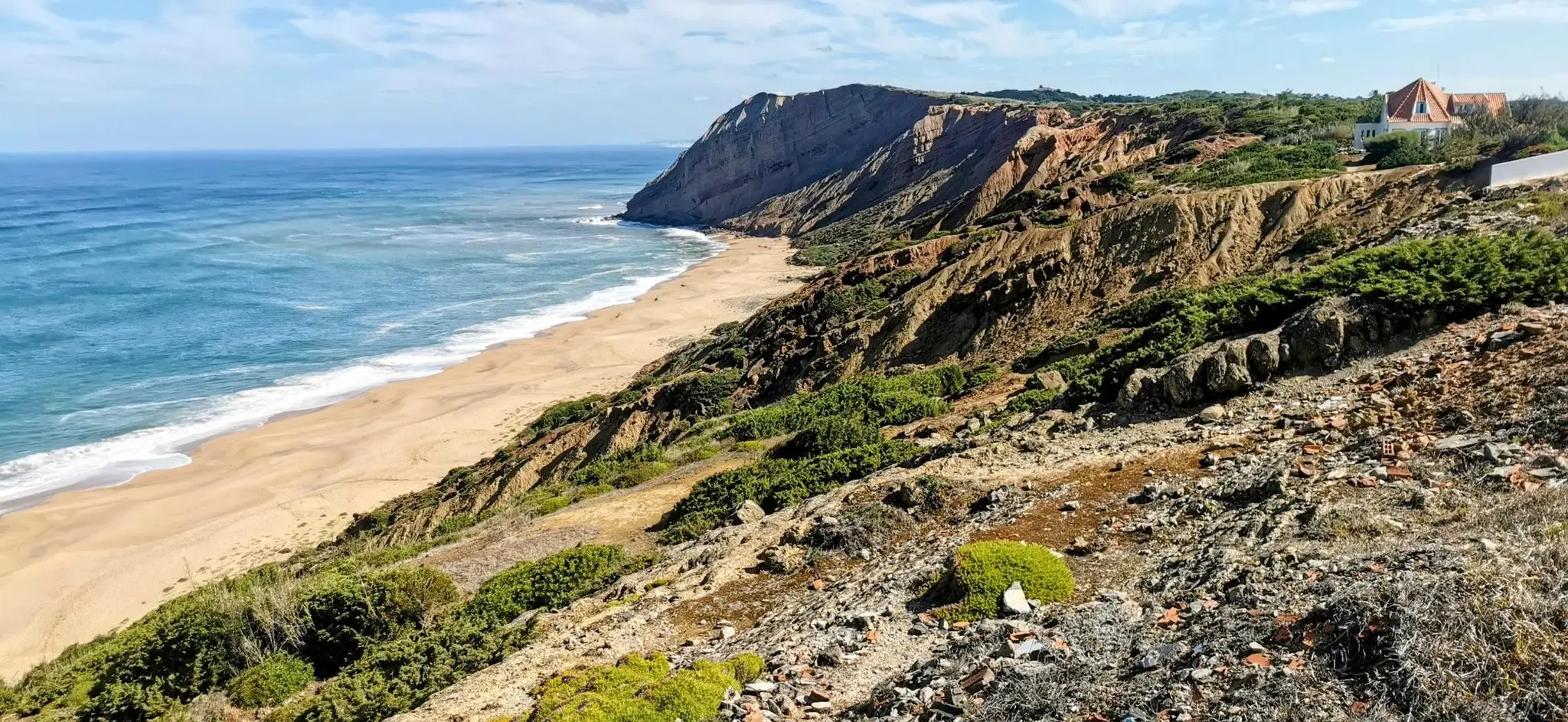
EuroVelo 1 Portugal – Cycle the Atlantic Coast
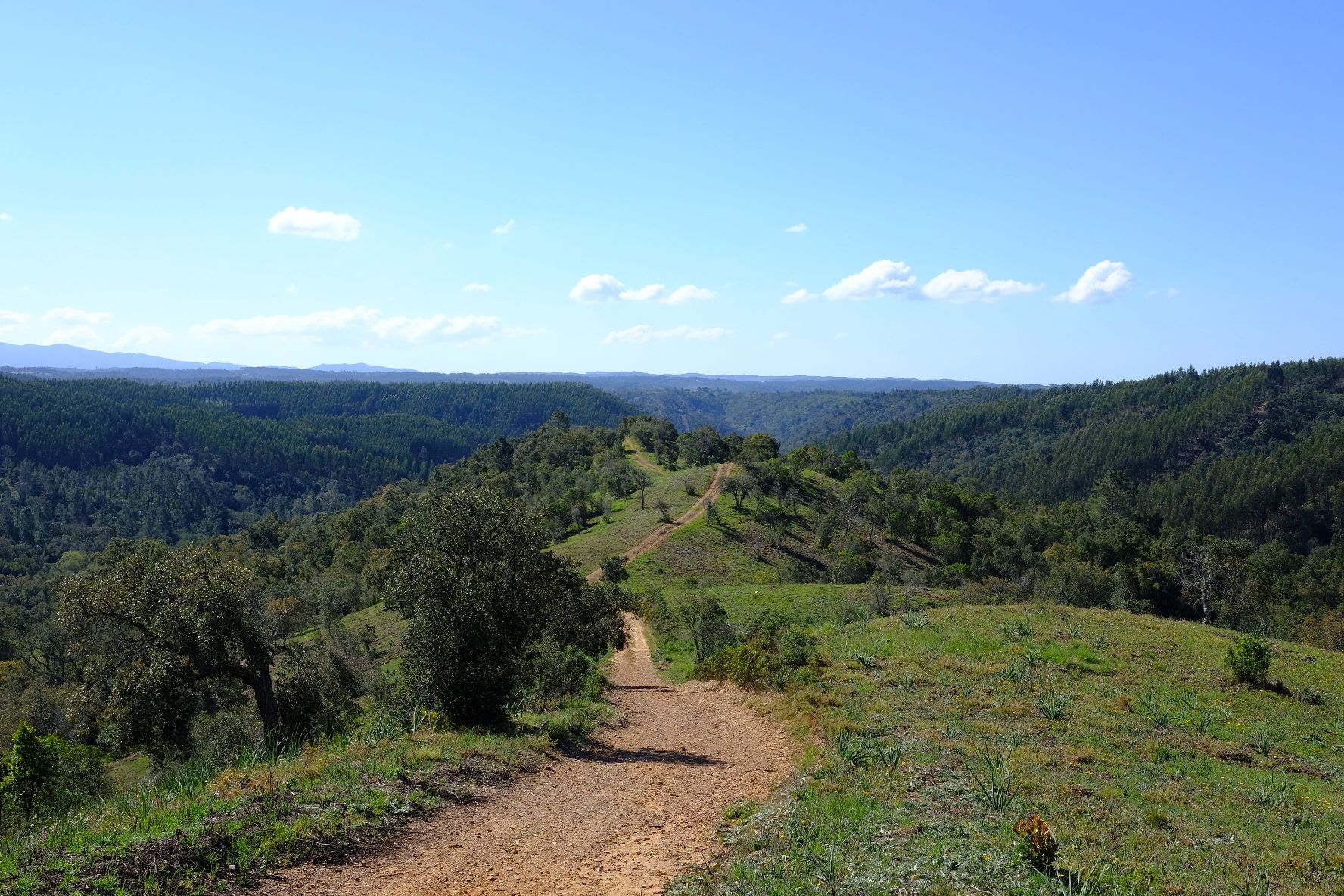
Caminho Histórico – Discover Portugal's beauty and history
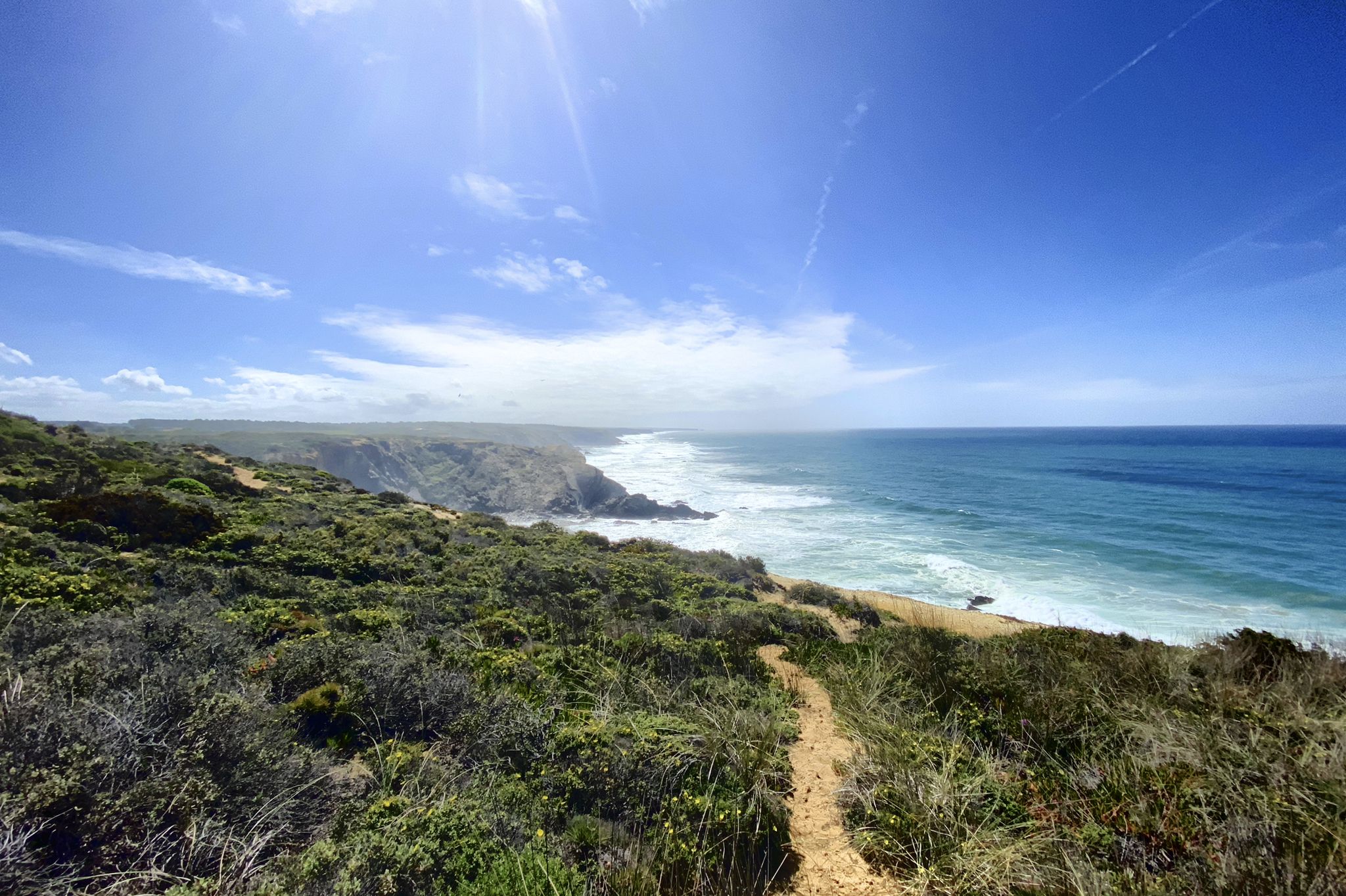
Trilho dos Pescadores – Portugal's Fishermen's Trail
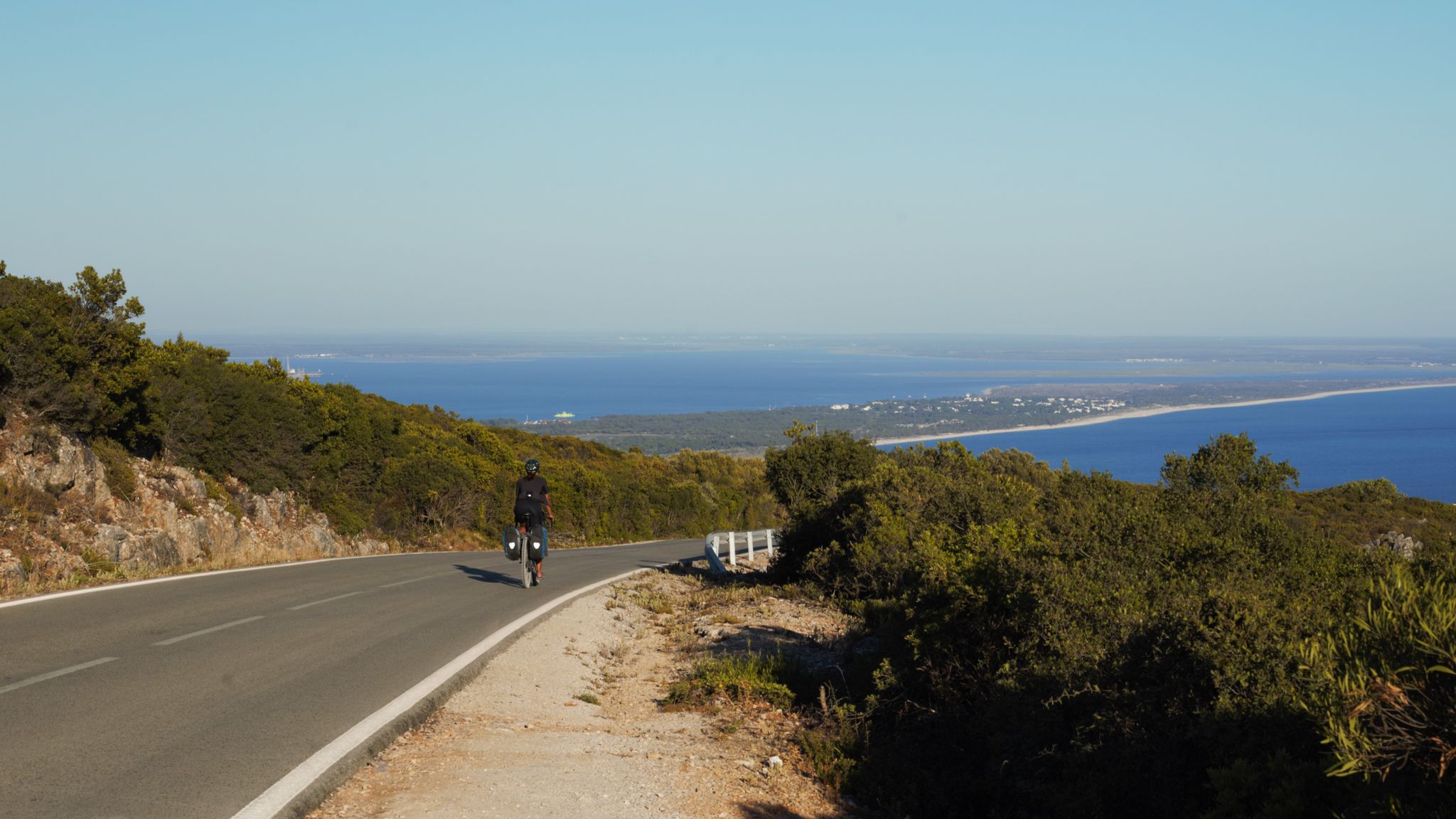
The breaking waves – cycle along the Atlantic coast of Portugal
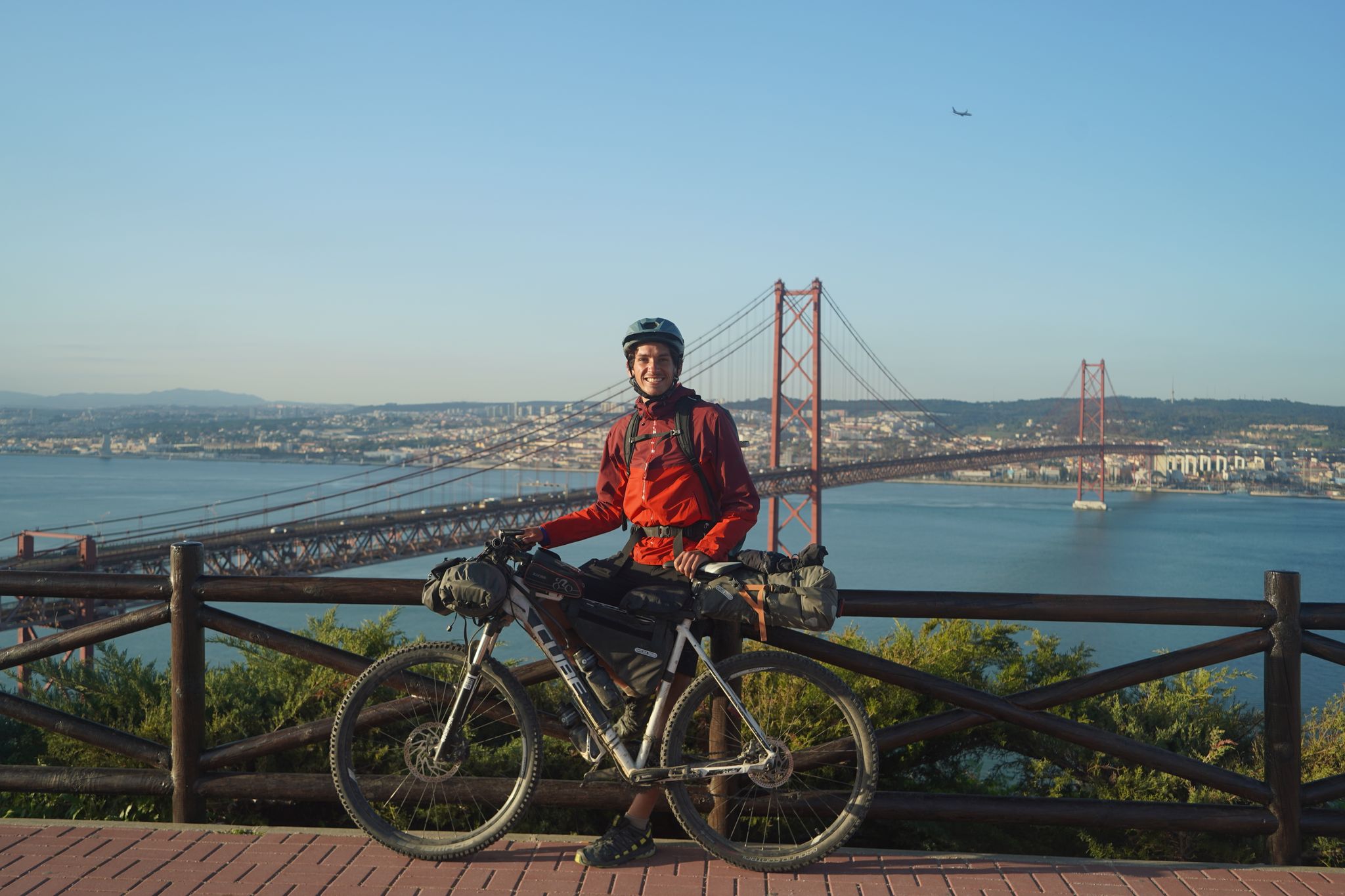
Road to Lisbon – bikepacking the Alps, Pyrenees and Picos de Europa
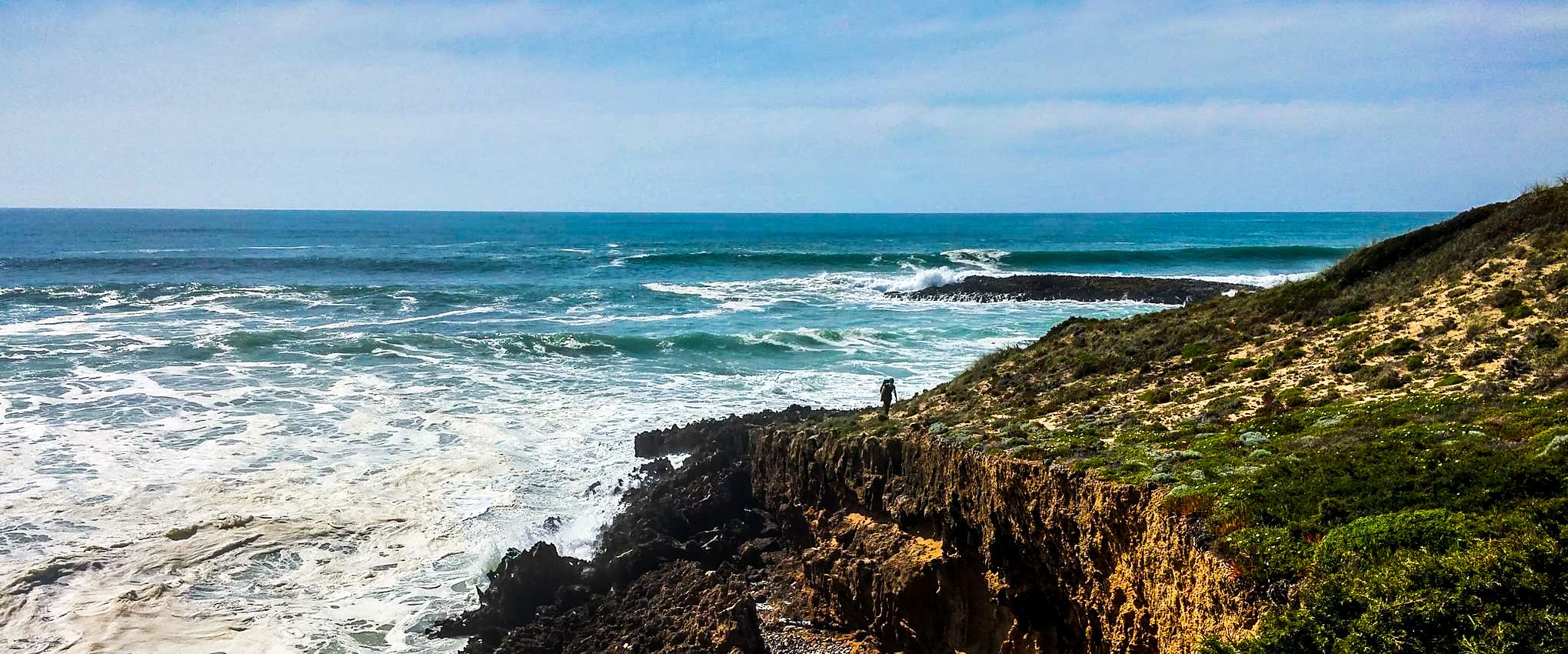
Fishermen's Trail – Discover Portugal's Atlantic Coast
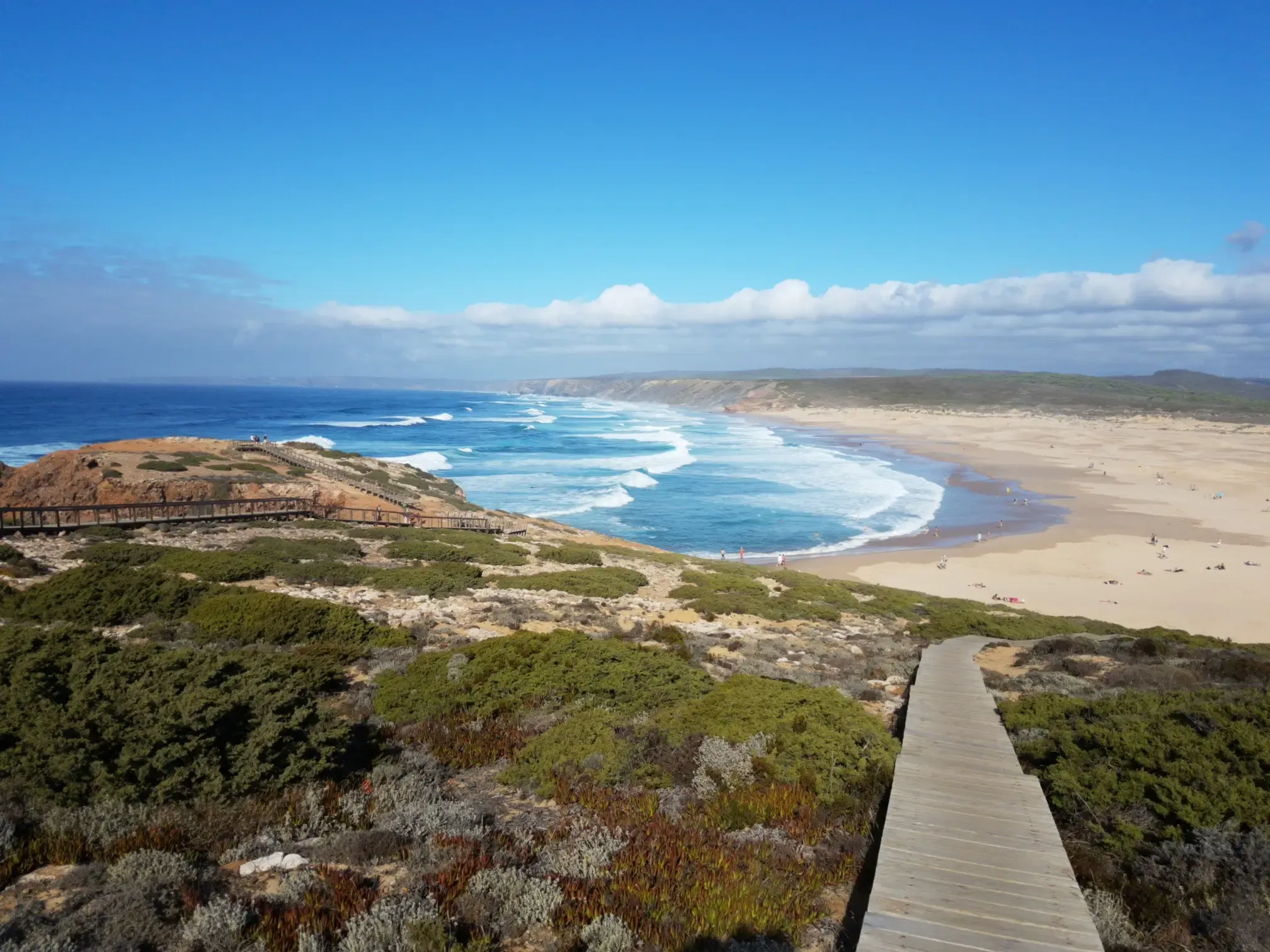
Lisbon to Santo António – The Atlantic Coast of Portugal (south)
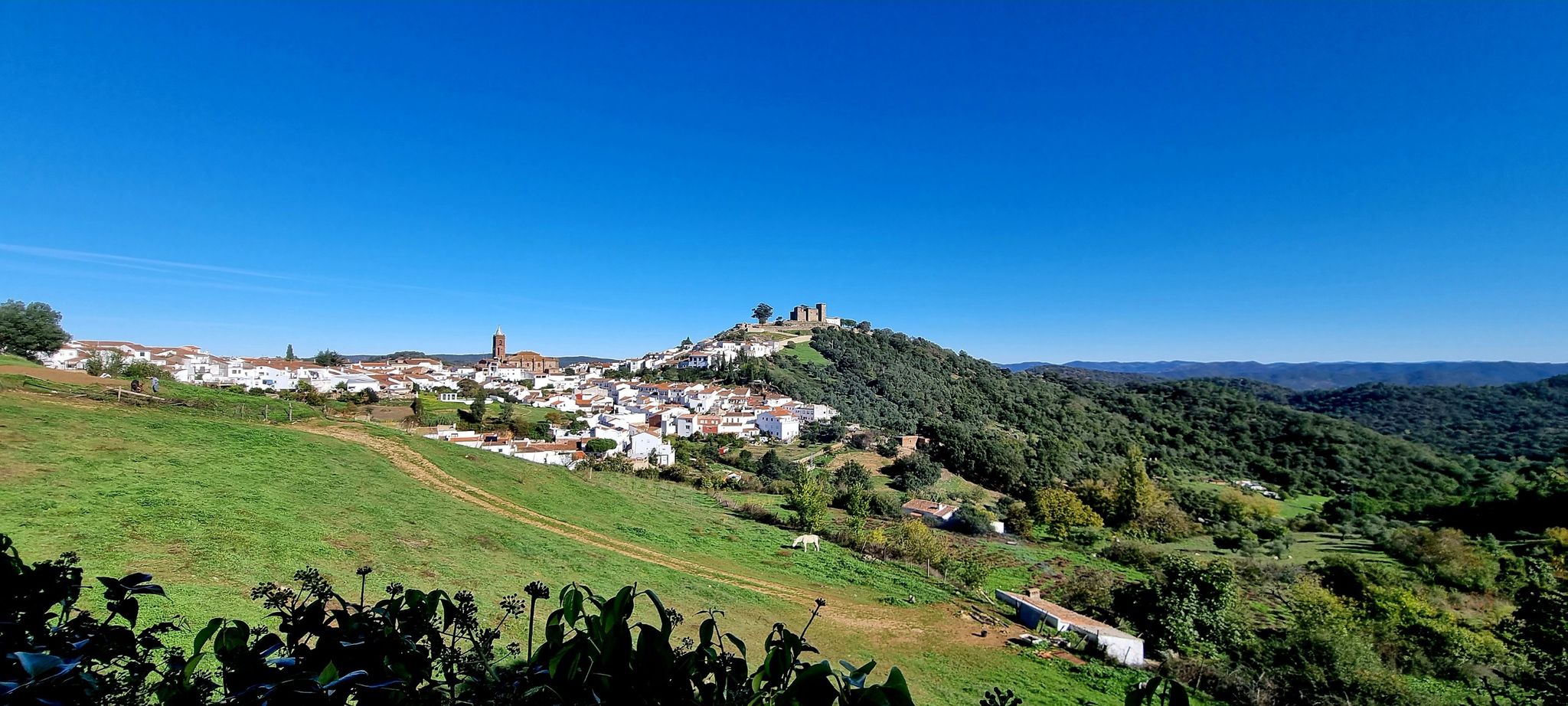
European Divide Trail across the Iberian Peninsula – south
Hiking around Odemira

Gravel biking around Odemira
Other adventures around Odemira


Tips from the Community

Reachable by gravelbike or mountainbike
0
0

The Castle of Cola is an Iron Age hillfort that was later reinforced as an Islamic fortress in Portugal’s Alentejo region, now classified as a National Monument. It forms the centre of the Castro da Cola archaeological park, which features Megalithic, Chalcolithic, Bronze, and Iron Age remains. The polygonal fortification, with thick walls, a towered entrance, and a rock-hewn cistern, was strategically positioned to guard a key route into the Algarve.
1
0

Cola Castle is a significant archaeological site. Classified as a National Monument, it was an ancient residence from the Iron Age. The larger Archaeological Park of Castro da Cola also includes other interesting prehistoric monuments including megalithic and chalcolithic ones and several necropolises dating back to the Bronze and Iron Ages. The defensive structure of the castro, dating back to the Iron Age, has a polygonal plan with reinforced blocks. The entrance was strategically controlled by a tower. The rest of the defensive structure was surrounded by walls, which are still visible today on the surrounding pastures and continue to protect the ancient castle.
1
0

During the summer months, it's possible to visit the island. Unfortunately, access to the Fort of Nossa Senhora da Queimada is not possible. There's a sign in front of the fortress stating its opening hours.
2
0
Its elevated location suggests that it played an important role in guarding the territory and defending the region in ancient times. The panoramic view over the surrounding landscape is also a point of interest, as a result of its strategic position.
0
0
Beautiful, at times steep climb to the ruins of the Moorish Castle of Alferce, a historic site where only traces of its former existence can be found. At the moment, archaeologists are at work at the ruins and archaeological remains.
0
0
The Miradouro do Cerro do Castelo de Alferce is a viewpoint inaugurated in April 2024 next to the Castelo de Alferce, the ruins of a Moorish castle.
0
0
Frequently Asked Questions
What is the historical significance of the castles in the Odemira region?
The castles and fortifications around Odemira are deeply rooted in history, with origins tracing back to Bronze Age settlements. They were strategically important, guarding routes between the coast and the interior, and saw occupations by various cultures, including Islamic and Christian forces. Sites like the Church of Nossa Senhora da Cola and Castro da Cola are classified as National Monuments, showcasing Iron Age hillforts and Islamic fortresses.
Which castles offer the best panoramic views?
For stunning vistas, the Miradouro do Cerro do Castelo de Alferce, located next to the ruins of a Moorish castle, offers views towards the coast, the Odelouca lake, and Silves. The ancient Castelo de Odemira, though largely in ruins, also provides pleasant views over the Mira River and the surrounding town from its elevated position.
Are there any family-friendly castles to visit near Odemira?
While specific family-friendly activities vary, historical sites like Castro da Cola, with its archaeological park, can be engaging for families interested in history and exploration. The green space at the Castelo de Odemira also offers a pleasant area for a family visit.
Can I bring my dog to the castles or nearby trails?
Many outdoor areas and trails around Odemira are dog-friendly, especially those in natural settings. However, specific rules for historical sites and castle ruins can vary. It's advisable to keep dogs on a leash and check local signage at each site. The hiking trails near the castles are generally suitable for walks with dogs.
What kind of outdoor activities can I do near the castles around Odemira?
The region around Odemira is excellent for various outdoor activities. You can find numerous hiking trails, including routes like the 'Odeceixe-ao-Mar — circular route on the Costa Vicentina'. There are also options for gravel biking and MTB trails, offering diverse terrain and scenic routes near historical sites.
Are there specific hiking trails that include castle ruins?
Yes, several hiking opportunities exist near castle ruins. For instance, the Gravel climb to Alferce Castle leads to the ruins of a Moorish castle, offering both a physical challenge and historical exploration. The areas around Church of Nossa Senhora da Cola and Castro da Cola also have surrounding paths that allow you to explore the archaeological park.
What is unique about the construction of Castelo de Paderne?
The Castelo de Paderne, located in the wider Algarve region, is a rare and remarkable example of military 'taipa' construction. This archaic form of concrete, made from rammed chalk, limestone, gravel, and soil, gives its thick walls a unique appearance and historical significance. It's considered one of the original castles depicted on the Coat of Arms of Portugal.
What is the best time of year to visit the castles in Odemira?
The best time to visit the castles and explore the Odemira region is typically during the spring (March to May) and autumn (September to November). During these seasons, the weather is milder and more pleasant for outdoor activities, avoiding the intense heat of summer and the occasional heavy rains of winter.
Is the Castelo de Odemira still accessible, and what can I see there?
The Castelo de Odemira is largely in ruins today, but remnants of its walls are integrated into the town's fabric. The site, known as Cerro do Peguinho, includes a green space and the Municipal Library. Visitors can explore the vestiges of the ancient fortification and enjoy pleasant panoramic views over the Mira River and the town, offering a glimpse into its strategic past.
What archaeological sites are important to visit alongside the castles?
The Castro da Cola archaeological park is a must-visit. It encompasses not only the Iron Age defensive structure but also other prehistoric monuments, including megalithic and chalcolithic remains, and several necropolises from the Bronze and Iron Ages. The Church of Nossa Senhora da Cola is also part of this significant historical complex.
How do the castles in Odemira compare to others in the wider Algarve region?
While Odemira's own Castelo de Odemira is primarily ruins integrated into the town, the wider Algarve region offers more intact examples. The Castelo de Aljezur provides a well-preserved medieval structure with two distinct towers and a cistern, offering magnificent panoramic views. The Castelo de Paderne is unique for its 'taipa' construction, showcasing a different architectural style.
Are there any facilities like cafes or restaurants near these castle sites?
The Castelo de Odemira is located within the town of Odemira, so cafes and restaurants are readily available nearby. For sites like Church of Nossa Senhora da Cola and Castro da Cola, which are more isolated archaeological parks, it's advisable to bring your own refreshments or plan to visit facilities in nearby towns before or after your visit. The town of Alferce, near the Miradouro do Cerro do Castelo de Alferce, also offers amenities.
What makes the <a href="https://www.komoot.com/highlight/5824171" target="_blank" rel="noopener">Church of Nossa Senhora da Cola</a> a significant historical site?
The Church of Nossa Senhora da Cola is significant because it's built on an Iron Age hillfort, which was later reinforced as an Islamic fortress. Classified as a National Monument, it forms the center of the Castro da Cola archaeological park, featuring remains from various prehistoric periods and a strategically positioned polygonal fortification with thick walls and a rock-hewn cistern.
What should I know about visiting <a href="https://www.komoot.com/highlight/7576616" target="_blank" rel="noopener">Castro da Cola</a>?
Castro da Cola is a significant archaeological site and National Monument, representing an ancient Iron Age residence with a polygonal defensive structure. The larger archaeological park includes megalithic and chalcolithic monuments, as well as Bronze and Iron Age necropolises. Visitors can explore the visible defensive walls and learn about its strategic importance, with the entrance historically controlled by a tower.
Are there any castles that are easily accessible for all visitors?
Accessibility can vary greatly for historical sites. The Castelo de Odemira, being integrated into the town and featuring a green space, might offer easier access to its immediate surroundings. However, many castle ruins, especially those on elevated terrain like Miradouro do Cerro do Castelo de Alferce or Castro da Cola, may involve uneven paths or climbs. It's best to check specific site conditions if mobility is a concern.
Most popular routes around Odemira
Most popular attractions around Odemira

Get inspired with the komoot mobile app


Explore more
Looking for the best castles somewhere else? Discover other guides around Odemira:
