Attractions and Places To See around Saint-Mard - Top 5
Best attractions and places to see around Saint-Mard include a mix of historical sites, cultural landmarks, and rural villages. This French commune offers opportunities to explore significant architectural heritage and locations with historical importance. Visitors can discover sites that reflect both medieval origins and more recent history. The region provides a diverse range of points of interest for those exploring the area.
Best attractions and places to see around Saint-Mard
- The most popular attractions is Church of the Assumption of…
Last updated: July 5, 2026
Château de Boulogne-la-Grasse
Highlight • Castle
Translated by Google •
Tip by

Church of the Assumption of Our Lady & war memorial
Highlight • Religious Site
Translated by Google •
Tip by

Sign up now to discover places like this
Get recommendations on the best single tracks, peaks, & plenty of other exciting outdoor places.
Sign up for free
Canny-sur-Matz
Highlight • Other
Translated by Google •
Tip by
Verpillières
Highlight • Other
Translated by Google •
Tip by
Theater, Roye
Highlight • Structure
Translated by Google •
Tip by
Start today with a free account
Your next adventure awaits.
Login or Signup



Tips from the Community

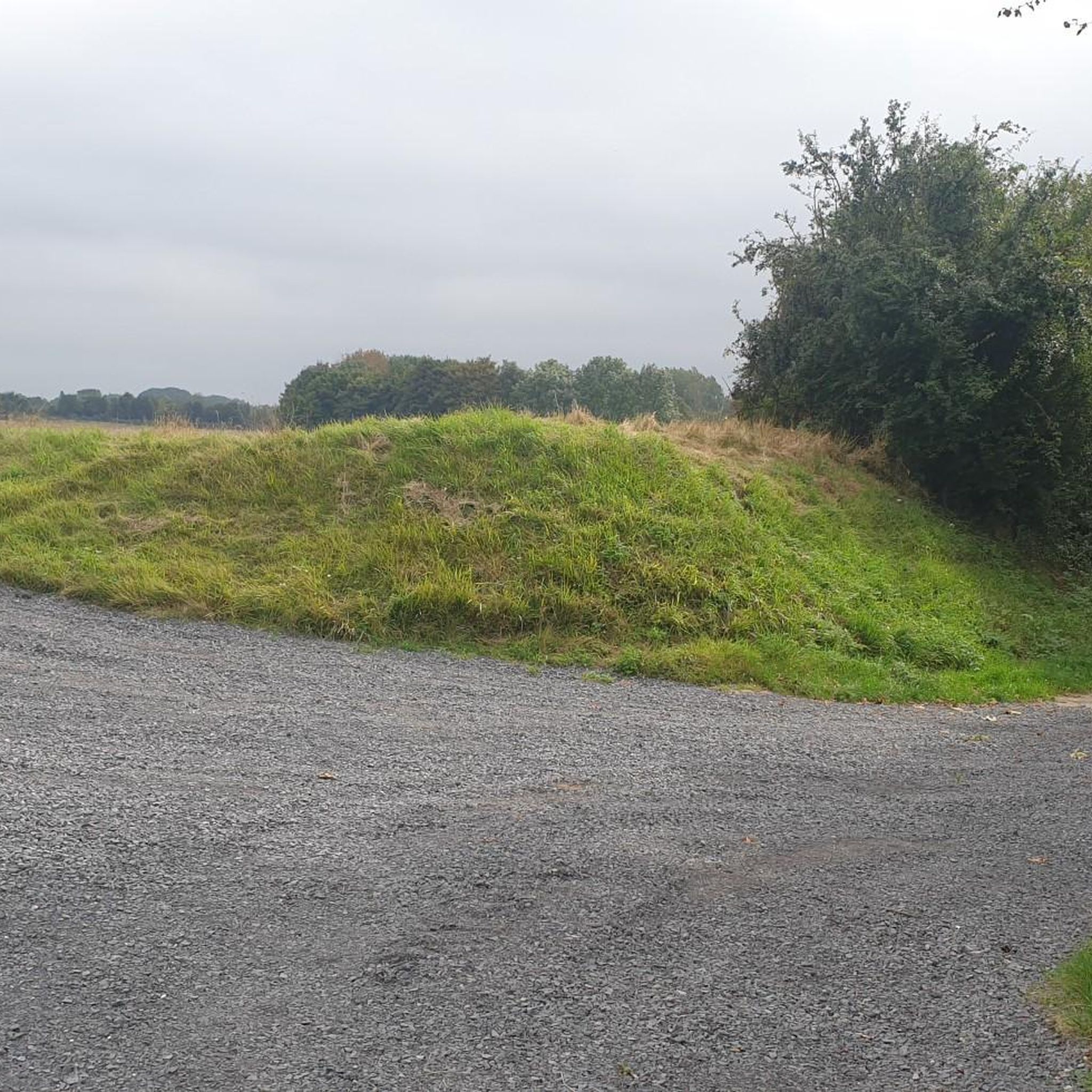
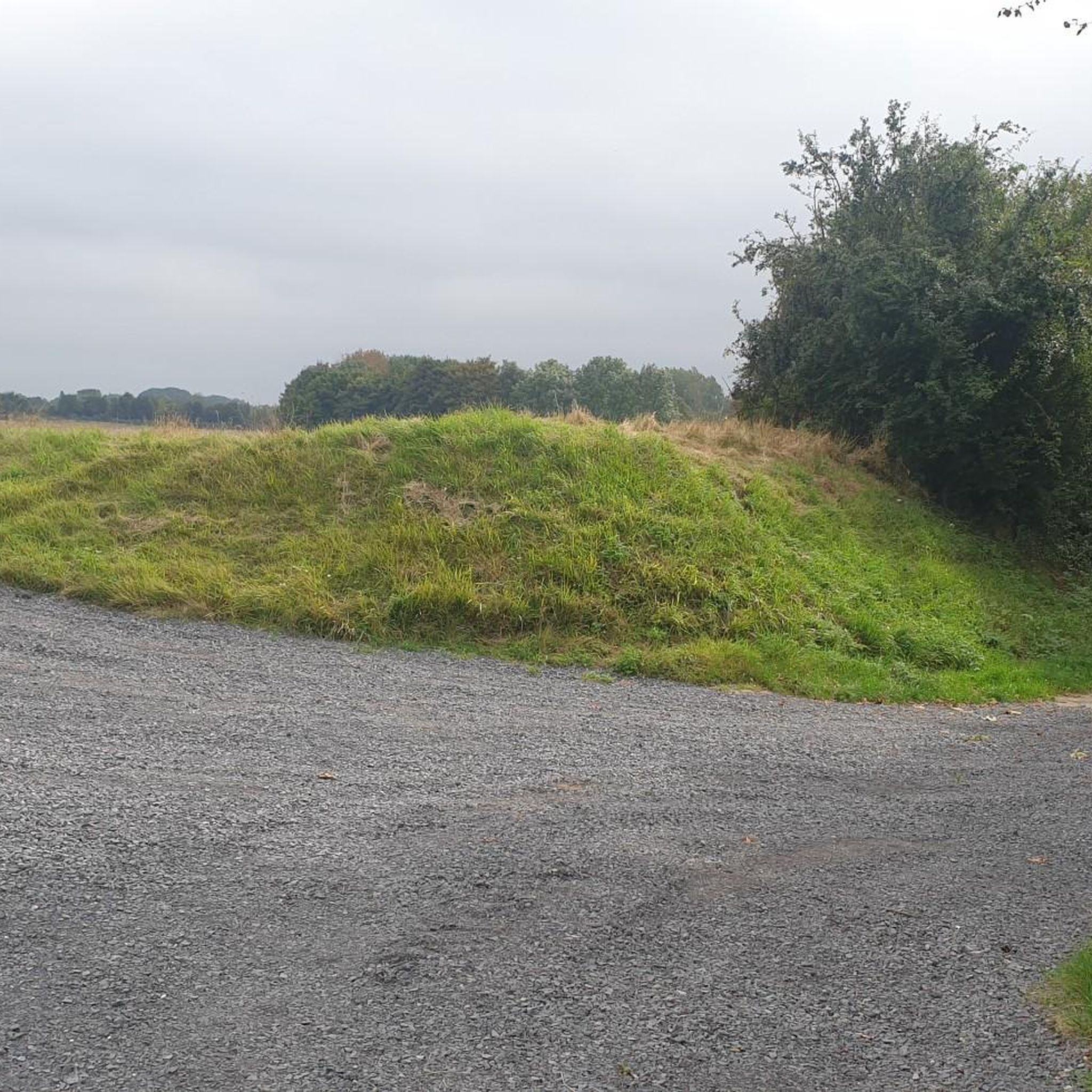
The village played an important role during the First World War. It was occupied on 30 August 1914 and was the scene of fierce fighting during the “Race to the Sea” and again during the Battle of Matz in June 1918. The village was badly damaged and was awarded the Croix de Guerre for its suffering and courage.
4
0
After the devastation of the First World War, a new church dedicated to Our Lady of the Assumption was built in Fresnières in 1929-1930. Its architecture reflects the spirit of the time: a combination of neo-Romanesque forms and Art Deco elements. The round arched windows and the barrel vault in the nave refer to the classical Romanesque style, while the mosaic portal and the straight lines of the bell tower clearly reveal the influence of Art Deco. Above the portal, a fresco with a historical inscription dating back to the time of Louis XIV is a subtle reminder of the long history of this place.
5
0
Small rural village in the department of the Somme. The main historical site is the church of Saint Martin, originally from the 17th century. It was badly damaged during the First World War, but was restored from 1926 onwards. A new bell was inaugurated in 1932
5
0
The Théâtre de Roye has a modern architecture that combines functionality and aesthetics. The building is designed with a superstructure, where a new 400-seat theatre hall is placed on top of the existing building.
5
0

You made me want to take a trip there soon. Thanks Leo
2
0

The Château de Boulogne is unlike any other. With an architecture drawing its inspiration from history and esotericism, it was born in the imagination of Charles de Boulogne (1864 - 1940), a rich Belgian landowner who purchased the title of Count and who undertook the construction of the castle in 1896 on the remains of the Lancry family castle. For 25 years, he put all his energy and his fortune into creating his 'Great Work', a philosopher's residence, a castle of Mysteries which unfortunately was largely destroyed during the Battle of Matz in 1918. For his fellow citizens, Count Charles de Boulogne was the builder of a spooky residence. An incomprehensible man, a little crazy, an “enlightened person”? And yet the sentence he had engraved on the portal gives us the key: “Sortis patiens esto nulli clauderis honesto” ("Be patient, nothing is closed to an honest man")
4
1
Frequently Asked Questions
What types of historical sites can I explore near Saint-Mard?
The region around Saint-Mard offers a rich blend of historical sites. You can visit the Church of the Assumption of Our Lady & war memorial, which features a unique combination of neo-Romanesque and Art Deco architecture. Another significant site is the Château de Boulogne-la-Grasse, a castle built in 1896 with an intriguing history, though largely destroyed during WWI. Additionally, the village of Canny-sur-Matz holds important WWI history, having been awarded the Croix de Guerre.
Are there any unique architectural sites to visit in the Saint-Mard area?
Yes, the Church of the Assumption of Our Lady & war memorial in Fresnières stands out with its 1929-1930 construction, blending neo-Romanesque forms with distinct Art Deco elements, including a mosaic portal and a fresco. The Château de Boulogne-la-Grasse, though partially ruined, also presents a unique architectural vision inspired by history and esotericism.
What natural attractions or outdoor spaces are available around Saint-Mard?
For natural beauty and outdoor recreation, the **Canal de L'ourcq** offers pleasant paths for cycling and walking, with sections running through parks. While not directly in Saint-Mard, the **Château d'Ermenonville** is set within a country-inspired park with views of the Launette river and Jean-Jacques Rousseau park, where you can rent boats or bicycles.
Can I find family-friendly activities or attractions near Saint-Mard?
Yes, the Church of the Assumption of Our Lady & war memorial is categorized as family-friendly. For a broader family experience, **Parc de la Mer de Sable**, an amusement park, is located about 12.6 km from Saint-Mard and is a popular recreational site in France.
What outdoor activities, like hiking or cycling, can I do around Saint-Mard?
The region around Saint-Mard is excellent for outdoor activities. You can find numerous routes for both hiking and cycling. For detailed options, explore the Hiking around Saint-Mard guide and the Road Cycling Routes around Saint-Mard guide.
Are there specific hiking trails recommended near Saint-Mard?
Yes, there are several hiking trails. An easy option is the 'Park Bench – Castany loop from Saint-Mard' which covers about 7.2 km. For moderate hikes, consider the 'Ruins of the Cemetery Chapel loop from Guerbigny' (approx. 11.1 km) or the 'Bois de la Carnaude – Bois de Liancourt loop from Liancourt-Fosse' (approx. 8.3 km). You can find more details in the Hiking around Saint-Mard guide.
What is the historical significance of villages near Saint-Mard?
Villages like Canny-sur-Matz played a crucial role during the First World War, experiencing fierce fighting and earning the Croix de Guerre for its resilience. Verpillières, a small rural village, features the Saint Martin church, originally from the 17th century, which was restored after significant damage in WWI.
What do visitors enjoy the most about the attractions in Saint-Mard?
Visitors appreciate the unique historical and architectural aspects of the area. For instance, the Château de Boulogne-la-Grasse is noted for its distinctive, esoteric-inspired architecture, prompting interest from those keen on historical mysteries. The blend of historical sites and opportunities for outdoor activities also contributes to a diverse visitor experience.
Is there a good time of year to visit Saint-Mard for sightseeing?
While there isn't a specific 'best time' mentioned for all attractions, the region's outdoor activities like hiking and cycling are generally most enjoyable during the milder seasons, such as spring and autumn, when the weather is pleasant for exploration. Historical sites are accessible year-round.
Are there opportunities to discover local produce near Saint-Mard?
Yes, for those interested in local produce, there are opportunities to discover local producers, such as the verger and cueillette (orchard and pick-your-own) in Saint-Soupplets, offering a taste of the regional agricultural offerings.
Where can I find cultural performances or modern architecture in the area?
The Theater in Roye is a notable site for modern architecture, featuring a new 400-seat theatre hall built on top of an existing structure, combining functionality with contemporary aesthetics. It serves as a venue for cultural performances.

Get inspired with the komoot mobile app


Explore more
Still not found the Highlight you’re looking for? See guides of the top attractions in other regions:
