The 9 Most Amazing Peaks around Castle Hill
Best mountain peaks around Castle Hill are found in the Canterbury Region of New Zealand, within the Southern Alps. The area is characterized by the Torlesse Range to the east and the Craigieburn Range to the west. This region features striking mountain peaks and unique geological formations, including massive limestone rock formations. These natural features provide opportunities for outdoor activities and offer expansive views.
Best mountain peaks around Castle Hill
- The most popular mountain peaks is Las Trampas Ridge,…
Last updated: July 2, 2026
Briones Crest Trail
Highlight (Segment) • Trail
Tip by

Las Trampas Ridge
Highlight • Viewpoint
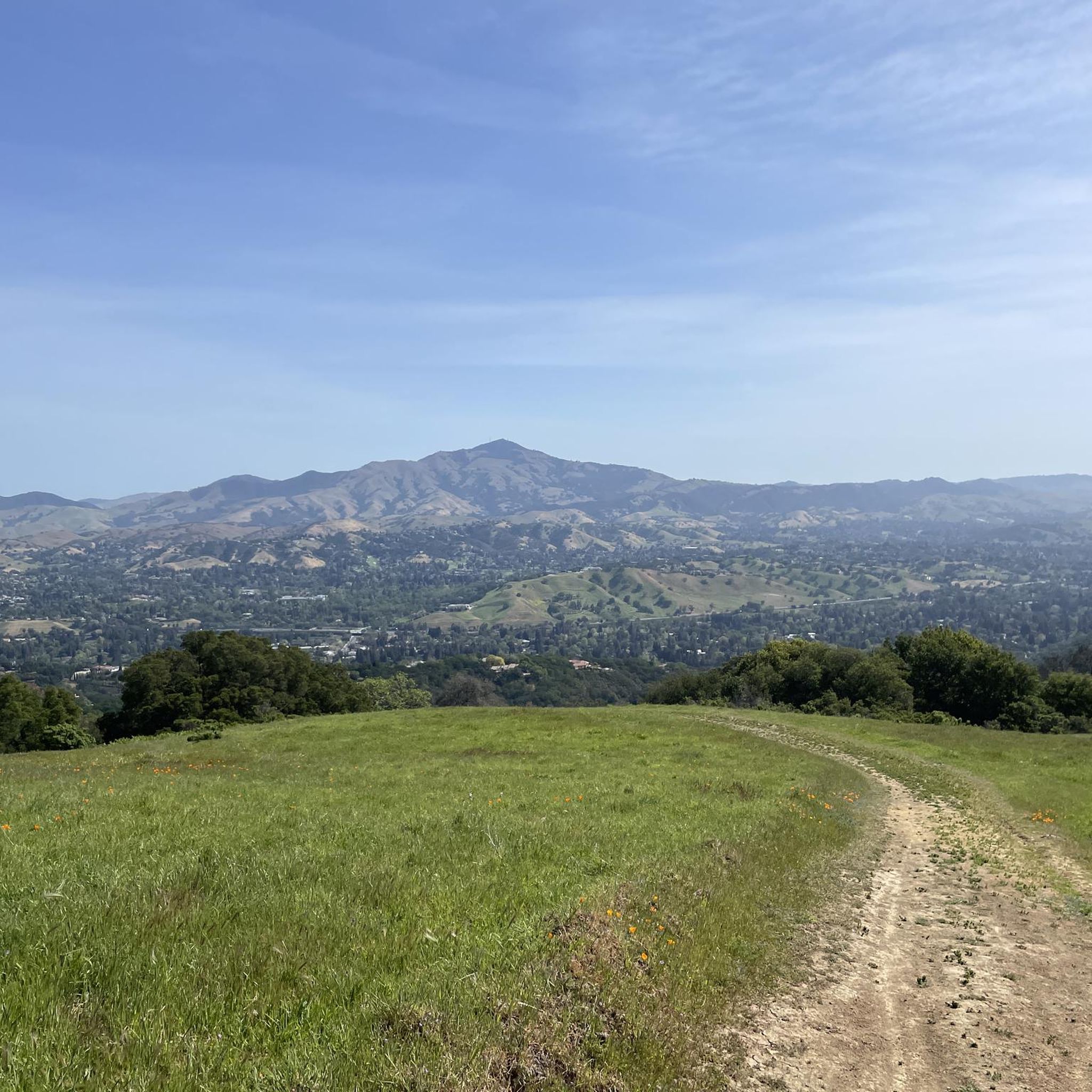
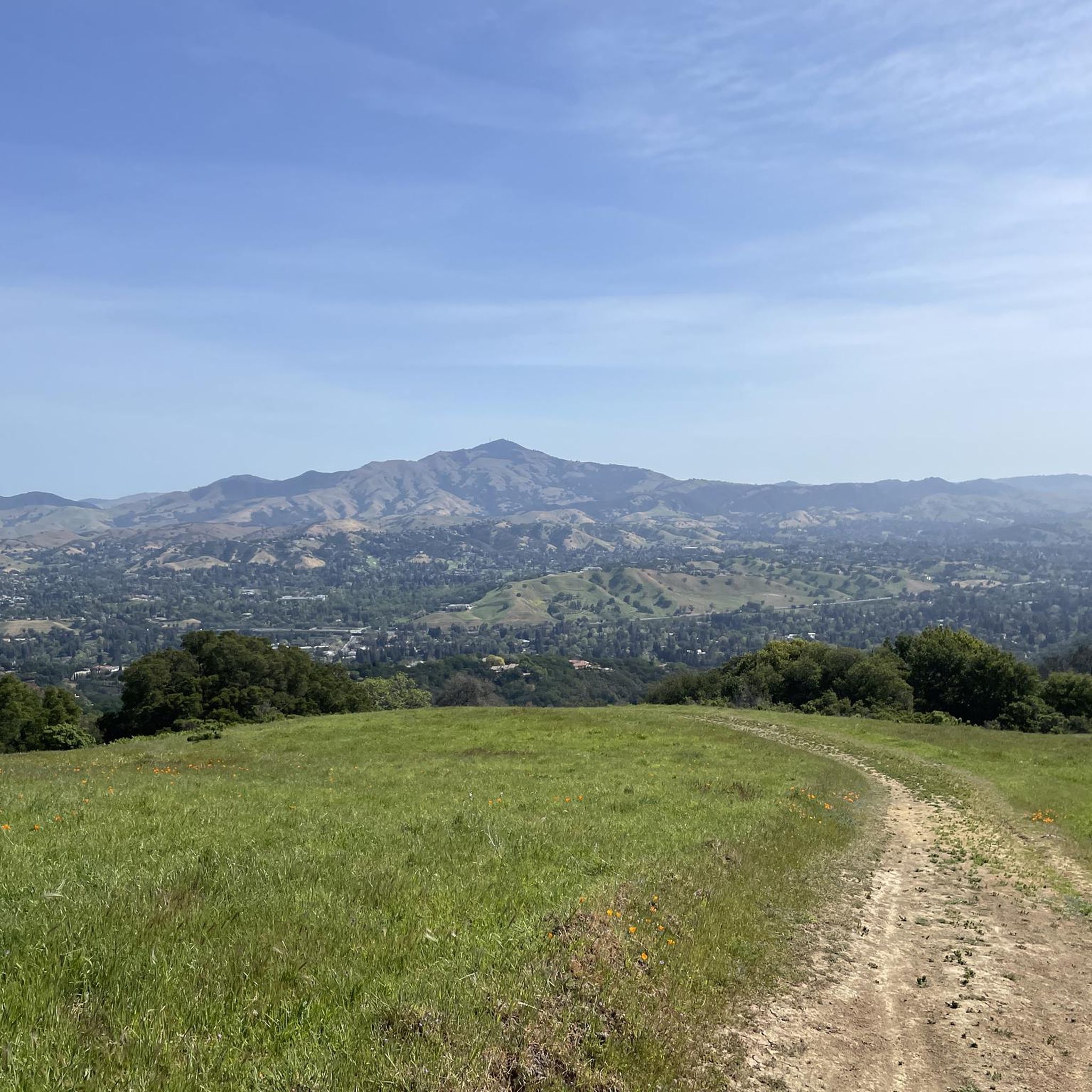
Further on, Mount Diablo stands out.
Tip by

Sign up now to discover places like this
Get recommendations on the best single tracks, peaks, & plenty of other exciting outdoor places.
Sign up for free
Black Point Summit
Highlight • Summit
Tip by

Eagle Peak
Highlight • Summit
Tip by
Russell Peak
Highlight • Summit
Tip by

Sign up for free to discover even more peaks around Castle Hill.
Sign up for free
Already have an account?
Start today with a free account
Your next adventure awaits.
Login or Signup


Tips from the Community

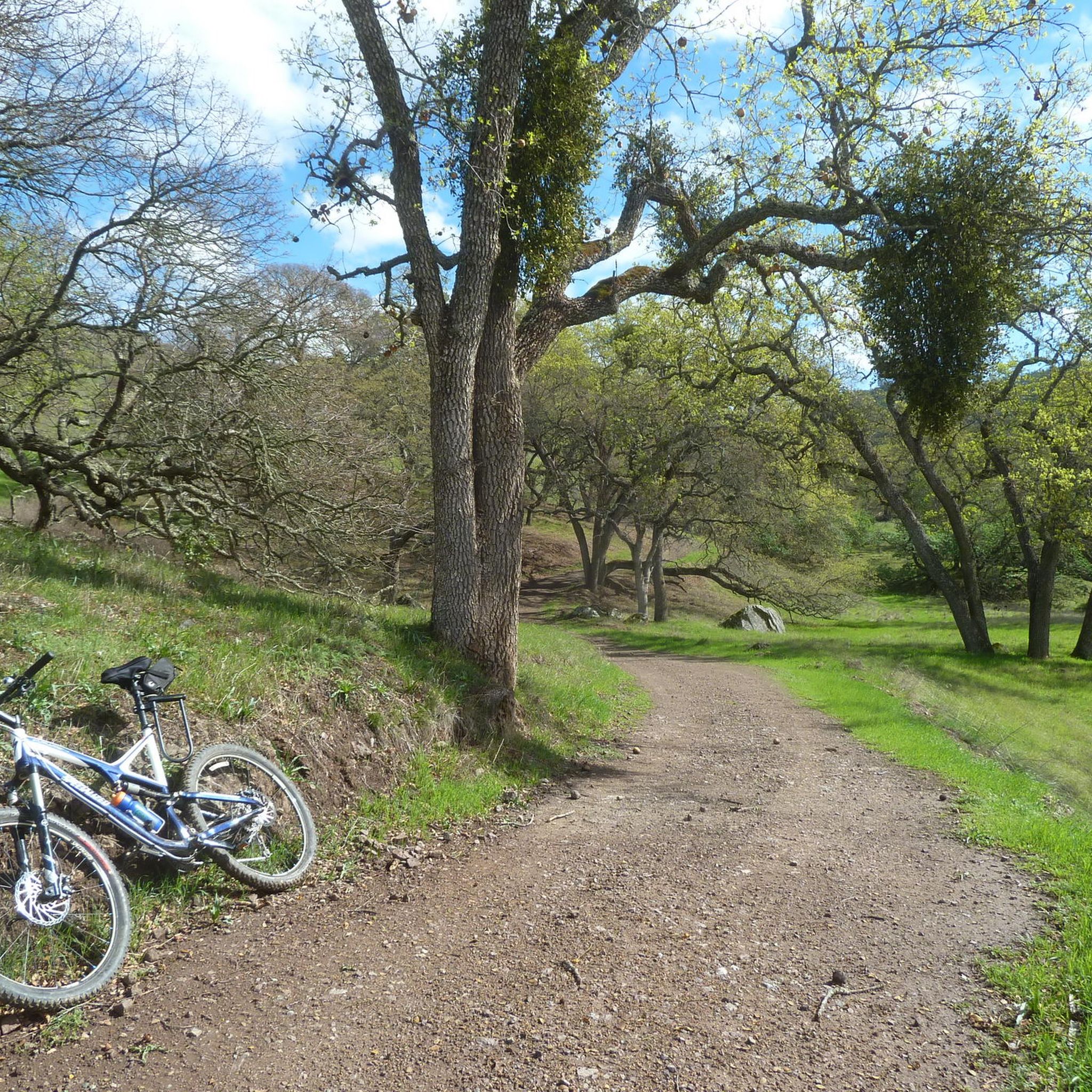
Russell Peak easily offers some of the best views in the Briones Regional Park. Visits are particularly enjoyable during the spring for the wildflower bloom!
0
0

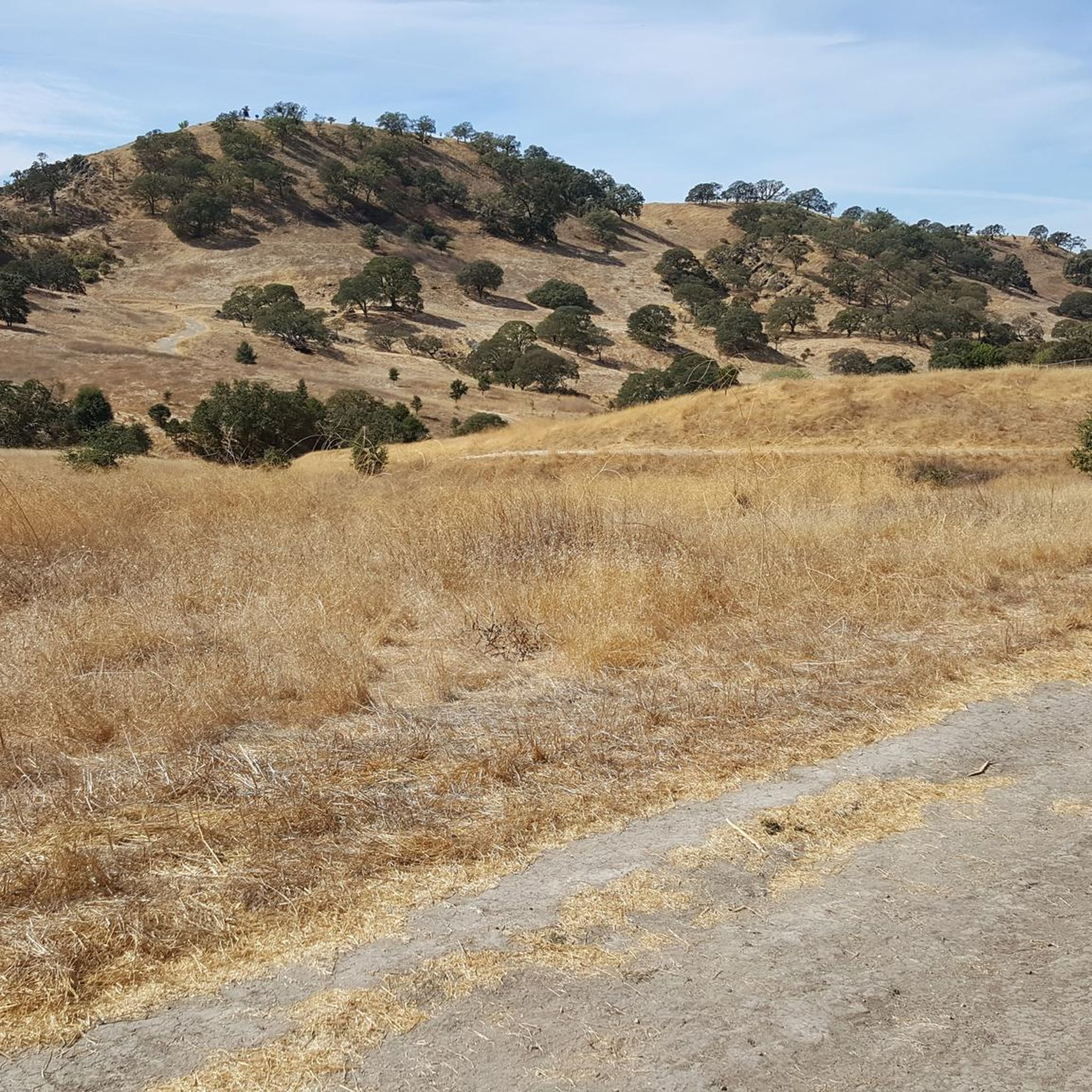
This prominent summit offers excellent views of the canyon below, with a good look at the Clayton Quarry. The wildflowers are beautiful in the spring and summer. It is a great spot to spend some time just enjoying the scenery.
0
0

Eagle Peak, standing at 1430 feet, lives up to its fitting name, offering a bird's-eye view of the open meadows, San Ramon Valley, and Mount Diablo.
0
0
This area marks the highest point in the Briones Regional Park, and the sweeping views are truly stunning. Though the incline is rather steep, the effort is definitely worth it.
0
0

From this ridge you embrace quite a few points of view. Starting with the valleys of Ignacio, San Ramon and Amador. Further on, Mount Diablo stands out.
0
0
Frequently Asked Questions
What are some of the most notable mountain peaks and viewpoints around Castle Hill?
The Castle Hill area, situated in New Zealand's Southern Alps, features several prominent peaks and viewpoints. Among the most appreciated by the komoot community are Las Trampas Ridge, offering expansive views of the Ignacio, San Ramon, and Amador valleys, with Mount Diablo also visible. Another popular spot is Black Point Summit, known for its canyon views and wildflowers in spring and summer. Eagle Peak provides a bird's-eye view of open meadows and the San Ramon Valley. Additionally, Russell Peak offers some of the best views in Briones Regional Park, especially during wildflower season. The region's highest summit, Castle Hill Peak, stands at 1,998 meters in the Torlesse Range, offering panoramic views after a challenging climb.
What kind of natural features can I expect to see when visiting the mountain peaks near Castle Hill?
Beyond the impressive mountain peaks themselves, the Castle Hill area is famous for its unique geological formations, particularly massive limestone rock formations that resemble a ruined castle. These formations, shaped by millions of years of erosion, are a major draw. You'll also encounter diverse landscapes including river views, expansive grasslands, lush beech valleys, and alpine screes, especially within the Torlesse and Craigieburn Ranges.
Are there challenging mountain climbs available in the Castle Hill region?
Yes, the Castle Hill region offers challenging climbs for experienced hikers. The ascent to Castle Hill Peak (1,998 meters) is a popular and physically demanding day walk. The most common route starts at Porters Pass and involves an unmarked, well-worn trail towards Foggy Peak, followed by a long, high ridge to the summit. The final section to Castle Hill Peak can be tricky, featuring a narrow, steep ridge with loose scree. Fit parties can even continue along the range to destinations like "The Gap," a distinctive notch with sheer cliffs.
What are the best times to visit the mountain peaks around Castle Hill?
The best time to visit the mountain peaks around Castle Hill generally depends on the desired activity. Spring and summer (roughly September to February) are ideal for enjoying wildflowers, as noted for Black Point Summit and Russell Peak. These seasons typically offer more stable weather for hiking. However, visitors should always be prepared for varied weather conditions in the mountains, regardless of the season.
What outdoor activities can I do near the mountain peaks around Castle Hill?
The area around Castle Hill's mountain peaks is a hub for outdoor activities. You can explore a variety of hiking trails, ranging from easy walks like the Kovar and Ridge Top Trail Loop to more moderate and difficult options such as sections of the Iron Horse Regional Trail. For cyclists, there are numerous cycling routes, including the Lamorinda Trail Loop. If you enjoy running, you'll find dedicated running trails, including parts of the Iron Horse Regional Trail.
Are there any easy mountain peaks or viewpoints suitable for less experienced hikers near Castle Hill?
While some peaks in the immediate Castle Hill area, like Castle Hill Peak, are challenging, many viewpoints and lower-elevation trails offer accessible experiences. For instance, the View from Las Trampas Peak provides stunning vistas without necessarily requiring a strenuous climb to the highest point. The broader region also features diverse hiking experiences through river views and grasslands, which can be less demanding than alpine ascents. Always check specific trail difficulties before heading out.
What should I know about the elevation and terrain difficulty of the peaks in the Castle Hill area?
The mountain peaks in the Castle Hill area vary significantly in elevation and difficulty. Castle Hill Peak itself stands at 1,998 meters (6,555 feet) and offers significant topographic relief, rising 1,300 meters above Ghost Creek. The terrain for summiting Castle Hill Peak is challenging, involving unmarked trails, long ridge walks, and a steep, scree-filled final ascent. Other peaks and viewpoints, such as Eagle Peak at 1430 feet, offer more moderate experiences. The broader region includes peaks up to 2,300 meters (7,545 feet) in the Craigieburn Forest Park, with diverse terrains from river valleys to alpine screes.
What kind of views can I expect from the mountain peaks and viewpoints?
From the mountain peaks and viewpoints around Castle Hill, you can expect expansive and diverse panoramic views. From Las Trampas Ridge, you'll see the valleys of Ignacio, San Ramon, and Amador, with Mount Diablo in the distance. Black Point Summit offers excellent views of the canyon below. From Eagle Peak, you'll get a bird's-eye view of open meadows and the San Ramon Valley. Summiting Castle Hill Peak rewards you with vast views of the surrounding ranges and the unique Castle Hill landscape, including the distinctive limestone formations.
Are there any specific safety considerations for hiking the mountain peaks in this region?
Yes, safety is paramount when hiking in the Castle Hill mountain peaks. You should be prepared for varied and rapidly changing weather conditions, even on what might seem like a clear day. Some routes, particularly to higher peaks like Castle Hill Peak, are unmarked, so strong navigation skills are essential. Always carry appropriate gear, including layers of clothing, sufficient water, food, and navigation tools. Inform someone of your plans before heading out.
What is the significance of the name "Castle Hill" for this region?
The name "Castle Hill" comes from the area's massive limestone rock formations. These unique geological features, shaped by millions of years of natural processes and water erosion, resemble the ruins of a grand castle. This striking landscape is a key characteristic of the region and attracts visitors for its scenic beauty and bouldering opportunities.
Can I find information about the history or cultural significance of the peaks around Castle Hill?
While the region is primarily known for its natural beauty and geological formations, some areas hold historical significance. For example, the name "Las Trampas," associated with View from Las Trampas Peak, means "the traps" in Spanish. This name originates from the method Native Americans used to trap elk while hunting, utilizing the ridge to ensnare their prey. This highlights a connection to the indigenous history and traditional land use of the area.
Most popular attractions around Castle Hill

Get inspired with the komoot mobile app


Explore more
See even more amazing summits around Castle Hill with these guides:
