Attractions and Places To See in the Jarbidge Mountains - Top 9
Best attractions and places to see in the Jarbidge Mountains offer a diverse landscape for outdoor enthusiasts. This remote mountain range features high-altitude summits, alpine lakes, and river valleys. The region is known for its rugged terrain, providing opportunities for challenging trails Jarbidge Mountains and wildlife spotting Jarbidge Mountains. Visitors can explore 9 distinct hidden gems within this wilderness area.
Best attractions and places to see in the Jarbidge Mountains
- The most popular attractions is The Matterhorn, a summit…
Last updated: July 8, 2026
The Matterhorn
Highlight • Summit
Tip by

Jarbidge Peak
Highlight • Summit
Tip by
Sign up now to discover places like this
Get recommendations on the best single tracks, peaks, & plenty of other exciting outdoor places.
Sign up for free
Jarbidge River Trail
Highlight (Segment) • Trail
Tip by
Aspen Grove
Highlight • Forest
Tip by
Jarbidge Lake
Highlight • Lake
Tip by
Cougar Peak
Highlight • Summit
Tip by
Emerald Lake Pass
Highlight (Segment) • Mountain Pass
Tip by
Trail Junction
Highlight • Trail
Tip by
Saddle between Prospect and Cougar Peaks
Highlight • Mountain Pass
Tip by
Start today with a free account
Your next adventure awaits.
Login or Signup
Popular around Jarbidge Mountains
Tips from the Community

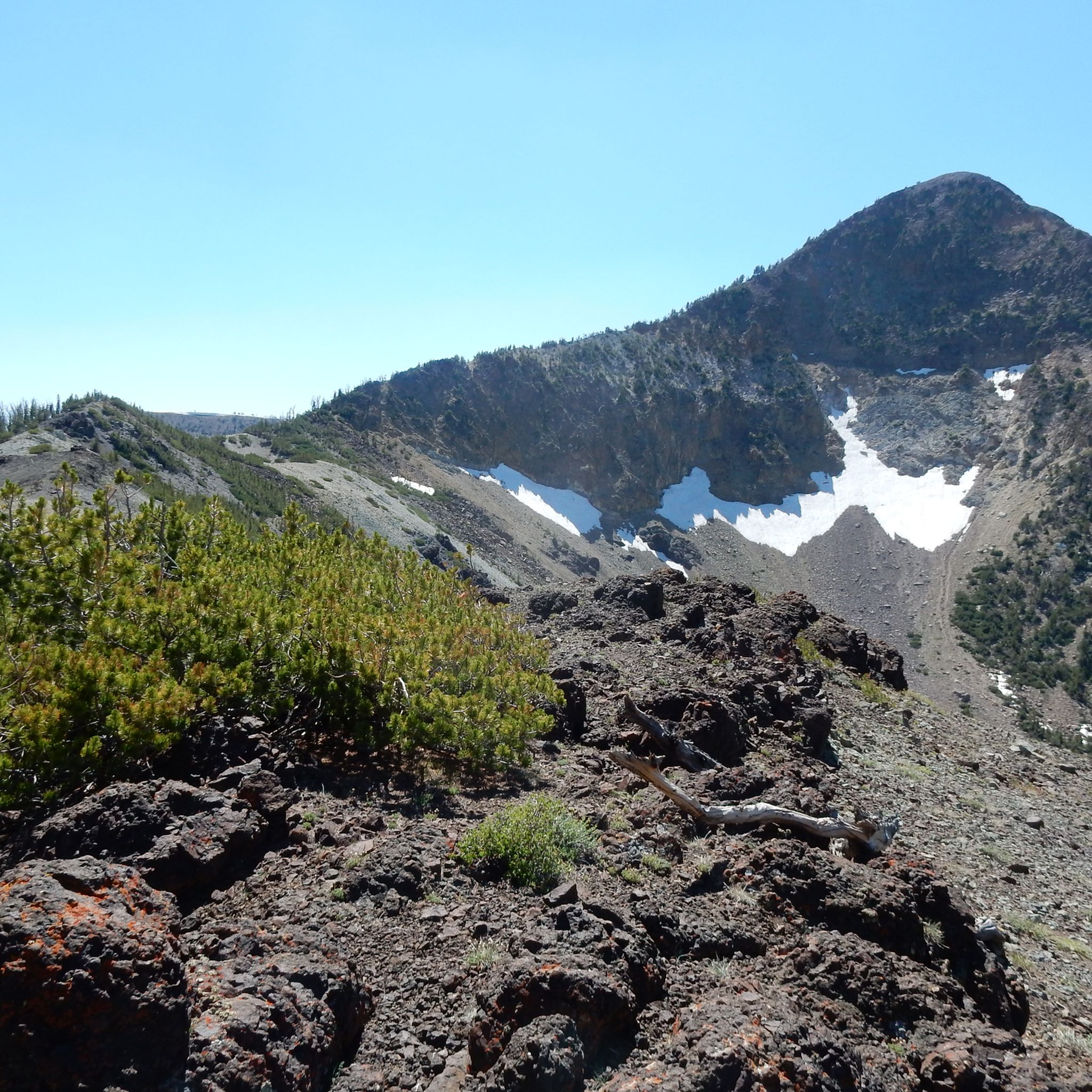
Cougar Peak is one of the more prominent peaks on the southern end of the Jarbidge traverse. Its exposed summit, at 10,564 feet, offers fantastic views of the large Marys River Peak to the south and the Matterhorn to the north approximately 0.5 miles away along the loose, talus-y ridge line. There might be a small glass jar that serves as a summit register by a wooden post that marks the top of Cougar Peak that you can sign if you wish.
0
0
The Matterhorn is the tallest peak in the Jarbidge Mountain Range. Standing at 10,838 feet, this rocky, steep summit requires a little bit of scrambling up exposed Class 2 talus and rock to reach. Once you get to the top of the Matterhorn you are rewarded with amazing panoramic views of the entire Jarbidge Mountain Range as well as views into Idaho! This mountain is named after the more famous Matterhorn in the European Alps because of the steep, prominent cliffs just north of the summit. The Matterhorn of the Jarbidge Mountains is a proud, remote peak in one of the most seldom visited wilderness area in the US. It is a great place to rest, eat lunch, take photos, and sign the summit register. Like the rest of the peaks on the long ridge line, tacking the Matterhorn is a serious endeavor across exposed terrain on trails that might be faint to non-existent at times. Please use good judgement about your own ability and comfort-levels traveling in this type of terrain.
0
0
Jarbidge Peak stands at 10,799 feet and is the second highest mountain in the Jarbidge Mountain Range after the Matterhorn. This rocky, open summit provides excellent panoramic views of the surrounding area, but especially across the dry, exposed ridge toward the Matterhorn and the other lesser summits that comprise the Jarbidge Mountains. This summit is an excellent goal in and of itself, but is also a great place to rest, sip some water, eat some food, and sign the summit register before continuing onward to the surrounding peaks across the ridge line if attempting the Jarbidge Traverse. Please be aware that the Jarbidge Traverse is a serious endeavor. You are above tree line for the entire ridge line traveling on exposed terrain on trails that might be faint to non-existent at times. Please use good judgement about your own ability and comfort-levels before attempting Jarbidge Peak and the others along the traverse.
0
0
The Emerald Lake Pass is on the Jarbidge River Trail and takes you up steep switchbacks over an open pass below Government Peak. You get great views of the imposing Mary's River Peak to the south and great views of the Matterhorn and the surrounding smaller peaks to the north. When you get toward the top of the pass you can also see Emerald Lake in the distance.
0
0
At this major trail junction there are three wooden signs that help you navigate the trails in this area. Continuing on the Jarbidge River Trail will take you up the Emerald Lake Pass toward Emerald Lake and the Emerald Basin and Cougar Creek Trails. Talking the West Mary River-Camp Draw Trail will connect you to the Mary River, Camp Draw, or the Jarbige River-Mary's River Trails.
0
0
After climbing steeply you reach an exposed saddle between Prospect and Cougar Peaks, which grants you stunning views of both mountains and the surrounding area. There are spur trails from this saddle that take you to the summits of Prospect and Cougar Peaks if you wish to tag either or both of them.
0
0
When traveling on Cougar Creek Trail you pass through a thick grove of large aspen trees. Although they look like individual trees, they are actually one large organism; the trees are all connected via an underground root system. Aspens groves are actually some of the largest single organisms on earth! In the fall their leaves turn from a bright green to deep shades of yellow and orange. This aspen grove is a wonderful, shaded place rest, take photographs, and enjoy these amazing trees on your hike.
0
0
The Jarbidge River Trail is one of the more popular trails in the Jarbidge Mountains and takes you to Jarbidge Lake. It is also a great way to access other trails in the area such as the Mary's River and the Emerald Basin Trails. It follows the Jarbidge River and takes you through fields of wildflowers and stands of pine trees watered by the river in this otherwise very dry mountain range. As you hike through the long, scenic valley you will pass several avalanche paths where you might need to scramble up and over some downed trees.
0
0
Frequently Asked Questions
What are the best hiking trails in the Jarbidge Mountains?
The Jarbidge Mountains offer several notable hiking trails. The Jarbidge River Trail is a popular choice, leading to Jarbidge Lake through fields of wildflowers and pine trees. For more challenging options, consider routes like the Fall Creek and Cougar Creek Loop or the Gods Pocket Peak Trail, which are part of the broader Hiking in the Jarbidge Mountains guide.
Are there any family-friendly attractions in the Jarbidge Mountains?
Yes, the Aspen Grove is a family-friendly natural monument within the Jarbidge Mountains, offering a pleasant environment for visitors of all ages. While many trails are challenging, some sections of the Jarbidge River Trail might be suitable for families looking for a moderate hike.
What natural features can I explore in the Jarbidge Mountains?
The Jarbidge Mountains are rich in natural features. You can explore high-altitude summits like The Matterhorn and Jarbidge Peak, which offer panoramic views. The region also features alpine lakes such as Jarbidge Lake, a glacier-carved cirque that is the principal source of the Jarbidge River. River valleys and extensive forests, including the Aspen Grove, are also prominent.
What is the best time to visit the Jarbidge Mountains?
The Jarbidge Mountains are a remote wilderness area. The best time to visit is typically during the summer months (July to early September) when trails are clear of snow and weather conditions are most favorable for hiking and exploring the high-altitude terrain. Fall can also be beautiful with changing foliage, but be prepared for colder temperatures and potential early snow.
Are there challenging trails for experienced hikers?
Absolutely. The Jarbidge Mountains are known for their rugged and challenging terrain. Peaks like The Matterhorn and Jarbidge Peak involve scrambling up exposed Class 2 talus and rock. The Jarbidge Traverse, connecting several peaks, is a serious endeavor above the tree line on exposed terrain with faint or non-existent trails. The Emerald Lake Pass also features steep switchbacks.
Can I spot wildlife in the Jarbidge Mountains?
Yes, the Jarbidge Mountains are a prime location for wildlife spotting. As a remote wilderness area, it is home to various species. Keep an eye out for deer, elk, bighorn sheep, and a variety of bird species. Patience and quiet observation are key to a successful wildlife viewing experience.
What kind of views can I expect from the summits?
The summits in the Jarbidge Mountains offer breathtaking panoramic views. From The Matterhorn, the tallest peak, you can see the entire Jarbidge Mountain Range and even into Idaho. Jarbidge Peak also provides excellent panoramic views, especially across the ridge towards The Matterhorn and other surrounding peaks.
Are there any loop trails available for hiking?
While the guide highlights specific points of interest, the broader Hiking in the Jarbidge Mountains guide includes loop options such as the Fall Creek and Cougar Creek Loop, which is a challenging route for experienced hikers.
What are the most popular attractions in the Jarbidge Mountains according to visitors?
Visitors frequently appreciate the high summits and scenic trails. The Matterhorn, as the tallest peak, is highly regarded for its challenging ascent and incredible panoramic views. Jarbidge Peak is also a favorite for its extensive vistas. The Jarbidge River Trail, leading to Jarbidge Lake, is also very popular for its natural beauty.
Are there opportunities for wild swimming in the Jarbidge Mountains?
The Jarbidge River and Jarbidge Lake are prominent water features in the area. While specific designated swimming spots are not highlighted, the remote nature of the region and the presence of alpine lakes and rivers suggest potential opportunities for wild swimming, particularly in the warmer months. Always exercise caution and be aware of water temperatures and currents.
What should I know about permits for the Jarbidge Wilderness?
The Jarbidge Mountains are part of a designated wilderness area. While specific permits for day hiking are generally not required, it's always advisable to check with the local U.S. Forest Service office (Humboldt-Toiyabe National Forest) for the most current regulations regarding overnight stays, group sizes, and any other specific activities that might require permits or registration. Practicing Leave No Trace principles is essential in this pristine environment.
Are there any accessible attractions in the Jarbidge Mountains?
Due to the rugged and remote nature of the Jarbidge Mountains, most attractions and trails involve challenging terrain, steep ascents, and unpaved paths, making them generally not wheelchair accessible. Visitors with mobility concerns should research specific trail conditions thoroughly before planning a visit.
Most popular routes in the Jarbidge Mountains

Get inspired with the komoot mobile app


Explore more
Still not found the Highlight you’re looking for? See guides of the top attractions in other regions:
