Top 14 Mountain Passes around Gallicano
Best mountain passes around Gallicano are found in the mountainous region of Tuscany, Italy, offering elevated routes and panoramic vistas. The area is characterized by its position within the Tuscan-Emilian Apennines and the Apuan Alps. These locations provide strategic viewpoints and access to diverse natural landscapes. The region is known for its historical sites and geological formations, which contribute to the scenic routes available.
Best mountain passes around Gallicano
- The most popular mountain passes is Valli Pass, a mountain…
Last updated: June 26, 2026
Valli Pass
Highlight • Mountain Pass
Translated by Google •
Tip by

Passo Croce (Apuan Alps)
Highlight • Mountain Pass
Translated by Google •
Tip by

Sign up now to discover places like this
Get recommendations on the best single tracks, peaks, & plenty of other exciting outdoor places.
Sign up for free
Focetta of San Vincenzo
Highlight • Mountain Pass
Translated by Google •
Tip by

Mount Coronato
Highlight • Summit
Translated by Google •
Tip by

Foce del Crocione (or del Termine)
Highlight • Mountain Pass
Translated by Google •
Tip by

Sign up for free to discover even more mountain passes around Gallicano.
Sign up for free
Already have an account?
Start today with a free account
Your next adventure awaits.
Login or Signup


Tips from the Community

Climbing Monte Corchia starting from Passo Croce (in the municipality of Stazzema) is one of the most scenic and exciting hikes in the Apuan Alps. The complete loop takes about 5-6 hours and covers an elevation gain of about 550-600 meters (reaching 1678 meters in altitude), and it is classified as EE (Expert Hikers) due to some exposed and steep sections. Even with a MTB it is a beautiful scenic route, you follow the dirt road under the Corchia pinnacles up to a fork. To the left, you descend towards Fociomboli, Puntato, the ghost town of Col di Favilla, then to the Gufonaglia quarry where you need to pay close attention due to the very steep and stony road. Straight ahead from the fork, you reach the Del Freo refuge. Rifugio Giuseppe Del Freo - Pietrapana is one of the main alpine landmarks of the Apuan Alps, located at 1,180 meters above sea level in the grassy basin of Foce di Mosceta.
0
0

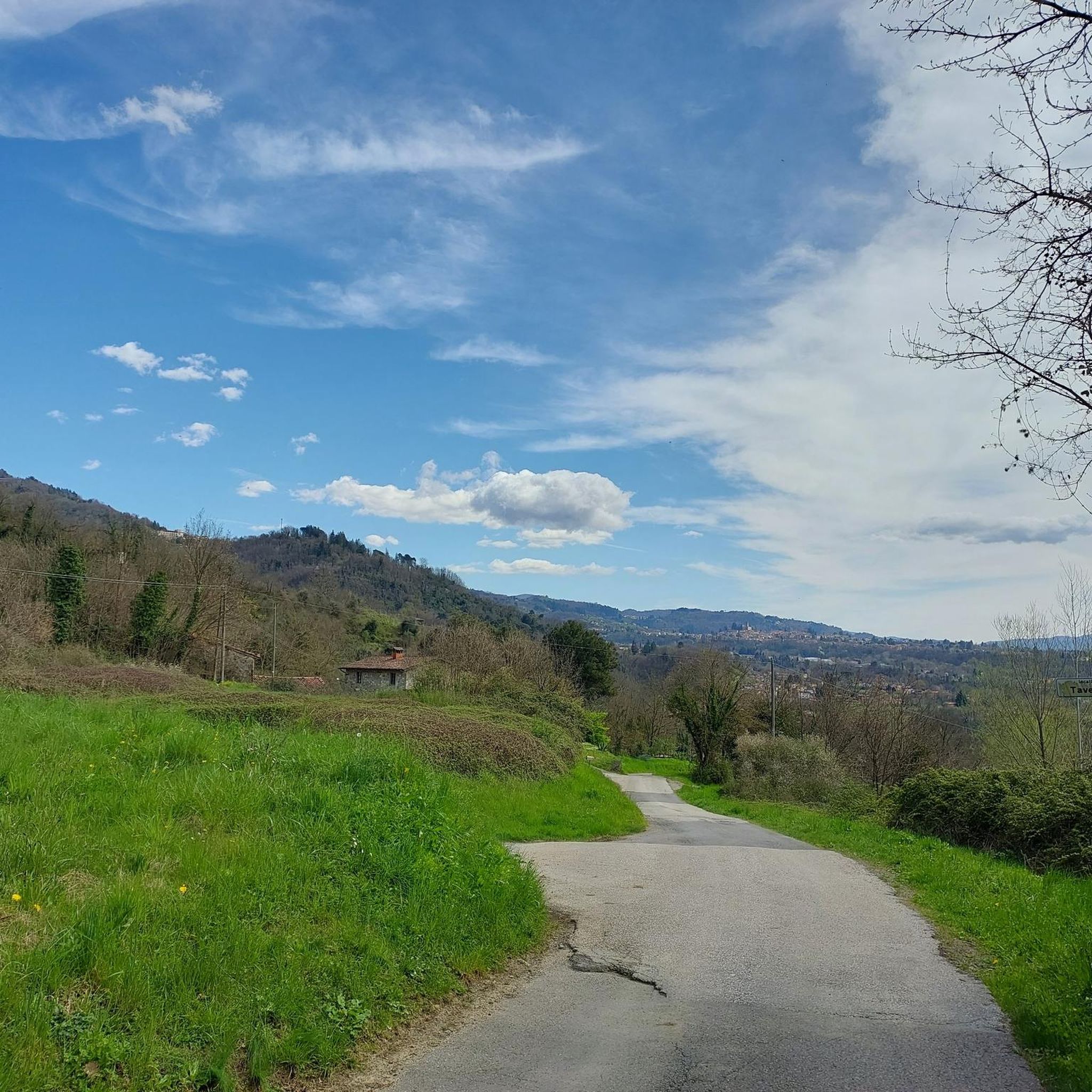
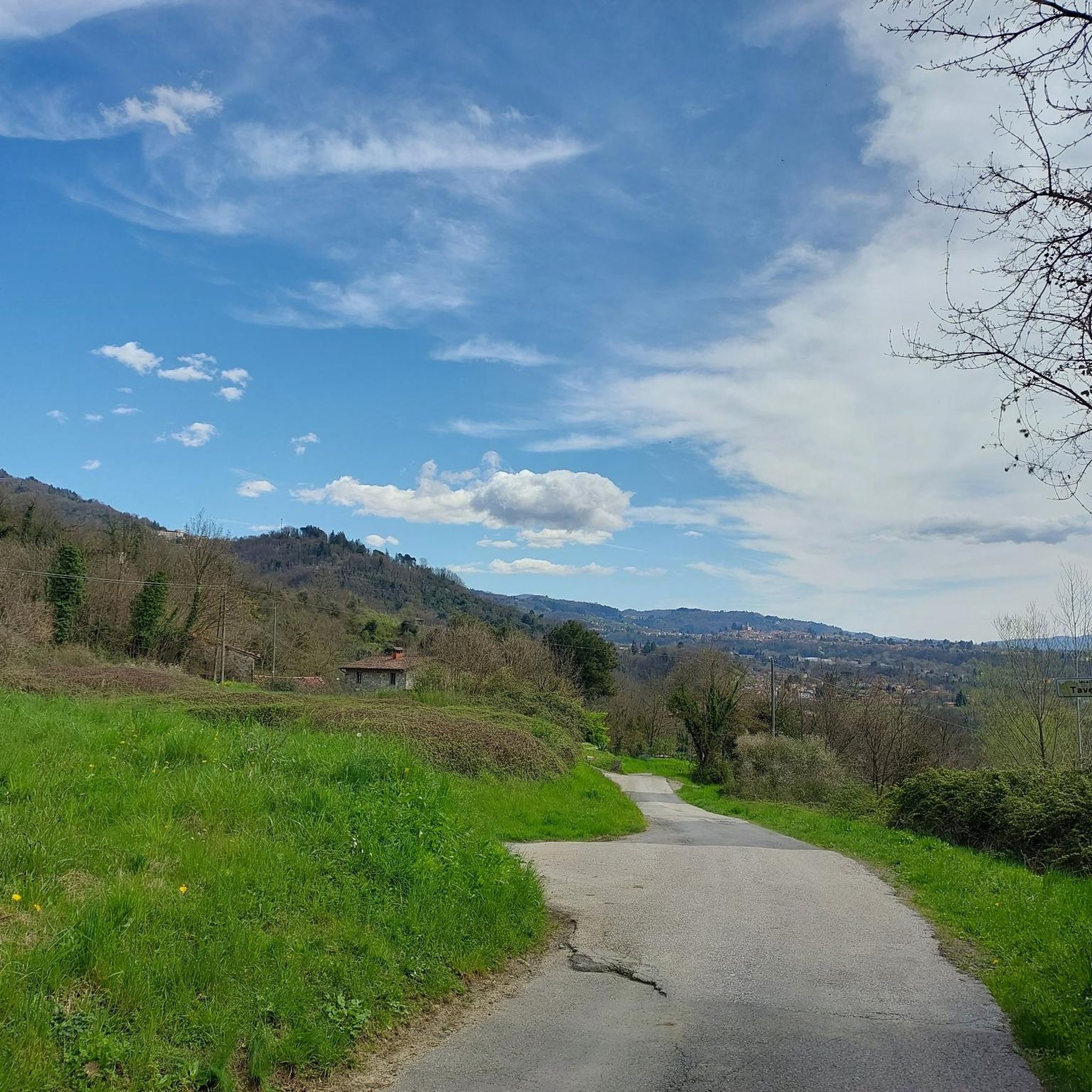
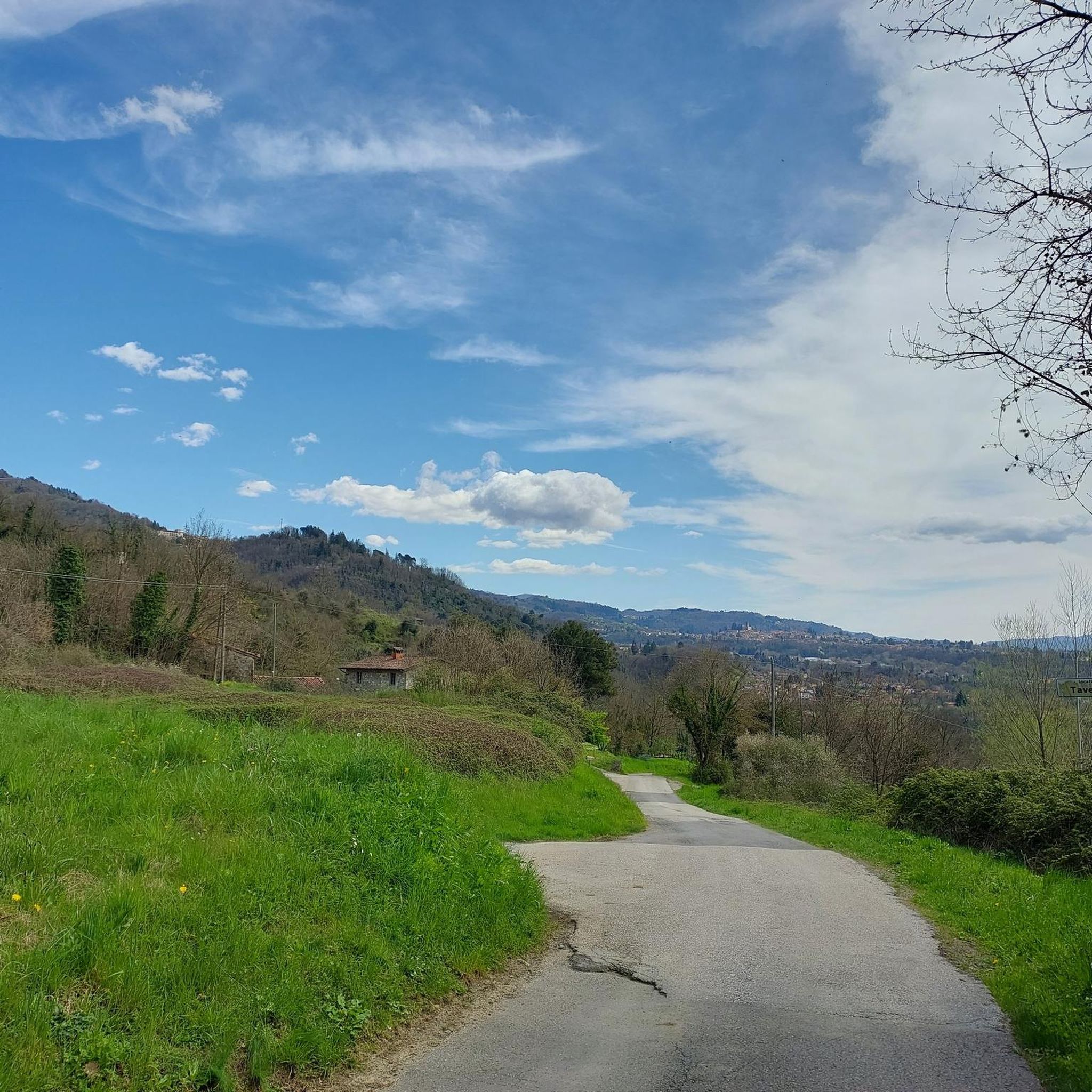
great trail, from start to finish, beautiful views and chestnut forests with streams and huts. We did not encounter any tick-infested areas. Highly recommended hike for families with small children.
0
0

Point with an amazing view. Easy to reach from path 130 which can be a little slippery when it’s moist, but further no difficulties. From here to pania della croce and monte forato is marked as EE. To pania there are chains to hold on to on the difficult parts, to monte forato there are no chains, the path to forato is narrow and sometimes exposed on both sides.
1
0

The mouth of the Crocione or, more commonly, the Termine, offers a spectacular panorama of the surrounding Apuan Alps and Versilia.
0
0


Suggestive ridge that divides the side of Versilia, with sea view, from that of Garfagnana. Under the beautiful southern fold of the Pania della Croce, an isolated tree makes this corner of the Apuan Alps even more scenic.
0
0

Foce located between the Pania della Croce and Monte Forato, a beautiful view of the Costa Polita. The path to get there is exposed at times and certainly recommended for hikers with experience on rough paths.
0
0

Mouth of Crocione or Termine (978 m a.s.l.)
1
0
Frequently Asked Questions
What are some of the most scenic elevated points or mountain passes near Gallicano?
The region around Gallicano offers several stunning elevated points and passes. Notable ones include Valli Pass, known for its views of the Costa Polita between Pania della Croce and Monte Forato, and Foce del Crocione (or del Termine), which provides a spectacular panorama of the Apuan Alps and Versilia. Another highly regarded spot is Mount Coronato, offering wide views of the Garfagnana region.
Are there any historically significant elevated sites or passes to visit near Gallicano?
Yes, the area is rich in history. The Trassilico Fortress, located in the charming hamlet of Trassilico, offers strategic views of the Mid Serchio Valley and the Tuscan-Emilian Apennines. Another significant site is the Bargiglio Tower (Rocca di Bargiglio), historically known as 'Occhio di Lucca,' which provides a 360-degree panoramic view extending from the Apuan Alps to numerous castles in Garfagnana. Additionally, Passo di Dante, though a bit further in the Monte Pisano hills, is historically significant and offers panoramic views of the Tuscan Coast and Lucca.
What kind of hiking experiences can I expect on the mountain passes around Gallicano?
Hiking around Gallicano's elevated points offers diverse experiences. For instance, the path to Valli Pass is recommended for experienced hikers due to exposed sections. Foce del Crocione also presents an intermediate to challenging hike with rewarding views. For a more robust experience, Monte Corchia Summit offers beautiful and challenging terrain for those who appreciate strenuous hiking and climbing. You can find more hiking routes in the area by visiting the Hiking around Gallicano guide.
Are there cycling routes that incorporate mountain passes near Gallicano?
Yes, the region is popular for cycling. Passo Sella is a notable mountain pass offering an 8 km climb at a 6% gradient, providing a pleasant and pedalable route through the woods. Mount Prana is also accessible by mountain bike, though some sections may require portage due to steep gradients. For more cycling options, explore the Cycling around Gallicano guide.
Can I find mountain biking trails around the elevated points near Gallicano?
Absolutely. The area around Gallicano is well-suited for mountain biking. The Trassilico Fortress area features an excellent mountain bike route called 'Le Capre' for experienced riders. Mount Prana offers a technical descent appealing to adventurous mountain bikers, with beautiful panoramic views. You can discover more mountain biking trails in the MTB Trails around Gallicano guide.
What natural landmarks or unique geological features can be seen near Gallicano's elevated points?
A prominent natural landmark is the Monte Forato Natural Arch, a striking geological formation visible from both Versilia and Garfagnana. This 'hole' in the rock is a unique natural spectacle and a popular highlight for hikers. The area around Valli Pass is also known for its beautiful views of the Costa Polita, showcasing the rugged natural beauty of the Apuan Alps.
Are there family-friendly mountain passes or elevated points suitable for children near Gallicano?
Yes, some elevated points offer more accessible options. Focetta of San Vincenzo is categorized as family-friendly, featuring a great trail through chestnut forests with streams and huts, highly recommended for families with small children. The Trassilico Fortress, while historical, can also be reached via fascinating paths like 'Zappello' or 'Chieva' which might be suitable for families depending on their hiking experience.
What is the best time of year to visit the mountain passes and elevated points near Gallicano?
The region is beautiful throughout much of the year. For hiking and cycling, spring (April-June) and autumn (September-October) generally offer pleasant temperatures and vibrant scenery. Passo di Dante, for example, is particularly beautiful in June when flowers are in bloom. Summer can be warm, but higher elevations provide cooler air. Winter can bring snow to the higher peaks, making some routes more challenging or requiring specialized gear.
What kind of views can I expect from the mountain passes and elevated points?
The views are truly spectacular and diverse. From Valli Pass, you'll see the Costa Polita. Foce del Crocione offers a panorama of the surrounding Apuan Alps and Versilia. The Trassilico Fortress provides unique views of the Tuscan-Emilian Apennines and the Apuan Alps. From Mount Prana, you can enjoy a beautiful panoramic viewpoint overlooking Versilia and the Apuan Alps, while Passo di Dante boasts breathtaking views of the Tuscan Coast, the city of Lucca, and the distant Apuan Alps.
Are there any tips for experienced hikers looking for challenging routes?
Experienced hikers seeking a challenge will find several options. The path to Valli Pass is known for exposed sections and is recommended for those experienced on rough trails. From there, routes to Pania della Croce and Monte Forato are marked as 'EE' (Expert Excursionist), with chains on difficult parts to Pania. Monte Corchia Summit also offers beautiful and challenging terrain, requiring attention, especially in wet or snowy conditions. Always check local conditions and trail markings.
What do visitors enjoy most about the mountain passes and elevated points around Gallicano?
Visitors frequently praise the breathtaking panoramic views, the sense of accomplishment from reaching summits, and the diverse natural beauty. The unique geological formations like the Monte Forato Natural Arch are often highlighted. Many appreciate the historical context of sites like the Trassilico Fortress and Bargiglio Tower, which combine stunning vistas with cultural heritage. The tranquility and the opportunity for various outdoor activities like hiking and cycling are also highly valued.
Most popular routes around Gallicano
Most popular attractions around Gallicano

Get inspired with the komoot mobile app


Explore more
See even more epic mountain passes by checking out these guides around Gallicano:
