Attractions and Places To See around Pampilhosa Da Serra - Top 10
Best attractions and places to see around Pampilhosa Da Serra, located in Portugal's Centro Region, offers a diverse landscape between the Serra da Estrela, Serra do Açor, and Serra da Lousã. The area is characterized by its natural beauty, including river beaches and viewpoints, alongside cultural heritage sites. Visitors can explore schist villages and geological features that define the region. This combination provides opportunities for outdoor activities and cultural discovery.
Best attractions and places to see around Pampilhosa Da Serra
…Last updated: August 22, 2026
Passadiços do Orvalho
Highlight (Segment) • Trail
Translated by Google •
Tip by

Fraga de Água d'Alta Waterfall
Highlight • Waterfall
Translated by Google •
Tip by
Sign up now to discover places like this
Get recommendations on the best single tracks, peaks, & plenty of other exciting outdoor places.
Sign up for free
Amazing trail at Mosqueiro
Highlight (Segment) • Trail
Translated by Google •
Tip by
Aldeia do Sardal
Highlight • Settlement
Translated by Google •
Tip by
Fajão
Highlight • Settlement
Translated by Google •
Tip by

Sign up for free to discover even more attractions around Pampilhosa Da Serra.
Sign up for free
Already have an account?
Start today with a free account
Your next adventure awaits.
Login or Signup



Tips from the Community

Fajão is nestled between the Serras del Açor and de la Lousã, and stands out for its unique architecture, made mainly of schist (xisto), the local stone that gives it a dark color and a characteristic appearance, making it one of the famous "schist villages" of the region. Fajão also has a parish museum that exhibits sacred art and objects of daily life, and boasts a history linked to the Resistance during the Salazarist regime.
1
0

The climb up the walkways to the Cabeço do Mosqueiro viewpoint can be challenging, but every step is worth it. Along the way, traces of the past peek out from the surrounding nature: a stretch of Roman road, old watermills and the Forno das Mouras. Take a break, take a deep breath and let yourself be amazed by the landscape that unfolds around you. This final stretch of the Orvalho Walkways is even more magical at dusk, when the golden light of the sun caresses the slopes. At the top of the cliff, the viewpoint offers an unforgettable view over the Chapel of Nossa Senhora da Confiança and the vast landscape.
3
0
In the heart of Beira Baixa, in the heart of the Naturtejo Geopark, lies one of the most stunning walkways in Portugal. The Orvalho Walkways, part of the PR3 Orvalho GeoRoute, take you along a route where nature and geology intertwine in magnificent settings. Here, you can not only explore UNESCO-listed geomonuments, such as the imposing Fraga de Água d'Alta Waterfall and Cabeço do Mosqueiro, but also admire some of the region's most breathtaking and iconic landscapes.
3
0
Hidden at the base of the Orvalho Walkways, the Fraga de Água d’Alta Waterfall slides down 10 metres of rock, forming a small crystal-clear pool around it. It is a true natural refuge, where a refreshing dip becomes even more irresistible in the scorching summers of Beira Baixa. When the place is calm, the sensation of swimming under the waterfall becomes magical. It is no coincidence that this is considered one of the most beautiful waterfalls in Portugal. And the highest in the region!
3
0
Nestled on the Benfeita Schist Trail, the village of Sardal is an almost inevitable stop for anyone venturing into the Serra do Açor. With magnificent views over the hillside, this small stone refuge also has a crystal-clear spring, ready to refresh travelers.
1
0
Frequently Asked Questions
What natural attractions can I explore in Pampilhosa da Serra?
Pampilhosa da Serra offers a wealth of natural beauty. You can visit the impressive Fraga de Água d'Alta Waterfall, known for its 10-meter cascade and crystal-clear pool. Another highlight is the Fraga da Pena Waterfall, a series of cascades in the Serra do Açor. Don't miss the picturesque river beach of Foz d'Égua, or the panoramic views from the Miradouro Natural dos Meandros do Zêzere.
Are there any historical or cultural sites to visit in the region?
Yes, the region is rich in history and culture. Explore the unique architecture of schist villages like Fajão, which also houses a parish museum with sacred art. The nearby Historical Village of Piódão is another must-see schist village. You can also visit the Municipal Museum of Pampilhosa da Serra, located in the former Town Hall and Prison, to learn about local ethnographic history and crafts.
Where can I experience the unique schist villages of Pampilhosa da Serra?
Pampilhosa da Serra is renowned for its schist villages. Beyond the well-known Piódão, you can visit Fajão, nestled between the Serras del Açor and de la Lousã, known for its distinctive dark stone architecture. Another charming example is Aldeia do Sardal, located on the Benfeita Schist Trail, offering magnificent hillside views.
What outdoor activities are available around Pampilhosa da Serra?
The region is perfect for outdoor enthusiasts. You can enjoy hiking and cycling on numerous trails. Water sports are popular at Ilha de Padrões, formed by the confluence of the Unhais and Zêzere Rivers. The many river beaches, such as Praia Fluvial da Pampilhosa da Serra and Praia Fluvial de Santa Luzia, are ideal for swimming and leisure.
Are there specific hiking trails recommended near the attractions?
Absolutely. The Passadiços do Orvalho, part of the PR3 Orvalho GeoRoute, offer a route where nature and geology intertwine, allowing exploration of UNESCO-listed geomonuments. You can also find trails like the PR8 PPS Pampilhosa da Serra Schist Path - Unhais River Route. For more hiking options, explore the Hiking around Pampilhosa Da Serra guide.
Can I find family-friendly places or activities in Pampilhosa da Serra?
Yes, Pampilhosa da Serra offers several family-friendly options. Many river beaches, like Praia Fluvial de Santa Luzia, provide amenities such as bike paths, fitness circuits, and sports fields, perfect for a day out with children. Exploring the charming schist villages like Fajão can also be an engaging experience for families.
What are the best viewpoints for scenic landscapes?
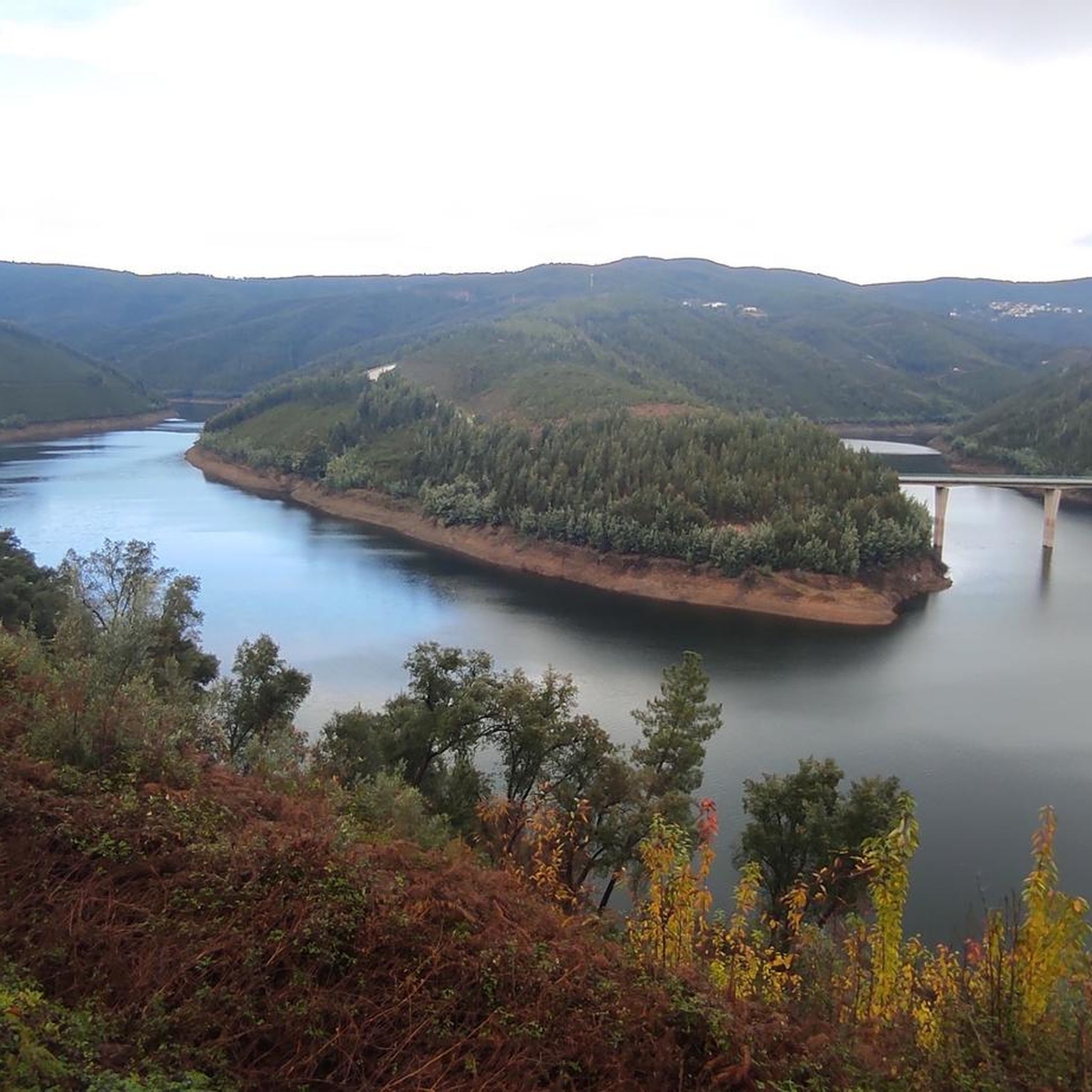
For breathtaking views, visit the Miradouro Natural dos Meandros do Zêzere, which offers panoramic vistas of the Zêzere River's meanders. The Amazing trail at Mosqueiro leads to the Cabeço do Mosqueiro viewpoint, providing an unforgettable perspective over the Chapel of Nossa Senhora da Confiança and the vast landscape, especially magical at dusk.
Is Pampilhosa da Serra a good place for stargazing?
Yes, Pampilhosa da Serra is a certified Starlight Tourism Destination. Due to its low atmospheric pollution and minimal artificial light, the region offers exceptional opportunities for stargazing, making it an ideal spot for astronomy enthusiasts.
What geological features can be found in the area?
The region is a geological treasure. The Orvalho Walkways allow you to explore UNESCO-listed geomonuments like the imposing Fraga de Água d'Alta Waterfall and Cabeço do Mosqueiro. The Fraga da Pena Waterfall is also a significant geological highlight with diverse flora.
What cycling routes are available around Pampilhosa da Serra?
Pampilhosa da Serra offers a variety of cycling routes for different skill levels. You can find challenging road cycling routes, such as the 'Garden Fountain – Schist Village of Álvaro loop', or touring bicycle routes like the 'Unhais-o-Velho – Barragem de Santa Luzia loop'. For detailed routes, check out the Road Cycling Routes around Pampilhosa Da Serra guide and the Cycling around Pampilhosa Da Serra guide.
What is the best time of year to visit Pampilhosa da Serra for outdoor activities?
The best time to visit Pampilhosa da Serra for outdoor activities is generally during spring (April to June) and early autumn (September to October). During these months, the weather is typically pleasant for hiking, cycling, and exploring natural attractions, avoiding the intense heat of summer and the cooler, wetter winter months.
Are there any ancient or rock art sites in the mountains?
Yes, the mountains of Pampilhosa hold valuable heritage, including rock art. You can find these particularly at the headwaters of the Unhais River, supporting cultural tourism focused on heritage and nature. This offers a unique glimpse into the region's ancient past.

Get inspired with the komoot mobile app


Explore more
Still not found the Highlight you’re looking for? See guides of the top attractions in other regions:
