Top 5 Mountain Passes around Le Pla
Best mountain passes around Le Pla are found in the Ariège Pyrenees and Donezan region, offering diverse terrain for outdoor activities. Le Pla is a commune in the Ariège department of southwestern France, situated within the mountainous Occitanie region. The area is characterized by its Pyrenean landscape, featuring challenging ascents and high-altitude vistas. These passes are known for their role in cycling events and provide opportunities for exploration.
Best mountain passes around Le Pla
- The most popular mountain passes is…
Last updated: June 26, 2026
Pailhères Pass
Highlight • Mountain Pass
Translated by Google •
Tip by

Col du Garavel (1256 m)
Highlight • Mountain Pass
Translated by Google •
Tip by

Sign up now to discover places like this
Get recommendations on the best single tracks, peaks, & plenty of other exciting outdoor places.
Sign up for free
Col de Pailhères (Elevation 2,000 m)
Highlight • Mountain Pass
Translated by Google •
Tip by

Portella de la Grava
Highlight • Mountain Pass
Translated by Google •
Tip by

Ascent of the Col de Pailhères from Ax-les-Thermes
Highlight (Segment) • Mountain Pass
Translated by Google •
Tip by

Sign up for free to discover even more mountain passes around Le Pla.
Sign up for free
Already have an account?
Start today with a free account
Your next adventure awaits.
Login or Signup


Tips from the Community

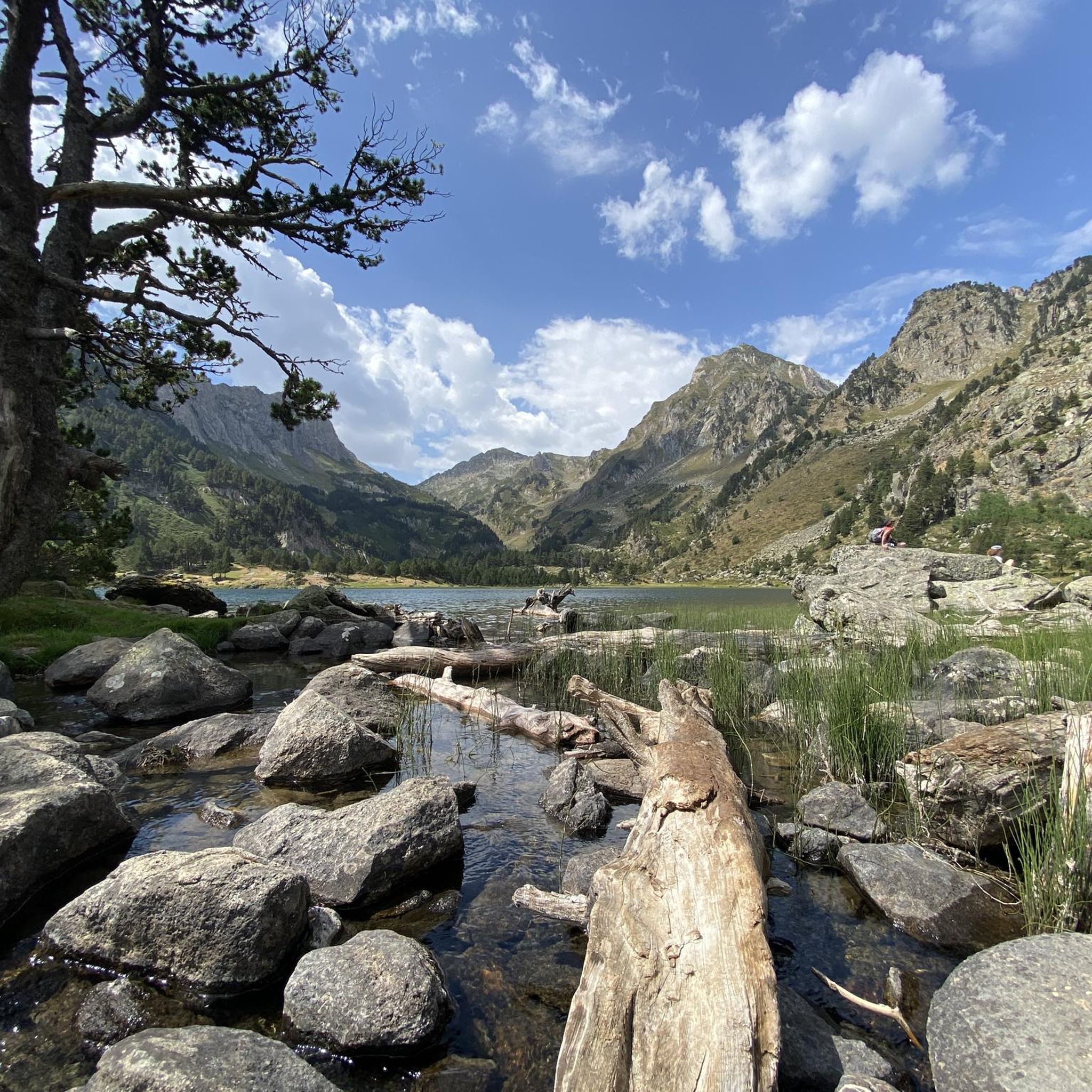
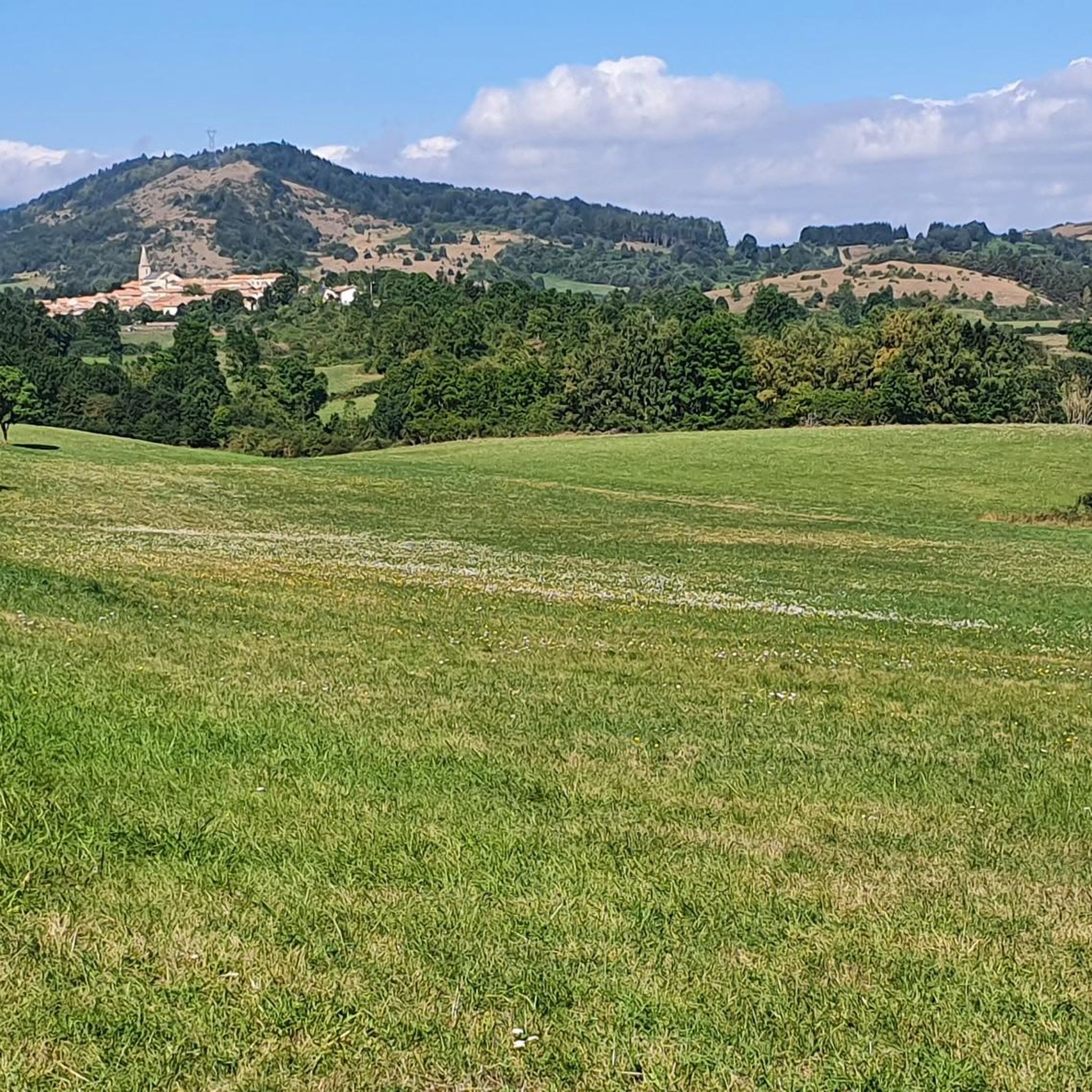
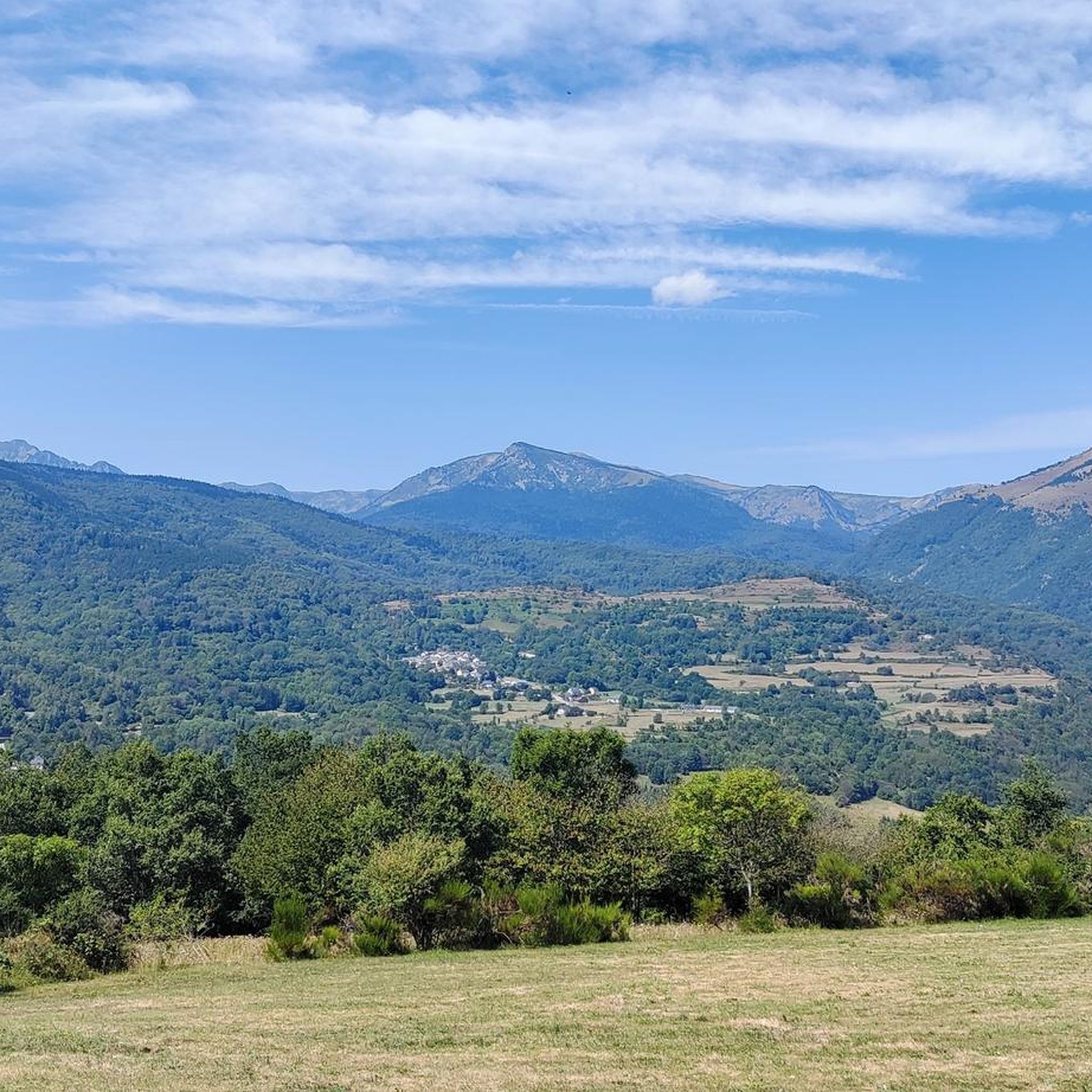
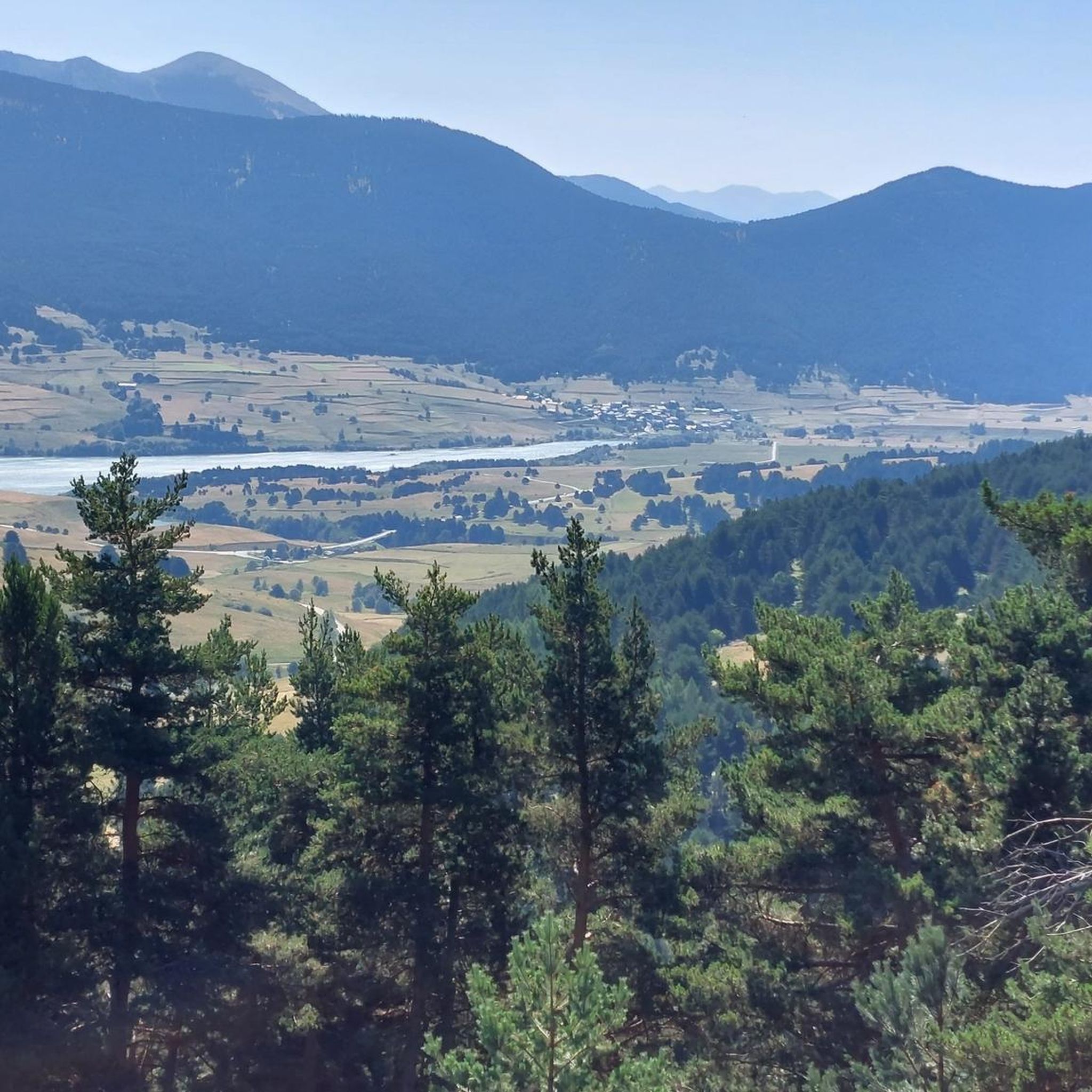
From Axat, it's a long climb, 18km. It's quite beautiful down in the gorges, then a few kilometers of fairly monotonous woods. Arriving on the plateau, it clears up but it's rural. The impressive view is worth it when you reach the pass. Going down there must be a blast, the tarmac is good, it's quite wide and there's little traffic. I went down via Escouloubre: the tarmac is bad, gravel, but the forest is enchanting! Why not go the other way, then, up via Escouloubre and down via Bousquet / Roquefort etc.?
1
0

The Col de Pailhères isn't the most well-known of the Pyrenean passes, yet it's a concentration of everything cyclists are looking for. From Ax-les-Thermes, the slopes of this hors catégorie route constantly vary, requiring constant adjustments to finish at an altitude of over 2,000 meters in a superb setting.
0
0

One of the best experiences on my entire tour. I have this picture with the view of the mountains as my screen background. The roads are still closed, the snow is piled up meters high on the sides and at the same time there is not a single car on the road. Simply fantastic
1
0

Here you can barely reach the 2000m altitude. The area is wonderful
0
0

I have visited the Col de Pailhères on several occasions and in all seasons of the year. In summer it is very common to find cows, horses and sheep at the top. It is an enigmatic and wonderful port. It is very hard on both sides since it has many kilometers with a slope greater than 10%. It is one of my Top-10 in the Pyrenees. I leave you the link with its altimetry prepared by @cyclingcols --> http://www.cyclingcols.com/col/Pailheres
0
0

The Portella de la Grava is a pass located at an altitude of 2,426 meters. It offers breathtaking views and is an iconic passage for mountain enthusiasts. Through this pass you have scenic access between the northern and southern slopes of the Pyrenees. Its steep path and exceptional panoramas make it a popular place for adventurers in search of natural discoveries.
2
0

The Col de Pailhères, or Port de Pailhères, is one of the emblematic passes of the Pyrenees and the Tour de France. Culminating at 2,001 meters above sea level, it is one of the few passes in the Pyrenees to exceed the symbolic bar of 2,000 meters. The climb from Mijanès is 10.6 kilometers long with an average of 8.2%, including some passages at more than 10%. It is also possible to climb from Ax-les-Thermes by means of a climb of 18.6 kilometers with an average of 6.9%.
4
0

Great not so easy pass!
0
0
Frequently Asked Questions
What are the most popular mountain passes around Le Pla?
Among the most popular mountain passes in the region, visitors frequently highlight the Pailhères Pass, an iconic Pyrenean pass culminating at 2,001 meters. Another favorite is Col du Garavel (1256 m), known for its secluded routes through Pyrenean villages and views of the surrounding nature. The Portella de la Grava, at 2,426 meters, is also highly appreciated for its breathtaking views and scenic access between the northern and southern slopes of the Pyrenees.
What kind of views can I expect from the mountain passes near Le Pla?
The mountain passes around Le Pla offer a diverse range of stunning views. From high-altitude passes like the Col de Pailhères, you can expect expansive panoramic vistas of the mountainous landscape. Other passes, such as the Col d'Agnès and Port de Lers, are celebrated for their aesthetic appeal, winding through beautiful old oak stands and offering picturesque views of lakes like the Étang de Lers. Even less-known passes like the Col de la Crouzette provide intimate views of the surrounding area.
Are there any particularly challenging mountain passes for cyclists in the region?
Yes, the Ariège Pyrenees are renowned for their challenging ascents, often featured in the Tour de France. The Pailhères Pass is famous for its demanding climbs, with sections steeper than 10%. The Col de Péguère is legendary for its 'Péguère wall,' a 3.6-kilometer section with an average gradient of 12%, reaching 18% in parts. The Col du Pradel also presents a challenging climb, especially from Ax-les-Thermes, with gradients exceeding 11%.
What outdoor activities can I do near these mountain passes?
The region around Le Pla offers numerous opportunities for outdoor activities. You can find a variety of routes for cycling, driving, and hiking. For those interested in mountain hikes, there are options like the 'Étang Bleu – Étang Noir loop from Port de Pailhères' or the 'Serra da Mauri (2,412 m) – Lakes of Camporells loop from Formiguères'. Running enthusiasts can explore trails such as the 'Laurenti Pond loop from Étang de Laurenti'. You can find more details on these activities in the Mountain Hikes around Le Pla and Running Trails around Le Pla guides.
Are there hiking trails near the mountain passes around Le Pla?
Absolutely. Many mountain passes serve as starting points or are integrated into hiking routes. For instance, you can find trails like the 'Rabassoles Ponds Trail' or the 'Roc Blanc via Laurenti Pond Trail'. These trails range in difficulty from moderate to difficult, offering diverse experiences from forest paths to high-altitude ascents. For more hiking options, refer to the Hiking around Le Pla guide.
When is the best time to visit the mountain passes around Le Pla?
The best time to visit the mountain passes around Le Pla largely depends on your planned activities. For cycling and hiking, late spring through early autumn (May to October) generally offers the most favorable weather conditions, with passes typically clear of snow. During summer, you might encounter livestock like cows, horses, and sheep at the summits. Winter brings snow, making some passes suitable for winter sports or requiring specific equipment and experience for access.
Are there any less-known mountain passes worth exploring for a quieter experience?
Yes, for those seeking a more secluded and intimate mountain experience away from the more frequented routes, the Col de la Crouzette is an excellent choice. It's described as a 'less known and attractive mountain pass' featuring a narrow, quiet road and offering peaceful views of the surrounding area. The Col de la Core also provides a sense of wilderness and tranquility, especially outside peak season, with minimal traffic.
What makes the mountain passes in the Ariège Pyrenees unique?
The mountain passes in the Ariège Pyrenees are unique for their combination of challenging ascents, stunning panoramic views, and their significant role in local history and major cycling events like the Tour de France. They offer diverse landscapes, from lush forests to high-altitude vistas, and provide a sense of wilderness and tranquility. Many passes, like the Col de Pailhères, exceed the symbolic 2,000-meter mark, offering truly high-mountain experiences.
What do visitors enjoy the most about the mountain passes around Le Pla?
Visitors particularly enjoy the challenging nature of the climbs, the breathtaking views from the summits, and the sense of accomplishment after conquering a pass. The natural beauty, the quiet roads, and the opportunity to see local wildlife like cows, horses, and sheep at higher elevations are also frequently mentioned. The variety of routes, from demanding cycling ascents to serene drives, caters to different preferences, making the region appealing to a wide range of outdoor enthusiasts.
Are there any mountain passes that are particularly scenic for driving?
While many passes offer beautiful scenery, the Port de Lers is highly appreciated for its pleasant roads and low traffic, winding through beautiful old oak stands before reaching an open pass with moderate gradients. The western approach to the Col d'Agnès is also noted for its aesthetic appeal, offering a 'feast for the eyes' with its natural beauty. These passes provide excellent options for a serene and picturesque drive through the mountains.
Can I combine multiple mountain passes into a single route?
Yes, many of the passes in the Ariège Pyrenees can be easily combined to create diverse and extended scenic routes. For example, the Col d'Agnès can be linked with the Port de Lers, allowing cyclists and drivers to experience multiple challenging climbs and beautiful landscapes in one outing. This interconnectedness is a key feature of the region's mountain pass network, offering varied and rewarding journeys.
Most popular attractions around Le Pla

Get inspired with the komoot mobile app


Explore more
See even more epic mountain passes by checking out these guides around Le Pla:
