Attractions and Places To See around Płońsk - Top 6
Attractions and places to see around Płońsk, a city in the Mazovia region of Poland, offer a blend of historical sites, cultural landmarks, and natural features. The area is characterized by its rivers, including the Płonka and Wkra, and its historical significance. Visitors can explore various points of interest within the city and its surroundings.
Best attractions and places to see around Płońsk
- The most popular attractions is Wooden Bridge on the Wkra, a bridge that offers nice views…
Last updated: June 20, 2026
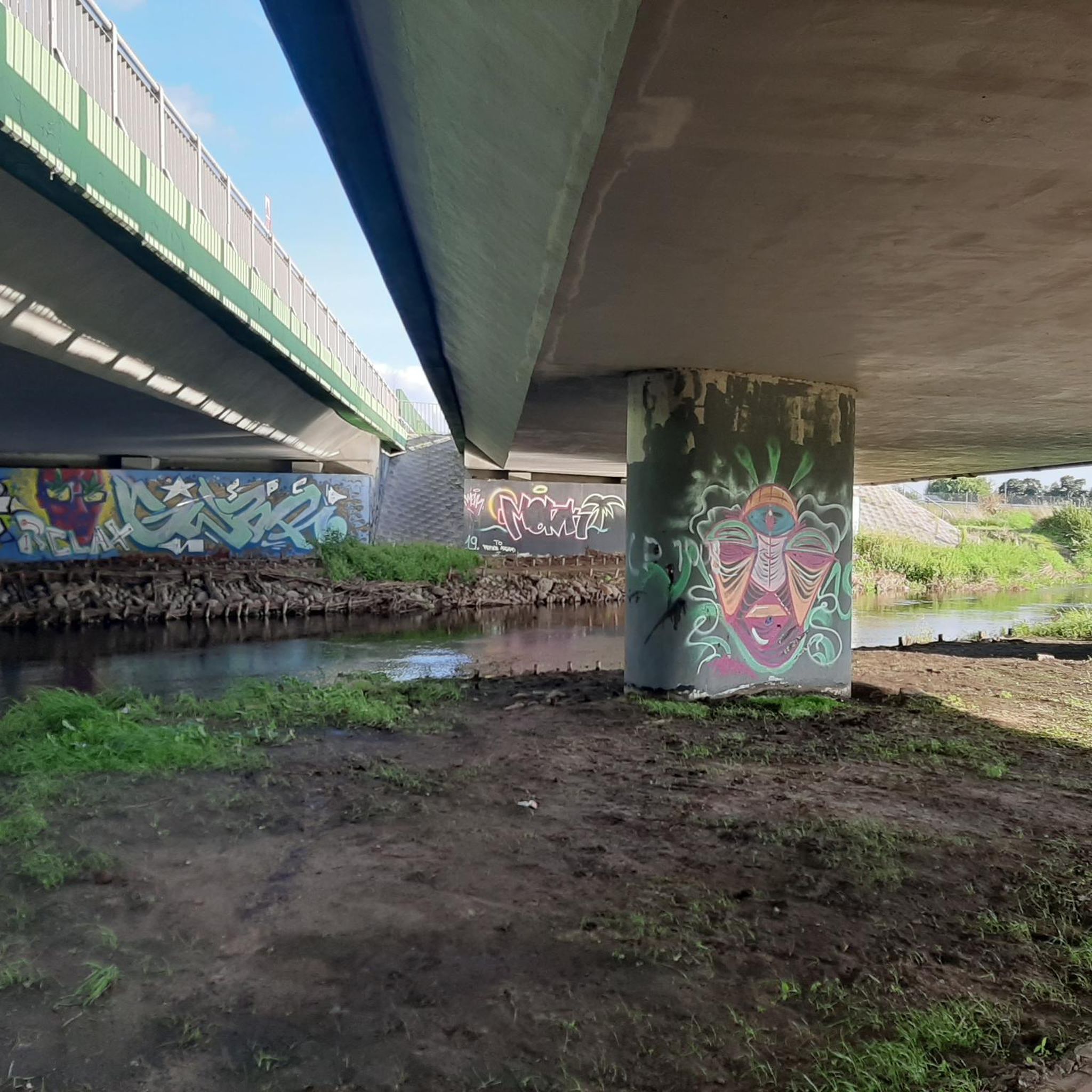
Wooden Bridge on the Wkra
Highlight • Bridge
Translated by Google •
Tip by

Smooth Asphalt Road
Highlight (Segment) • Cycleway
Translated by Google •
Tip by
Sign up now to discover places like this
Get recommendations on the best single tracks, peaks, & plenty of other exciting outdoor places.
Sign up for free
Wooden Church and Bell Tower in Kucice
Highlight • Religious Site
Translated by Google •
Tip by

Atmospheric church in Kucice
Highlight • Religious Site
Translated by Google •
Tip by
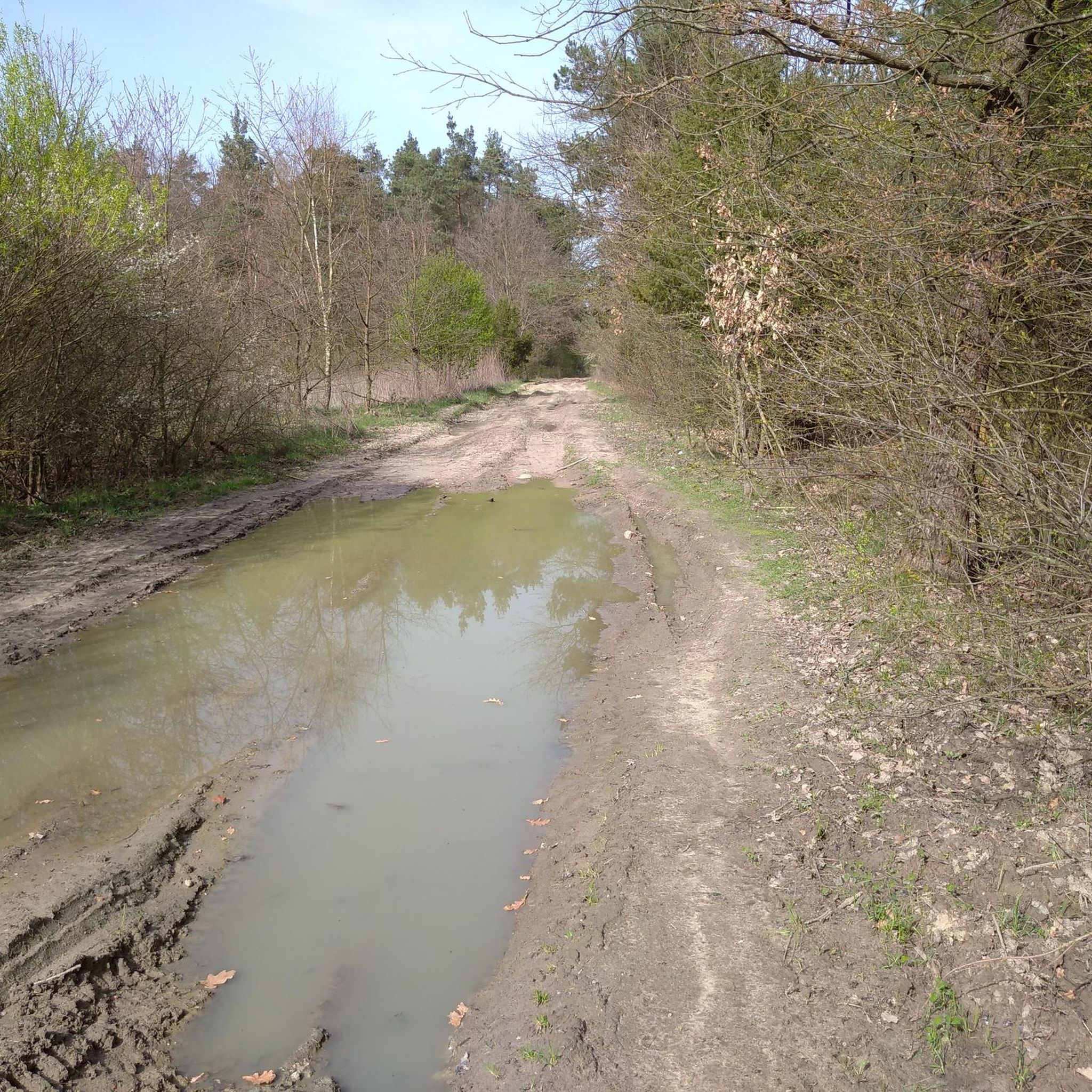
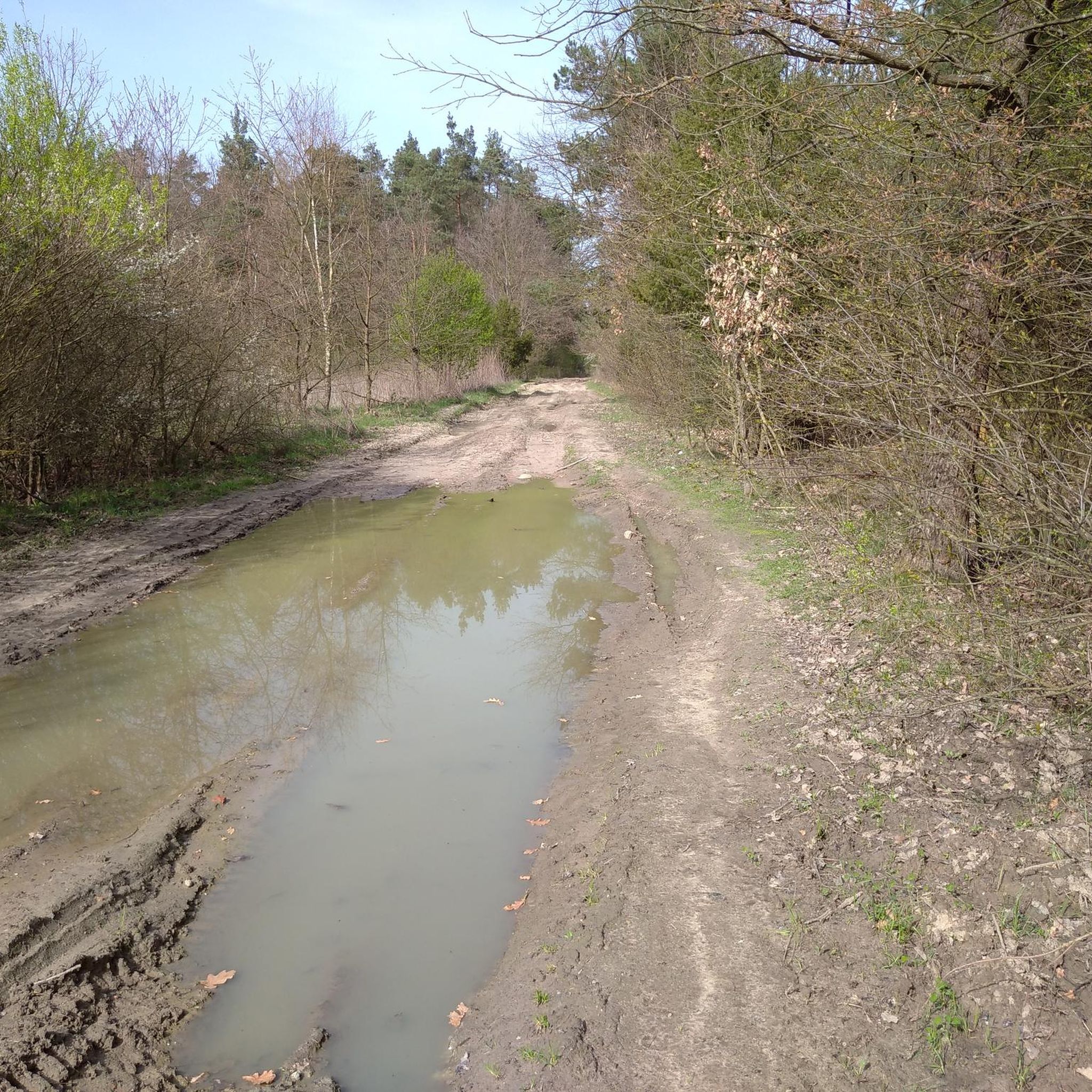
Forest and Field Dirt Road near Przepitki
Highlight (Segment) • Trail
Translated by Google •
Tip by

Sign up for free to discover even more attractions around Płońsk.
Sign up for free
Already have an account?
Start today with a free account
Your next adventure awaits.
Login or Signup
Popular around Płońsk
Tips from the Community


Wooden bridge on the Wkra, fortunately the surface is smooth enough to pass by road bike without any problems. It is worth stopping for a moment, however, because the views of the river are really nice.
2
0
The Church of St. Michael the Archangel in Kucice is a unique wooden church from 1783, built from the foundation of Franciszek Kanigowski, the castellan of Wyszogród. It is one of the few octagonal churches in Mazovia, built in a log construction, boarded and reinforced with lintels. The interior conceals a beamed ceiling and a chancel beam with a 17th-century Crucifixion group. The main altar dates back to the mid-17th century, and the side altars to the 18th century. The church is part of the Wooden Architecture Trail in Mazovia and is a valuable example of local building tradition.
2
0
Previously, the road was in a terrible condition, but since 2024 the asphalt is new, smooth and very pleasant to drive on, in addition there are many shaded sections.
1
0


One of the objects of the Trail of wooden sacred architecture.
1
0

EDIT: OUT OF DATE -- Let's give my five-year-old son, who rode with me for part of this section, his voice: "what a shitty road". I'm not proud, but I can't deny the accuracy - the road is in ruins, holes, no hard shoulder, a disaster - avoid at all costs (as of summer 2023).
1
1

Generally, a pleasant and passable section of the road, even for trekking bikes, which connects to the asphalt in Przepitkach to the very New Town.
0
0
Frequently Asked Questions
What natural attractions can I explore around Płońsk?
The Płońsk area offers several natural features. You can enjoy the bends of the Wkra River, popular for kayaking, especially in Joniec and Sochocin. The Sona River in Nowe Miasto features a man-made reservoir and bathing beach for summer recreation. The Vistula River forms the southern boundary of the county. Additionally, the region boasts beautiful old forests with numerous natural landmarks, and you can visit nature preserves like "Noskowo" and "Dziektarzewo" or the Czapliniec Nature Reserve within Kampinos National Park. Within Płońsk itself, there's "Freedom Park" and the small lake, Jezioro Rutki.
Are there opportunities for cycling near Płońsk?
Yes, the area around Płońsk is great for cycling. You can find various routes for recreational cycling, including an embankment along the Kromnowski Canal with a bicycle trail. The Wooden Bridge on the Wkra offers nice views and a smooth surface suitable for road bikes. For more structured routes, you can explore cycling routes around Płońsk or road cycling routes around Płońsk, which include options like the "New Asphalt – Rynek Płońsk loop".
What kind of hiking or running trails are available around Płońsk?
The region offers various routes for hiking and running. The Main Trail of the Kampinos Forest runs through the Czapliniec Nature Reserve. For dedicated running, you can find several running trails around Płońsk, such as the "Church in Plonsk loop" or the "Rutki Lake – Church in Plonsk loop," with varying distances and difficulty levels.
What historical sites can I visit in and around Płońsk?
Płońsk and its surroundings are rich in history. Notable sites include the Basilica of the Annunciation of the Blessed Virgin Mary in Czerwińsk nad Wisłą, dating back to 1155. In Płońsk, you can see the Archangel Michael's Church and the former monastery, part of the historical Carmelite complex. The region also features several historic churches, such as a 15th-century church in Kroczewo and the 16th-century church in Krajkowo. The Wooden Church and Bell Tower in Kucice is another significant historical and religious site.
Where can I learn about the Jewish heritage of Płońsk?
Płońsk is the birthplace of David Ben-Gurion, the first Prime Minister of Israel, and several sites commemorate the city's Jewish heritage. You can visit a plaque in 15 Sierpnia Square marking his former home, a mural at 6 Warszawska Street, and the Memorial House at 2 Warszawska Street, which commemorates the history of both Polish and Jewish communities. The site of the former Jewish cemetery at Warszawska Street, destroyed during WWII, also features a monument and symbolic tombstones. For more information about David Ben-Gurion, you can visit wikipedia.org.
Are there any notable manor houses or palaces in the Płońsk region?
Yes, Płońsk County is home to several dozen manor houses and palaces, many from the 19th century. The Weyher Family Manor House in Poświętne is particularly interesting as it was a residence of Nobel Prize winner Henryk Sienkiewicz. Other notable examples include the Historic Manor House in Tułowice, built in 1800 in the classicist style, and manor complexes in Bogusławice and Skarżyn.
What cultural attractions does Płońsk offer?
Beyond historical sites, Płońsk offers cultural points of interest. The "P" Gallery, located in a former Carmelite monastery, hosts bimonthly art exhibitions. In Sochocin, you can visit the unique Izba Guzika - Button Making Heritage Museum. The Sochaczew Museum Railway also offers a historical journey for those interested in local transport heritage.
Are there family-friendly activities or attractions in Płońsk?
Many attractions around Płońsk are suitable for families. The Wooden Bridge on the Wkra offers pleasant views for a stroll or bike ride. The Wooden Church and Bell Tower in Kucice is a historical site that can be interesting for all ages. The reservoir and bathing beach on the Sona River in Nowe Miasto provide a great spot for summer recreation. Additionally, "Freedom Park" and Jezioro Rutki in Płońsk offer green spaces for relaxation and play.
What do visitors particularly enjoy about the attractions around Płońsk?
Visitors appreciate the blend of historical charm and natural beauty. The Wooden Bridge on the Wkra is noted for its nice river views and smooth surface for cycling. The Wooden Church and Bell Tower in Kucice, part of the Trail of wooden sacred architecture, is valued for its historical significance and recent renovation. The region's tranquil atmosphere and opportunities for outdoor activities like cycling and kayaking are also highly enjoyed.
Are there any unique or lesser-known attractions worth discovering?
For a unique experience, consider visiting the Izba Guzika - Button Making Heritage Museum in Sochocin, which is dedicated to the fascinating history of button making. The Weyher Family Manor House in Poświętne, where Henryk Sienkiewicz once lived, offers a glimpse into the life of a Nobel Prize winner and is part of a dedicated tourist trail. The Sochaczew Museum Railway also provides a distinctive historical journey.

Get inspired with the komoot mobile app


Explore more
Still not found the Highlight you’re looking for? See guides of the top attractions in other regions:
