Top 20 Castles around Rivergaro
Castles around Rivergaro, a town in Italy's Piacenza province, offer insights into the region's history. Situated on the Ligurian Apennine foothills, the area commands views over the lower Trebbia valley. This location made it strategically important, featuring historic fortifications that once controlled ancient trade routes. The landscape combines natural features with significant historical landmarks.
Best castles around Rivergaro
- The most popular castles is Statto Castle, a castle from the 13th century in a notable location. It was built to…
Last updated: May 5, 2026
Rivalta Castle
Highlight • Castle
Translated by Google •
Tip by

Rezzanello Castle and Church of San Michele Arcangelo
Highlight • Castle
Translated by Google •
Tip by

Sign up now to discover places like this
Get recommendations on the best single tracks, peaks, & plenty of other exciting outdoor places.
Sign up for free
Monticello Castle and Partisan Memorial
Highlight • Castle
Showing Translation
Tip by
Momeliano Castle
Highlight • Castle
Translated by Google •
Tip by

Statto Castle
Highlight • Castle
Translated by Google •
Tip by

Sign up for free to discover even more castles around Rivergaro.
Sign up for free
Already have an account?
Start today with a free account
Your next adventure awaits.
Login or Signup
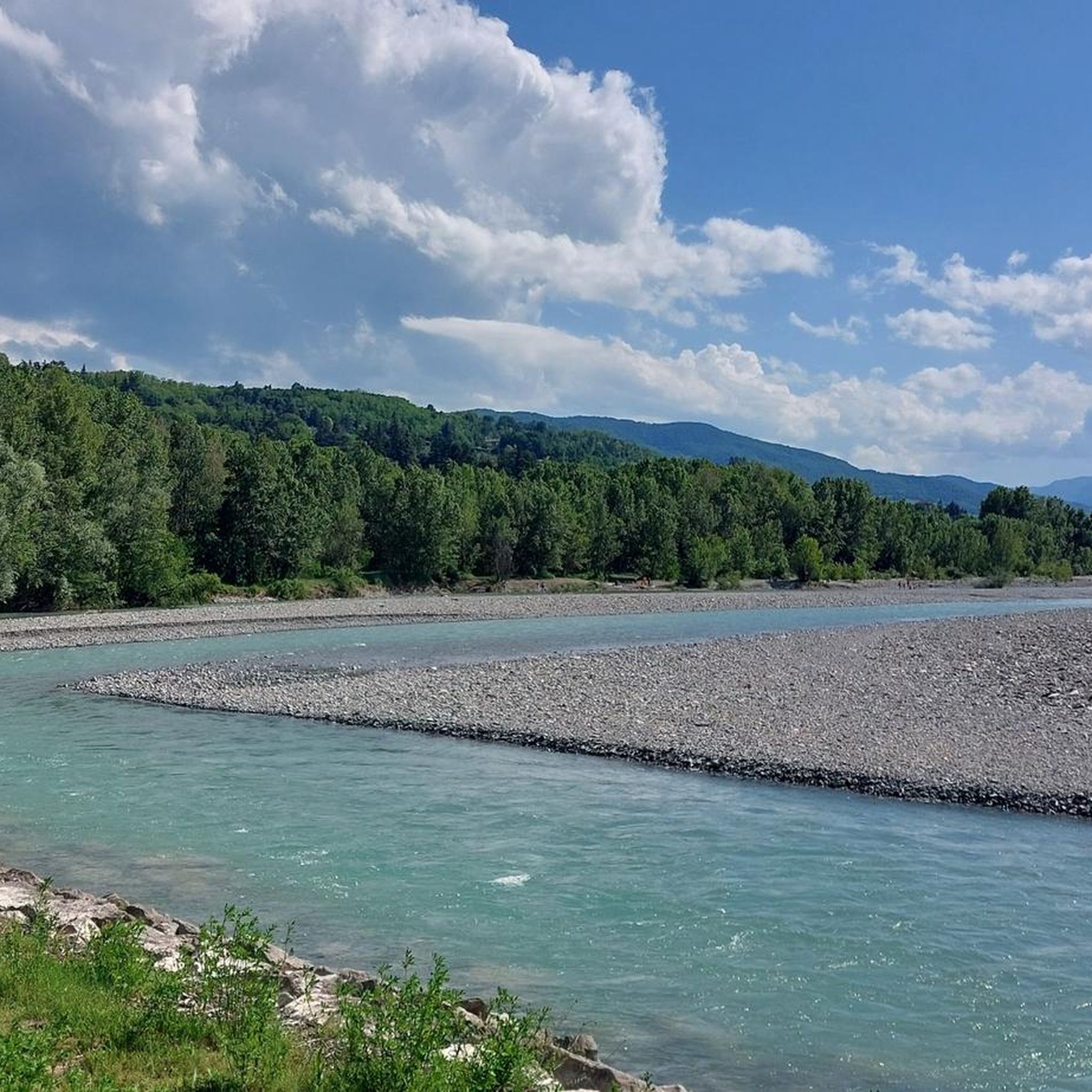
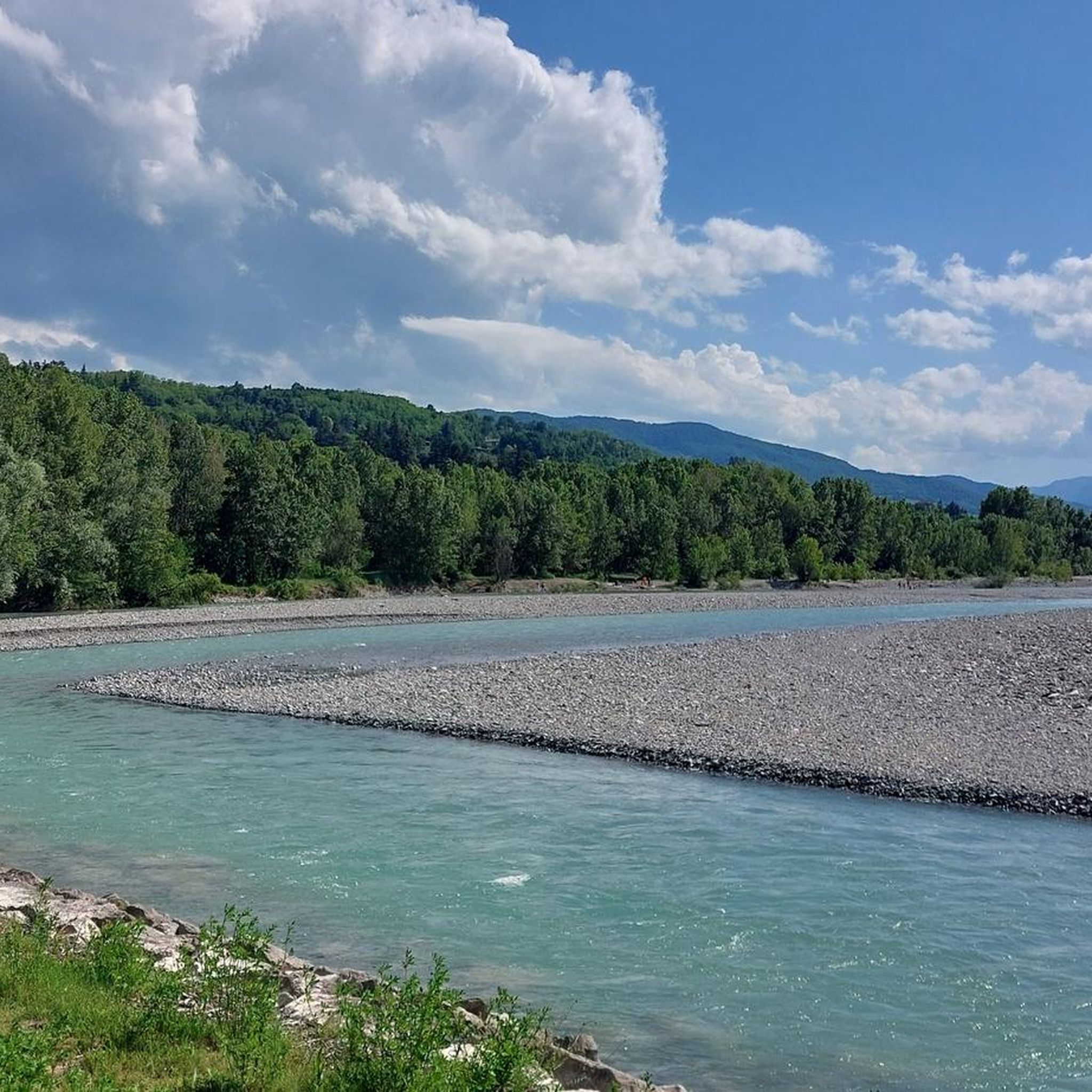
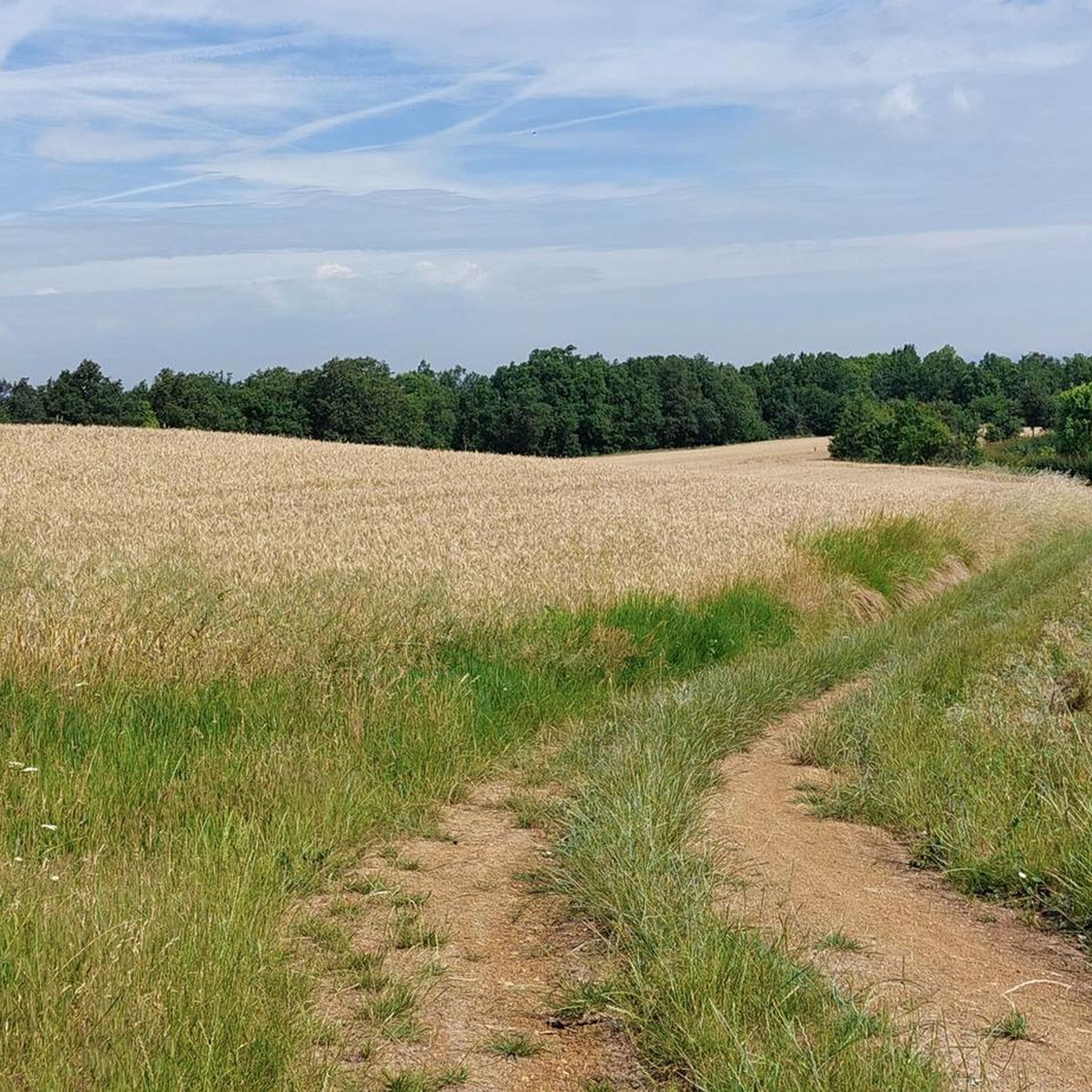
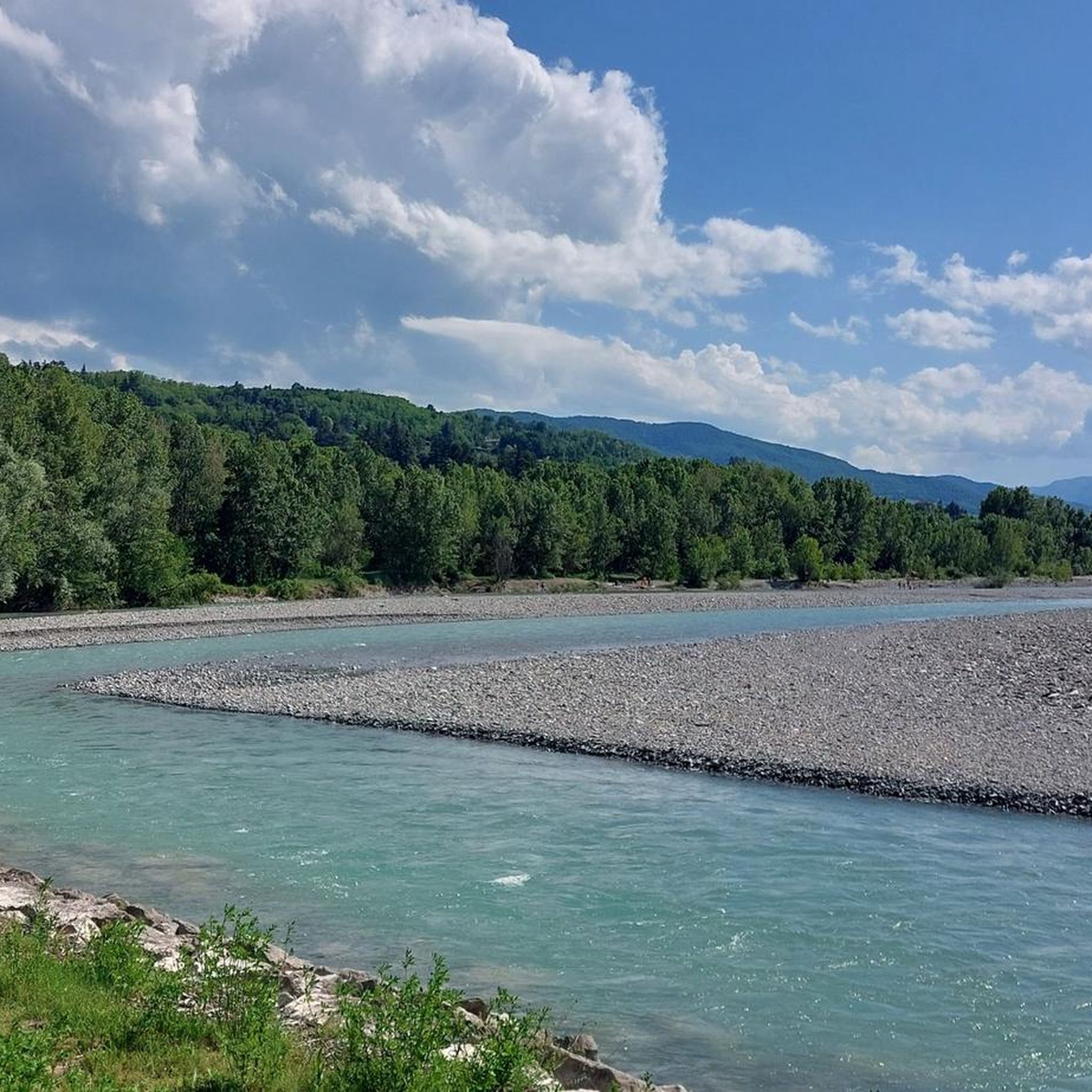

Tips from the Community

Il Castello di Monticello (Gazzola, PC) is a 14th-century medieval fortification strategically located between Val Trebbia and Val Luretta. Mentioned since 1372, it is known for its war events, including a battle in 1945. It was a fief of the Arcelli family and, despite war damage, retains its quadrangular structure.
14
0

Monticello Castle, of strategic importance due to its location on the ridge of the Trebbia and Luretta valleys and its role in the entrenched camp, was first mentioned in 1372 when it was occupied by papal troops.
1
0

The Castle was first mentioned in a document from 1001. On this occasion, Bishop Sigifredo granted the Benedictine monks of San Savino (Piacenza) some land, including the area of the Castle. The building has a trapezoidal plan and has four circular towers. The first of the four towers dates back to around the year 1000, which only later became four. The Castle was often the scene of clashes and battles. In 1212, the Guelphs of Piacenza took refuge there, threatened by the Ghibellines of Visconti, but they were worsted because they were defeated later in two battles. In the fourteenth century, the Castle was inhabited by Gabriello Boccapiccina, then it passed to the Chiapponi family. When the Chiapponi family died out, in the eighteenth century they were replaced by the Scotti di San Giorgio, who profoundly adapted the building, transforming it into a stately home. At the beginning of the twentieth century, the Castle belonged for a short period to the Lombardi of Genoa; it was then sold to Eng. Giuseppe Manfredi, who had it restored by Prof. Camillo Guidotti. From 1930 to 1987, the building was owned by the Ursuline Mothers of Piacenza. Today, the Castle is used by the current owner as a venue for private events.
0
0

An important battle of the Liberation struggle took place here at the castle of Monticello, between 15 and 16 April 1945, in which a handful of partisans barricaded in the castle resisted and repelled a large Nazi-fascist troop of 450 men. Here is an exciting documentation: https://www.rivalta-trebbia.it/battaglia-di-monticello/
1
0

The castle, mentioned in a sale deed of 1296, was built on a hill on the left bank of the Trebbia river, in front of Rivergaro, to control access to the valley together with the castles of Rivalta, Montechiaro and Rivergaro, located on the opposite bank. The castle has a rectangular plan with an internal courtyard and four cylindrical corner towers. Made of stones and pebbles from Trebbia, it is composed of three buildings and a single curtain wall, to the south, modified at the end of the 17th century with the addition of battlements and windows. The south-west corner tower has large Renaissance-style arched openings.
0
0
Rivalta Castle is one of the very few European examples of manors surrounded by an ancient village that has largely remained intact today.
0
0
Rivalta Castle is one of the very few European examples of manors surrounded by an ancient village that has largely remained intact today. Mentioned in documents as early as 1048, it is a sumptuous noble residence, surrounded by a magnificent park. The castle shows a quadrangular planimetric development and is characterized by a singular fifteenth-century cylindrical tower, which ends with the unmistakable small tower
0
0
The mighty castle of Momeliano, made up of three rectangular bodies arranged on a U-shaped plan, is the result of two construction phases. The oldest nucleus dates back to the fourteenth century, the most recent one can be dated between the fifteenth and sixteenth centuries. Over the centuries it underwent several changes of ownership, up to the Stevani family who, at the end of the nineteenth century, put much of the surrounding land under viticulture. The general state of conservation of the castle is good. Worth noting are: traces of the joints of the drawbridge in the building facing south-east; the battlements, now closed in an arch and accessible via a narrow corridor; the remains of the pointed arched windows walled up on the south-east front; the loggia towards the courtyard; two pairs of arches.
0
0
Frequently Asked Questions
What are some of the most historically significant castles around Rivergaro?
The Rivergaro area is rich in history. The Castello di Montechiaro, built between the 11th and 14th centuries, played a crucial defensive role controlling the ancient "caminus Genue." It features a unique solitary fortified tower and multiple concentric walls. Another significant site is the Castello di Ancarano, dating back to 1466, which showcases well-preserved Renaissance artistic elements despite suffering damage in 1521.
Are there any family-friendly castles to visit near Rivergaro?
Yes, Rivalta Castle is listed as family-friendly. It's a large fortified complex with a surrounding village that offers amenities like a hotel, inn, and spa within ancient medieval buildings, making it a great destination for families.
Can I find hiking trails near the castles around Rivergaro?
Absolutely. The Rivergaro area offers various hiking opportunities. For example, you can find routes like the "Monte Denavolo Loop Trail from Rallio" or the "Trebbia Valley Trail to Rivergaro." You can explore more options on the Hiking around Rivergaro guide.
What kind of outdoor activities can I do in the Rivergaro area besides visiting castles?
Beyond castle visits, the region is excellent for outdoor activities. You can find numerous routes for hiking, running, and cycling. These routes often pass through scenic landscapes and offer different difficulty levels.
What is the best time of year to visit the castles around Rivergaro?
While specific seasonal considerations for castles aren't detailed, the region's natural beauty and outdoor activities suggest spring and autumn offer pleasant weather for exploring. Summer can be warm, and winter visits might be less ideal for outdoor exploration, though some castles like Castello di Ancarano are well-preserved and can be visited year-round.
Are there any castles near Rivergaro that offer unique architectural features?
Yes, the Castello di Montechiaro is particularly notable for its unique layout, diverging from traditional castle designs. It features a solitary fortified tower (donjon) in the center of its courtyard with Ghibelline battlements and multiple concentric walls. Rezzanello Castle also has a distinctive trapezoidal plan with four corner towers and a large internal courtyard.
Are guided tours available for the castles in the Rivergaro area?
While some castles like Rivalta Castle are open to visitors and likely offer tours, others like Castello di Montechiaro are privately owned and not accessible for internal visits, though external viewing is highly recommended. Rezzanello Castle is also private property and not open to the public. It's best to check directly with individual castles for their tour availability.
What are some notable viewpoints or natural features near the castles?
The castles around Rivergaro are often strategically located, offering commanding views. For instance, Castello di Montechiaro is situated on the Ligurian Apennine foothills, providing views over the lower Trebbia valley. Statto Castle is also in a beautiful location on a hill overlooking the Trebbia river. Rezzanello Castle is surrounded by a splendid seven-hectare park with centuries-old plants, a fountain, and streams.
Are there any castles in the area that are privately owned but still worth seeing from the outside?
Yes, the Castello di Montechiaro is privately owned and not accessible for internal visits, but an external visit is highly recommended to admire its imposing fortified tower and unique architecture. Similarly, Rezzanello Castle is private but can be admired from the outside, especially its well-kept exterior and surrounding park.
What do visitors enjoy most about the castles around Rivergaro?
Visitors appreciate the historical significance and well-preserved nature of the castles. For example, Rivalta Castle is praised for its impressive fortified complex and charming surrounding village. Rezzanello Castle is noted for being very nice and well-kept. The strategic locations also offer beautiful views of the Trebbia valley.
Are there any castles with unique historical artifacts or inscriptions?
The Castello di Montechiaro is particularly rich in unique historical elements. It contains a vast underground prison where prisoners' graffiti, including a liturgical chant, are still visible. An access gate is adorned with one of the oldest known Piacentine vernacular inscriptions, and a famous bas-relief from Montechiaro, notable for its early use of vernacular language, is now housed in the Civic Museums of Piacenza. You can learn more about its history on Wikipedia.
Are there cafes or restaurants near the castles in Rivergaro?
Yes, the village surrounding Rivalta Castle is notable for offering an inn for dining and a restaurant open for lunch within its ancient medieval buildings. For other castles, it's advisable to check local listings in Rivergaro or nearby towns for dining options.
Most popular routes around Rivergaro
Most popular attractions around Rivergaro

Get inspired with the komoot mobile app


Explore more
Looking for the best castles somewhere else? Discover other guides around Rivergaro:
