Top 20 Castles around the Vistula
Castles around the Vistula River in Poland offer a journey through the nation's history, from royal residences to Teutonic strongholds. The Vistula, Poland's longest river, serves as a backdrop to these historically significant and architecturally diverse structures. These sites provide insights into centuries of Polish heritage and medieval architecture. Exploring these castles reveals a blend of Romanesque, Gothic, Renaissance, and Baroque styles.
Best castles around the Vistula
- The most popular castles is Wawel Castle, a castle that served as…
Last updated: July 3, 2026
Wawel Castle, Krakow
Highlight • Castle
Translated by Google •
Tip by

Wawel Castle
Highlight • Castle
Translated by Google •
Tip by

Sign up now to discover places like this
Get recommendations on the best single tracks, peaks, & plenty of other exciting outdoor places.
Sign up for free
Royal Castle
Highlight • Castle
Translated by Google •
Tip by

Warsaw Barbican
Highlight • Historical Site
Translated by Google •
Tip by

Wawel Castle Complex
Highlight • Castle
Translated by Google •
Tip by

Krakow Barbican
Highlight • Historical Site
Now, however, it is quite clear that this bulwark consists of four …
Translated by Google •
Tip by

View of Wawel Castle
Highlight • Viewpoint
Showing Translation
Tip by

Execution Gate, Warsaw Citadel
Highlight • Historical Site
Translated by Google •
Tip by

Medieval Town of Toruń
Highlight • Historical Site
Except for a street from the late 19th century, almost the entire development is …
Translated by Google •
Tip by

Viewpoint on the city walls
Highlight • Viewpoint
Translated by Google •
Tip by

Sign up for free to discover even more castles around the Vistula.
Sign up for free
Already have an account?
Start today with a free account
Your next adventure awaits.
Login or Signup
Popular around Vistula
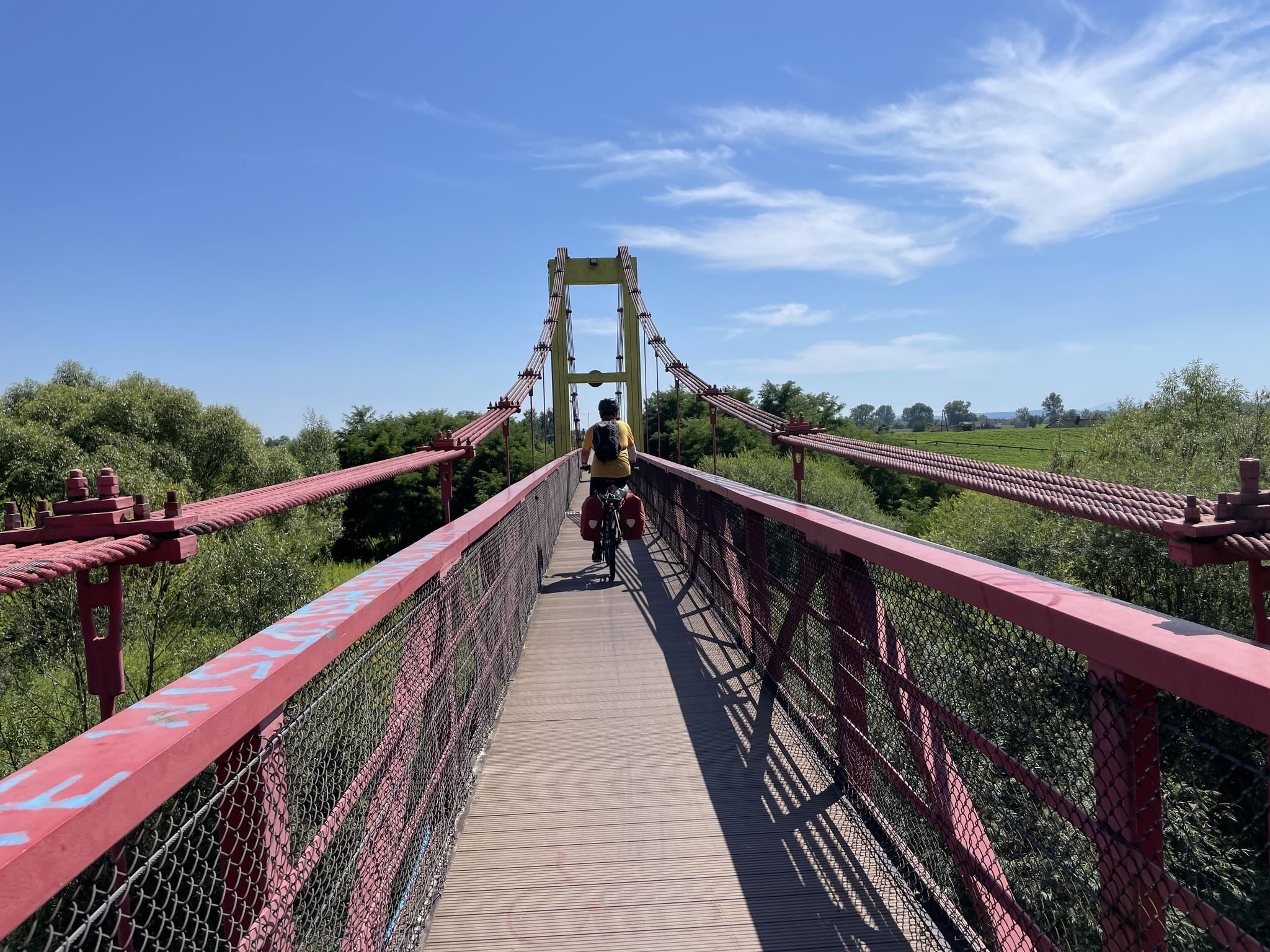
EuroVelo 4 (section in Poland) – Wonderful Vistula river vibes and historic Polish cities
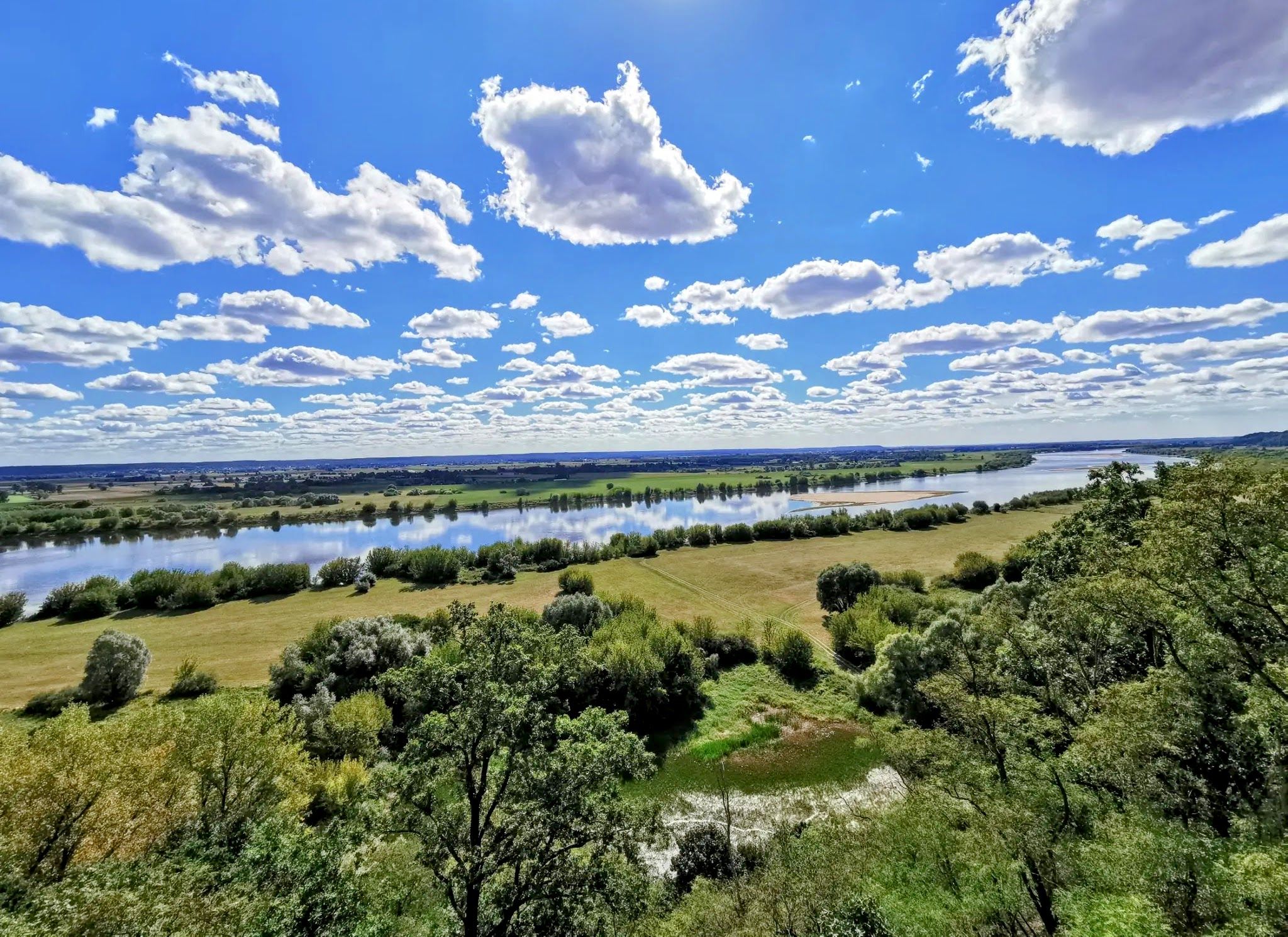
Vistula Cycle Route – The Queen of Polish Rivers in the Spotlight
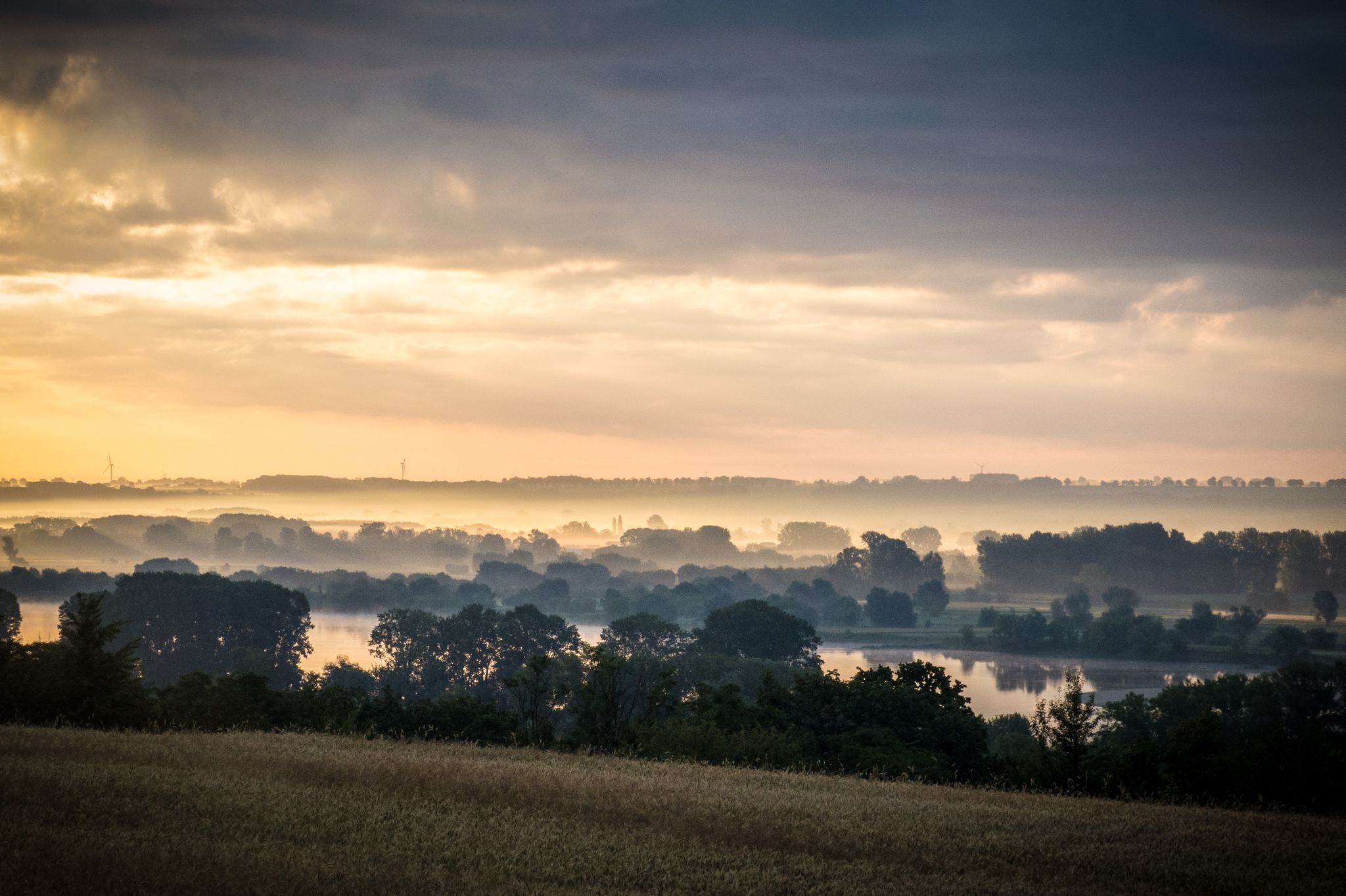
EuroVelo 9 – The Amber Route from the Baltic to Adriatic Sea
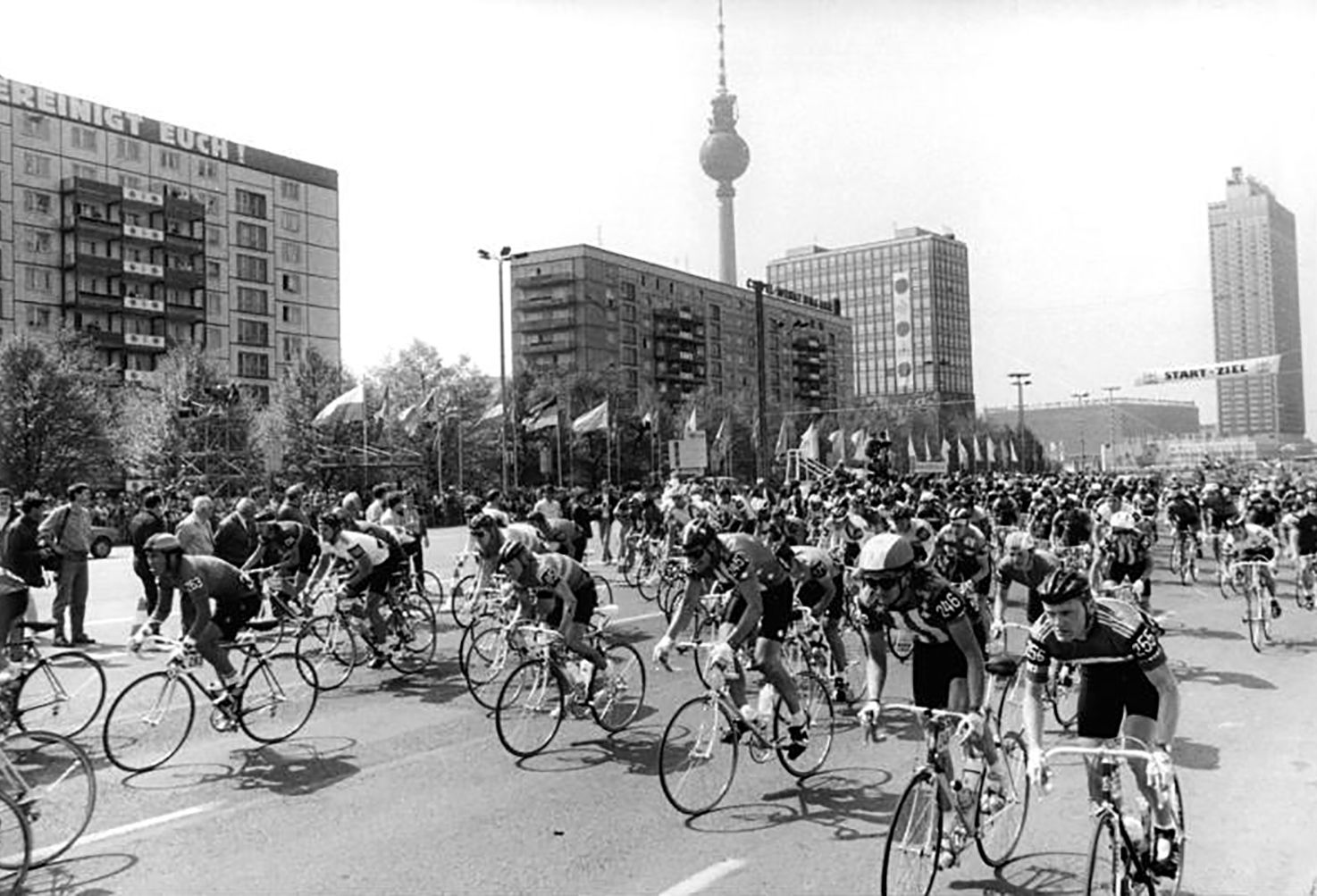
From Warsaw to Berlin — in the footsteps of the Peace Race part 1
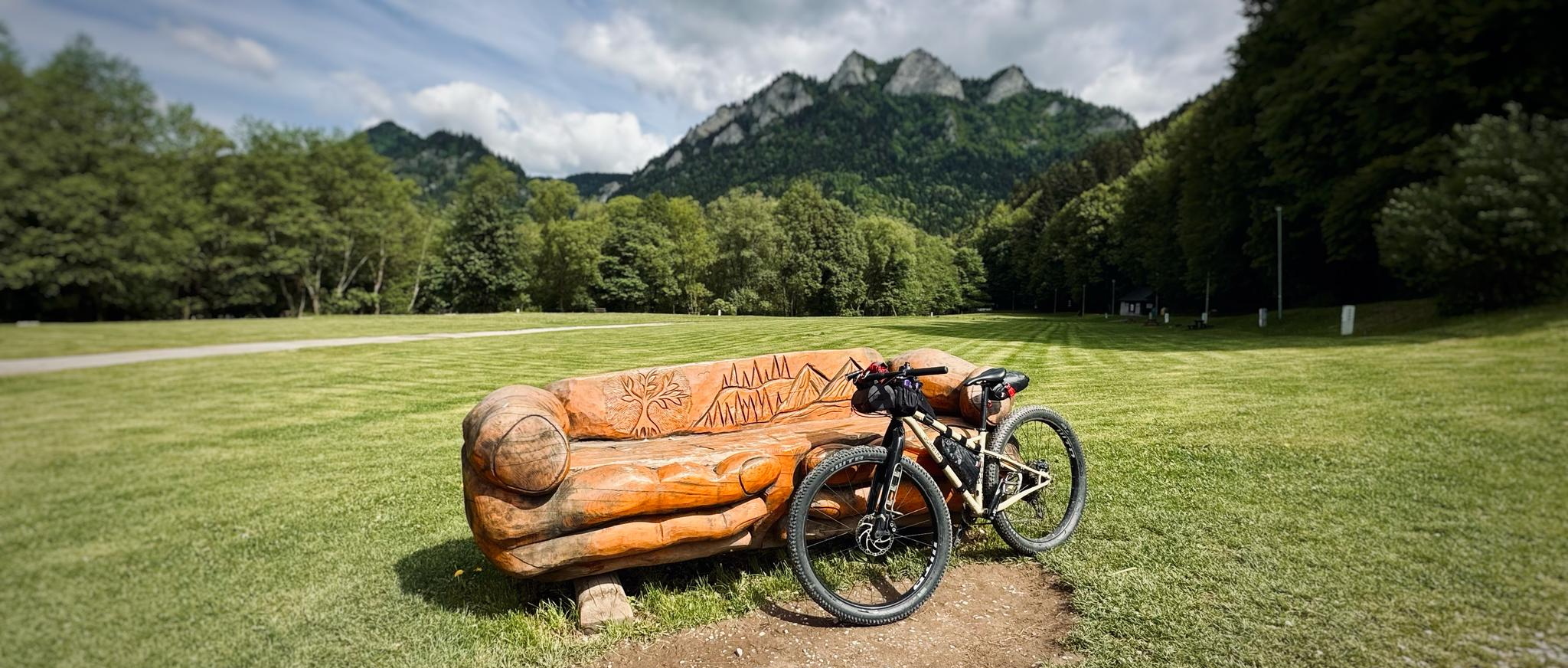
Between the Vistula & the High Tatras – bikepacking through Małopolska
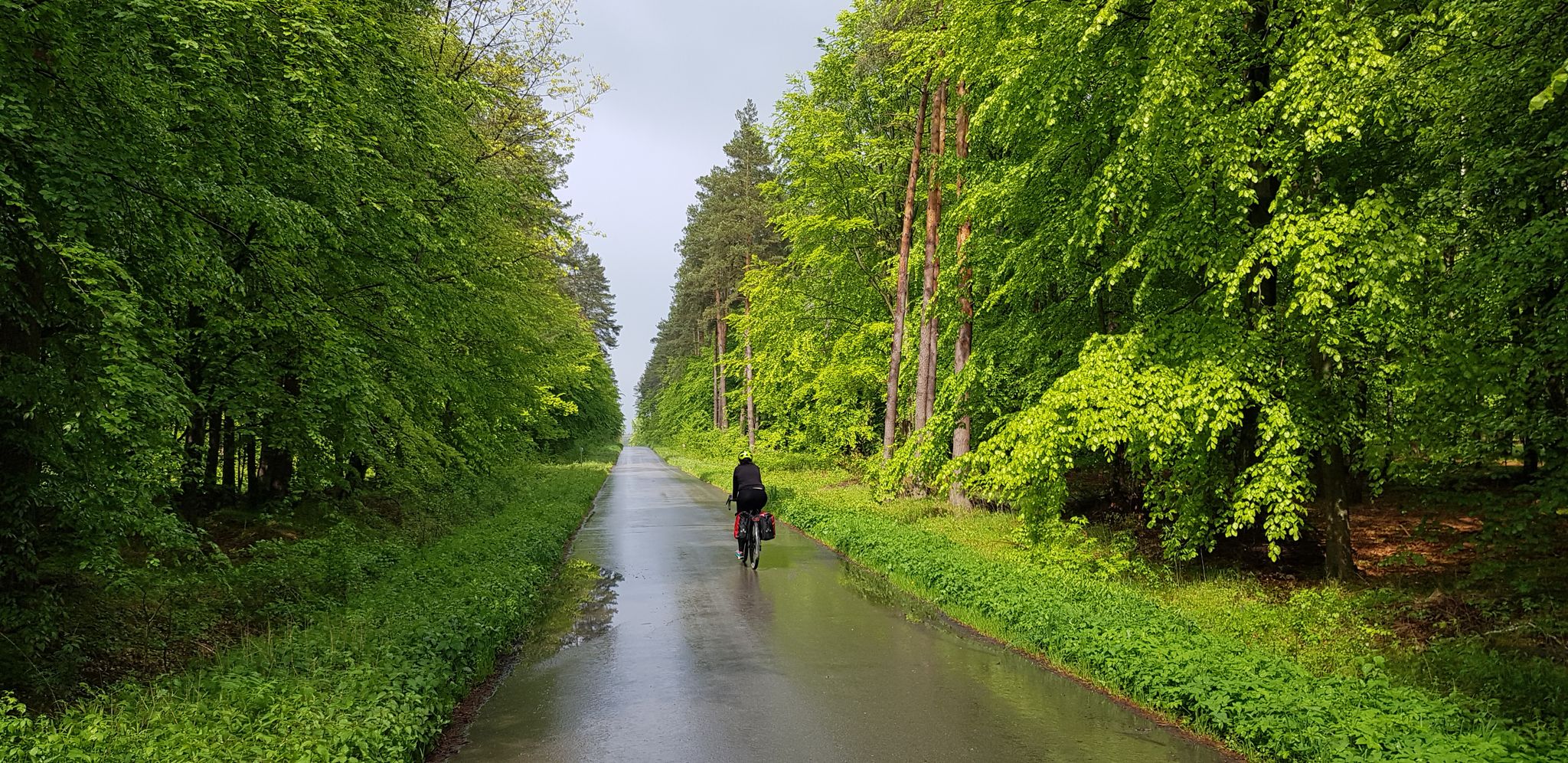
To the east, Eden – La Green Velo Szlak (part one)
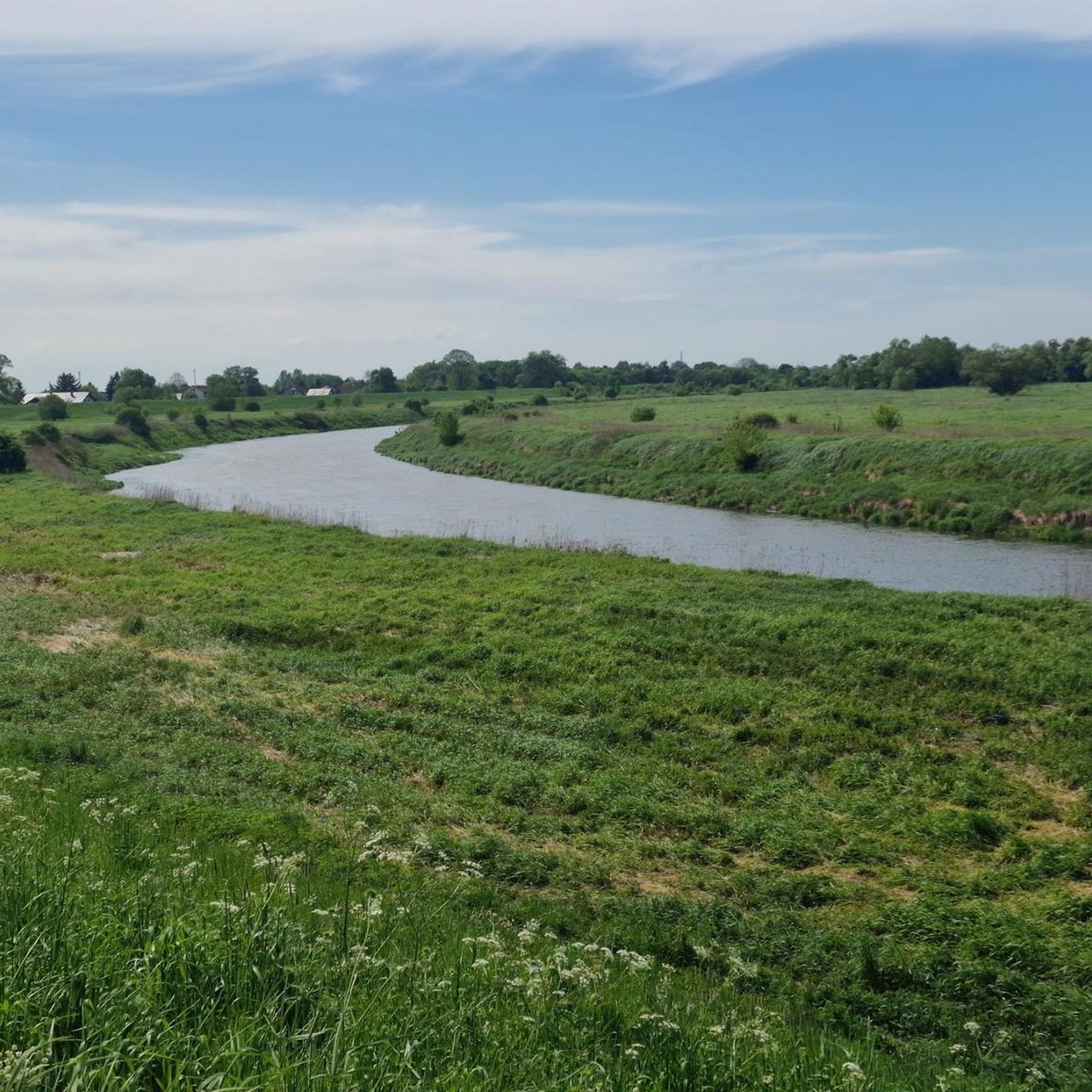
Hiking around the Vistula
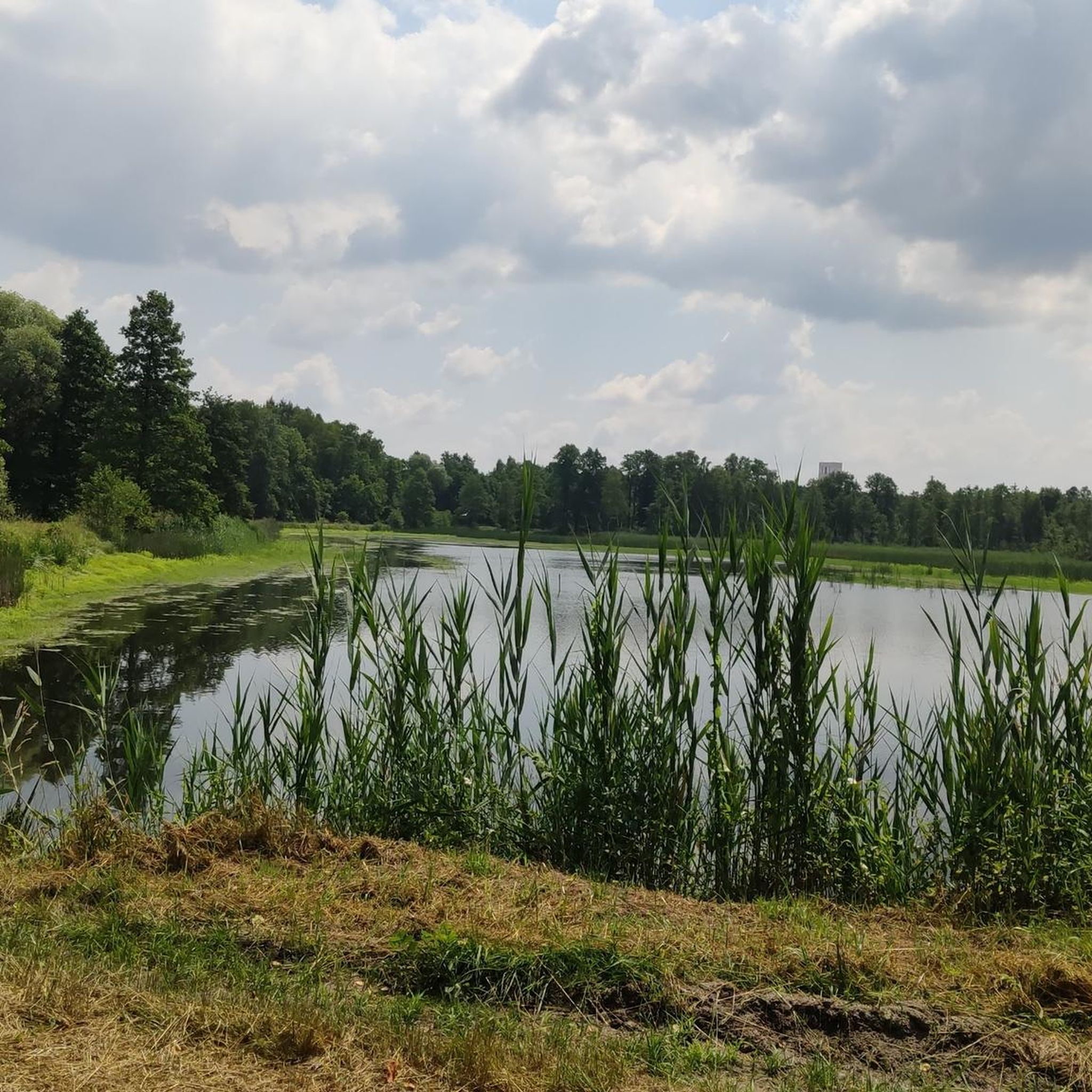
Running Trails around the Vistula
Cycling around the Vistula
Road Cycling Routes around the Vistula
Other adventures around the Vistula


Tips from the Community


Fantastic view of Wawel Castle from the southern bank of the Vistula River next to Dębnicki Bridge.
0
0

Once the historic seat of kings, the Sejm (lower house of parliament), and the President of the Second Polish Republic, the Royal Castle is a monument to Polish independence. Today, it serves as a museum and a representative building. https://zabytek.pl/pl/obiekty/warszawa-zamek-krolewski
3
0

Very nice view; relaxed run along river. River bank opposite of castle and old town is less crowded on wekkends and afternoons. Plan to vary length of run on this side.
0
0

At night the castle is illuminated and gives the scene a mystical feel.
4
0
Frequently Asked Questions
Which are some of the most historically significant castles along the Vistula River?
The Vistula River region is rich in history. Key castles include Wawel Royal Castle in Kraków, which served as the seat of Polish monarchs for centuries. Another significant site is Royal Castle in Warsaw, a UNESCO World Heritage site rebuilt after World War II. Malbork Castle, though slightly off the main Vistula flow on the Nogat River, is a colossal 13th-century Teutonic fortress and a UNESCO site, representing a crucial part of the region's medieval history.
Are there any UNESCO World Heritage castles along the Vistula River?
Yes, several castles and related sites along the Vistula River are recognized by UNESCO. Royal Castle in Warsaw is a UNESCO World Heritage Site, as is the entire Old Town of Warsaw. Malbork Castle, located near the Vistula Delta, is also a UNESCO World Heritage site, recognized as the largest brick castle in the world. The Medieval Town of Toruń, which includes the ruins of a Teutonic Knights' castle, is another UNESCO site.
What kind of architectural styles can I expect to see in the Vistula castles?
The castles along the Vistula showcase a diverse range of architectural styles, reflecting centuries of construction and renovation. You'll find Romanesque, Gothic, Renaissance, and Baroque elements. For instance, Wawel Royal Castle is a blend of these styles, while Malbork Castle is a prime example of Gothic brick architecture. Baranów Sandomierski Castle is a magnificent example of Polish Mannerism.
Are there family-friendly castles to visit in the Vistula region?
Many castles in the Vistula region are suitable for families. Wawel Castle in Kraków offers various attractions, including the legendary Dragon's Den, which is popular with children. The Royal Castle in Warsaw and the Warsaw Barbican are also listed as family-friendly, offering historical exploration within city settings. Malbork Castle, with its immense scale and medieval exhibits, can also be a captivating experience for families.
What natural features or viewpoints can I enjoy near the Vistula castles?
Many castles offer stunning views of the Vistula River and surrounding landscapes. Wawel Royal Castle, perched on Wawel Hill, provides breathtaking views of Kraków and the Vistula. Niedzica Castle, though further south on a Vistula tributary, offers impressive views of Lake Czorsztyn and the Pieniny Mountains. The Royal Castle in Warsaw also offers a fantastic view over the rooftops of Warsaw from its tower.
What outdoor activities can I do near these castles?
The Vistula region offers various outdoor activities. Near some castles, you can find excellent hiking and cycling opportunities. For instance, you can explore hiking trails around the Vistula, including moderate routes like the 'Cloth Hall (Sukiennice) – Wawel Castle loop from Kraków Zabłocie'. If you prefer cycling, there are road cycling routes, such as the 'Vistula Boulevards Entrance – Wawel Castle, Krakow loop from Kraków Główny'.
Are there any unique or less-frequented castles worth visiting?
Beyond the major sites, Kwidzyn Castle offers an intriguing architectural experience with its unique sanitary tower (Gdanisko) connected by a long, arched bridge. It provides a quieter, yet equally enriching, historical exploration. Baranów Sandomierski Castle, often called 'Little Wawel,' is another magnificent Mannerist residence with beautifully landscaped gardens, offering a distinct charm.
What is the best time of year to visit the castles along the Vistula?
The best time to visit the Vistula castles generally depends on your preferences. Spring (April-May) and early autumn (September-October) offer pleasant weather for exploring, with fewer crowds than the peak summer months. Autumn also brings beautiful foliage, especially around castles like Niedzica, which are surrounded by natural landscapes. Summer (June-August) is popular for longer daylight hours and warmer temperatures, but attractions can be more crowded.
Can I find any castles with interesting legends or folklore?
Yes, Niedzica Castle is particularly known for its fascinating legends, including one about Inca treasure brought to Poland by a Hungarian aristocrat. Wawel Royal Castle also has the legendary Dragon's Den, associated with the Wawel Dragon, adding a mythical element to its historical significance.
What can visitors expect from the museums within these castles?
The castles often house extensive museums. Wawel Royal Castle's museum is one of Poland's most visited art museums, featuring royal chambers, an armory, and a treasury with vast collections. Malbork Castle's museum displays medieval works, weaponry, and historical exhibits related to the Teutonic Order. Kwidzyn Castle's museum includes natural history displays, medieval art, and insights into the Lower Vistula region.
Are there any castles that were significantly impacted by historical events like World War II?
Yes, the Royal Castle in Warsaw was almost entirely destroyed during World War II and meticulously rebuilt between 1971 and 1984. Similarly, the Warsaw Barbican was also destroyed in 1944 and reconstructed in the 1950s, using Gothic bricks from other Polish cities to restore its historical appearance.
What kind of defensive structures can be seen around the Vistula castles?
The Vistula region features various defensive structures. Malbork Castle is a prime example of medieval military architecture, consisting of three separate castles divided by moats and towers. The Warsaw Barbican and Krakow Barbican are impressive circular Renaissance defensive structures that were part of the cities' fortifications. Kwidzyn Castle is notable for its unique sanitary tower (Gdanisko), which also served a defensive purpose.
Most popular routes around the Vistula
Most popular attractions around the Vistula

Get inspired with the komoot mobile app


Explore more
Looking for the best castles somewhere else? Discover other guides around the Vistula:
