Top 20 Natural Monuments in Setúbal
Best natural monuments in Setúbal offer a diverse range of landscapes, from coastal mountains and pristine beaches to vital estuaries and ancient geological formations. The region is characterized by its unique blend of Atlantic and Mediterranean ecosystems, providing habitats for varied flora and fauna. Setúbal's natural features include rugged limestone cliffs, extensive wetlands, and significant paleontological sites. These areas provide opportunities for exploring the region's natural beauty and geological history.
Best natural monuments in Setúbal
- The most popular natural monuments…
Last updated: August 20, 2026
Pessegueiro Island Beach
Highlight • Beach
Translated by Google •
Tip by

Engardaceira Beach
Highlight • Beach
Translated by Google •
Tip by

Sign up now to discover places like this
Get recommendations on the best single tracks, peaks, & plenty of other exciting outdoor places.
Sign up for free
Praia Grande, Porto Covo
Highlight • Beach
Translated by Google •
Tip by

Sanctuary of Christ the King (Santuário de Cristo Rei)
Highlight • Monument
Translated by Google •
Tip by

Atlantic Coastal Road, Southwest Alentejo and Vicentine Coast Natural Park
Highlight (Segment) • Cycleway
Translated by Google •
Tip by

São Torpes Beach
Highlight • Beach
Translated by Google •
Tip by

Samoqueira Beach
Highlight • Beach
Translated by Google •
Tip by

Sanctuary of Our Lady of Cape Espichel
Highlight • Religious Site
The church is incredibly beautiful inside. Unfortunately, photography is not allowed.
Translated by Google •
Tip by

Ribeiro do Cavalo Beach
Highlight • Beach
Tip by

Formosinho Peak
Highlight • Summit
A very tough climb, an even tougher descent... Not accessible to everyone...
Translated by Google •
Tip by
Sign up for free to discover even more natural monuments in Setúbal.
Sign up for free
Already have an account?
Start today with a free account
Your next adventure awaits.
Login or Signup
Popular around Setúbal

Triathlon 360 – my journey around the world
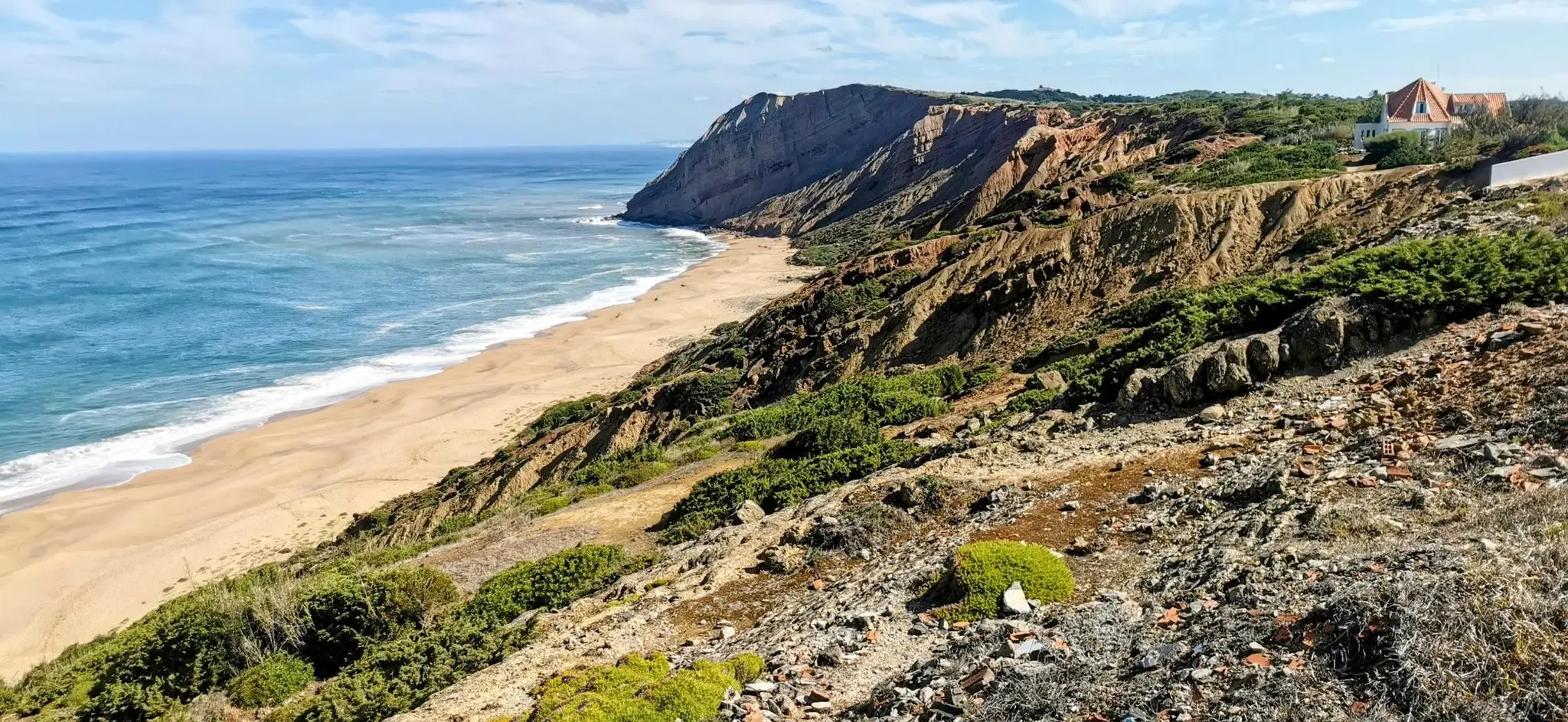
EuroVelo 1 Portugal – Cycle the Atlantic Coast
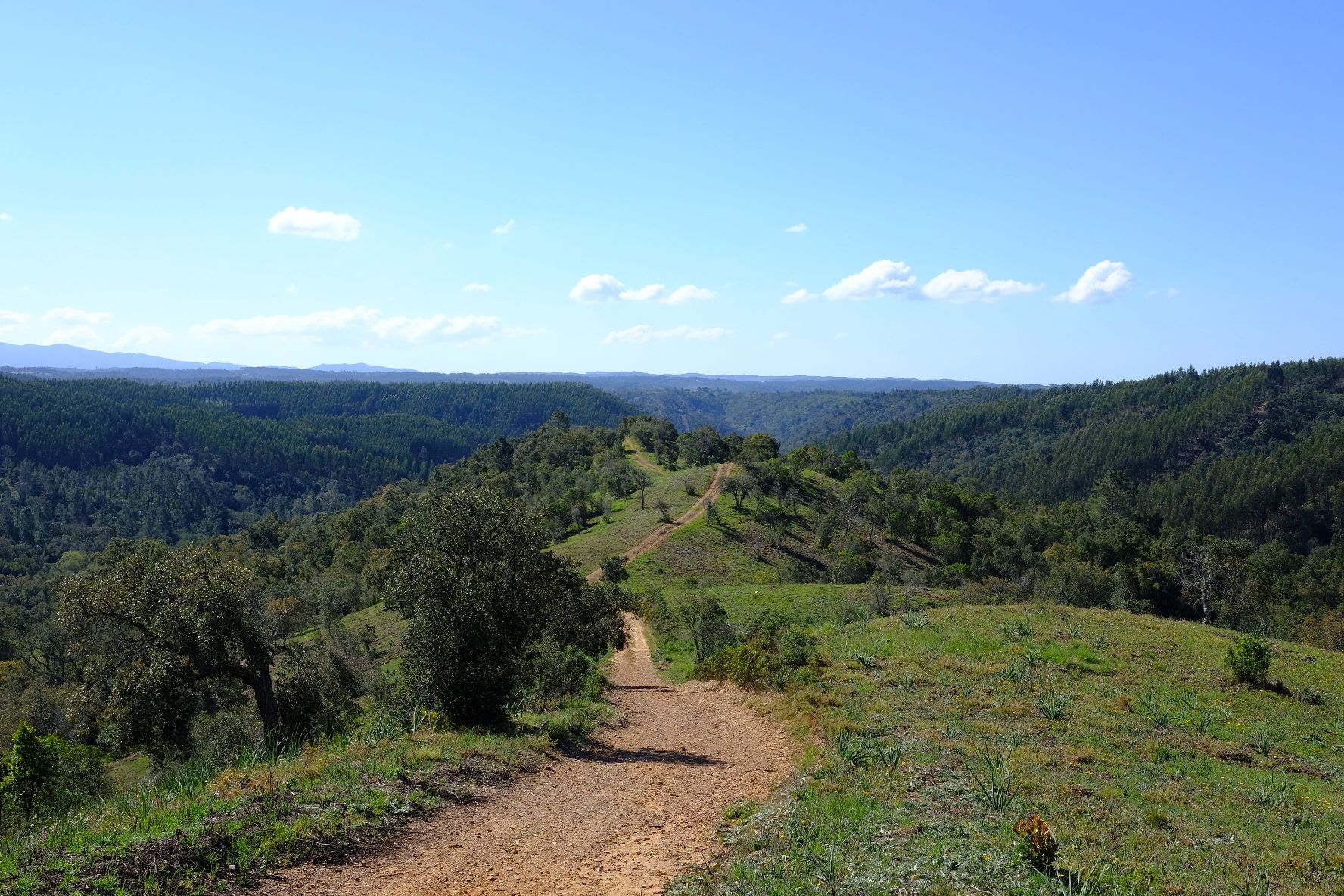
Caminho Histórico – Discover Portugal's beauty and history
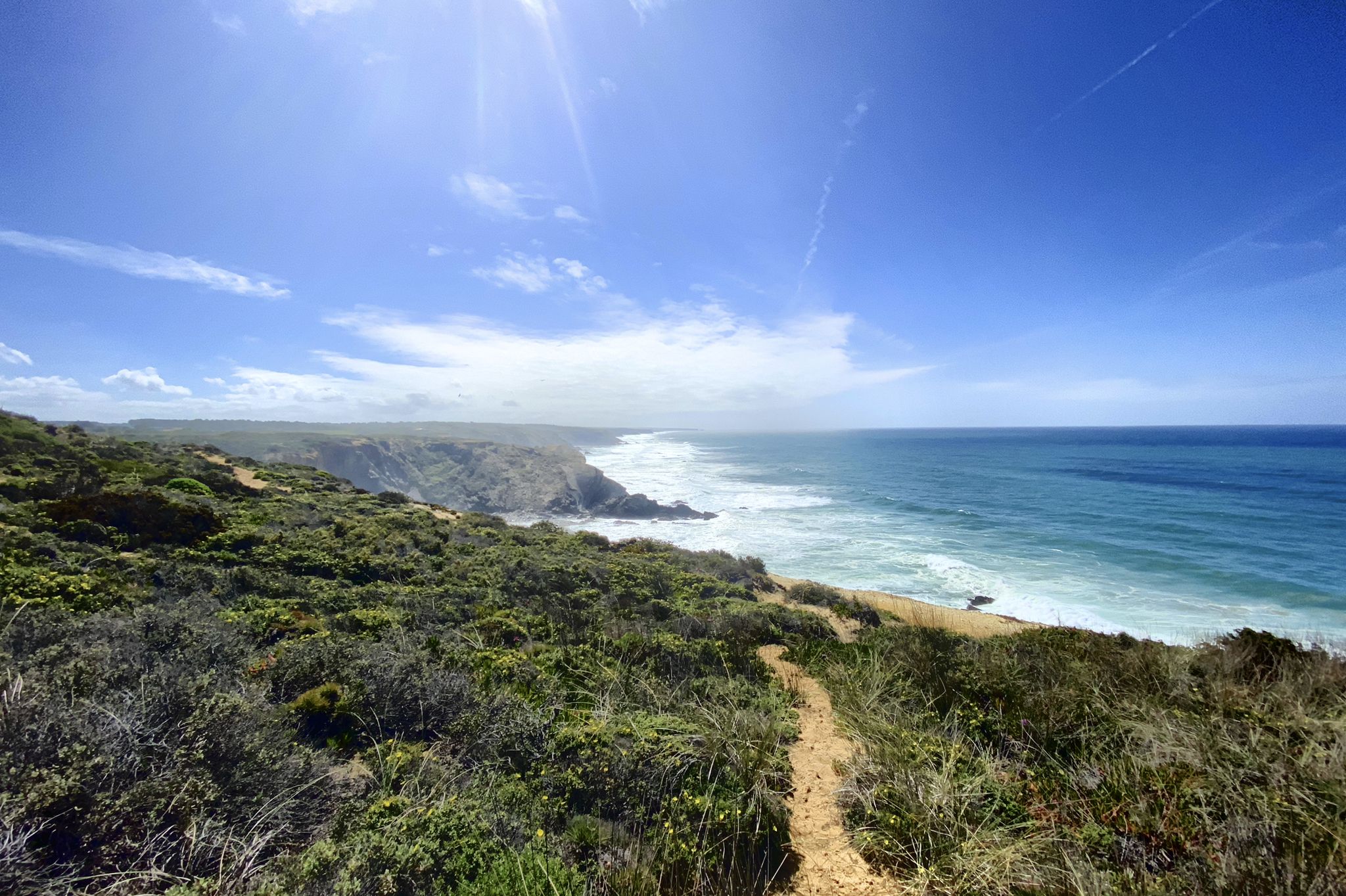
Trilho dos Pescadores – Portugal's Fishermen's Trail
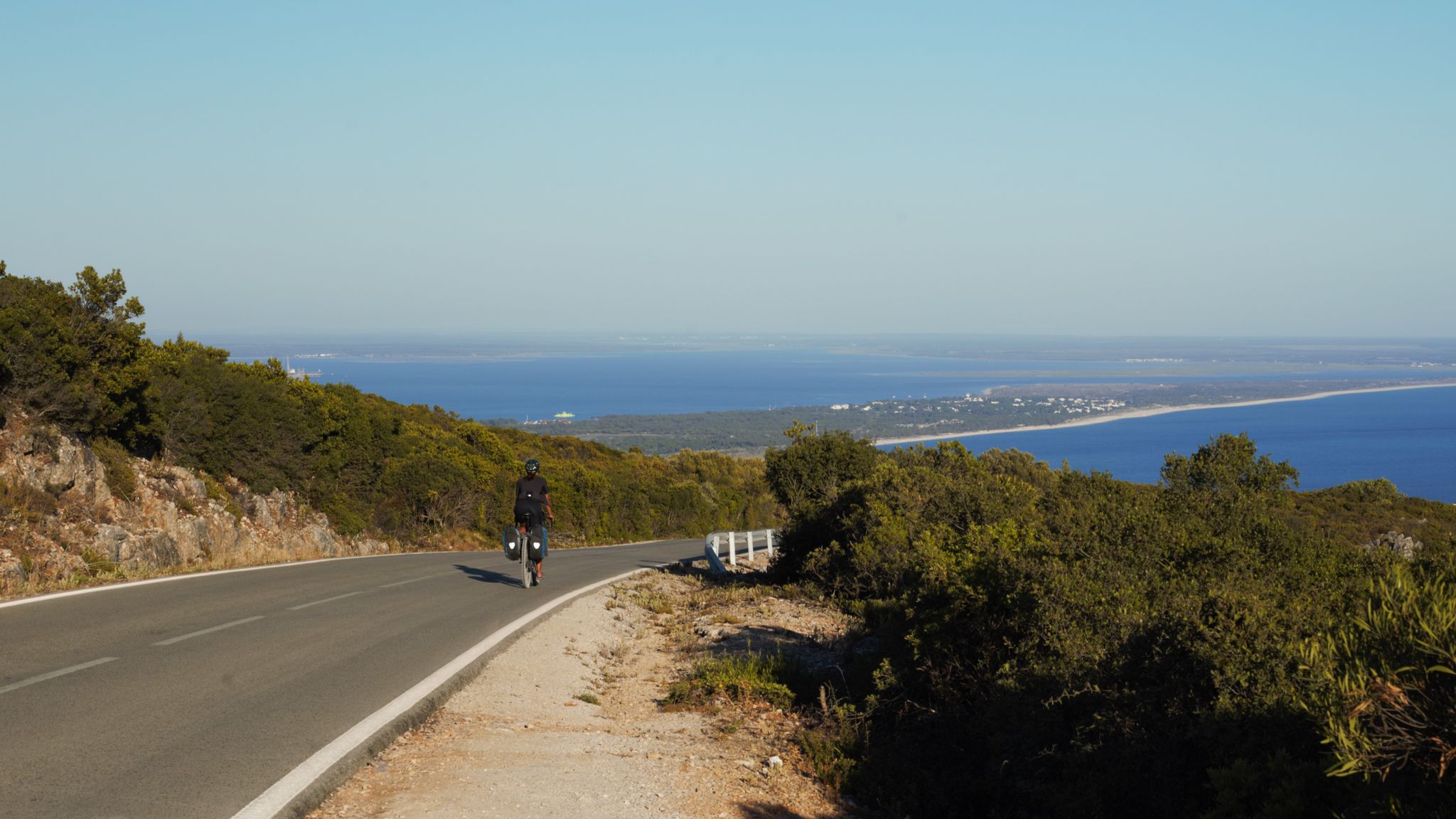
The breaking waves – cycle along the Atlantic coast of Portugal
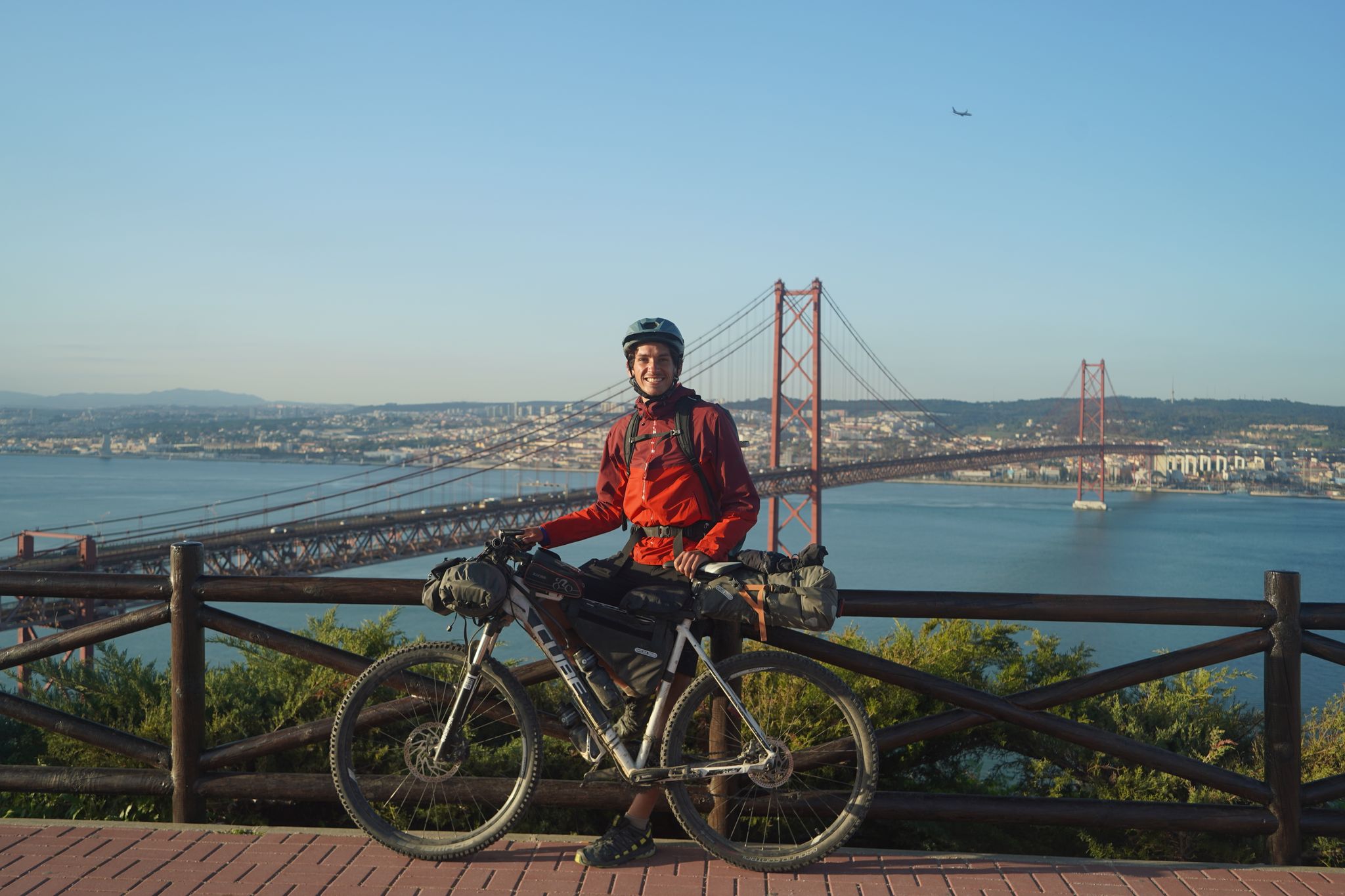
Road to Lisbon – bikepacking the Alps, Pyrenees and Picos de Europa
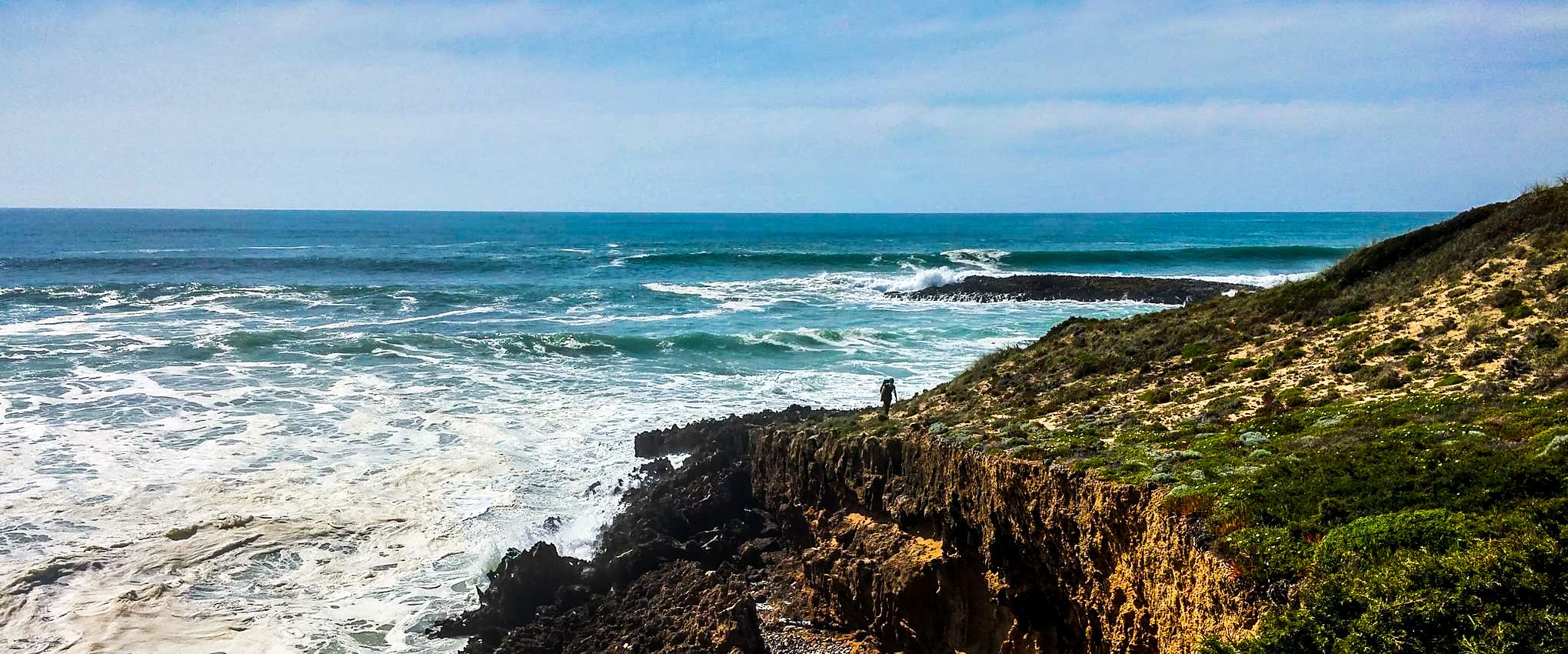
Fishermen's Trail – Discover Portugal's Atlantic Coast
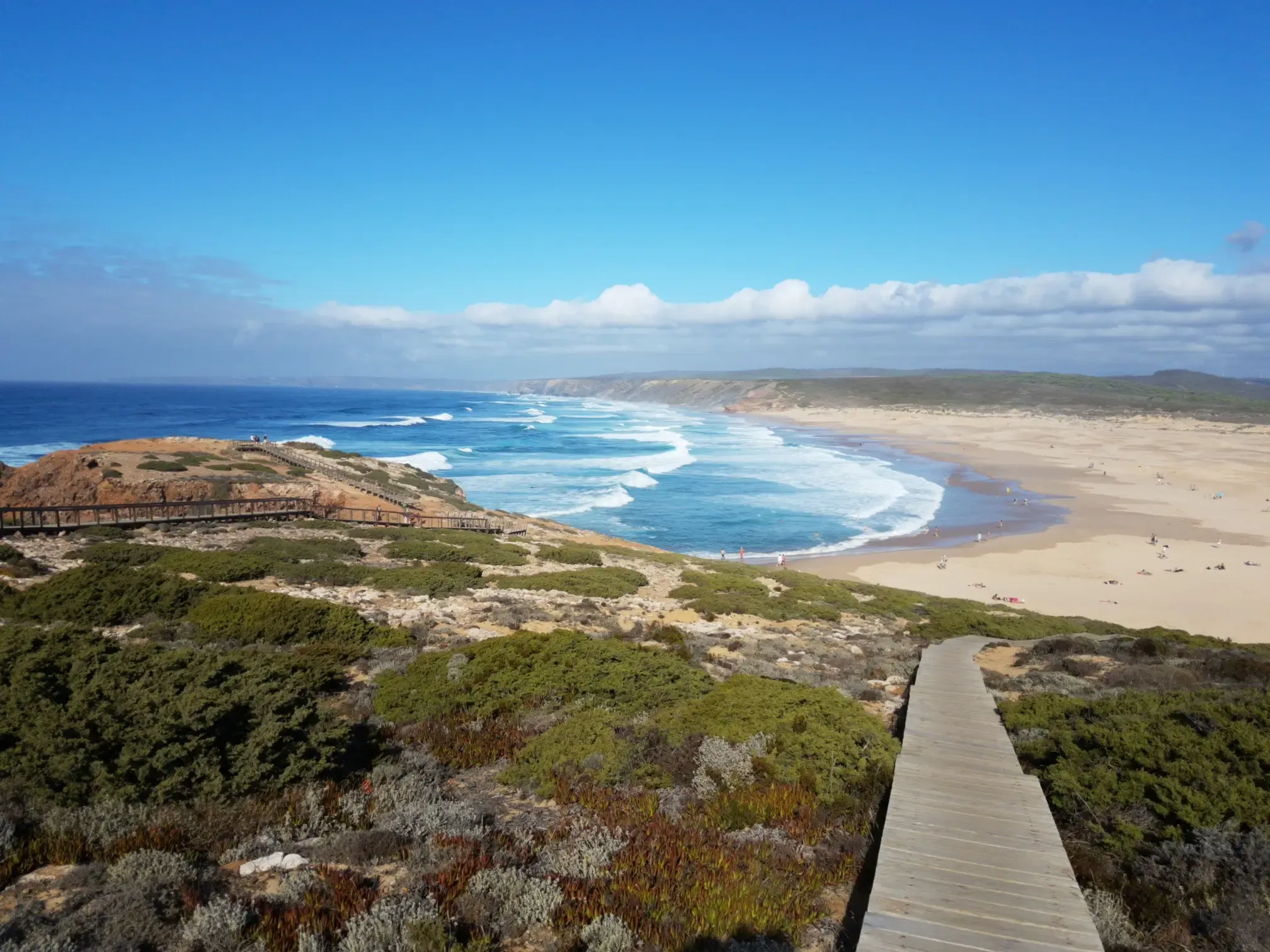
Lisbon to Santo António – The Atlantic Coast of Portugal (south)
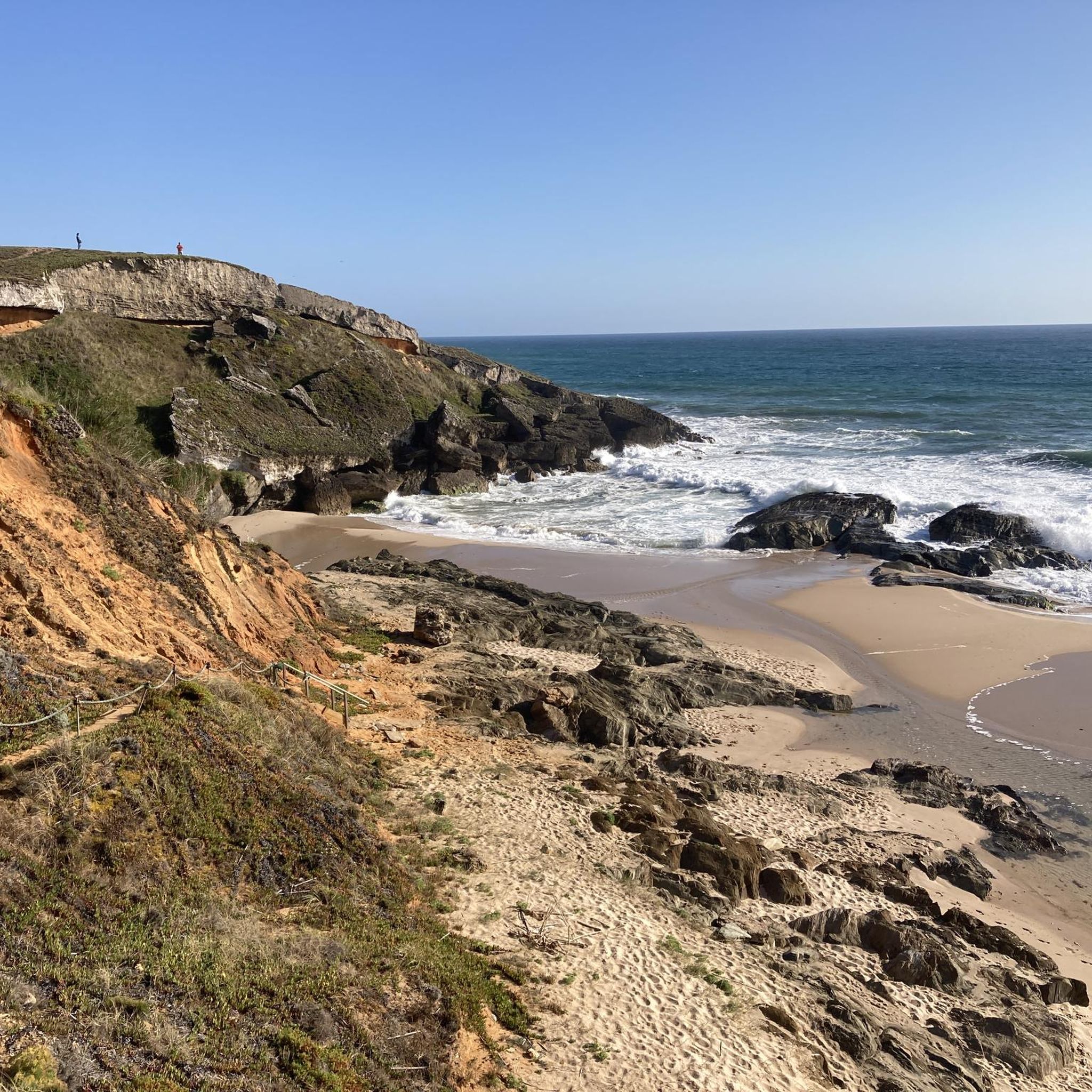
Hiking in Setúbal
Running Trails in Setúbal
Other adventures in Setúbal


Tips from the Community

Nice place for a stop, a beer and maybe a dip in the water
0
0

Built in the 18th century, it is an eye-catcher with its baroque architecture and the typical blue and white tiles in which some icons were also kept.
2
0

An excellent beach, although lacking in infrastructure and difficult to access, it's a super pleasant place, ideal for relaxing and recharging. Nearby, I also visited Mijona Beach and Hell Beach, which offer more challenging access but always boast immense natural beauty. I recommend it for those who don't have mobility issues and appreciate nature. 👍🥾🦯
1
0

Don't miss the opportunity to sign the summit book. The summit book is located in the small plastic container with the green lid, covered with a stone.
2
0

Gorgeous bay on the Fisherman's Trail. Strenuous but incredibly rewarding trails in beautiful Portugal 🇵🇹👣
1
1

A beach with easy access and plenty of parking. Clean beach, beautiful scenery, but with cold water. Good for families with children.
3
0

Pessegueiro Island The Romans constructed the first buildings on the island in the mid-1st century. The Roman ruins at the southern tip of the island were excavated between 1980 and 1984. Rectangular buildings, some with two or more interior rooms, and two circular floor plans are evident. A bread oven and a metal melting furnace are recognizable by the holes in the rammed earth floor. Fish processing basins, as well as a bathing facility, date from the 3rd or 4th century.
3
0
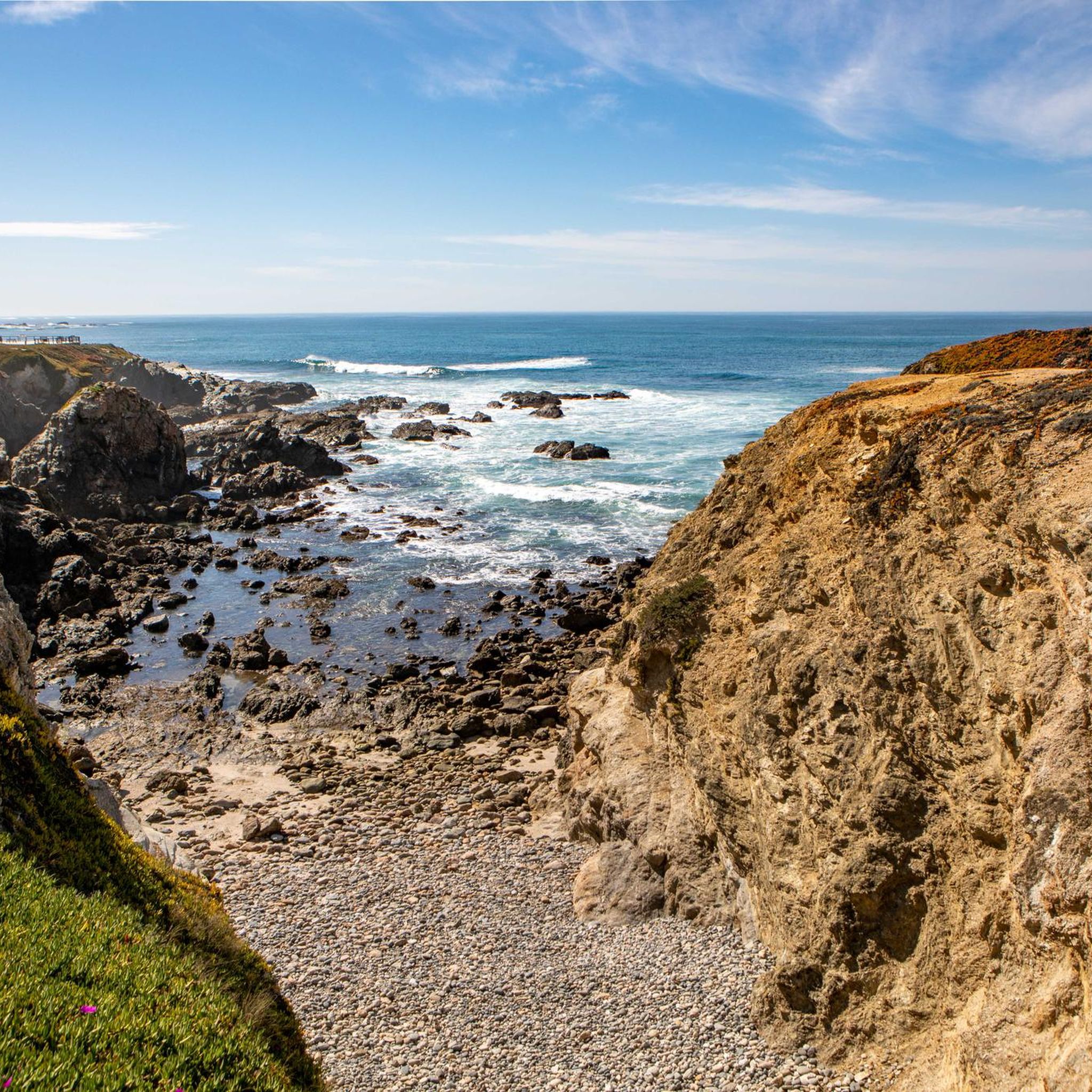
Samoqueira Beach is a sandy beach nestled among rocks and cliffs. Access is via a staircase carved into the rock. Caves, islets, natural pools, and a freshwater waterfall complete the captivating scenery. The coast offers good diving conditions. The beach has no supporting infrastructure. The average water temperature in summer is 17-18ºC.
4
1
Frequently Asked Questions
What unique natural features can I explore in Setúbal?
Setúbal boasts a diverse landscape, from the dramatic limestone cliffs and Mediterranean vegetation of the Arrábida Natural Park to the rich wetlands of the Sado Estuary Nature Reserve. You can discover pristine beaches like Engardaceira Beach and Pessegueiro Island Beach, explore ancient caves, and witness significant geological formations such as the dinosaur footprints at Pedra da Mua.
Are there family-friendly natural monuments in Setúbal?
Yes, several natural monuments in Setúbal are suitable for families. Beaches like Pessegueiro Island Beach, Praia Grande, Porto Covo, and São Torpes Beach offer amenities and calmer waters. The Sado Estuary also provides engaging activities like dolphin watching, which is popular with children.
What kind of wildlife can I encounter in Setúbal's natural monuments?
The Sado Estuary Nature Reserve is a prime location for wildlife observation, famously home to a unique resident population of bottlenose dolphins. It's also a haven for birdwatching, attracting over 250 avian species, including flamingos and storks. The marine park within Arrábida's clear waters teems with diverse underwater flora and fauna, perfect for snorkeling and diving.
Where can I find dinosaur footprints in Setúbal?
You can find visible fossilized dinosaur footprints at the Pedra da Mua Natural Monument, located on Cabo Espichel. These ancient tracks offer a unique glimpse into the region's prehistoric past.
What are the best natural monuments for hiking in Setúbal?
The Arrábida Natural Park offers numerous trails through its Mediterranean maquis and along dramatic cliffs. For specific hiking routes, you can explore options like the 'View of the Arrábida coast – Chã dos Navegantes Trail loop' or the 'View of the Arrábida Coast – View of the Tróia Peninsula loop'. Find more details on these and other trails in the Hiking in Setúbal guide.
Are there any easy hiking trails near Setúbal's natural monuments?
Yes, for easier walks, consider trails within the Sado Estuary or some coastal paths. The Easy hikes in Setúbal guide features routes like the 'Costa da Caparica Beach loop' which are generally less demanding.
What water activities are available around Setúbal's natural monuments?
The pristine waters of the Arrábida Natural Park are excellent for snorkeling, diving, kayaking, and coasteering. The Sado Estuary is perfect for boat cruises, especially for dolphin watching, and also offers opportunities for canoeing. Beaches like Pessegueiro Island Beach are also great for water sports like windsurfing.
What is the best time of year to visit Setúbal's natural monuments?
The spring (April-June) and autumn (September-October) months generally offer pleasant weather for exploring, with milder temperatures and fewer crowds. Summer (July-August) is ideal for beach activities and water sports, though it can be hotter and busier. Winter is suitable for birdwatching in the Sado Estuary.
Can I find historical sites within or near the natural monuments?
Yes, the region blends natural beauty with historical significance. Within the Arrábida Natural Park, you can find the 16th-century Convento da Arrábida and the Forte de Nossa Senhora da Arrábida. The Lapa de Santa Margarida Cave and Chapel is a 17th-century chapel hidden within a sea cave. The Sado Estuary also contains remnants of Roman fish-salting tanks in Tróia.
What are some notable viewpoints in Setúbal's natural monuments?
The Serra do Risco, the highest peak on the Portuguese mainland coast within Arrábida Natural Park, offers stunning panoramic ocean views. The scenic Estrada de Escarpa (N379) also provides breathtaking vistas along the mountain ridge. Additionally, the Sanctuary of Christ the King, though man-made, offers expansive views over the Tagus and Lisbon.
Are there opportunities for cycling or mountain biking near these natural monuments?
Yes, the region offers various cycling opportunities. The Atlantic Coastal Road provides scenic routes. For mountain biking enthusiasts, the MTB Trails in Setúbal guide lists routes like the 'View of Palmela Castle – Moinhos por Baixo Trail loop' that explore the diverse terrain.
What should I bring when visiting Setúbal's natural monuments?
Depending on your activity, essentials include comfortable walking shoes, water, sun protection (hat, sunscreen), and appropriate clothing layers. If you plan to hike, a map or GPS device is recommended. For beach visits, swimwear and towels are a must. Don't forget binoculars for birdwatching or wildlife spotting.
Most popular routes in Setúbal
Most popular attractions in Setúbal

Get inspired with the komoot mobile app


Didn’t find what you were looking for?
Find even more amazing natural monuments in Setúbal by checking out the top Highlights region by region:
Explore more
Extend your search for the best caves by checking out these guides of the top ones in Setúbal:
