Top 20 Caves in Silesian Voivodeship
Best caves in Silesian Voivodeship are situated within a varied landscape, including the geological formations of the Kraków-Częstochowa Upland and the mountainous areas of the Silesian Beskids. This region in southern Poland features both natural karst caves and historical mining adits. These sites offer insights into ancient human habitation, geological processes, and the area's industrial heritage. The subterranean attractions provide diverse exploration opportunities for visitors.
Best caves in Silesian Voivodeship
- The most popular caves include Okiennik Wielki, a natural monument featuring a large rock opening. Archaeological findings indicate prehistoric human habitation in a natural cave below the window, dating back approximately 60,000 years.
- Another must-see spot is Sylwester Shaft (Szyb Sylwester), a historical site and man-made monument. This underground attraction is part of the Black Trout Adit, where visitors can take a boat trip through a 600 m long underground passage, observing small stalactites and original adit sections.
- Visitors also love Zborów Mountain, a summit and natural monument known for its rock formations and nearby caves. The area offers a viewpoint with panoramas of surrounding forests and castles, and the accessible Głęboka Cave can be visited with a guide.
- Silesian Voivodeship is known for its natural karst caves, historical mining adits, and archaeological cave sites. The region offers a variety of subterranean experiences, from ancient human dwellings to industrial heritage tours.
- The caves in Silesian Voivodeship are appreciated by the komoot community, with more than 110 upvotes and over 75 photos shared across 26 highlights.
Last updated: October 10, 2026
Okiennik Wielki
Highlight • Natural Monument
According to historians, around the 12th – 13th centuries, at the foot of the rocks, there was a fortified town with a wooden structure; traces of the walls were still visible in the 19th century. The rock with the rock window was a keep, the walls were reinforced with a rampart. The entrance led through a natural chimney in the rock. There is a carved hole in the rock window, which was probably used to fasten the structure made of wooden logs that covers the rock window.
In a natural cave below the window, archaeologists have found flint tools dating back about 60,000 years, i.e. the Middle Palaeolithic. They testify that the cave was then inhabited by prehistoric people. Archaeologists included them in the Mikocko-Prądnik culture.
pl.wikipedia.org/wiki/Okiennik_Wielki
Translated by Google •
Tip by

Sylwester Shaft (Szyb Sylwester)
Highlight • Historical Site
The tourist route runs between the shafts "Ewa" (adit shaft no. 13 of the Deep Adit "Fryderyk"; depth 20 m) and "Sylwester" (adit shaft no. 17; depth 30 m). During the trip, which takes place by boat, you can observe the small stalactites that are being formed today and the original parts of the adit sidewalk carved in the dolomite rock.
Visiting the facility begins with going down the winding stairs to the underground marina located in the shafts "Ewa" or "Sylwester" (swing movement). Several dozen meters underground, tourists get into a boat and, under the light of lamps, swim a distance of 600 m - until 2018 the longest underground boat flow in Poland. The guide, pushing the boats away from the side walls, tells about the history of mining in Tarnowskie Góry. Due to the variable terrain profile, the adit is situated at a depth of 20–30 m. The width of the adit ranges from 1.2 to 2.5 m, its height is up to 4 m, and the water depth is from 0.7 to 1 m.
pl.wikipedia.org/wiki/Sztolnia_Czarnego_Pstr%C4%85ga
sztolniapstraga.pl
Translated by Google •
Tip by

Sign up now to discover places like this
Get recommendations on the best single tracks, peaks, & plenty of other exciting outdoor places.
Ewa Shaft (Szyb Ewa) – Black Trout Adit Entrance
Highlight • Historical Site
The tourist route runs between the shafts "Ewa" (adit shaft no. 13 of the Deep Adit "Fryderyk"; depth 20 m) and "Sylwester" (adit shaft no. 17; depth 30 m). During the trip, which takes place by boat, you can observe the small stalactites that are being formed today and the original parts of the adit sidewalk carved in the dolomite rock.
Visiting the facility begins with going down the winding stairs to the underground marina located in the shafts "Ewa" or "Sylwester" (swing movement). Several dozen meters underground, tourists get into a boat and, under the light of lamps, swim a distance of 600 m - until 2018 the longest underground boat flow in Poland. The guide, pushing the boats away from the side walls, tells about the history of mining in Tarnowskie Góry. Due to the variable terrain profile, the adit is situated at a depth of 20–30 m. The width of the adit ranges from 1.2 to 2.5 m, its height is up to 4 m, and the water depth is from 0.7 to 1 m.
pl.wikipedia.org/wiki/Sztolnia_Czarnego_Pstr%C4%85ga
sztolniapstraga.pl
Translated by Google •
Tip by
Queen Louise Adit
Highlight • Historical Site
Underground tourist routes are the greatest treasure of the Adit. It is a real journey through time
and space. Due to the richness and diversity of mining pits, and thus depending on the selected variant, a tourist may:
- meet the inhabitants of the underground, they are said to be quite friendly, but those who do not check by themselves will not find out,
- visit the largest underground park of large-scale mining machines in Europe, they still work and can make a lot of noise!
- go on a journey with the Karlik mining railway,
- traverse a coal seam with a thickness of more than 6 meters,
and also have a unique opportunity to take advantage of a one-of-a-kind attractions - underground rafting, the longest section of the adit in Europe, waiting on the Underground Water Route.
One of the most recognizable buildings in the above-ground part of the complex is the building of the former Łaźnia Lancuszkowa. In the Carnall area there are also other historic buildings of the former Queen Louise mine. From September 2020, one of them has a real gem of technology - an active, historic steam engine from 1915. It is one of the few in the world still operating under steam.
zabytkitechniki.pl/poi/1703/sztolnia-krolowa-luiza-strefa-carnall
sztolnialuiza.pl/index.php/pl
Translated by Google •
Tip by
Ostrężnicka Cave
Highlight • Cave
The cave has five entrances and is easy to explore. The total length of the cave is
98 meters.
Translated by Google •
Tip by

Ostrężnik Castle Ruins
Highlight • Castle
Showing Translation
Tip by

Zborów Mountain
Highlight • Summit
Translated by Google •
Tip by
Cave under Sokola Góra (Zimna / Pochyła Cave)
Highlight • Cave
The entrance is below the Studnisko cave. The entire length of the cave about 70 meters and the deep 24 meters with easy climbing without a rope.
Translated by Google •
Tip by
Biśnik Cave
Highlight • Cave
Tip by

Bear Grotto
Highlight • Cave
Translated by Google •
Tip by

Sign up for free to discover even more caves in Silesian Voivodeship.
Already have an account?
Start today with a free account
Your next adventure awaits.
Popular around Silesian Voivodeship
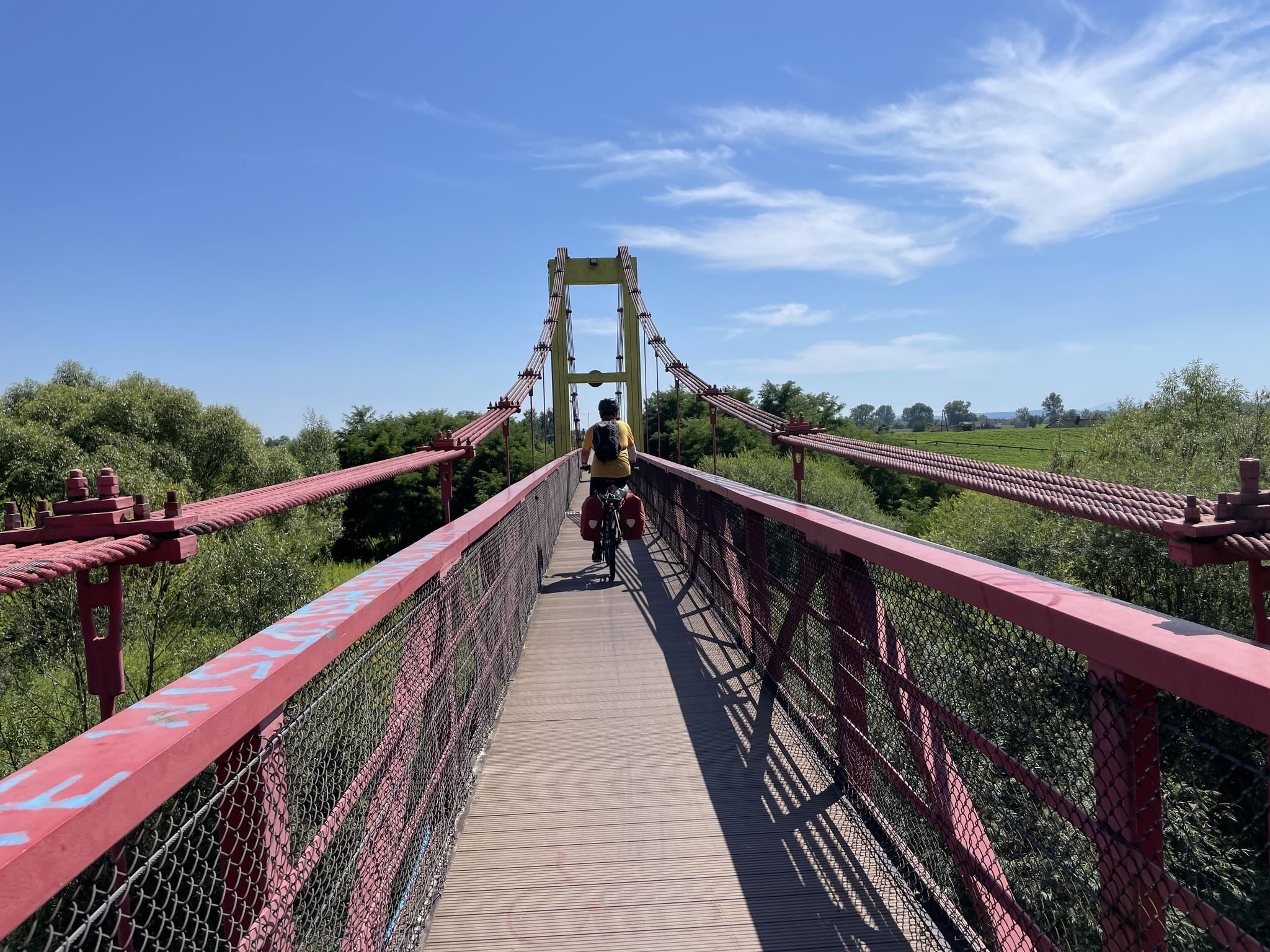
EuroVelo 4 (section in Poland) – Wonderful Vistula river vibes and historic Polish cities
Bike Pilgrimage on the Royal Route – St. James' Way via Regia
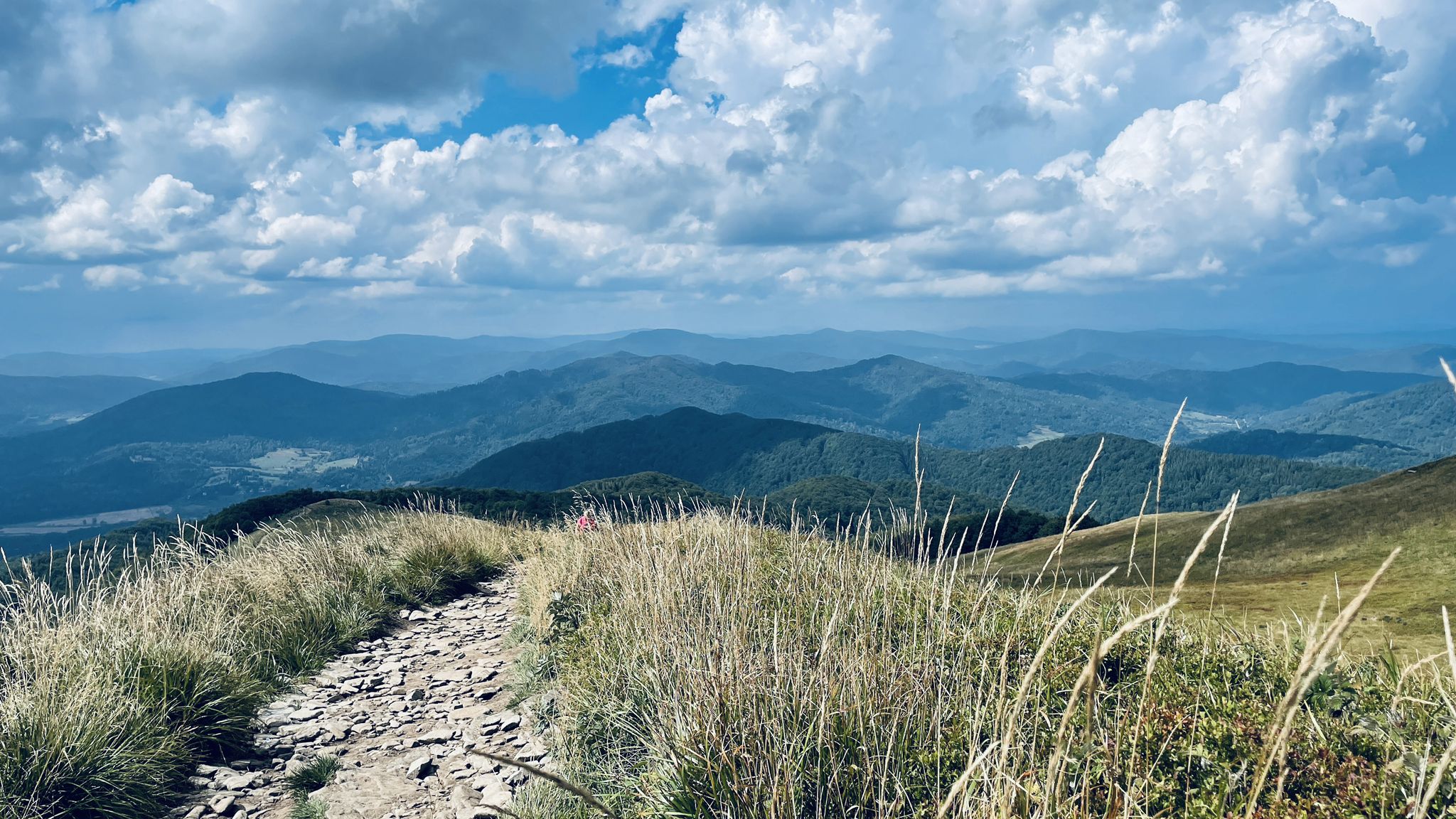
Main Beskids Trail — the longest Polish Mountain Trail
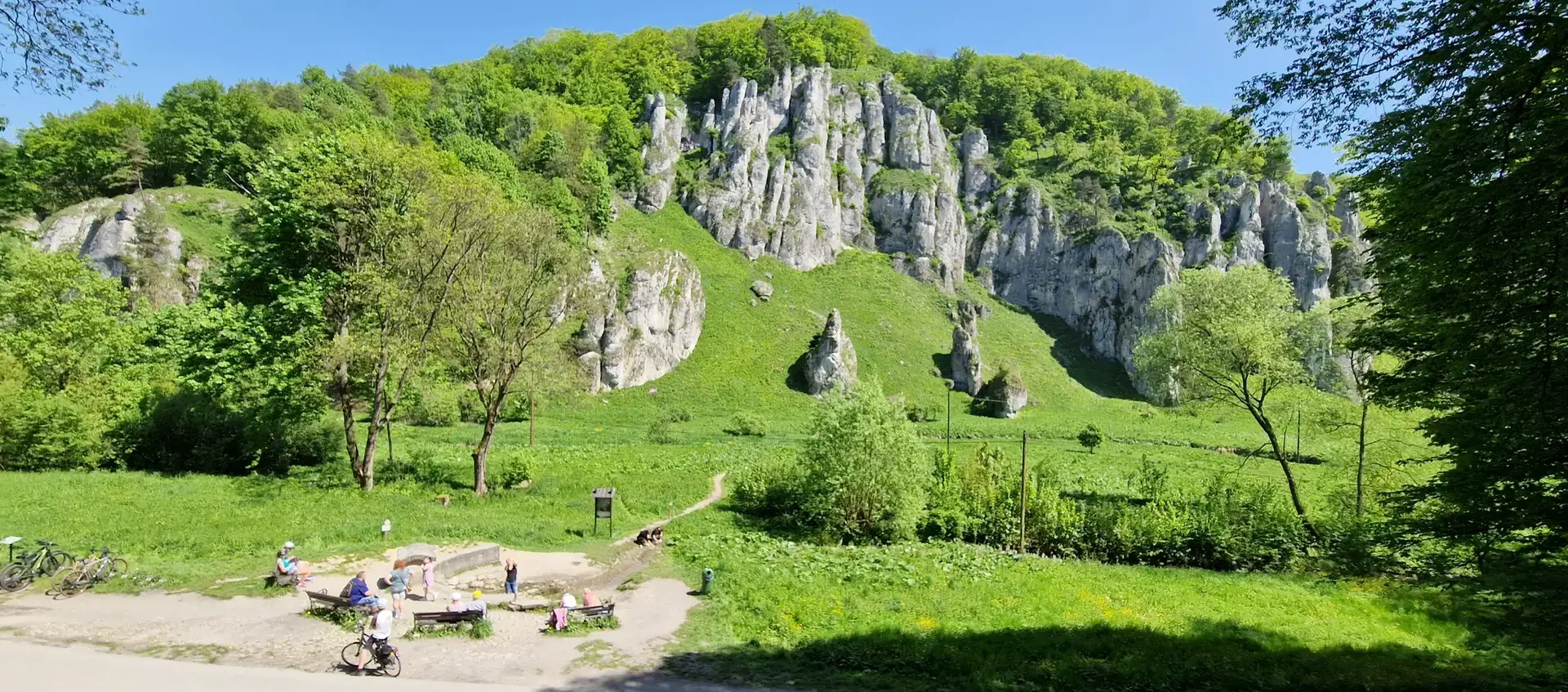
Trail of the Eagle's Nests — Magnificent Castles of Kazimierz Wielki and beautiful Grottos and Rocks
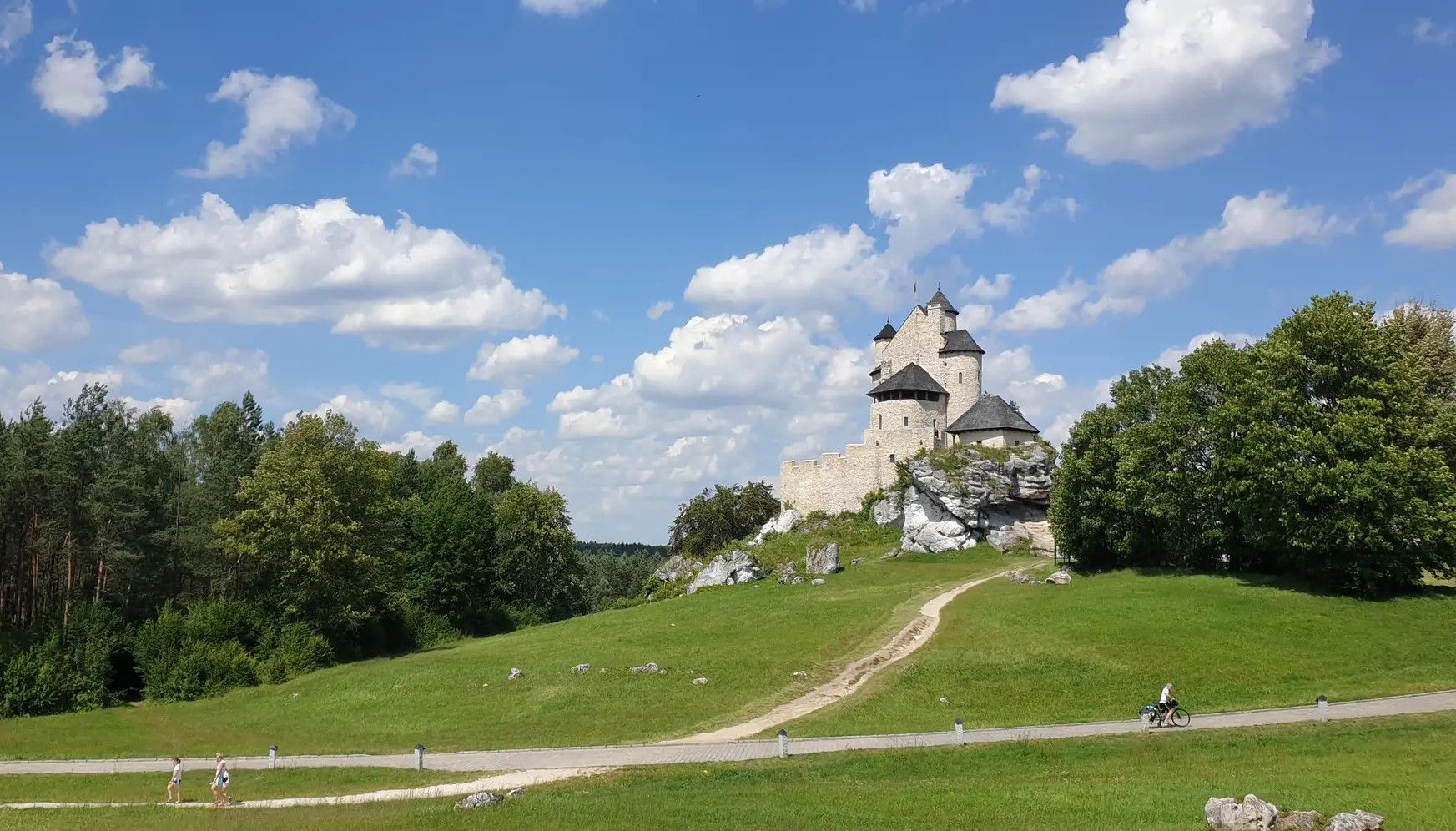
The Eagle's Nests Trail – Gravel Treasure of the Polish Jurassic Highlands

From Warsaw to Berlin — in the footsteps of the Peace Race part 1
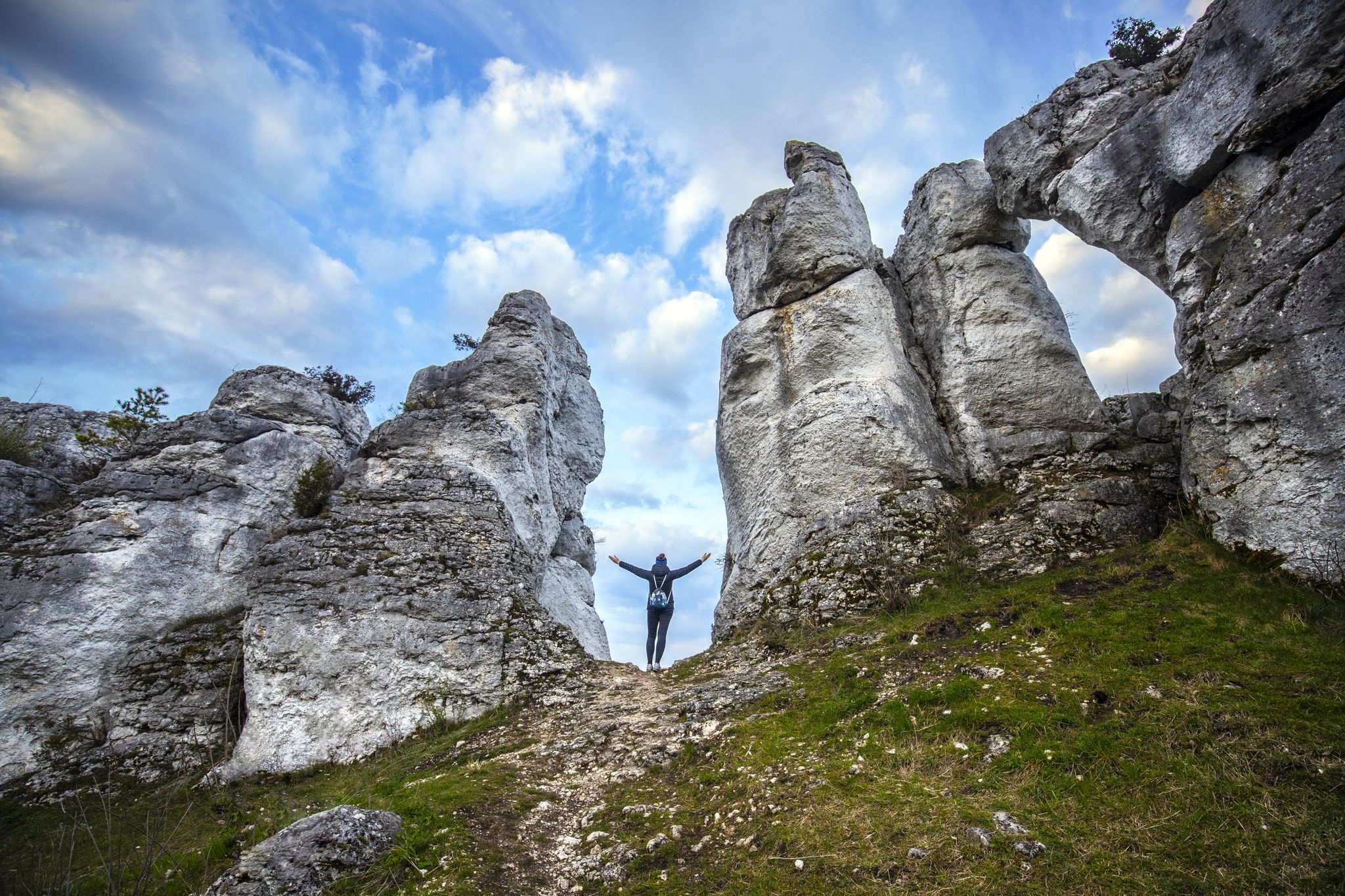
Outdoor Poland 4 – Upper Silesia long-distance hikes
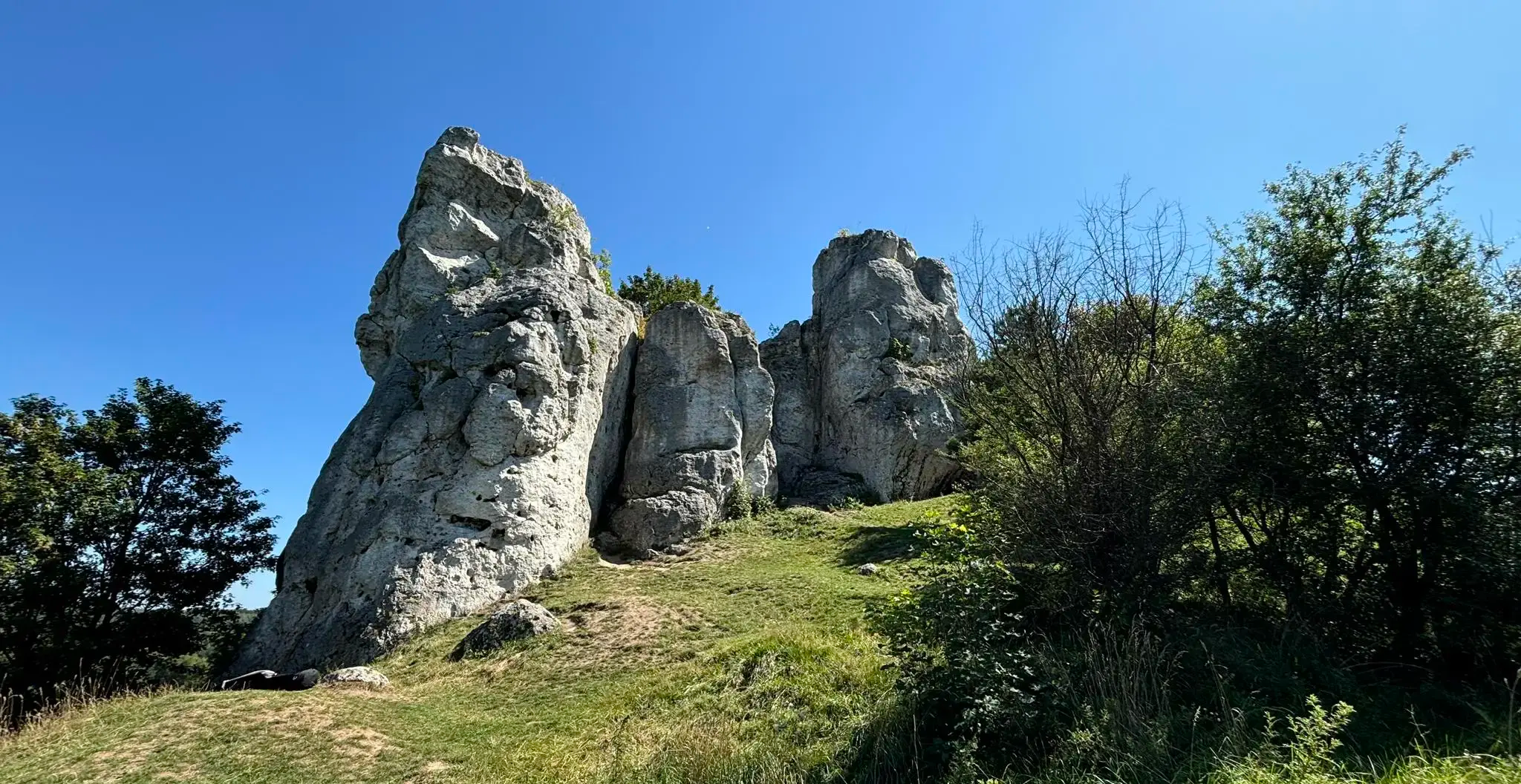
Picturesque Jura with a hint of adrenaline - Jurassic Fortresses Trail

Diverse Poland — explore five regions by mountain bike
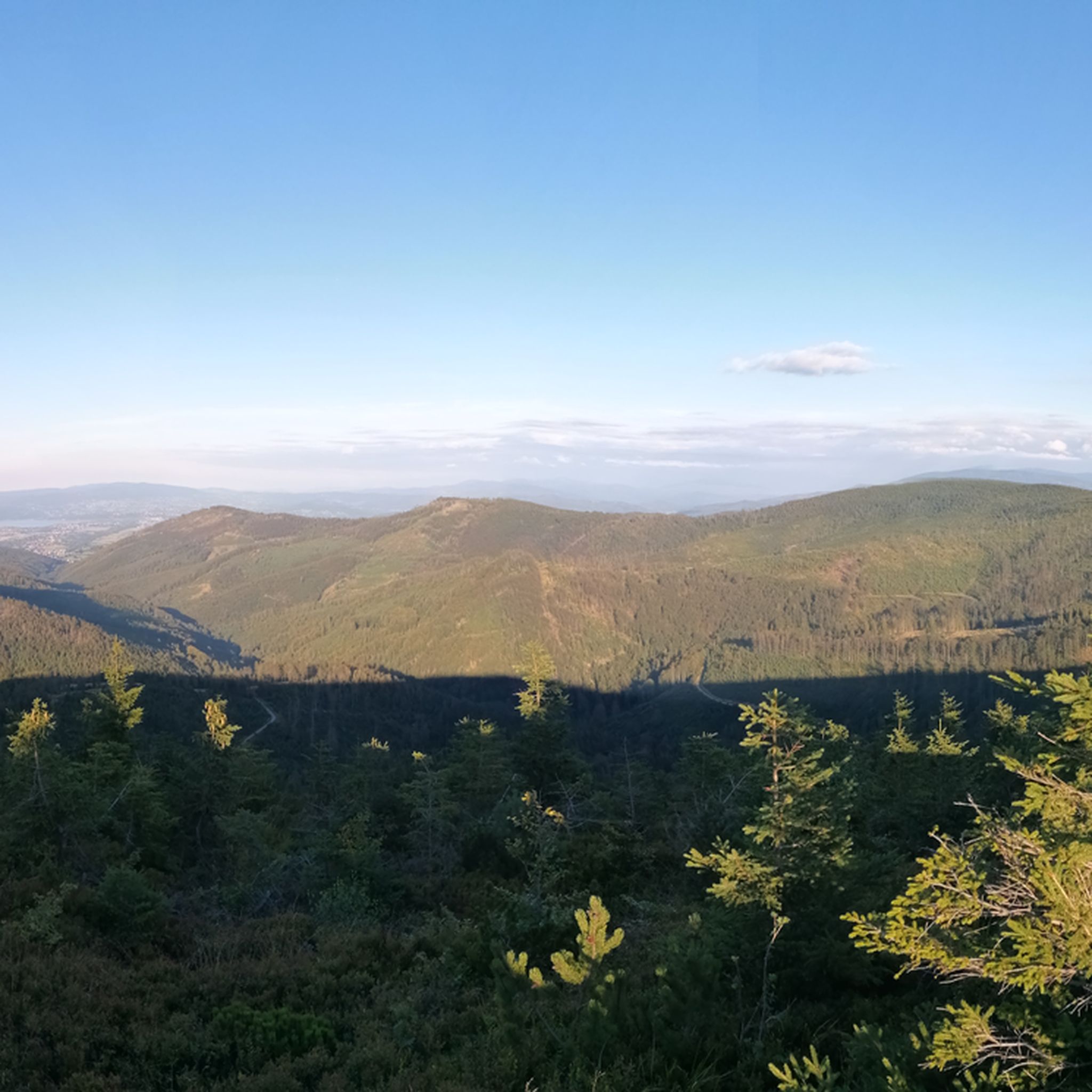
Hiking in Silesian Voivodeship
Other adventures in Silesian Voivodeship


Tips from the Community


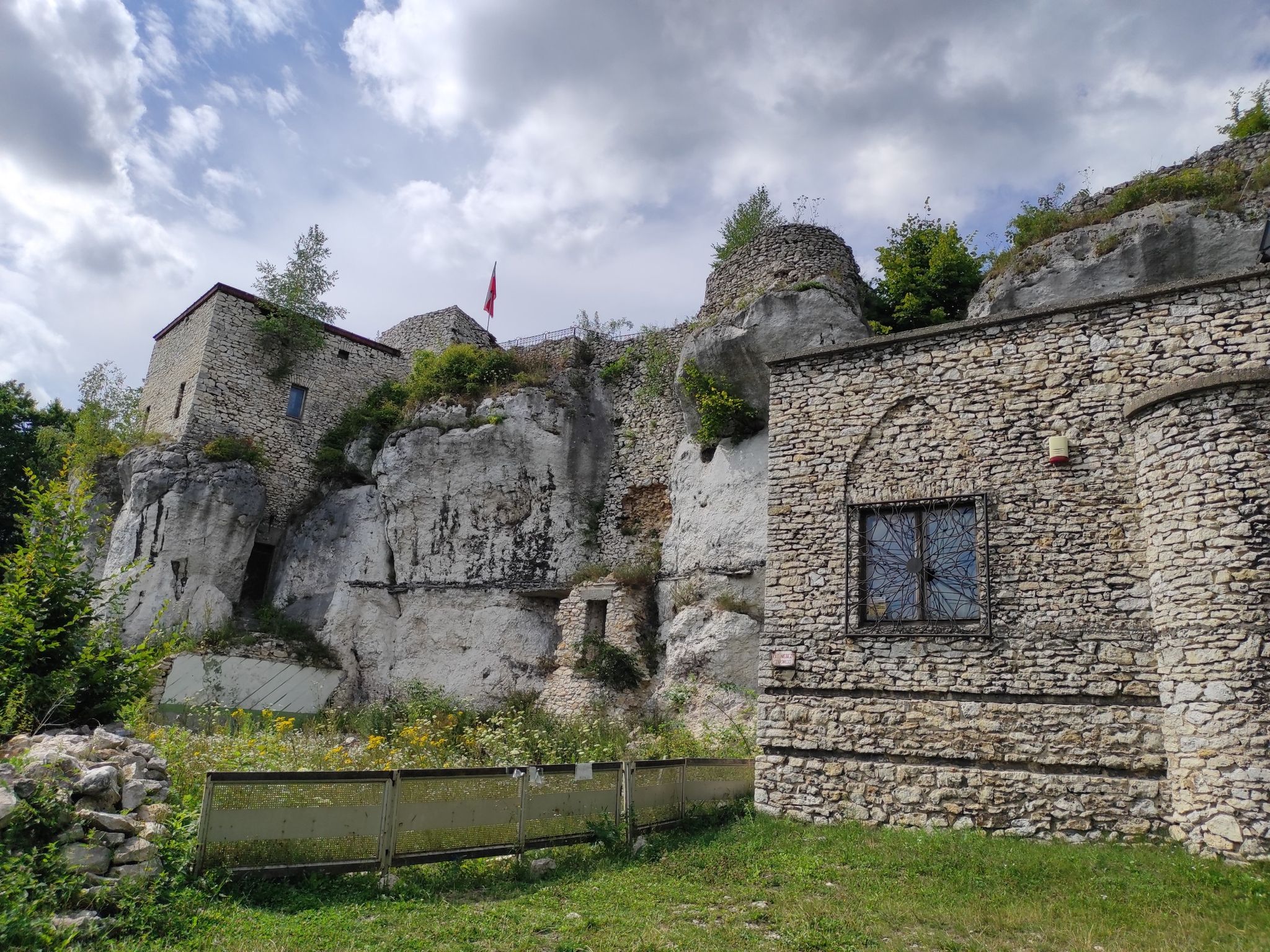
The Ostrężnik Castle was completely destroyed, and more precise information about it is missing. The castle is located in the forest on a hill and borders a rock, with which it was connected by passages. The mysterious and rather gloomy ruin of the fortress, probably dating from the 14th century, is one of the least known defensive structures of the Kraków-Częstochowa Upland. The outlines of the walls are preserved in very poor condition. The layout of the castle, divided into upper, lower, and outer bailey, is also barely recognizable today.
3
0

wonderful place, I highly recommend it
0
0

This is the cave in Ostreznik (Jaskinia Ostrężnicka): The cave has six entrances and is 98 meters long.
1
0

The adit is open to visitors. A big attraction is the underground boat trip. It is worth combining the visit with the nearby "Guido" mine.
0
0

Góra Zborów is one of the most picturesque places in the Kraków-Częstochowa Upland. It is a limestone hill 462 m above sea level, known for its unusual rock formations that attract climbers and hiking enthusiasts. At the top there is a viewpoint from which there is a panorama of the surrounding forests and castles of the Trail of the Eagles' Nests. Nearby you can visit the Głęboka Cave, accessible with a guide. It is worth wearing comfortable shoes, because the terrain is rocky and steep in places.
1
0
Bear's Grotto is a cave located in the Park Reserve, near Złoty Potok in the Kraków-Częstochowa Upland. It is about 70 meters long and consists of a large chamber with three corridors leading off. The cave was created as a result of karst processes, i.e. the dissolution of limestone by water. In the past, it served as a shelter for primeval people, and during archaeological research, bones of a mammoth, woolly rhinoceros and a cave bear were discovered there. The cave is open to tourists; it is worth taking a flashlight with you to be able to explore its interior more thoroughly. There are hiking trails nearby, including the red Trail of the Eagles' Nests and a nature trail, which make it easier to reach this interesting place.
1
0
Frequently Asked Questions
What historical or archaeological significance do the caves in Silesian Voivodeship hold?
The region's caves are rich in history. Okiennik Wielki, for instance, has archaeological findings indicating prehistoric human habitation dating back approximately 60,000 years. Biśnik Cave is recognized as one of Poland's oldest sites of human habitation, with evidence of Neanderthals living there over 100,000 years ago. Malinowska Cave also served as a refuge for Hussites in the 15th century.
Are there any caves in the region that offer a glimpse into ancient human life?
Yes, Biśnik Cave in the Wodąca Valley is significant for its archaeological evidence of Neanderthal habitation over 100,000 years ago. While it can be admired from the outside, it's a compelling stop for those interested in prehistory. Bear Grotto near Złoty Potok also provided shelter to primeval humans, and archaeological excavations there have uncovered bones of mammoths, woolly rhinoceroses, and cave bears.
Which caves in Silesian Voivodeship are suitable for general tourists without specialized equipment?
Głęboka Cave, located in the Góra Zborów Nature Reserve, is open for tourist visits and offers a generally accessible experience with a guide. The Black Trout Adit, while not a natural cave, is also easily accessible and offers a unique underground boat trip.
Are there any caves for more adventurous or experienced cavers?
Malinowska Cave, located beneath the summit of Mount Malinów, became officially accessible to more active tourists after a safe descent system was installed in 2019. Visitors should wear suitable footwear and bring a headlamp due to its muddy, clayey terrain. Coral Cave, due to challenging conditions and the need to protect delicate formations, requires specialized equipment and speleological expertise, meaning it is not freely open to the public.
What should I wear or bring when visiting caves in Silesian Voivodeship?
For caves like Malinowska Cave, suitable footwear and a headlamp are essential due to muddy and clayey terrain. For Bear Grotto, bringing a flashlight is advised to explore its interior thoroughly. Generally, comfortable clothing and sturdy shoes are recommended for any cave exploration.
What unique geological formations can be found in the Silesian Voivodeship caves?
Coral Cave is named for its unique, coral-like dripstones that form on tree roots penetrating its interior. Bear Grotto features formations created by karst processes. Okiennik Wielki is a natural monument featuring a large rock opening, and Zborów Mountain is known for its rock formations and nearby caves.
Are there family-friendly cave attractions in Silesian Voivodeship?
Yes, the Queen Louise Adit is categorized as family-friendly. While Biśnik Cave is listed as family-friendly, it is sealed shut and can only be admired from the outside. The Black Trout Adit, with its underground boat trip, also offers an engaging experience for families.
What outdoor activities can I combine with a visit to the caves in Silesian Voivodeship?
The region offers diverse outdoor activities. You can explore mountain hikes, with routes like 'Skrzyczne Peak' or 'Klimczok' available. For cycling enthusiasts, there are gravel biking options such as the 'Leśno Rajza Trail' or 'Blue Rybnik Cycling Loop'. Mountain biking is also popular, with trails like 'HipHopa Flow Trail' and 'Rock N Rolla and Twister Trail'. You can find more details on these activities in the Mountain Hikes, Gravel Biking, and MTB Trails guides for Silesian Voivodeship.
Are there hiking trails near the caves in Silesian Voivodeship?
Yes, many caves are situated within scenic areas with hiking opportunities. Biśnik Cave is part of the 'Cavemen Trail' and can be admired during a walk through the picturesque Wodąca Valley. Zborów Mountain, home to Głęboka Cave, is known for its rock formations and attracts hiking enthusiasts. You can find various hiking routes in the Mountain Hikes in Silesian Voivodeship guide.
Can I experience something other than natural caves in Silesian Voivodeship?
Absolutely. The Black Trout Adit, part of the Industrial Monuments Route and a UNESCO World Heritage Site, offers a unique underground boat trip through a 600-meter passage, showcasing the region's mining heritage. You can enter via Sylwester Shaft or Ewa Shaft.
Is it possible to visit caves in Silesian Voivodeship using public transport?
While specific public transport routes to every cave can vary, key locations like Olsztyn (near Coral Cave) and Złoty Potok (near Bear Grotto) are generally accessible by public transport. It's advisable to check local bus or train schedules for the most up-to-date information when planning your trip.
Are permits required to visit any caves in the Silesian Voivodeship?
For publicly accessible caves like Głęboka Cave, a guide is required for entry, which implies a structured visit. For highly challenging caves like Coral Cave, exploration requires specialized equipment and speleological expertise, indicating that permits or guided expeditions are necessary due to its restricted access.
What is the best time of year to visit the caves in Silesian Voivodeship?
The best time to visit generally depends on the specific cave and your preferences. Many caves maintain a relatively constant temperature year-round, making them suitable for exploration in various seasons. However, for caves that require hiking to reach or are part of outdoor reserves, spring and autumn offer pleasant weather conditions. Always check specific opening hours and accessibility, as some may have seasonal closures or limited access during winter.
Most popular routes in Silesian Voivodeship
Most popular attractions in Silesian Voivodeship

Get inspired with the komoot mobile app


Didn’t find what you were looking for?
Discover more caves in Silesian Voivodeship region by region:
Explore more
Extend your search for the best caves by checking out these guides of the top ones in Silesian Voivodeship:
