Top 16 Caves around Much
Caves around Much offer diverse underground experiences in North Rhine-Westphalia. The region features a variety of geological formations, including natural caves and historical mining tunnels. Much serves as a starting point for exploring these subterranean landscapes, providing insights into the area's natural history and geological processes.
Best caves around Much
- The most popular caves is Aggertal Cave, Ründeroth, a cave that offers guided tours from April to November, providing insights into its origin and geology. This cave is 6…
Last updated: June 22, 2026
Aggertal Cave, Ründeroth
Highlight • Cave
Translated by Google •
Tip by

Windloch Cave Entrance
Highlight • Cave
Translated by Google •
Tip by

Sign up now to discover places like this
Get recommendations on the best single tracks, peaks, & plenty of other exciting outdoor places.
Sign up for free
Wiehl Dripstone Cave
Highlight • Cave
Translated by Google •
Tip by

Höhlenweg Information Board E (Walbach Bachschwinde)
Highlight • Rest Area
Translated by Google •
Tip by

Goldener Trog Mining Tunnel
Highlight • Historical Site
Translated by Google •
Tip by

Sign up for free to discover even more caves around Much.
Sign up for free
Already have an account?
Start today with a free account
Your next adventure awaits.
Login or Signup
Popular around Much
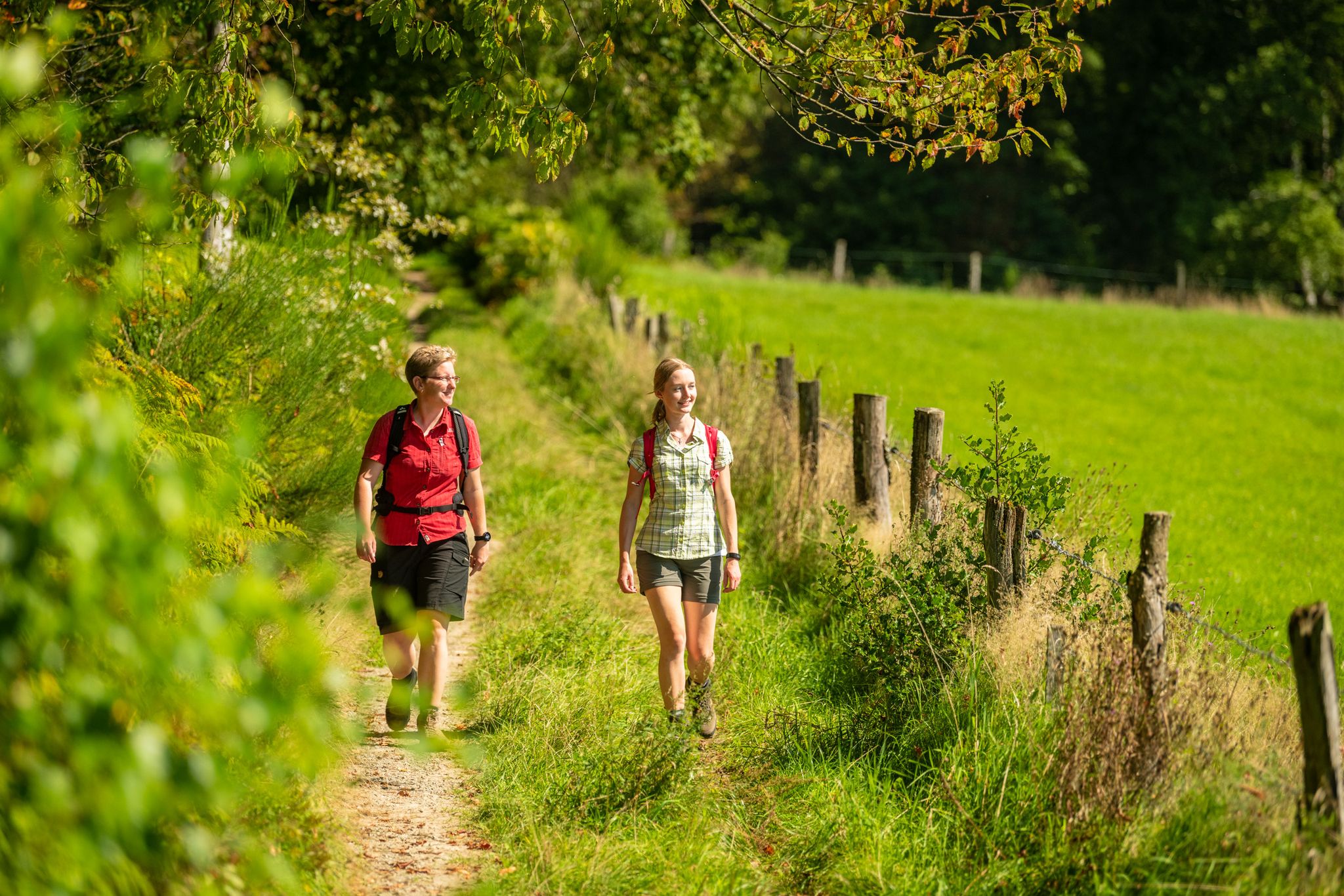
Bergische Rambles – themed and adventure trails in the Bergisches Land region
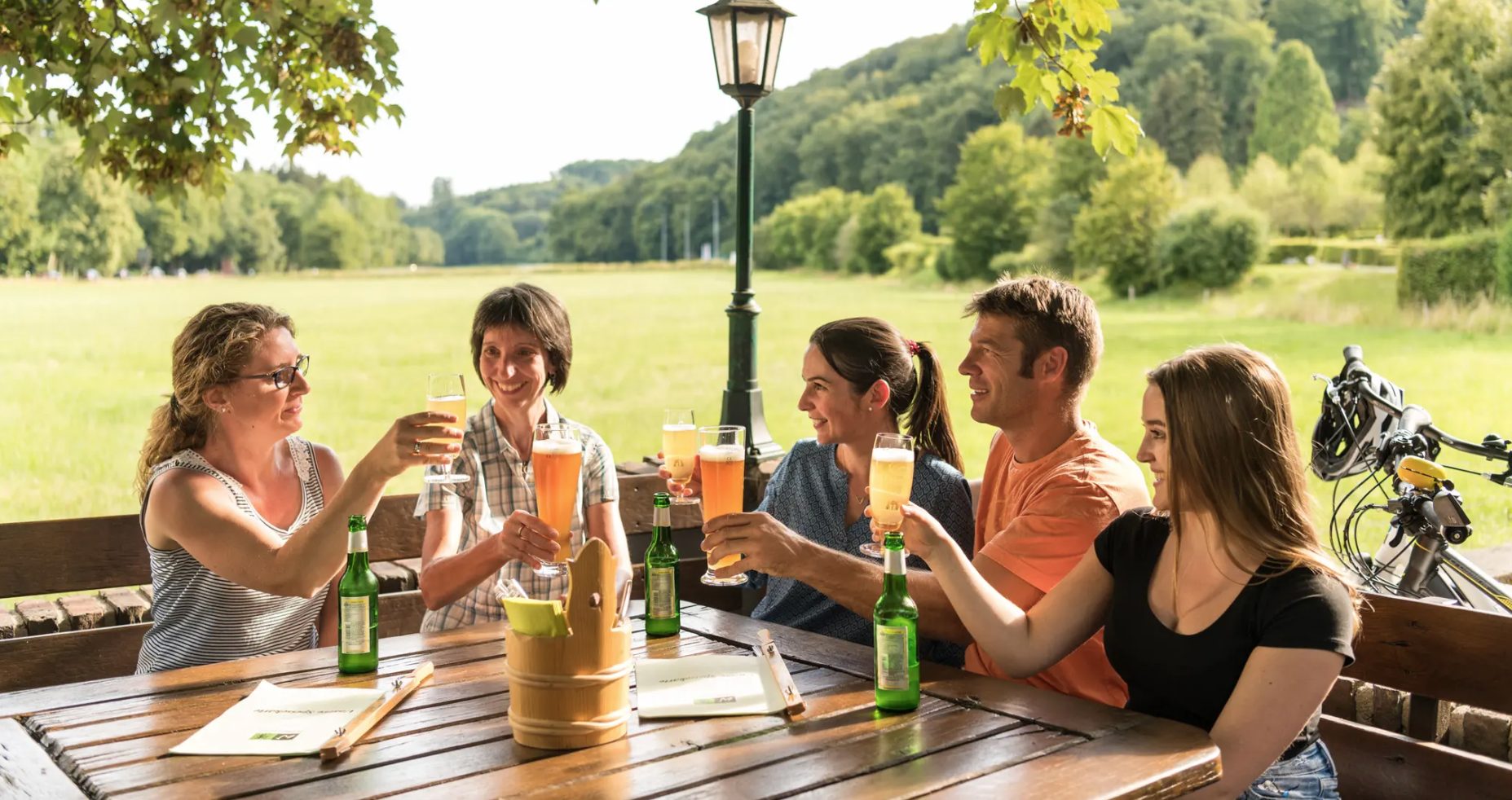
Hike and indulge in regional delights in Bergisches Land
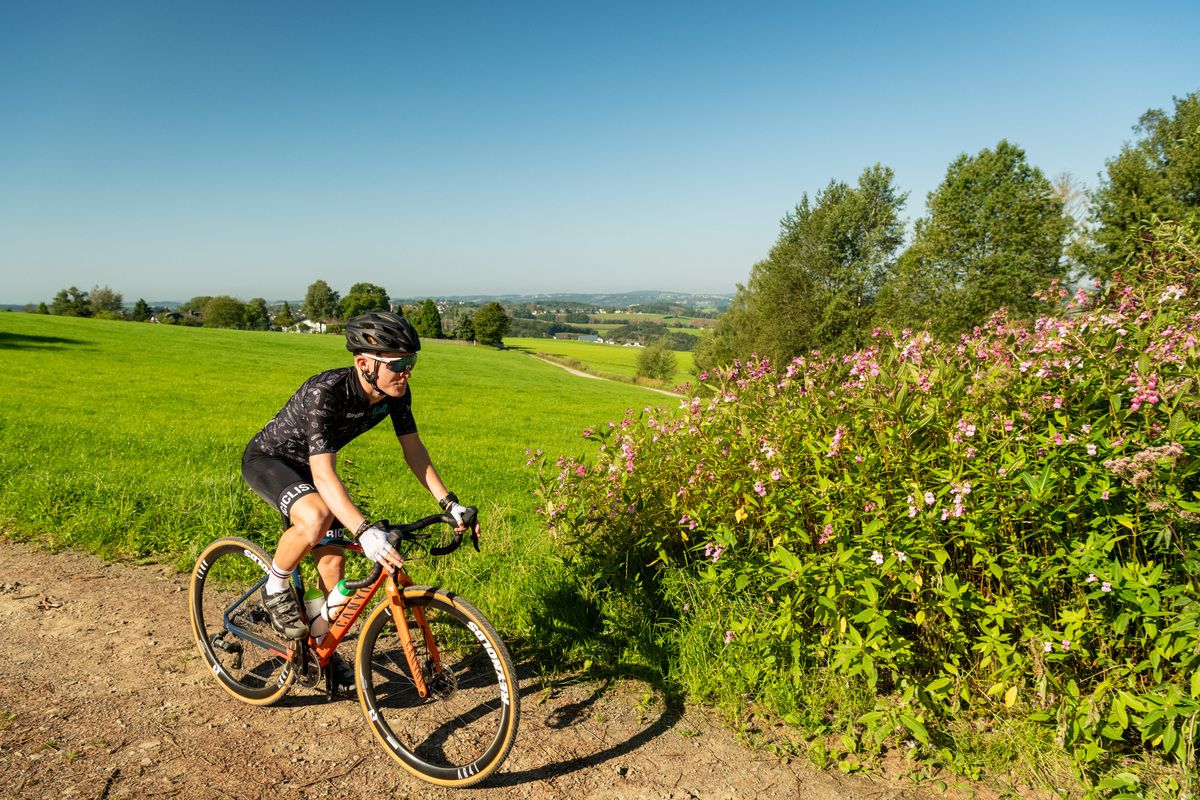
Forests, meadows and valleys — Gravel bike Tours in Bergisches Land
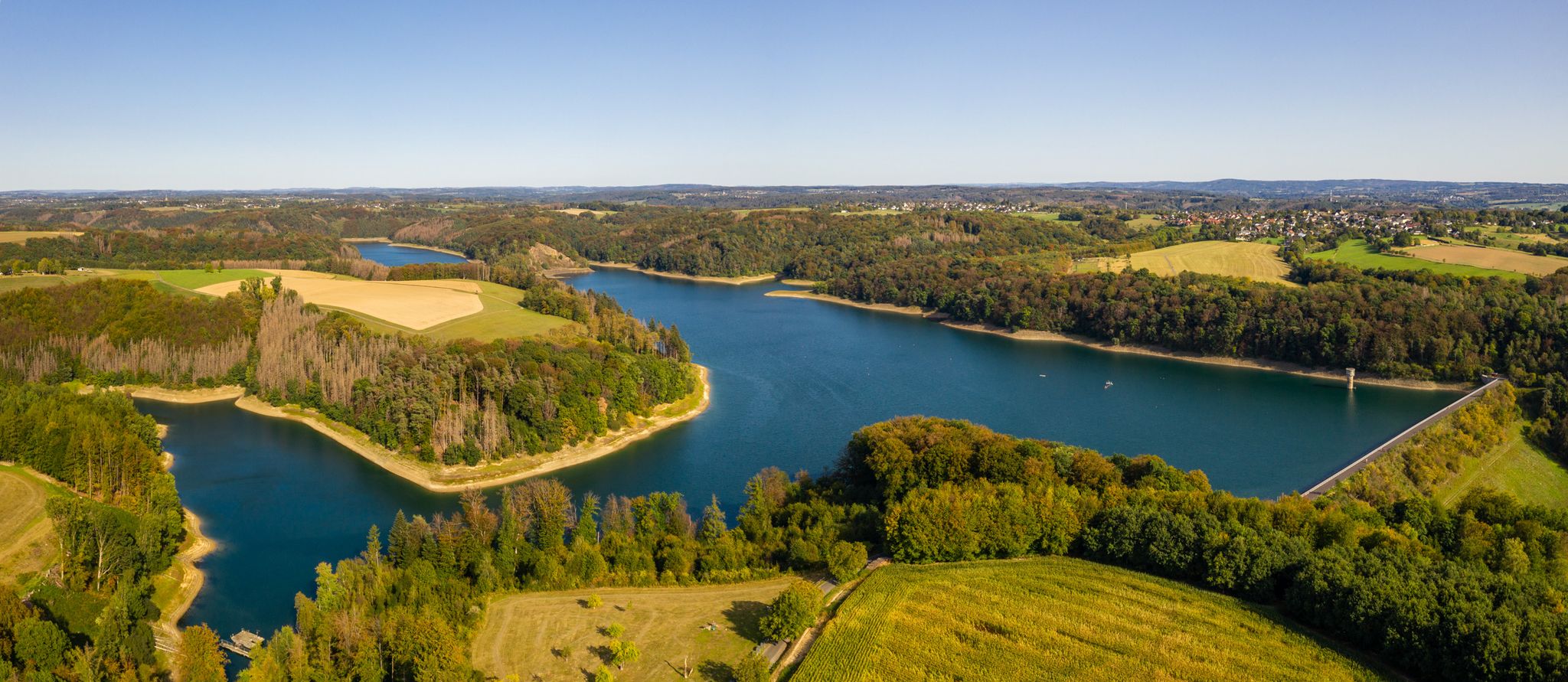
The Bergische Weg - Germany's most beautiful hiking trail 2024
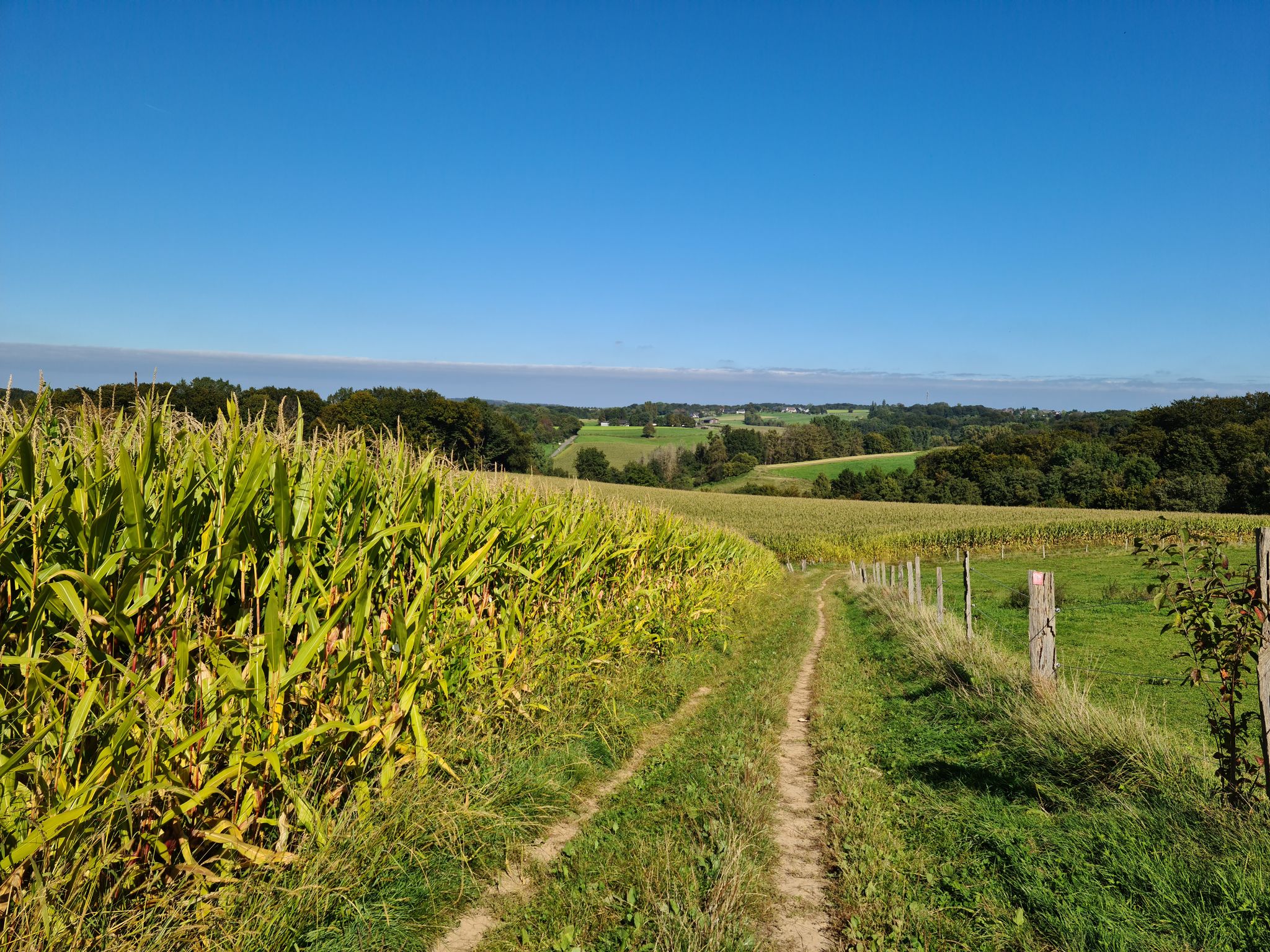
Rambles and hikes in Bergisches Land
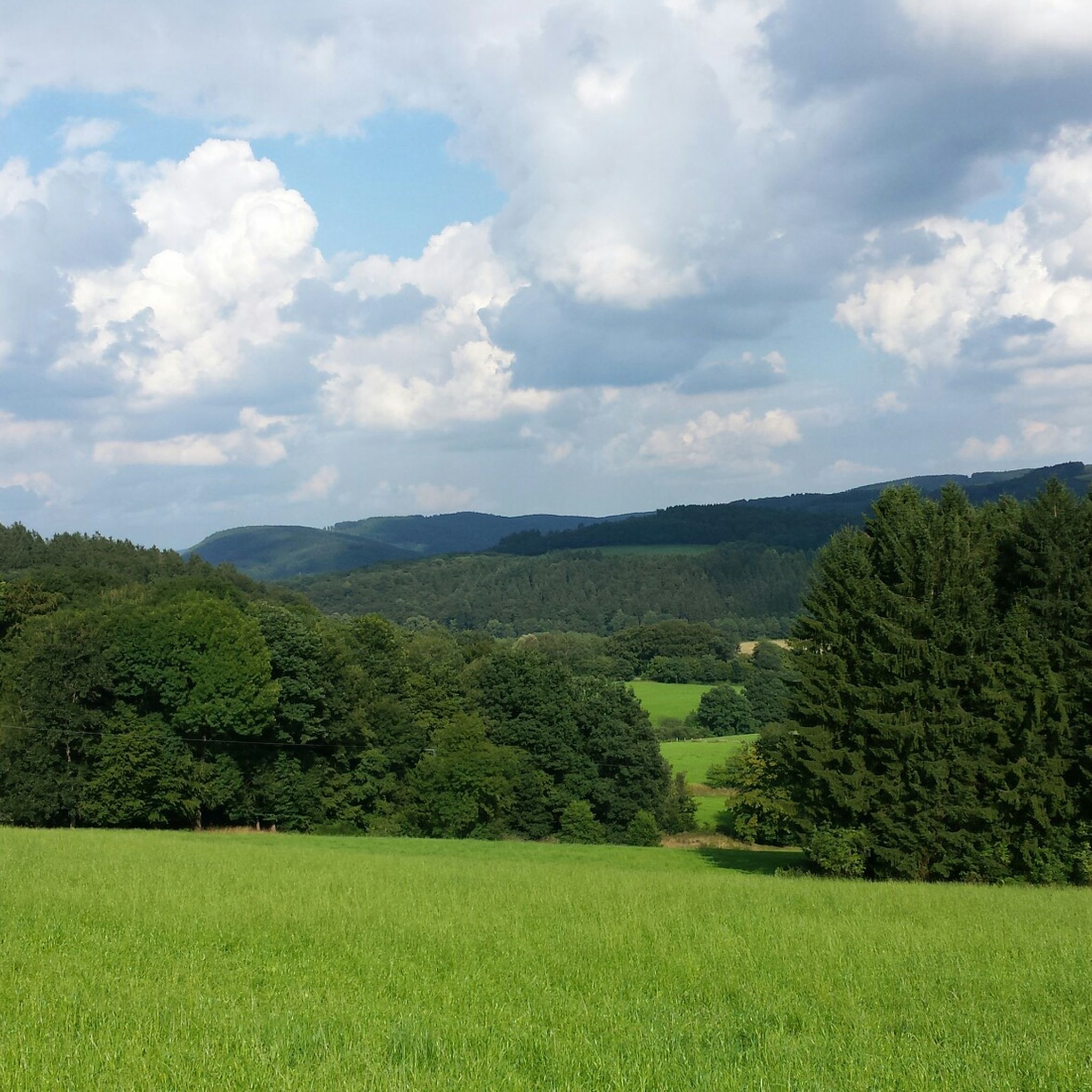
Hiking around Much
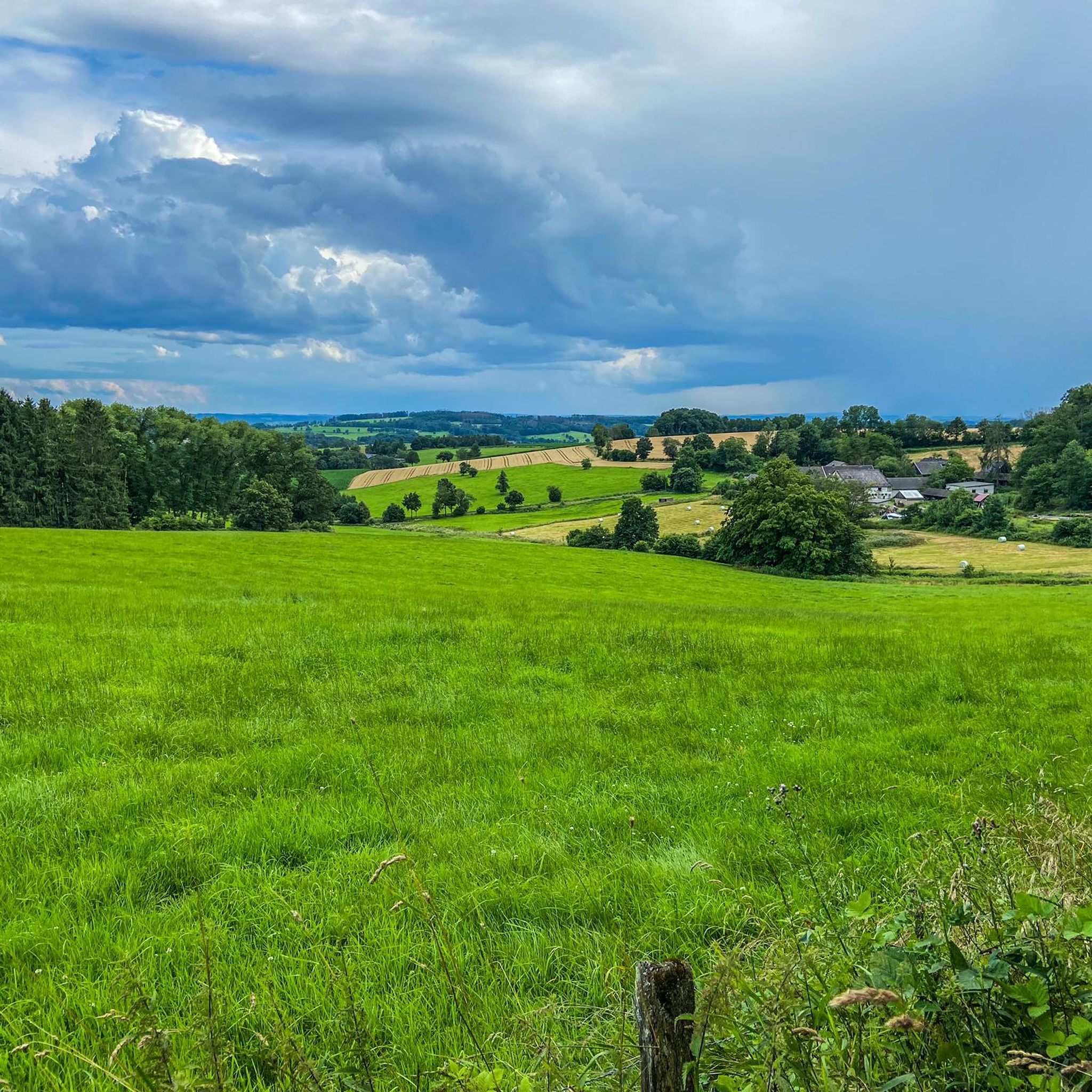
Cycling around Much
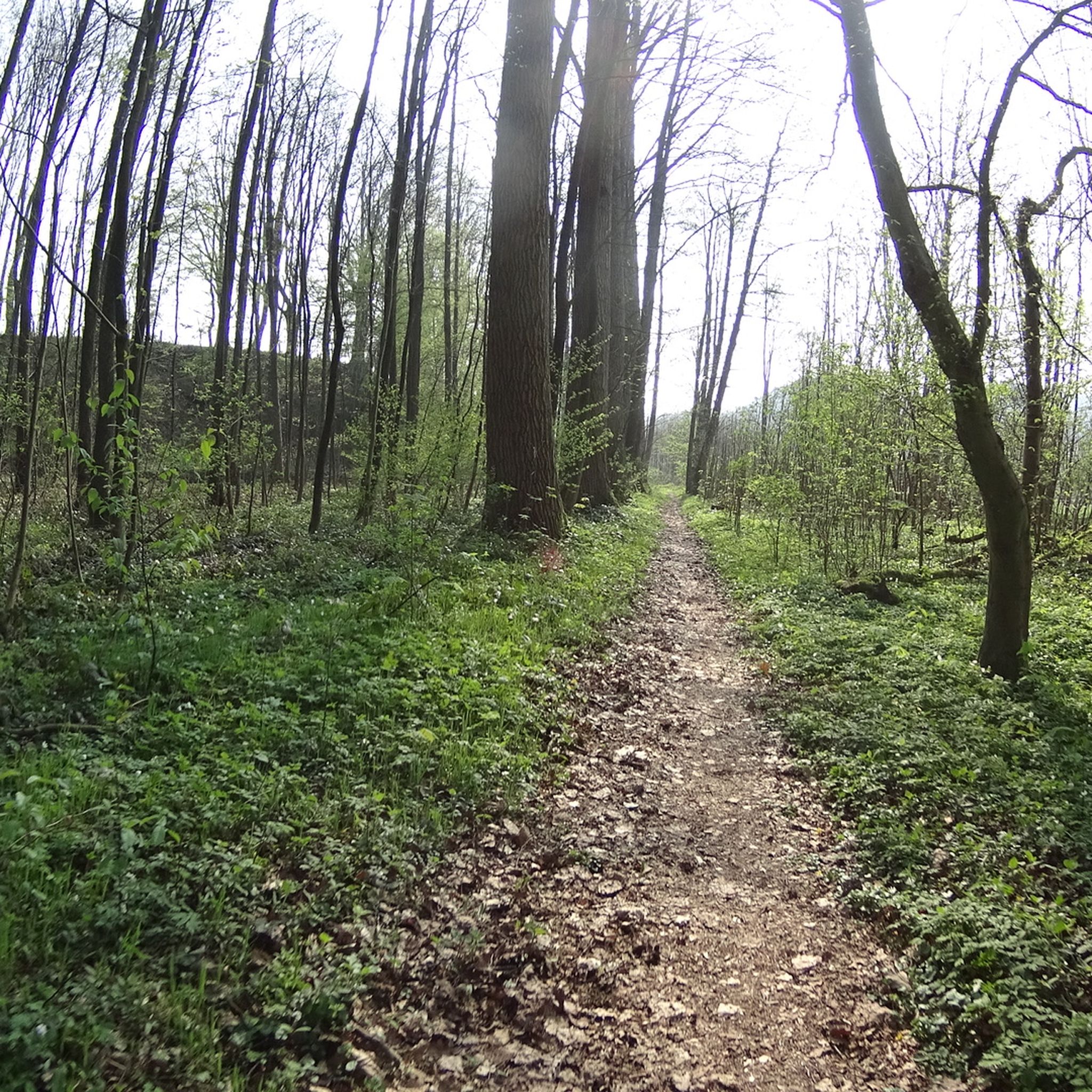
MTB Trails around Much
Gravel biking around Much
Running Trails around Much
Other adventures around Much


Tips from the Community

Unlike many other show caves in the area, photography is still allowed here.
0
0


This information board for the cave path is right next to the Walbach, which you follow for a short stretch here. Interesting facts about the "stream sinkhole" of the WALBACH: "The "Walbach", a small stream, flows 50 meters above the Aggertal floor. However, the stream does not usually find the usual route into the Agger. Shortly before the Aggertal cave, it "disappears" underground. Color samples showed that the Walbach continues to flow underground and flows into the Agger in the middle of the cottage gardens in Ründeroth. This stream sinkhole is a geological and hydrological peculiarity. Before the Second World War, there were plans to divert the Walbach at today's Haus Hohenfels residential and nursing home and to lead it down into the Agger as a waterfall from the Weinberg hill. However, the plan was rejected due to water law obstacles. The area around the stream sinkhole and the Aggertal cave are part of the "Altenberg and Aggertalhöhlen" nature reserve, which also includes the two wooded hilltops above it." (Heimat- und Verschönerungsverein von 1866 e. V. Ründeroth in cooperation with the Biological Station Oberberg, 2015. Created as part of the project “Hecke, Hohlweg, Heimat – Kulturlandschaftsvermittlung analogue und digital”. A project within the framework of the LVR Network Landschaftliche Kulturpflege.) https://www.kuladig.de/Objektansicht/KLD-245869
0
0

Worth seeing if you are in the region 🤙
0
0

The cave trail is one of the themed trails in the Bergisches Hiking Region. In 2019, after 20 years of searching, researchers found an entrance to a cave that they suspected was in Mühlenberg near Ründeroth. In this cave, called the "Windhole", they discovered a cave system of incredible dimensions, crystals, limestone formations and impressive cavities that no one had ever entered before. At more than 8,000 m, the "Windloch" is the largest cave in North Rhine-Westphalia and is therefore one of the top 10 in Germany. On this cave trail, foray no. 14, which opened in 2020, you can get to know the work of speleologists using the information boards and audio stations. The cave is not open to the public.
1
0
"A GUIDED TOUR THROUGH THE STAPLITE CAVE TO THE CRYSTAL GROTTE IS AN IMPRESSIVE EXPERIENCE. Just after entering the cave, you are 7 meters underground. The temperature here is only about 8 degrees Celsius all year round. You can admire the many slender stalactites hanging from the ceiling and the stalagmites that have grown thicker from the floor. The highlight of the tour is the crystal grotto, a former cave lake lined with calcite crystals. The cave also contains the deposits of a coral reef from the Devonian period. The Wiehl stalactite cave was discovered in 1860 by blasting in a limestone quarry. In 1927, it was opened to the public after extensive security measures. The Wiehl registry office offers a special highlight. You can get married in a grotto 30 meters underground let..." https://www.bergisches-wanderland.de/poi/tropfsteinhoehle-wiehl https://waldhotel-wiehl.de/tropfsteinhoehle/ https://www.wiehl.de/tourismus/sehenswuerdigkeiten/tropfsteinhoehle/
0
1

The entrance to the Windloch cave system on Herderstrasse in Ründeroth is quite unspectacular. It's hard to believe that a gigantic cave system extends 15 meters below the blue metal cover. The well-made, very vividly designed page https://denkmal.arctron.de/windloch/ allows interested people to explore the spectacular cave at least virtually in 3D.
3
0

Nice little hike, all around the cave theme.
2
0
Frequently Asked Questions
Are there family-friendly caves to explore near Much?
Yes, several caves in the wider region are suitable for families. The Aggertal Cave, Ründeroth, is listed as family-friendly and offers guided tours. The Wiehl Dripstone Cave also provides an informative and engaging experience for all ages. Additionally, the Windloch Cave Entrance is a family-friendly spot to learn about a significant cave discovery.
What kind of geological formations can I expect to see in the caves around Much?
The caves in the region showcase diverse geological features. You can find impressive stalactite and stalagmite formations, such as those in the Wiehl Dripstone Cave. The Aggertal Cave offers insights into its geological origins. Further afield, the Kluterthöhle boasts a well-preserved coral reef and numerous fossils, while the Atta Cave is renowned for its 'Cathedral of Stalactites'.
Are there any accessible caves for visitors with mobility needs?
The Aggertal Cave, Ründeroth, is wheelchair accessible, making it a good option for visitors with mobility needs. In the broader North Rhine-Westphalia region, the Atta Cave also offers an accessible stretch of its passages.
What is the best time of year to visit the caves near Much?
Many caves maintain a consistently cool temperature underground, making them a pleasant visit even during warmer months. For instance, the Aggertal Cave offers guided tours from April to November. It's always advisable to check specific opening times for individual caves, especially if visiting outside of peak season.
What should I wear when exploring caves in the region?
It is recommended to wear good shoes as the ground inside caves can be slippery. Additionally, bring a jacket or warm clothing, as temperatures underground are consistently cool, typically ranging from 6 to 8 degrees Celsius, as is the case in the Aggertal Cave.
Are there guided tours available for the caves?
Yes, guided tours are a common feature. The Aggertal Cave, Ründeroth, offers guided tours that explain its origin and geology. The Wiehl Dripstone Cave also provides informative tours through its passages. Further afield, both the Kluterthöhle and Atta Cave offer guided experiences.
What historical or archaeological significance do the caves in the wider region hold?
Some caves in the broader region have significant historical and archaeological value. The Balve Cave, for example, has yielded archaeological findings such as bones of humans and prehistoric animals dating back to the Upper Paleolithic period. The Sophienhöhle also shows evidence of prehistoric human use through pottery finds. The Goldener Trog Mining Tunnel near Wiehl Dripstone Cave is a historical site related to iron ore extraction.
Are there any unique natural features or wildlife to observe in the caves?
While direct wildlife observation might be limited, the caves offer unique natural features. The Kluterthöhle is notable for its wealth of fossils, including sponges, shells, and corals, and Europe's best-preserved coral reef. The Unicorn Cave in the Harz Mountains is known for its spectacular rock formations and historical findings of cave bear bones, once mistaken for unicorns. The Windloch Cave Entrance highlights the discovery of rare salt crystals and stalactite formations within its interior.
What outdoor activities can I do near the caves around Much?
The area around Much offers various outdoor activities. You can find excellent opportunities for gravel biking, with routes like the 'Meadows, forests, fields - panoramic tour'. There are also many options for cycling, including family-friendly tours. For those who prefer to explore on foot, mountain hikes are available, such as those in the Kupfersiefer Brook Valley.
Are there any less crowded caves to visit in the region?
While popular caves like Atta Cave can attract many visitors, exploring local highlights such as the Aggertal Cave, Ründeroth, or the Wiehl Dripstone Cave might offer a more intimate experience, especially during off-peak hours. The Windloch Cave Entrance is primarily an informational site about a newly discovered cave, offering a unique perspective without entering the cave itself.
How long does a typical cave tour last?
The duration of a cave tour can vary. For instance, the tour through the approximately 400-meter-long passages of the Wiehl Dripstone Cave takes around 45 minutes, allowing ample time for exploration and photography. Guided tours at the Aggertal Cave are also designed to be informative and engaging.
What makes the Kluterthöhle Cave unique?
The Kluterthöhle Cave in Ennepetal is a national natural monument known for its 380 corridors and a wealth of fossils, including sponges, shells, and corals, making it rare in Europe. It also features Europe's best-preserved coral reef and offers special 'off the beaten track' tours for adventurous visitors.
What is special about the Atta Cave?
The Atta Cave, located near Attendorn, is one of Germany's most famous caves, often called the 'Cathedral of Stalactites.' It features impressive stalactite and stalagmite formations within its winding passages. It also includes a 'health grotto' where the mineral-rich cave air is believed to benefit respiratory conditions.
Most popular routes around Much
Most popular attractions around Much

Get inspired with the komoot mobile app


Explore more
Extend your search for the best caves by checking out these guides of the top ones around Much:
