Attractions and Places To See around Mount Taylor - Top 15
Best attractions and places to see around Mount Taylor include a majestic dormant stratovolcano standing at 11,301 feet, the highest peak in the San Mateo Mountains within the Cibola National Forest. This region is recognized for its natural beauty, profound cultural significance to Native American tribes, and diverse recreational opportunities. The area features a volcanic field with geological formations and archaeological evidence of human presence dating back thousands of years.
Best attractions and places to see around Mount Taylor
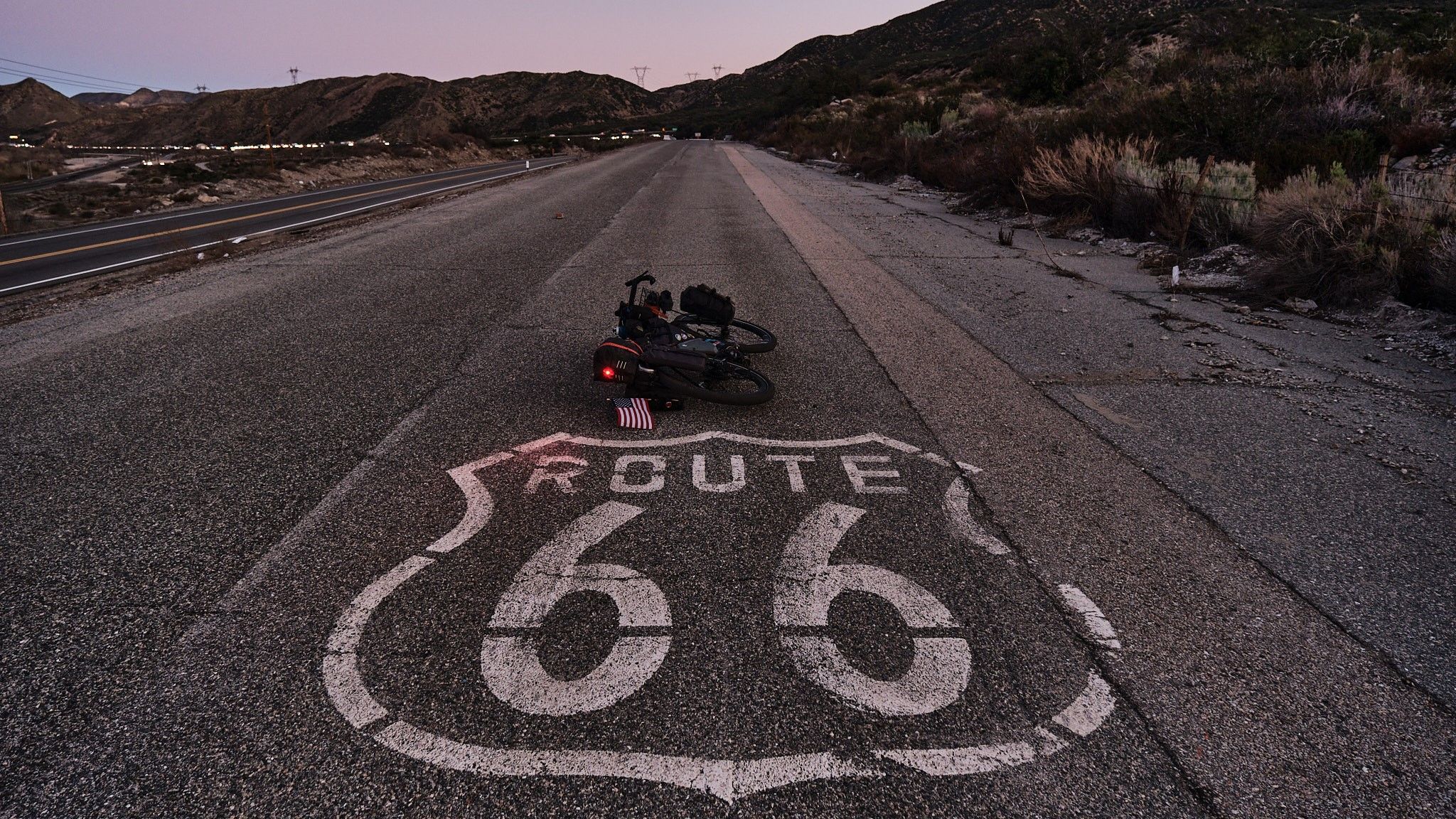
- The most popular attractions is Historic Route 66 - Neon Drive-Thru, Grants, a man-made monument that highlights the area's connection to the iconic route. This landmark is part of the tourism efforts in the former mining town of Grants.
- Another must-see spot is Historic Santa Teresa - Catholic Church, a religious building. Construction on the first church in Grants began in 1920 and was completed in 1923, dedicated to St. Teresa of Avila.
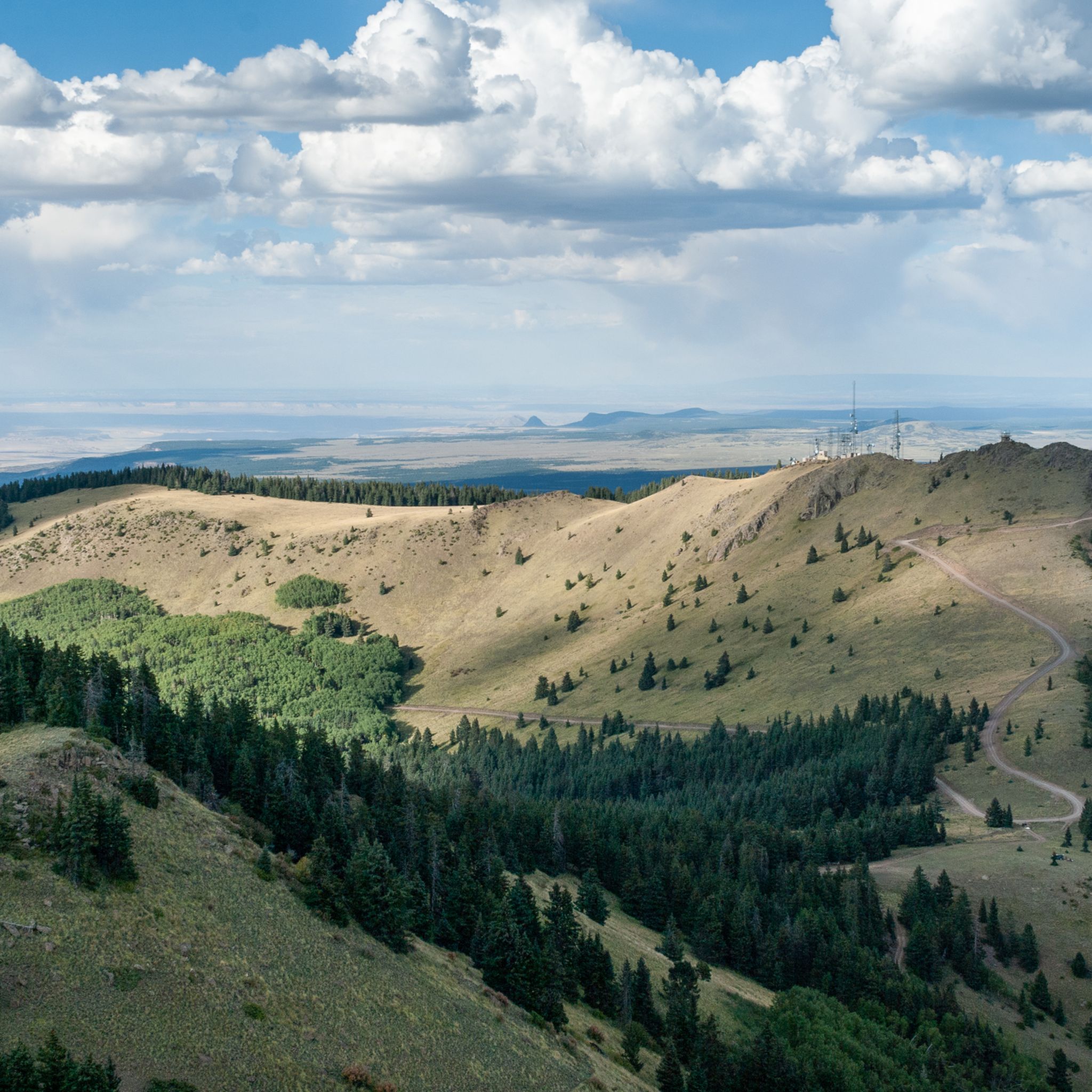
- Visitors also love Mount Taylor Summit, a summit. The peak of this dormant stratovolcano is the tallest mountain in Cibola National Forest and the San Mateo Mountains, offering panoramic views.
- Mount Taylor is known for natural monuments, historical sites, and settlements. Visitors can explore a variety of attractions, from geological formations and ancient ruins to cultural landmarks and gateway towns.
- The attractions around Mount Taylor are appreciated by the komoot community, with 4 highlights featuring photos and 1 highlight receiving upvotes.
Last updated: August 11, 2026
Historic Santa Teresa - Catholic Church
Highlight • Religious Site
Before 1920 there was no church in Grants and the people usually attended Mass in San Rafael where Padre Roberto lived. El Padre Roberto was assigned to San Fidel which served as the parish church for this whole area including Grants, San Rafael and San Mateo. He came to Grants once a month until 1933 when Mass began weekly in Grants. A large solid stone community center was built in 1951 on a large tract of land donated by the Gunderson’s located about from the old St. Teresa’s church. With the large influx of people during the uranium boom, a large church was needed to accommodate the increasing Catholic population.
In 1959 a new church and rectory were constructed at the corner of High and Smith Streets. cibolacatholiccommunity.com/st-teresa-of-avila
Tip by

Historic Route 66 - Neon Drive-Thru, Grants
Highlight • Monument
Tip by
Sign up now to discover places like this
Get recommendations on the best single tracks, peaks, & plenty of other exciting outdoor places.
Sign up for free
Grants Welcome Signs and Park
Highlight • Settlement
Translated by Google •
Tip by

Milan
Highlight • Settlement
After the decline of logging in the 1930s, the area gained fame as the "carrot capital" of the United States. Agriculture was aided by the creation of Bluewater Reservoir, and the region's volcanic soils provided ideal conditions for farming. Grants also benefited from its location on U.S. Route 66, which brought tourists and travelers and the businesses that catered to them.
The Grant brothers' camp was first called Grants Camp, then Grants Station, and finally Grants. The new city enveloped the existing colonial settlement of Los Alamitos and grew along the tracks of the Atlantic and Pacific Railroad.
The town prospered as a result of railroad logging in the nearby Zuni Mountains, and it served as a section point for the Atlantic and Pacific, which became part of the Atchison, Topeka, and Santa Fe railroad empire. villageofmilan.com
Tip by
Petroglyph Panel
Highlight • Historical Site
Tip by

Navajo Tower Ruins
Highlight • Historical Site
Tip by
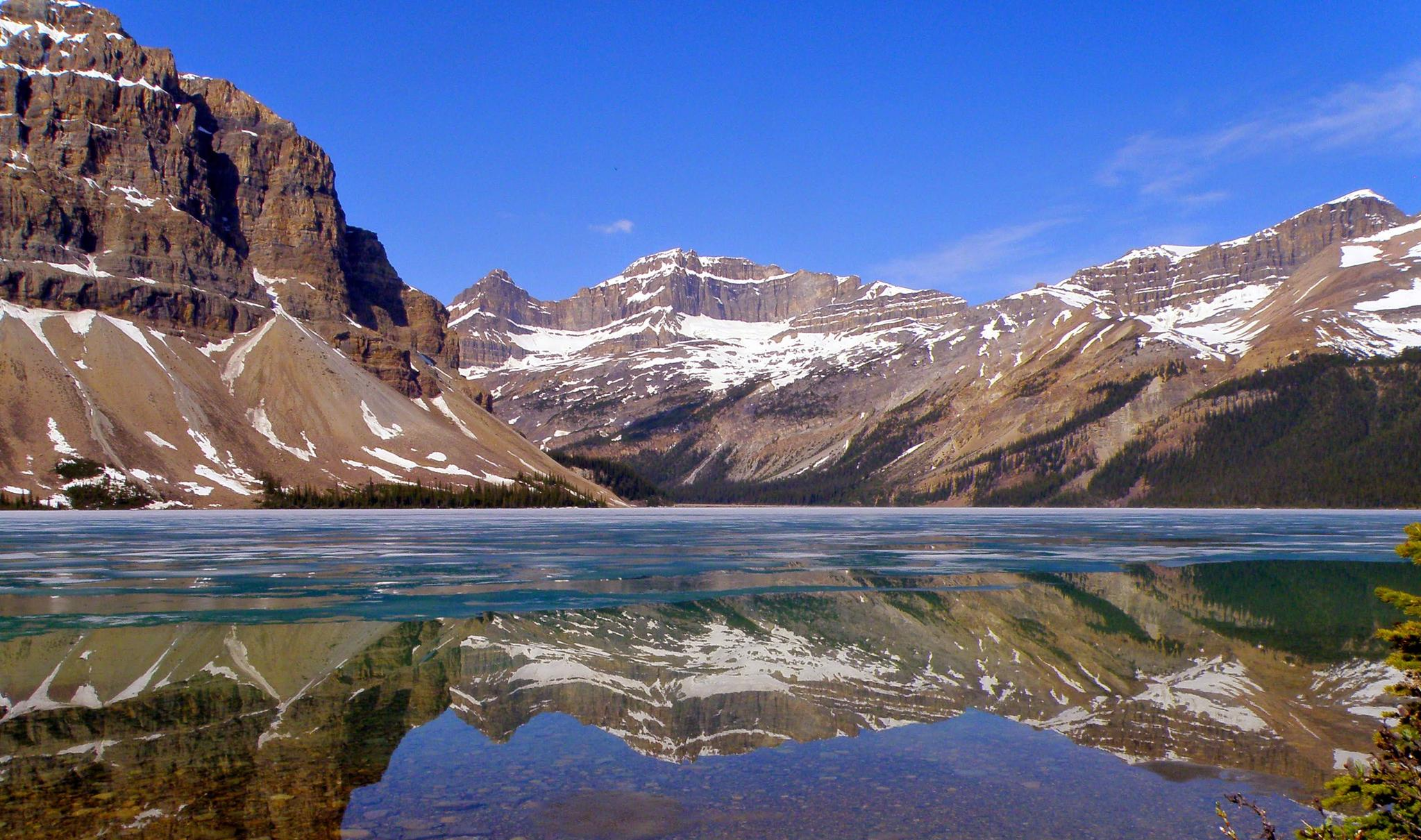
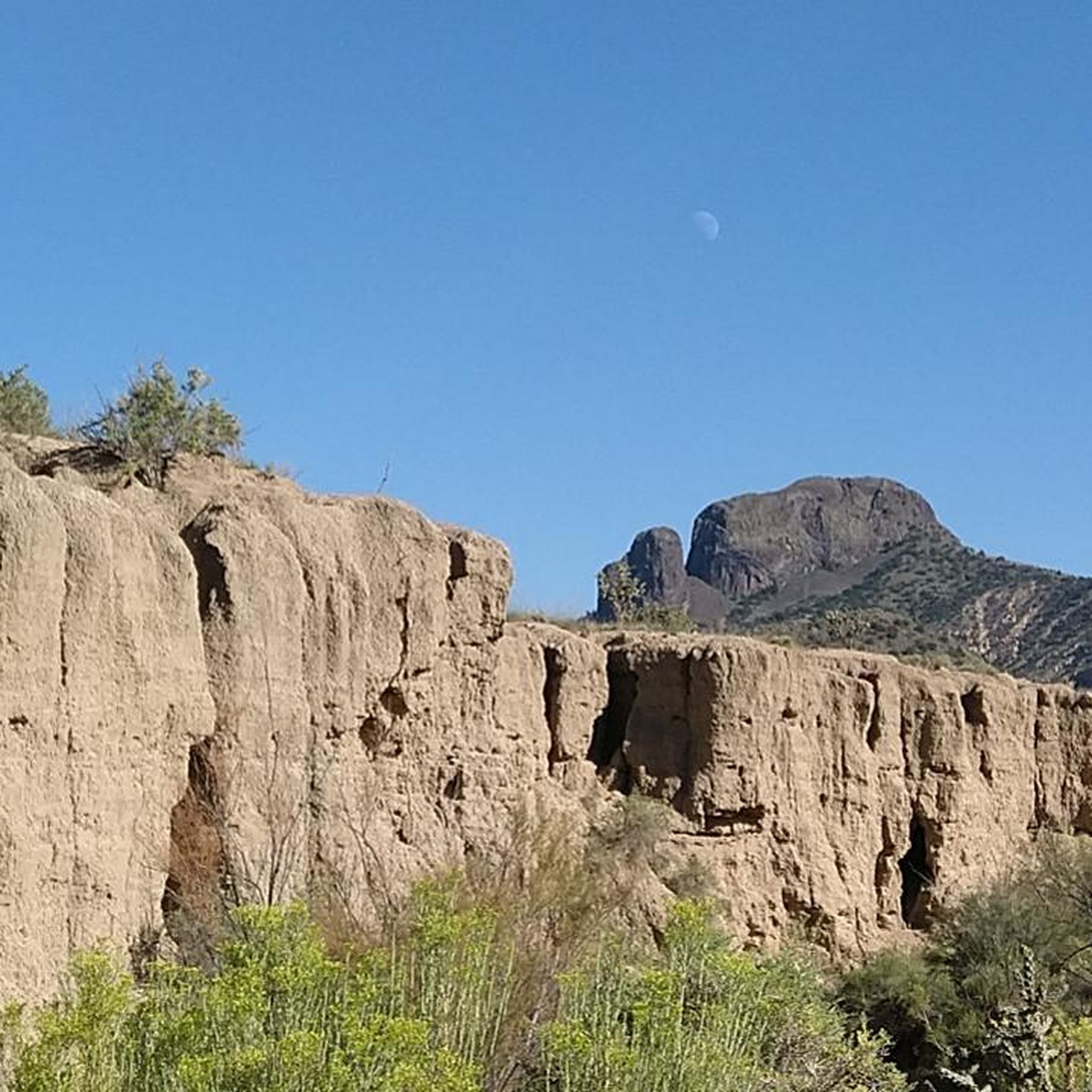
Natural Bridge and Slot Canyon
Highlight • Natural Monument
Tip by
Mount Taylor Summit
Highlight • Summit
Tip by
Grants, New Mexico
Highlight • Settlement
Tip by

Mining Museum
Highlight • Historical Site
Tip by
Sign up for free to discover even more attractions around Mount Taylor.
Sign up for free
Already have an account?
Start today with a free account
Your next adventure awaits.
Login or Signup


Tips from the Community

Located along historic Route 66, Grants is a gateway town to the lava flows and cinder cones of El Malpais National Monument and the rugged trails of El Morro National Monument. Once a logging and uranium boomtown, it now welcomes travelers with local museums, Route 66 landmarks, and access to hiking, caving, and volcanic landscapes. The town also serves as a key resupply stop for Great Divide Mountain Bike Route riders and long-distance hikers, making it both a practical and scenic pause on the road through western New Mexico.
0
0

Here is where the "trail" completely deteriorates and one must decide if they are turning back or continuing on for a route-finding, canyoneering adventure. Be aware that the terrain worsens after passing under the, and there is no official route other than the few miles of trail already traveled.
0
0
These ruins are a sacred Navajo site and are still used by some groups today. Because the ruins sit atop the canyon walls, the climb to up can be steep in spots, and some off trail travel can be required so make sure not to branch too far out of your comfort zone. There are more petroglyphs in this area as well.
0
0
Admire an awesome collection of ancient petroglyphs etched into the sides of the canyon walls here. These petroglyphs are easy to miss so be sure to slow down when approaching this area. There are some on both sides of the canyon, with the left petroglyphs being somewhat hidden under an overhang and the ones on the right being more in plain sight.
0
0

Dubbed 'Carrot Capital of the U.S.' circa 1939-1961 as a suburb of Grants, Milan's population increased during the Uranium boom between 1960 and 1990, and still grew by over 1,300 between 2000 and 2010, a rate of 71.6%. Many new houses and service-oriented businesses are being built. Milan is the site of the privately run Cibola County Correctional Center, which houses more than 1,000 federal prisoners and is a major employer. It is bordered to the south by Grants, the county seat. Interstate 40 runs through the village, with access via Exit 79. New Mexico State Road 122, formerly U.S. Route 66, passes through the eastern side of town. After the decline of logging in the 1930s, the area gained fame as the "carrot capital" of the United States. Agriculture was aided by the creation of Bluewater Reservoir, and the region's volcanic soils provided ideal conditions for farming. Grants also benefited from its location on U.S. Route 66, which brought tourists and travelers and the businesses that catered to them. The Grant brothers' camp was first called Grants Camp, then Grants Station, and finally Grants. The new city enveloped the existing colonial settlement of Los Alamitos and grew along the tracks of the Atlantic and Pacific Railroad. The town prospered as a result of railroad logging in the nearby Zuni Mountains, and it served as a section point for the Atlantic and Pacific, which became part of the Atchison, Topeka, and Santa Fe railroad empire. https://www.villageofmilan.com
1
0
Construction started on a first church in Grants in 1920 and was completed in 1923. It was dedicated to St. Teresa of Avila. Grants was originally known as Los Alamitos and was settled in 1864 by Don Jesus Maria Blea followed by Don Diego Antonio Chavez in 1882. The Atlantic and Pacific Railroads contracted with three brothers named Grant to build the railroad through this area going west. They established a base camp which became known as Grant’s Camp and in time shortened to Grants. In 1911 the first Mass was celebrated in Grants by the remarkable Father Robert Kalt, known by everyone as “El Padre Roberto” at the home of don Jesus Maria Blea. Before 1920 there was no church in Grants and the people usually attended Mass in San Rafael where Padre Roberto lived. El Padre Roberto was assigned to San Fidel which served as the parish church for this whole area including Grants, San Rafael and San Mateo. He came to Grants once a month until 1933 when Mass began weekly in Grants. A large solid stone community center was built in 1951 on a large tract of land donated by the Gunderson’s located about from the old St. Teresa’s church. With the large influx of people during the uranium boom, a large church was needed to accommodate the increasing Catholic population. In 1959 a new church and rectory were constructed at the corner of High and Smith Streets. https://cibolacatholiccommunity.com/st-teresa-of-avila
1
0
Here is where the "trail" completely deteriorates and one must decide if they are turning back or continuing on for a route-finding, canyoneering adventure. Be aware that the terrain worsens after passing under the, and there is no official route other than the few miles of trail already traveled.
0
0
These ruins are a sacred Navajo site and are still used by some groups today. Because the ruins sit atop the canyon walls, the climb to up can be steep in spots, and some off trail travel can be required so make sure not to branch too far out of your comfort zone. There are more petroglyphs in this area as well.
0
0
Frequently Asked Questions
What natural features can I explore around Mount Taylor?
The region offers diverse natural beauty, centered around the majestic Mount Taylor Summit itself, a dormant stratovolcano providing panoramic views. You can also explore the broader Mount Taylor Volcanic Field, characterized by geological formations like scoria cones and trachyte domes. The mountain is nestled within the Cibola National Forest, offering opportunities for wildlife observation and experiencing mixed conifer and aspen forests.
What historical and cultural sites are there to visit near Mount Taylor?
Mount Taylor holds immense spiritual significance for numerous Native American tribes. You can learn about the area's past at sites like the Historic Santa Teresa - Catholic Church in Grants, which dates back to 1920. The town of Grants also features the Mining Museum, documenting its history as a significant uranium mining center, and offers a glimpse into the iconic Historic Route 66 - Neon Drive-Thru.
Are there family-friendly attractions in the Mount Taylor area?
Yes, the town of Grants, a gateway to the region, offers several family-friendly spots. You can visit the Grants Welcome Signs and Park, or explore the Mining Museum, which provides an engaging experience with exhibits including an underground uranium mine. Many of the natural areas within Cibola National Forest also offer accessible and enjoyable experiences for families.
What kind of outdoor activities and trails are available around Mount Taylor?
The Mount Taylor region is excellent for outdoor enthusiasts. You can find a variety of hiking trails, including the popular Gooseberry Springs Trail which leads to the summit. The Continental Divide Trail also passes through the area, offering expansive views. For more options, explore our guides on Hiking around Mount Taylor and Running Trails around Mount Taylor.
Are there easy hiking trails suitable for beginners near Mount Taylor?
Absolutely. For those seeking less strenuous options, there are several easy hikes available. You can find trails like the Ojito Wilderness Trail Loop, Seismosaurus Trail, and Sandstone Bluffs Trail. For a comprehensive list of beginner-friendly routes, check out our guide on Easy hikes around Mount Taylor.
What is the best time of year to visit Mount Taylor for outdoor activities?
The spring and summer months are popular for outdoor activities, though visitors should be observant of weather conditions as afternoon storms can occur. The Mount Taylor Winter Quadrathlon, an endurance event, suggests that winter also offers unique opportunities for cross-country skiing and snowshoeing for those prepared for colder conditions.
Where can I find information about the cultural significance of Mount Taylor?
Mount Taylor is a sacred mountain for as many as 30 Native American tribes, including the Acoma, Laguna, Hopi, Zuni, and Navajo. It is recognized as a Traditional Cultural Property, encompassing over 442,000 acres. The Navajo know it as Tsoodził, or 'Turquoise Mountain,' one of their four sacred mountains. The Acoma people consider it the home of their Goddess of Creation. While specific visitor centers for cultural interpretation may vary, understanding its profound spiritual importance enhances any visit.
What is there to see in Grants, New Mexico, as a gateway to Mount Taylor?
Grants, New Mexico, serves as a key gateway to the Mount Taylor region. It's situated along Historic Route 66, featuring a 'Neon Drive-Thru.' The town also hosts the Mining Museum, offering insights into its uranium mining past, and the historic Santa Teresa - Catholic Church. Grants is also a practical stop for travelers, offering amenities and access to nearby natural attractions.
Are there any archaeological sites to explore in the Mount Taylor region?
Yes, the area surrounding Mount Taylor is rich in archaeological evidence of human presence dating back thousands of years. Lands like the L Bar Ranch, now part of the Traditional Cultural Property, contain an estimated 1,000 archaeological sites. You can also visit the Guadalupe ruins, a single-story masonry pueblo perched on a mesa, offering insights into ancient Pueblo life and great views.
Can I find petroglyphs or ancient rock art near Mount Taylor?
Yes, the region features ancient rock art. You can visit the Petroglyph Panel, which is a historical site located within a canyon, offering a glimpse into the artistic and cultural expressions of past inhabitants of the area.
What unique geological formations can be observed around Mount Taylor?
Beyond the stratovolcano itself, the Mount Taylor Volcanic Field extends to Mesa Chivato and Grants Ridge, showcasing millions of years of volcanic activity. Visitors can observe various geological formations including lava flows, breccias, debris flows, scoria cones, maars, and trachyte domes, particularly in areas like Mesa Chivato. The east-facing amphitheater on Mount Taylor is also a prominent feature shaped by erosion.
Are there any challenging trails for experienced hikers or runners?
For those seeking a challenge, the Mount Taylor region offers more demanding routes. The Gooseberry Springs Trail to the summit involves a significant elevation gain. Additionally, sections of the Continental Divide Trail, such as CDT Section 21, can be quite difficult. Our guide on Hiking around Mount Taylor provides details on moderate to difficult trails.
What is the significance of the Rio San Jose Drainage System?
The Rio San Jose Drainage System is a vital natural feature in the region. Shaped by climate, volcanic eruptions, and geological shifts, it serves as a primary water source for the Acoma Pueblo, highlighting its ecological and cultural importance to the local communities.
Most popular routes around Mount Taylor
Most popular attractions around Mount Taylor

Get inspired with the komoot mobile app


Explore more
Still not found the Highlight you’re looking for? See guides of the top attractions in other regions:
